The best road cycling routes around Birresborn
4.7
(268)
3,049
riders
31
rides
Road cycling routes around Birresborn traverse the Volcanic Eifel region of Germany, characterized by its ancient volcanic landscapes, dense forests, and picturesque river valleys. The terrain features rolling hills, offering a mix of challenging ascents and more gradual stretches along waterways. The area is situated directly on the Kylltalradweg, providing extensive cycling options. This region's geological history is evident in its varied elevations and natural features.
Best road cycling routes around Birresborn
- The most popular road cycling route is Kyll…
Last updated: August 6, 2026
5.0
(4)
89
riders
Moderate road ride. Good fitness required. Mostly well-paved surfaces and easy to ride.
3.0
(1)
42
riders
105km
05:33
1,960m
1,960m
Hard road ride. Very good fitness required. Mostly well-paved surfaces and easy to ride.

Sign up for free
22
riders
77.9km
04:07
1,410m
1,410m
Hard road ride. Very good fitness required. Some segments of this route may be unpaved and difficult to ride.
5.0
(3)
71
riders
Moderate road ride. Good fitness required. Mostly well-paved surfaces and easy to ride.
22
riders
Moderate road ride. Good fitness required. Mostly well-paved surfaces and easy to ride.
Get access to more routes and recommendations from other explorers.
Sign up for free
Already have an account?
Our route recommendations are based on thousands of hikes, rides, and runs completed by other people on komoot.
Start today with a free account
Your next adventure awaits.
Login or Signup
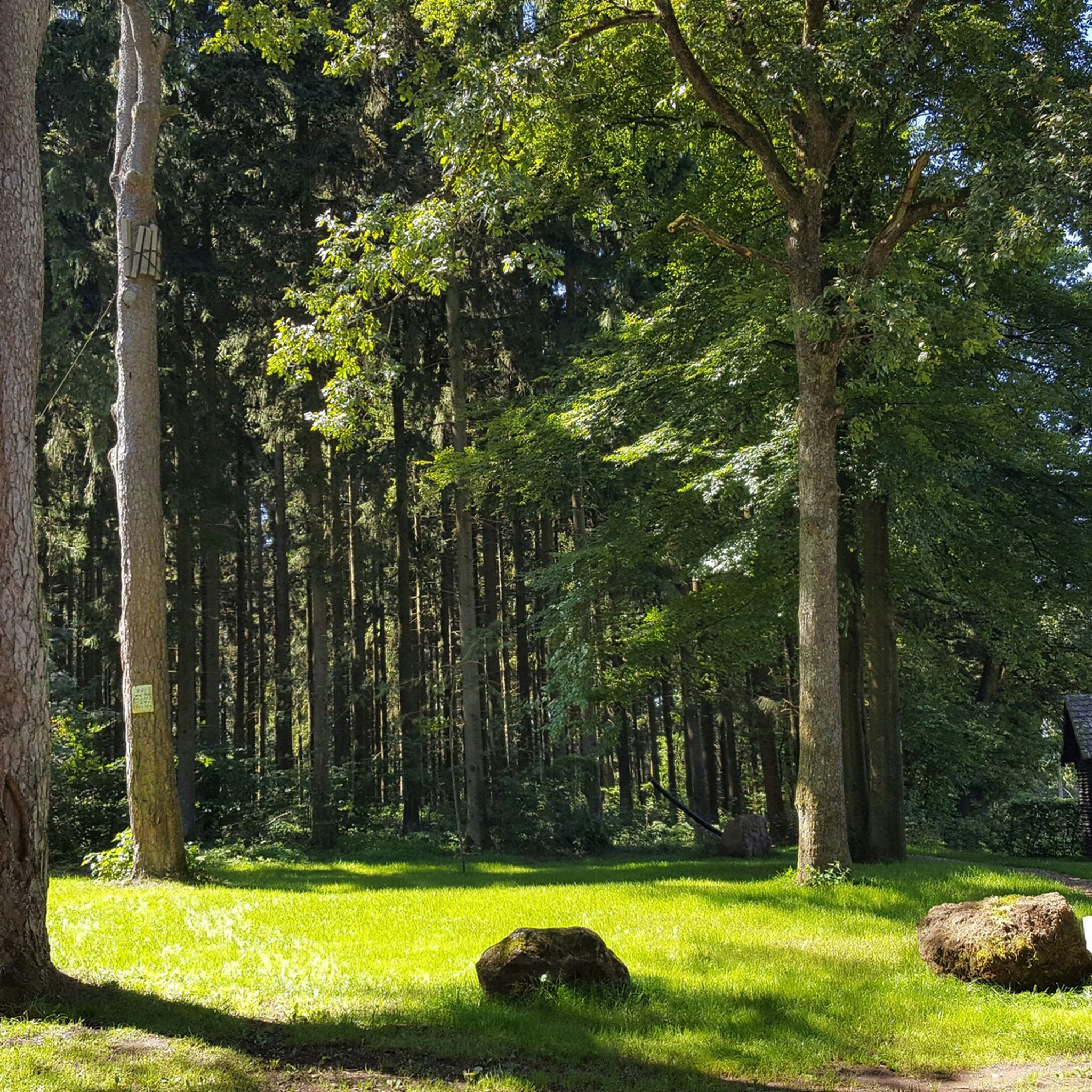
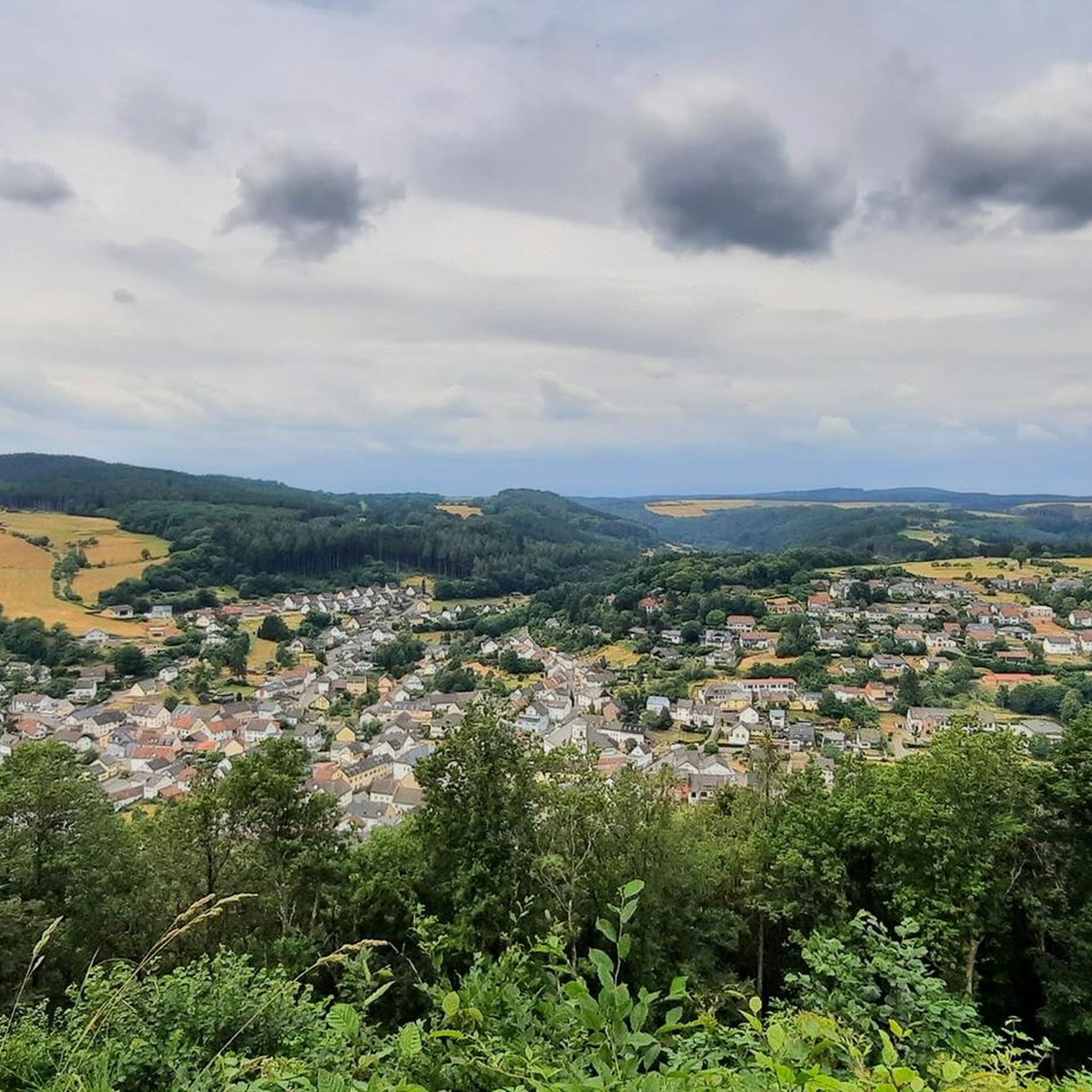
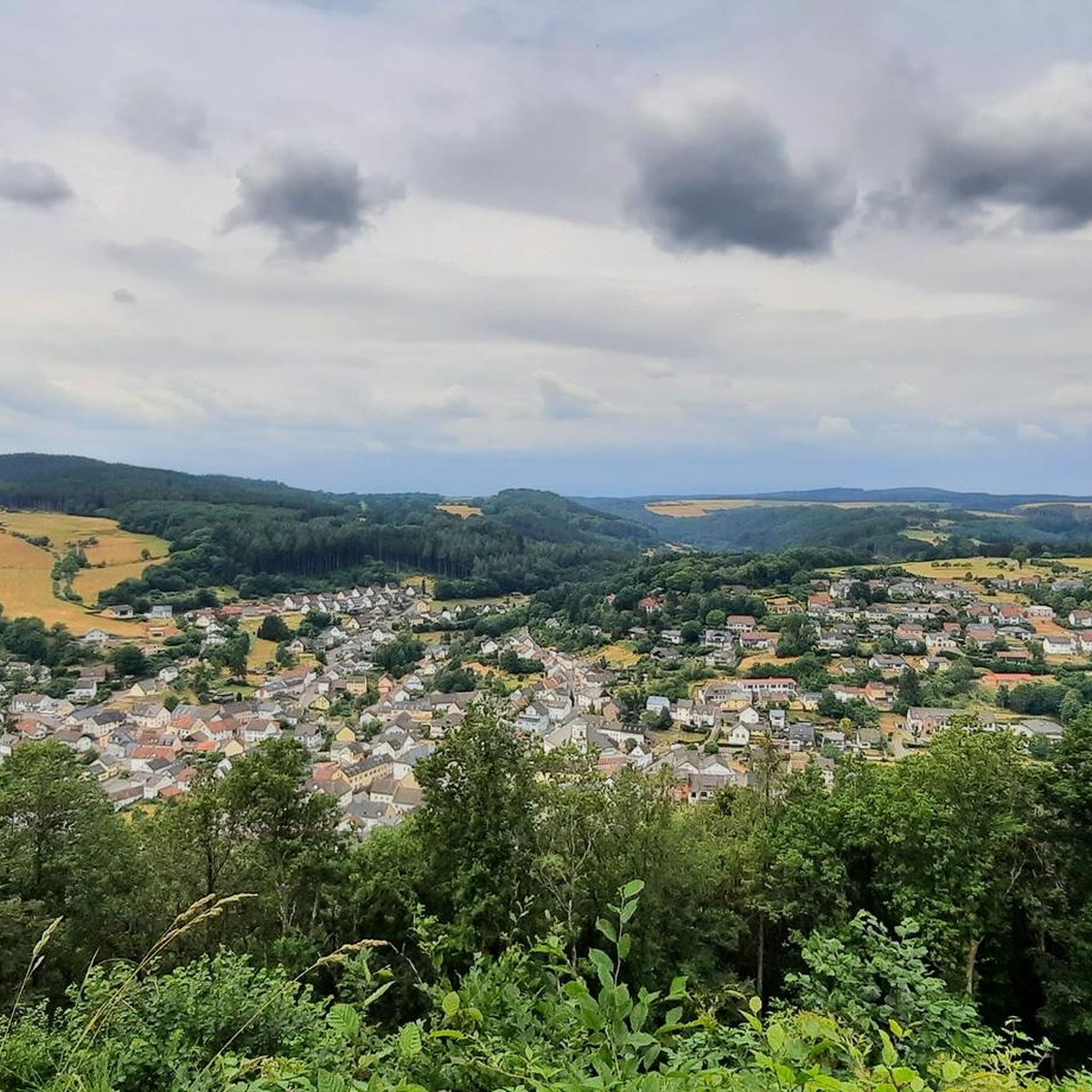
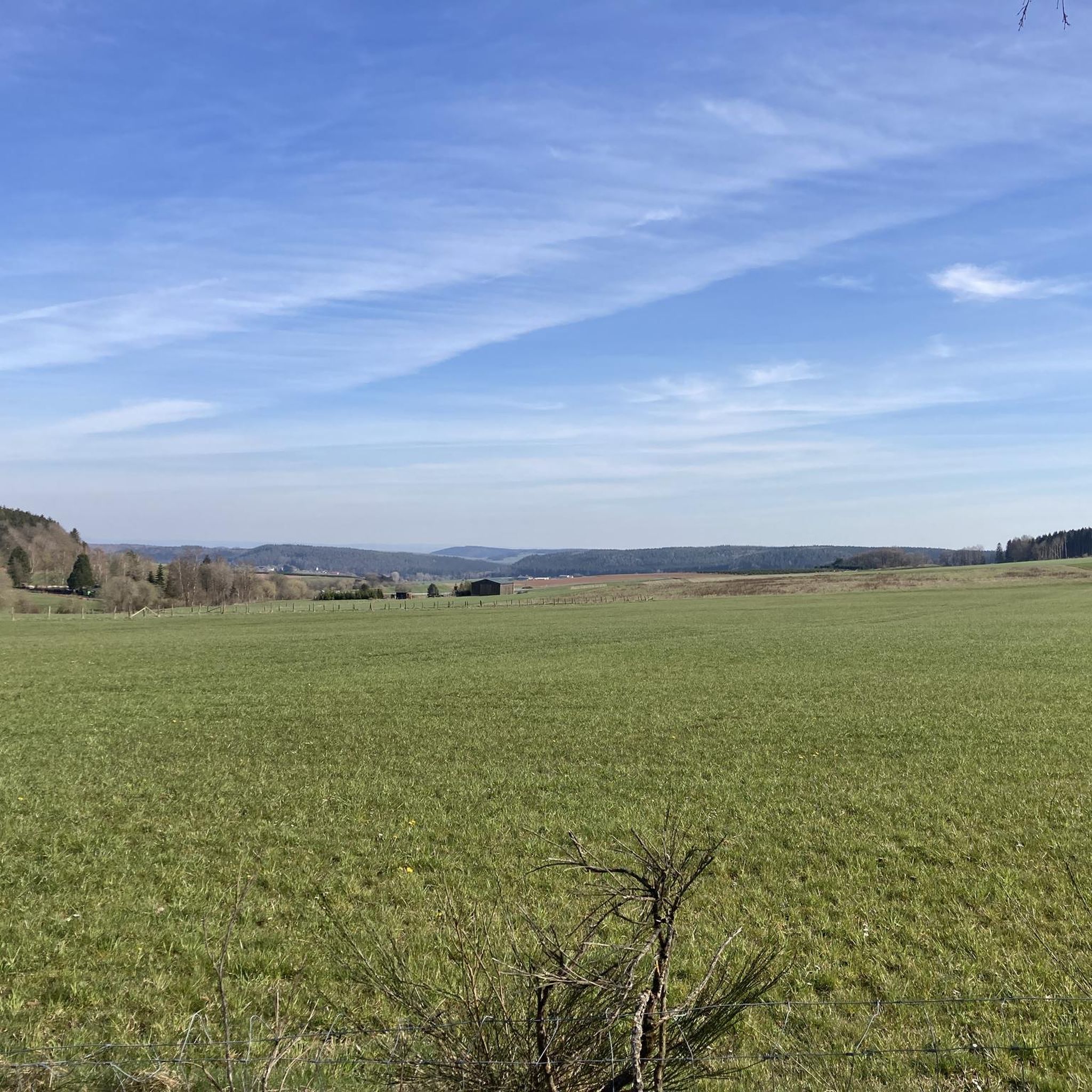

Tips from the Community

Great climb with new asphalt surface!
0
0
Great tree to admire as you drive by!
1
0


Lissingen Castle near Gerolstein is a fascinating Komoot highlight for cyclists and culture enthusiasts in the Volcanic Eifel region. Perched high above the Kyll River, the upper and lower castles tell a vibrant history, ranging from Roman origins and a medieval moated castle to today's successful restoration and use. Originally founded as a Roman settlement around the 2nd century, the first castle was built between the 10th and 13th centuries. It was first documented in 1212, as the property of the knightly family of Liezingen. The castle was more than just a fortified structure: moats fed by the Kyll and Oosbach rivers made it a true moated castle. In 1559, the property was divided into the lower and upper castles – a situation that continues to this day. In the 17th century, the Lower Castle received its current Baroque-Renaissance manor house and characteristic tithe barn. During the Napoleonic era, the right of lordship was lost, but later both parts of the castle were reunited. In the 19th and early 20th centuries, the complex served as an agricultural and dairy center, including its own small power plant from 1906. Today, after extensive restoration, the Lower Castle is a living open-air museum with a castle courtyard, mill (including the court bakery), manor house, barns, mill race, and a historic power plant. Visitors can book guided tours, sample bread baked in a stone oven, or attend events such as weddings and exhibitions. A sculpture trail in the castle meadows completes the experience. The Upper Castle, a private residential and cultural complex, is also privately owned. Guided tours and vacation rentals are available upon request. Lissingen Castle is an ideal stopover for cyclists on the Kyll Valley Cycle Path or Eifel tours: located directly on the trail, with parking nearby and refreshment options. Visitors not only enjoy the picturesque architecture, but also experience the transformation from Roman origins to monastic fiefdom and commercial agricultural operation to today's living cultural heritage. Practical information: The lower castle can be visited regularly almost year-round (please check opening hours and guided tours in advance), the upper castle only by appointment. Food and drink are available at the castle mill/court bakery – perfect for a rest stop while cycling through the Eifel.
0
0

Perfect asphalt and moderate incline :) perfect for performance testing!
0
0

Weinfelder Maar - Impressive Evidence of Explosive Geological History The Weinfelder Maar – also known as Totenmaar – is one of the three so-called Daun Maars. It is located about 2 kilometers from our district town of Daun, near the municipality of Schalkenmehren, between the Gemünden and Schalkenmehren Maars. It has a diameter of approximately 525 meters and a depth of 51 meters, making it the deepest of the three Daun Maars. It is the youngest and, at 487 meters above sea level, the highest of the three closely adjacent maars, which formed between 20,000 and 30,000 years ago. Text / Source: Natur- und Geopark Vulkaneifel GmbH, Mainzer Str. 25, Daun https://www.geopark-vulkaneifel.de/eifel/landschaft/maare-und-kraterseen/weinfelder-maar.html
12
0
Weinfelder Maar The Weinfelder Maar, formed by volcanic activity around 20,000 to 30,000 years ago, is the highest of the three Daun Maars at 487 meters above sea level. The lake is 51 meters deep and has a diameter of 396 to 429 meters. An almost melancholic atmosphere surrounds the maar. Many legends surround the tranquil Eifel eye. A castle is said to have once stood on the site of the crater, where a count lived with his wife and only child. After returning home from a hunt, the castle had sunk as punishment for the woman's nastiness, and he found only a lake where a cradle miraculously floated his child safely to the shore. If you look at the dark surface of the water long enough, it is said that you can make out the outline of the castle. The German landscape painter Fritz von Wille was so fascinated by the Weinfelder Maar that he repeatedly immortalized it in his paintings. Among his favorite motifs was the small chapel on the north bank, dedicated to Saint Martin. It was once the parish church of the village of Weinfeld, which was ravaged by the plague in the 16th century. Anyone who rings the bells inside by pulling the ropes can make a wish. To this day, the associated cemetery is maintained and used by the local community of Schalkenmehren. This is also where its second name, Totenmaar, comes from. Donkeys and goats have been introduced to the Weinfelder Maar to regulate vegetation. The maar's unique flora and fauna are protected. Swimming and other water sports are prohibited in the Weinfelder Maar, but a nearly two-kilometer-long path makes it a wonderful place to explore on foot. Parking: Guests can park along the L64 either in the parking lot at the Weinfelder Maar or on the Maarsattel between the Weinfelder Maar and the Schalkenmehrener Maar. Text / Source: GesundLand Vulkaneifel GmbH, Leopoldstr. 9 A, 54550 Daun https://www.eifel.info/a-weinfelder-maar
12
0
The Daun Maars - 10,000-Year-Old Volcanic Lakes The Daun Maars were formed around 10,000 years ago from volcanic steam explosions. Hot lava rises from the Earth's interior and encounters water, which suddenly evaporates. This blasts away entire mountain peaks. What remains is a deep crater that fills with water over the years and a wall of boulders surrounding the lake. The Daun Maars include the Gemünden Maar, the Weinfelder Maar, and the Schalkenmehrener Doppelmaar. One crater of the Schalkenmehrener Maar has silted up over the millennia. The area is a nature reserve and a refuge for waterfowl and rare dragonfly species. Text / Source: deutschland-outdoor.der https://deutschland-outdoor.de/eifel/dauner-maare
13
0
Frequently Asked Questions
What kind of terrain can I expect when road cycling around Birresborn?
Road cycling around Birresborn offers a diverse landscape, characterized by the Volcanic Eifel region. You'll encounter rolling hills, providing a mix of challenging ascents and more relaxed stretches, particularly along picturesque river valleys like the Kyll. The area also features dense forests and ancient volcanic formations.
Are there road cycling routes suitable for beginners or less experienced riders in Birresborn?
While there are no routes specifically classified as 'easy' for road cycling, Birresborn offers 13 moderate routes. These often follow river paths like the Kyll Cycle Path, providing more gradual gradients and mostly paved surfaces suitable for those with a reasonable fitness level. An example is the Kyll River Path in Gerolstein – Kyll Cycle Path near Lissingen loop from Birresborn, which is 30 km long.
Where can I find challenging road cycling routes in Birresborn?
For experienced road cyclists seeking a challenge, Birresborn has 20 difficult routes with significant elevation gains. One such route is the extensive Climb to Rom – Pronsfeld Railway Museum loop from Birresborn, which covers over 105 km and features considerable climbs. Another demanding option is the View of the Schalkenmehrener Maar – Weinfelder Maar viewpoint loop from Birresborn, taking you through the Volcanic Eifel landscape.
What natural features or landmarks can I see while road cycling in Birresborn?
The region around Birresborn is rich in natural and historical sights. You can cycle past the unique View of Gerolstein from the Munterley, explore the scenic Bolsdorfer Valley, or discover the ancient Martins Cave. The routes also offer views of the Kyll River Valley and the surrounding dense forests. Don't miss the Birresborn Ice Caves, known for their year-round cool temperatures.
Are there any road cycling routes around 50 km in Birresborn?
Yes, there are several road cycling routes around the 50 km mark. For instance, the Cyclists' Bridge over the Kyll – View of Bertrada Castle loop from Birresborn is a moderate 45.9 km route that offers scenic views and passes by Bertradaburg. Another option is the View of the Schalkenmehrener Maar – Weinfelder Maar viewpoint loop from Birresborn, which is 77.9 km, offering a longer ride through the Volcanic Eifel.
What do other road cyclists enjoy most about road cycling in Birresborn?
The road cycling routes in Birresborn are highly rated by the komoot community, with an average score of 4.8 stars from over 10 reviews. Cyclists frequently praise the varied volcanic terrain, the scenic river valleys, and the well-maintained paths that cater to different ability levels. Many appreciate the mix of challenging climbs and tranquil stretches through dense forests.
Can I combine road cycling with public transport in Birresborn?
Yes, Birresborn is well-connected for cyclists using public transport. It has a train station on the Cologne-Trier line, allowing for flexible route planning and convenient return journeys. Additionally, cycle buses are available to transport bikes, particularly towards the Moselle region, expanding your cycling possibilities.
Are there any circular road cycling routes available in Birresborn?
Many of the road cycling routes around Birresborn are designed as loops, offering convenient circular tours. Examples include the Treisbach Climb – Himmerod Abbey loop from Birresborn, a challenging 67.4 km route, and the moderate Kyll River Path in Gerolstein – Kyll Cycle Path near Lissingen loop from Birresborn. These circular routes allow you to start and end your ride in Birresborn without needing to retrace your path.
What is the best time of year for road cycling in Birresborn?
The best time for road cycling in Birresborn is generally from spring through autumn. During these seasons, the weather is typically mild, and the landscapes are vibrant. The rolling hills and river valleys are particularly beautiful in spring with blooming flora, and in autumn with colorful foliage. Summer offers warmer temperatures, ideal for longer rides.
Are there any castles or historical sites along the road cycling routes?
Yes, the region features several historical sites and castles. You can find routes that offer views of Freudenkoppe Castle Ruins, Kasselburg, and Bertradaburg. The Cyclists' Bridge over the Kyll – View of Bertrada Castle loop from Birresborn is a great option to incorporate castle views into your ride.
How many road cycling routes are available around Birresborn?
There are over 30 road cycling routes available around Birresborn. These routes cater to various fitness levels, with 13 classified as moderate and 20 as difficult, ensuring options for both casual riders and those seeking a significant challenge.
Most popular attractions around Birresborn

Get inspired with the komoot mobile app


Explore more
Browse the best Road cycling routes in other regions.
