The best road cycling routes around Mornac-Sur-Seudre
4.1
(140)
3,330
riders
33
rides
Road cycling routes around Mornac-Sur-Seudre traverse a landscape characterized by the gentle topography of the Seudre estuary and its extensive salt marshes. The region offers predominantly paved surfaces, making it suitable for various road cycling abilities. Cyclists can expect routes that wind through historic villages, alongside oyster farms, and occasionally skirt the edges of the Coubre forest, providing diverse scenery without significant elevation gains.
Best road cycling routes around Mornac-Sur-Seudre
- The most popular road cycling route is Saujon, Pisany, and…
Last updated: November 20, 2026
3.0
(1)
8
riders
57.7km
02:29
170m
170m
Moderate road ride. Good fitness required. Mostly well-paved surfaces and easy to ride.
5
riders
Moderate road ride. Good fitness required. Mostly well-paved surfaces and easy to ride.

11
riders
Easy road ride. Mostly well-paved surfaces and easy to ride.
5.0
(1)
5
riders
Moderate road ride. Good fitness required. Mostly well-paved surfaces and easy to ride.
6
riders
Moderate road ride. Good fitness required. Mostly well-paved surfaces and easy to ride.
Get access to more routes and recommendations from other explorers.
Already have an account?
Our route recommendations are based on thousands of hikes, rides, and runs completed by other people on komoot.
Start today with a free account
Your next adventure awaits.

Tips from the Community

The Saint-Laurent church has a remarkable feature: its medieval Romanesque bell tower survived the destruction, while the church was rebuilt around it. 1. The origins: 1047 The first known mention of the church dates back to 1047. In a charter, Geoffroy Martel, Count of Anjou, ceded the churches of Saint-Laurent du Gua and Saint-Martin de Sanzillac (an old name associated with Saint-Martin du Gua) to the Abbaye aux Dames in Saintes, along with their parishes, lands, and revenues. This donation testifies to the religious importance of the territory as early as the 11th century. 2. The Romanesque church and its fortified bell tower The original church was a Romanesque building, of which the bell tower is today the main remnant. During the Hundred Years' War, the bell tower was adapted for defensive purposes. One can notably distinguish: -Two levels of Romanesque arcades and bays. -A wall walk for surveillance. -A fortified upper part. -A timber spire covered with slate, added at the beginning of the 16th century. This bell tower is particularly interesting because it combines Romanesque religious architecture with military adaptations. 3. The Wars of Religion and the destruction In the 16th century, the church suffered severe damage during the Wars of Religion. A fire destroyed a large part of the building. The bell tower itself was partially razed, then transformed into a fortified tower. The large Romanesque church thus almost entirely disappeared. 4. The reconstruction around 1800 Around 1800, the old church was considered too dilapidated and dangerous. It was decided to build a new sanctuary while preserving the medieval bell tower. An important architectural feature: the new church was built with a different orientation than the old one. The current facade presents a neoclassical style, with: -Pilasters. -A triangular pediment. -A monumental entrance reminiscent of a triumphal arch. 5. Treasures to discover inside Several elements deserve special attention. -The stained glass windows They date from the 19th and 20th centuries. Some represent episodes from the life and martyrdom of Saint Laurent, the patron saint of the church, as well as Saint Thérèse. -The high altar It comes from the old church of Dercie, a village that today belongs to the commune of Le Gua. -The maritime ex-voto It is a particularly interesting piece: a model of a three-masted ship, dating from the 19th century. It measures: 65 cm in height; 75 cm in length. Its hull is carved from a single block of wood. It represents a three-master with twelve gun ports depicted in black paint. 6. Classification as a Historic Monument -The bell tower is classified as a Historic Monument, but be careful: this classification concerns the bell tower and not the entire church. -The maritime ex-voto was classified as a Historic Monument on November 10, 1980. 7. A recent archaeological discovery: 2019 This is probably the most exciting aspect of the monument's history. During sanitation and redevelopment work on the Place de Verdun, archaeologists intervened around the church. They found: -Remains of the north wall of the original Romanesque nave. -Buried architectural elements. -Old circulation levels inside the church. -Graves. -Traces of medieval constructions nearby. These researches showed that the remains of the old church were much better preserved than previously thought. You can consult the official report from the Ministry of Culture: Archaeological report 2019 – Le Gua, pages 80 and 81 (PDF).
0
0

The Halles of Mornac first appeared in the Middle Ages. It was only in 1664 that the first written proof attested to their existence. They are likely older and could date back to the 1550s. The Halles are generally timber-framed shelters supported by stone pillars and covered with tiles. It can be assumed that, like those of Cozes and Pisany, they suffered the vicissitudes of the Wars of Religion and were damaged, or even destroyed, then rebuilt when peace returned. The site of the Halles of Mornac was a renowned fairground and allowed the inhabitants to sell their products in exchange for a fee paid to the Lord. It was an important source of income for him, which also obliged him to maintain these Halles in perfect condition. An act engaging the Lord and the seller sealed a contract signifying the rights to sell unpacked goods and the maintenance of the said Halles.
0
0

The artwork shows two giant hands opening a large oyster with an oyster knife. The base of the roundabout is appropriately covered with countless empty oyster shells. The sculpture is called "Les mains et l’huître" (or also "Les amateurs d'huîtres") and was created in 2004 by the French artist Jean-Luc Plé, who is known for his large-scale roundabout art (Art giratoire) in the region. The artwork symbolizes the long tradition of oyster farming in the Marennes-Oléron basin, the best-known oyster farming region in France.
0
0
Good asphalt, practically no cars, so you can run well on it.
0
0

Exceptional view, the most beautiful village in France.
0
0

Perfect beachside bike trail along the boulevard, with several rest stops with seating and beach acces.
0
0

On the beach of Royan (20,000 inhabitants). This is where the boat that takes you across the Gironde docks/departs.
0
0

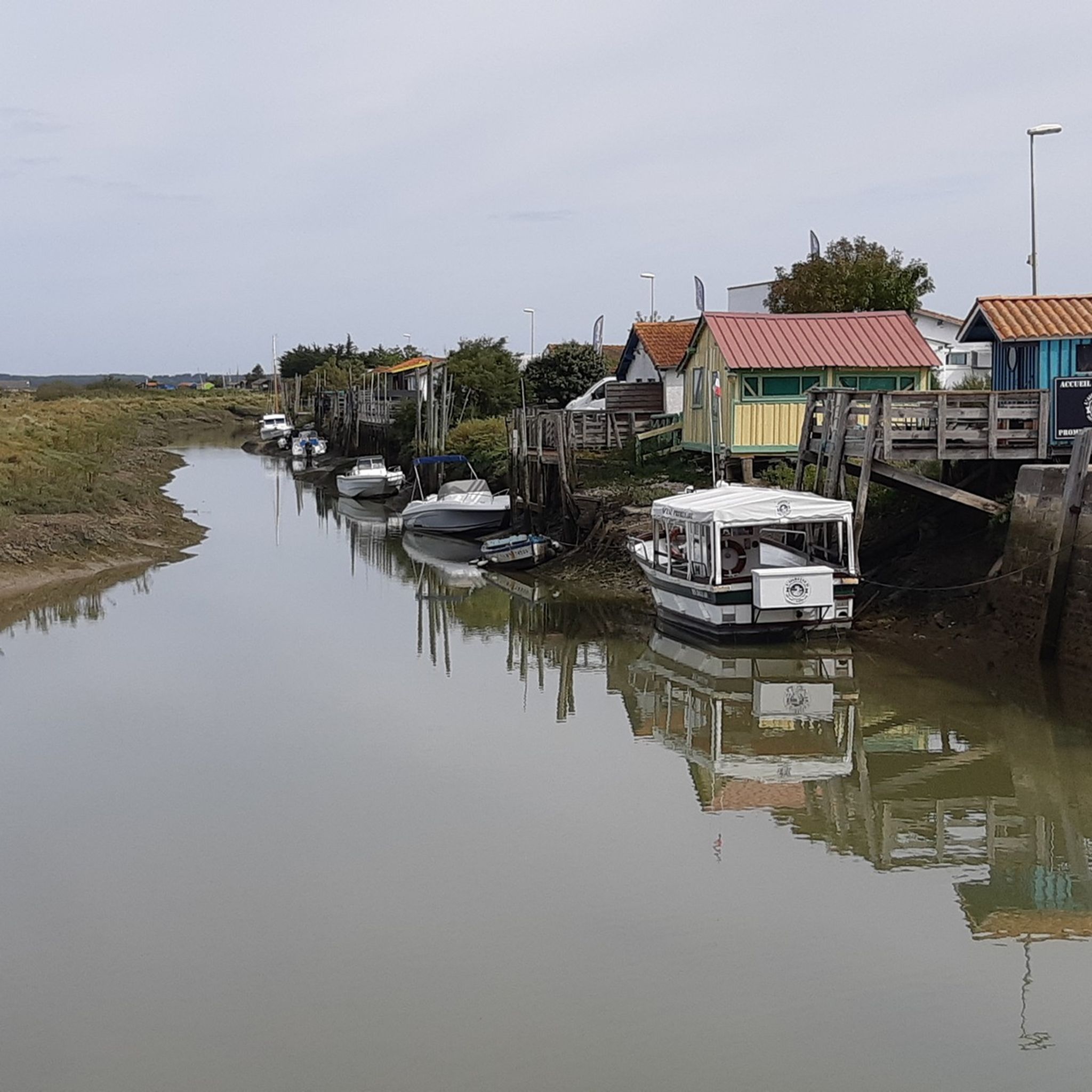
Along the Oysterfields, This is France at its best (when the sun shines!)
0
0
Frequently Asked Questions
How many road cycling routes are available around Mornac-Sur-Seudre?
There are over 35 road cycling routes around Mornac-Sur-Seudre, offering a variety of options for different skill levels. Most routes are classified as moderate, with a few easier options available.
What kind of terrain can I expect when road cycling in Mornac-Sur-Seudre?
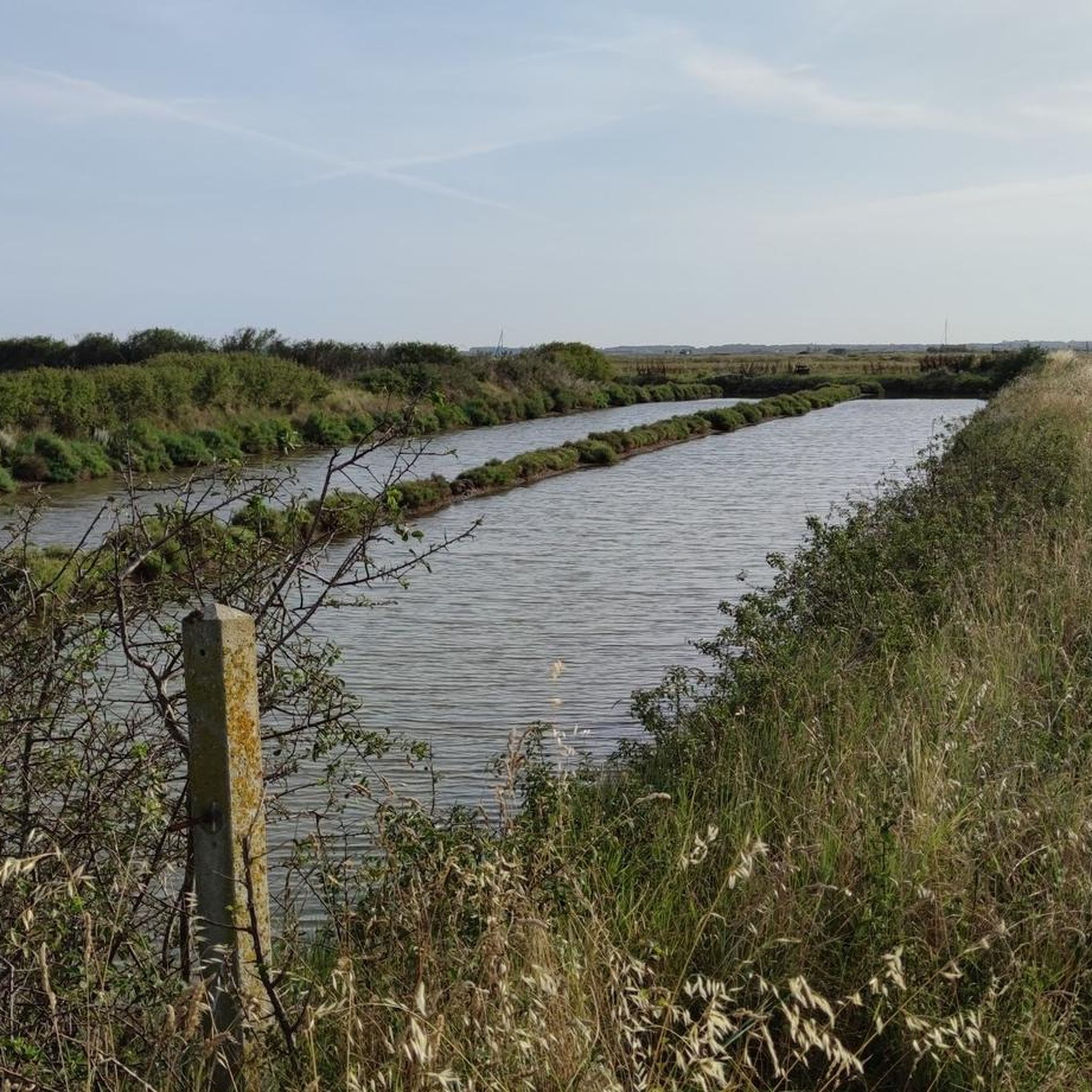
The region features a gentle topography with predominantly paved surfaces, making it ideal for road cycling. Routes often wind through the Seudre estuary, extensive salt marshes, and occasionally skirt the edges of the Coubre forest, providing diverse scenery without significant elevation gains.
What do other cyclists say about road cycling in Mornac-Sur-Seudre?
The routes in Mornac-Sur-Seudre are highly rated by the komoot community, with an average score of 4.0 stars from over 30 reviews. Cyclists often praise the picturesque landscapes, the well-maintained paved surfaces, and the unique experience of cycling through the salt marshes and historic villages.
Are there easy road cycling routes suitable for beginners in Mornac-Sur-Seudre?
Yes, Mornac-Sur-Seudre offers several easier routes suitable for beginners. These routes typically feature minimal elevation gain and are predominantly on paved surfaces, allowing for a relaxed cycling experience. An example is the 'Saint-Sulpice Church loop' which is 33.7km with 130m elevation.
Are there any challenging road cycling routes near Mornac-sur-Seudre?
While the region generally has gentle topography, some routes offer longer distances and slightly more elevation for those seeking a moderate challenge. For instance, the Mornac-sur-Seudre – Notre-Dame Church, Royan loop covers nearly 80 km with over 500 meters of elevation gain, providing a more demanding ride.
What natural features and landscapes will I see on road cycling routes around Mornac-Sur-Seudre?
You'll encounter diverse natural beauty, including the vast Seudre estuary and its picturesque salt marshes, which are significant for oyster farming. Many routes also offer glimpses of the majestic Coubre forest and provide access to stunning dune beaches like Chay Beach, with views of the Atlantic coast.
Are there any historical or cultural landmarks to explore along the routes?
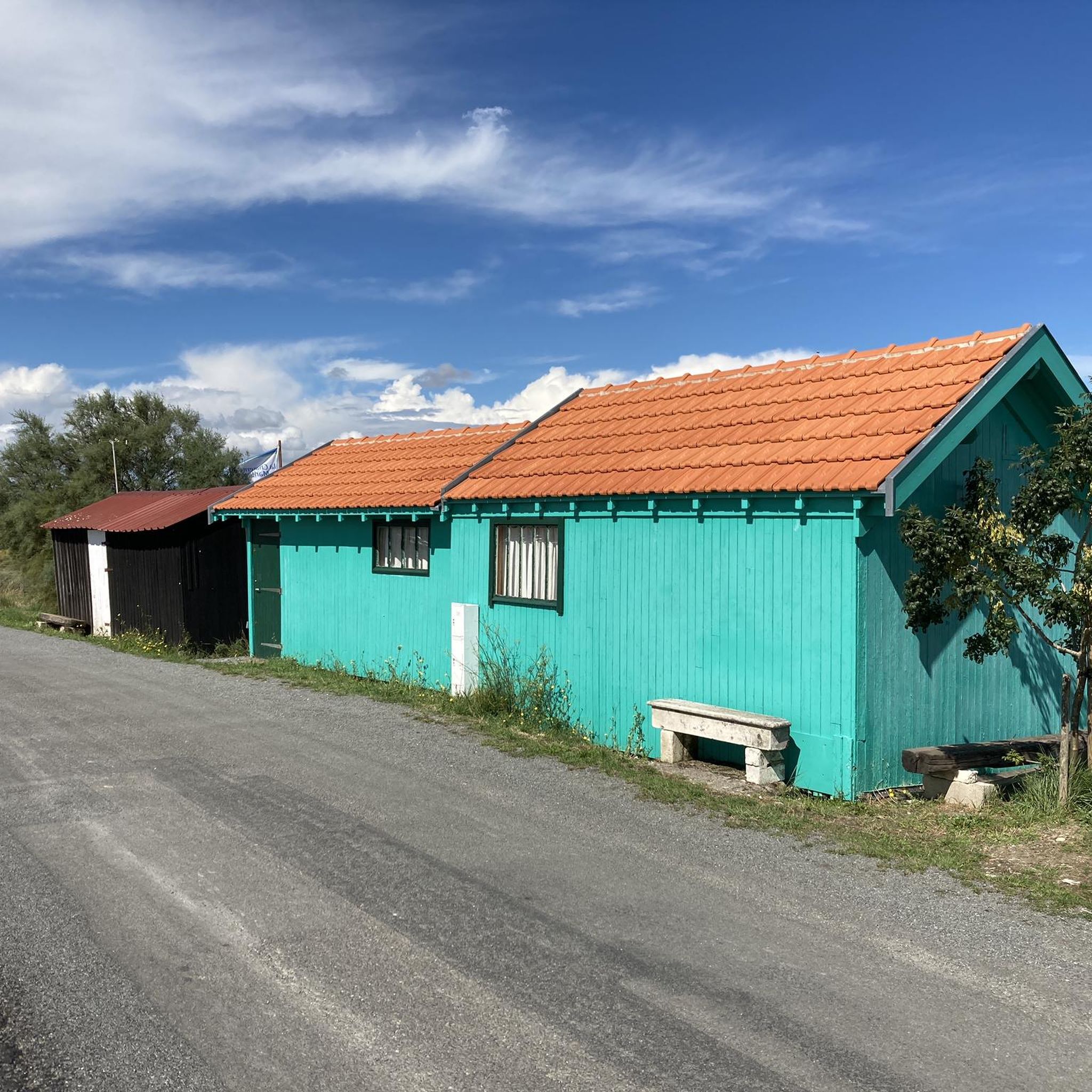
Absolutely. Mornac-sur-Seudre itself is classified as one of France's Most Beautiful Villages, featuring a medieval center with cobbled streets and the Romanesque Church of Saint-Pierre. You can also explore the vibrant oyster port with its colorful huts, some transformed into boutiques. Routes may also pass by historical sites like the German Bunkers of La Grande Côte.
Which routes offer the best scenic viewpoints?
Many routes provide scenic views, particularly those winding through the salt marshes and along the Seudre estuary, offering a 'mosaic of water mirrors'. Routes that extend towards the coast, such as those near Chay Beach, offer stunning views of the Atlantic and the Cordouan lighthouse. The Brouage Marsh – Seudre Bridge loop is particularly noted for its vistas of the estuary.
Can I find circular road cycling routes starting from Mornac-Sur-Seudre?
Yes, many road cycling routes in the area are circular, allowing you to start and end in Mornac-Sur-Seudre. Examples include the Saujon, Pisany, and L'Éguille Loop and The market halls in Mornac-sur-Seudre – Mornac-sur-Seudre loop, both offering convenient round trips.
Are there family-friendly road cycling options in Mornac-Sur-Seudre?
The region's gentle topography and dedicated cycle paths make it suitable for family cycling. Many routes are predominantly paved and have low elevation, allowing for enjoyable rides with children. The 30 km route connecting Mornac-sur-Seudre to La Tremblade through the oyster marshes is a good example of a scenic and accessible option.
What is the best time of year for road cycling in Mornac-Sur-Seudre?
The region is enjoyable for road cycling for much of the year. Spring and autumn offer pleasant temperatures and fewer crowds, making them ideal. Summer can also be great, especially for coastal routes, though it can be busier. The gentle climate of the Charente-Maritime department generally provides good cycling conditions outside of the coldest winter months.
Are there places to stop for refreshments or food along the cycling routes?
Yes, many routes pass through charming villages and towns where you can find cafes, restaurants, and local markets. Mornac-sur-Seudre itself has a central covered market and oyster huts transformed into boutiques and eateries. The oyster ports along the Seudre estuary are excellent spots to sample local produce.
Is bike rental available in Mornac-Sur-Seudre?
While specific rental shops aren't detailed in the route data, Mornac-sur-Seudre is a popular cycling destination. It's advisable to check with local tourism offices or search online for bike rental services in Mornac-sur-Seudre or nearby towns like La Tremblade or Royan, especially if you need road bikes.
How can I access the cycling routes using public transport or find parking?
Mornac-sur-Seudre is accessible by road, and parking is generally available within the village, especially near the port or market areas, serving as convenient starting points for many routes. For a unique experience, the 'Train des Mouettes' steam train operates between La Tremblade and Saujon, with a stop in Mornac, offering an alternative way to reach the area and combine cycling with a scenic train ride.
Most popular routes around Mornac-Sur-Seudre
Most popular attractions around Mornac-Sur-Seudre

Get inspired with the komoot mobile app


Explore more
Browse the best Road cycling routes in other regions.
