Attractions and Places To See around Pournoy-La-Grasse - Top 20
Best attractions and places to see around Pournoy-La-Grasse include a variety of historical sites and cultural landmarks. The region offers opportunities to explore ancient Roman engineering and modern art. Visitors can discover significant architectural works and natural riverside paths, making it a diverse area for exploration.
Best attractions and places to see around Pournoy-La-Grasse
- The most popular attractions is Gorze–Metz Roman Aqueduct (Jouy-aux-Arches), a man-made monument that supplied ancient Metz with water. This impressive Roman aqueduct, built in the…
Last updated: May 21, 2026
Gorze–Metz Roman Aqueduct (Jouy-aux-Arches)
Highlight • Monument
All boards are in French, English and German.
Translated by Google •
Tip by

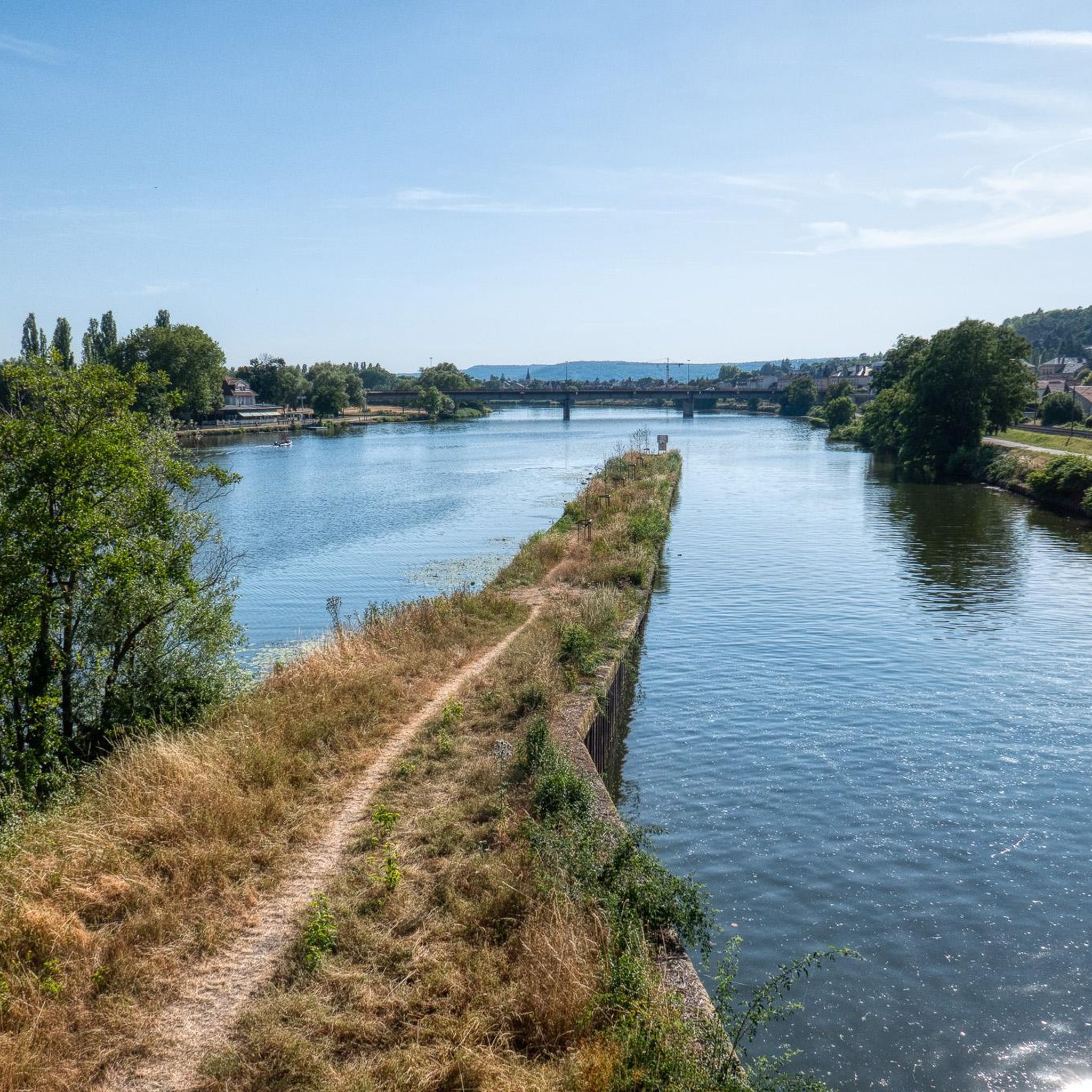
Along the Moselle
Highlight • Other
Translated by Google •
Tip by

Sign up now to discover places like this
Get recommendations on the best single tracks, peaks, & plenty of other exciting outdoor places.
Sign up for free
Centre Pompidou-Metz
Highlight • Monument
Translated by Google •
Tip by

Metz-Ville station
Highlight • Other
Built during …
Translated by Google •
Tip by
Porte Serpenoise
Highlight • Monument
Translated by Google •
Tip by

Sign up for free to discover even more attractions around Pournoy-La-Grasse.
Sign up for free
Already have an account?
Start today with a free account
Your next adventure awaits.
Login or Signup


Tips from the Community

The Serpenoise Gate is an important element of the fortifications of the city of Metz. It was built in 1852 by the inhabitants of Metz on the ruins of the Scarponne Gate, along the axis of a Roman road.
13
0

A spectacular building from 2010, the first branch of Paris's famous Centre Pompidou, a museum of contemporary art. A white, curved roof is stretched across many exposed wooden beams. Inside, the tube-like exhibition spaces are stacked one above the other in a star shape, with enormous panoramic windows at the ends offering views of the city and the surrounding area.
4
1

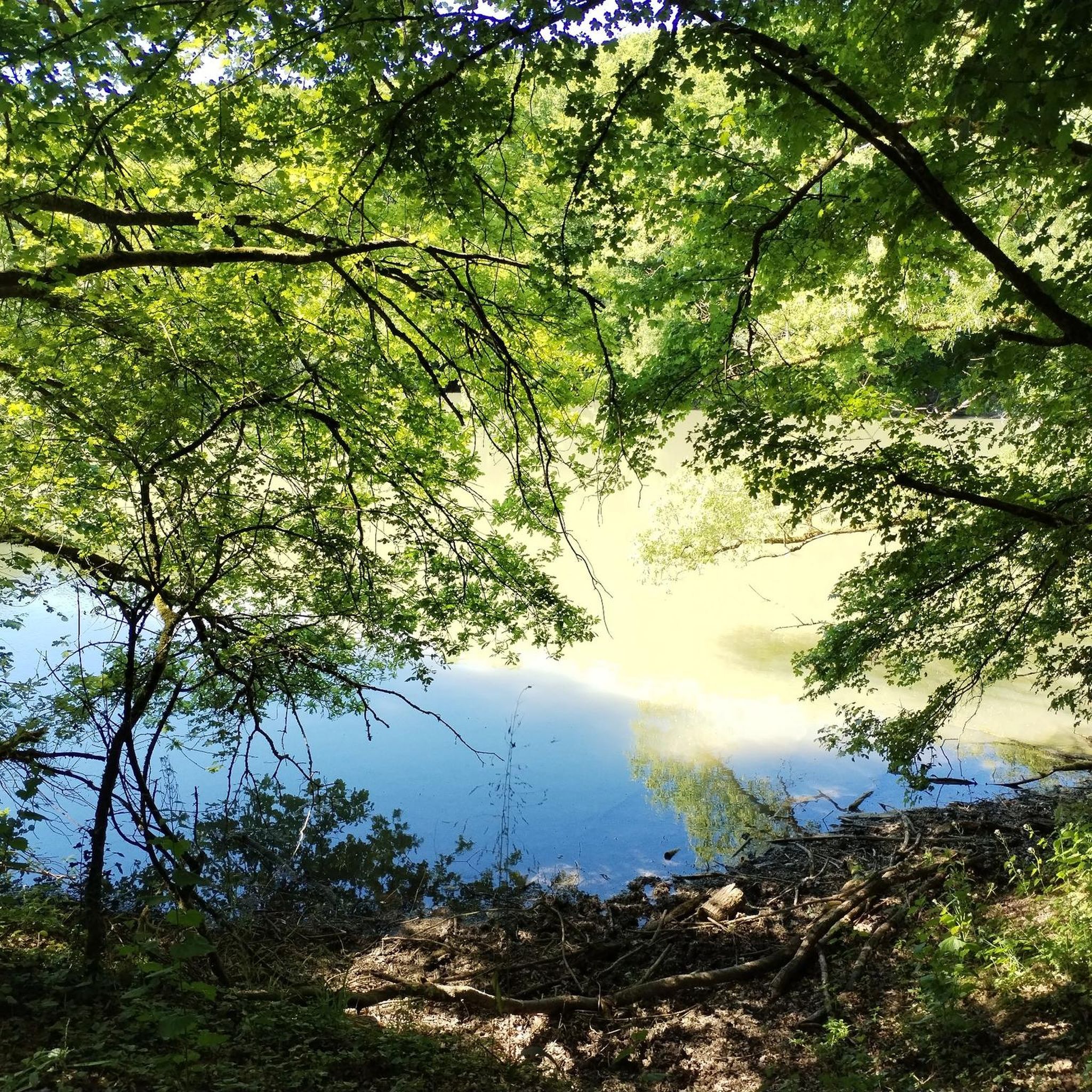
Amazing islands of nature in the middle of a very anthropized area.
1
0

The Center Pompidou-Metz is a well-known contemporary art museum located in the Amphitheater district. Created in 2010 as part of a development project, it is one of the most visited museums in France outside of Paris. Its creation represented the first example of decentralization of a public cultural building, in this case the Center Georges Pompidou in Paris. The idea of creating a "branch" came to the now director Jean-Jacques Aillagon in 1997, when the Pompidou in Paris was closed for works (1997-2000). To continue exhibiting the various collections it was decided to create the “Outside the Walls” project, with exhibitions in various French cities. Given the success, concrete thought was given to a second location for the Pompidou Center. Input to the project was given by Aillagon himself when, in 2002, he was appointed Minister of Culture. Various cities showed interest, including Caen, Montpellier, Nancy and Lille, but in January 2003 the final choice was announced: Metz. The following March the tender for the project was launched, won by architects Shigeru Ban, Jean de Gastines and Philip Gumuchdjian. The construction was part of the urban redevelopment project of the Amphitheater district which, in addition to the Pompidou Centre, led to the construction of the Seille Park, the "Robert Schuman" conference centre, the Muse shopping center as well as various buildings of housing and green areas. The official inauguration took place on 11 May 2010 in the presence of President Sarkozy. The Pompidou Center in Metz has a hexagonal plan. The structure develops around a central body with a 77 meter high tower and is characterized by the presence of three self-supporting tunnels that cross each other transversally. The three galleries are oriented towards different points of the city, so as to provide the most complete overview possible. The cover, entirely made of wood, recalls the shape of a traditional Chinese hat owned by Shigeru Ban himself. In addition to the vast exhibition space, which extends over 5,000 m², the structure includes places to welcome the public, a studio for the presentation of shows and performances, gardens, an auditorium, a bookshop, a restaurant and a café. www.centrepompidou-metz.fr
1
0

The Centre Pompidou-Metz in Metz is a centre for all forms of contemporary art and a branch of the Centre Georges Pompidou in Paris, with which it shares collections and founding philosophy. It has existed since 2010 (Wikipedia).
5
1
Beautiful Roman aqueduct on the edge of the cycle path towards Metz.
6
0
The aqueduct connecting Gorze to Metz is a Roman aqueduct built at the beginning of the second century. Divodurum (Metz) is the capital of the Mediomatris, at the crossroads of the south-north and east-west axes, i.e. on the Roman roads from Lyon to Trier and from Reims to Strasbourg. The city, which had about 20,000 inhabitants in the second century, needed a supply of spring water to supply the fountains, the three Roman baths, the public latrines and the craftsmen. The exact distribution points are not known because no trace remains (Wikipedia).
4
0
The aqueduct connecting Gorze to Metz is a Roman aqueduct built at the beginning of the second century (Wikipedia).
5
0
Frequently Asked Questions
What historical sites can I visit around Pournoy-La-Grasse?
The region is rich in history. You can explore the impressive Gorze–Metz Roman Aqueduct (Jouy-aux-Arches), a 1st-century marvel that once supplied ancient Metz with water. Another significant historical landmark is the Former railway station water tower, built during the German imperial period, which is often referred to as a 'water castle' due to its distinctive architecture. Additionally, the Metz-Ville station itself is a historical monument, showcasing neo-Romanesque Wilhelmine style from the German annexation era.
Are there any family-friendly attractions in the area?
Yes, several attractions are suitable for families. The Gorze–Metz Roman Aqueduct (Jouy-aux-Arches) offers an engaging historical experience for all ages. The Former railway station water tower is also considered family-friendly, providing an interesting architectural sight. For outdoor activities, consider easy walking paths along the Moselle River.
What kind of outdoor activities can I do near Pournoy-La-Grasse?
The area around Pournoy-La-Grasse offers various outdoor activities. You can enjoy scenic cycling along Along the Moselle, which provides tranquil paths next to the river. For more structured activities, there are numerous hiking, running, and gravel biking routes available. You can find detailed routes and guides for hiking, running, and gravel biking around Pournoy-La-Grasse.
Are there any modern cultural attractions?
Absolutely. The Centre Pompidou-Metz is a prominent modern art cultural center. It's a branch of the famous Centre Pompidou in Paris, known for showcasing contemporary art and its distinctive, modern architecture.
Are there any wheelchair-accessible attractions?
Yes, the Centre Pompidou-Metz is noted as being wheelchair accessible, making it a great option for visitors with mobility needs to enjoy contemporary art and architecture.
What natural features or scenic routes are there?
You can experience the natural beauty of the region by exploring Along the Moselle. This scenic route offers tranquil paths right next to the Moselle River, perfect for a peaceful walk or bike ride.
What do visitors particularly enjoy about the attractions near Pournoy-La-Grasse?
Visitors frequently appreciate the historical significance and architectural grandeur of sites like the Gorze–Metz Roman Aqueduct and the Metz-Ville station. The peaceful and scenic experience of routes Along the Moselle is also highly rated, as is the exciting and new architecture of the Centre Pompidou-Metz.
Are there easy hiking trails suitable for families or casual walkers?
Yes, there are easy hiking options. For example, the 'Ouvrage Verny – Fort de Wagner loop from Verny' is an easy 6.2 km route. You can find more easy trails and detailed information in the Hiking around Pournoy-La-Grasse guide.
Where can I find unique architecture in the region?
The region boasts several architectural highlights. The Centre Pompidou-Metz is renowned for its distinctive, modern design. The Metz-Ville station is another architectural gem, built in a grand neo-Romanesque Wilhelmine style. Don't miss the Former railway station water tower, an impressive structure from the German imperial period.
Can I cycle near the attractions?
Yes, cycling is a popular activity. The route Along the Moselle is specifically mentioned as suitable for cycling, offering a peaceful experience. For more extensive cycling, explore the gravel biking routes around Pournoy-La-Grasse, which include options like the 'Fort de Queuleu – Seille spillway loop'.
What is the significance of the Gorze–Metz Roman Aqueduct?
The Gorze–Metz Roman Aqueduct (Jouy-aux-Arches) is a significant man-made monument from the 1st century. It was crucial for supplying the ancient city of Metz with water, originally stretching 22 kilometers and spanning the Moselle valley for over a kilometer. Today, 16 of its original 23 arches are still preserved, offering a tangible link to Roman engineering.
Most popular routes around Pournoy-La-Grasse

Get inspired with the komoot mobile app


Explore more
Still not found the Highlight you’re looking for? See guides of the top attractions in other regions:
