Attractions and Places To See around Flayosc - Top 20
Best attractions and places to see around Flayosc include a blend of historical landmarks and natural beauty in the Haut Var region of Provence. This medieval village is surrounded by vineyards, oak forests, and olive groves, offering a tranquil setting. Flayosc is conveniently located between the Gorges du Verdon and the Côte d'Azur, providing access to diverse landscapes. The area features cultural sites and opportunities for outdoor exploration.
Best attractions and places to see around Flayosc
- The most popular attractions is Ampus, a settlement that offers a panoramic view of the surrounding region from its perch at 600 meters altitude. This village is known for its scenic location and provides opportunities for a short break.
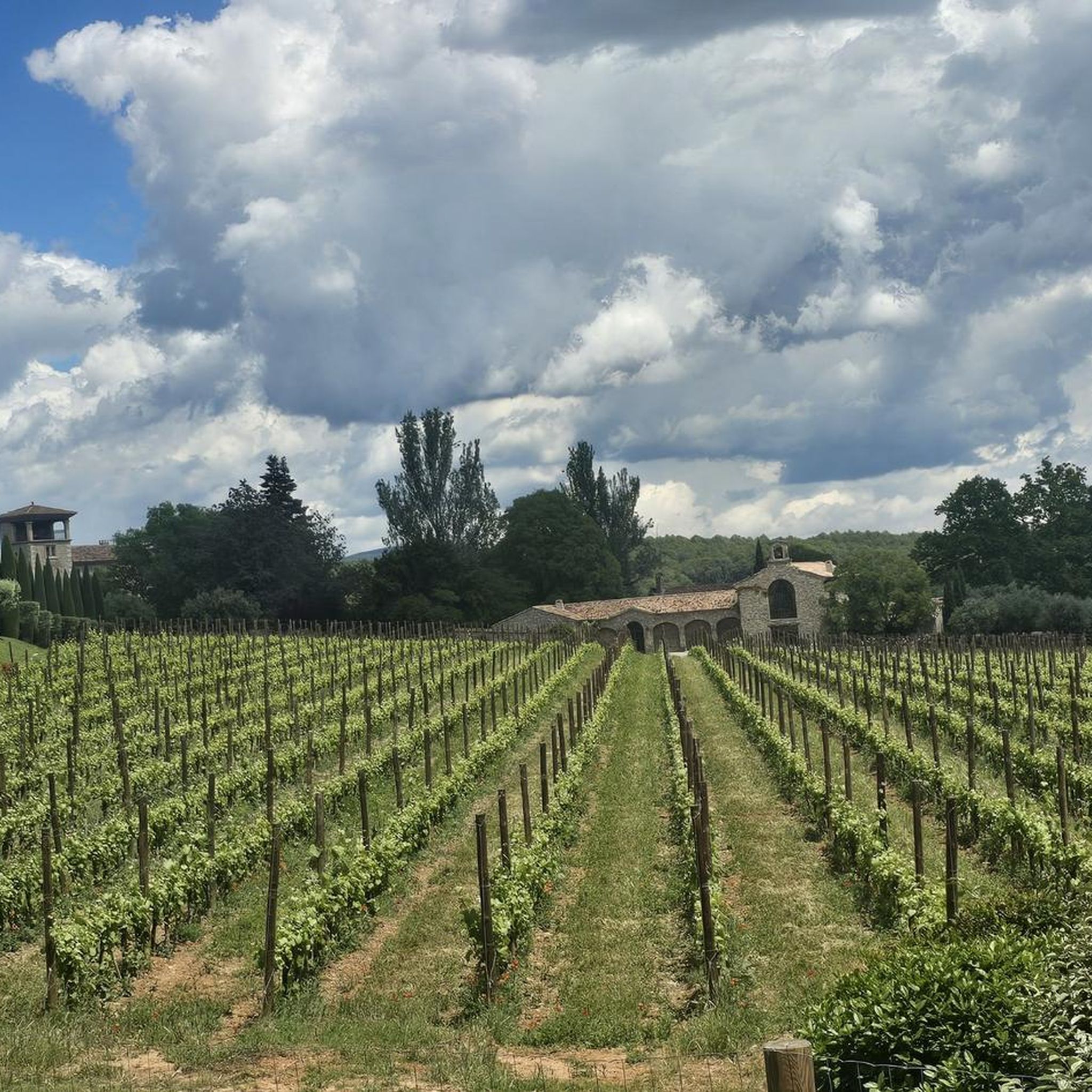
- Another must-see spot is Entrecasteaux Castle, a private château from the 11th and 17th centuries with French-style gardens. It is inhabited and richly furnished with paintings, tapestries, and historical documents.
- Visitors also love Draguignan, a city of approximately 40,000 inhabitants. This settlement features a historic center with several dragon statues and offers cultural sites including museums.
- Flayosc is known for its historical sites, charming settlements, and natural monuments. The region offers a variety of attractions to see and explore, from medieval architecture to scenic viewpoints.
- The attractions around Flayosc are appreciated by the komoot community, with 158 upvotes and 69 photos shared across 6 highlights.
Last updated: July 20, 2026
Entrecasteaux Castle
Highlight • Castle
Translated by Google •
Tip by

Draguignan
Highlight • Settlement
You will find several dragon statues in the city center of Draguignan.
According to legend, the place was born from the fight against a dragon. This clearly appears on the medieval weapons of the city, as well as on the statuary art of some holy places.
The interpretation is in accordance with the legend of the bishop of Antibes, the pious Hermentaire who would have fought victoriously around the year 400 a winged dragon. The struggle between a saint and a dragon, which represents the unconverted pagan or more broadly the forces of evil, is a classic allegory in the history of Christendom.
Draguignan is also the birthplace of Claude Gay, great explorer, botanist and friend of Chile. A place in Draguignan bears his name and his face is painted on the facade of a building overlooking this same place. (The work is made up of several hundred animals forming the face of the naturalist).
Translated by Google •
Tip by

Sign up now to discover places like this
Get recommendations on the best single tracks, peaks, & plenty of other exciting outdoor places.
Sign up for free
Tombeau de la Lauve
Highlight • Natural Monument
The building is a block tomb. The sepulchral chamber, approximately circular in shape (diameter 1.80 m), is made up of limestone blocks arranged with a slight corbelling, which has earned it the name of tholos. It is enclosed in a tumulus made of rubble held by a low wall, itself circular, made up of large blocks. The whole measures 7 m in diameter. No access corridor to the chamber is visible although a few inclined slabs on the west side could constitute a start. It is likely that the chamber was accessed through its top opening, which was perhaps covered by a removable slab1.
It was restored in 1993 by Hélène Barge.
The tomb was discovered and very carefully excavated in the 1950s by A. Taxil2.
The upper layer (average thickness 0.14 m) contained very fragmented burned bones, possibly corresponding to around fifteen individuals2. The lithic material found in this layer consists of a large blade, bladelets, flakes and a flint arrow frame. The ceramic was limited to two atypical shards. The animal bones, without traces of use, correspond only to invasive fauna (snake vertebrae, rabbit bones, toads, small rodents and snail shells) from the natural environment2.
The lower layer (average thickness 0.12 m) contained only a few bones, reduced to the state of splinters, and 122 teeth in good condition, representing around 10 individuals, including a few children. The archaeological furniture included decorative objects (9 annular limestone and shell test beads, 2 green rock olives). The lithic objects were limited to leaf arrow armatures.
Translated by Google •
Tip by

Saint-Sauveur Church
Highlight • Other
Translated by Google •
Tip by
Ampus
Highlight • Settlement
Translated by Google •
Tip by

Sign up for free to discover even more attractions around Flayosc.
Sign up for free
Already have an account?
Start today with a free account
Your next adventure awaits.
Login or Signup
Tips from the Community

A real gem, inconspicuous by the wayside
0
0

Wonderful to look at in the sunlight. Not pompous, but rather practical and imposing. Unfortunately, not open to the public.
0
0

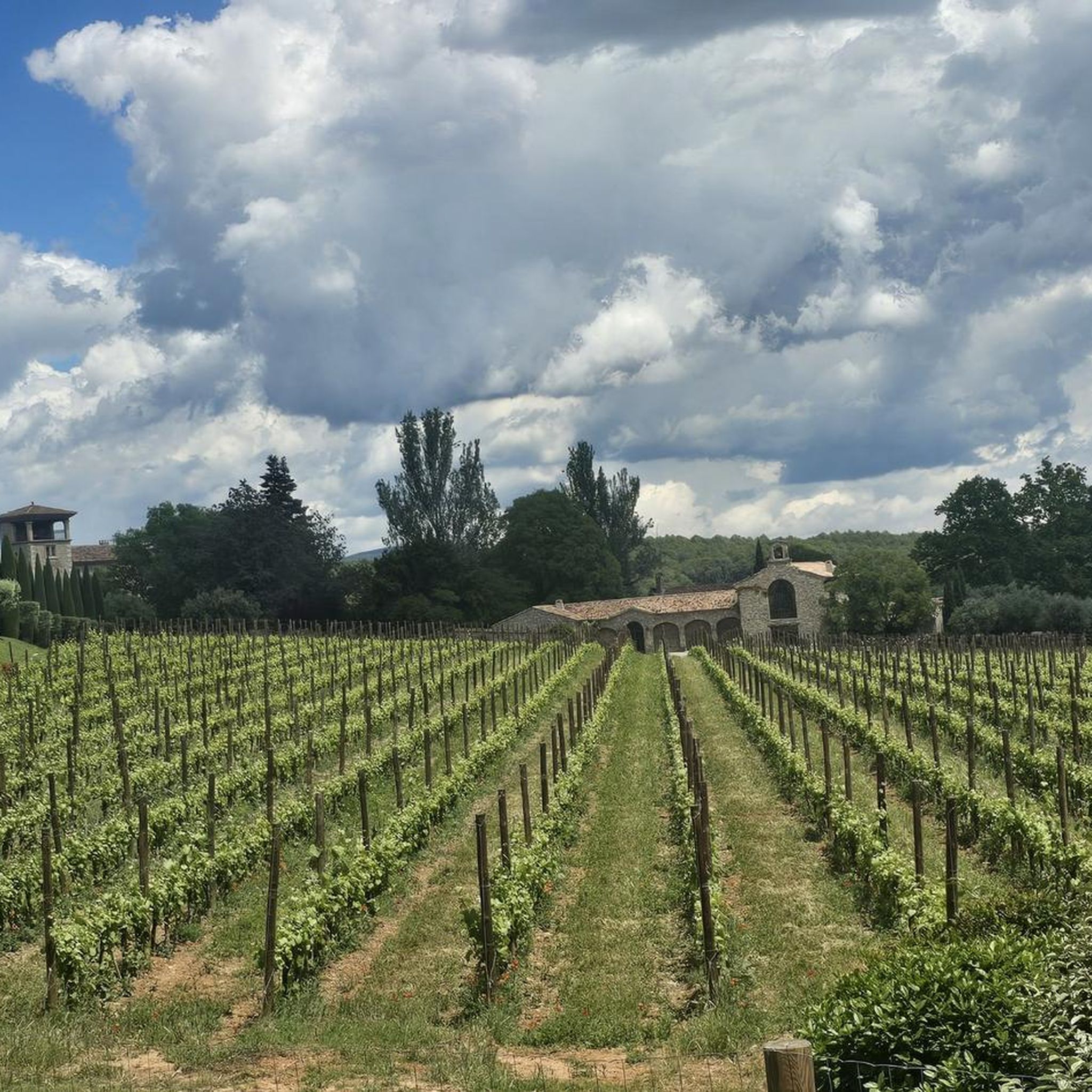
The characterful village of Ampus is revealed at an altitude of 600 metres in the foothills of the Verdon - and the Provençal soul is revealed. It invites you to take a stroll along the water path and then the Stations of the Cross before taking a break in one of the village squares.
0
0

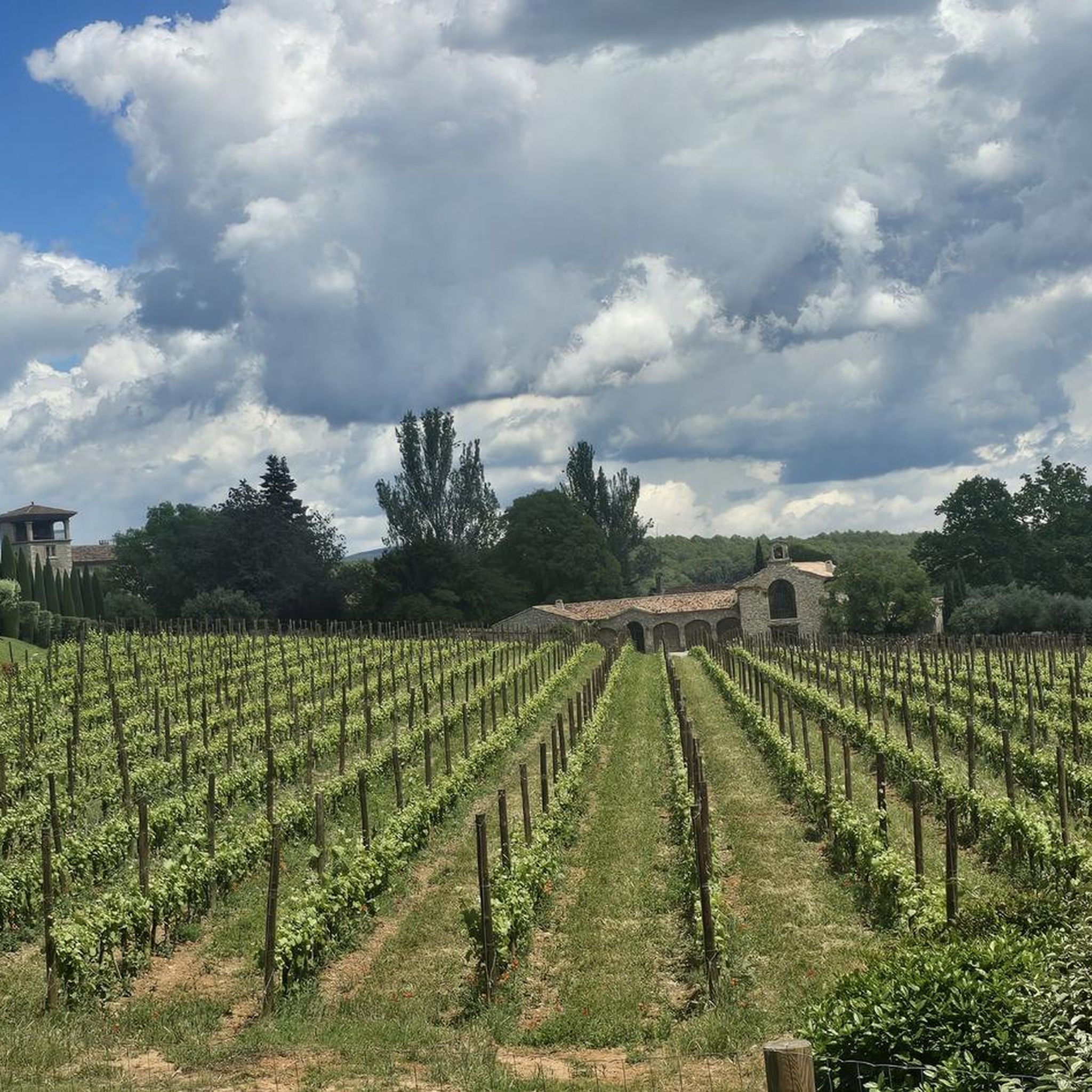
The tholos de la Lauve is a block tomb located at an altitude of 365 m, at the end of the Lauve plateau, in the commune of Salernes, in the Var department in France. It is a unique monument of its kind in Provence The building is a block tomb. The sepulchral chamber, approximately circular in shape (diameter 1.80 m), is made up of limestone blocks arranged with a slight corbelling, which has earned it the name of tholos. It is enclosed in a tumulus made of rubble held by a low wall, itself circular, made up of large blocks. The whole measures 7 m in diameter. No access corridor to the chamber is visible although a few inclined slabs on the west side could constitute a start. It is likely that the chamber was accessed through its top opening, which was perhaps covered by a removable slab1. It was restored in 1993 by Hélène Barge. The tomb was discovered and very carefully excavated in the 1950s by A. Taxil2. The upper layer (average thickness 0.14 m) contained very fragmented burned bones, possibly corresponding to around fifteen individuals2. The lithic material found in this layer consists of a large blade, bladelets, flakes and a flint arrow frame. The ceramic was limited to two atypical shards. The animal bones, without traces of use, correspond only to invasive fauna (snake vertebrae, rabbit bones, toads, small rodents and snail shells) from the natural environment2. The lower layer (average thickness 0.12 m) contained only a few bones, reduced to the state of splinters, and 122 teeth in good condition, representing around 10 individuals, including a few children. The archaeological furniture included decorative objects (9 annular limestone and shell test beads, 2 green rock olives). The lithic objects were limited to leaf arrow armatures.
0
0

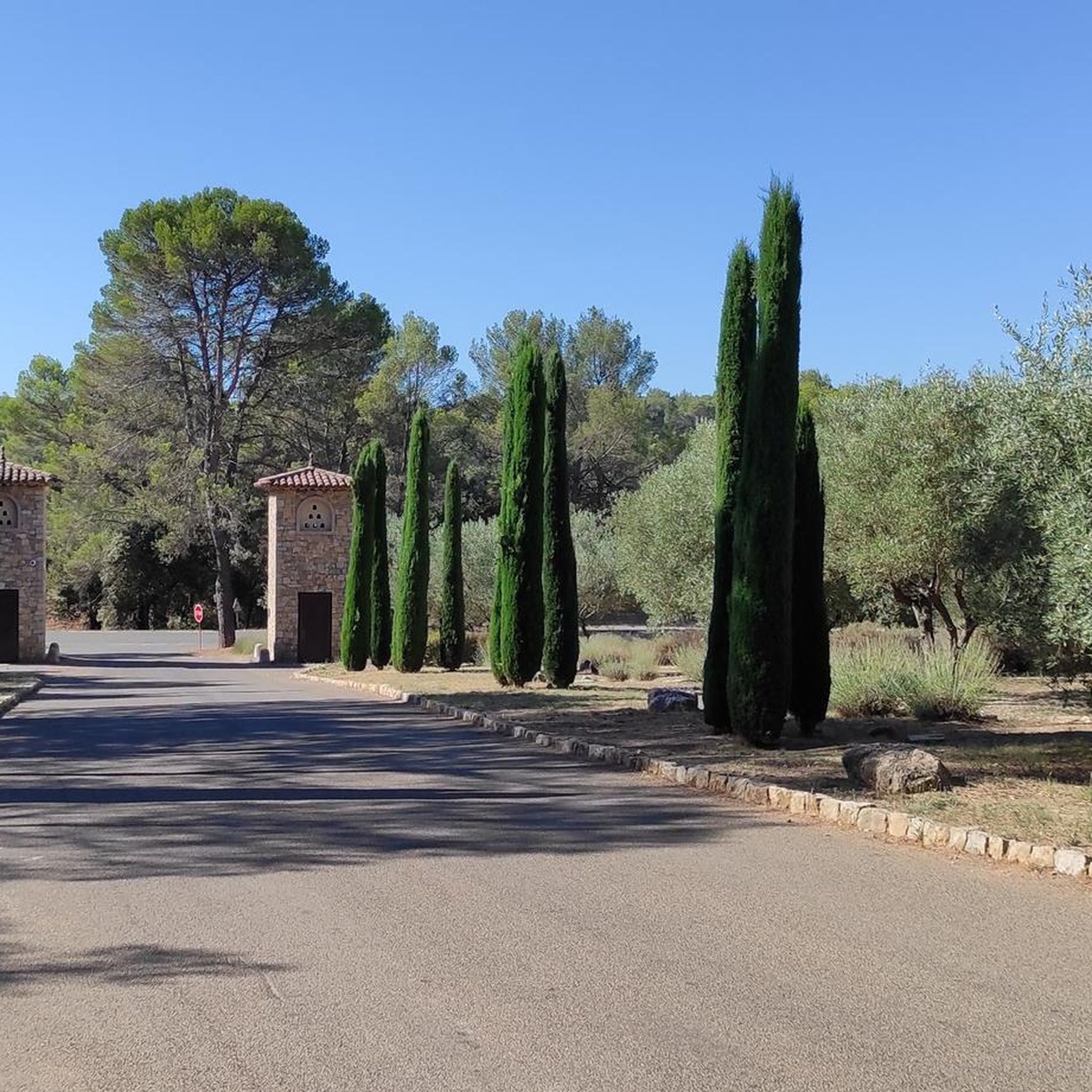
This church was not dedicated to one of the many people whom we venerate as blessed or saints and ask for their heavenly intercession with God, or - like so many French churches - to the Mother of God ("Notre-Dame"). The chosen patronage here was the incarnate Son of God, Jesus Christ himself, and the church in Entrecasteaux was consecrated to him under the title “SAINT SAUVEUR” – i.e. as the Redeemer and Savior.
3
0


The parish church of Entrecasteaux, dedicated to Saint Salvator, already existed at the beginning of the 11th century when the place is first documented in 1012. The current church would therefore be the second, built in the 13th century in Romanesque style. It was subsequently rebuilt several times, especially in the 17th century, when a new nave was built on the north side and the bell tower was added.
12
0
Frequently Asked Questions
What historical landmarks can I explore in Flayosc?
Flayosc's historic core features narrow streets, squares with decorative fountains, and remnants of its defensive walls, including the Porte Dorée, Porte de Paris, and Porte de la Reinesse. The village is also home to the 12th-century Church of Saint-Laurent and a unique 1870 Washhouse.
Are there any castles or grand estates to visit near Flayosc?
Yes, you can visit Entrecasteaux Castle, a private château from the 11th and 17th centuries with beautiful French-style gardens. It is richly furnished with paintings, tapestries, and historical documents. Additionally, the Domaine des Treilles, partly in Flayosc, is a center for studies and arts with a modern art collection.
What natural attractions are there around Flayosc?
The area around Flayosc is characterized by vineyards, olive groves, and oak forests. You can discover a delightful small waterfall about 2 kilometers south of the village, explore the wooded hills around Le Peyrega and Les Lunettes, or visit the unique Tombeau de la Lauve, a block tomb and viewpoint.
What kind of outdoor activities can I do near Flayosc?
Flayosc is ideal for outdoor activities. You can explore numerous hiking trails, including the Route to Sauveclare, which leads through meadows and pine forests. For more options, check out the hiking routes around Flayosc, road cycling routes, or running trails.
Are there family-friendly attractions in the Flayosc area?
Absolutely. Many attractions are suitable for families, including the charming village of Ampus with its panoramic views, the historic city of Draguignan, and the impressive Entrecasteaux Castle. The numerous easy hiking trails and the village's squares also offer pleasant family outings.
What are some unique or hidden gems to discover in Flayosc?
Beyond the main sights, Flayosc offers several unique spots. Look for the distinctive trapezoidal 1870 Washhouse, explore the alley-like canal and walkway bordering hidden gardens, or visit the isolated Orthodox Monastery Saint-Michel du Var with its Byzantine-inspired church. A remarkably well-preserved Roman bridge is also located about 6 kilometers towards Tourtour.
What nearby towns are worth visiting for a day trip from Flayosc?
Flayosc is a great base for exploring the region. You can visit Tourtour, often cited as one of France's most beautiful villages, or the quiet Provencal town of Lorgues. The city of Draguignan offers more shopping and cultural sites, while Villecroze is known for its troglodyte dwellings.
Can I find viewpoints with scenic panoramas near Flayosc?
Yes, the village of Ampus, perched at 600 meters altitude, offers a beautiful panorama of the surrounding region. The bell tower of the Church of Saint-Laurent in Flayosc also provides lovely views across the vineyards. Additionally, the Tombeau de la Lauve is a natural monument with scenic vistas.
What is the best time of year to visit Flayosc?
Flayosc offers a tranquil setting year-round. The spring and autumn months are particularly pleasant for outdoor activities like hiking and cycling, with mild weather and blooming landscapes or vibrant fall colors. Summer is ideal for enjoying the Provencal atmosphere, though it can be warmer, and exploring the nearby Gorges du Verdon and Lac de Sainte-Croix.
Are there any specific hiking trails for beginners around Flayosc?
Yes, there are several easy hiking routes suitable for beginners. For example, the 'Le Florièye – Cascade de Sillans loop from Cascade de Sauveclare' is an easy 4 km trail. You can find more beginner-friendly options and detailed information on the hiking around Flayosc guide page.
What are the Gorges du Verdon and Lac de Sainte-Croix, and how close are they to Flayosc?
The Gorges du Verdon, often called Europe's Grand Canyon, and the beautiful Lac de Sainte-Croix are significant natural attractions in the wider region. Flayosc serves as a good base for exploring these scenic splendors, which are easily accessible for a day trip, offering opportunities for water sports, hiking, and breathtaking views.
Most popular routes around Flayosc
Most popular attractions around Flayosc

Get inspired with the komoot mobile app


Explore more
Still not found the Highlight you’re looking for? See guides of the top attractions in other regions:
