Top 20 Mountain Passes around Queige
Best mountain passes around Queige are found in the heart of the French Alps, a region known for its diverse mountain landscapes. Queige serves as a starting point for accessing several notable passes that connect the Beaufortain Valley with neighboring regions like the Val d'Arly. The area features a variety of routes, from challenging climbs to more moderate ascents, catering to different levels of experience. Its geographic position offers access to both well-known passes and quieter, less trafficked routes.
Best…
Last updated: May 14, 2026
Col des Saisies
Highlight • Mountain Pass
Translated by Google •
Tip by

Col du Pré
Highlight • Mountain Pass
Translated by Google •
Tip by

Sign up now to discover places like this
Get recommendations on the best single tracks, peaks, & plenty of other exciting outdoor places.
Sign up for free
Col de l'Arpettaz
Highlight • Mountain Pass
Translated by Google •
Tip by

Tamié Pass
Highlight • Mountain Pass
Translated by Google •
Tip by

Col du Méraillet
Highlight • Mountain Pass
Translated by Google •
Tip by

Sign up for free to discover even more mountain passes around Queige.
Sign up for free
Already have an account?
Start today with a free account
Your next adventure awaits.
Login or Signup
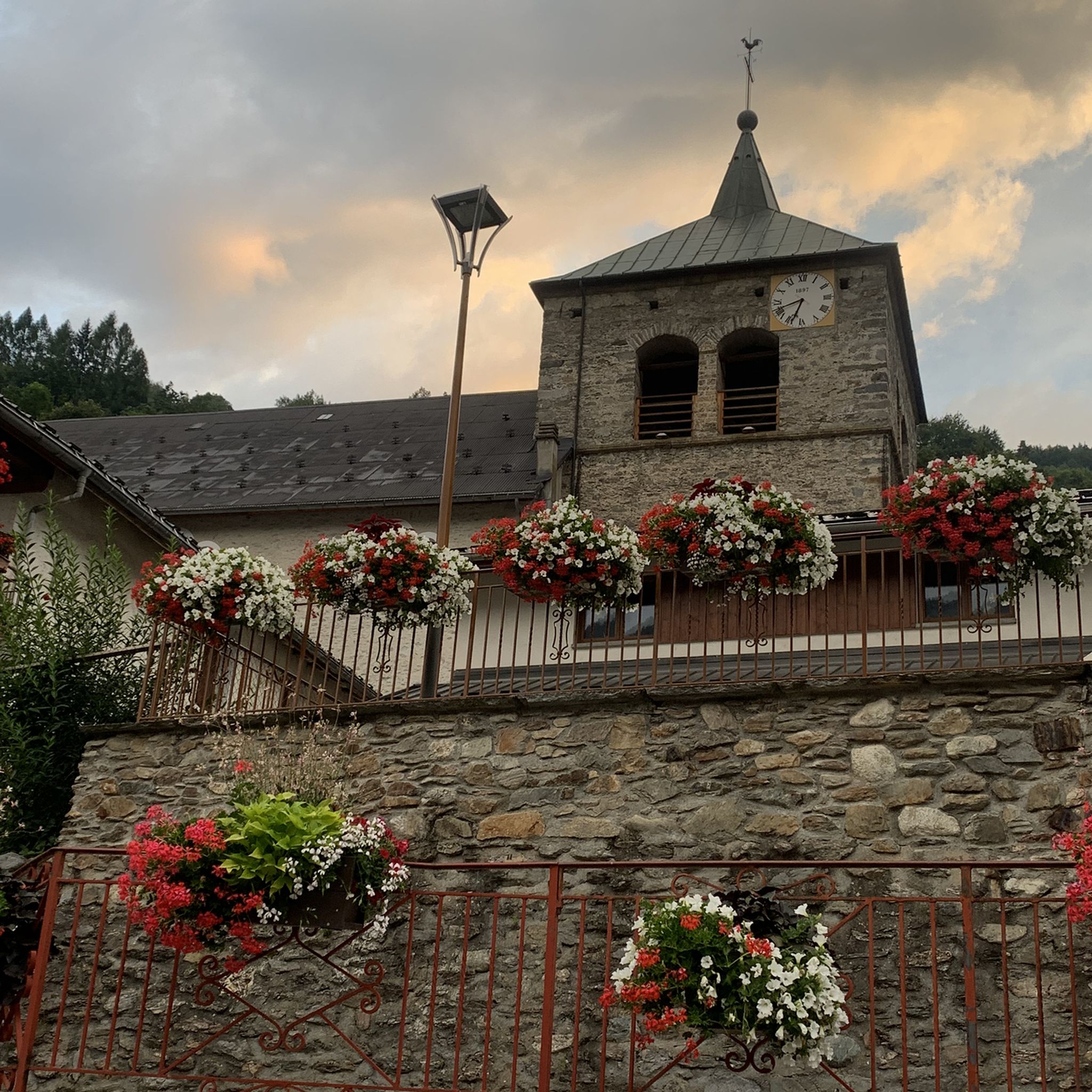
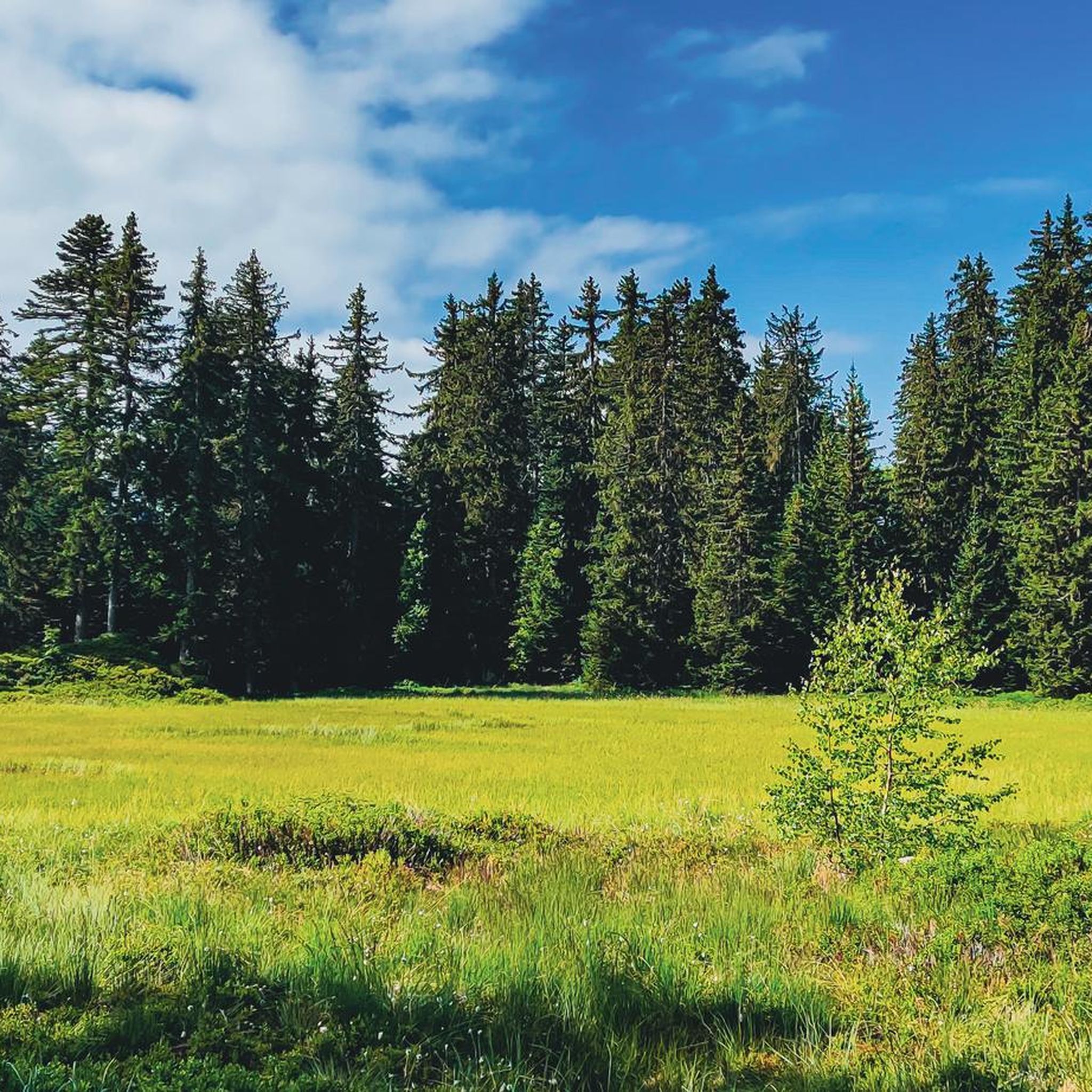
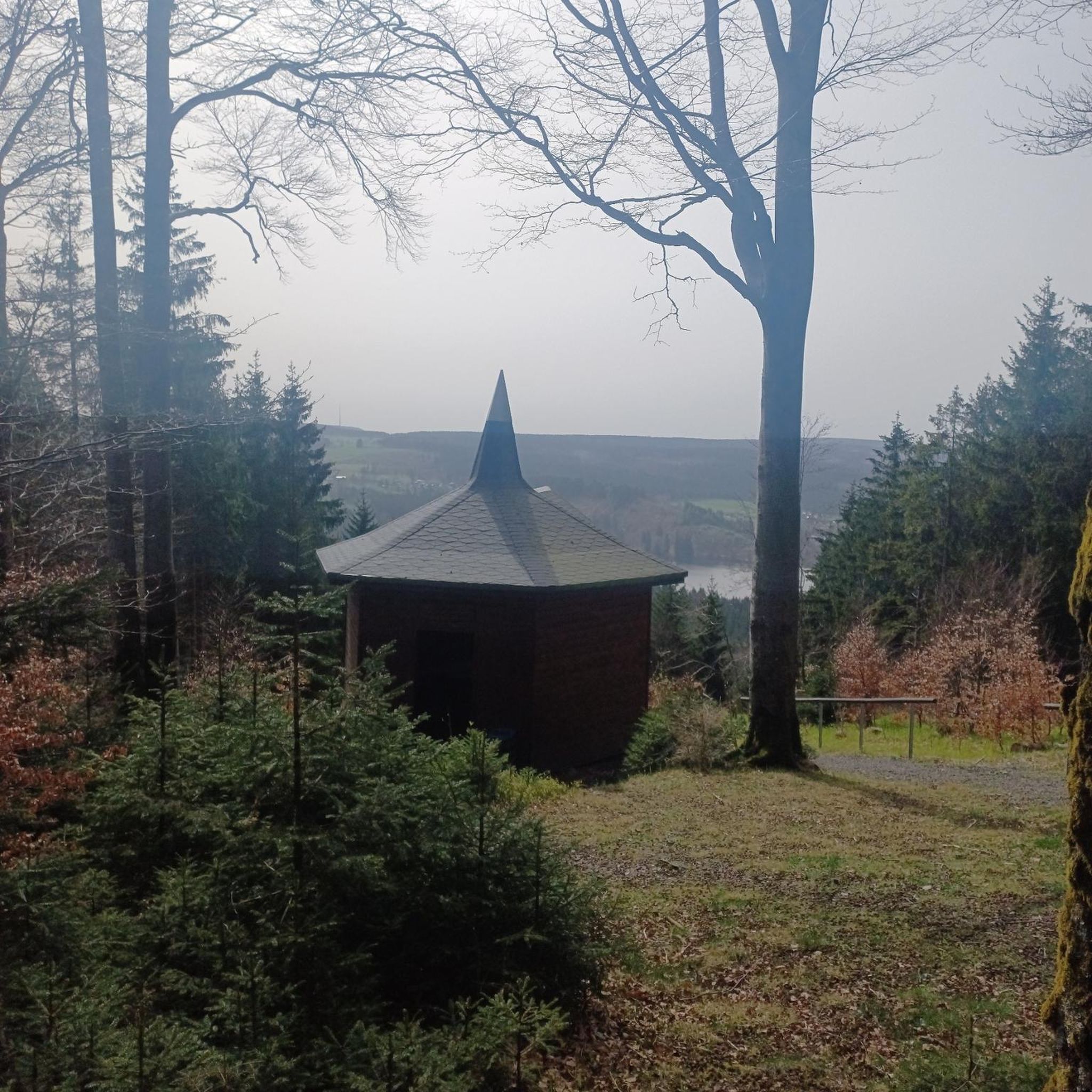
Other adventures around Queige

Tips from the Community

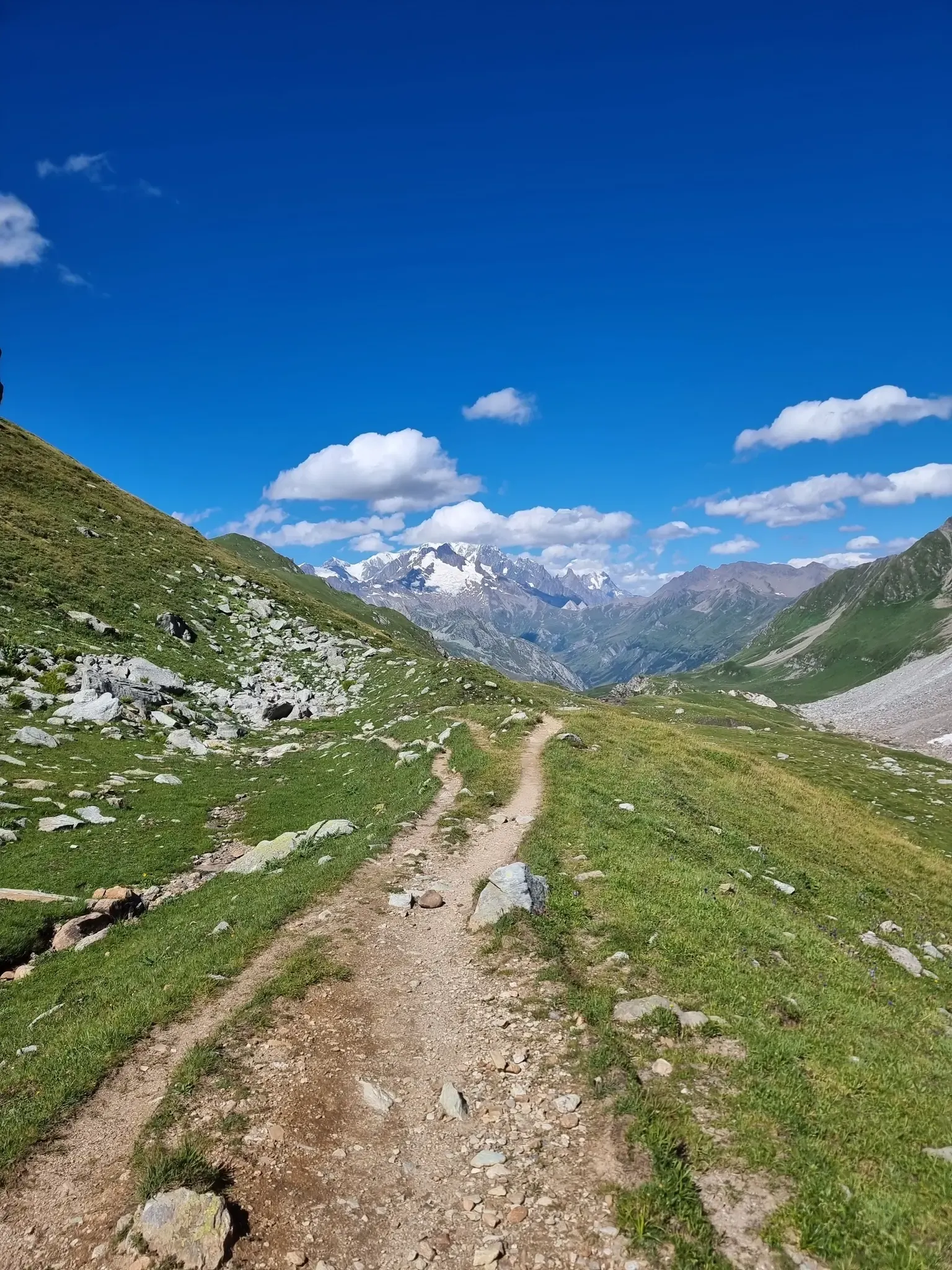
Starting point for the famous walk around and on the Roche Parstire.
0
0

A hill with a lot of traffic, better on roads that run parallel.
0
0
Charmless pass between the ski slopes. The end of the road above Hauteluce offers beautiful views towards Arêches.
1
0
The road climbs modestly for another ~500 m after the sign.
0
0

Perfect starting point for great mountain bike or running tours. Everything on site. Parking, shops, nature.
2
0

Located at an altitude of 907 meters, this pass is located in the Bauges massif, in the town of Plancherine. It separates the valley of Savoie and Albertville from the Faverges valley and Lake Annecy.
2
0

Mecca for cycling, the Col des Saisies is less known for trail running. With its many services, it nevertheless has the advantage of being a good refueling point during long outings. It can also serve as a starting point if you do not want to leave the valley.
1
0

The Col des Saisies is one of the most famous passes in Savoy. The pass, located at an altitude of 1,681 meters, connects the Beaufortain valley with the Val d'Arly. The pass has been tackled many times by the Tour de France and is also home to a ski resort.
3
0
Frequently Asked Questions
What are some other notable mountain passes in the Queige region?
Beyond the most popular, you can explore Tamié Pass, located at 907 meters in the Bauges massif, offering a moderate ascent. Another option is Col du Méraillet, which serves as a stopover for the larger Cormet du Roselend and provides varied scenery.
What is the typical difficulty level of mountain passes around Queige?
The mountain passes around Queige offer a range of difficulties. For instance, Col de l'Arpettaz is considered challenging with a long, winding road through forests and mountain pastures. The Col de la Forclaz de Queige is known for its steep inclines, making it a 'small but tough' climb. However, passes like Tamié Pass offer more moderate ascents.
What kind of views and natural features can I expect on these passes?
Many passes offer stunning panoramic views. Col des Saisies is renowned for its breathtaking vistas, often including distant glimpses of Mont Blanc, the Aravis, and the Chartreuse Mountains. The Col de la Forclaz de Queige features a unique tunnel carved into the rock and opens onto lovely meadows, while Col de l'Arpettaz winds through forests and mountain pastures.
When is the best time of year to visit the mountain passes around Queige?
The warmer months, typically from late spring to early autumn (May to October), are ideal for visiting the mountain passes around Queige for cycling, hiking, and mountain biking. During this period, the passes are generally clear of snow, and the weather is more favorable for outdoor activities. Some passes, like Col des Saisies, transform into ski resorts in winter.
Are there family-friendly mountain passes or routes suitable for children?
While many passes offer challenging routes, some sections or approaches can be more family-friendly. For example, the approach to Épine Pass from Serraval is described as more gentle, which might be suitable for families seeking a less strenuous experience. It's always recommended to check specific route details for elevation gain and distance to ensure suitability for all family members.
Are the mountain passes around Queige suitable for cycling, especially challenging routes?
Yes, the mountain passes around Queige are highly popular with cyclists, offering both challenging and moderate routes. The Col de la Forclaz de Queige is appreciated for its challenging gradients, while Col des Saisies is a key feature of the Route des Grandes Alpes and has been frequently included in the Tour de France, making it a prestigious climb for cyclists.
Can I access these mountain passes during winter?
Access to mountain passes during winter can be limited due to snow and ice. While some areas, like Col des Saisies, transform into ski resorts and are accessible for winter sports, many roads over the passes may be closed or require special equipment. It's crucial to check local road conditions and weather forecasts before planning a winter visit.
Are there any less crowded mountain passes for a quieter experience?
Yes, if you're looking for a quieter experience, the Col de la Forclaz de Queige is characterized by small, quiet roads, offering a workout away from heavily trafficked routes. Similarly, Col de l'Arpettaz is known for being uncrowded, providing a calm journey through forests and mountain pastures.
What outdoor activities can I do near the mountain passes around Queige?
The region around Queige offers a variety of outdoor activities. You can find numerous routes for gravel biking, mountain biking, and running. For example, there are challenging gravel biking routes like the Joly Pass – Col des Saisies loop, and MTB trails such as the Mont Bisanne Enduro Loop. You can explore more options on the Gravel biking around Queige, MTB Trails around Queige, and Running Trails around Queige guide pages.
Are there specific amenities or facilities available at the mountain passes?
Amenities vary by pass. Col des Saisies is home to a ski resort and offers facilities, though visitors note that food options directly at the summit might be limited. For other passes, amenities are generally sparse, so it's advisable to carry your own supplies. Queige itself, as a commune, will have more comprehensive amenities.
What are some popular cycling routes that include these passes?
The Col des Saisies is part of the iconic Route des Grandes Alpes. Ascents from various directions, such as a 14.6 km climb with an 807-meter vertical ascent or a 15.2 km climb from the D925, are popular. The Col de la Forclaz de Queige also offers a challenging 8.9 km ascent from Queige via Col de Montessuit, making it a favorite for cyclists seeking a good workout.
Are there any permits required for hiking or cycling on these mountain passes?
Generally, no specific permits are required for hiking or cycling on the mountain passes themselves in this region of the French Alps. However, always respect private property, protected areas, and local regulations. If you plan to venture into specific nature reserves or engage in activities like wild camping, it's wise to check for any local restrictions or permit requirements beforehand.
Most popular routes around Queige
Most popular attractions around Queige

Get inspired with the komoot mobile app


Explore more
See even more epic mountain passes by checking out these guides around Queige:
