Top 12 Gorges around Montlebon
Canyons around Montlebon are characterized by the dramatic geological formations of the Jura mountains, featuring deep gorges and impressive rock cirques. The region, spanning the Doubs department in France and nearby Switzerland, offers diverse natural landscapes carved by water and ice. These areas provide opportunities to experience significant limestone escarpments and unique outdoor environments. The guide covers 12 gorges in the vicinity of Montlebon.
Best canyons around Montlebon
- The most popular canyons is Saut du Doubs Waterfall, a waterfall…
Last updated: September 27, 2026
Creux du Van
Highlight • Gorge
Translated by Google •
Tip by

Saut du Doubs Waterfall
Highlight • Waterfall
Translated by Google •
Tip by

Sign up now to discover places like this
Get recommendations on the best single tracks, peaks, & plenty of other exciting outdoor places.
Creux du Van
Highlight • Gorge
Translated by Google •
Tip by

Creux du Van
Highlight • Gorge
Translated by Google •
Tip by
Starting point of the Poëta-Raisse gorge
Highlight • Waterfall
Translated by Google •
Tip by

Sign up for free to discover even more gorges around Montlebon.
Already have an account?
Start today with a free account
Your next adventure awaits.
Tips from the Community


Simply immense and very impressive what nature has created!!!
2
0

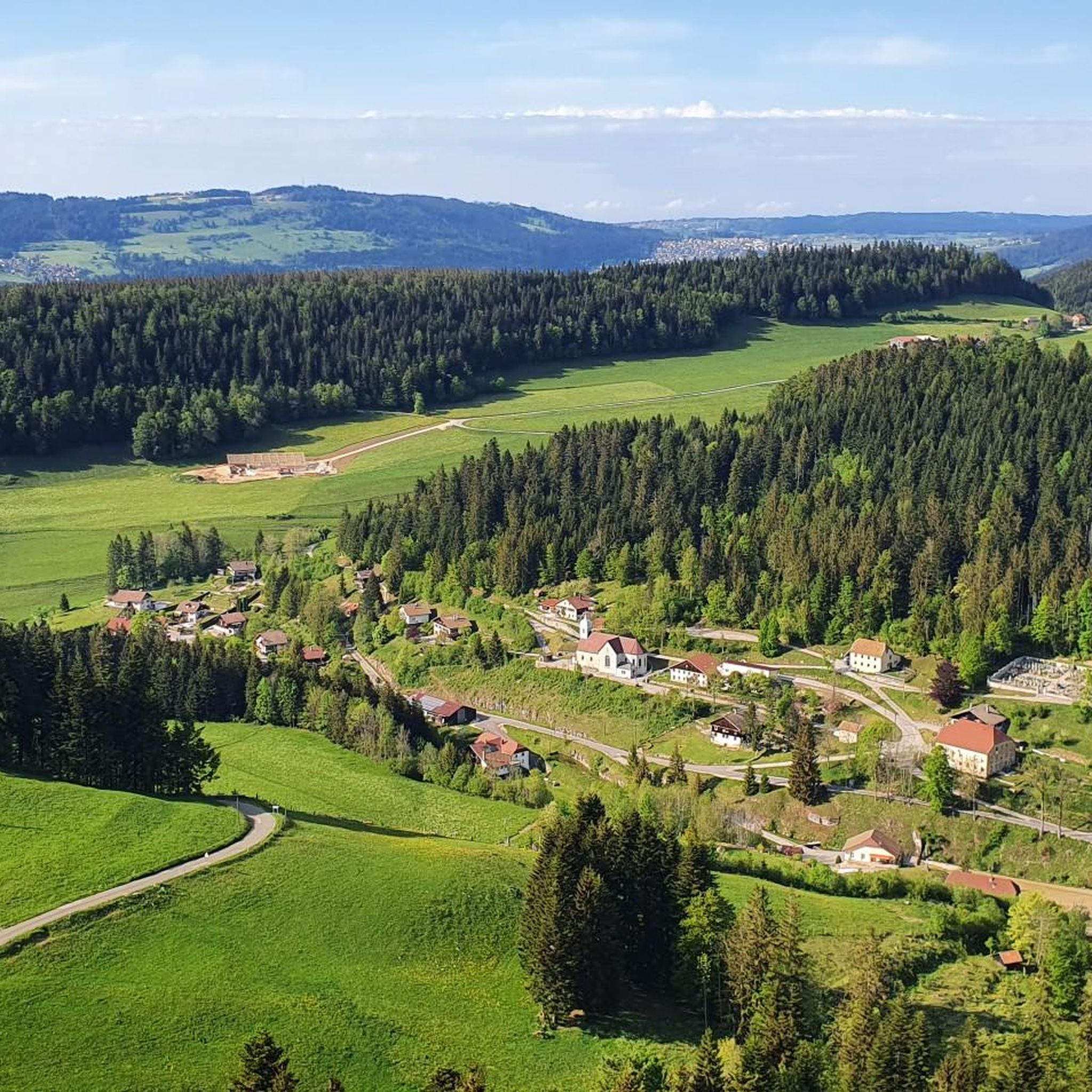
Just a few hundred meters from the edge of the village is the entrance (or, coming from the other direction, the exit) of the Poëta Raisse Gorge. It can be visited and hiked free of charge. There are a few parking spaces, a large log cabin for picnics, and a signpost.
2
0

The Saut du Doubs is a 27-meter-high waterfall located along the Doubs River, which forms the border between France and Switzerland here. The waterfall is the result of a paleohistoric landslide that filled the narrow, gorge-like Doubs Valley, which cuts deep into the limestone formations of the Folded Jura, about 14,000 years ago.
7
0

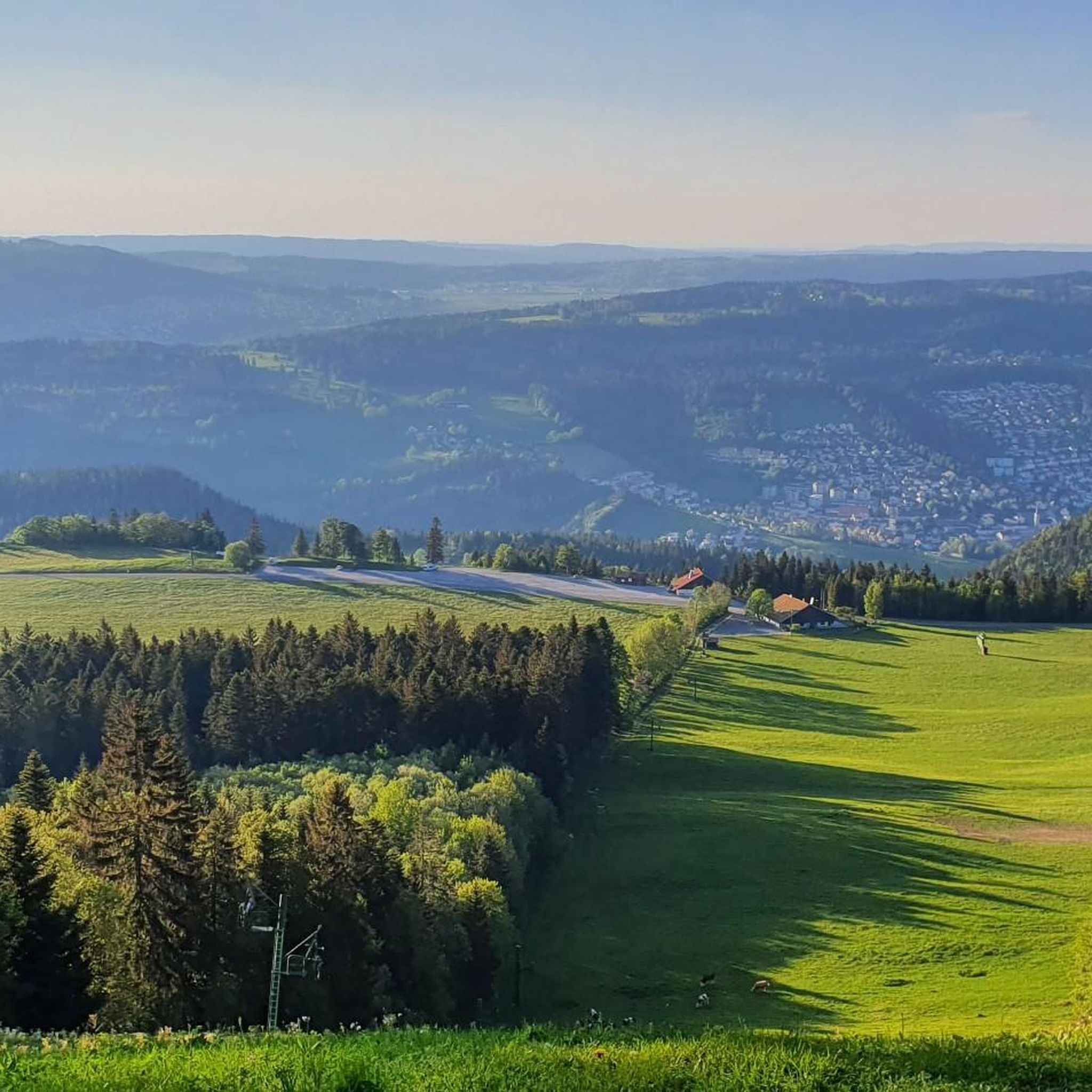
The Creux du Van is approximately 1,200 meters wide and 500 meters deep. The total length of the rock faces, which drop approximately 160 meters vertically, is approximately four kilometers. The area is located near Mont Soliat at 1,200 to 1,450 meters above sea level. It has been protected since 1972 and is included in the federal inventory of landscapes and natural monuments of national importance. Source: https://share.google/qQ4zo9CPIq9SnEl6N
6
0
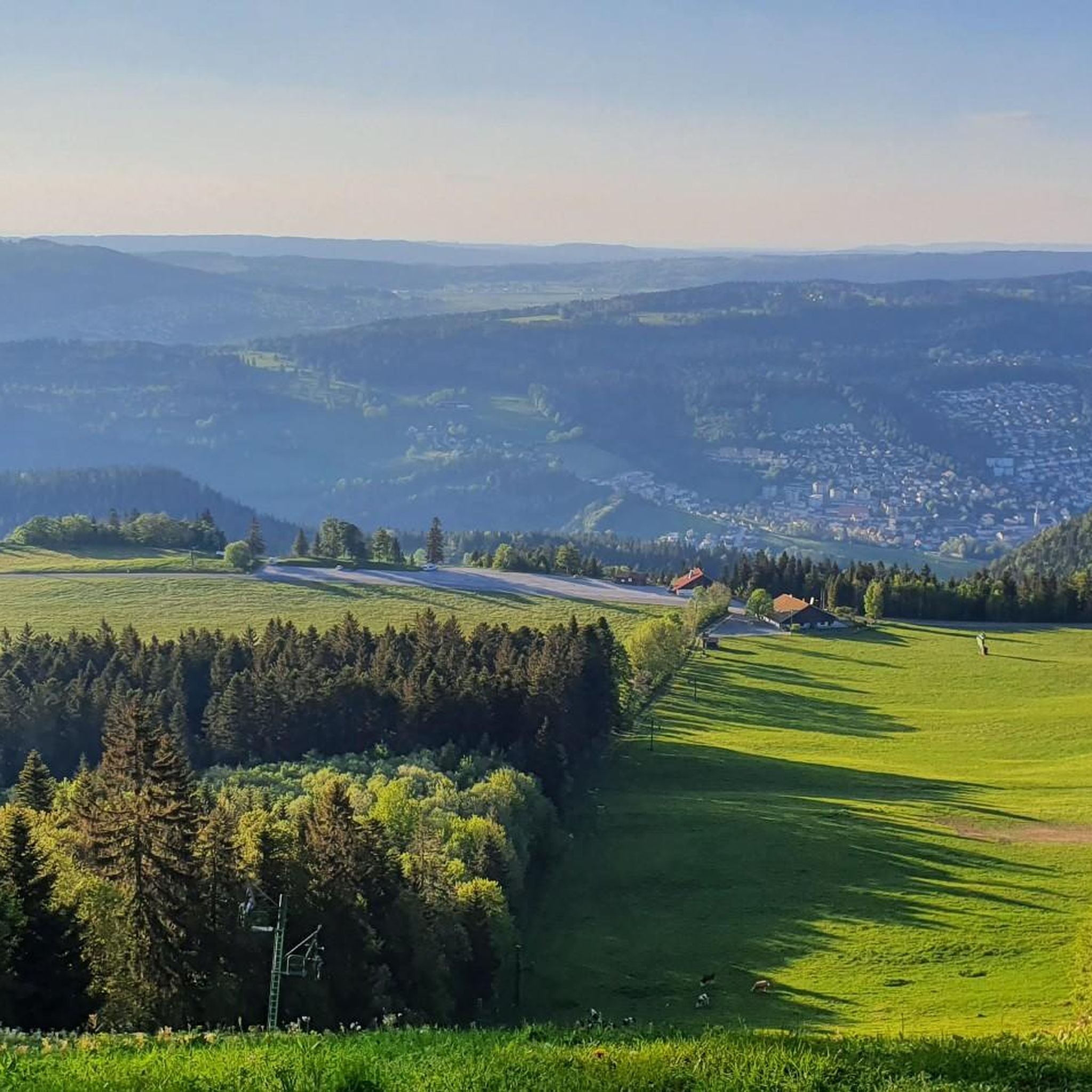
The Creux du Van is approximately 1,200 meters wide and 500 meters deep. The total length of the rock faces, which drop approximately 160 meters vertically, is approximately four kilometers. The area is located near Mont Soliat at 1,200 to 1,450 meters above sea level. It has been protected since 1972 and is included in the federal inventory of landscapes and natural monuments of national importance. Source: https://share.google/qQ4zo9CPIq9SnEl6N
8
0
Frequently Asked Questions
What are the most notable canyons and gorges near Montlebon?
The region around Montlebon, spanning the Doubs department in France and nearby Switzerland, features several impressive natural gorges and cirques. Key highlights include the spectacular Saut du Doubs Waterfall, a 27-meter high waterfall on the Franco-Swiss border, and the magnificent Creux du Van, a large rock cirque often called the 'Swiss Grand Canyon'. Other significant formations are the Défilé d'Entre-Roches, Gorges de la Langouette, Malvaux Gorge, and Gorges de Nouailles.
Are there challenging hiking trails in the canyons near Montlebon?
Yes, for those seeking a challenge, the Sentier des quatorze contours offers a strenuous but rewarding ascent to the Creux du Van rock amphitheater. This narrow path winds up the slope in switchbacks, providing magnificent views of the rocky cirque. Good shoes are highly recommended due to the steep and rough terrain.
What natural features can I expect to see in the gorges around Montlebon?
The canyons and gorges in this region are rich in diverse natural features. You can expect to see dramatic limestone escarpments, deep river-carved valleys, and impressive rock formations. Highlights include the Saut du Doubs Waterfall, the large rock overhangs of Bear Cave, and unique geological formations like the Rock Arch on the Doubs Trail. The area also features forests, streams, and peat bogs.
Are there family-friendly options for exploring the canyons?
Yes, some areas are suitable for families. The Bear Cave, located in the Combe Poëta gorge, is considered family-friendly. While not a deep cave, it's a large rock formation with several holes to explore, and the scenic path leading to it through forests and streams is an attraction in itself. The Starting point of the Poëta-Raisse gorge also features a beautiful picnic area and parking lot, making it accessible for families.
What is the best time to visit the canyons and gorges near Montlebon?
The region's canyons and gorges are generally best visited during the warmer months, from spring to autumn, when hiking conditions are favorable and the natural landscapes are vibrant. The shady gorges along the Doubs, such as those near the Saut du Doubs Waterfall, are particularly pleasant for exploration during hot summer days. Spring and autumn offer comfortable temperatures and beautiful foliage.
What outdoor activities can I do near these canyons?
Beyond hiking, the region offers a variety of outdoor activities. You can explore numerous cycling routes, including gravel biking and road cycling, with options ranging from moderate to difficult. For mountain biking enthusiasts, there are dedicated MTB trails. You can find more information on these activities in the Gravel biking around Montlebon, Cycling around Montlebon, and MTB Trails around Montlebon guides.
Are there any specific viewpoints or panoramic spots?
Absolutely. The Creux du Van offers a breathtaking panoramic view from its summit, overlooking Lake Neuchâtel and, on clear days, even the Alps. The Saut du Doubs Waterfall has observation points on both the French and Swiss sides, providing magnificent views of the waterfall and surrounding landscapes. Many trails, like the Sentier des quatorze contours, also offer splendid views of the rocky cirque as you ascend.
What do visitors enjoy most about the canyons around Montlebon?
Visitors frequently praise the magnificent landscapes, the feeling of being immersed in wild nature, and the dramatic geological formations. The Saut du Doubs Waterfall is often described as evoking the feeling of being in 'Canadian canyons'. The peaceful, calm, and dark-green water along the Rock Arch on the Doubs Trail is noted for its meditative quality, especially early in the morning.
Is it possible to explore the gorges by boat?
Yes, the Saut du Doubs Waterfall and its surrounding areas can be discovered by taking boat trips along the Doubs River. These boat trips often include a walk around Lake Moron, offering a unique perspective of the 'Canadian canyon'-like landscapes from the water.
Are there any unique geological formations to look out for?
The region is rich in unique geological features. The Creux du Van is a natural amphitheater formed by water and ice erosion. The Malvaux Gorge, near Chaux-Neuve, features the Bief de la Ruine waterfall, which, when dry, reveals a 'Creux des Joyaux' – a natural cave where water has polished numerous limestone pebbles. The Rock Arch on the Doubs Trail is another distinctive natural monument.
What are the Gorges de la Langouette like?
The Gorges de la Langouette, near Chaux-Neuve, are known for their impressive vastness and wild environment. They offer a tranquil atmosphere with beautiful light effects illuminating moss and ferns under a wooded canopy. Equipped with footbridges, these gorges allow for safe exploration of their deep, narrow passages, showcasing how the Petit Saine River has carved the canyon with its meanders.
Can I find any caves in the canyons near Montlebon?
Yes, the Bear Cave (Grotte de l'Ours) is a notable cave feature. It's a large rock overhang with several holes, located in the pretty Combe Poëta gorge. While not a deep cave system, it's definitely worth seeing and exploring, and the hiking trail leading to it is a highlight in itself.
Most popular routes around Montlebon
Most popular attractions around Montlebon

Get inspired with the komoot mobile app


Explore more
Already discovered everything in this region? See additional gorges around Montlebon for your next adventure:
