Attractions and Places To See around Mortagne - Top 20
Best attractions and places to see around Mortagne are found in a region characterized by its dense forests, historical sites, and scenic river valleys. This area, particularly around the Mortagne river in the Vosges, offers a blend of ancient history, natural beauty, and quiet routes for exploration. Visitors can discover remnants of Celtic and Roman settlements, impressive religious architecture, and picturesque natural features.
Best attractions and places to see around Mortagne
- The most popular attractions is La Bure Celtic Camp…
Last updated: October 5, 2026
La Bure Celtic Camp
Highlight • Historical Site
Translated by Google •
Tip by

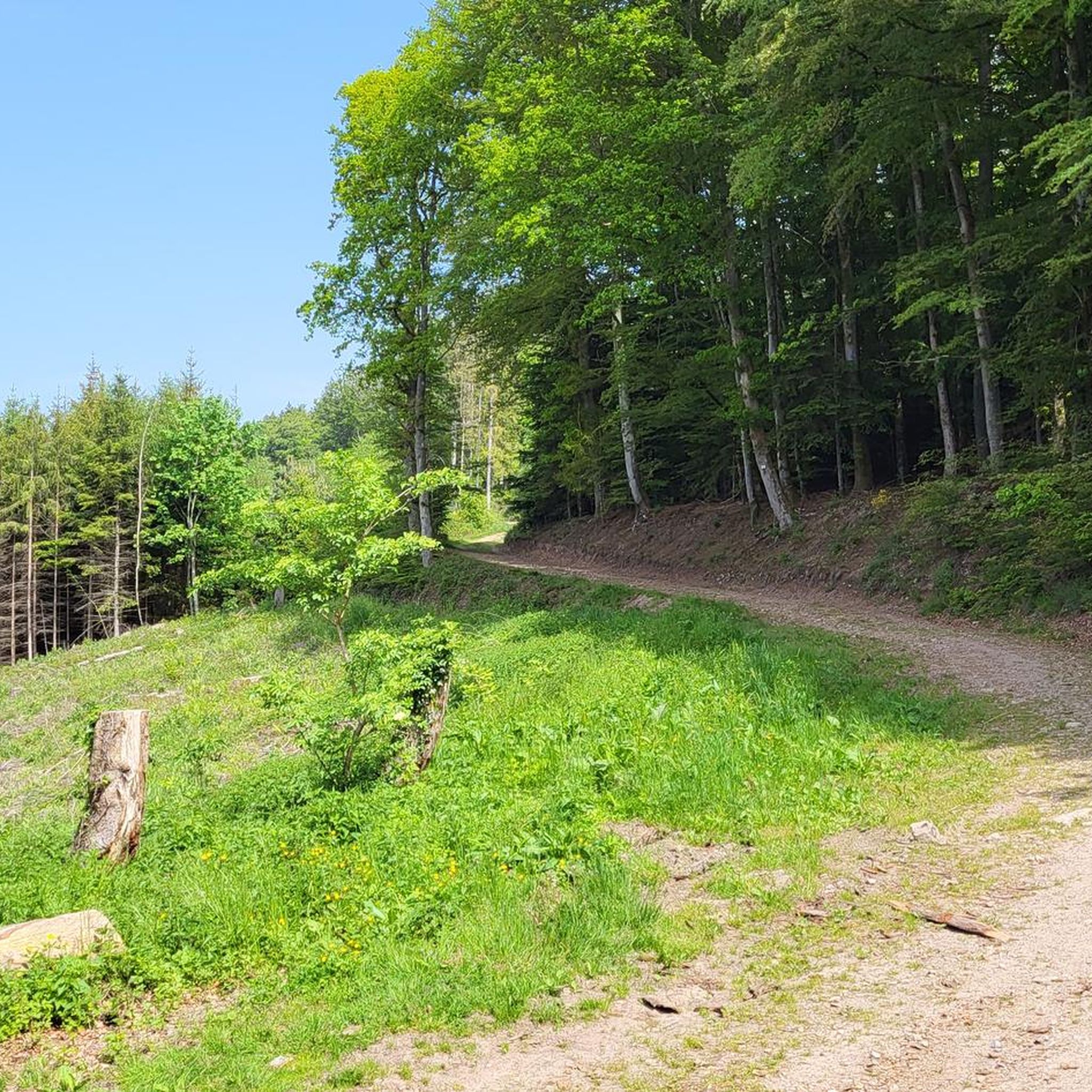
Forest road between Brouvelieures and Autrey
Highlight (Segment) • Other
Translated by Google •
Tip by

Sign up now to discover places like this
Get recommendations on the best single tracks, peaks, & plenty of other exciting outdoor places.
Saint-Dié Cathedral
Highlight • Religious Site
Translated by Google •
Tip by
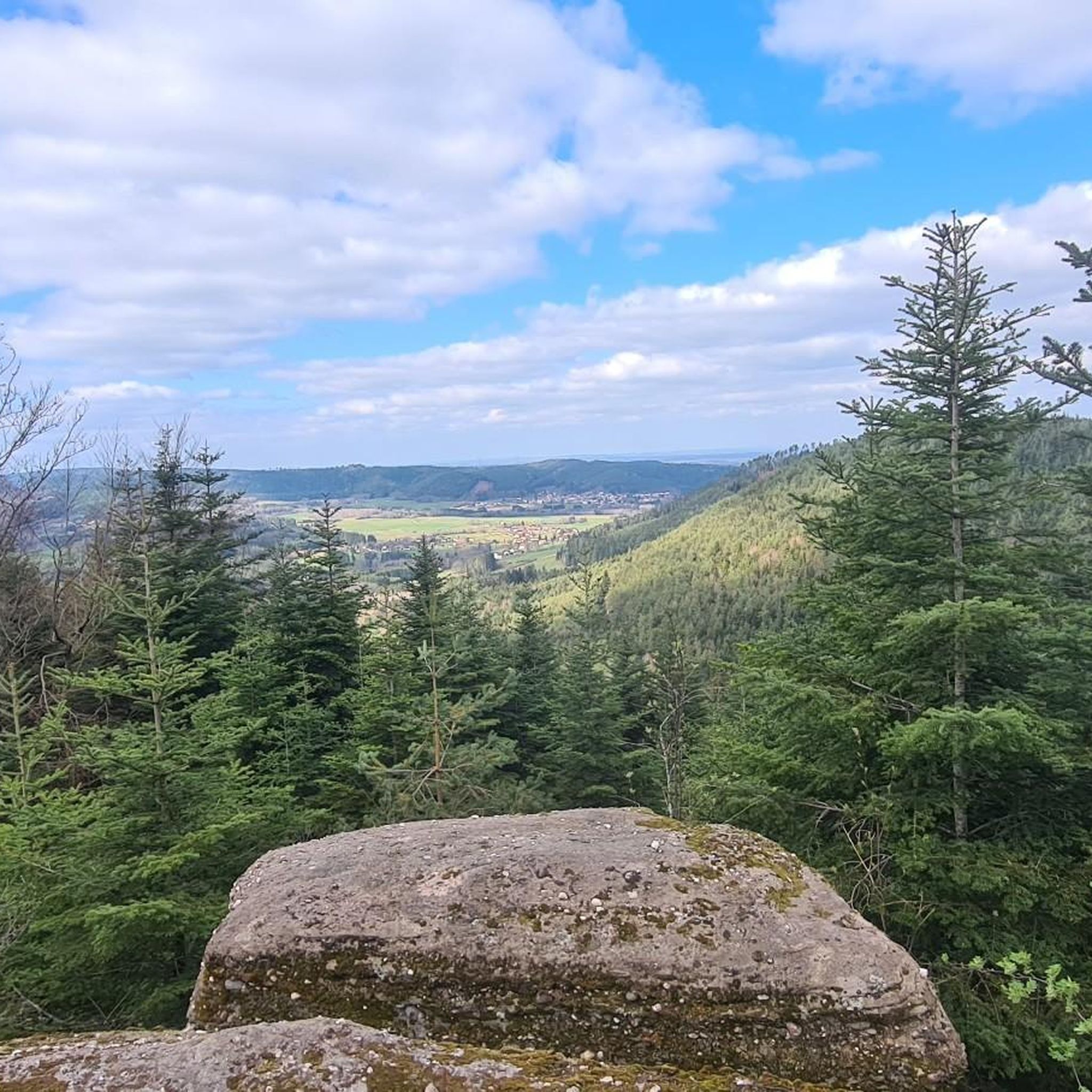
Roche d'Anozel
Highlight • Viewpoint
Translated by Google •
Tip by

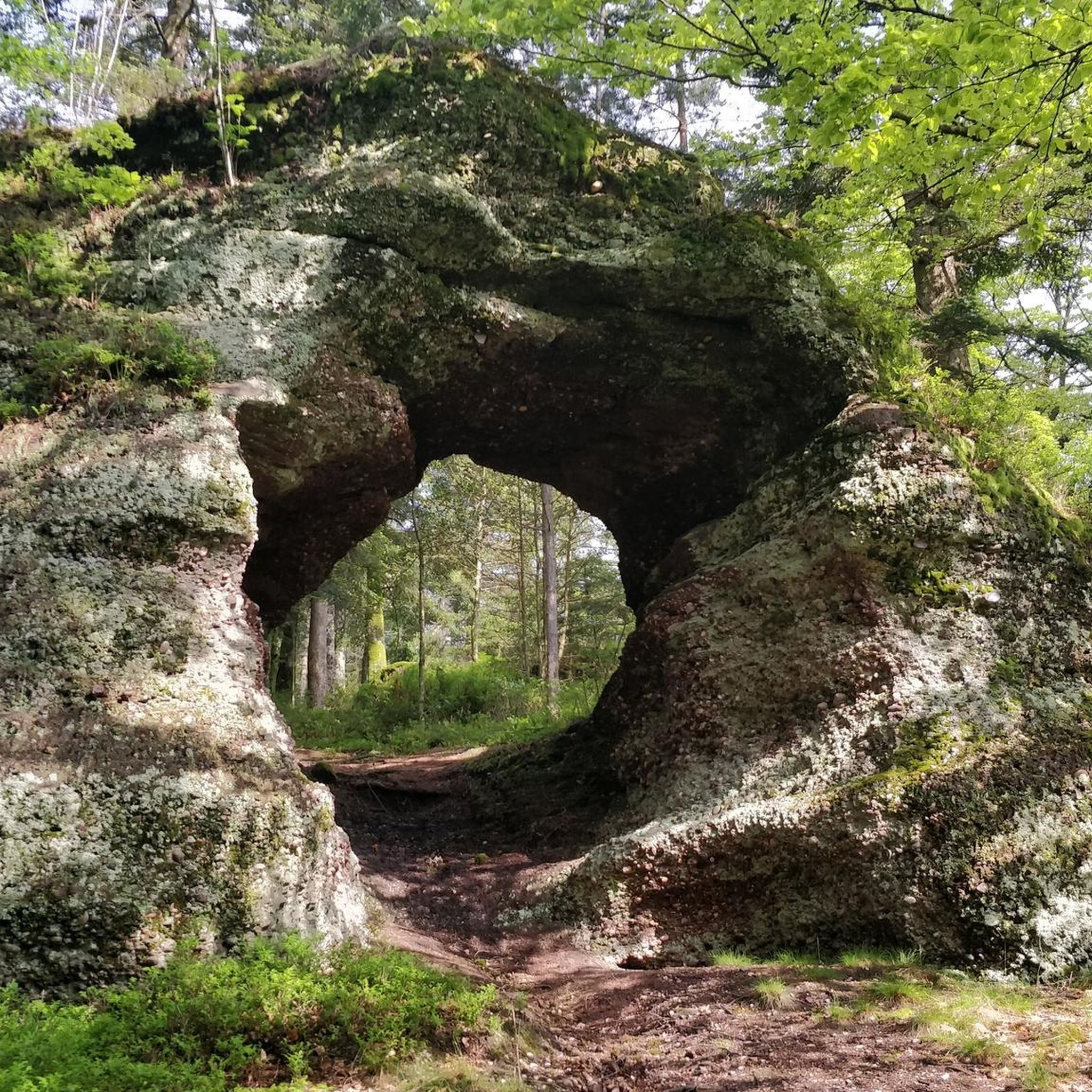
Fairy Rocks
Highlight • Viewpoint
Showing Translation
Tip by

Sign up for free to discover even more attractions around Mortagne.
Already have an account?
Start today with a free account
Your next adventure awaits.
Tips from the Community

Using the ladder that leads to the top of the rock, the view over Saint Dié and the Vosges is superb. Be careful, however, if you are prone to vertigo.
3
0

The Roche d’Anozel is located in the Kemberg massif near Saulcy-sur-Meurthe, not far from Saint-Dié-des-Vosges. The striking Vosges sandstone rock is about 740 m high and approximately 15 m high and 20 m wide. An enigmatic inscription on the rock is dated to the year 1402. Particularly interesting is the view over the Meurthe valley and the surrounding Vosges mountains. The Roche is part of a network of well-marked hiking trails.
0
0

Camp accessible to mountain bikes but next to the bike
0
0

And and you err err is one and and and and ere and and and and
0
0


Emblematic rock of the Kemberg massif, from which the view of the Vosges is clear.
1
0
Frequently Asked Questions
What are the most popular attractions around Mortagne?
Visitors particularly enjoy the historical significance of La Bure Celtic Camp, a fortified plateau with Celtic and Roman history. Another favorite is Molières Waterfall, an enchanting artificial waterfall with a gazebo, perfect for a break. For panoramic views, The Calling Stone offers stunning vistas over the Meurthe valley.
Are there historical sites to explore in the Mortagne area?
Yes, the region is rich in history. You can visit La Bure Celtic Camp, a significant historical monument with evidence of Celtic and Roman habitation. Also, the Saint-Dié Cathedral, a religious building with a long history dating back to the 7th century, showcases various architectural styles and was rebuilt after WWII.
What kind of natural features can I see around Mortagne?
The Mortagne area, particularly in the Vosges, offers dense forests and scenic river valleys. You can experience the tranquility of the Forest road between Brouvelieures and Autrey, which follows the La Mortagne river. Don't miss the charming Molières Waterfall, an artificial cascade nestled in a forest setting, or the expansive views from The Calling Stone over the Meurthe valley.
Are there family-friendly attractions near Mortagne?
Absolutely. Molières Waterfall is a great spot for families, featuring an artificial waterfall, a pond, and a covered picnic area. The area around Saint-Dié Cathedral is also considered family-friendly, offering a cultural experience.
What outdoor activities can I do near these attractions?
The Mortagne area is excellent for outdoor enthusiasts. You can find numerous routes for running, gravel biking, and mountain biking. For detailed options, explore the Running Trails around Mortagne, Gravel biking around Mortagne, and MTB Trails around Mortagne guides.
Are there hiking trails near the attractions around Mortagne?
Yes, the region offers many opportunities for hiking. The area around La Bure Celtic Camp and The Calling Stone are situated within typical Vosges forest environments, providing scenic trails. You can find various routes, including those leading to Molières Waterfall, which is a popular stop during hikes. For specific routes, check the Komoot guides for the area.
What are some scenic viewpoints in the Mortagne region?
For breathtaking views, head to The Calling Stone, a rock on the Madeleine massif that offers a beautiful panorama over the Meurthe valley. The La Bure Celtic Camp, a fortified plateau, also provides elevated perspectives of the Haute-Meurthe valley.
Can I find quiet, scenic roads for cycling or driving around Mortagne?
Yes, the Forest road between Brouvelieures and Autrey is known for being a very quiet and scenic route. It winds through a dense forest, following the La Mortagne river, and is ideal for a comfortable ride or drive, offering chances to spot wildlife.
What is the significance of the Mortagne river in the region?
The Mortagne river is a prominent natural feature, particularly in the Vosges area. It contributes to the scenic beauty of the region, with routes like the Forest road between Brouvelieures and Autrey following its course through dense forests, creating a tranquil environment for exploration.
What do visitors enjoy most about the attractions around Mortagne?
Visitors appreciate the blend of ancient history and natural beauty. They enjoy discovering sites like the La Bure Celtic Camp for its historical depth and the peaceful, scenic environment of places like Molières Waterfall. The quiet forest roads and panoramic viewpoints are also highly valued for their tranquility and natural charm.
Most popular routes around Mortagne
Most popular attractions around Mortagne

Get inspired with the komoot mobile app


Explore more
Still not found the Highlight you’re looking for? See guides of the top attractions in other regions:
