The best cycling routes around Mortagne
4.3
(265)
2,169
riders
205
rides
Touring cycling around Mortagne offers varied terrain across marshlands, rolling hills, and coastal plateaus. The region is characterized by the expansive Gironde estuary, providing routes along its banks with views of white cliffs. Cyclists can explore preserved natural spaces, including vineyards and forests, which contribute to a diverse landscape. Pathways along canals and estuaries, such as the "Chemin de l'Estuaire," connect different natural features.
Best touring cycling routes around Mortagne
- The most popular touring cycling route is Bike loop from…
Last updated: November 18, 2026
4.7
(3)
27
riders
49.2km
03:06
520m
520m
Hard bike ride. Very good fitness required. Mostly paved surfaces.
5.0
(4)
20
riders
41.1km
02:32
410m
410m
Moderate bike ride. Good fitness required. Mostly paved surfaces.

4.5
(2)
13
riders
Hard bike ride. Very good fitness required. Mostly paved surfaces.
4.0
(2)
11
riders
45.9km
03:09
720m
720m
Hard bike ride. Very good fitness required. Mostly paved surfaces.
7
riders
21.5km
01:18
170m
170m
Moderate bike ride. Good fitness required. Mostly paved surfaces.
Get access to more routes and recommendations from other explorers.
Already have an account?
Our route recommendations are based on thousands of hikes, rides, and runs completed by other people on komoot.
Start today with a free account
Your next adventure awaits.

Tips from the Community

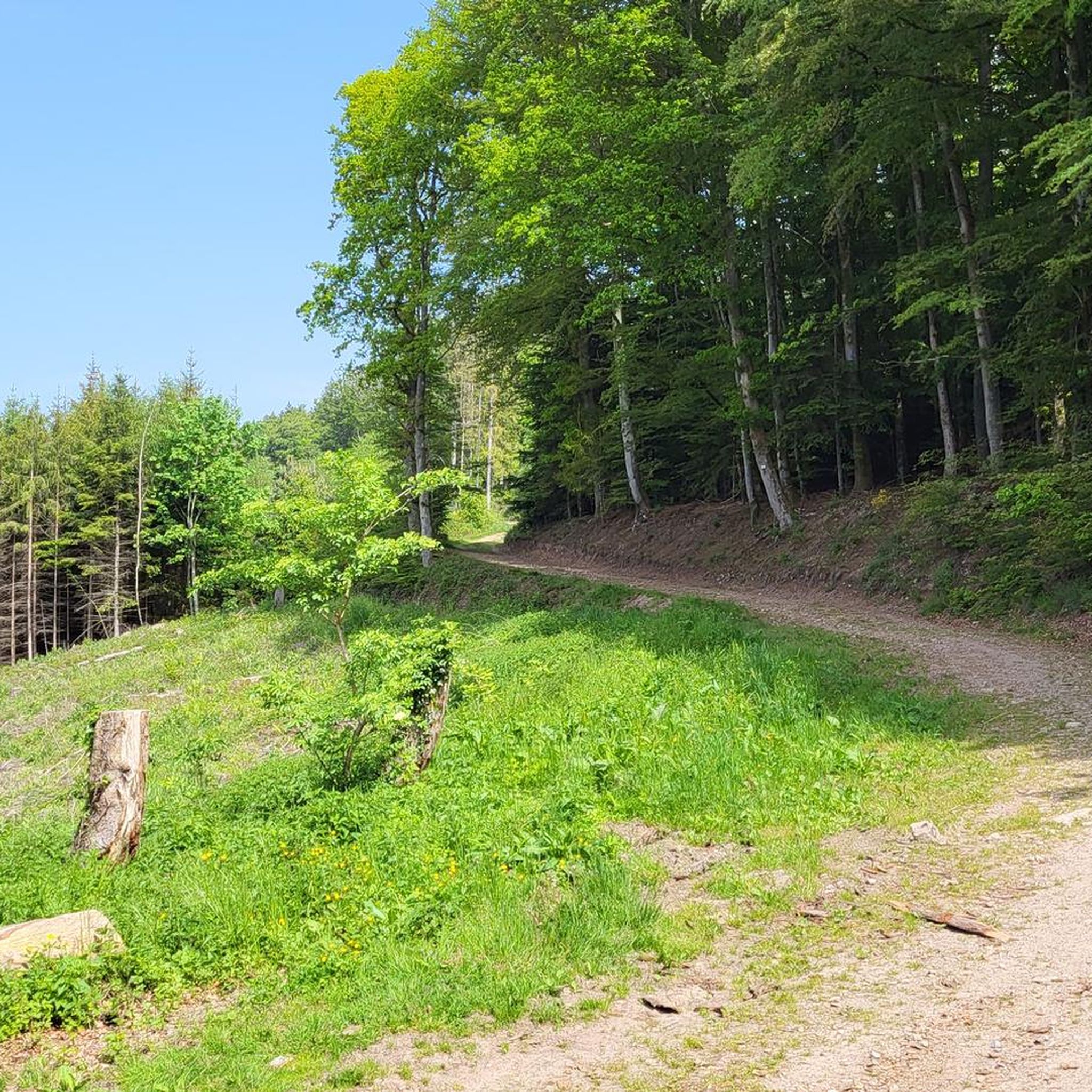
Beautiful forest road, little traffic on weekends.
0
0

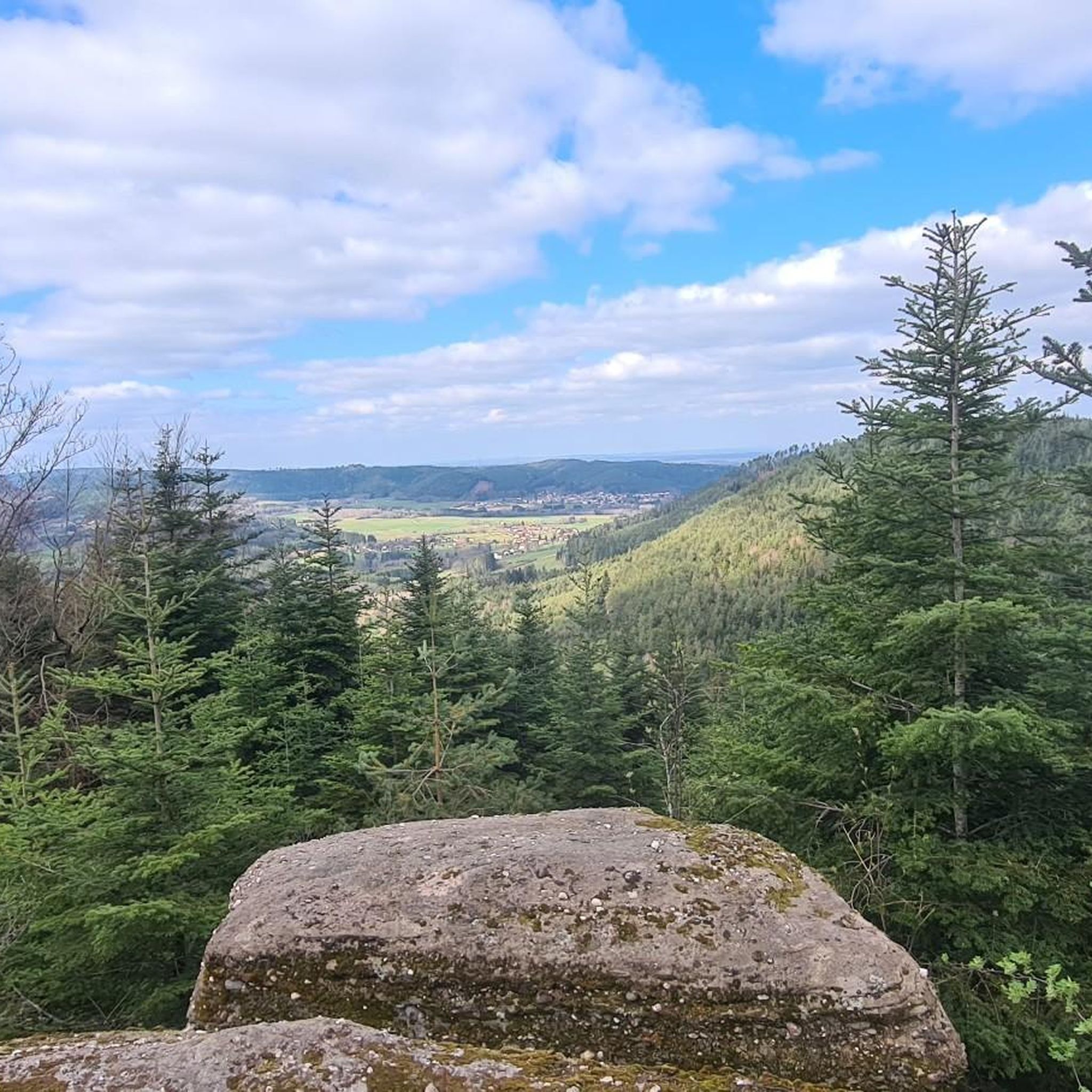
La Pierre d'Appel is located in the Côte de Repy, above Etival Clairefontaine and offers a view of both the Meurthe valley up to St Dié and the Rabodeau valley.
0
0

Tête de Répy is one of the many wooded peaks in the Madeleine massif. Well known to hikers, it offers beautiful views over the Meurthe valley and the Vosges mountains.
0
0
The Pierre d’Appel is a rock located on the Madeleine massif, above Saint-Dié-des-Vosges. It was once used as a gathering place and signal point, hence its name. This promontory offers a beautiful view over the Meurthe valley while being situated in a typical Vosges forest environment, peaceful and steeped in local traditions.
0
0


Historic village in the Vosges Ban-de-Sapt is located on a strategic height in the Vosges and was the scene of fierce fighting during WWI, especially around the côte 627. Today it is a peaceful place with a rich culture of remembrance. The Nécropole nationale de la Fontenelle, original trenches, a panoramic table and a rare steel observation capsule from WWI make the village a unique destination for those who want to combine nature and history.
7
0
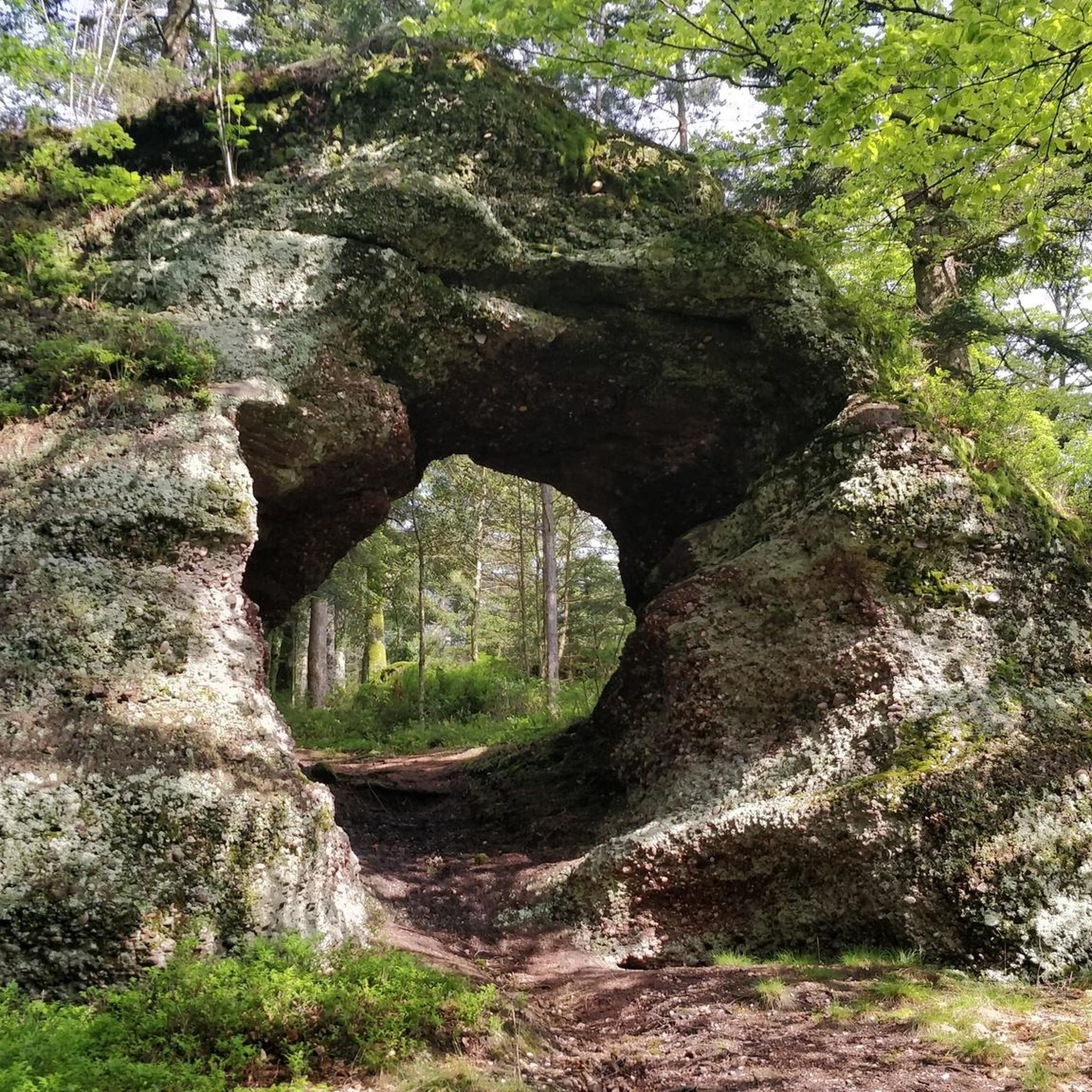
This granite memorial stone marks the exact location of the Western Front on 18 July 1918, during the final Allied offensives of the First World War. It is part of a series of 118 "Bornes du Front" designed by French sculptor and veteran Paul Moreau-Vauthier. Each stone bears a helmet on a laurel wreath and commemorates fierce fighting at that location. The borne at La Fontenelle commemorates the fierce battle in the Vosges, where French and German troops fought each other for a long time.
9
0
Frequently Asked Questions
How many touring cycling routes are available around Mortagne?
There are over 200 touring cycling routes available around Mortagne, offering a wide range of options for different skill levels and preferences. You'll find everything from easy rides to more challenging routes with significant elevation.
What kind of terrain can I expect on touring cycling routes in Mortagne?
The terrain around Mortagne is quite varied. You can expect to cycle through expansive marshlands, gentle rolling hills often covered with vineyards, and coastal plateaus offering views of the Gironde estuary. Some routes also feature the distinctive white cliffs of Pilou and pathways along canals.
Are there any easy touring cycling routes suitable for beginners?
Yes, Mortagne offers several easier touring cycling routes. There are 29 routes specifically classified as easy, providing a gentle introduction to the region's beautiful landscapes without demanding significant physical exertion. These routes are perfect for a relaxed ride.
Are there any challenging touring cycling routes for experienced cyclists?
For experienced cyclists seeking a challenge, Mortagne has 95 difficult touring cycling routes. One such route is the Rue du Haut Jacques – Col du Haut Jacques loop from Nompatelize, which covers nearly 30 km with over 500 meters of elevation gain, offering a demanding and rewarding experience.
Can I find circular touring cycling routes in Mortagne?
Yes, many touring cycling routes in Mortagne are designed as loops, allowing you to start and finish at the same point. An example is the moderate Bike loop from Nompatelize, which is 21.3 km long and offers varied terrain.
What natural features can I see while cycling around Mortagne?
While cycling around Mortagne, you can explore diverse natural features including the vast marshlands, the picturesque Gironde estuary, and coastal plateaus. The region is also known for its vineyards, forests, and canals, such as those along the "Chemin de l'Estuaire." You might also spot traditional fishing huts on stilts, known as 'carrelets', dotting the landscape.
Are there any historical or cultural landmarks along the cycling routes?
Yes, Mortagne, known as a "Village of Stone and Water," offers several interesting landmarks. You can encounter small harbors, and the architectural heritage of villages throughout the backcountry. Specific highlights include the La Bure Celtic Camp, a historical site, and the impressive Saint-Dié Cathedral.
Are there any waterfalls accessible by bike in the Mortagne area?
Yes, you can find the beautiful Molières Waterfall in the Mortagne area, which can be a refreshing stop during your cycling tour.
What are some notable viewpoints along the touring cycling routes?
For stunning vistas, consider routes that pass by viewpoints such as La Roche Saint-Martin and View of Saint-Dié, Roche d'Anozel, and The Calling Stone. These spots offer panoramic views of the surrounding landscapes, including the estuary and rolling hills.
What do other touring cyclists enjoy the most about touring cycling in Mortagne?
The touring cycling routes around Mortagne are highly rated by the komoot community, with an average score of 4.4 stars from over 270 reviews. Cyclists often praise the diverse scenery, which transitions from marshlands to vineyards and coastal views, and the well-maintained pathways that make for an enjoyable ride.
Are there any long-distance cycling routes that pass through Mortagne?
Yes, Mortagne-sur-Gironde is part of significant long-distance cycling networks. Sections of the "Tour de Gironde cycling" route pass through the area, connecting it to other notable locations like Royan and Vitrezay. It's also part of the broader "Canal des 2 Mers by bike" route, offering extensive exploration opportunities. You can find more details on sections like Royan - Mortagne-sur-Gironde and Mortagne-sur-Gironde - Vitrezay.
Are there any specific routes that offer views of the Gironde estuary?
Many routes along the banks of the Gironde estuary provide stunning views. The region's character is defined by this central natural feature, so look for routes that hug the coastline or pass through the coastal plateaus to enjoy vistas of the estuary and its unique landscape.
What is the best time of year to go touring cycling in Mortagne?
The region's mild climate makes it suitable for cycling for much of the year. Spring and autumn generally offer pleasant temperatures and beautiful scenery, with fewer crowds. Summer can be warm, but coastal breezes often provide relief. Always check the local weather forecast before heading out.
Most popular attractions around Mortagne

Get inspired with the komoot mobile app


Explore more
Browse the best Cycling routes in other regions.
