Attractions and Places To See around Nantillé - Top 10
Best attractions and places to see around Nantillé, a commune in the Charente-Maritime department of France, offers a tranquil setting. This area serves as a convenient base for exploring a variety of historical and natural sites. The region features notable landmarks and diverse natural features, providing numerous opportunities for discovery.
Best attractions and places to see around Nantillé
- The most popular attractions is Abbaye de Fontdouce, a historical site founded around 1111. This abbey reached its peak in the…
Last updated: July 28, 2026
Abbaye de Fontdouce
Highlight • Historical Site
Translated by Google •
Tip by

Saint-Brice Church
Highlight • Other
Translated by Google •
Tip by
Sign up now to discover places like this
Get recommendations on the best single tracks, peaks, & plenty of other exciting outdoor places.
Sign up for free
Church of Our Lady of the Assumption
Highlight • Religious Site
Translated by Google •
Tip by

Ruins of the Former Abbey of Saint-Jean-Baptiste
Highlight • Historical Site
Translated by Google •
Tip by

Le Douhet
Highlight • Other
Translated by Google •
Tip by

Sign up for free to discover even more attractions around Nantillé.
Sign up for free
Already have an account?
Start today with a free account
Your next adventure awaits.
Login or Signup


Tips from the Community

One of the masterpieces of Saintonge Romanesque art, the portal and its sculptures deserve a few minutes of attention (at least)!
0
0

Magnificent We can also have a picnic
0
0

The former monastery has existed since the 14th century, parts of it since the 17th century. The building is very worn and no longer completely intact, but still worth seeing!
0
0

A must-see visit alongside this abbey on a magnificent circuit
0
0

Small picturesque town of about 700 inhabitants. The 12th century Saint-Martial church and the castle are worth the detour!
1
0

The walls of the nave were doubled by means of arcades and it was endowed with a new chevet and a new bell tower. With an elegant silhouette and intact in its southern part, it is openworked with four twin bays on semicircular arches on two floors. The interior has a nave with three bays. A bay separates the nave from the front choir vaulted in blocks of rubble which, very narrow, supports the bell tower. The semi-circular apse is vaulted in cul-de-four. The 19th century side chapel, dedicated to Saint Anthony, is located on the left as you enter. Vaulted in a broken cradle, it has a stucco altar whose base has five broken arch bays. A very beautiful ornate wooden balcony dating from the end of the 19th century is located at the interior entrance of the church. The statue of Notre-Dame de Fontdouce, known as "the Virgin and Child" was sculpted by a monk from the Abbey of Fontdouce around the 15th century. It has been kept in the church of Saint Bris des Bois since the revolution and was once a destination of pilgrimage. On the back wall, a semicircular stained glass window indicates the names of the parish priest, Mr. Hague, and the mayor at the time, Mr. Lévécot (1904). The Priory of St Robert: the chapel destroyed during the wars of religion, the campanile is still in place. Saint Robert once had a great reputation, at the end of the 19th century, children suffering from certain illnesses were still brought there "before sunrise". The church was listed as a Historic Monument in 1973. To visit it you will have to pay your tribute just the price of a slight effort ....... the church is located at the top of the hill overlooking the village and adjoining the cemetery.
0
0
Towards the end of the 12th century, an abbey church was built. At the beginning of the 13th century, attached to the west of the first Romanesque abbey, a Gothic-style cloister was gradually built. The abbey reached its peak from this period: in addition to its priories (la Grainetière in Vendée and la Tenaille near Pons), it owned land within a radius of 100 km, including saltworks on the coast. In the 15th century, Fontdouce obtained the title of royal abbey leading to a profound change in its mode of administration: the abbot was no longer elected by his peers within the community but was appointed by the king. It is often a great layman to whom the king grants the commendation, that is to say 80% of the income of the abbey. Then, the wars of religion, in the 16th century, accelerated its decline. The abbey church is ransacked: it will never be rebuilt. The years following the French Revolution also brought their share of destruction: several buildings, including the refectory, disappeared. The last monks were driven out in 1793 and the following year the site was sold as National Property to serve as agricultural property. The farmer who bought the place then built, on the remains of the conventual buildings, a house in the First Empire style. In the 1820s, Fontdouce entered the family of the current owners who, on December 16, 1986, had the Gothic parts, chapter house and parlor classified as historical monuments2. From 1970, the current owners undertook a series of excavations intended for the restoration of the Abbey of Fontdouce. They are gradually bringing the beautiful chapter house and the Gothic parlor back to life, the two superimposed Romanesque chapels and several other remains. These restoration works earned them third prize in the masterpiece in danger competition in 1979. In 1986, the site was entirely classified as a Historic Monument1. Today, Fontdouce remains a private property, focused on tourist and cultural activities, supported in its development actions by a team of enthusiasts grouped together within the Association Guillaume de Conchamp.
1
0
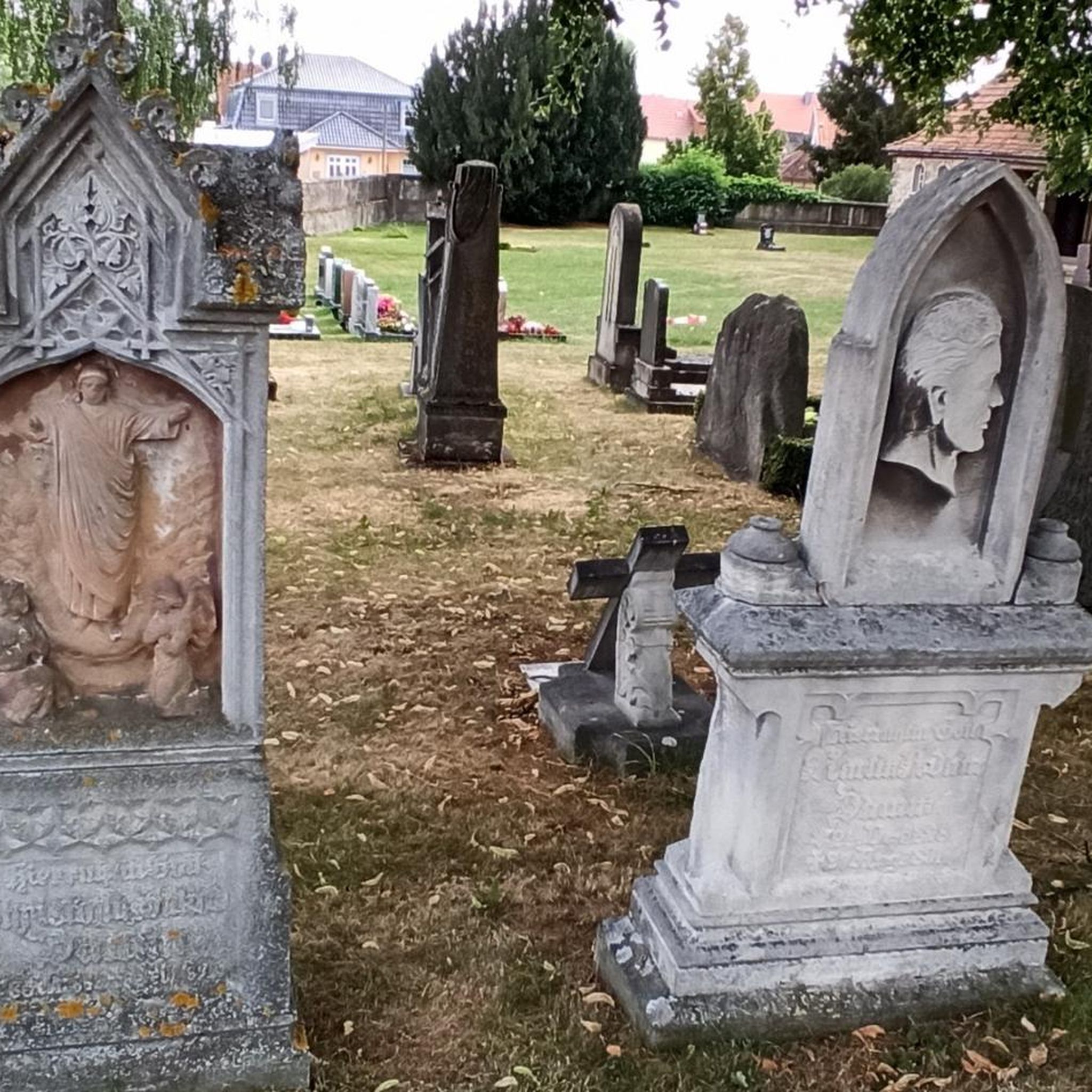
This church dedicated to Saint Brice, bishop of Tours, disciple and successor of Saint Martin, is Romanesque in style. Its square tower with a pyramidal roof rises at the edge of the plateau at the foot of which flows the Koran. This building built in the 11th century in rubble was transformed in the 12th century.
0
0
Frequently Asked Questions
What historical and cultural sites are worth visiting near Nantillé?
The region around Nantillé is rich in history. You can explore the impressive Abbaye de Fontdouce, a historical site founded around 1111 with Gothic cloisters and Romanesque chapels. Another significant site is the Church of Our Lady of the Assumption in Fenioux, known for its Romanesque architecture and the nearby extraordinary medieval 'Lanterne des morts de Fenioux'. Don't miss the unique Jardin de Gabriel within Nantillé itself, a sculpture garden recognized as a 'Monument Historique'.
Are there any picturesque towns or villages to visit nearby?
Yes, the small picturesque town of Le Douhet is worth a visit, featuring a 12th-century Saint-Martial church and a local castle. Further afield, the historic town of Saint-Jean-d'Angély, about 12 km from Nantillé, boasts significant monuments and is part of French pilgrim routes. Saintes, approximately 17 km away, offers an extensive old town with 2000 years of history, including a Gallo-Roman amphitheater.
What kind of natural features can I find around Nantillé?
While Nantillé is rural, the surrounding Charente-Maritime region offers diverse natural beauty. You can find several forests nearby, such as Forêt de Pons, Forêt de la Lande, and Forêt de Benon. The River Charente flows through nearby towns like Saint-Savinien, offering attractive riverside settings. For those willing to travel a bit further, coastal features like Pointe de Suzac and Forêt de Suzac are also accessible.
Are there family-friendly attractions or activities in the area?
Many historical sites like the Abbaye de Fontdouce are considered family-friendly, offering an educational and engaging experience. Exploring picturesque towns like Le Douhet can also be enjoyable for families. Additionally, the region's numerous walking and cycling routes provide opportunities for outdoor family adventures.
What outdoor activities and routes are available near Nantillé?
The area around Nantillé is excellent for outdoor enthusiasts. You can find various routes for different sports. For mountain biking, explore trails like the 'Abbaye de Fontdouce – Descent in the Forest loop'. Road cyclists can enjoy routes such as 'Nantillé, La-Chapelle-des-Pots et Saint-Bris-des-Bois in a loop'. Hikers have options like the 'La Boutonne loop from Saint-Jean-d'Angély' or the 'Fenioux loop'. You can find more details on these and other routes in the dedicated guides for MTB Trails around Nantillé, Road Cycling Routes around Nantillé, and Hiking around Nantillé.
What is the best time of year to visit Nantillé for outdoor activities?
The Charente-Maritime region generally enjoys a mild climate, making spring (April-June) and early autumn (September-October) ideal for outdoor activities. During these periods, the weather is typically pleasant for hiking, cycling, and exploring historical sites, with fewer crowds than in peak summer.
Are there any ancient religious buildings to see?
Absolutely. Besides the Abbaye de Fontdouce, you can visit the Romanesque Saint-Brice Church, known for its square tower and 15th-century statue of Notre-Dame de Fontdouce. The Church of Our Lady of the Assumption in Fenioux is another Romanesque masterpiece. You can also see the remaining campanile of Le Prieuré de St Robert, whose chapel was destroyed during the Wars of Religion.
What do visitors enjoy most about the attractions around Nantillé?
Visitors particularly appreciate the rich historical context and the well-preserved architecture of sites like the Abbaye de Fontdouce, often noting the extensive restoration efforts. The picturesque charm of towns like Le Douhet and the unique artistic expression of the Jardin de Gabriel also receive high praise. The blend of history, culture, and natural beauty makes the region a rewarding destination.
Are there any ruins or ancient structures to explore?
Yes, you can visit the Ruins of the Former Abbey of Saint-Jean-Baptiste, where parts of the monastery date back to the 14th century, offering a glimpse into the region's past. The campanile of Le Prieuré de St Robert also stands as a remnant of a once-prominent religious site.
Where can I find forests for walking or exploring near Nantillé?
Several forests are within a reasonable distance for exploration. Notable options include Forêt de Pons, Forêt de la Lande, and Forêt de Benon. These areas provide opportunities for walking, enjoying nature, and potentially spotting local wildlife.
Is there a castle or château I can visit in the vicinity?
While the region is known for its abbeys and churches, you can find the local castle in the picturesque town of Le Douhet. Additionally, the Château de Richemont, located about 17 km from Nantillé, is listed as a natural beauty site, offering scenic views and historical interest.
Are there any specific places for scenic views or viewpoints?
The Saint-Brice Church is situated at the top of a hill overlooking the village, offering an elegant silhouette and likely scenic views of the surrounding landscape. The rural nature of the area also provides many opportunities for picturesque vistas during walks or drives.
Most popular routes around Nantillé

Get inspired with the komoot mobile app


Explore more
Still not found the Highlight you’re looking for? See guides of the top attractions in other regions:
