The best cycling routes around Castelnau-De-Guers
4.3
(966)
6,035
riders
352
rides
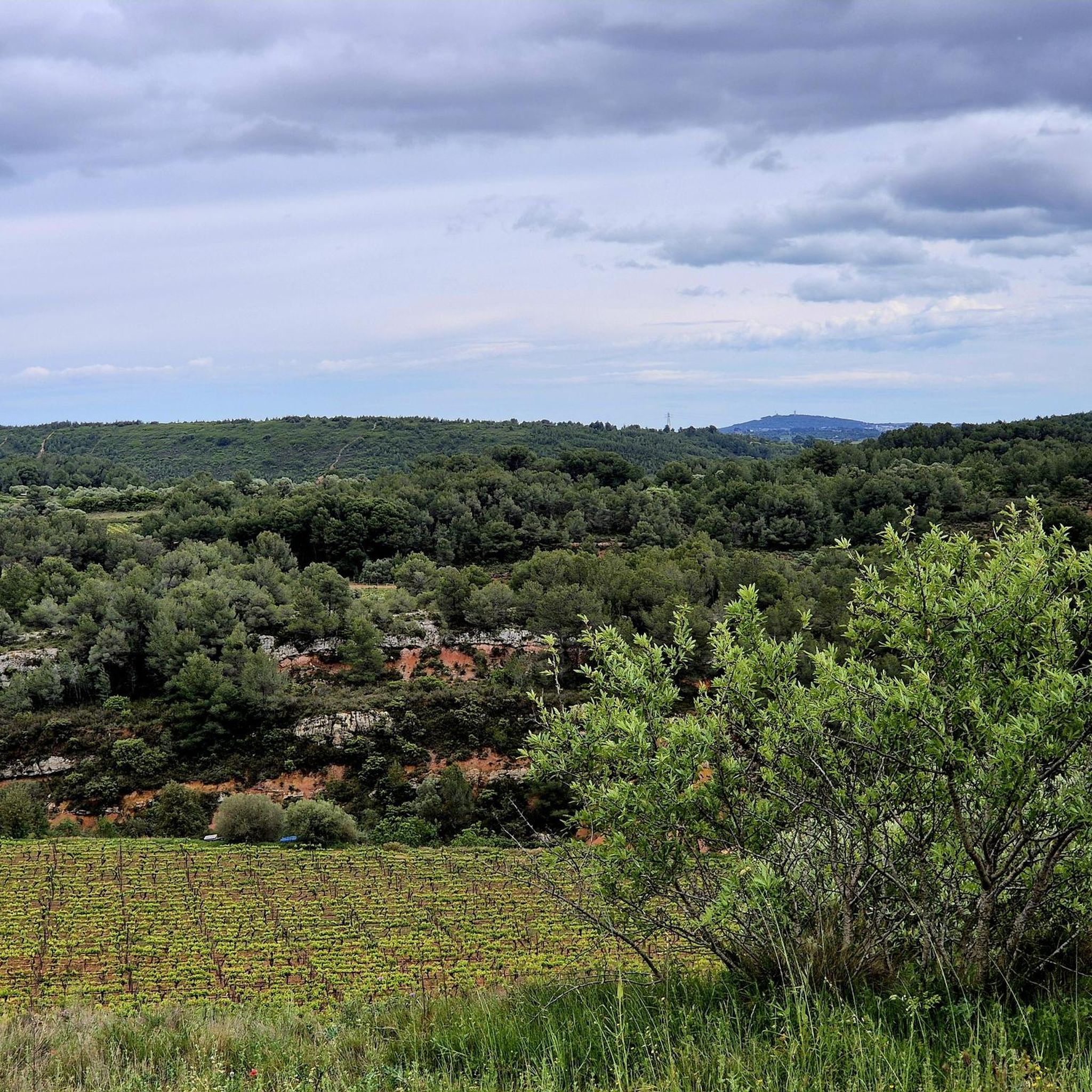
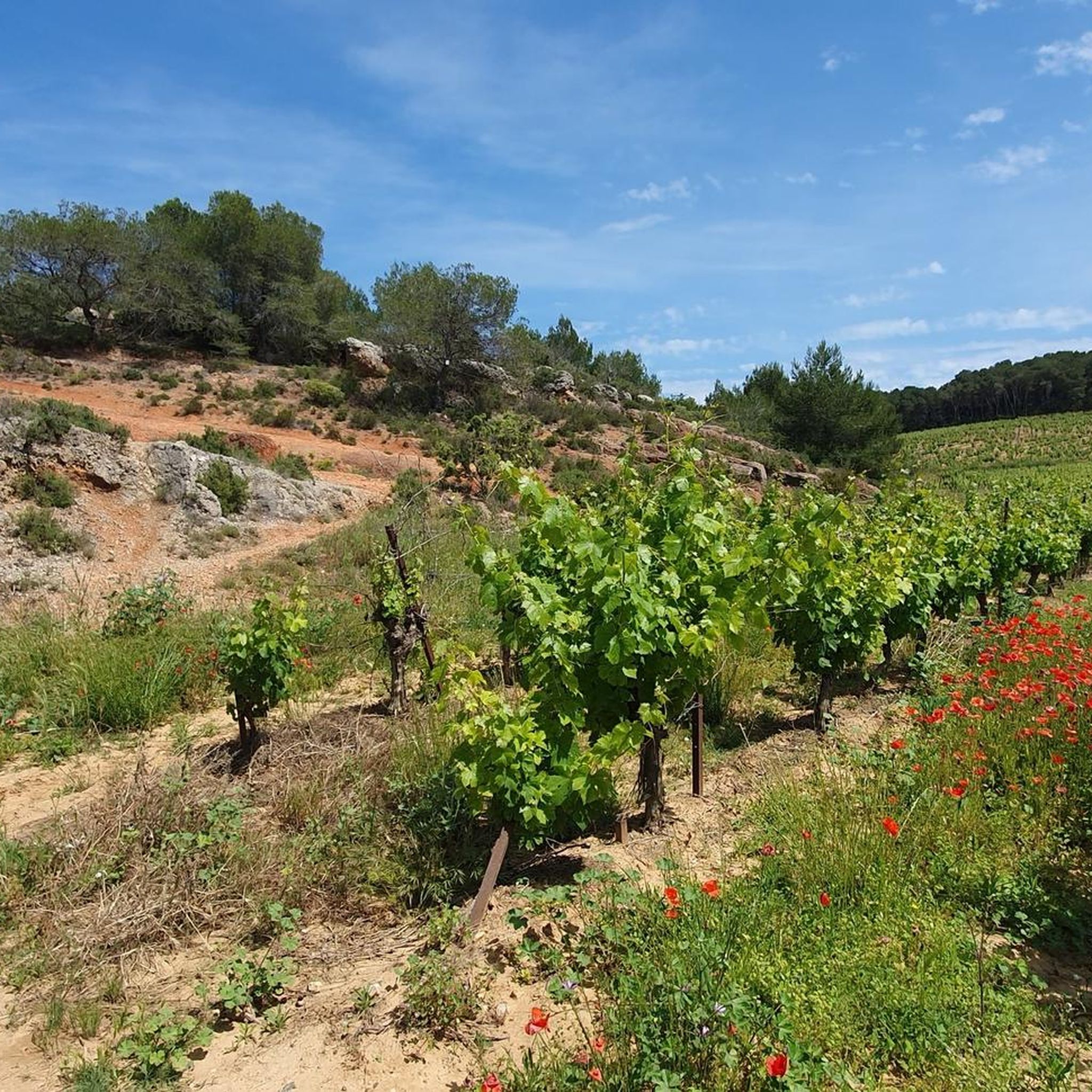
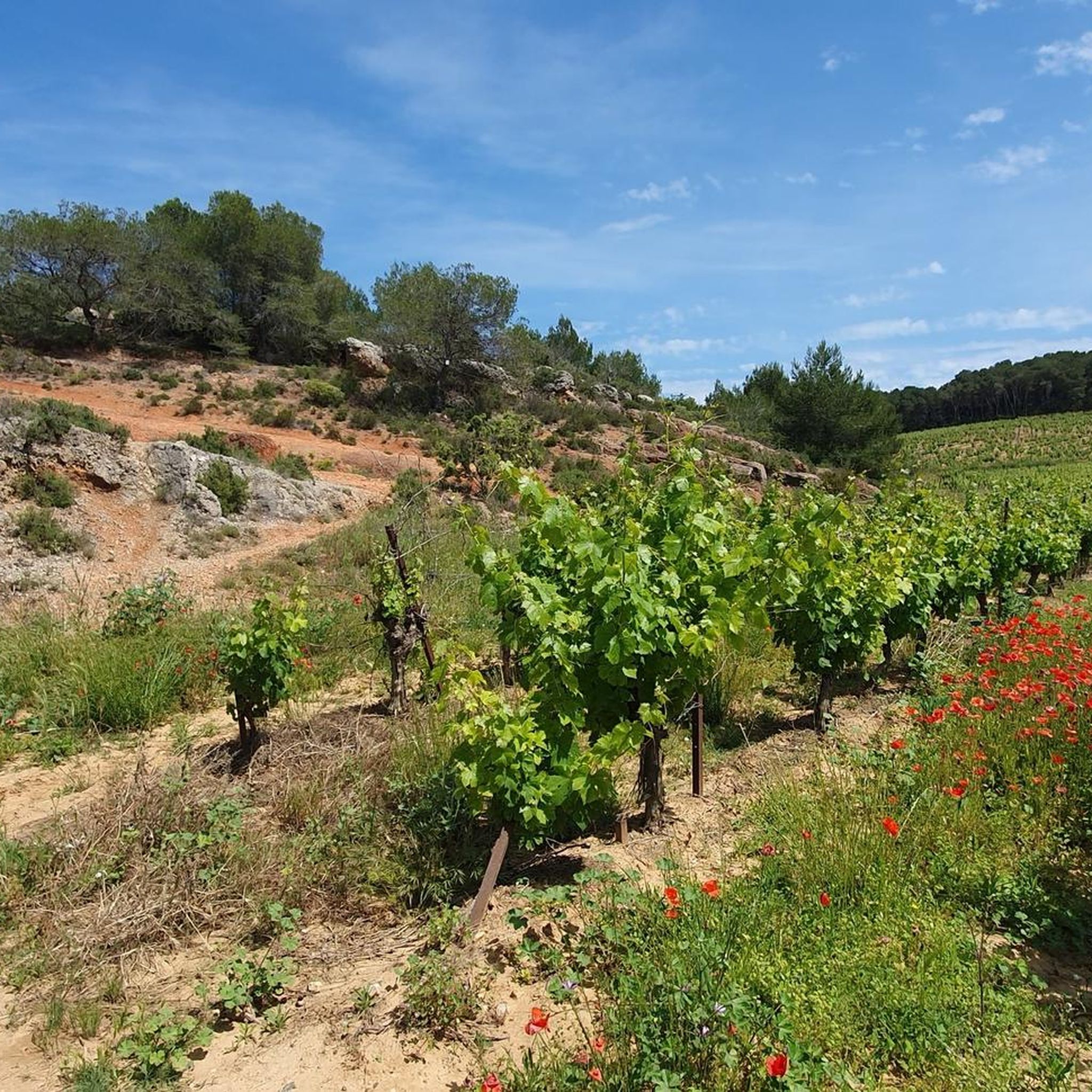
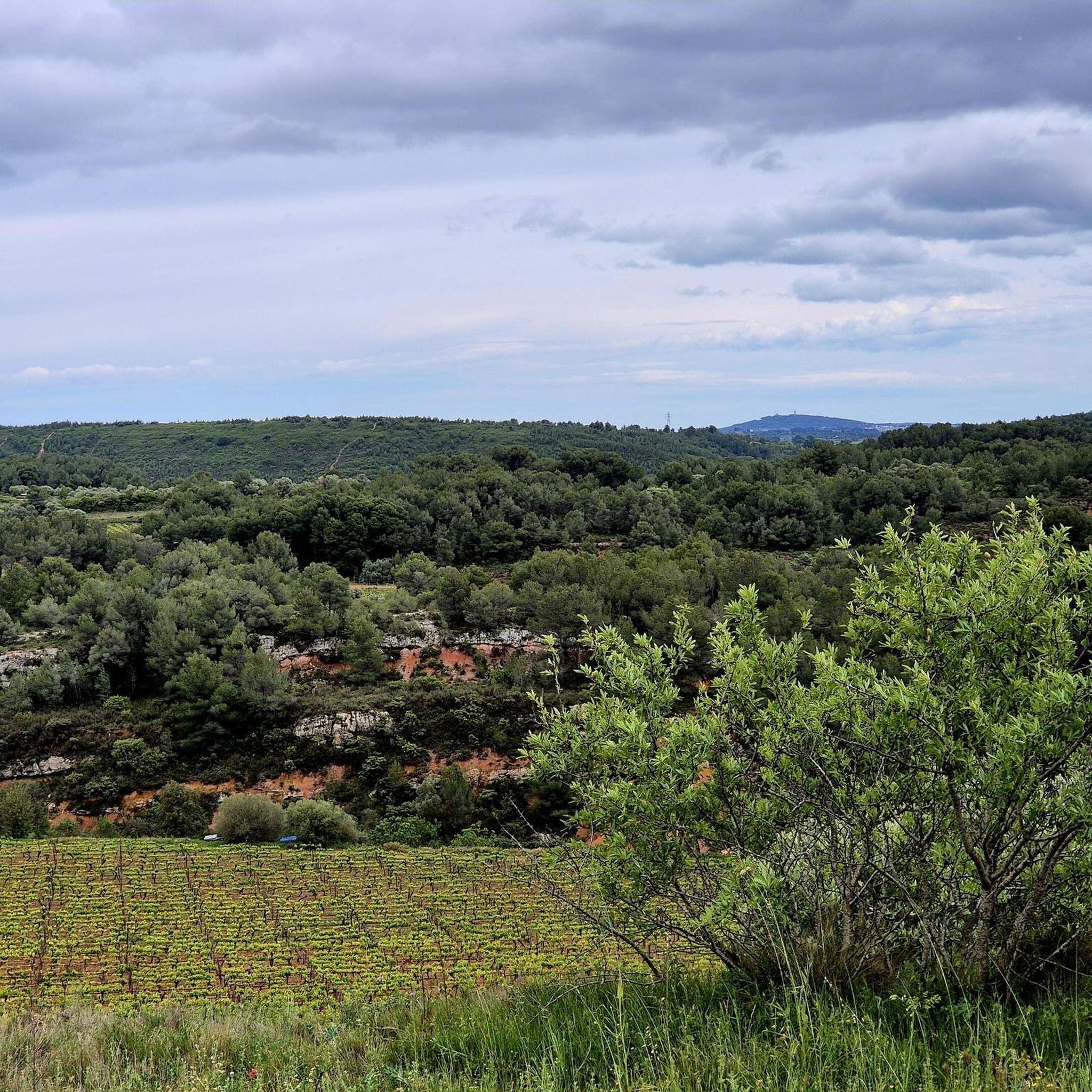
Touring cycling routes around Castelnau-De-Guers traverse a landscape characterized by the Hérault Valley, coastal plains, and extensive vineyards. The region features varied terrain, including hillsides and garrigue, with elevations reaching up to 430 meters. Unique geological formations like the 200-meter stretch of red sandstone known as "Le Séchoir des Fées" add to the diverse scenery.
Best touring cycling routes around Castelnau-De-Guers
- The most popular touring cycling route is Aumes – Center de Bésilles loop from Castelnau-de-Guers, a 24.6 miles…
Last updated: October 8, 2026
5.0
(1)
90
riders
37.5km
03:15
460m
460m
Hard bike ride. Very good fitness required. Mostly paved surfaces. Suitable for all skill levels.
4.5
(20)
51
riders
31.4km
01:52
110m
110m
Easy bike ride. Great for any fitness level. Mostly paved surfaces. Suitable for all skill levels.

5.0
(2)
46
riders
39.2km
03:11
460m
460m
Hard bike ride. Very good fitness required. Mostly paved surfaces. Suitable for all skill levels.
4.2
(5)
48
riders
32.2km
03:01
480m
480m
Hard bike ride. Very good fitness required. You may need to push your bike for some segments of this route.
5.0
(1)
28
riders
46.9km
02:54
380m
380m
Moderate bike ride. Good fitness required. Mostly paved surfaces. Suitable for all skill levels.
Get access to more routes and recommendations from other explorers.
Already have an account?
Our route recommendations are based on thousands of hikes, rides, and runs completed by other people on komoot.
Start today with a free account
Your next adventure awaits.

Tips from the Community

This small village has assets to showcase. Do not hesitate to linger to visit its church, its old collegiate chapel converted into a media library, its well or its presbytery.
1
0

🧚🏼♀️ L’Étendoir des Fées – a small moonscape In the middle of the garrigue near Castelnau-de-Guers, this extraordinary landscape suddenly appears. The rock layer, about 50 million years old, made of pink sandstone, was formed by erosion over millions of years and in places really resembles a small moonscape. 🌕👌🏼 The so-called “L’Étendoir des Fées” is about 200 meters long and 50 meters wide. After rain, water collects in the small hollows of the rock and reflects the sky – the place is said to look particularly impressive then. And of course, there is also a fitting legend: On full moon nights, after the rain, fairies are said to have washed their laundry here and then laid it out on the rocks to dry. 🧚🏼♀️ Hence the beautiful name “Fairy’s Drying Place”. An unusual spot of nature in the middle of the Mediterranean garrigue and definitely worth a detour. Greetings Marcus ✌🏼
0
0

Cycle path along the railbike
0
0
Attached to the diocese of Agde, the Benedictine abbey of Saint-Thibéry is said to have been founded around 770 with the arrival of Attilio, a disciple and advisor of Benoît d’Aniane. First abbot of the monastery, Attilio settled with a few monks near the tombs of the three Christian martyrs Tibère, Modeste, and Florence, executed during the reign of the Roman emperor Diocletian on November 10, 304 [...]. During the Middle Ages, the abbey was the seat of several councils, such as those of 907 and 1050, bringing together bishops and abbots from the province of Narbonne. All-powerful among the abbeys of Languedoc, Saint-Thibéry declined with the Hundred Years' War.
0
0

A few kilometers from Nézignan-l’Évêque, in the municipality of Saint-Thibéry, Château Sainte-Cécile dates back to the 18th century. Originally a "country house" intended for holidays, the estate gradually developed around viticulture, but also silkworm farming and alcohol distillation. This former bastide was profoundly transformed over time, notably by the addition of an Italianate decor: Florentine facade, Corinthian columns, loggia, terrace adorned with Venetian lions, and balustered staircases. This transformation earned it the nickname "Venetian folly". In 1933, the castle was acquired by the father of Antoine de Saint-Exupéry, the Marquis Jacques de Saint-Exupéry. The writer stayed there regularly in the following years. Today, the castle hosts guest rooms and receptions, while preserving the main architectural elements that have shaped its identity.
2
0
This 18th-century residence hosted a vineyard, a silkworm farm, and an alcohol distillery before becoming a bed and breakfast and reception venue today. You can admire its beautiful Florentine facade from the outside, the building having been built inspired by Italian Renaissance castles.
1
0
This Benedictine abbey has its roots in the 8th century. Around 770, a monastery is said to have been founded here by Attilio, a disciple of Benedict of Aniane, near the tombs attributed to three Christian martyrs: Thibéry, Modeste, and Florence. The place then became an important pilgrimage center. The abbey occupies an even older site: it is located at the foot of the ancient oppidum and on the presumed site of the ancient agglomeration of Cessero. The current abbey church, largely marked by Gothic architecture, bears witness to the many transformations of the abbey during the Middle Ages and the following centuries. In 1639, the abbey joined the Congregation of Saint Maur and received the title of royal abbey from Louis XIII. The Maurists then undertook a major reorganization of the monastery, of which the conventual buildings still retain elements.
4
0
Pézenas is not just about Molière, even though the playwright stayed there several times between 1650 and 1656 under the protection of the prince de Conti. The city was for a long time one of the most influential in Languedoc: the States of Languedoc met there regularly, and Louis XIII, Richelieu, or the prince de Conti stayed there. While strolling through the narrow streets, keep your eyes open: many doors still retain their original knockers and ironwork, testaments to the skill of Pézenas artisans. A tradition that is perpetuated today by the Musée de la Porte et de la Ferronnerie, unique in France. Finally, one last curiosity: the famous Maison de Molière should not be misleading. Despite its name, there is nothing to confirm that the playwright lived there. Local tradition rather holds that he liked to settle in the barber Gély's shop, where he observed the inhabitants and their foibles, a source of inspiration that is said to have fueled several of his future characters.
2
0
Frequently Asked Questions
How many touring cycling routes are available around Castelnau-de-Guers?
There are over 330 touring cycling routes around Castelnau-de-Guers, offering a wide variety of options for different skill levels and preferences. The komoot community has explored these routes over 5000 times, contributing to an average rating of 4.4 stars.
Are there easy touring cycling routes suitable for beginners or families?
Yes, Castelnau-de-Guers offers over 110 easy touring cycling routes. A great option for a relaxed ride is the Hérault River – Historic Centre of Pézenas loop from Castelnau-de-Guers, which is 4.8 miles (7.7 km) long and takes you through the historic center and along the Hérault River.
What kind of landscapes can I expect to see on a touring cycling route in this region?
The touring cycling routes around Castelnau-de-Guers showcase a diverse landscape, from the picturesque Hérault Valley to coastal plains and extensive vineyards. You'll also encounter Mediterranean flora, fragrant garrigue, and unique geological formations like the red sandstone of Le Séchoir des Fées.
Are there any challenging routes for experienced touring cyclists?
Absolutely. The region features over 60 difficult touring cycling routes for those seeking a challenge. One such route is the Aumes – Center de Bésilles loop from Castelnau-de-Guers, a 24.6 miles (39.5 km) trail with significant elevation gain, traversing varied terrain.
What are some notable natural attractions or viewpoints along the cycling routes?
Cyclists can discover several natural highlights. The unique red sandstone formations of Le Séchoir des Fées are a must-see. Many routes also offer fabulous views of the Hérault Valley and the extensive vineyards. You can also find stunning views of the Étang de Thau.
Are there any historical sites or towns to explore near the cycling routes?
Yes, the region is rich in history. The village of Castelnau-de-Guers itself is a medieval fortified settlement with sites like Le Castellas (Feudal Castle) and Église Saint-Sulpice. The nearby Pézenas Historic Centre is also a wonderful old town with significant cultural and architectural heritage, accessible via routes like the Hérault River – Historic Centre of Pézenas loop.
What is the best time of year to go touring cycling in Castelnau-de-Guers?
Given its Mediterranean climate, spring and autumn are generally ideal for touring cycling in Castelnau-de-Guers. The weather is typically mild and pleasant, and the landscapes, especially the vineyards and garrigue, are vibrant. Summers can be hot, while winters are generally mild but may have more rainfall.
Are there any circular touring cycling routes available?
Yes, many of the touring cycling routes in the area are designed as loops, allowing you to start and end in the same location. For example, the Bike loop from Castelnau-de-Guers is a moderate 20.9 km (13 miles) route that offers a great circular experience.
What do other touring cyclists say about the routes in Castelnau-de-Guers?
The touring cycling routes around Castelnau-de-Guers are highly rated by the komoot community, with an average score of 4.4 stars from over 900 reviews. Cyclists often praise the varied terrain, the scenic views of the Hérault Valley and vineyards, and the options available for all skill levels.
Can I find routes that pass by water bodies or coastal areas?
Yes, some routes offer views of coastal plains and water bodies. The Port of Mèze – Aumes loop from Les Montarels is a moderate route that provides views of coastal plains and vineyards, and you can also find highlights like the Port of Mèze and the Marseillan Harbor.
Are there any routes that feature the unique 'Le Séchoir des Fées' geological formation?
Yes, you can explore the area around 'Le Séchoir des Fées' on a touring cycling route. The La Font du Loup – The Fairy Stretcher loop from Castelnau-de-Guers is a moderate 20.5 km (12.7 miles) route that will take you near this fascinating red sandstone landscape.
Is public transport available to access the cycling routes, or is parking generally available?
While specific public transport connections directly to trailheads for cyclists are not detailed, Castelnau-de-Guers is a well-established village. Cyclists typically find parking available within or near the village center, which serves as a common starting point for many routes. It's advisable to check local parking regulations upon arrival.
Most popular routes around Castelnau-De-Guers
Most popular attractions around Castelnau-De-Guers

Get inspired with the komoot mobile app


Explore more
Browse the best Cycling routes in other regions.
