The best road cycling routes around Castelnau-De-Guers
4.2
(246)
5,135
riders
13
rides
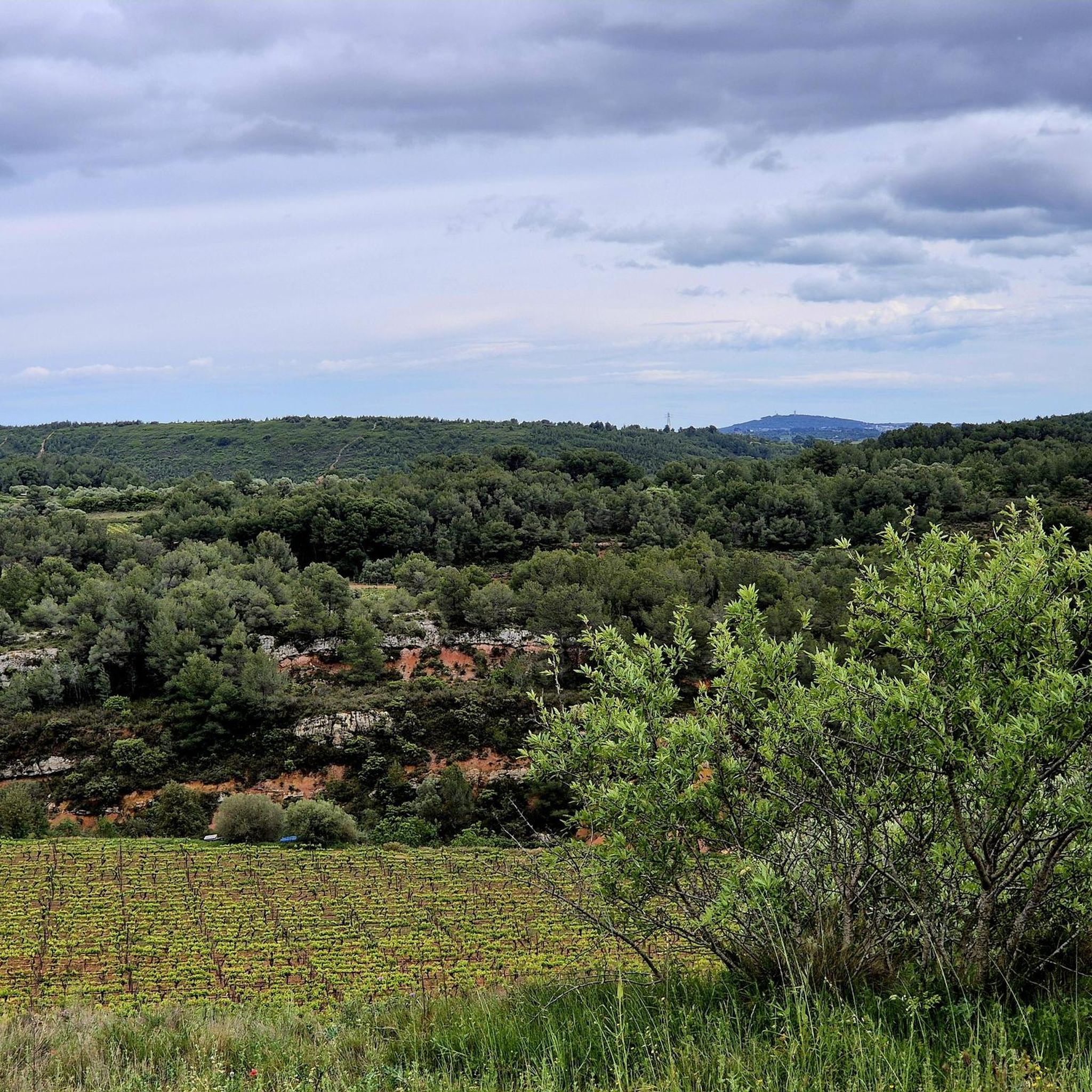
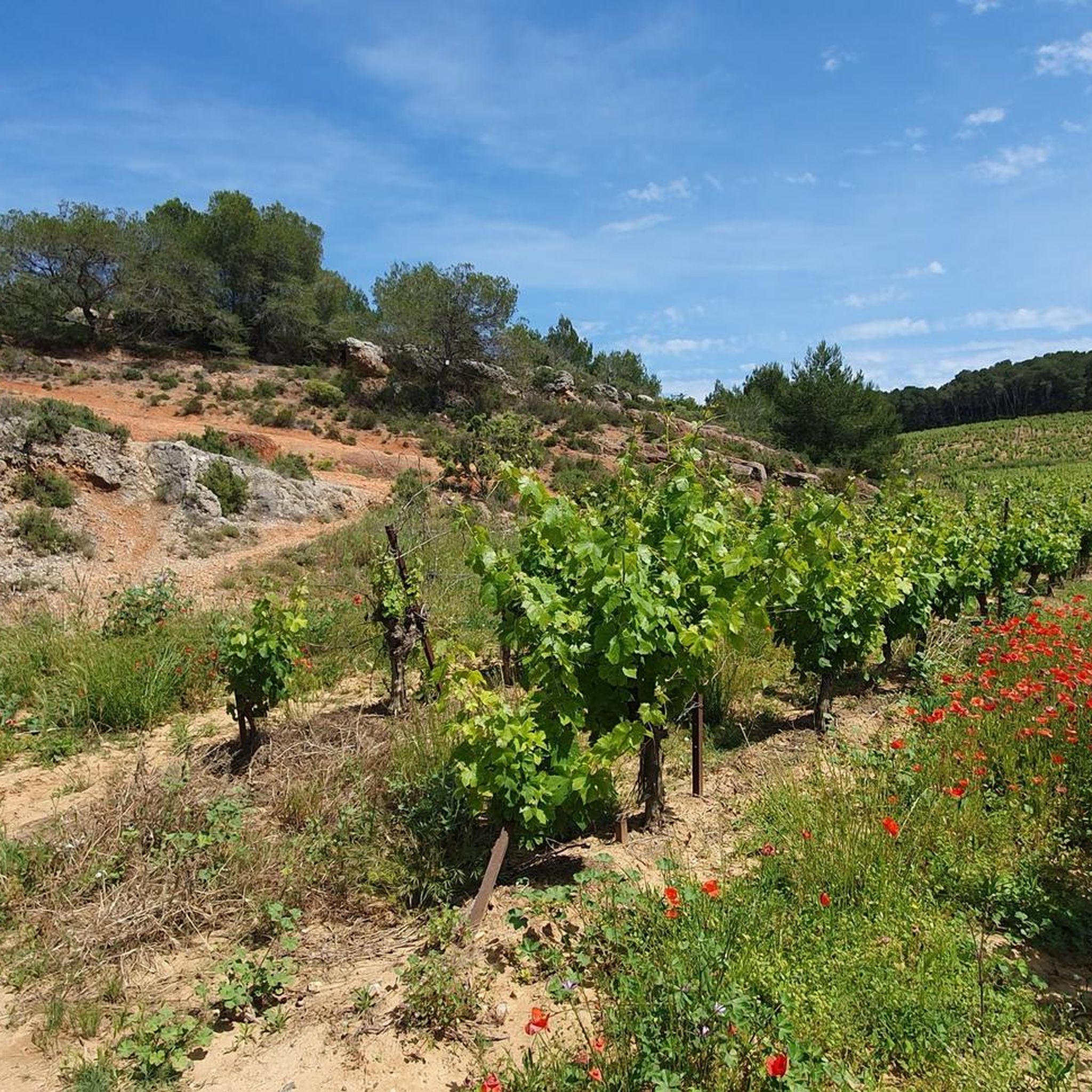
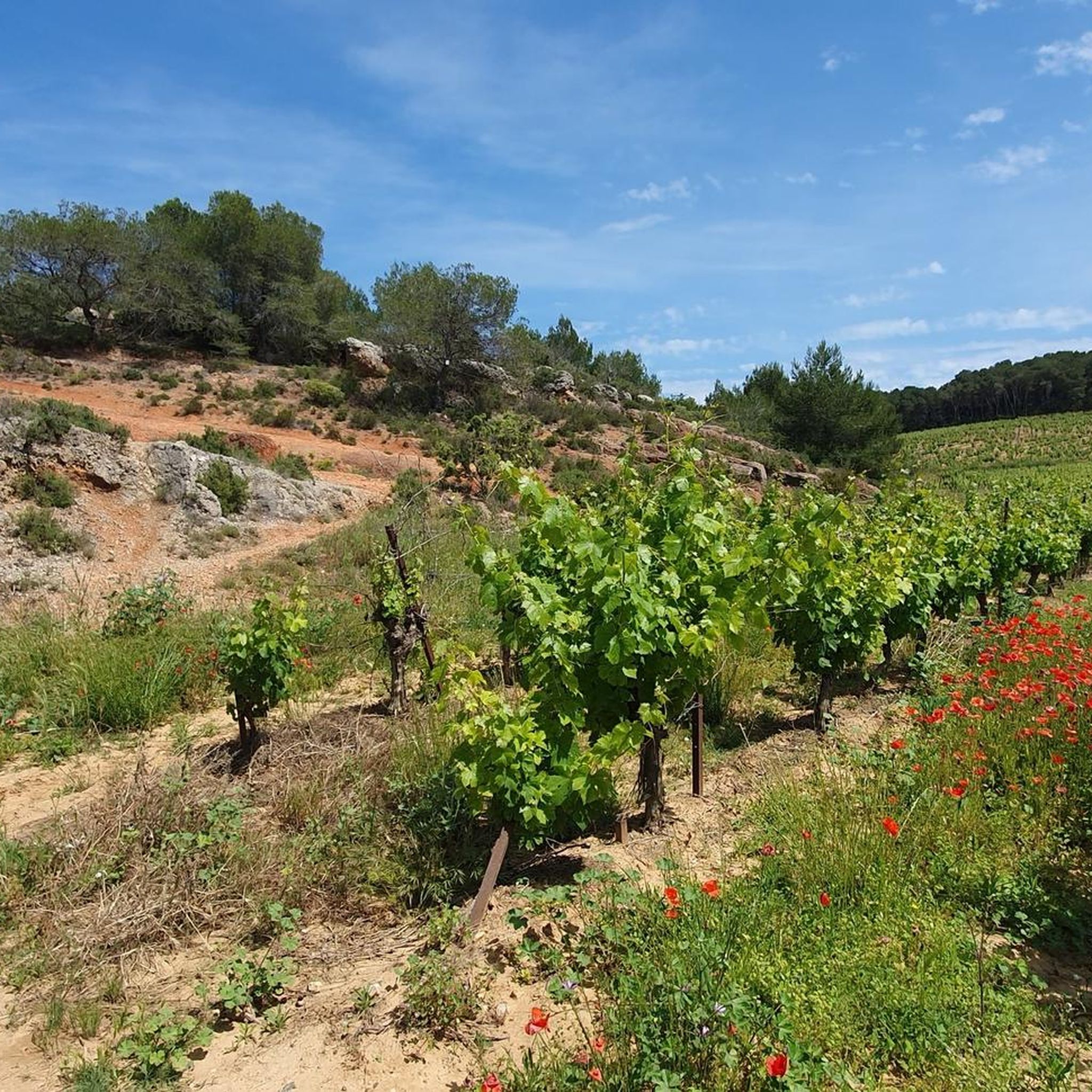
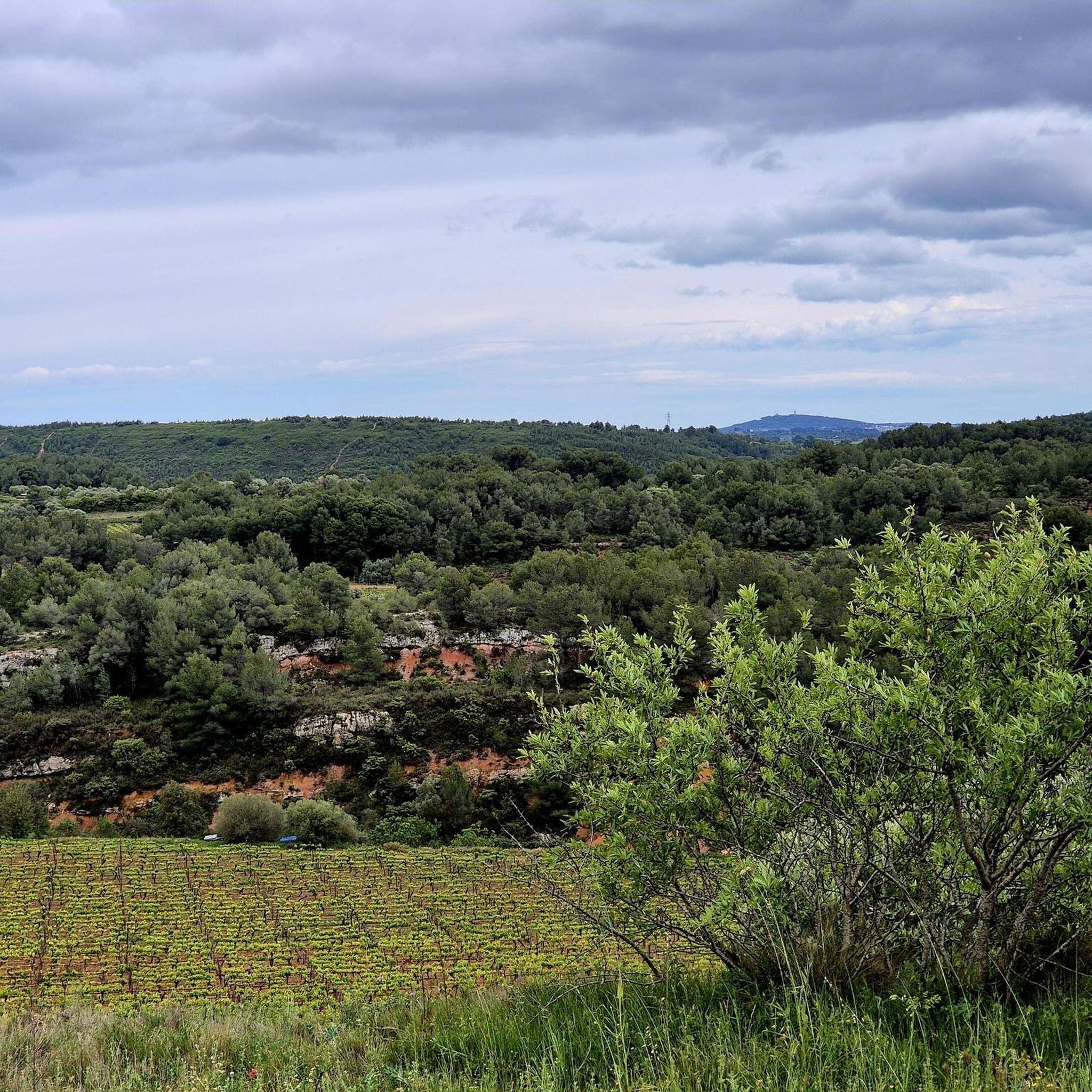
Road cycling routes around Castelnau-De-Guers traverse a landscape characterized by the Hérault Valley, extensive vineyards, and hills topped with pine forests. The region offers varied terrain, from flatter sections near the Hérault River to more undulating routes with moderate elevation gains. Road cyclists can expect mostly paved surfaces, providing access to both natural features and historic villages.
Best road cycling routes around Castelnau-De-Guers
- The most popular road cycling route is Loop of Mèze, a 48.1 miles (77.4 km) trail…
Last updated: October 13, 2026
4.8
(6)
127
riders
62.5km
02:31
220m
220m
Moderate road ride. Good fitness required. Mostly well-paved surfaces and easy to ride.
14
riders
86.0km
04:00
1,000m
1,000m
Hard road ride. Very good fitness required. Mostly well-paved surfaces and easy to ride.

18
riders
66.9km
03:09
770m
760m
Moderate road ride. Good fitness required. Mostly well-paved surfaces and easy to ride.
5.0
(1)
12
riders
24.7km
01:03
190m
190m
Easy road ride. Great for any fitness level. Mostly well-paved surfaces and easy to ride.
3.0
(1)
6
riders
Hard road ride. Very good fitness required. Some segments of this route may be unpaved and difficult to ride.
Get access to more routes and recommendations from other explorers.
Already have an account?
Our route recommendations are based on thousands of hikes, rides, and runs completed by other people on komoot.
Start today with a free account
Your next adventure awaits.

Tips from the Community

One of my favorite cycle paths in the area. It's just fun to whizz along the canal with a mountain bike. The path goes up and down in parts and has some potholes. It's also quite dusty in the summer. If that doesn't bother you, you're in the right place 😁
0
0

This medieval village, which appeared in the 11th century, had a strategic position, perched above the Hérault valley. Even today, its castle, fortifications, and towers give it a military appearance.
1
0

From the heights of Puech Haut, the panorama unfolds over two slopes. To the north, a perspective on the characteristic reliefs of Cabrières: in the center stands the Pic de Vissou (480 m), with the Liausson mountain (535 m) in the background; to the right stretches the Soureillé d'Izarne ridge. To the south, the view opens wide onto the vineyard plain that extends beyond Neffiès.
3
0

The Pumptrack in Sète is a modern, free and open-access skatepark, located by the sea on the Promenade du Lido (opposite beach 23).
0
0
The coastline between Sète and Marseillan-Plage, called the Lido, is a sandy strip of about 12 kilometers separating the Mediterranean Sea from the Thau lagoon. La Voie Verte du Lido: A 12 km long secure track reserved for cyclists and pedestrians, built on a former section of road moved to combat erosion.
0
0
The coastline between Sète and Marseillan-Plage, called the Lido, is a sandy spit of about 12 kilometers separating the Mediterranean Sea from the étang de Thau. La Voie Verte du Lido: A secure 12 km track reserved for bicycles and pedestrians, built on a former section of road moved to combat erosion.
2
0
The causse de Nizas offers a beautiful perspective on the basalt plateau called planèze. This environment is crossed by herds, the few limestone springs have been developed by lime kilns.
0
0
Amidst the vineyards, the Saint-Jean-de-Bébian priory tells nearly a thousand years of history between religious heritage and wine culture. Occupied since the Gallo-Roman era, this terroir was then shaped by the religious who developed a priory there and cultivated the vine from the Middle Ages. After the French Revolution, the estate became private property before experiencing a new renaissance in the 20th century, participating in the revival of the great wines of Languedoc. Around the old chapel and the historic buildings, the landscape recalls that the vine is not just an agricultural activity: here it is the heir to a long human history. There is a starred restaurant.
3
0
Frequently Asked Questions
What kind of terrain can I expect on road cycling routes around Castelnau-De-Guers?
The terrain around Castelnau-De-Guers is diverse, featuring mostly paved surfaces ideal for road cycling. You'll encounter varied landscapes, from flatter sections near the Hérault River to undulating routes with moderate elevation gains through extensive vineyards, fragrant garrigue, and hills topped with pine forests. The region offers picturesque views reminiscent of Cézanne's paintings.
Are there road cycling routes suitable for beginners or less experienced riders?
Yes, the Castelnau-De-Guers area offers routes catering to various fitness levels. While some routes like the Loop of Mèze involve moderate elevation, there are easier options available. The region's network includes routes with lower elevation gains, such as the 7.68km 'Hérault River – Historic Centre of Pézenas loop' or the 10.3km 'Ermitage Saint-Antoine loop', which are more suitable for beginners.
What scenic views or natural features can I expect to see while road cycling here?
Road cycling routes in Castelnau-De-Guers offer stunning panoramic views of the Hérault Valley, vast vineyards, and pine forests. You can also explore unique natural features like the 'Fairies' Drying Rack' (L'étendoir des fées), a rocky plateau with exceptional colors. Many routes also provide glimpses of the nearby Étang de Thau, a large saltwater lagoon, and the Canal du Midi.
Are there any historical landmarks or interesting places to visit along the routes?
Absolutely. The region is rich in history. You can cycle past the medieval village of Castelnau-De-Guers itself, with its 12th-century feudal château. Other notable sites include the serene Saint-Thibéry Mill, the Pézenas Historic Centre, and the charming Marseillan Harbor. The end of the Canal du Midi is also a significant landmark accessible by bike.
Is there convenient parking available for cyclists in Castelnau-De-Guers?
Castelnau-De-Guers is recognized as 'Accueil Vélo' (cyclists welcome), indicating a cyclist-friendly environment. While specific public parking details for cyclists are not provided, the village's commitment to welcoming cyclists suggests that parking facilities are generally accessible. Many routes start from or pass through villages where parking is typically available.
What is the best time of year for road cycling in Castelnau-De-Guers?
The region's Mediterranean climate makes spring and autumn ideal for road cycling, offering pleasant temperatures and less crowded routes. Summer can be warm, but early morning or late afternoon rides are still enjoyable. Winters are generally mild, allowing for cycling year-round, though some days might be cooler or wetter.
Are there any family-friendly road cycling routes in the area?
For families, flatter and shorter routes are recommended. The 'Hérault River – Historic Centre of Pézenas loop' (7.68km, 40m elevation) is a good example of an easier route. The region's network includes options with lower traffic, especially on smaller vineyard roads, making them safer and more enjoyable for families.
What do other road cyclists enjoy the most about road cycling in Castelnau-De-Guers?
The area is highly rated by the komoot community, with an average score of 4.0 stars from over 200 reviews. Cyclists often praise the diverse and picturesque landscapes, including the Hérault Valley, vineyards, and pine forests. The variety of routes, from challenging climbs to scenic coastal paths, also receives positive feedback.
How many road cycling routes are available around Castelnau-De-Guers?
There are over 150 road cycling routes available around Castelnau-De-Guers, catering to various skill levels. This includes 36 easy routes, 86 moderate routes, and 30 difficult routes, ensuring options for every type of road cyclist.
Are there any circular road cycling routes in Castelnau-De-Guers?
Yes, many of the road cycling routes around Castelnau-De-Guers are circular, allowing you to start and end in the same location. Examples include the Palmenallee – Cave traditional loop from Nézignan-l'Évêque and the Beautiful avenue – View of the Hérault loop from Pinet, offering convenient exploration of the region.
Can I find amenities like cafes or accommodation for cyclists in Castelnau-De-Guers?
As an 'Accueil Vélo' recognized village, Castelnau-De-Guers offers amenities for cyclists, including secure bike shelters and repair kits. You'll find local cafes, pubs, and restaurants within the village and surrounding towns. Some local campsites also offer preferential rates and facilities for overnight stays for cyclists.
Are there routes that combine coastal views with inland cycling?
Yes, Castelnau-De-Guers's proximity to the Étang de Thau and the Canal du Midi allows for routes that blend inland scenery with coastal vistas. For instance, the Beach View – Canal du Midi loop from Castelnau-de-Guers offers a mix of landscapes, including views of the lagoon and access to the Canal du Midi.
Most popular routes around Castelnau-De-Guers
Most popular attractions around Castelnau-De-Guers

Get inspired with the komoot mobile app


Explore more
Browse the best Road cycling routes in other regions.
