The best cycling routes around Sallertaine
4.5
(430)
2,043
riders
29
rides
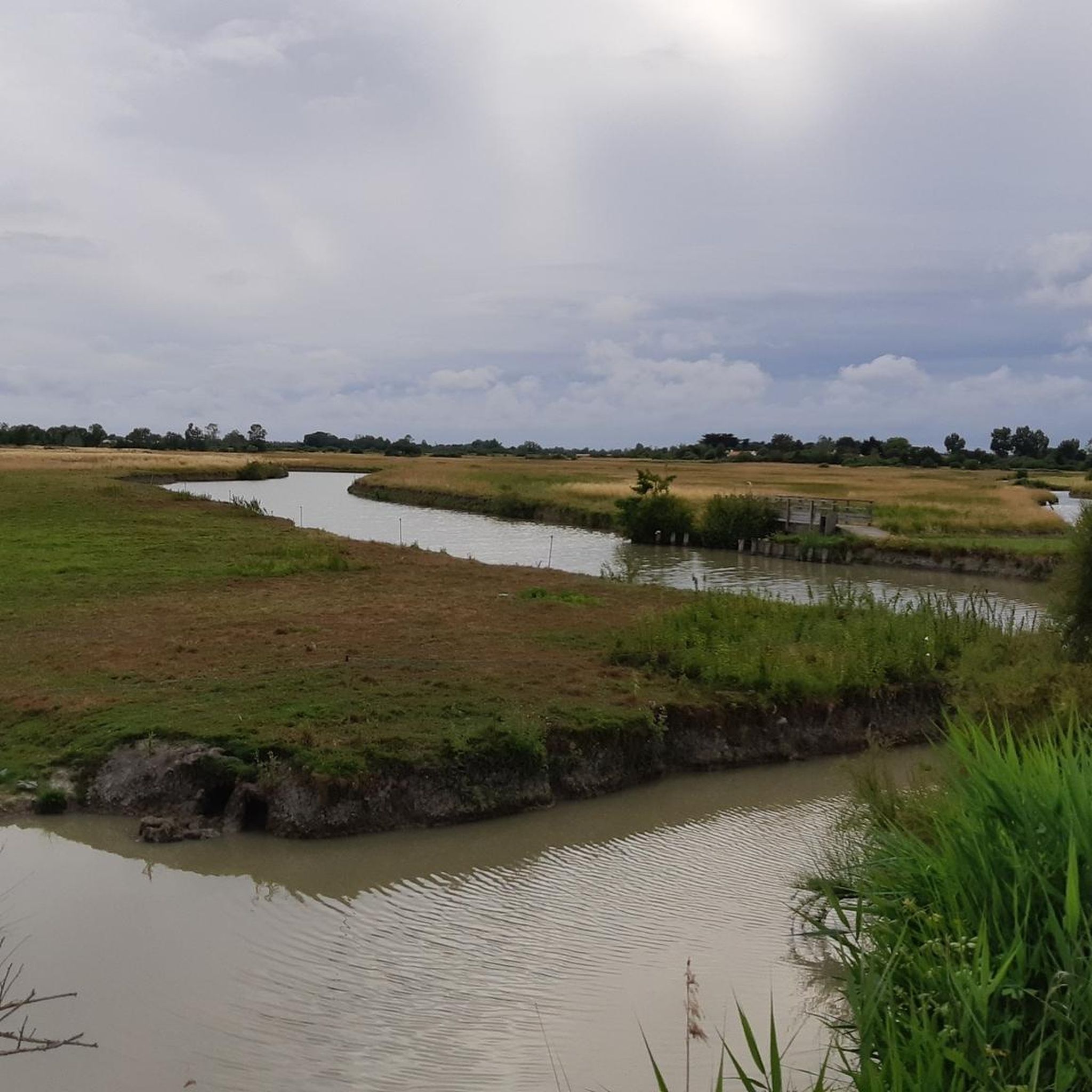
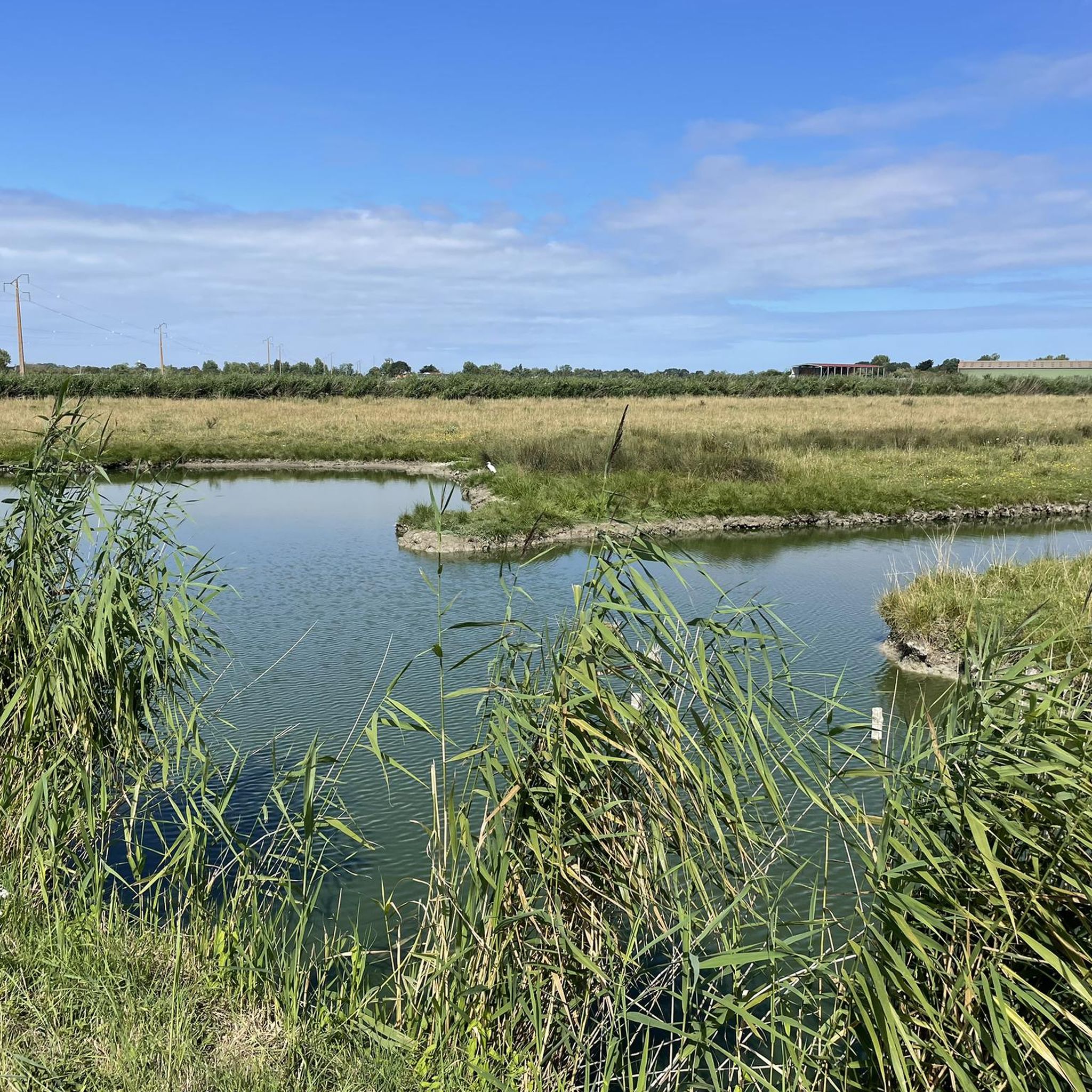
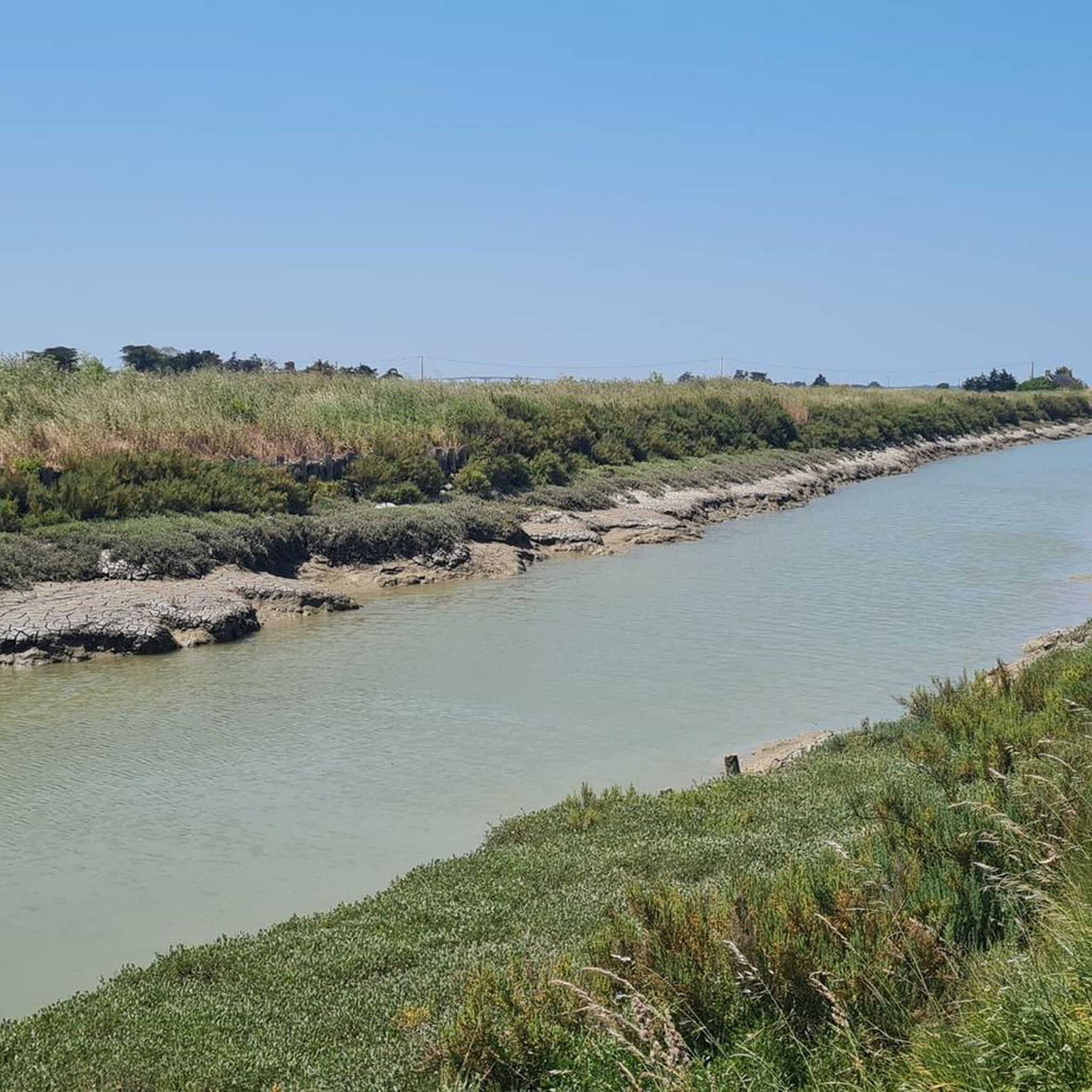
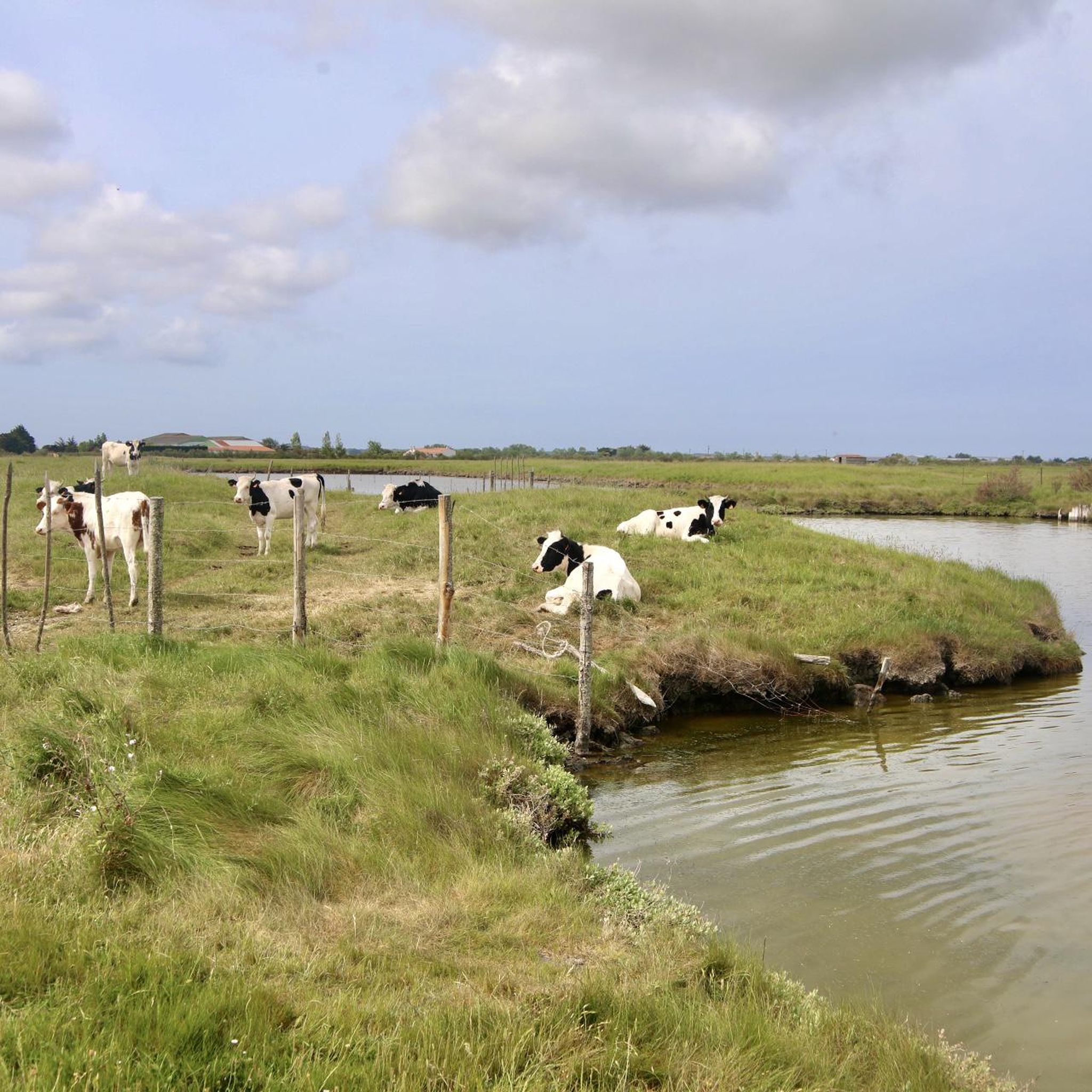
Touring cycling routes around Sallertaine are primarily defined by the flat, expansive landscapes of the Marais Breton Vendéen. This region features extensive marshlands and salt marshes, offering a tranquil environment for cycling. The terrain is generally flat, with minimal elevation changes, making it suitable for relaxed rides. Sallertaine is also located near the Atlantic coast, providing access to coastal paths and beaches.
Best touring cycling routes around Sallertaine
- The most popular touring cycling route is Moulin de Rairé – Saint-Jean-de-Monts…
Last updated: October 9, 2026
4.3
(6)
53
riders
39.2km
02:24
50m
50m
Moderate bike ride. Good fitness required. Mostly paved surfaces. Suitable for all skill levels.
5.0
(6)
19
riders
60.1km
03:57
90m
90m
Moderate bike ride. Good fitness required. Mostly paved surfaces. Suitable for all skill levels.

4.0
(1)
5
riders
25.0km
01:30
20m
20m
Easy bike ride. Great for any fitness level. Mostly paved surfaces. Suitable for all skill levels.
5.0
(1)
10
riders
Moderate bike ride. Good fitness required. Mostly paved surfaces. Suitable for all skill levels.
4.3
(3)
8
riders
Easy bike ride. Great for any fitness level. Mostly paved surfaces. Suitable for all skill levels.
Get access to more routes and recommendations from other explorers.
Already have an account?
Our route recommendations are based on thousands of hikes, rides, and runs completed by other people on komoot.
Start today with a free account
Your next adventure awaits.
Tips from the Community

Beautiful harbor with colorful houses!
0
0

Small village worth a detour, especially for its beautiful, perfectly preserved medieval church and the Rairé mill.
0
0

The Saint-Martin church is a 11th and 12th century church located in Sallertaine, France. It belongs to the diocese of Luçon. It is dedicated to Saint Martin. This church is the remnant of an old priory founded at the beginning of the 11th century, dependent on the abbey of Marmoutier. Some masonry from the primitive church remains in the walls. The current state of the building is the result of a major reconstruction carried out at the end of the 12th century. The church was consecrated in 1173 by the bishop of Poitiers. The vaulting of the crossing of the transept presents a unique curiosity in the West of France. Clearly seeking to imitate the so-called Plantagenet Gothic style, the master mason, who does not seem familiar with this new technique, created a Romanesque dome, sufficient in itself, which he adorned with ribs, without structural necessity, but which gives it an appearance evoking the Angevin vaults. Some elements of frescoes remain in the nave, which was once entirely covered, particularly an exceptional crucifixion where Christ still has his eyes open. Part of the nave was demolished. The church suffered damage in 1568 during the Wars of Religion. Major restorations took place from 1617 onwards. The narrow Romanesque windows were enlarged, the crossing is surmounted by a timber spire. Three altarpieces adorn the apse and the transepts, leading to the destruction of the south absidiole and the installation of the sacristy in the south one, separated from the transept by a wall supporting the new altar. Damaged during the revolution, becoming too narrow in the 19th century, it was replaced by a new parish church in 1906. It should then have been destroyed, but Father Grelier, an archaeology enthusiast, managed to have it classified as a historical monument in 1910 and 1912. However, the classification did not include the western end of the nave, which the municipality had demolished in 1915. https://fr.wikipedia.org/wiki/Ancienne_%C3%A9glise_Saint-Martin_de_Sallertaine
0
0
The Saint-Martin church is an 11th and 12th century church located in Sallertaine, France[1]. It belongs to the diocese of Luçon. It is dedicated to Saint Martin. This church is the remainder of an old priory founded at the beginning of the 11th century, dependent on the abbey of Marmoutier. Some masonry from the primitive church remains in the walls. The current state of the building is the result of a major reconstruction carried out at the end of the 12th century. The church was consecrated in 1173 by the bishop of Poitiers. The vaulting of the crossing of the transept presents a unique curiosity in Western France. Clearly seeking to imitate the so-called Plantagenet Gothic style, the master mason, who does not seem familiar with this new technique, created a Romanesque dome, sufficient in itself, which he adorned with ribs, without structural necessity, but which gives it an appearance evoking the Angevin vaults. Some elements of frescoes remain in the nave, which was once entirely covered, particularly an exceptional crucifixion because Christ still has his eyes open. Part of the nave has been demolished. The church suffered damage in 1568 during the Wars of Religion. Major restorations took place from 1617. The narrow Romanesque windows were enlarged, the crossing is surmounted by a timber spire. Three altarpieces adorn the apse and the transepts, leading to the destruction of the south absidiole and the installation of the sacristy in the southern one, separated from the transept by a wall supporting the new altar. Damaged during the revolution, becoming too narrow in the 19th century, it was replaced by a new parish church in 1906. It should then have been destroyed, but Abbot Grelier, passionate about archaeology, managed to have it classified as a historical monument in 1910 and 1912. However, the classification only included the western end of the nave, which the municipality had demolished in 1915. https://fr.wikipedia.org/wiki/Ancienne_%C3%A9glise_Saint-Martin_de_Sallertaine
0
0
Do yourself a favour and, from the bridge, just look to the right, to the left and out to sea. The view of the coast is a sorry sight. French concrete architecture at its worst.
0
0

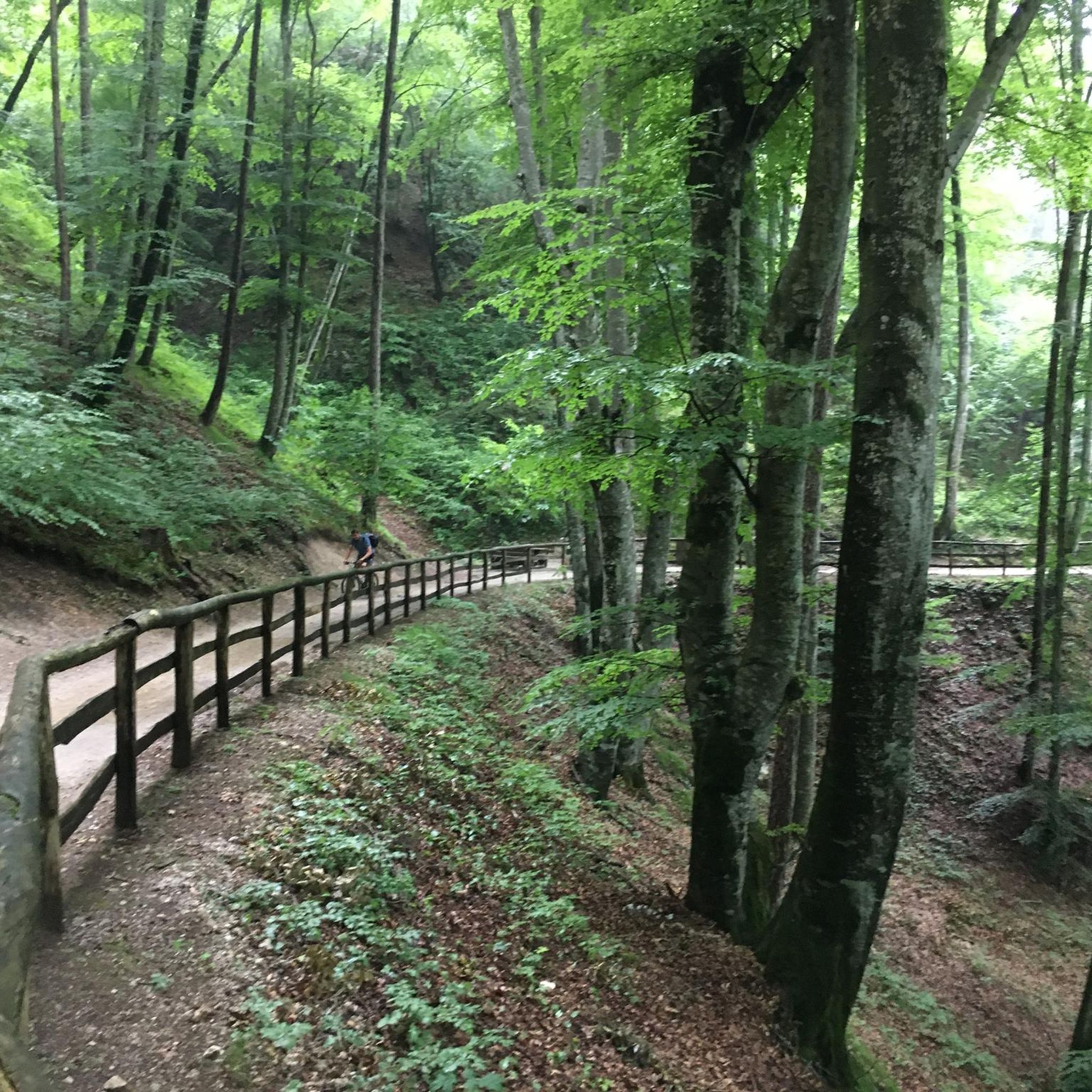
I stayed on the road; it's not a big effort. I prefer asphalt and speed to an uncertain route with luggage. Safely doable for mountain bikers.
0
0

This small port has a lot of charm and is very photogenic even though our visit took place under a very gray sky. As an anecdote, a regular visitor told us that the huts were all painted this way because the fishermen and oyster farmers did not want to throw away the leftover paint used for the boats.
0
0

It's very beautiful there because there's a long, beautiful beach next to the Ferris wheel.
0
0
Frequently Asked Questions
How many touring cycling routes are available around Sallertaine?
There are over 30 touring cycling routes available around Sallertaine, offering a variety of options for exploring the region. The komoot community has highly rated these routes, with an average score of 4.5 stars.
What is the typical terrain like for touring cycling in Sallertaine?
The terrain around Sallertaine is primarily defined by the flat, expansive landscapes of the Marais Breton Vendéen. This extensive marshland and its salt marshes offer a tranquil environment with minimal elevation changes, making it ideal for relaxed touring cycling.
Are there routes suitable for beginners or those looking for an easy ride?
Yes, Sallertaine offers many easy touring cycling routes. Out of the 30 available, 18 are classified as easy, making the area very accessible for beginners or those preferring a less strenuous ride. An excellent easy option is the Le Grand Étier de Sallertaine – Moulin de Rairé loop from Sallertaine, which is 15.4 miles (24.9 km) long.
Are there any circular touring cycling routes in Sallertaine?
Many of the touring cycling routes around Sallertaine are designed as loops, allowing you to start and end in the same location. Examples include the popular Moulin de Rairé – Saint-Jean-de-Monts beach loop from Sallertaine and the longer Port du Bec – Port des Champs loop from Sallertaine.
What natural features can I expect to see while cycling in the Sallertaine area?
While cycling in Sallertaine, you'll primarily experience the unique landscapes of the Marais Breton Vendéen, an extensive marshland. You'll also encounter picturesque salt marshes, which are a prominent natural feature of the region, offering unique scenery and opportunities for exploration.
Are there any historical sites or landmarks I can visit along the cycling routes?
Yes, cyclists can incorporate visits to several historical landmarks. Notable sites include the Raire Windmill and its museum, the Bourrine à Rosalie, and the Abbaye de l'Ile Chauvet. You can also pass by the Sallertaine church and the Saint-Jean-Baptiste Church of Saint-Jean-de-Monts.
Can I cycle to the coast from Sallertaine?
Absolutely. Sallertaine's proximity to the Atlantic coast means you can easily cycle to coastal areas. The popular resort town of Saint Jean de Monts, with its superb sandy beach, is just 7 miles away and easily reachable by bike. Consider the Saint-Jean-de-Monts Beach – Demoiselles Beach loop from Sallertaine for a coastal experience.
What are some notable points of interest along the touring cycling routes?
Beyond historical sites, you can discover various points of interest. These include the Bicycle path - Pays-de-Monts national forest, the unique Passage du Gois, and the Stork Nest Observatory, offering opportunities for wildlife spotting.
Is Sallertaine a family-friendly destination for cycling?
Yes, Sallertaine is very family-friendly for cycling. The generally flat terrain and extensive network of cycle paths, including many easy routes, make it suitable for all ages and fitness levels. Some local services, like 'La Route du Sel', even offer children's trailer rentals.
Where can I rent bicycles in Sallertaine?
For bicycle rentals, including mountain bikes and children's trailers, you can check with local providers. 'La Route du Sel' is a notable initiative in the Vendée marsh that offers rentals and is 'Accueil Vélo' certified, providing specific services for cyclists. You can find more information on their services via France Vélo Tourisme.
What is the best time of year for touring cycling in Sallertaine?
The region is generally pleasant for cycling from spring through autumn. The flat terrain means weather conditions are the primary consideration. Spring and early autumn offer milder temperatures, while summer can be warm but provides long daylight hours for extended rides. Always check local weather forecasts before heading out.
Are there any routes that explore the marshland ports?
Yes, you can explore the distinctive marshland ports by bike. The Port du Bec – Port des Champs loop from Sallertaine is a moderate 37.2 miles (59.9 km) path specifically designed to showcase these unique features of the Marais Breton Vendéen.
Most popular routes around Sallertaine
Most popular attractions around Sallertaine

Get inspired with the komoot mobile app


Explore more
Browse the best Cycling routes in other regions.
