The best walks and hikes around Sallertaine
4.3
(340)
2,298
hikers
13
hikes
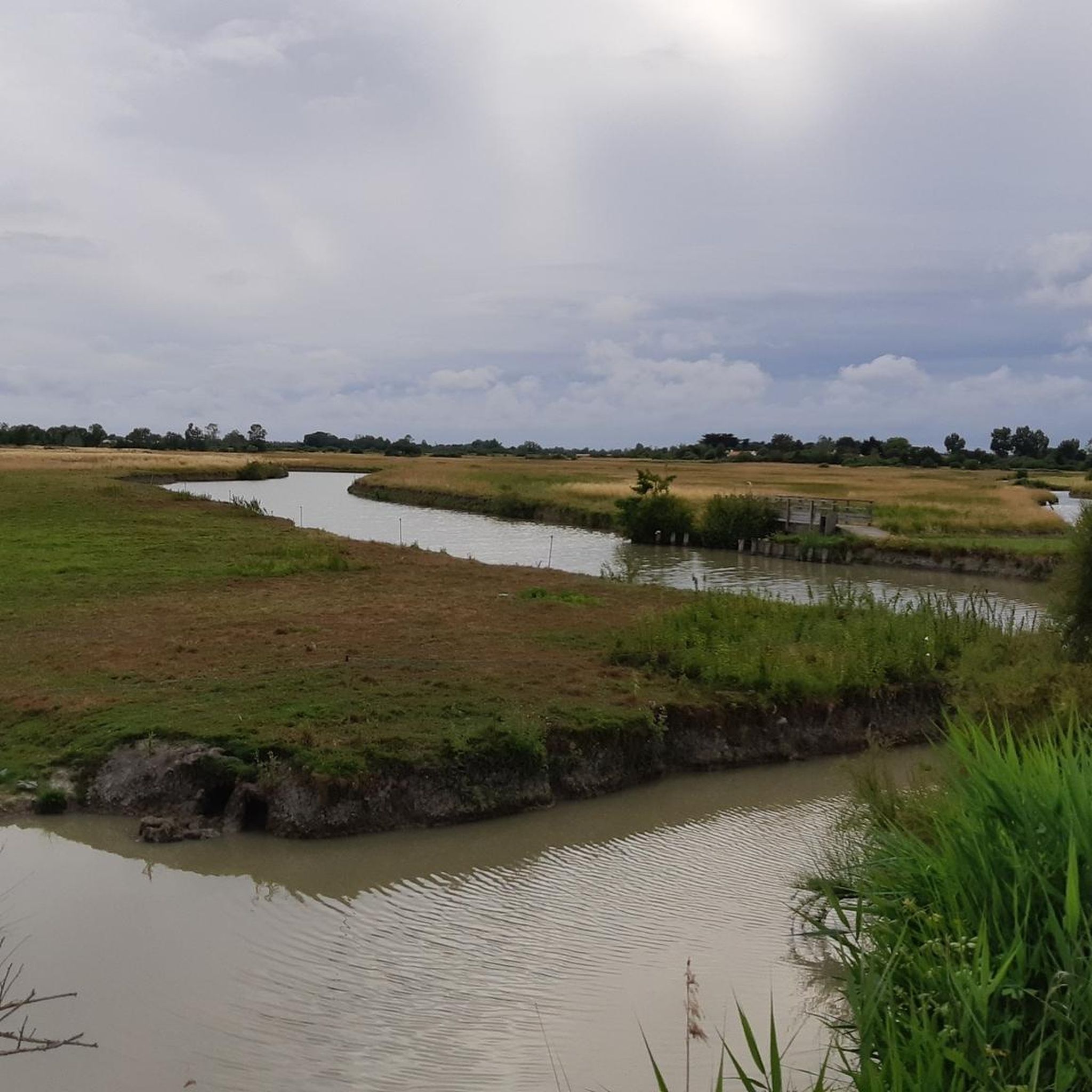
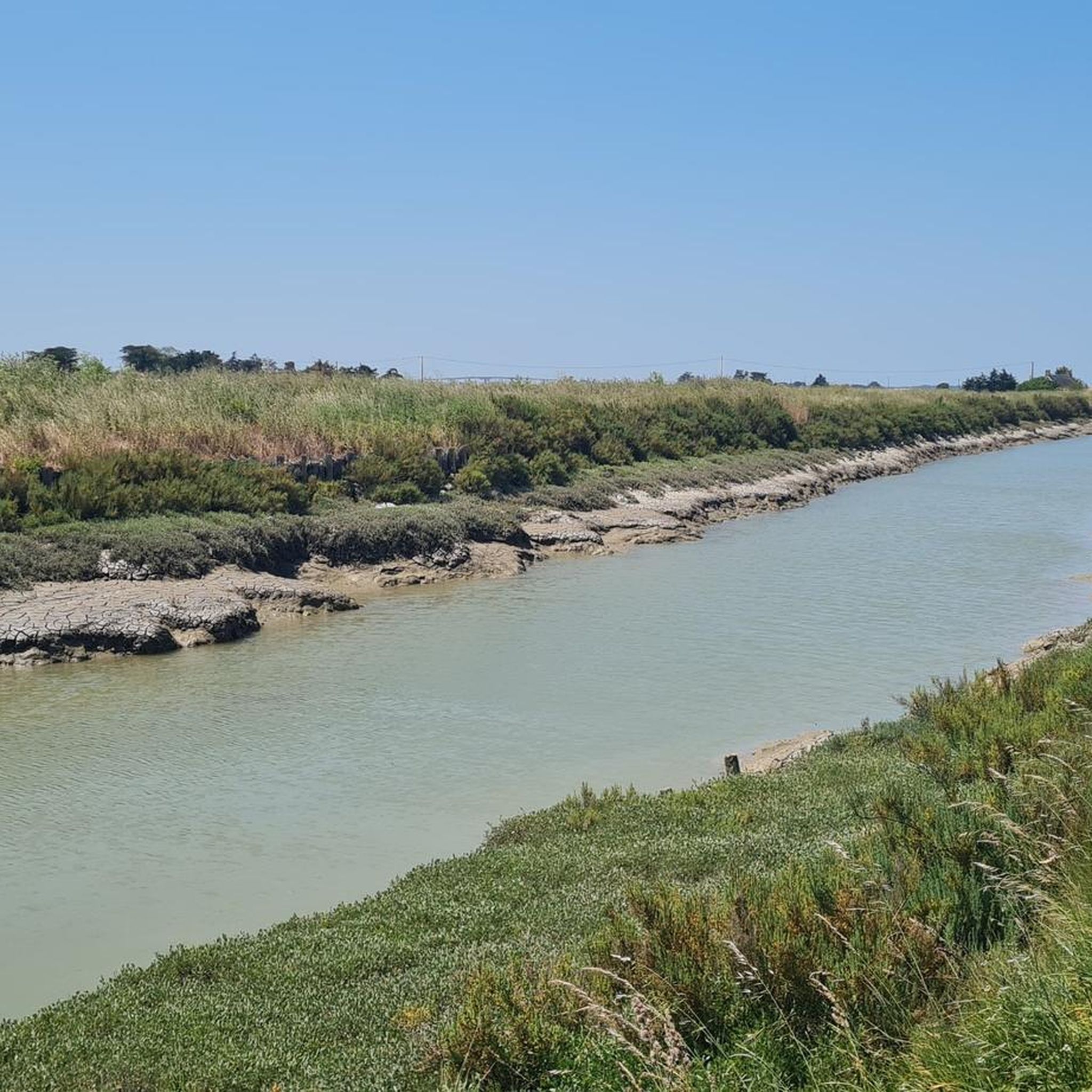
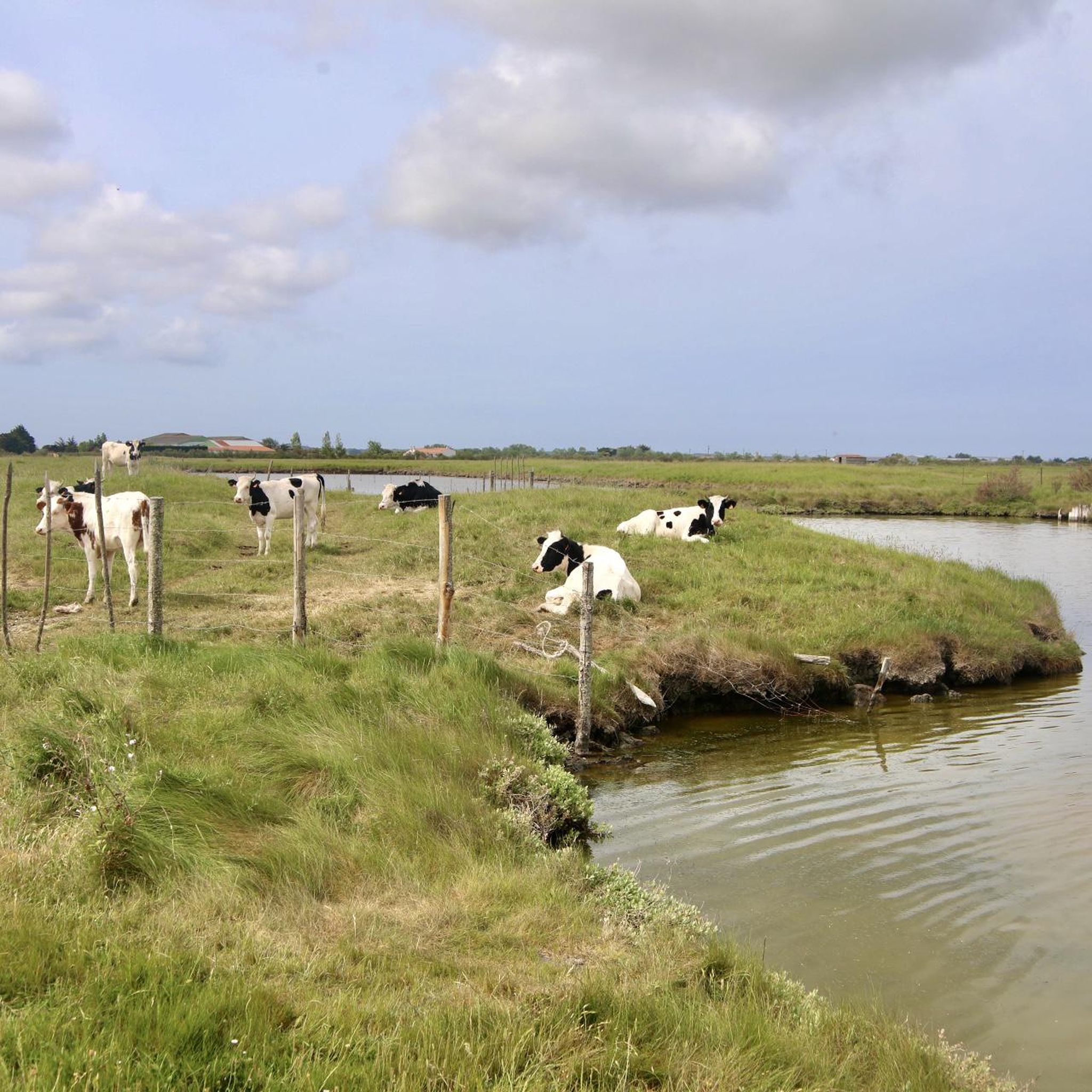
Hiking around Sallertaine offers exploration of the unique Marais Breton Vendéen, a vast wetland characterized by an intricate network of canals, wet meadows, and salt marshes. This environment provides a flat and serene setting for walks. The region's rural charm extends to its historic villages, which feature local crafts and landmarks. While Sallertaine itself is inland, its proximity to the Vendée coast allows for varied walking experiences within a short drive.
Best hiking trails around Sallertaine
- The most popular hiking…
Last updated: October 10, 2026
3.7
(3)
10
hikers
5.10km
01:17
10m
10m
Easy hike. Great for any fitness level. Easily-accessible paths. Suitable for all skill levels.
4.5
(8)
48
hikers
6.77km
01:43
20m
20m
Easy hike. Great for any fitness level. Easily-accessible paths. Suitable for all skill levels.

5.0
(2)
7
hikers
4.84km
01:14
10m
10m
Easy hike. Great for any fitness level. Easily-accessible paths. Suitable for all skill levels.
4.0
(1)
9
hikers
12.3km
03:08
40m
40m
Moderate hike. Good fitness required. Easily-accessible paths. Suitable for all skill levels.
1.0
(1)
11
hikers
4.94km
01:15
10m
10m
Easy hike. Great for any fitness level. Easily-accessible paths. Suitable for all skill levels.
Get access to more routes and recommendations from other explorers.
Already have an account?
Our route recommendations are based on thousands of hikes, rides, and runs completed by other people on komoot.
Start today with a free account
Your next adventure awaits.
Tips from the Community

Small village worth a detour, especially for its beautiful, perfectly preserved medieval church and the Rairé mill.
0
0

The Saint-Martin church is a 11th and 12th century church located in Sallertaine, France. It belongs to the diocese of Luçon. It is dedicated to Saint Martin. This church is the remnant of an old priory founded at the beginning of the 11th century, dependent on the abbey of Marmoutier. Some masonry from the primitive church remains in the walls. The current state of the building is the result of a major reconstruction carried out at the end of the 12th century. The church was consecrated in 1173 by the bishop of Poitiers. The vaulting of the crossing of the transept presents a unique curiosity in the West of France. Clearly seeking to imitate the so-called Plantagenet Gothic style, the master mason, who does not seem familiar with this new technique, created a Romanesque dome, sufficient in itself, which he adorned with ribs, without structural necessity, but which gives it an appearance evoking the Angevin vaults. Some elements of frescoes remain in the nave, which was once entirely covered, particularly an exceptional crucifixion where Christ still has his eyes open. Part of the nave was demolished. The church suffered damage in 1568 during the Wars of Religion. Major restorations took place from 1617 onwards. The narrow Romanesque windows were enlarged, the crossing is surmounted by a timber spire. Three altarpieces adorn the apse and the transepts, leading to the destruction of the south absidiole and the installation of the sacristy in the south one, separated from the transept by a wall supporting the new altar. Damaged during the revolution, becoming too narrow in the 19th century, it was replaced by a new parish church in 1906. It should then have been destroyed, but Father Grelier, an archaeology enthusiast, managed to have it classified as a historical monument in 1910 and 1912. However, the classification did not include the western end of the nave, which the municipality had demolished in 1915. https://fr.wikipedia.org/wiki/Ancienne_%C3%A9glise_Saint-Martin_de_Sallertaine
0
0
The Saint-Martin church is an 11th and 12th century church located in Sallertaine, France[1]. It belongs to the diocese of Luçon. It is dedicated to Saint Martin. This church is the remainder of an old priory founded at the beginning of the 11th century, dependent on the abbey of Marmoutier. Some masonry from the primitive church remains in the walls. The current state of the building is the result of a major reconstruction carried out at the end of the 12th century. The church was consecrated in 1173 by the bishop of Poitiers. The vaulting of the crossing of the transept presents a unique curiosity in Western France. Clearly seeking to imitate the so-called Plantagenet Gothic style, the master mason, who does not seem familiar with this new technique, created a Romanesque dome, sufficient in itself, which he adorned with ribs, without structural necessity, but which gives it an appearance evoking the Angevin vaults. Some elements of frescoes remain in the nave, which was once entirely covered, particularly an exceptional crucifixion because Christ still has his eyes open. Part of the nave has been demolished. The church suffered damage in 1568 during the Wars of Religion. Major restorations took place from 1617. The narrow Romanesque windows were enlarged, the crossing is surmounted by a timber spire. Three altarpieces adorn the apse and the transepts, leading to the destruction of the south absidiole and the installation of the sacristy in the southern one, separated from the transept by a wall supporting the new altar. Damaged during the revolution, becoming too narrow in the 19th century, it was replaced by a new parish church in 1906. It should then have been destroyed, but Abbot Grelier, passionate about archaeology, managed to have it classified as a historical monument in 1910 and 1912. However, the classification only included the western end of the nave, which the municipality had demolished in 1915. https://fr.wikipedia.org/wiki/Ancienne_%C3%A9glise_Saint-Martin_de_Sallertaine
0
0

Magnificent Romanesque church from the 11th and 12th centuries 😍
0
0

Beautiful little church in the middle of the historic town centre. The square in front of it offers a good starting point for hikes
1
0
Charming little village, recently ranked sixth in the "Favorite Village of the French 2024" competition. We will remember its almost thousand-year-old Romanesque church, its neo-classical town hall and many beautiful houses typical of the Vendée coast. Sallertaine was an island during Antiquity. It was only in the Middle Ages that the monks began to drain the sea to extract salt. It was during this period that Sallertaine developed economically and urbanistically. Many great hiking trails around the village, including the one that goes to the Rairé mill, not far from there.
1
1
Pleasant little garden, calm and very flowery. Ideal for a break if you visit Sallertaine and its region. Established on an old quarry, we understand that the old town of Sallertaine had been built on a limestone island in the middle of the marshes. Hence its island appearance in winter.
2
0
Beautiful 12th century Romanesque church.
1
0
Frequently Asked Questions
What kind of terrain can I expect on hiking trails around Sallertaine?
Hiking around Sallertaine primarily features flat terrain, characteristic of the vast Marais Breton Vendéen. You'll encounter an intricate network of canals, wet meadows, and salt marshes, offering serene and picturesque walks. The routes generally have minimal elevation changes, making them accessible for various fitness levels.
How many hiking routes are available in the Sallertaine area?
There are over 10 hiking routes available around Sallertaine, ranging from easy strolls to moderate walks. These trails allow you to explore the unique marsh landscape and historic villages.
Are there any family-friendly hiking options in Sallertaine?
Yes, Sallertaine offers several easy routes suitable for families. For instance, the The windmill of Rairé — loop from Sallertaine is an easy 5.1 km (3.2 miles) loop that passes by the historic Rairé Windmill, making it an engaging walk for all ages.
Can I bring my dog on the hiking trails in Sallertaine?
Many trails in Sallertaine are suitable for dogs, especially those traversing the open marshlands and rural paths. It's always recommended to keep your dog on a leash, particularly in areas with wildlife or near agricultural land, and to respect local signage regarding pet access.
What are some notable landmarks or points of interest to see while hiking in Sallertaine?
Sallertaine is rich in cultural and natural landmarks. You can explore the village's heritage, including the 12th-century fortified Romanesque Church of Saint Martin and the Garden of Vaulieu. The Sallertaine itself is known as an 'island of craftsmen'. A short distance away, the still-operational Rairé Windmill is a scenic and historical highlight often incorporated into walks through the marsh landscape.
Are there circular hiking routes available around Sallertaine?
Yes, many of the hiking routes around Sallertaine are circular, allowing you to start and end at the same point. An example is the Old Mill of Sallertaine – Romanesque Church of Sallertaine loop from Sallertaine, an easy 6.8 km (4.2 miles) path exploring the village's historic sites.
What is the best time of year to go hiking in Sallertaine?
The best time to hike in Sallertaine is generally during spring and autumn when the weather is mild and the natural beauty of the Marais Breton Vendéen is vibrant. Summer also offers pleasant conditions, but it can be warmer. Winter walks can be beautiful but may involve muddier paths due to the wetland environment.
What is the general difficulty level of hikes in Sallertaine?
The hiking routes in Sallertaine are predominantly easy to moderate. The flat nature of the marshlands means there are no challenging ascents, making most trails accessible for casual walkers and those seeking a relaxed outdoor experience. There are 8 easy routes and 5 moderate routes listed in the area.
Is parking available near the trailheads in Sallertaine?
Yes, parking is generally available in and around Sallertaine, especially near the village center and popular starting points for trails. Given the rural nature of the area, you'll often find convenient spots to leave your vehicle before heading out on your hike.
What do other hikers say about the trails in Sallertaine?
The trails in Sallertaine are highly regarded by the komoot community, with an average rating of 4.4 stars from over 300 reviews. Hikers often praise the serene marsh landscapes, the well-maintained paths, and the charm of the historic village and its landmarks.
Are there any longer hiking routes for more experienced hikers?
While Sallertaine is known for its generally easy and moderate trails, you can find longer options. For example, the Sallertaine – Romanesque Church of Sallertaine loop from Sallertaine is a moderate 10.9 km (6.8 miles) route, offering a more extended exploration of the area's landscapes and historical sites.
What are the unique natural features I will encounter on a hike in Sallertaine?
The most unique natural feature is the Marais Breton Vendéen, a vast wetland with an intricate network of canals, lush wet meadows, and salt marshes. This environment provides a distinctive flat, serene, and picturesque setting, offering opportunities for birdwatching and experiencing a unique ecosystem.
Most popular routes around Sallertaine
Most popular attractions around Sallertaine

Get inspired with the komoot mobile app


Explore more
Browse the best Hikes in other regions.
