The best MTB trails around Le Perrier
4.3
(716)
2,932
riders
124
rides
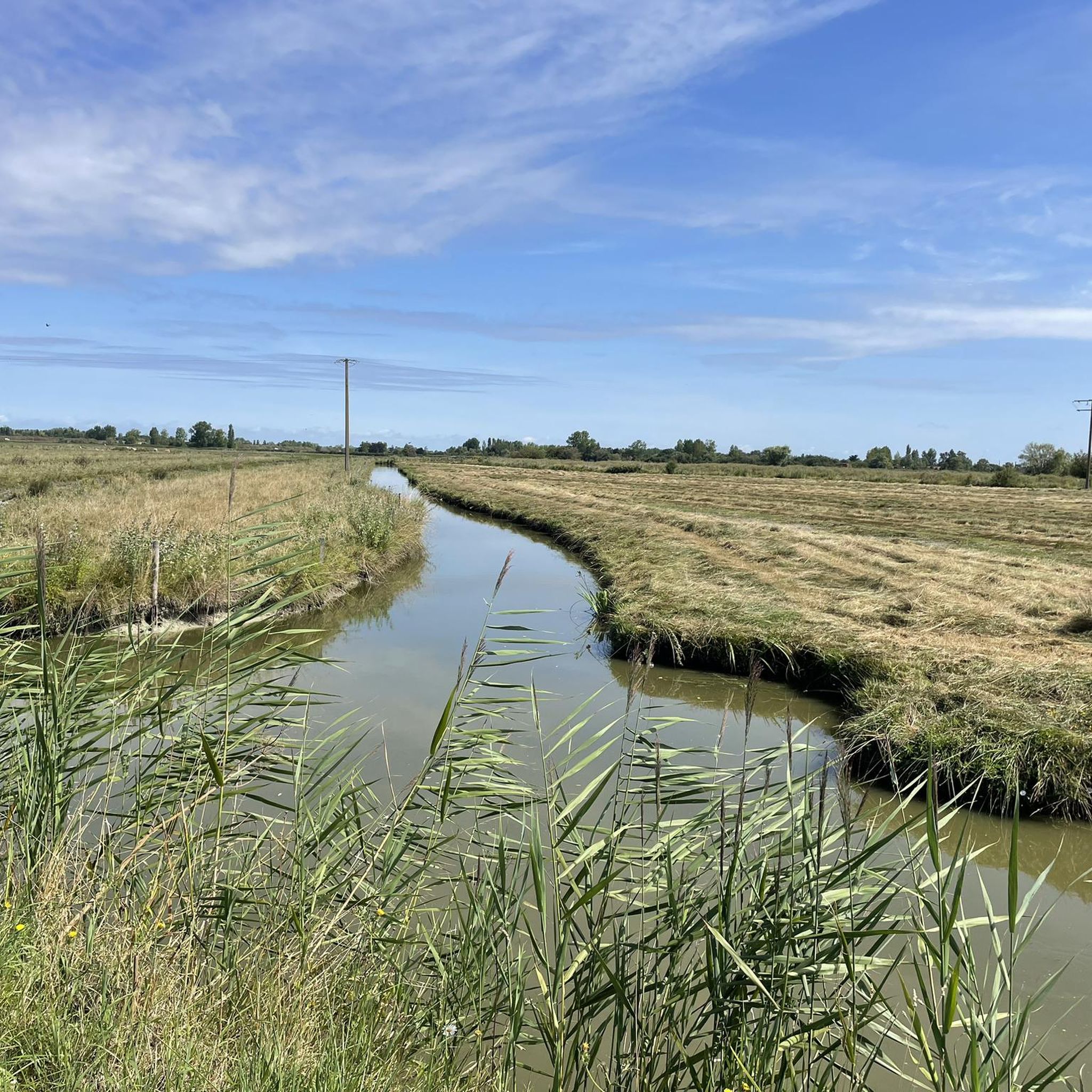
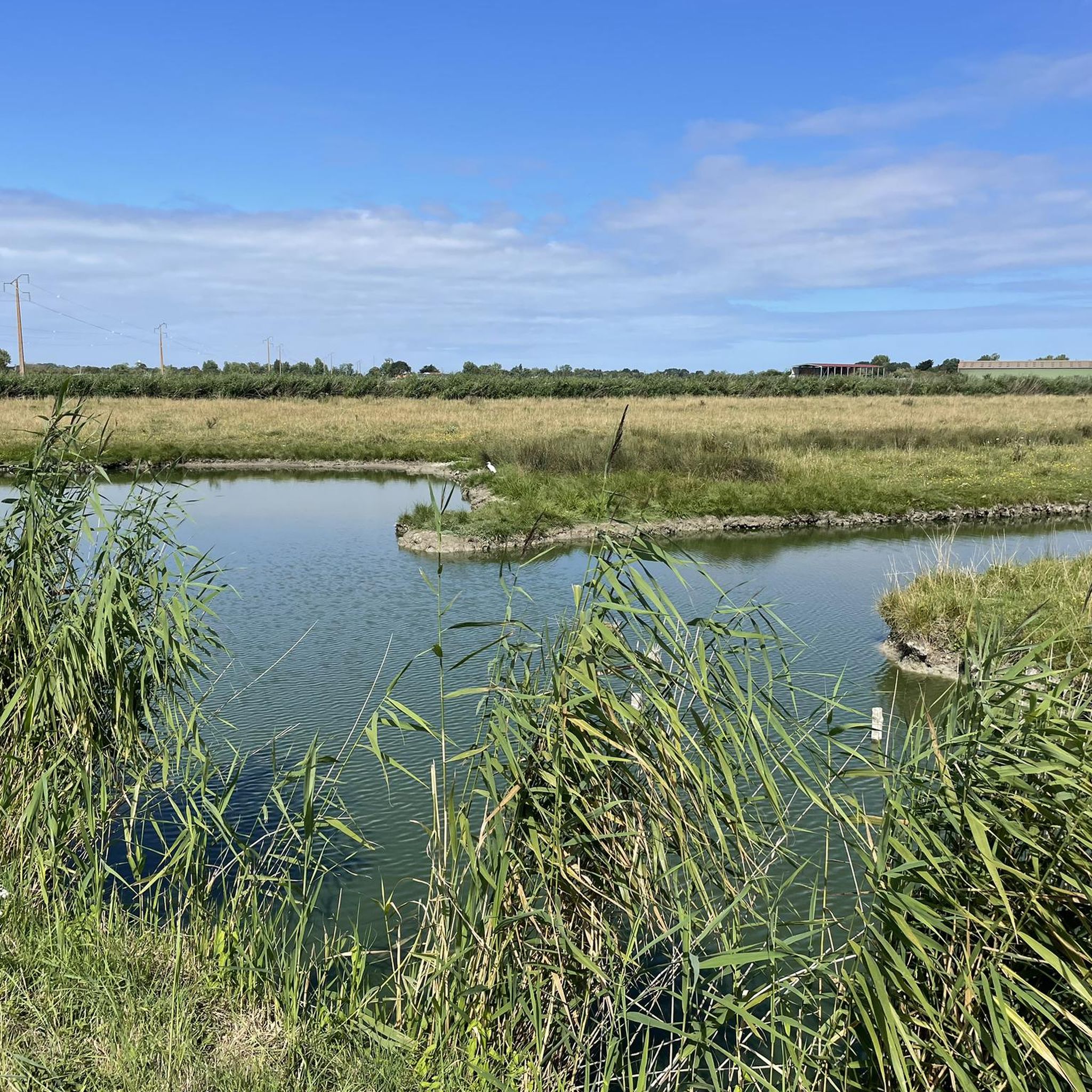
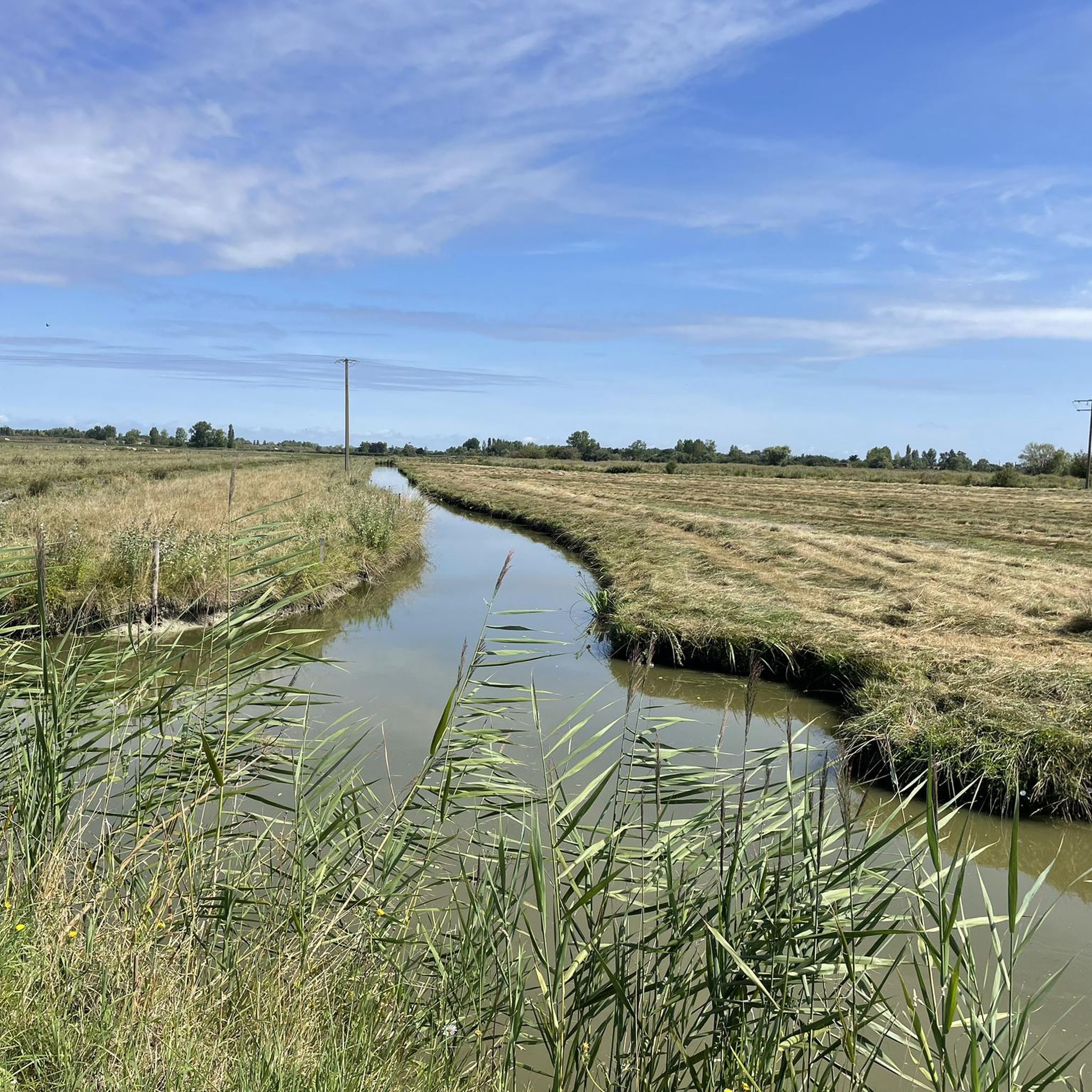
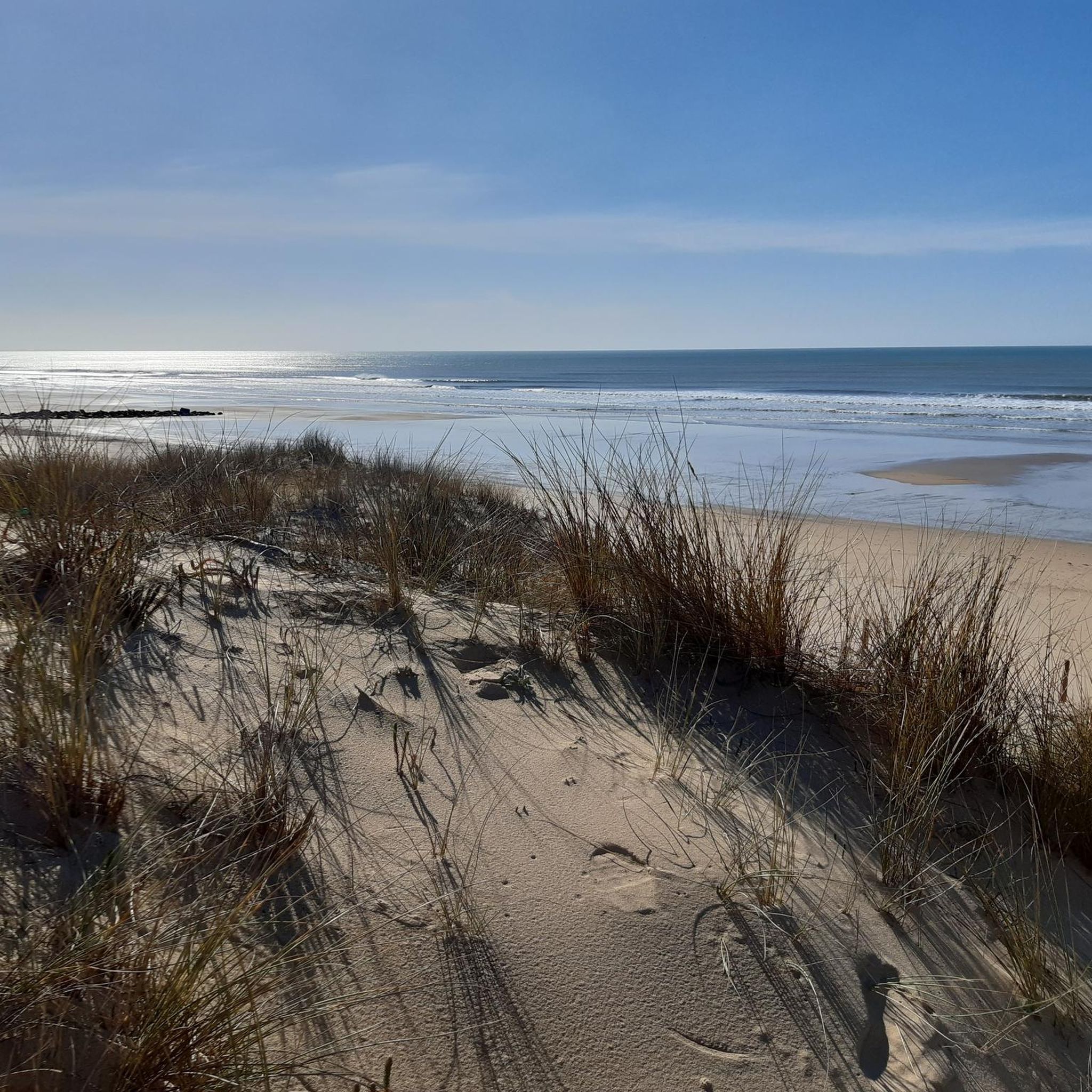
Mountain biking around Le Perrier offers routes through the distinctive Marais Breton Vendéen, a vast marshland characterized by its intricate network of canals and flat terrain. The region's proximity to the coast also provides access to varied landscapes, including pine forests and coastal paths. Elevation changes are generally modest, making many trails accessible for different skill levels. This area provides a unique environment for exploring the natural features of western France on two wheels.
Best mountain bike trails around Le…
Last updated: October 7, 2026
4.6
(7)
16
riders
Easy mountain bike ride. Great for any fitness level. Suitable for all skill levels.
3.0
(2)
12
riders
27.0km
01:25
30m
30m
Easy mountain bike ride. Great for any fitness level. Suitable for all skill levels.

4.5
(6)
9
riders
55.5km
03:14
120m
120m
Moderate mountain bike ride. Good fitness required. Suitable for all skill levels.
4.2
(6)
13
riders
Moderate mountain bike ride. Great for any fitness level. Advanced riding skills necessary.
13
riders
5.22km
00:22
10m
10m
Easy mountain bike ride. Great for any fitness level. Suitable for all skill levels.
Get access to more routes and recommendations from other explorers.
Already have an account?
Our route recommendations are based on thousands of hikes, rides, and runs completed by other people on komoot.
Start today with a free account
Your next adventure awaits.

Tips from the Community

The cycle path runs alongside a road here; it's not as peaceful as the rest of the Vélodyssée. For me, it's not a section to avoid if you're doing the Vélodyssée, but it's not a particularly interesting section outside of this cycle path...
0
0
This corner doesn't just hide a wooden frog, far from it. Lots of sculpted animals are visible, don't hesitate to go around, it's unusual! And very well done especially!!
0
0
Magnificent spot for photos! Don't hesitate to venture (carefully) onto the rocks, you can get some great shots there too!
0
0
Very beautiful view with the beach, the lighthouse and the city in the background!
0
0
Passage through the forest. Even if there are fewer than south of the Vélodyssée, we still appreciate these sections!
0
0
Beautiful unusual rocks that enhance the landscape!
0
0
Trail in the middle of the pine forest... It's so nice!!
0
0

Small village worth a detour, especially for its beautiful, perfectly preserved medieval church and the Rairé mill.
0
0
Frequently Asked Questions
How many mountain bike trails are available around Le Perrier?
Le Perrier offers a wide selection of mountain bike trails, with over 100 routes available. These trails cater to various skill levels, ensuring there's something for everyone.
What is the overall difficulty level of mountain biking in Le Perrier?
The majority of mountain bike trails around Le Perrier are rated as easy or moderate. There are 49 easy routes and 57 moderate routes, making the area very accessible. A few more challenging trails exist for experienced riders, with 3 difficult routes available.
What kind of terrain can I expect on mountain bike trails in Le Perrier?
You can expect diverse terrain, primarily characterized by the unique landscape of the Marais Breton Vendéen. This includes flat marshland paths, intricate networks of canals, and wet meadows. Additionally, some routes venture into tranquil pine forests and offer views towards the coast, providing a varied riding experience.
Are there easy mountain bike trails suitable for beginners in Le Perrier?
Yes, Le Perrier is well-suited for beginners, with 49 easy mountain bike routes. A great option is the Mountainbike loop from Forêt domaniale des Pays de Monts, an easy 15.5-mile (24.9 km) path that leads through a tranquil national forest environment.
Can I find family-friendly mountain bike routes in Le Perrier?
Absolutely. Many of the easy and moderate trails are suitable for families. The generally flat terrain of the Marais Breton Vendéen and the pine forests provides a safe and enjoyable environment for riders of all ages. Consider routes like the La Coursaudière Castle loop from Verie Moriniere, which is an easy 17-mile (27.4 km) ride.
Are there circular mountain bike routes around Le Perrier?
Yes, many mountain bike routes in Le Perrier are designed as loops, allowing you to start and finish at the same point. For example, the Pretty path through the meadows – Old Saint Martin Church loop from Le Cabaret des Chaussées is a popular 22.2-mile (35.7 km) circular trail through meadows and marshland.
What do other mountain bikers say about the trails in Le Perrier?
The mountain bike trails in Le Perrier are highly regarded by the komoot community, with an average rating of 4.4 stars from over 400 reviews. Riders often praise the unique marshland scenery, the quiet paths, and the variety of routes suitable for different skill levels.
Are there any interesting landmarks or attractions near the mountain bike trails?
Yes, the region offers several interesting sights. You can explore the charming village of Sallertaine with its artisan island and Romanesque church, or visit Commequiers Castle. For coastal views, the Grosse Terre lighthouse offers a significant viewpoint.
What unique activities can I combine with mountain biking in the Le Perrier area?
Beyond mountain biking, you can experience the Marais Breton Vendéen through 'Déambul' activities, which include rides aboard traditional flat-bottom boats called 'yoles,' sometimes combined with carriage rides pulled by Breton draft horses. This offers a tranquil way to appreciate the marsh's beauty.
Are there mountain bike trails that offer good viewpoints in Le Perrier?
While the marshland terrain is generally flat, some routes offer scenic vistas. The proximity to the coast means you can find trails with views towards the sea. For a prominent viewpoint, consider visiting the Grosse Terre lighthouse, which is visible for over 33 kilometers.
What is the best time of year for mountain biking in Le Perrier?
The spring and autumn months generally offer the most pleasant conditions for mountain biking in Le Perrier, with milder temperatures. While the marshlands are beautiful year-round, be aware that wet meadows can occasionally be submerged, especially after heavy rains, so checking local conditions is advisable.
Are dogs allowed on the mountain bike trails in Le Perrier?
Generally, dogs are permitted on public trails in natural areas around Le Perrier, especially if kept on a leash. However, it's always best to check specific signage at trailheads or local regulations, particularly in protected marshland areas or national forests, to ensure compliance.
Most popular routes around Le Perrier
Most popular attractions around Le Perrier

Get inspired with the komoot mobile app


Explore more
Browse the best MTB trails in other regions.
