The best walks and hikes around Le Perrier
4.4
(677)
6,542
hikers
243
hikes
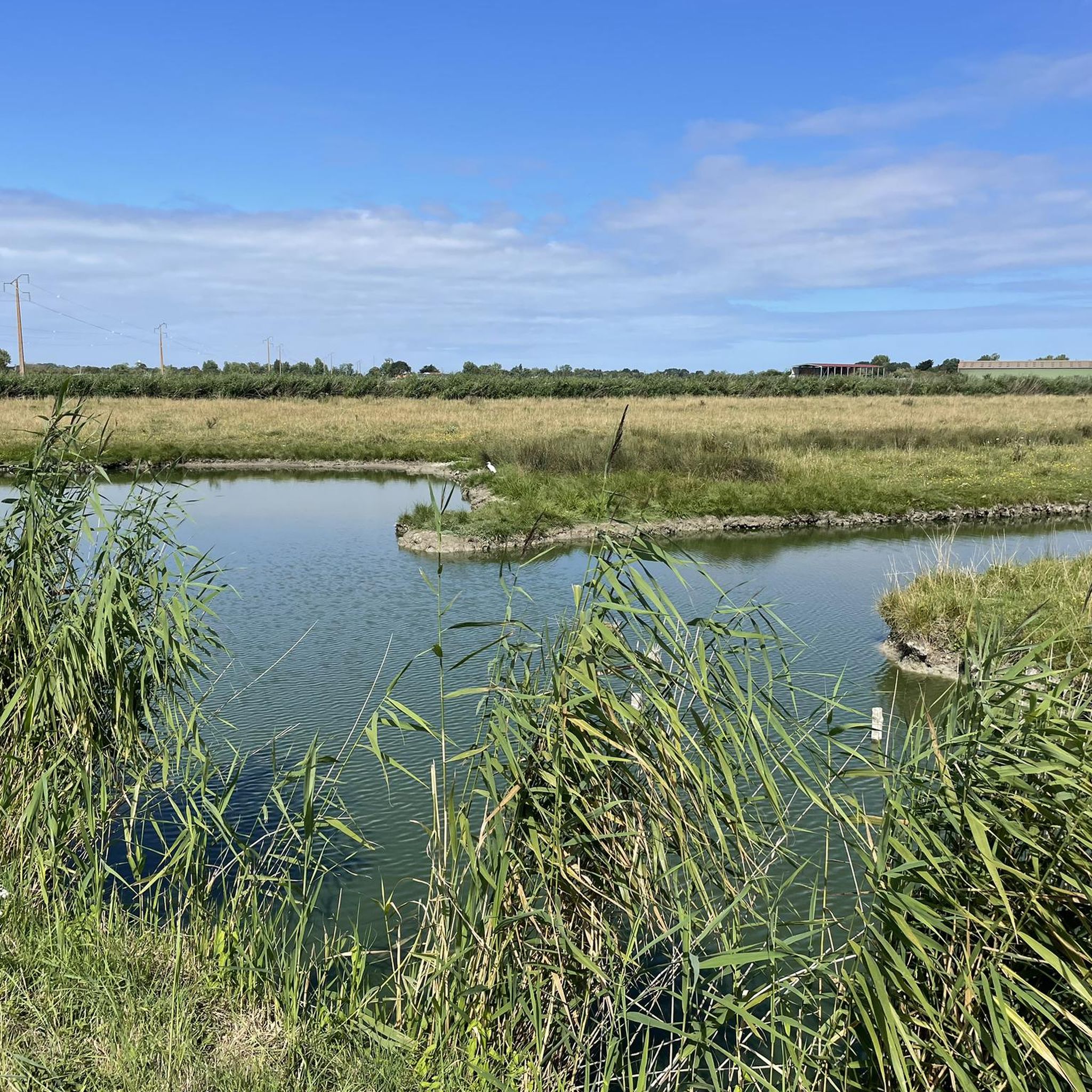
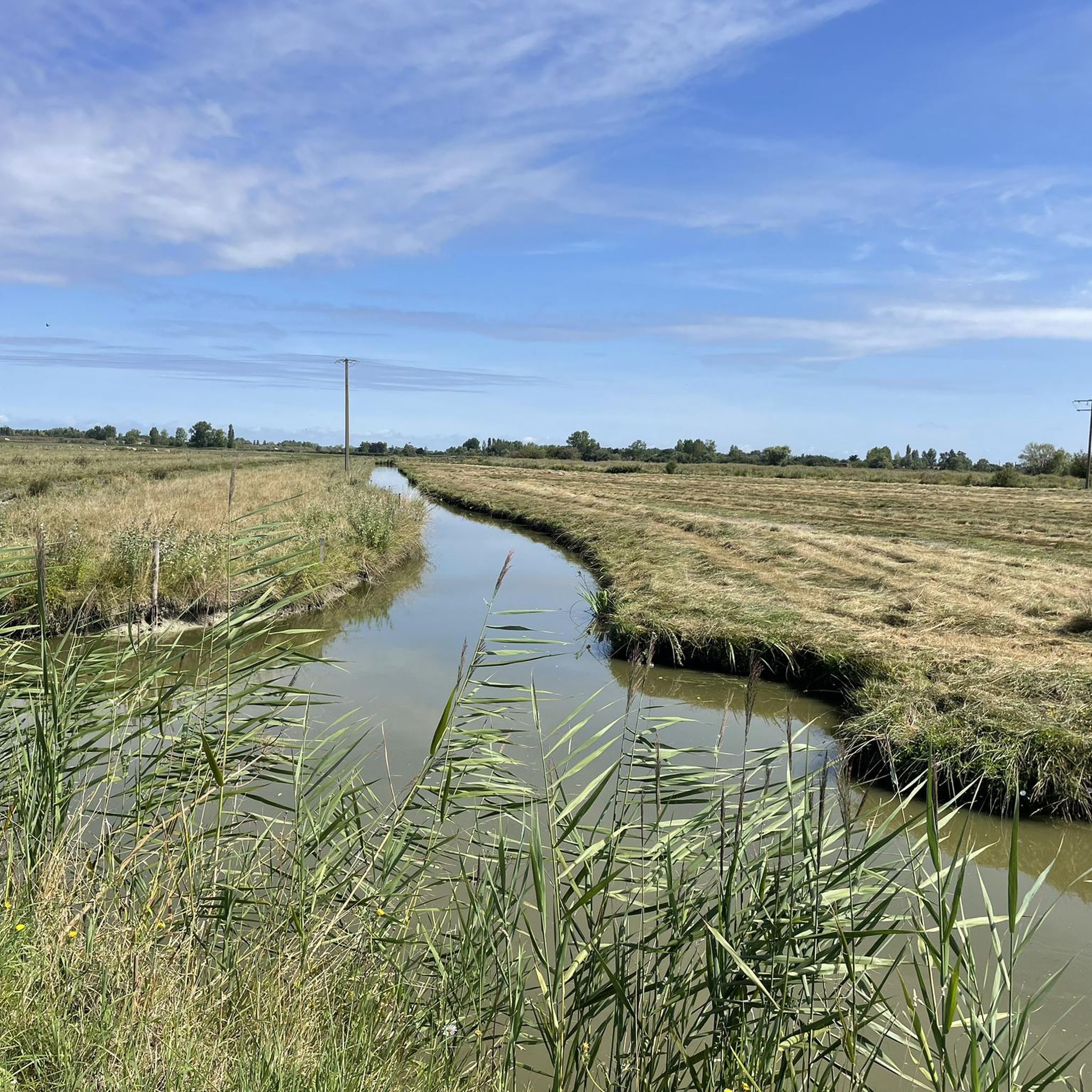
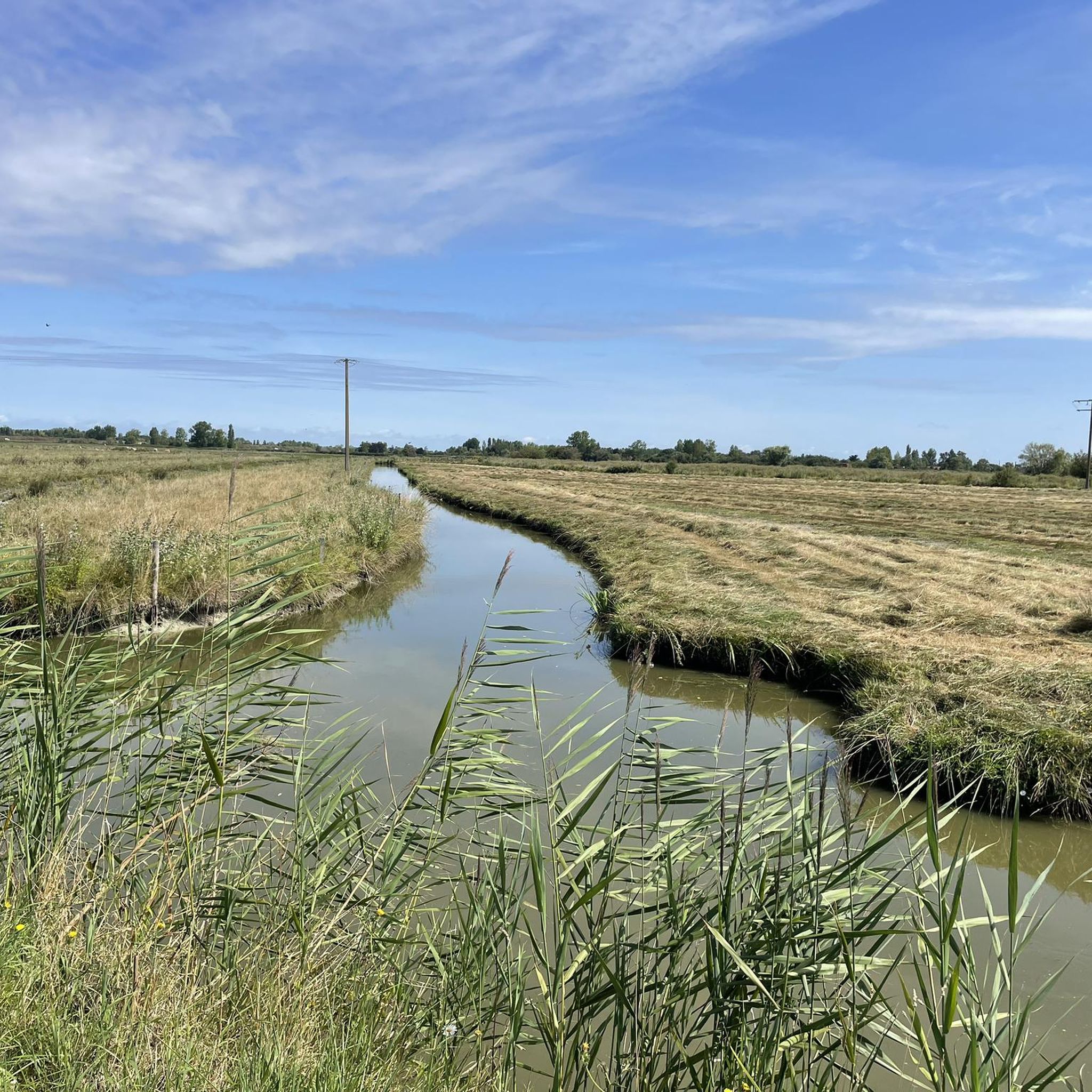
Hiking trails around Le Perrier traverse the unique Marais Breton Vendéen, a distinctive marshland characterized by an intricate network of canals, salt marshes, and seasonally submerged wet meadows. This retro-coastal commune offers predominantly flat terrain, making it accessible for various hiking abilities. The area is recognized for its ecological importance, with a significant portion classified as Natura 2000.
Best hiking trails around Le Perrier
- The most popular hiking route is The windmill of Rairé — loop from Sallertaine, a…
Last updated: October 9, 2026
3.7
(3)
10
hikers
5.10km
01:17
10m
10m
Hike an easy 3.2-mile loop from Sallertaine through Breton-Vendéen marshes to the historic, continuously operating Moulin de Rairé.
5.0
(7)
98
hikers
9.54km
02:25
20m
20m
Moderate hike. Good fitness required. Easily-accessible paths. Suitable for all skill levels.

4.5
(8)
48
hikers
6.77km
01:43
20m
20m
Easy hike. Great for any fitness level. Easily-accessible paths. Suitable for all skill levels.
4.5
(2)
35
hikers
Moderate hike. Good fitness required. Easily-accessible paths. Suitable for all skill levels.
3.6
(9)
16
hikers
Moderate hike. Good fitness required. Easily-accessible paths. Suitable for all skill levels.
Get access to more routes and recommendations from other explorers.
Already have an account?
Our route recommendations are based on thousands of hikes, rides, and runs completed by other people on komoot.
Start today with a free account
Your next adventure awaits.

Tips from the Community

Small village worth a detour, especially for its beautiful, perfectly preserved medieval church and the Rairé mill.
0
0

The Saint-Martin church is a 11th and 12th century church located in Sallertaine, France. It belongs to the diocese of Luçon. It is dedicated to Saint Martin. This church is the remnant of an old priory founded at the beginning of the 11th century, dependent on the abbey of Marmoutier. Some masonry from the primitive church remains in the walls. The current state of the building is the result of a major reconstruction carried out at the end of the 12th century. The church was consecrated in 1173 by the bishop of Poitiers. The vaulting of the crossing of the transept presents a unique curiosity in the West of France. Clearly seeking to imitate the so-called Plantagenet Gothic style, the master mason, who does not seem familiar with this new technique, created a Romanesque dome, sufficient in itself, which he adorned with ribs, without structural necessity, but which gives it an appearance evoking the Angevin vaults. Some elements of frescoes remain in the nave, which was once entirely covered, particularly an exceptional crucifixion where Christ still has his eyes open. Part of the nave was demolished. The church suffered damage in 1568 during the Wars of Religion. Major restorations took place from 1617 onwards. The narrow Romanesque windows were enlarged, the crossing is surmounted by a timber spire. Three altarpieces adorn the apse and the transepts, leading to the destruction of the south absidiole and the installation of the sacristy in the south one, separated from the transept by a wall supporting the new altar. Damaged during the revolution, becoming too narrow in the 19th century, it was replaced by a new parish church in 1906. It should then have been destroyed, but Father Grelier, an archaeology enthusiast, managed to have it classified as a historical monument in 1910 and 1912. However, the classification did not include the western end of the nave, which the municipality had demolished in 1915. https://fr.wikipedia.org/wiki/Ancienne_%C3%A9glise_Saint-Martin_de_Sallertaine
0
0
The Saint-Martin church is an 11th and 12th century church located in Sallertaine, France[1]. It belongs to the diocese of Luçon. It is dedicated to Saint Martin. This church is the remainder of an old priory founded at the beginning of the 11th century, dependent on the abbey of Marmoutier. Some masonry from the primitive church remains in the walls. The current state of the building is the result of a major reconstruction carried out at the end of the 12th century. The church was consecrated in 1173 by the bishop of Poitiers. The vaulting of the crossing of the transept presents a unique curiosity in Western France. Clearly seeking to imitate the so-called Plantagenet Gothic style, the master mason, who does not seem familiar with this new technique, created a Romanesque dome, sufficient in itself, which he adorned with ribs, without structural necessity, but which gives it an appearance evoking the Angevin vaults. Some elements of frescoes remain in the nave, which was once entirely covered, particularly an exceptional crucifixion because Christ still has his eyes open. Part of the nave has been demolished. The church suffered damage in 1568 during the Wars of Religion. Major restorations took place from 1617. The narrow Romanesque windows were enlarged, the crossing is surmounted by a timber spire. Three altarpieces adorn the apse and the transepts, leading to the destruction of the south absidiole and the installation of the sacristy in the southern one, separated from the transept by a wall supporting the new altar. Damaged during the revolution, becoming too narrow in the 19th century, it was replaced by a new parish church in 1906. It should then have been destroyed, but Abbot Grelier, passionate about archaeology, managed to have it classified as a historical monument in 1910 and 1912. However, the classification only included the western end of the nave, which the municipality had demolished in 1915. https://fr.wikipedia.org/wiki/Ancienne_%C3%A9glise_Saint-Martin_de_Sallertaine
0
0
Do yourself a favour and, from the bridge, just look to the right, to the left and out to sea. The view of the coast is a sorry sight. French concrete architecture at its worst.
0
0
Do yourself a favour and, from the bridge, just look to the right, to the left and out to sea. The view of the coast is a sorry sight. French concrete architecture at its worst.
0
0

Beautiful trails for trail running without being bothered by crowds, even in high season. The scent of pine trees is very pleasant under a rising sun when you walk the countless forest paths.
1
0

Something different from water
0
0

It's very beautiful there because there's a long, beautiful beach next to the Ferris wheel.
0
0
Frequently Asked Questions
What kind of terrain can I expect on hiking trails around Le Perrier?
Hiking trails around Le Perrier are predominantly flat, traversing the unique Marais Breton Vendéen. This distinctive marshland features an intricate network of canals, salt marshes, and seasonally submerged wet meadows. The retro-coastal commune offers a tranquil escape with diverse landscapes, making it accessible for various hiking abilities.
How many hiking routes are available in the Le Perrier area?
There are nearly 250 hiking routes available around Le Perrier. These include a wide range of options, with over 130 easy trails, 100 moderate routes, and a few more challenging paths, ensuring something for every hiker.
Are there any circular walks in Le Perrier?
Yes, many of the trails around Le Perrier are circular, offering convenient starting and ending points. For example, you can explore The windmill of Rairé — loop from Sallertaine, an easy 5.1 km route, or the moderate Impasse des Mûres – View of the Forest Pond loop from La chevauchée des dunes, which covers 10 km.
What natural features can I discover while hiking in Le Perrier?
Le Perrier is renowned for its natural heritage within the Marais Breton Vendéen. You'll encounter intricate networks of canals, vast salt marshes, and wet meadows, which are crucial for diverse flora and fauna. The area is also classified as Natura 2000, highlighting its ecological importance. While hiking, you might spot various bird species in this prime birdwatching location.
Are there any interesting landmarks or attractions to see near the hiking trails?
Yes, the area around Le Perrier offers several points of interest. You can visit the historic village of Sallertaine, or explore cultural sites like the Church of the Transfiguration of Our Lord. For natural landmarks, consider visiting the Grosse Terre lighthouse or the unique Devil's Hole Natural Rock Arch. The nearby Vendée Coastal Road also offers scenic viewpoints.
What do other hikers say about the trails in Le Perrier?
The trails in Le Perrier are highly regarded by the komoot community, with an average rating of 4.5 stars from over 500 reviews. Nearly 6,000 hikers have used komoot to explore the varied terrain, often praising the tranquil marshland scenery and the well-maintained paths.
Is Le Perrier suitable for family-friendly hikes?
Yes, Le Perrier is well-suited for family-friendly hikes due to its predominantly flat terrain and numerous easy routes. The tranquil marshland environment offers a unique and safe setting for children to explore nature. Many trails are short and accessible, perfect for a leisurely family outing.
Are there any trails that offer views of the coast or dunes?
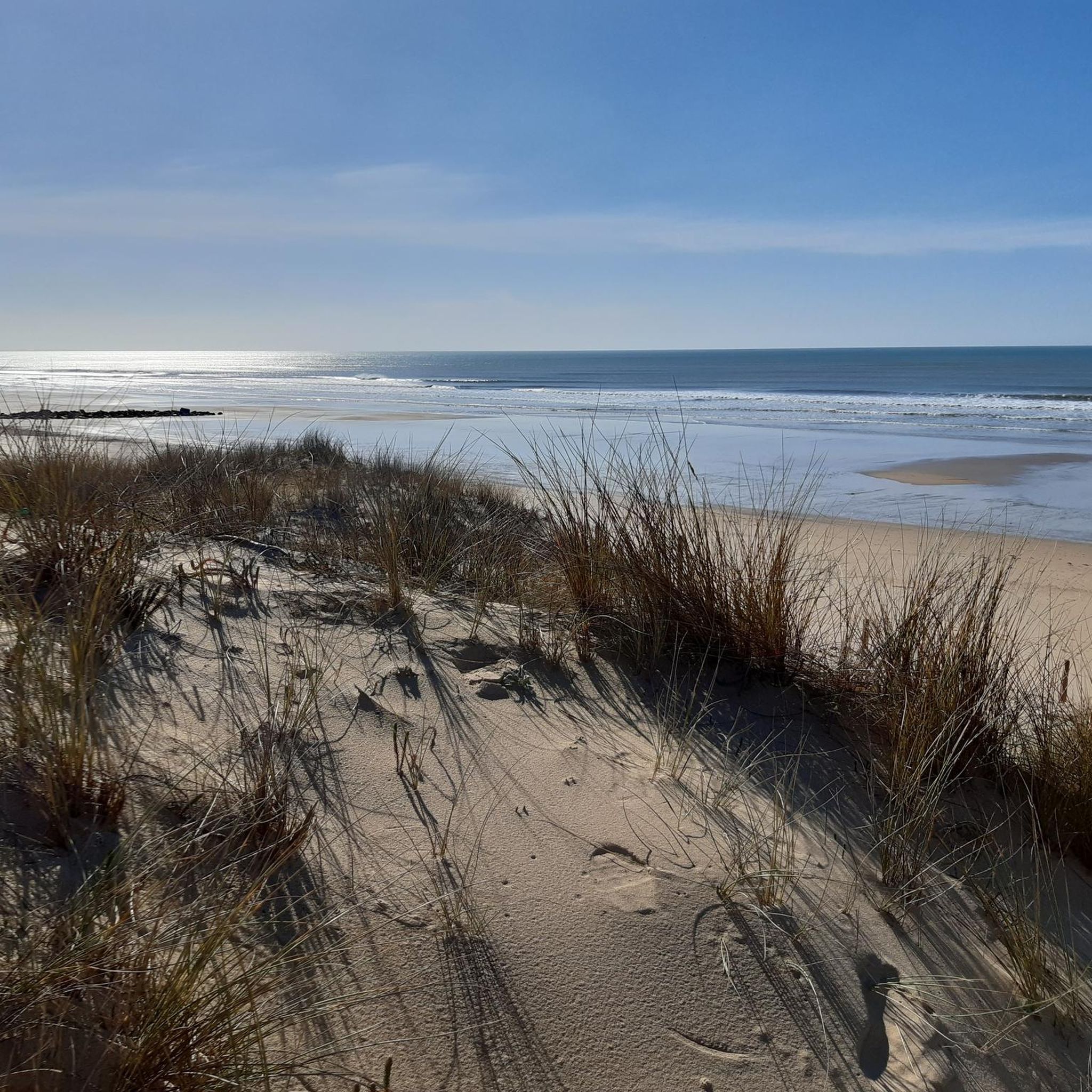
While Le Perrier is inland, it is a retro-coastal commune, meaning it's conveniently close to the ocean. Some trails, like The Forest and the Dunes – Beautiful dune path loop from Lotissement L'Orée de la Forêt, will take you closer to the coastal influences, offering views of dunes and forest. Another option is The Estacade Pier – Saint Jean de Mont boom loop from Saint-Jean-de-Monts, which provides coastal scenery.
What is the best season to hike in Le Perrier?
The Marais Breton Vendéen, where Le Perrier is located, offers a pleasant hiking experience for much of the year. Spring and autumn provide mild temperatures and vibrant natural colors, making them ideal. Summer is also popular, though it can be warmer. The marshland's unique character can be appreciated in all seasons, with birdwatching being particularly rewarding during migration periods.
Are there opportunities for other outdoor activities besides hiking in Le Perrier?
Absolutely. Beyond hiking, Le Perrier is known for the unique 'Déambul' activity, where you can explore the marsh by traditional flat-bottomed boat (yole) or horse-drawn carriage. The area also caters to cyclists, with routes like 'Vélocéane 2014' connecting to nearby towns, offering hybrid cycling opportunities through the scenic landscape.
Where can I find parking for hiking trails in Le Perrier?
Given the popularity of hiking in the region, many trailheads and villages around Le Perrier offer designated parking areas. It's advisable to check specific route details on komoot for information on parking availability near your chosen starting point, especially in villages like Sallertaine or near popular attractions.
Most popular routes around Le Perrier
Most popular attractions around Le Perrier

Get inspired with the komoot mobile app


Explore more
Browse the best Hikes in other regions.
