Attractions and Places To See around Sillans - Top 20
Attractions and places to see around Sillans offer a blend of natural beauty and historical sites. The region features a prominent waterfall, the Cascade de Sillans, known for its 42-meter drop into a turquoise pool. Visitors can explore a medieval village with ancient city walls and various cultural landmarks. The area provides opportunities to discover historical buildings and natural landscapes.
Best attractions and places to see around Sillans
- The most popular attractions is Notre-Dame-du-Mont Chapel, a religious building that offers a panorama with views of the Chartreuse and the Vercors. This site includes a charming chapel accessible to the public.
- Another must-see spot is Château Louis XI, a castle that now houses a music school and meeting rooms. From its grounds, visitors can enjoy views of the roofs of La Côte-Saint-André.
- Visitors also love The old market hall, a historical site. This hall is one of the largest from the French Middle Ages, measuring 76 meters long and approximately 29 meters wide.
- Sillans is known for its castles, historical sites, and religious buildings. The region offers a variety of attractions to see and explore, from medieval structures to scenic viewpoints.
- The attractions around Sillans are appreciated by the komoot community, with 33 upvotes and 22 photos shared by visitors.
Last updated: May 26, 2026
Notre-Dame-du-Mont Chapel
Highlight • Religious Site
Translated by Google •
Tip by

Château Louis XI
Highlight • Castle
The castle now houses a music school and meeting rooms. Many areas are vacant. The Ministry and the public agency for cultural cooperation (aida) conducted a feasibility study for the establishment of a European Cultural Exchange Center in the building.
If you take a walk in the park in the afternoon, you can hear the musicians practicing.
Translated by Google •
Tip by

Sign up now to discover places like this
Get recommendations on the best single tracks, peaks, & plenty of other exciting outdoor places.
Sign up for free
Château de Montgontier
Highlight • Castle
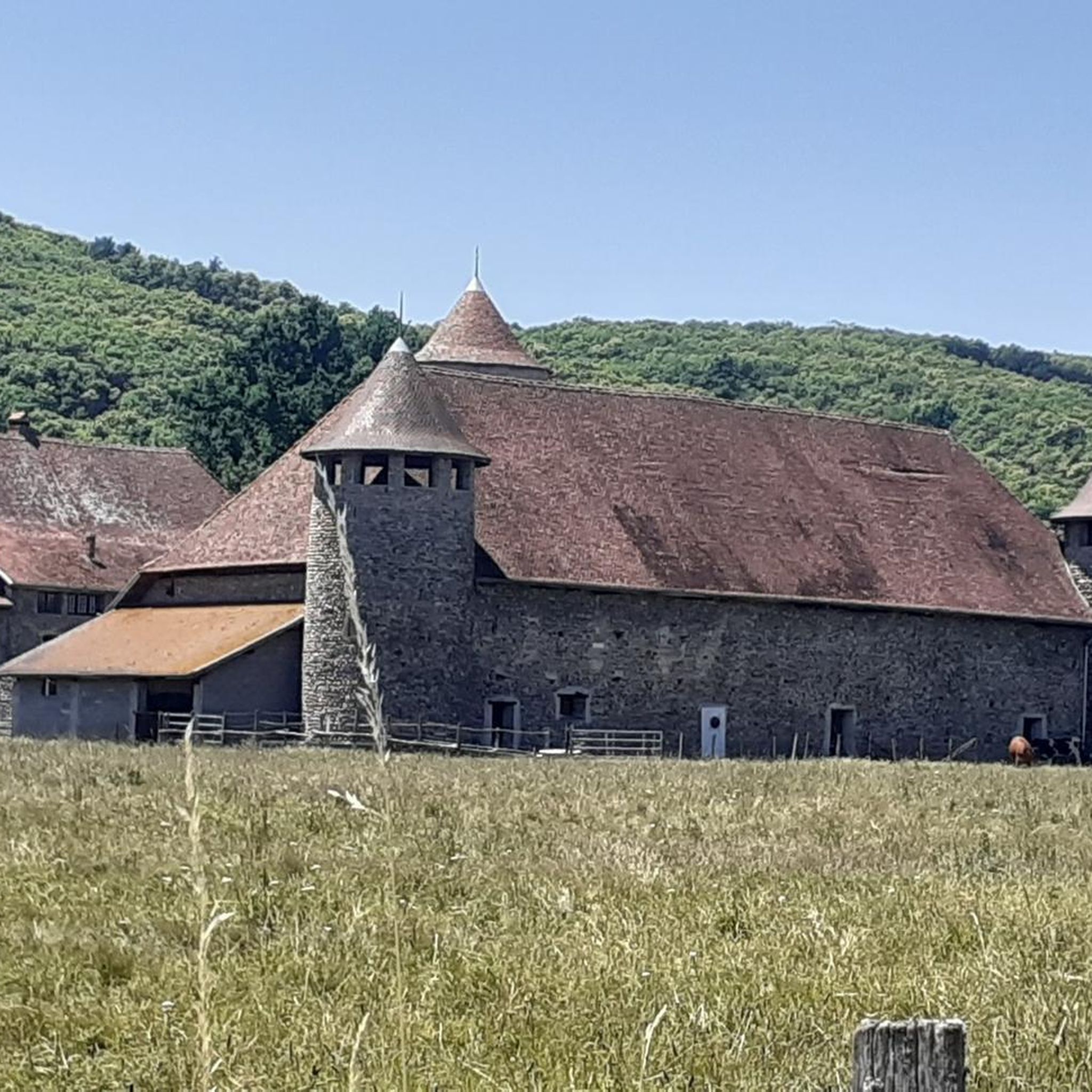
Located on the GR 65, facing south, Espace Montgontier dominates the plain of Bièvre.
A large building of character, carrying a historical past, welcomes you in a court of honor surrounded by its wrought iron gates of the 18th.
Here you can organize your festive or ceremonial events: weddings, concerts, seminars, family reunions, cousinades, green class ...
A park lined with trees can receive games, tents and walks.
Large rooms, dormitories fitted out in boxes and a kitchen of community make it possible to organize your receptions without having the worry to find another site for the lodging.
Many locations allow to plan the parking of vehicles.
Translated by Google •
Tip by

Dead monk cross
Highlight • Other
Translated by Google •
Tip by

La Fée Verte: The perfect illusion
Highlight • Other
Translated by Google •
Tip by
Sign up for free to discover even more attractions around Sillans.
Sign up for free
Already have an account?
Start today with a free account
Your next adventure awaits.
Login or Signup


Tips from the Community

The faithful trust in the help of the Mother of God – who in France is always venerated under the title “Notre-Dame” (which corresponds to the German name “Our Lady”) – was expressed by the French nun, mystic and Doctor of the Church, Saint Thérèse of Lisieux (religious name Thérèse of the Child Jesus and the Holy Face, 1873 to 1897) as follows: “In trials or difficulties I turn to Mother Mary, whose gaze alone is enough to dispel all fear.”
0
0
This memorial cross made of light wood—dedicated to the memory of a deceased monk—is one of many that bikers encounter repeatedly along the way. They are all symbols of remembrance of the crucifixion, but also of the resurrection of Jesus Christ. + "With us on earth, His memory exists, but in the kingdom of heaven is His presence: This presence is the joy of those who have already attained salvation. The memory is our consolation, as we are still wanderers, journeying toward our fatherland." (Bernard of Clairvaux) Some passersby have placed stones at the foot of the small sacred monument.
1
0

In 1869, the Marist Brothers purchased the castle and its grounds. They raised the body of the central building by one floor. The castle was then acquired by the city in 1906. In 1914, it became a military hospital and from 1940 to 1960, a modern college. The castle now houses a music school and meeting rooms. Many areas are vacant. The Ministry and the public agency for cultural cooperation (aida) conducted a feasibility study for the establishment of a European Cultural Exchange Center in the building. If you take a walk in the park in the afternoon, you can hear the musicians practicing.
6
0
In L'Après-midi Bourgeoise, painted in 1900 at the Grand-Lemps and exhibited in the Musée d'Orsay, Pierre Bonnard portrayed his entire family.
7
0
At guests' disposal: reception rooms for 20 to 170 people, accommodation for up to 102 beds and a shared kitchen, a 500 m2 terrace equipped with tables, arbors and parasols with an exceptional view of the Bièvre plain and a large park of approximately 4000 m2 for an outdoor reception.
9
0

great tour I'm very happy with it
1
0

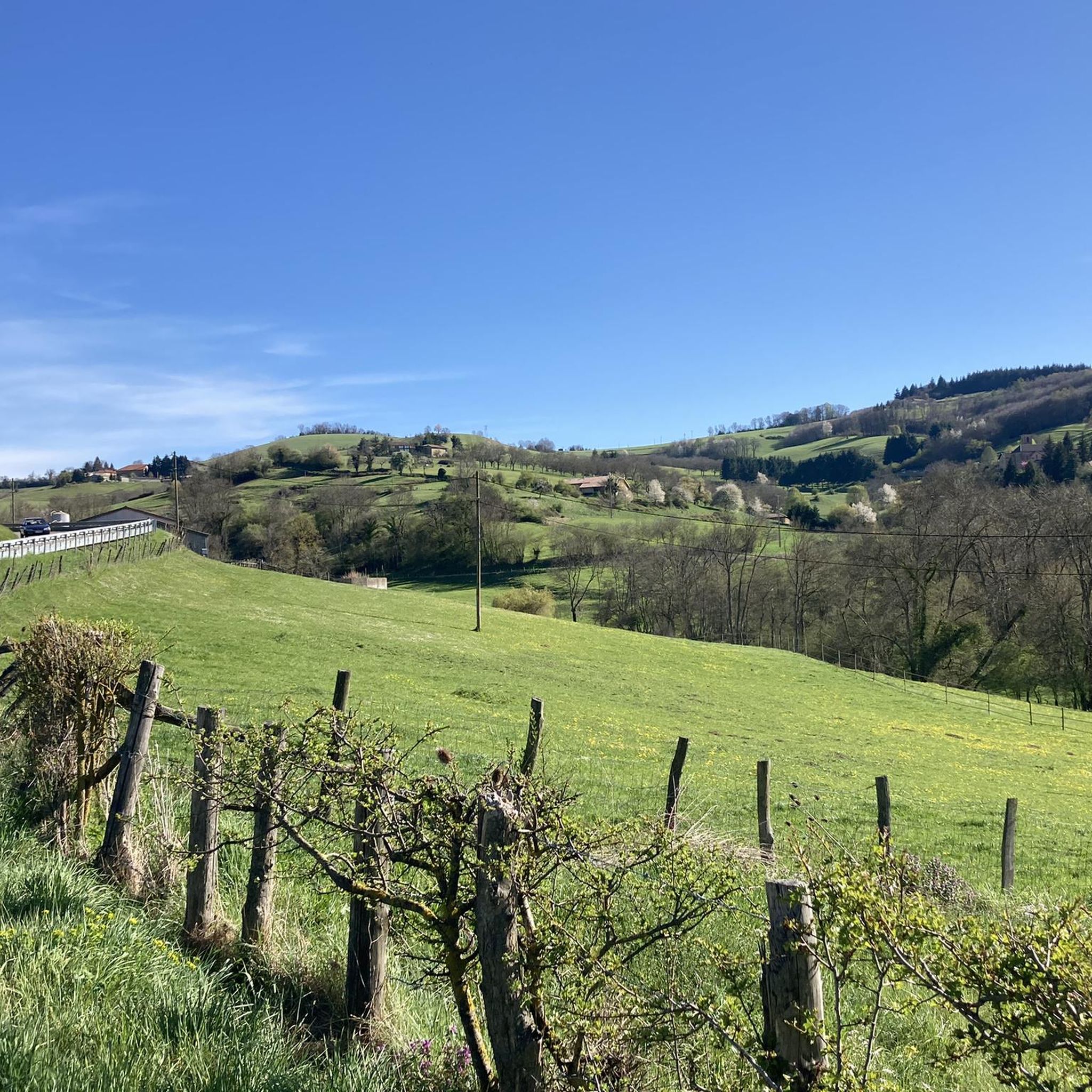
Magnificent place with views of the Chartreuse and the Vercors, several picnic tables, and a charming little chapel accessible to the public.
2
0
Discover the Notre-Dame-du-Mont Chapel and its breathtaking view of Vercors and Chartreuse, with the small chapel you can enter, numerous picnic tables, large green space... A perfect place! ---------- This chapel was built in the 13th century on the hill overlooking the Bièvre plain, an exceptional panorama of the Alps and the Chambaran plateau. With an orientation table. According to legend, the chapel was founded by a Lord of Bressieux, who, returning from a crusade, was surprised at sea by a violent storm. He made a vow if he survived to build a chapel to the Saint Virgin on the hillside, opposite his castle, which is also located just opposite the castle of Bressieux to the north of the Bièvre plain. Source: Terres de Berlioz
0
0
Frequently Asked Questions
What are the main natural attractions in Sillans?
The most prominent natural attraction is the magnificent Sillans Waterfall (Cascade de Sillans), which plunges 42 meters into a turquoise pool. The site is part of a Sensitive Natural Area (Natura 2000) due to its impressive travertine cliffs. You can also explore the Bresque river downstream from the waterfall.
Can I swim at the Sillans Waterfall?
While swimming directly under the main waterfall may be prohibited in high season due to safety concerns, there are often opportunities to swim in the turquoise waters further downstream along the Bresque river.
What historical sites can I explore in Sillans?
Sillans offers a rich history. You can visit the 17th-century Saint-Etienne Church, explore the well-preserved 11th-century ancient city walls and ramparts, and see the renovated Castellane Castle. Slightly outside the village, the Romanesque Saint-Laurent Chapel is also of historical interest. Don't miss The old market hall, one of the largest from the French Middle Ages.
Are there any medieval structures to see in the village?
Yes, the village itself retains a strong medieval character. You can walk along the well-preserved ramparts, towers, and battlements dating back to the 11th century. The compact layout, narrow streets, old doorways, and houses with southern-colored walls contribute to its authentic charm. A belfry topped with a campanile also marks the hours in the main street.
What outdoor activities are available near Sillans?
The area around Sillans is excellent for outdoor activities. You can find numerous routes for hiking, cycling, and gravel biking. For example, there are moderate hiking loops like the "Château de Sillans loop" or the "Panorama orientation table loop." Cyclists can enjoy routes such as the "Charavines Beach – Chemin des marais loop." You can find more details on these activities in the hiking guide, cycling guide, and gravel biking guide for Sillans.
Are there family-friendly attractions in Sillans?
Absolutely. The walk to the Sillans Waterfall is a pleasant 800-meter path suitable for families. Exploring the medieval village with its ramparts and narrow streets is also an engaging activity for all ages. Additionally, Notre-Dame-du-Mont Chapel and Château de Montgontier are listed as family-friendly highlights, offering scenic views and historical interest.
Is the Sillans Waterfall accessible for everyone?
The path to the Sillans Waterfall is a pleasant walk of about 800 meters through plane trees. While generally accessible, visitors with mobility concerns should be aware that paths to natural sites can sometimes have uneven terrain. It's advisable to wear comfortable walking shoes.
What is the best time of year to visit Sillans?
Sillans is enjoyable throughout much of the year. Spring and autumn offer pleasant temperatures for exploring the village and the waterfall, with lush greenery or vibrant fall colors. Summer is popular for enjoying the natural beauty, though it can be warmer and swimming spots might be more regulated. The waterfall's flow is typically strongest after rainfall.
Where can I park when visiting Sillans-la-Cascade?
Parking is generally available near the village center, with designated areas for visitors heading to the waterfall. It's recommended to arrive earlier in the day during peak season to secure a spot, especially if visiting on weekends or public holidays.
How long does it take to visit the Sillans Waterfall?
The walk to the waterfall from the village is approximately 800 meters and takes about 15-20 minutes each way. Allowing time to enjoy the views, take photos, and potentially explore the river downstream, a visit to the waterfall itself could take anywhere from 1 to 2 hours.
Are there any notable religious buildings in the area?
Yes, the 17th-century Saint-Etienne Church is located at the edge of the village, featuring stone walls and a charming porch. Additionally, the Romanesque Saint-Laurent Chapel, situated slightly outside the village, offers historical interest in a peaceful setting. You can also visit Notre-Dame-du-Mont Chapel, which provides a sublime panorama.
What do visitors enjoy most about the attractions around Sillans?
Visitors particularly appreciate the blend of natural beauty and historical charm. The stunning Sillans Waterfall is a major highlight, often described as magnificent. The medieval village with its ancient ramparts and narrow streets offers an authentic experience. Historical sites like Château Louis XI and Notre-Dame-du-Mont Chapel are also highly rated for their historical significance and beautiful views.
Most popular routes around Sillans

Get inspired with the komoot mobile app


Explore more
Still not found the Highlight you’re looking for? See guides of the top attractions in other regions:
