Top 18 Mountain Passes around Arnéguy
Best mountain passes around Arnéguy are located in the Pyrenees, a region known for its natural landscapes and historical routes. Arnéguy, situated in the Nive de Arnéguy valley, serves as a starting point for exploring various passes that connect different valleys and regions of the Basque Country. These passes offer access to diverse terrain, from challenging climbs to scenic viewpoints. The area features routes suitable for both hiking and cycling, often crossing the French-Spanish border.
Best mountain passes around Arnéguy
…Last updated: May 29, 2026
Ibañeta Pass and the Roland Monument
Highlight • Mountain Pass
Translated by Google •
Tip by

Ibañeta Pass
Highlight • Mountain Pass
Tip by

Sign up now to discover places like this
Get recommendations on the best single tracks, peaks, & plenty of other exciting outdoor places.
Sign up for free
First climbs in the Camino Francés (Navarra)
Highlight (Segment) • Mountain Pass
Descending quickly and pleasantly down from the Ibañeta Pass towards Auritz-Burguete on the N-135 (beware of possible traffic), you have the illusion that …
Tip by
Col d'Arnosteguy
Highlight • Mountain Pass
The landscape is wild and wonderful. You can breathe …
Translated by Google •
Tip by

Sorogain Pass
Highlight • Mountain Pass
Translated by Google •
Tip by

Sign up for free to discover even more mountain passes around Arnéguy.
Sign up for free
Already have an account?
Start today with a free account
Your next adventure awaits.
Login or Signup
Tips from the Community

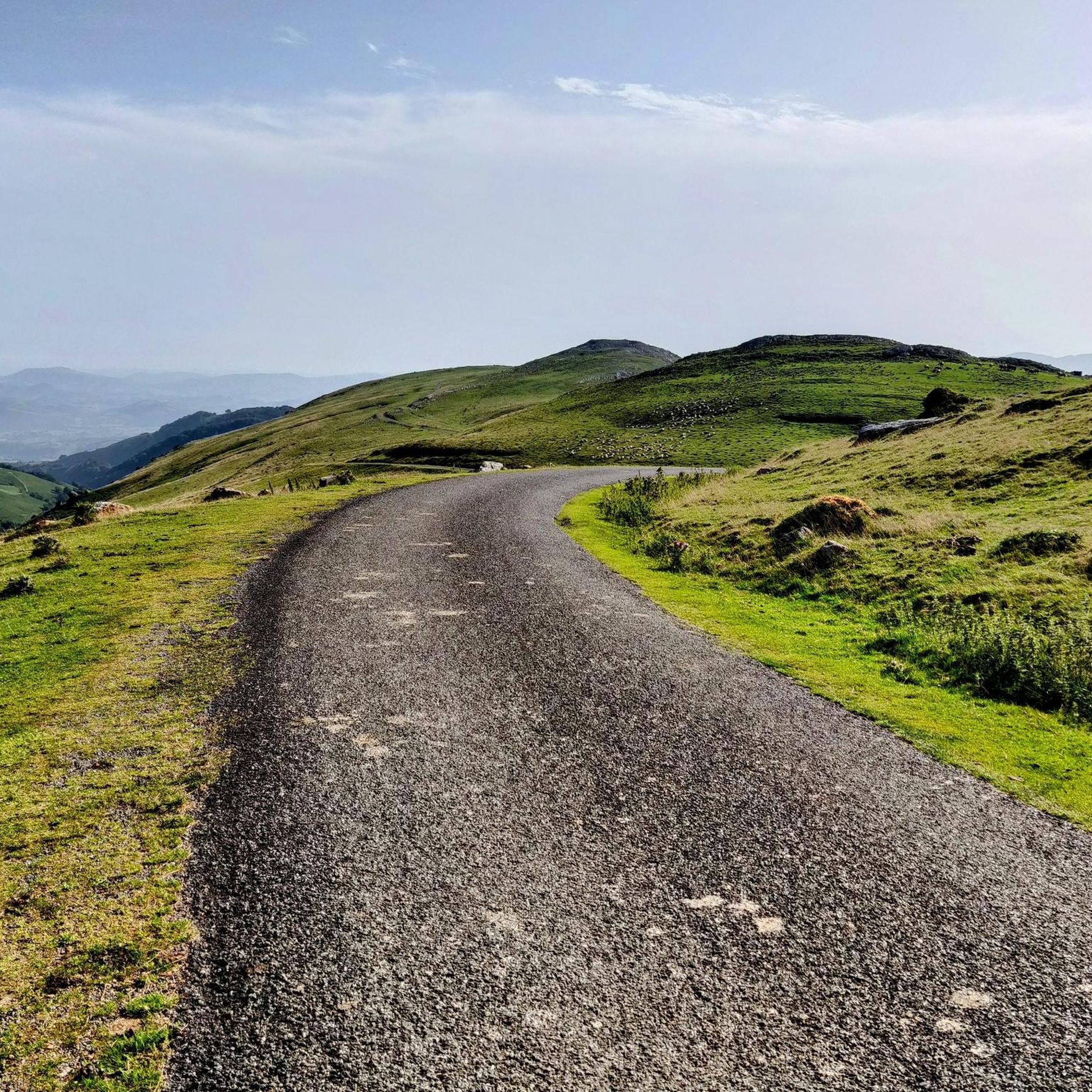
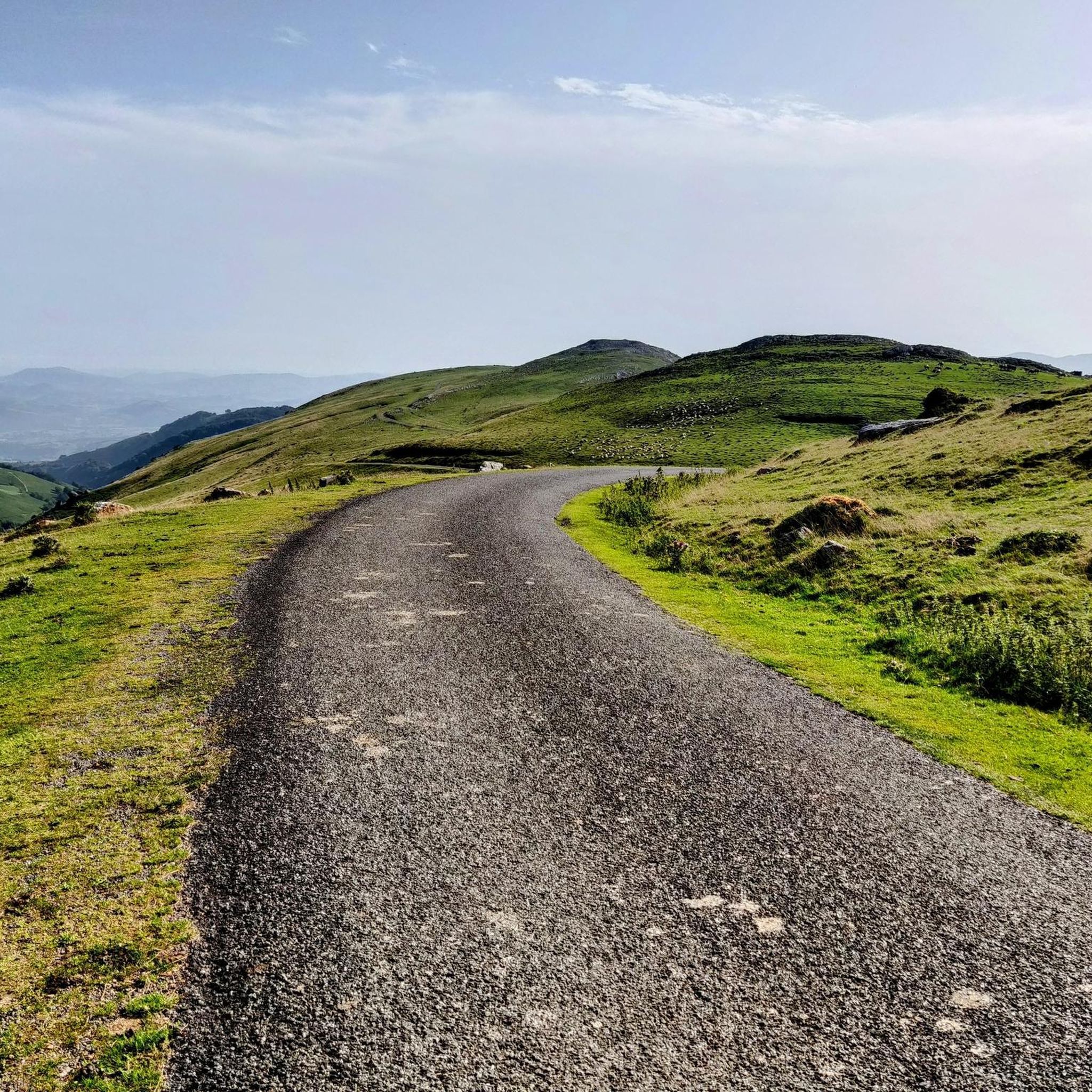
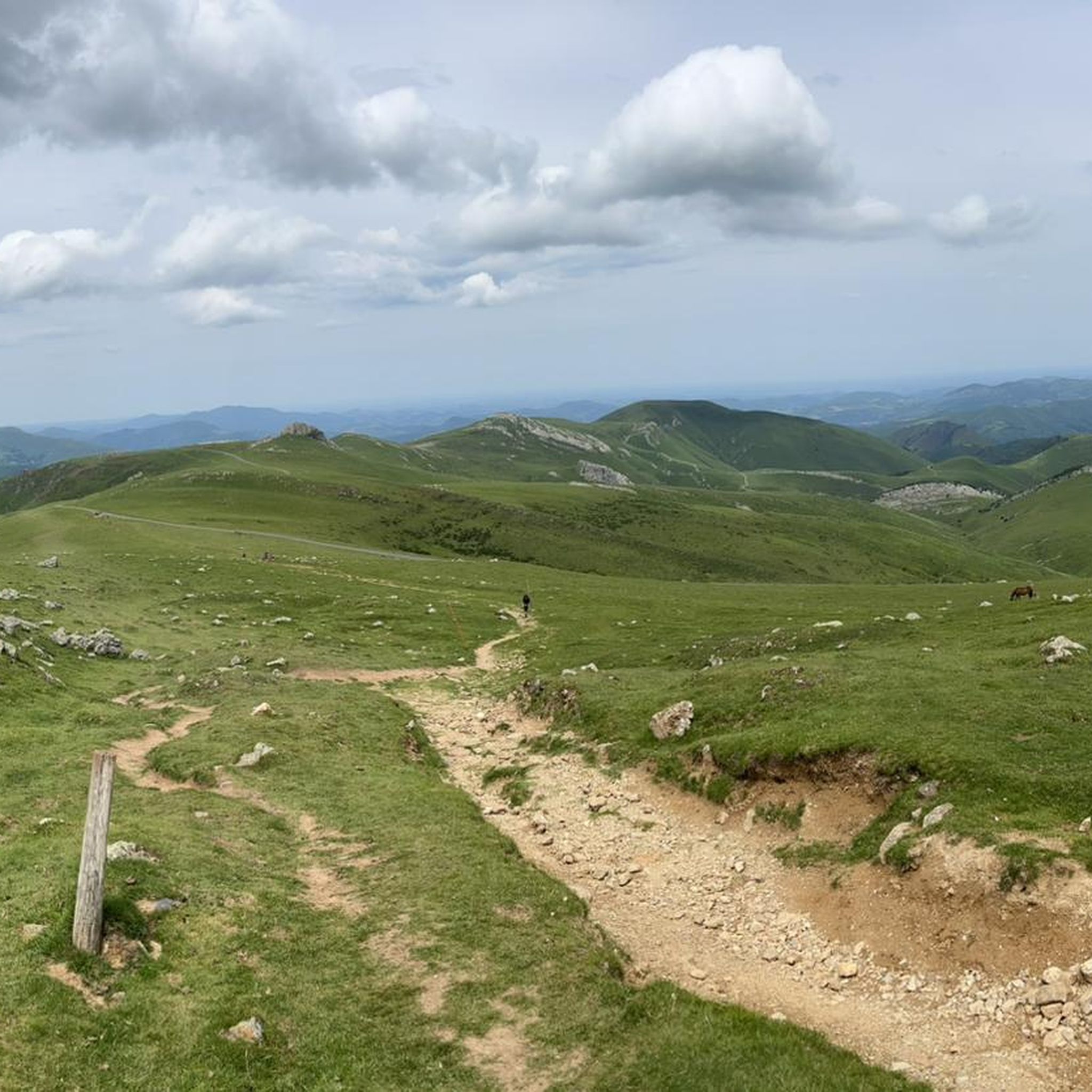
One of the best discoveries this year. I was really looking forward to visiting this area of the Pyrenees, and it has clearly exceeded my expectations. In addition, it was a beautiful day, with sun and good temperature. I couldn't ask for more. Sorogain is a border crossing with 2 very different sides. The Spanish side is flat and enjoyable, crossing a beech forest, following the course of a stream and opening up the majestic valley in the final part, surrounded by horses and sheep. It is approximately 8km with an average gradient of 3%, with the last 2km being harder and with irregular slopes. The French side is also spectacular but much harder. It is also 8km but with an average gradient of 8% and peaks of 18%. There are several km with an average gradient of over 10%, and the final slope is 500m at 15%!!! The views of the Urepel valley are wonderful. The road on both sides is in perfect condition, although it is very narrow and you have to be careful with the few cars there are.
0
0
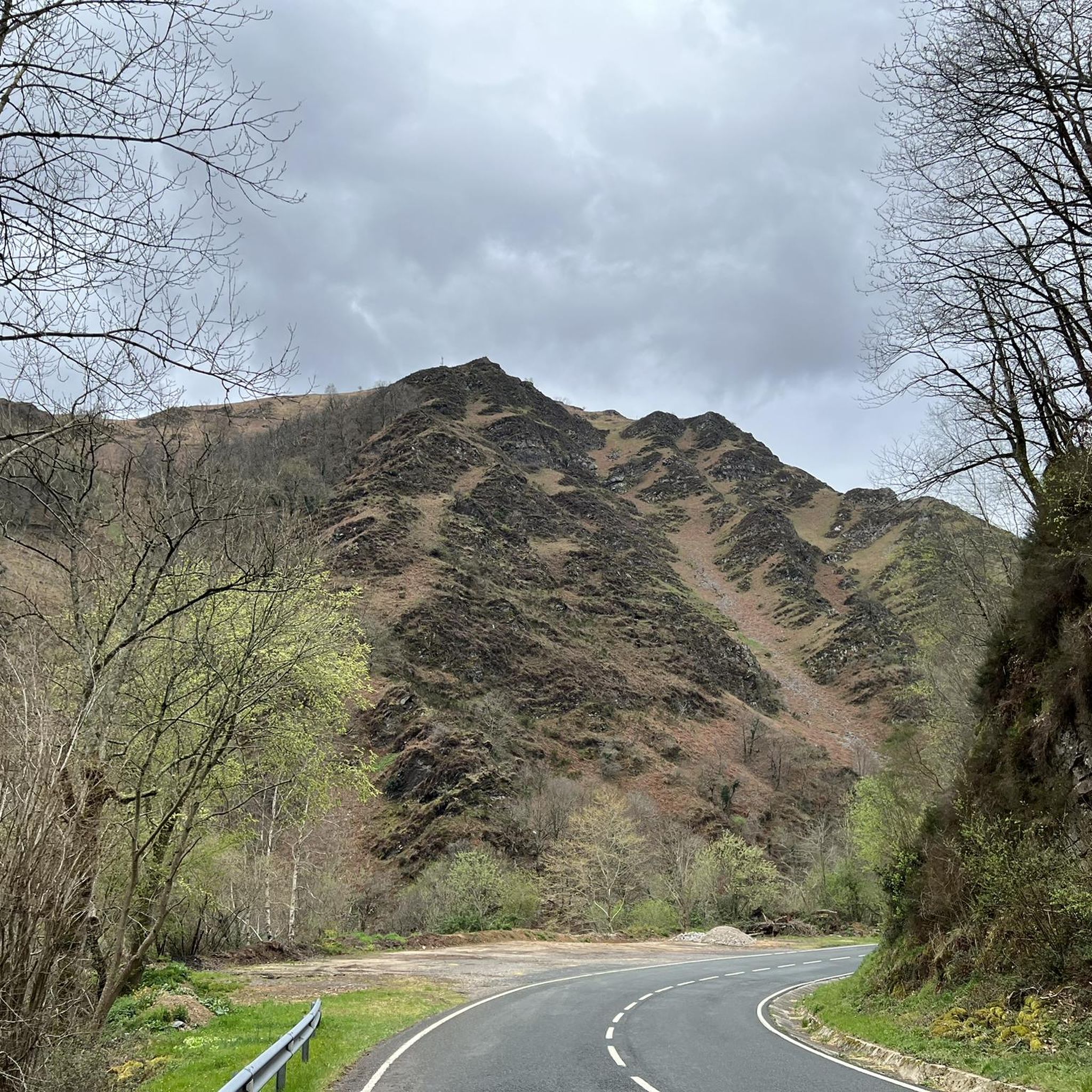
One of the most inhospitable and spectacular mountain passes in the eastern Pyrenees, with several slopes, all of them very difficult. The landscape is wild and wonderful. You can breathe absolute tranquility and you can dedicate yourself exclusively to enjoying the views, the horses, the sheep, the cows and the suffering on the bike. The summit is on the border with Spain, although there is no road that crosses the border, so the pass runs entirely in France. I have climbed it on 2 of its slopes. The first time I climbed it on the slope that crosses the Col d'Orgambide, on the D428 road, which starts from Estérençuby. The first 3 km are very easy, until you cross the detour to go up to Artaburu, where the road begins to have slopes of more than 10%. From there, to the summit, the climb is very hard, around 9%, on a very rough and bumpy road, with a lot of humidity and crossing a wonderful beech forest. Once you reach the top of the Col d'Orgambide, you turn right and continue climbing for another half kilometre with a gradient of 11%. There comes a small descent, to face the last 3 kms, the first 2 very hard with several 13% gradients. The last kilometre is very easy and has panoramic views that are simply wonderful. The second time I climbed it on the side that starts from Arneguy and Ondarolle. This side is harder than the previous one, with a central section that is hellish, being 6 kms at an average of 10%, and a very hard km at 12% and 18% gradients!!! The final part is more gentle. You cross the Croix de Thibault in the penultimate kilometre of the climb. The final kilometre is very gentle and with beautiful and exciting panoramic views.
1
0
It is a beautiful border pass between Spain and France, well known for being part of the most traditional route of the Camino de Santiago. Sportingly, the climb on both sides is easy, although on the French side it is much longer as it starts at a lower altitude. The Spanish side is just 6 km from Burguete, the last being the most difficult with an average gradient of 7%. On this side you pass the famous and well-known monastery of Roncesvalles. The French side is 18 km from Arnegui and an average gradient of 4%. The hardest part is 5 km from the summit, with one kilometre at 7%. The landscape on this side is of lush vegetation going up a very closed valley that hardly leaves room for views of the surrounding mountains. The road is very twisty. It is a port with very good asphalt and a lot of traffic in general... so, be careful!
1
0

The Ibañeta Pass, also known as the Roncesvalles Pass, is a scenic mountain pass in the Pyrenees, near the border between France and Spain. At an altitude of 1,057 metres, it offers breathtaking views and a rich historical background. The pass is best known for the Battle of Roncevaux in 778, a legendary event sung about in the epic poem “The Song of Roland”. A menhir marks the traditional site of this battle, emphasising the historical significance of the location.
2
0

A great climb up to the pass. Once you reach the top you get a great view. There is a small church at the top and also a monument. There has always been a hospital up here. However, only the foundations of it remain
2
0

Roland, who is commemorated here, died in 778 as part of the rear guard of Charlemagne's Frankish army. He himself was Margrave of Brittany and was the victim of a Basque revenge campaign against the Frankish conquerors who were retreating from a failed Saracen campaign. Those were complicated times, but things were not to become any less complicated in the Basque Country in the centuries that followed. An epic/song was later sung about Roland, which is part of world literature. The monument itself is simple and rough, exposed up here in the wind of the weather, and can therefore have an immediate effect, without pomp and splendor. Great! https://de.wikipedia.org/wiki/Schlacht_von_Roncesvalles
2
0

nice area with drinking water
0
0

The pass is an important crossing of the Pyrenees, and a monastery with a hostel was set up in Roncesvalles for pilgrims on pilgrimage to St. James. The monks of the monastery also manned the chapel on the pass and rang the bells in the fog to show pilgrims the way.
4
0
Frequently Asked Questions
What are some of the most scenic mountain passes around Arnéguy?
The region offers several passes with breathtaking views. The Col d'Ispéguy is known for its expansive views, particularly of the wild and verdant Aldudes valley. The Organbide Pass provides picturesque views of both the French and Spanish sides of the border, with exceptional panoramas. From the Col d'Iparla, you can enjoy a vast panorama stretching from the sea to the peaks of Orhy and Anie. The Ibañeta Pass also offers breathtaking views, especially at its summit.
Are there mountain passes around Arnéguy with historical significance?
Yes, several passes are rich in history. The Ibañeta Pass and the Roland Monument is famously associated with the Battle of Roncevaux in 778, an event immortalized in "The Song of Roland." A menhir marks the traditional battle site, and it's a crucial point on the Camino Francés. The Organbide Pass is part of a route leading to the ruins of the Urkulu fort, a Roman tower believed to commemorate the Roman conquest of Aquitaine.
What kind of cycling challenges can I find on the mountain passes near Arnéguy?
Cyclists will find a variety of challenges. The Col d'Ispéguy is popular for its consistent 6.5% gradient over 8 kilometers, making it enjoyable yet rewarding. For a more demanding ride, the Col d'Arnosteguy features wild landscapes and difficult slopes, with sections reaching 18% gradients. The French side of the Sorogain Pass also presents a significant challenge with an average gradient of 8% and peaks of 18%.
Are there challenging hiking routes around the mountain passes?
Absolutely. The climb to the Col d'Iparla is considered tough, but it rewards hikers with extensive panoramas. The Col d'Arnosteguy is part of routes known for their difficulty and spectacular, wild landscapes. For a moderate challenge, consider the Col d'Arnosteguy – Urkulu Summit and Roman Tropaeum loop, which offers a 4.7 km hike.
What outdoor activities can I do near these mountain passes?
The area around Arnéguy's mountain passes is ideal for various outdoor activities. You can find excellent hiking trails, including challenging loops like the GR 10 and Napoleon Route. For cyclists, there are numerous cycling routes, such as the Col de Gamia Loop. Running trails are also available, like the Arnéguy – Pottok Horses loop.
What natural features can I expect to see when visiting the mountain passes?
The mountain passes around Arnéguy are set in the stunning Pyrenees, offering diverse natural beauty. You'll encounter wild and verdant landscapes, particularly in the Aldudes valley visible from the Col d'Ispéguy. The Sorogain Pass features a beautiful beech forest and majestic valleys. The Nive de Arnéguy river itself forms a natural border, providing beautiful scenery throughout the seasons.
Are there any circular hiking routes that include mountain passes?
Yes, the Organbide Pass is part of a beautiful circular route that leads to the ruins of the Urkulu fort. The Col d'Iparla is also a highlight of a superb circuit that takes hikers past the Gapelu amphitheatre, described as one of the most majestic sites in the Basque Country. You can find more options for circular hikes in the hiking guide for Arnéguy.
What is the best time of year to visit the mountain passes around Arnéguy?
The region's mountain passes are generally best visited during spring, summer, and early autumn when the weather is milder and trails are clear. This allows for optimal conditions for hiking and cycling, and for enjoying the expansive views. Winter can bring snow and challenging conditions, making some passes less accessible or requiring specialized gear.
Are there any less-known or 'hidden gem' mountain passes worth exploring?
While the main passes are well-known, the region also offers less-trafficked routes. The Urdanzia and Leizartzeko Passes are part of a scenic hike around the Guermiette valley, offering a quieter experience. The Ahartzako Pass provides an option to climb to the Olharandoï Chapel, and the Artesiaga Pass offers panoramic views linking the Baztán and Arga valleys, often with fewer crowds.
What do visitors enjoy most about the mountain passes around Arnéguy?
Visitors frequently praise the breathtaking panoramic views, the sense of tranquility, and the rich historical context of the passes. Many appreciate the challenging yet rewarding climbs for both hiking and cycling, often highlighting the wild and natural beauty of the Pyrenean landscapes. The border crossings and the unique cultural blend of the Basque Country also add to the appeal.
Can I find amenities like cafes or accommodation near the mountain passes?
While the passes themselves are often remote, Arnéguy village and nearby towns like Saint-Jean-Pied-de-Port offer various amenities. You can find cafes, pubs, and accommodation options in these areas, providing convenient bases for exploring the mountain passes. It's advisable to plan your routes to include stops in these villages for refreshments and supplies.
What should I pack for a trip to the mountain passes around Arnéguy?
Given the varied terrain and potential for changing weather in the Pyrenees, it's wise to pack layers of clothing, including waterproof and windproof outerwear. Sturdy hiking boots are essential for trails, and a helmet is crucial for cyclists. Don't forget water, snacks, a map or GPS device, sun protection, and a first-aid kit. For historical sites, a camera is a must!
Most popular routes around Arnéguy
Most popular attractions around Arnéguy

Get inspired with the komoot mobile app


Explore more
See even more epic mountain passes by checking out these guides around Arnéguy:
