The best gravel rides around Arnéguy
4.3
(4)
33
riders
5
rides
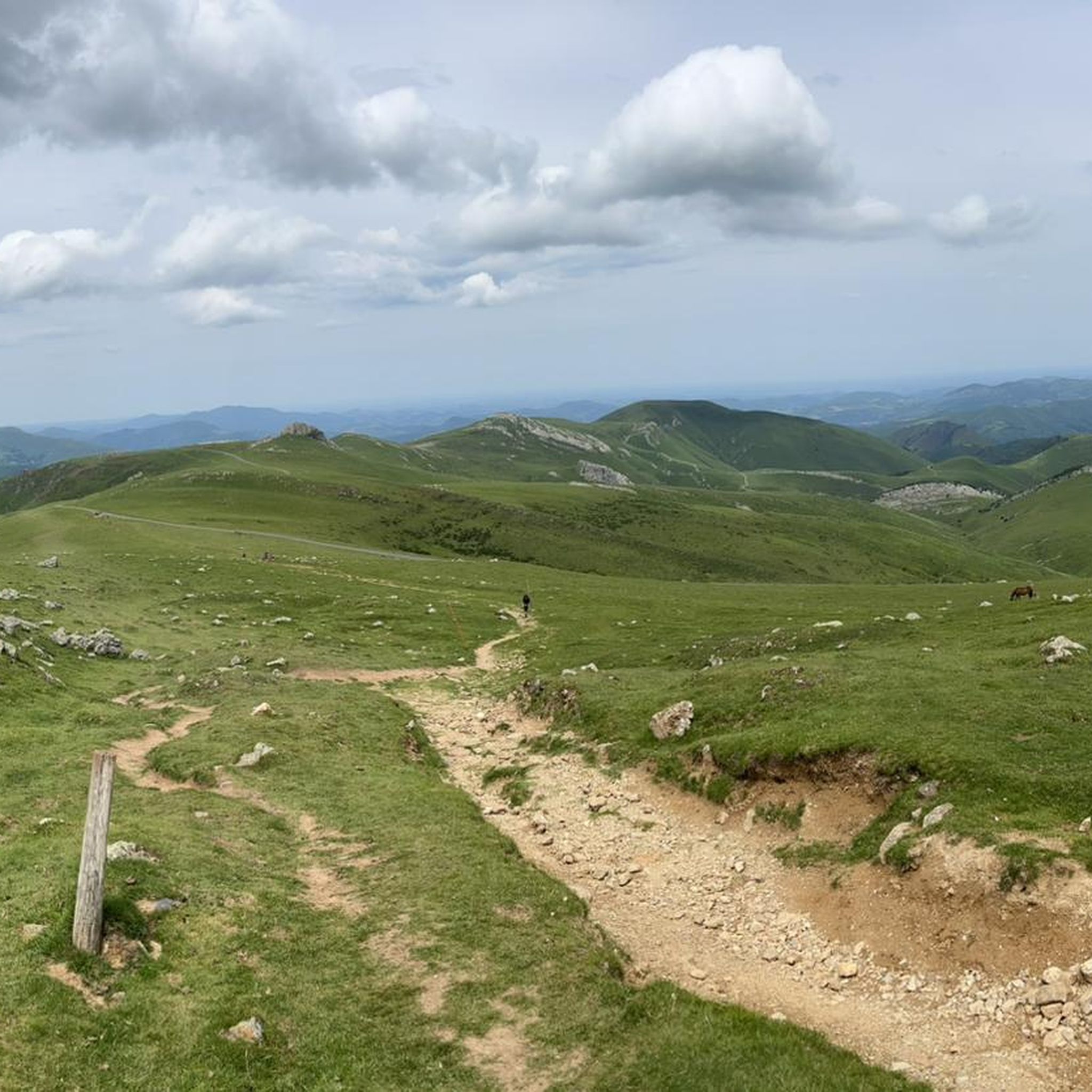
Gravel biking around Arnéguy offers diverse terrain within the French Basque Country, situated in the Pyrenean foothills. The region features rolling hills, significant climbs, and varied landscapes including oak forests and the Nive River Valley. Its position near the Pyrenees provides a mix of mountain roads, forest trails, and farm tracks, suitable for gravel exploration. The area's geology, shaped by plate tectonics, contributes to its challenging and varied routes.
Best gravel bike trails around Arnéguy
- The most popular gravel bike…
Last updated: August 2, 2026
4.0
(1)
13
riders
37.3km
02:31
680m
680m
Hard gravel ride. Very good fitness required. Mostly paved surfaces. Suitable for all skill levels.
4.0
(1)
11
riders
35.0km
02:13
510m
510m
Hard gravel ride. Very good fitness required. Mostly paved surfaces. Suitable for all skill levels.

Sign up for free
5.0
(2)
2
riders
33.6km
02:42
940m
940m
Hard gravel ride. Very good fitness required. You may need to push your bike for some segments of this route.
2
riders
36.4km
03:27
1,410m
1,410m
Hard gravel ride. Very good fitness required. Mostly paved surfaces. Suitable for all skill levels.
4
riders
39.4km
03:13
1,120m
1,110m
Hard gravel ride. Very good fitness required. Mostly paved surfaces. Suitable for all skill levels.
Our route recommendations are based on thousands of hikes, rides, and runs completed by other people on komoot.
Start today with a free account
Your next adventure awaits.
Login or Signup
Tips from the Community

Reaching Roncesvalles meant the luxury of sleeping in a real bed at the famous pilgrim hostel (albergue de peregrinos). Marking the end of the legendary first stage of the Camino Francés from Saint-Jean-Pied-de-Port into Spain, this impressive, well-organized facility is wonderfully run by Dutch volunteers. Since there is no grocery store in Roncesvalles itself, a necessary 5 km round-trip walk was required to stock up, loading down my backpack with enough supplies for 5 breakfasts, 7 lunches, and 5 dinners for the demanding days ahead.
2
0
At the foot of the Pyrenees on the Spanish side of the border, Roncesvalles is one of the most iconic and historic stops on the entire Camino de Santiago. Famous for its magnificent 13th-century Royal Colegiata of Saint Mary, this small hamlet has welcomed weary pilgrims and hikers for centuries after their demanding trek over the mountain pass from Saint-Jean-Pied-de-Port. Beyond its rich medieval history and legendary link to the Song of Roland, Roncesvalles offers essential comforts for travelers today, including pilgrim hostels, warm meals, and a deeply atmospheric sanctuary where you can rest, reflect, and prepare for the road ahead.
2
0

Orreaga-Roncesvalles preserves the memory of heroic songs, ancient paths, and exhausted pilgrims on the way to Compostela. Kings who built hospitals, churches, monasteries, and chapels, innkeepers for whom welcoming strangers was and is sacred, and the love for their Holy Virgin, their brotherhood, and their pilgrims and their many crosses. Since the 10th century, Roncesvalles has been a place where pilgrims on the Camino de Santiago to Santiago de Compostela can rest after their arduous ascent. Santa María de Roncesvalles is above all a place for spirituality and pilgrimage. Pilgrim masses, pilgrimages, Brotherhood of Nuestra Señora. At the 1057m high Puerto Roncesvalles pass, Augustinians founded the Colegiata de Roncesvalles abbey in 1130. As early as 778, a battle took place here between the Franks under Charlemagne and the Basques. The warrior Roland was killed, and the Song of Roland was created.
0
0

It's the first road sign indicating the distance to Santiago. It's worth a photo.
0
0

Even if you don't plan or have the ability to walk the entire Camino Frances, the stage that reaches Roncesvalles is a must for the beauty of the landscapes and the evocative atmosphere it offers, especially when—descending from the Ibañeta Pass—the boundless Spanish landscape suddenly opens up before your eyes in the golden light of sunset. It's a magical moment, ideally shared with other pilgrims and then enhanced with a visit to the Collegiate Church. The stamp on the Credencial is also beautiful.
1
0

Don't miss a visit to the Pilgrims' Hospital and the Collegiate Church of Santa María. Also, learn about the history of Roncesvalles, as it's very interesting.
0
0

If you come to visit the Iparralde area... you can't miss it. It's worth a visit, either by bike or after the route. It has a lot of activity and life, especially in summer.
0
0
Frequently Asked Questions
What kind of terrain can I expect on gravel bike trails around Arnéguy?
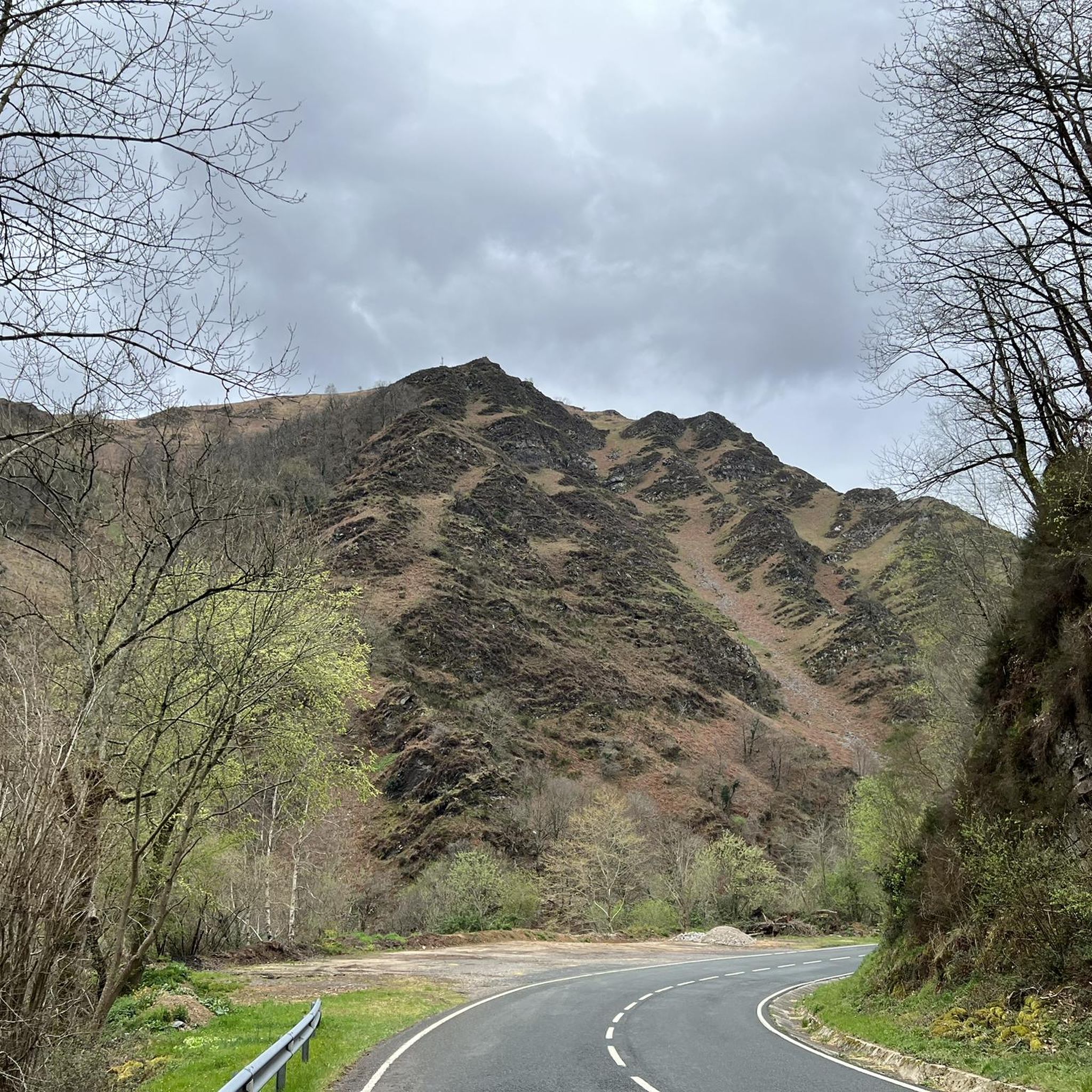
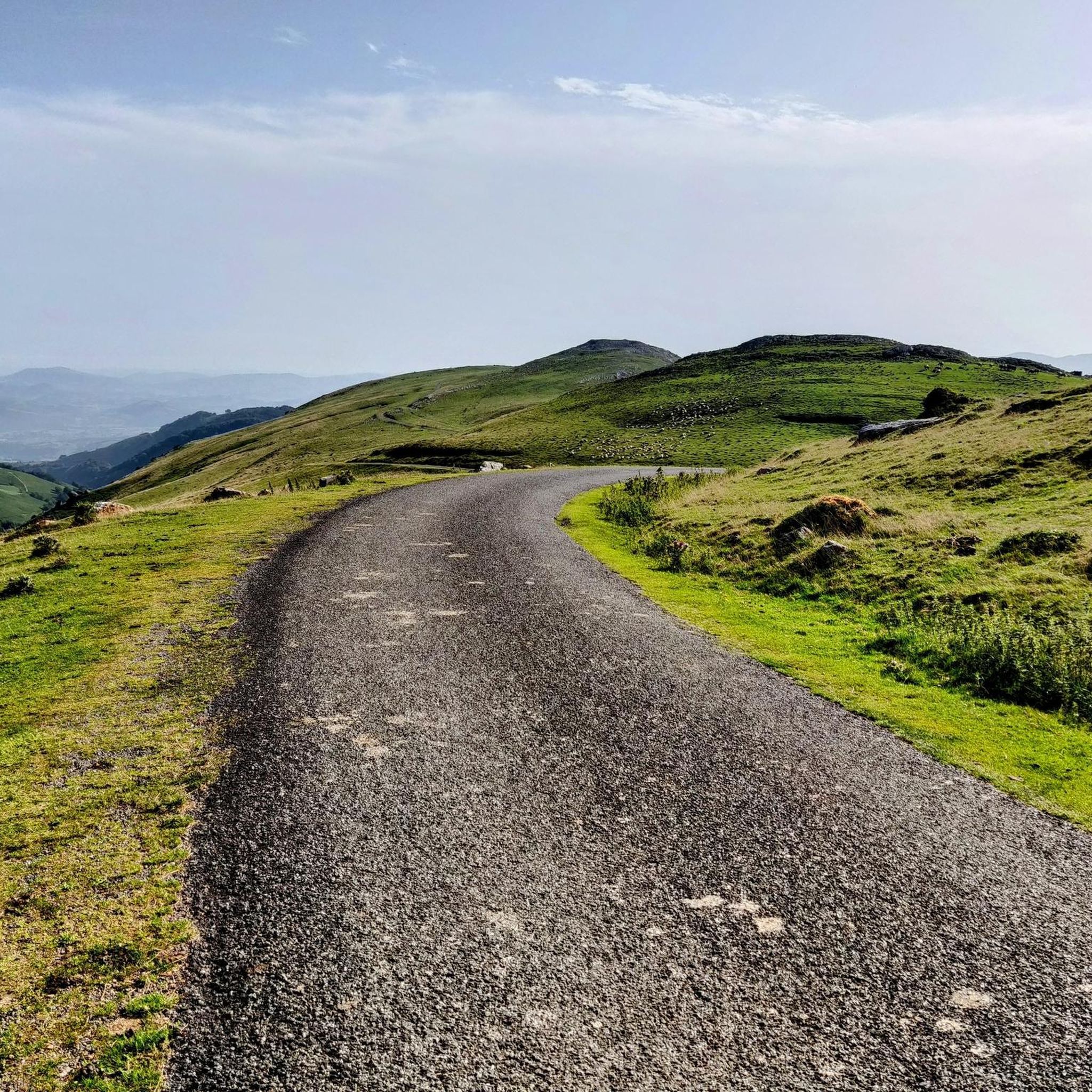
The Arnéguy region, nestled in the Pyrenean foothills, offers a diverse mix of terrain. You'll encounter rolling hills, significant climbs, and steep descents, often on mountain roads, forest trails, and farm tracks. Many paths wind through oak forests, providing shade and varied surfaces. The area is known for its blend of asphalt and trails, perfect for gravel biking.
Are there any challenging long-distance gravel cycling routes in Arnéguy?
Yes, Arnéguy is ideal for challenging long-distance gravel cycling. The routes in this guide are all rated as difficult, featuring significant elevation gains. For example, the Saint-Jean-Pied-de-Port – Saint-Étienne-de-Baïgorry loop covers over 40 km with more than 1100 meters of ascent, while the To Munhoa – Aharza Pass loop from Ascarat offers over 1300 meters of climbing.
What are some scenic gravel routes with good views in the Arnéguy area?
The Pyrenean foothills around Arnéguy offer magnificent scenery and expansive views, especially from the numerous mountain passes. Routes like the Roncesvalles – Trail to Col de Bentarte loop will take you through varied landscapes, including sections near the Spanish border, offering panoramic vistas of the surrounding mountains and valleys.
Are there any loop gravel routes available?
Yes, all the routes featured in this guide are convenient loop routes. For instance, you can explore the Forest Path Near Roncesvalles – Roncesvalles loop from Auritz or the Roncesvalles – Forest Path Near Roncesvalles loop from Orbaizeta, both offering circular journeys through the region's beautiful landscapes.
What historical or cultural attractions can I see along the gravel bike trails?
The region around Arnéguy is rich in history and culture. Many routes pass near significant sites. You can visit the charming village of Saint-Jean-Pied-de-Port Old Town, an essential Basque village with a medieval enclosure, or the historic Roncesvalles Collegiate Church. The area is also part of the Jacobean Route (Way of Saint James), indicating well-established paths with historical significance.
Are there any notable mountain passes to explore by gravel bike?
Absolutely. The Pyrenean region around Arnéguy is famous for its mountain passes, which are a highlight for cyclists. You can find routes that traverse or offer views of passes like Ibañeta Pass and the Roland Monument or Col d'Arnosteguy, providing challenging climbs and rewarding views.
What do other gravel bikers enjoy most about gravel biking in Arnéguy?
The komoot community highly rates the gravel biking experience in Arnéguy, with an average score of 4.3 stars. Reviewers often praise the challenging Pyrenean terrain, the blend of asphalt and natural trails, and the stunning scenery of the Basque Country. The opportunity to explore quiet country roads and traditional villages is also frequently highlighted.
What is the best time of year for gravel biking in Arnéguy?
The Pyrenean region generally offers good conditions for gravel biking from spring through autumn. While specific trail conditions can vary, the warmer months provide the most reliable weather for tackling the significant climbs and descents. Winter cycling might be possible but could involve colder temperatures and potentially challenging conditions on higher passes.
Are there any places to stop for refreshments or cafes along the gravel routes?
While the routes themselves might traverse more remote areas, the presence of traditional Basque villages nearby, such as Saint-Jean-Pied-de-Port, suggests opportunities for cafes and refreshments. The region also features a "cheese route," hinting at cultural and gastronomic stops that can be incorporated into your rides.
What are the general difficulty levels of gravel bike trails in Arnéguy?
The gravel bike trails highlighted in this guide for Arnéguy are generally considered difficult. They involve significant distances and considerable elevation gains, making them suitable for experienced gravel bikers looking for a challenging adventure in the Pyrenean foothills.
Most popular attractions around Arnéguy

Get inspired with the komoot mobile app


Explore more
Browse the best Gravel rides in other regions.
