Attractions and Places To See around Fontaine-La-Guyon - Top 20
Best attractions and places to see around Fontaine-La-Guyon include a mix of historical landmarks, cultural sites, and natural features within the Eure-et-Loir department of France. The commune is characterized by its historical château, ancient churches, and remnants of the Canal Louis XIV. Visitors can explore sites reflecting centuries of history and enjoy the local natural landscape, including centenarian trees and a fountain reputed for healing properties.
Best attractions and places to see around Fontaine-La-Guyon
- The most popular attractions is Orrouer…
Last updated: July 20, 2026
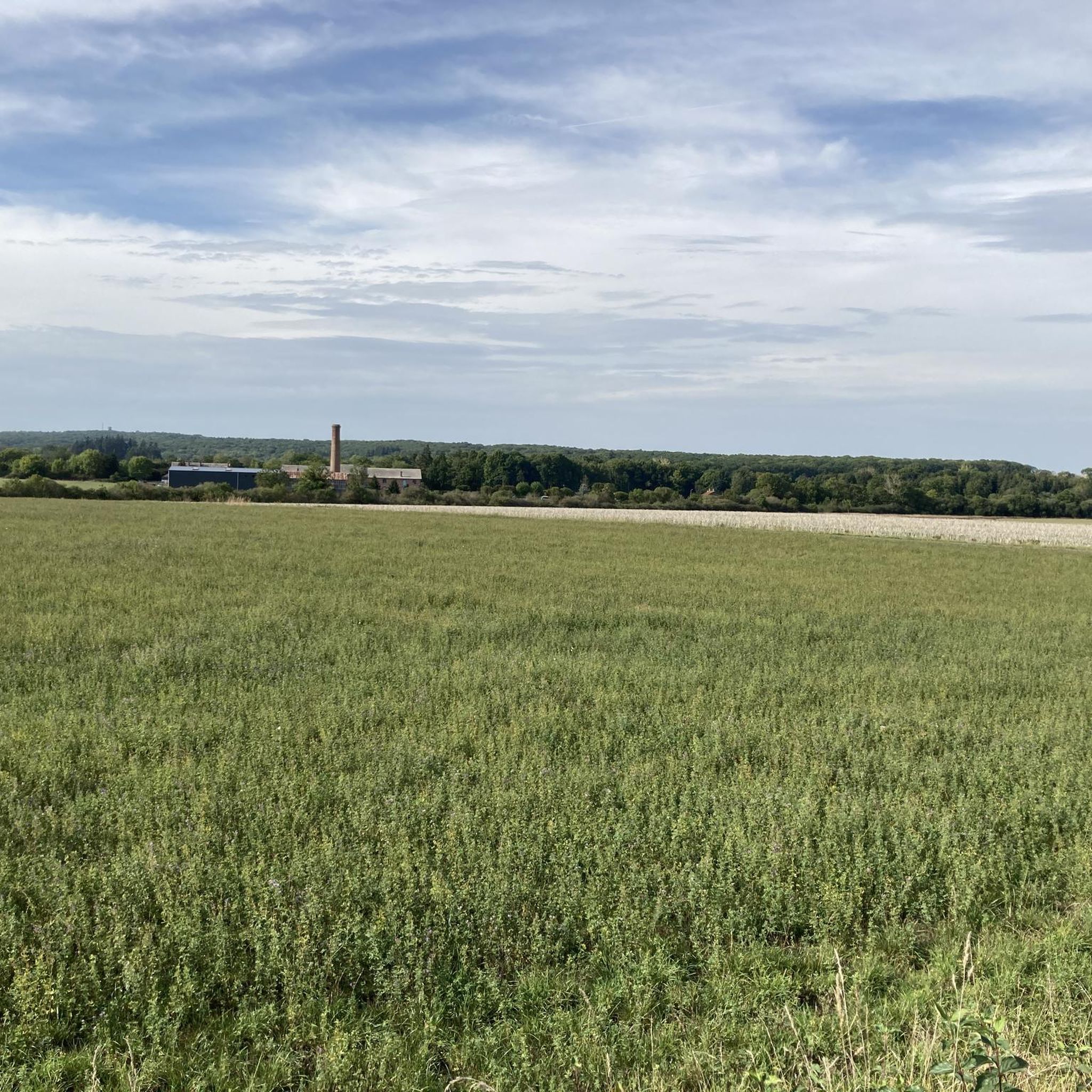
Levesville
Highlight • Other
Translated by Google •
Tip by

Vérigny Castle
Highlight • Castle
Translated by Google •
Tip by

Sign up now to discover places like this
Get recommendations on the best single tracks, peaks, & plenty of other exciting outdoor places.
Sign up for free
Saint-Georges Church of Saint-Georges-sur-Eure
Highlight • Religious Site
Translated by Google •
Tip by
Orrouer Church
Highlight • Religious Site
Translated by Google •
Tip by

Canal at Dallonville (Canal de l'Eure)
Highlight • Structure
Translated by Google •
Tip by
Sign up for free to discover even more attractions around Fontaine-La-Guyon.
Sign up for free
Already have an account?
Start today with a free account
Your next adventure awaits.
Login or Signup


Tips from the Community


A church that stands before you no matter where you come from.
0
0
Raised at the end of the 15th century, the castle was re-drilled in the 17th century. It looks like a long building flanked at the four corners by circular towers. A median precedes it to the east. Dry ditches on a square plan surround it. The entrance gate has two Louis XIII pillars, brick and stone in alternating courses. Each end of this gate is marked with square entrance pavilions.££In 1562, Louis de Bourbon, Prince of Condé, was held prisoner there by the Duke of Guise after the Battle of Dreux. Catherine de Medici and the members of the king's government came to visit the prisoner to try to negotiate peace, obtaining from this prince that he had the Huguenots lay down their arms. Construction periods: 15th century, 17th century. Source https://monumentum.fr/monument- historique/pa00096965/bailleau-leveque-chateau-de-levesville
0
0

From a distance coming from Villebon, you can get a "little air" of Mont St Michel
0
0

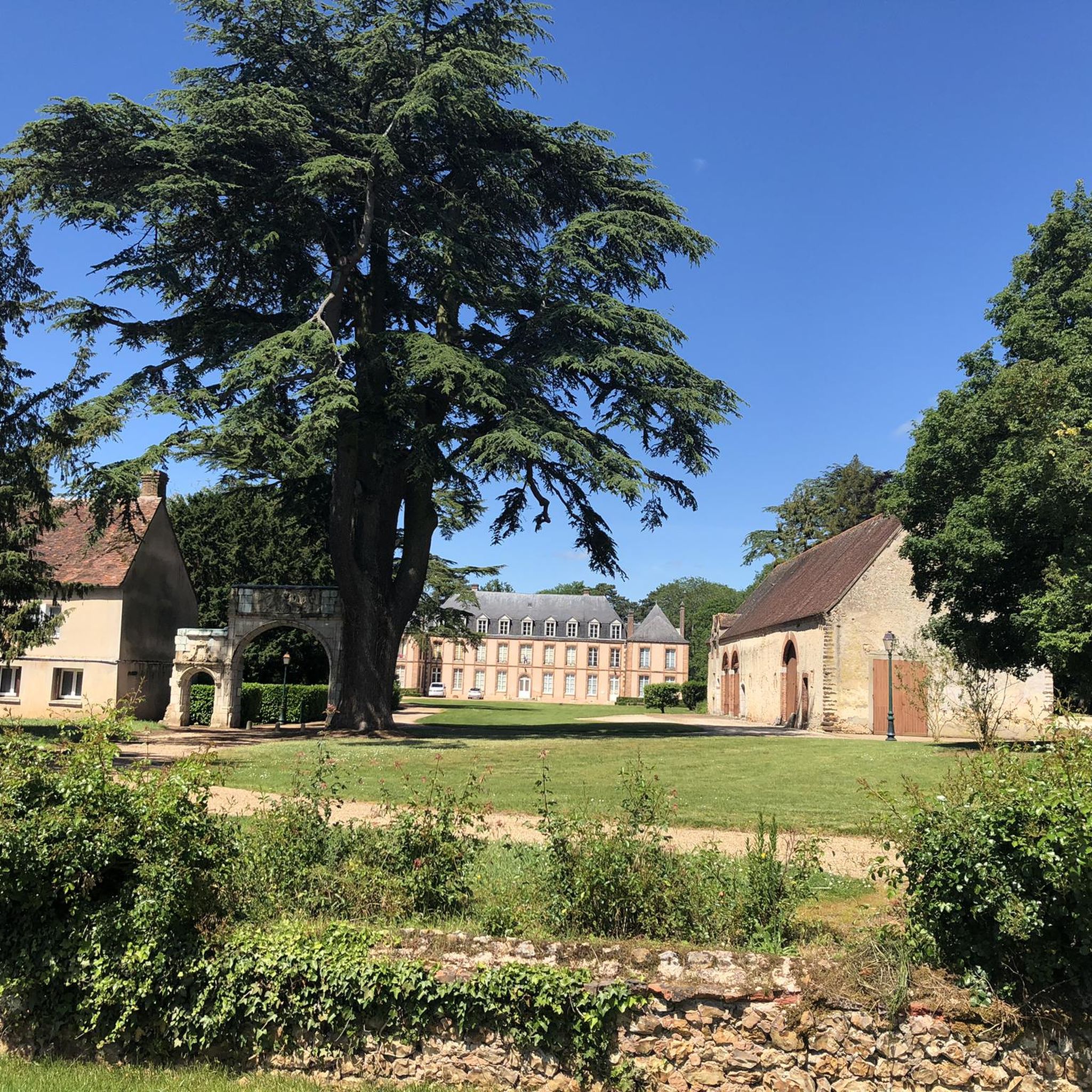
Very beautiful castle not directly visible from the road and therefore possibility of missing it.
0
0

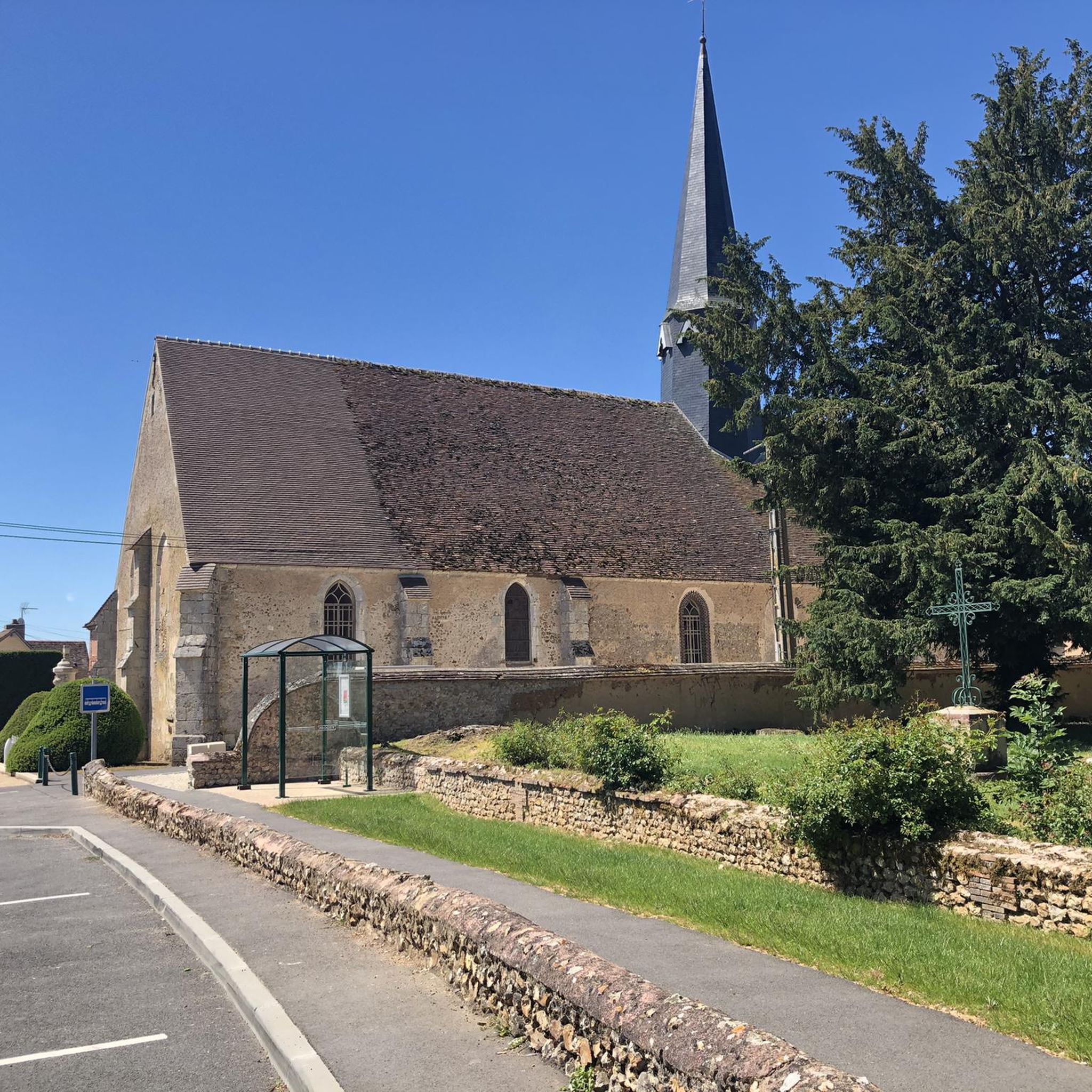
It was in the 4th century that an oratory in honor of Saint George, martyred around the year 303, was built. Two centuries later, a chapel replacing the oratory was built by the monks of the abbey of Saint-Père-en-Vallée in Chartres. This abbey was located behind the Saint-Pierre church, on the current site of the Lycée Marceau. During the thirteenth century, between 1250 and 1270, the chapel gave way to a church. The parish - which will later become the commune - of Saint-Georges is constituted and becomes the capital of a seigneury of the chapter of Chartres. The church froze its architecture, as we know it today, in the sixteenth century around 1500, when it was enlarged by the construction of the South Chapel. source: wikipedia
1
0
Very beautiful castle, a very beautiful pond is behind easily accessible, ideal for a small break.
2
0
It was in the 4th century that an oratory in honor of Saint George, martyred around the year 303, was built. Two centuries later, a chapel replacing the oratory was built by the monks of the abbey of Saint-Père-en-Vallée in Chartres. This abbey was located behind the Saint-Pierre church, on the current site of the Lycée Marceau. During the thirteenth century, between 1250 and 1270, the chapel gave way to a church. The parish - which will later become the commune - of Saint-Georges is constituted and becomes the capital of a seigneury of the chapter of Chartres. The church froze its architecture, as we know it today, in the sixteenth century around 1500, when it was enlarged by the construction of the South Chapel.
2
0
Frequently Asked Questions
What historical landmarks can I explore in Fontaine-La-Guyon?
Fontaine-La-Guyon is rich in history. You can visit the Mairie-Château, a 17th-century castle that now serves as the Town Hall, and its park with vestiges of the Canal Louis XIV. The ancient Église Saint-Martin, with parts dating back centuries, houses classified Historic Monuments. Other notable historical sites include the unique Ancient Post Office building and an Aqueduc Gallo-Romain.
Are there any castles to visit near Fontaine-La-Guyon?
Yes, beyond the local Mairie-Château, there are several impressive castles nearby. You can explore Vérigny Castle, built around 1750 with a beautiful park, or Levesville, a castle raised in the 15th century and featuring circular towers and dry ditches. The Château de Fontaine-la-Guyon itself is also a significant historical site.
What natural features can I discover in Fontaine-La-Guyon?
The village is known for its natural beauty. The Mairie-Château Park features centenarian trees, including a cedar planted in 1779. The very name of the village, "Fontaine-la-Guyon," refers to its arranged springs, and you can find the historic Fountain of Saint Gorgon, reputed for its healing properties.
Are there family-friendly attractions around Fontaine-La-Guyon?
Yes, several attractions are suitable for families. The park of the Mairie-Château is freely accessible and offers space to explore. The Saint-Georges Church of Saint-Georges-sur-Eure and the Château de Fontaine-la-Guyon are also considered family-friendly historical sites.
What kind of outdoor activities can I do near Fontaine-La-Guyon?
The area around Fontaine-La-Guyon offers various outdoor activities. You can find numerous routes for hiking, cycling, and gravel biking. For hiking, explore trails like the 'Hiking loop from Saint-Georges-sur-Eure'. Cyclists can enjoy routes such as 'Château de Fontaine-la-Guyon – CP3 - BARRE BAKERY loop'. Gravel biking options include the 'Château de Fontaine-la-Guyon – Fontaine-la-Guyon loop'. You can find more details on these activities in the dedicated guides for hiking, cycling, and gravel biking around Fontaine-La-Guyon.
Where can I learn about local history and traditions?
For a deeper dive into local history and traditional life, consider visiting the Musée de Papi. It houses a large private collection of agricultural equipment and objects from bygone eras in Eure-et-Loir. Note that it is typically open to the public during Heritage Days.
What is the best time of year to visit Fontaine-La-Guyon?
The best time to visit Fontaine-La-Guyon for exploring its historical sites and enjoying outdoor activities is generally during the spring, summer, and early autumn months (April to October). The weather is usually pleasant for walking in the château park, visiting churches, and embarking on hiking or cycling routes.
Are there any unique religious buildings to see?
Yes, besides the historic Église Saint-Martin in the village, you can visit Orrouer Church, a religious building that stands alone in the middle of the plain with a notable history, as the village it once served has disappeared. The Saint-Georges Church of Saint-Georges-sur-Eure also has a rich history, with origins dating back to the 4th century.
What are some of the most popular routes for cycling near Fontaine-La-Guyon?
Cycling enthusiasts can enjoy several popular routes. Options include the 'Fleurfontaine – Château de Fontaine-la-Guyon loop from Saint-Aubin - Saint-Luperce' (36.46 km, difficult) and the 'Château de Fontaine-la-Guyon – CP3 - BARRE BAKERY loop from Fontaine-la-Guyon' (35.65 km, moderate). For more options, refer to the Cycling around Fontaine-La-Guyon guide.
What do visitors enjoy most about the attractions in this area?
Visitors particularly appreciate the historical depth and serene beauty of the region. Highlights like Vérigny Castle are noted for their picturesque settings and beautiful ponds, ideal for a break. The Orrouer Church is valued for its unique, almost ghostly presence and rich history. The overall blend of architectural heritage and tranquil landscapes is a major draw.
Are there any long-distance hiking trails or loops available?
Yes, for those looking for longer walks, there are several moderate hiking loops. The 'Pont-Tranchefêtu Mill – Ponds of Fontenay sur Eure loop from Saint-Georges-sur-Eure' is a good option at nearly 18 km. Another is the 'Hiking loop from Saint-Georges-sur-Eure' at almost 12 km. You can find more details and other routes in the Hiking around Fontaine-La-Guyon guide.
Can I find information about the historical significance of the Mairie-Château?
The Mairie-Château, originally built in 1684, has a rich history. Its park was laid out in the 18th century and still preserves elements like a glacière (ice house) and a Renaissance gate from the Canal Louis XIV era. A notable feature is a cedar tree planted in 1779, still standing today. The château also played a role during the liberation of the village in 1944.
Most popular routes around Fontaine-La-Guyon

Get inspired with the komoot mobile app


Explore more
Still not found the Highlight you’re looking for? See guides of the top attractions in other regions:
