The best road cycling routes around Frontignan
4.2
(408)
8,495
riders
43
rides
Road cycling around Frontignan, a town on the Mediterranean coast in southern France, offers diverse terrain for cyclists. The region is characterized by its unique position between the sea, extensive lagoons like Étang de Thau and Étang d'Ingril, and the limestone hills of the Gardiole Massif. Cyclists can find routes along sandy beaches, through vineyards, and beside canals, providing varied landscapes for road biking. This geographical mix ensures a range of experiences, from flat coastal rides to more challenging ascents…
Last updated: November 20, 2026
4.1
(7)
100
riders
47.5km
02:01
230m
230m
4.4
(95)
1,847
riders
78.2km
03:19
330m
330m
Moderate road ride. Good fitness required. Mostly well-paved surfaces and easy to ride.

4.9
(20)
355
riders
57.8km
02:39
130m
130m
Moderate road ride. Good fitness required. Some segments of this route may be unpaved and difficult to ride.
4.4
(9)
137
riders
27.5km
01:04
60m
60m
Easy road ride. Mostly well-paved surfaces and easy to ride.
4.3
(8)
150
riders
40.2km
01:33
80m
80m
Easy road ride. Mostly well-paved surfaces and easy to ride.
Get access to more routes and recommendations from other explorers.
Already have an account?
Our route recommendations are based on thousands of hikes, rides, and runs completed by other people on komoot.
Start today with a free account
Your next adventure awaits.
Popular around Frontignan
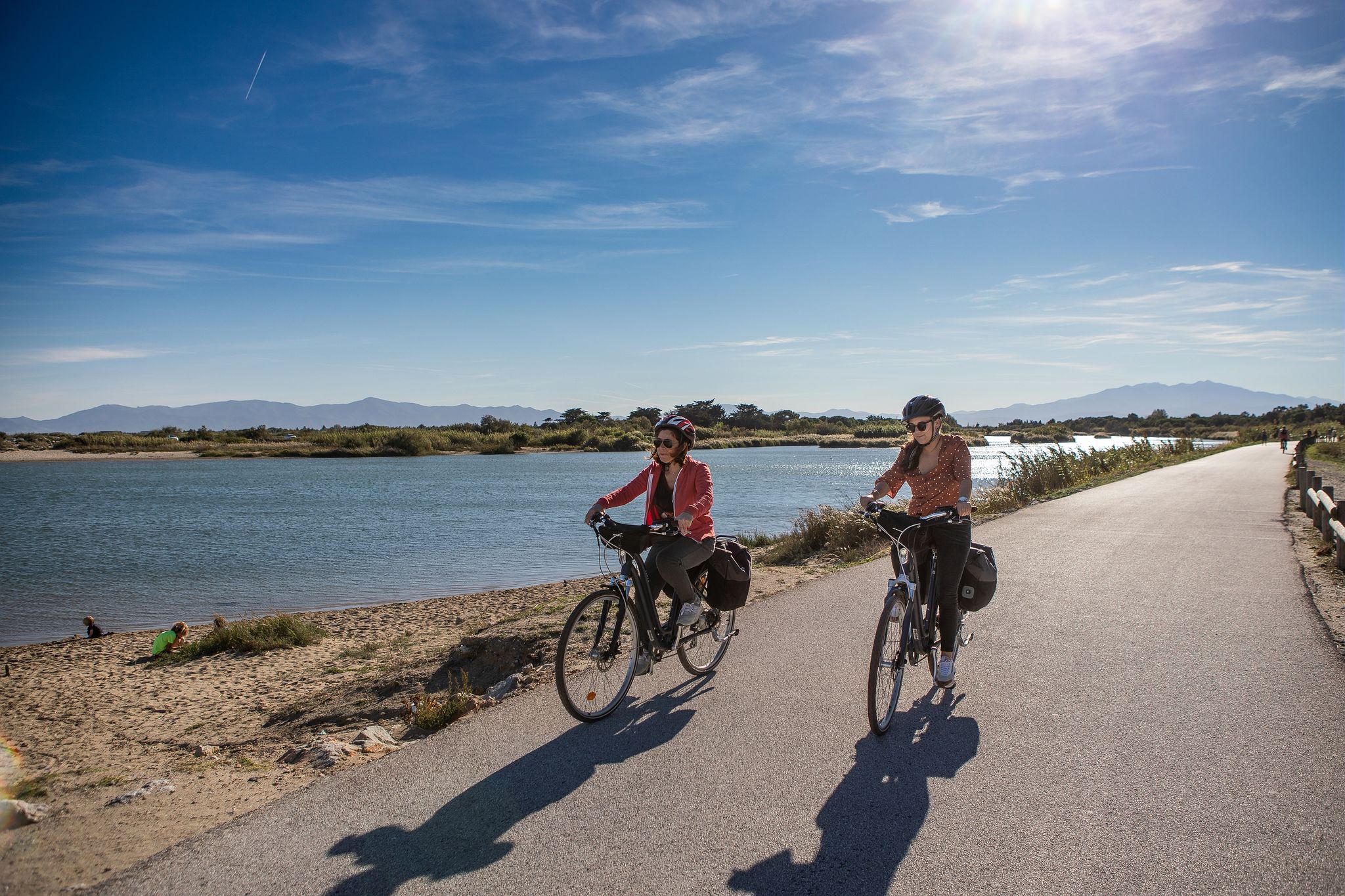
Méditerranée in Occitanie - Ten bike rides in the South of France
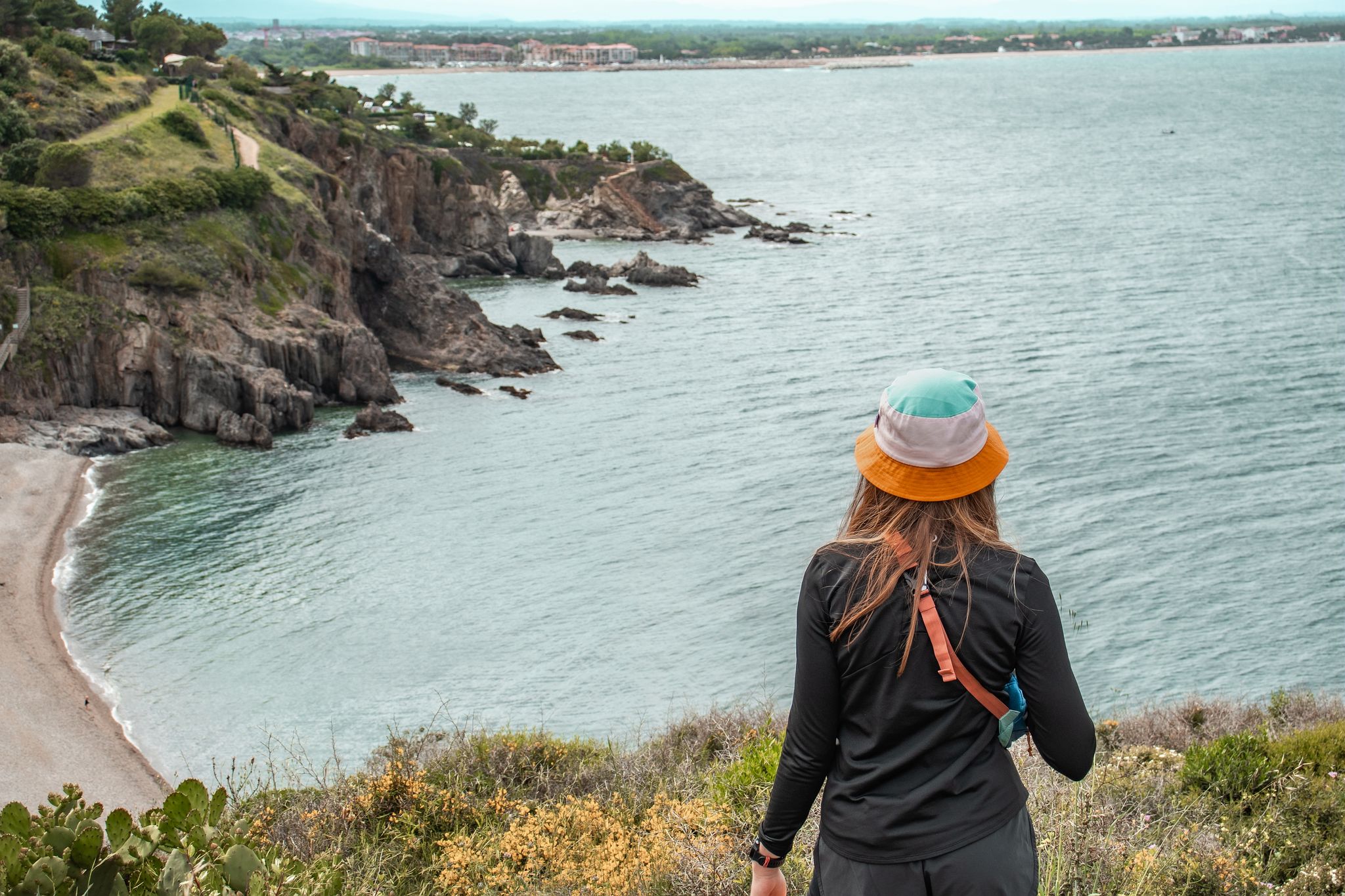
Côte Méditerranée – hiking in Occitania
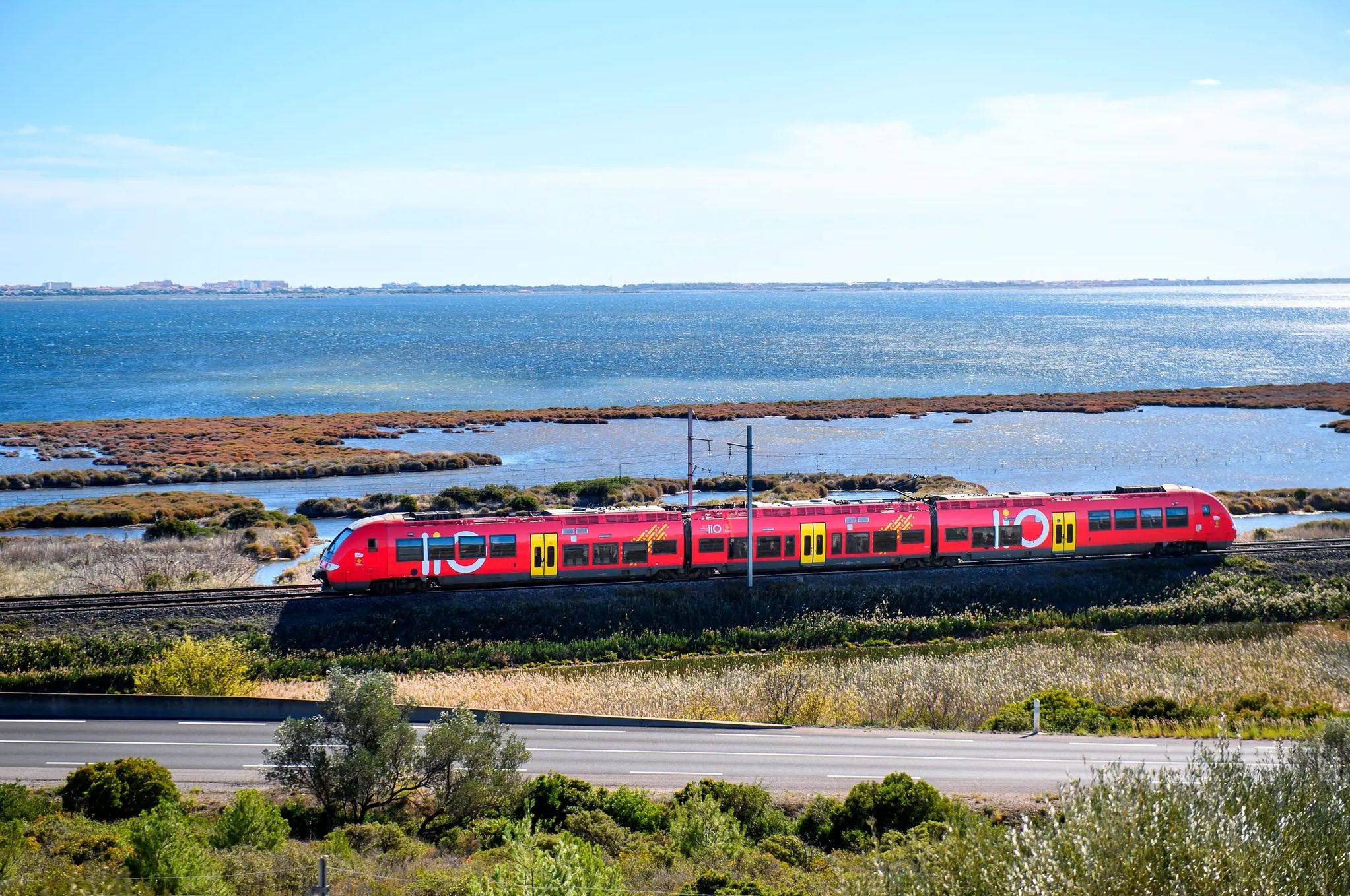
Occitanie Rail Tour – cycle and train along the Occitan Coast
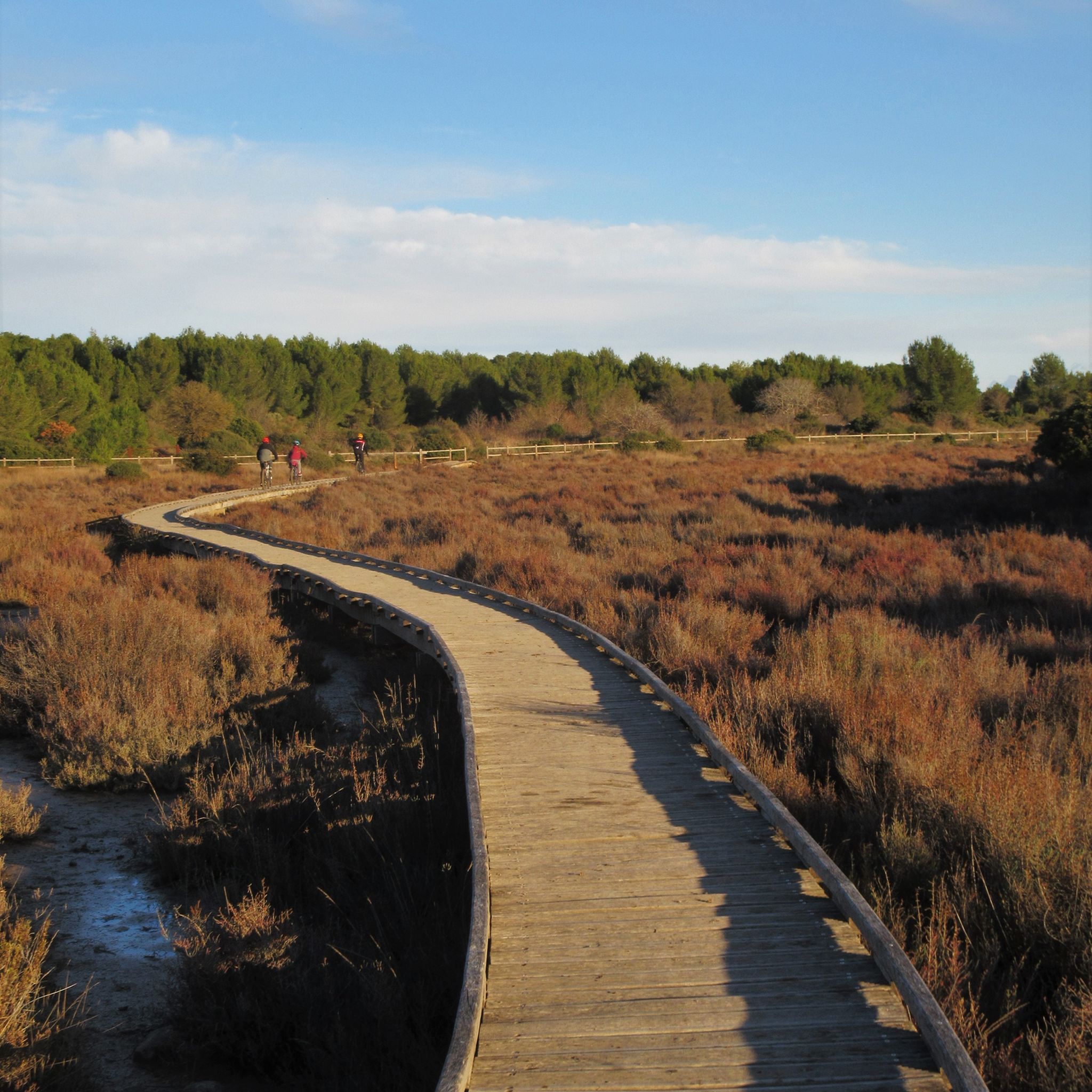
Cycling around Frontignan
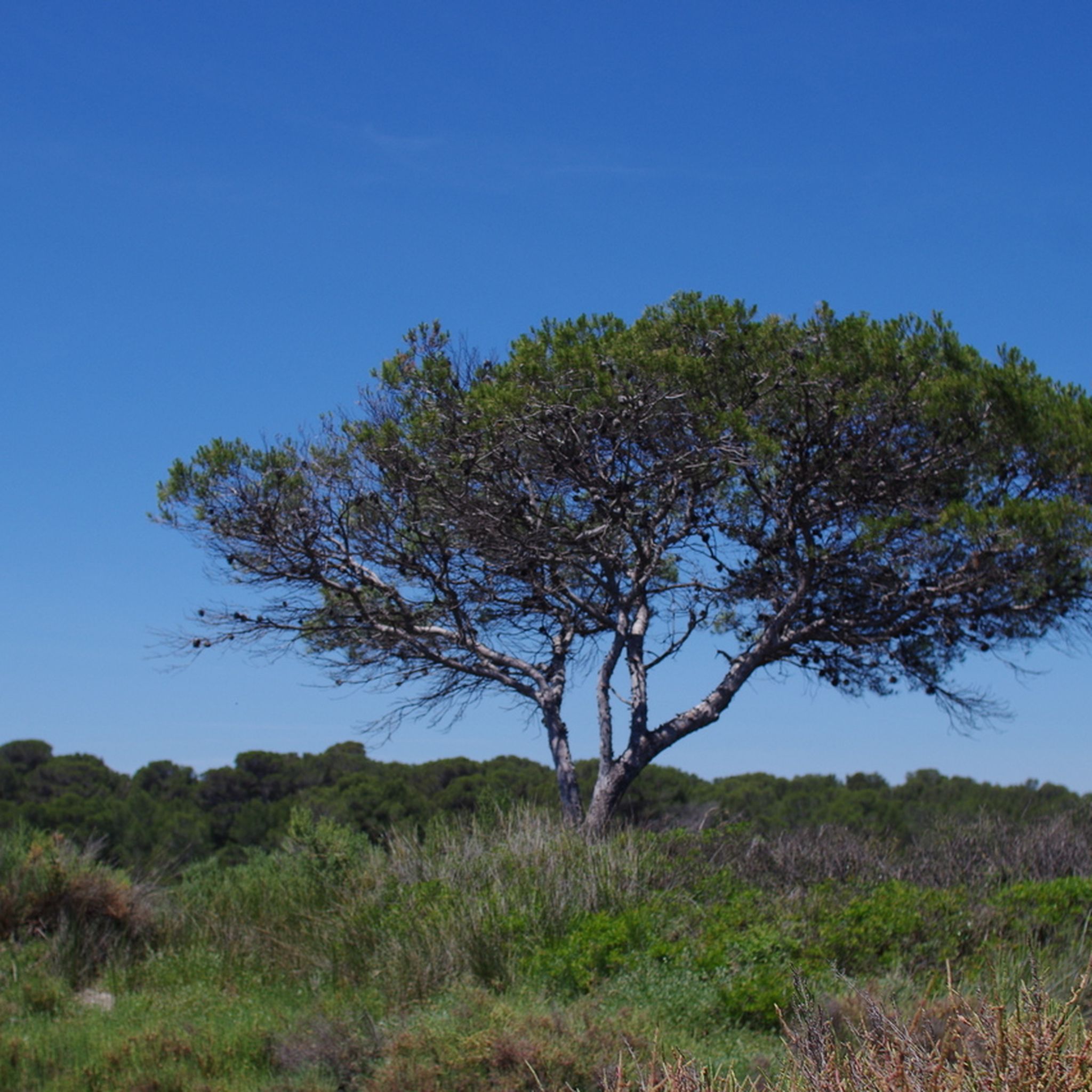
Hiking around Frontignan
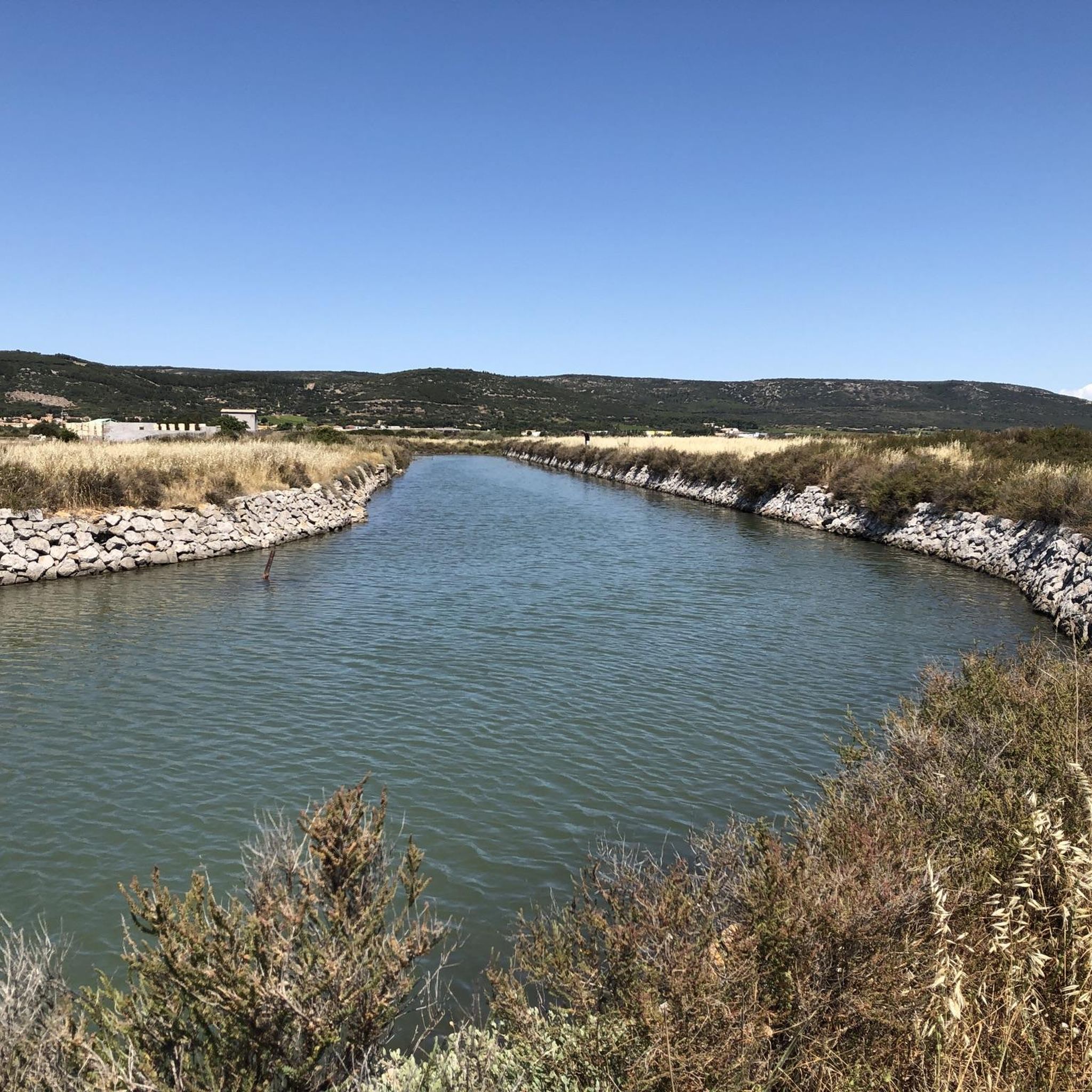
Running Trails around Frontignan
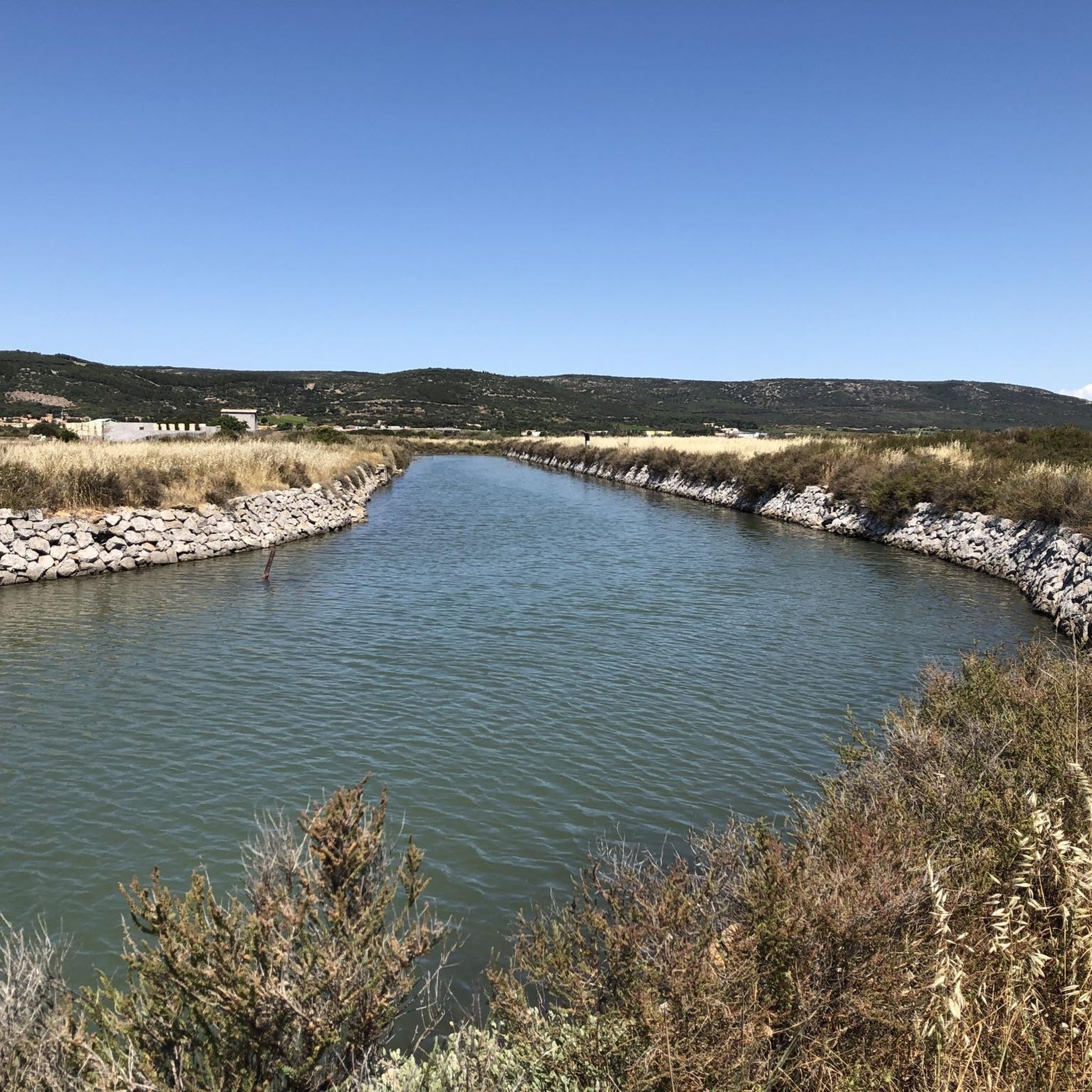
MTB Trails around Frontignan
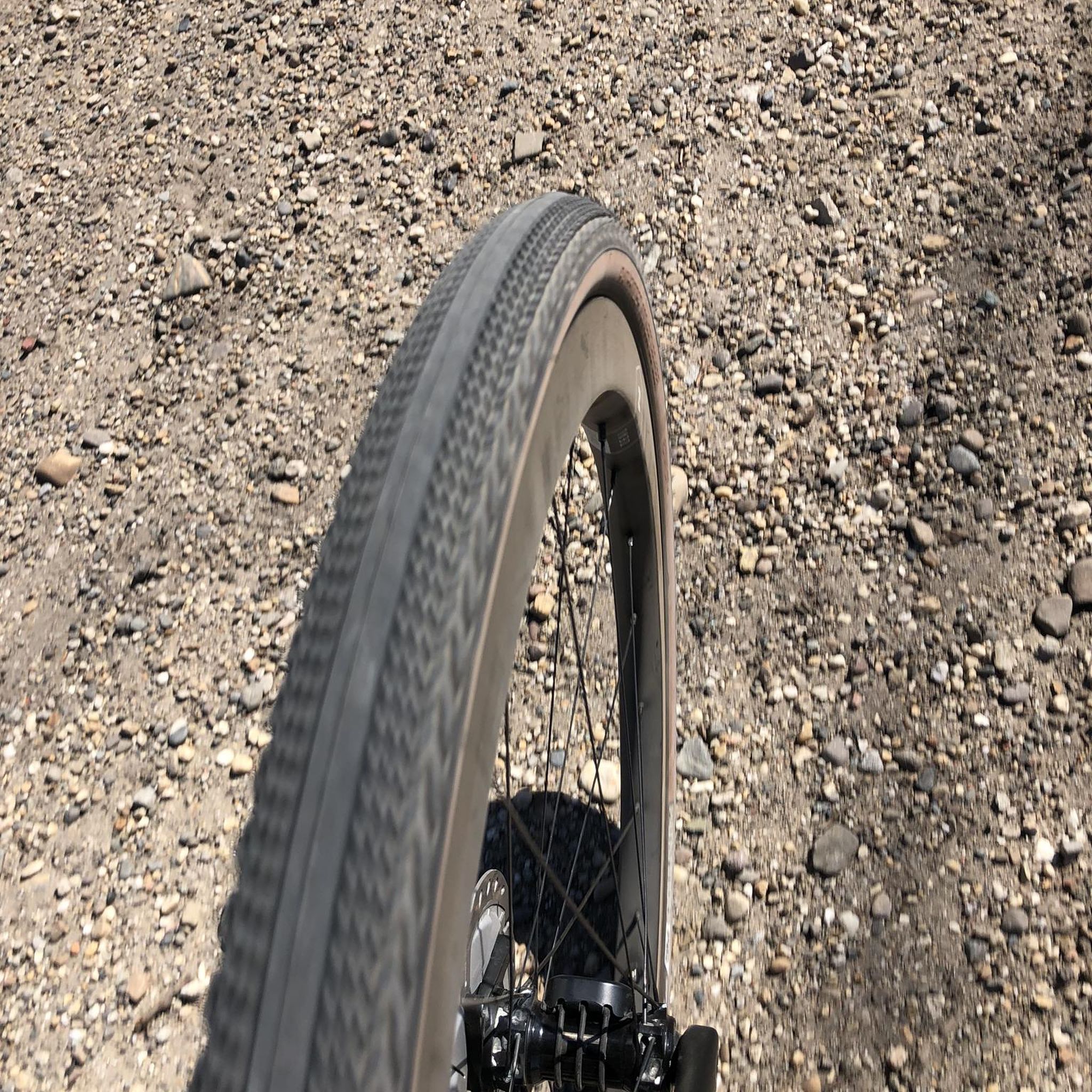
Gravel biking around Frontignan
Other adventures around Frontignan


Tips from the Community

One of my favorite cycle paths in the area. It's just fun to whizz along the canal with a mountain bike. The path goes up and down in parts and has some potholes. It's also quite dusty in the summer. If that doesn't bother you, you're in the right place 😁
0
0

From the greenway, your gaze plunges onto the Thau pond and its immense checkerboard of shellfish farming tables. These regular alignments are the farming facilities where the lagoon's oysters and mussels are produced. Bouzigues holds a special place in this story: in 1925, Antoine Louis Tudesq and other Bouzigues oyster farmers developed the "Pyramid" technique, which contributed to the development of shellfish farming in the pond.
2
0
The greenway runs here on a narrow strip of land between the Étang de la Moulière to the north and the Crique de l’Angle to the south. The latter is a natural cove located at the eastern end of the Étang de Thau, where the fresh waters of the Vène meet the brackish waters of the lagoon. This wetland, classified Natura 2000, hosts numerous water birds in particular.
2
0
From La Catonnière, the view plunges over the étang de Thau and its immense checkerboard of shellfish tables. These regular alignments are the breeding facilities where the lagoon's oysters and mussels are produced. Bouzigues holds a special place in this history: in 1925, Antoine Louis Tudesq and other Bouzigues oyster farmers developed the "Pyramid" technique, which contributed to the development of shellfish farming in the étang. The panorama thus allows us to read the landscape differently: behind this vast expanse of water lies a true production space, shaped for over a century by the work of the "sea peasants".
2
0
At the entrance to the Bois des Aresquiers, a path begins that crosses a particularly original landscape of the Languedoc coast. Between the ponds of Vic and d’Ingril, the pine forest is interspersed between the lagoons and the salty environments, a proximity to the coast that makes this Mediterranean woodland rare. The site, protected by the Conservatoire du littoral since 1980, is home to remarkable flora: about fifteen rare or threatened species have been recorded there. Among them are Bupleurum glaucum, a protected species discovered on the site, and Ophrys des Corbières, an endemic Mediterranean orchid.
3
0
From the greenway, the panorama opens onto the Étang de Vic. This vast coastal lagoon of over 1,000 hectares stretches between the Gardiole massif and the Aresquiers lido. Protected within the Natura 2000 site of the Palavasian ponds and recognized as a wetland of international importance under the Ramsar convention, the pond forms a vast landscape of lagoon, salt marshes, and wetlands here. This opening allows its full extent to be appreciated from the surroundings of Vic-la-Gardiole.
3
0
Going up Grand Rue towards the church of Sainte-Léocadie, several old houses bear witness to the traditional architecture of old Vic. Stone surrounds, cornices, openings, and facade details make up old buildings that still contribute to the identity of the village center. The municipality ensures the preservation of the style of these facades.
2
0
The historic heart of Vic-la-Gardiole is home to small green steel fountains equipped with a turn tap. Ideal for refilling water bottles and cooling off! The main water points are: Place de la Mairie / Place du Marché, Boulevard des Remparts / Jeu de Ballon, along the cycle paths / Village entrances. A photograph of this must-see shows the Vic-la-Gardiole War Memorial. Located in the central square in the heart of the old village, it was sculpted by Joseph Costes. A notice for passing cyclists and hikers: this is not a fountain and there is no water here!
2
0
Frequently Asked Questions
How many road cycling routes are available around Frontignan?
There are over 40 road cycling routes around Frontignan, offering diverse terrain for cyclists. These include 7 easy routes, 22 moderate routes, and 11 difficult routes, ensuring options for all skill levels.
Are there road cycling routes suitable for beginners or families in Frontignan?
Yes, Frontignan offers several easy road cycling routes perfect for beginners or families. For instance, the Vic Pond – Aresquiers Wood loop from Frontignan is an easy 31.8 km trail that provides a pleasant ride with minimal elevation gain, ideal for a relaxed outing.
What kind of landscapes can I expect to see while road cycling in Frontignan?
Road cycling in Frontignan offers a rich tapestry of landscapes. You can expect to ride along sandy beaches, beside extensive lagoons like Étang de Thau and Étang d'Ingril, through sun-drenched vineyards, and into the limestone hills of the Gardiole Massif. The region's unique position between the sea and wetlands provides diverse and picturesque backdrops.
Are there any challenging road cycling routes for experienced cyclists?
Absolutely. For experienced cyclists seeking a challenge, routes like the Moulière Crossing – The land of oyster beds loop from Frontignan offer a difficult 98.3 km ride with significant elevation gain. The 'Tour of the Gardiole' also provides moderate to difficult terrain with rewarding panoramic views.
What are some scenic viewpoints or natural attractions along the road cycling routes?
Many routes offer stunning views. You can find panoramic vistas of the coastline and surrounding lagoons from the Gardiole Massif, such as the View of the Étangs and Coastline from La Gardiole. The former salt pans, now the Salins de Frontignan, also provide unique aquatic and salty landscapes. Additionally, the Salines de Villeneuve Nature Reserve is a notable natural monument.
Can I access road cycling routes in Frontignan using public transport?
Frontignan is well-connected, and its strategic location on major European cycle routes like Route 8 (Mediterranean by bike) and Route 17 (Via Rhôna) suggests good accessibility. While specific public transport connections for individual routes are not detailed, the town itself is generally accessible, making it a convenient starting point for many rides.
What is the best time of year for road cycling in Frontignan?
Frontignan's Mediterranean climate makes it suitable for road cycling for much of the year. Spring and autumn offer pleasant temperatures, while summer can be warm but enjoyable, especially for coastal rides with sea breezes. Even in winter, the region often provides mild conditions for cycling.
Are there any circular road cycling routes in Frontignan?
Yes, many road cycling routes in Frontignan are designed as loops, allowing you to start and end in the same location. Examples include the popular Beach View – The land of oyster beds loop from Frontignan and the Tour of the Gardiole.
What kind of wildlife might I encounter on road cycling routes in Frontignan?
The wetlands and lagoons around Frontignan, including Étang de Thau and Étang d'Ingril, are biodiversity hotspots. Cyclists might spot numerous bird species, such as flamingos, herons, and black-winged stilts, especially along routes that pass through these Natura 2000 zones. The Gardiole Massif also hosts Mediterranean flora and fauna.
What do other road cyclists enjoy most about road cycling in Frontignan?
The area is highly rated by the komoot community, with an average score of 4.2 stars from over 100 reviews. Reviewers often praise the diverse terrain, from flat coastal paths to challenging ascents in the Gardiole Massif, and the extensive views of the Mediterranean coast and lagoons.
Are there any historical or cultural points of interest near the cycling routes?
While focusing on natural beauty, some routes pass near points of interest that reflect the region's heritage. The Royal Canal of Sète and the Port of Mèze offer glimpses into the maritime history. The vineyards also showcase the region's agricultural traditions, particularly the Muscat de Frontignan wine.
Are there dedicated cycle tracks in Frontignan?
Yes, Frontignan is well-equipped for cyclists, boasting 23 km of dedicated cycle tracks and itineraries. These paths, along with its location on major European cycle routes, make it an excellent destination for road cycling.
Can I find routes that combine coastal views with other natural features?
Absolutely. Many routes in Frontignan offer a blend of coastal scenery with other natural features. For example, the Port of Sète – Pumptrack track loop from Tiki center takes you through coastal areas towards the port of Sète, while other routes combine sea views with lagoons or vineyards.
Most popular routes around Frontignan
Most popular attractions around Frontignan

Get inspired with the komoot mobile app


Explore more
Browse the best Road cycling routes in other regions.
