The best MTB trails around Frontignan
4.1
(159)
895
riders
33
rides
Mountain biking around Frontignan offers diverse terrain, situated between the Mediterranean Sea, the Étang de Thau saltwater lagoon, and rolling hills. The region features the limestone Gardiole Massif with paths winding through Aleppo pine forests, alongside coastal routes and trails through local vineyards. This varied landscape provides a range of mountain bike trails suitable for different skill levels.
Best mountain bike trails around Frontignan
- The most popular mountain bike trail is Abbaye Saint Félix de Montceau – Entrance to La…
Last updated: November 18, 2026
4.4
(78)
387
riders
Moderate mountain bike ride. Good fitness required.
4.7
(17)
71
riders
Moderate mountain bike ride. Advanced riding skills necessary.

4.2
(14)
68
riders
31.2km
01:37
60m
60m
Easy mountain bike ride.
4.3
(9)
47
riders
40.4km
02:15
120m
120m
Moderate mountain bike ride. Good fitness required.
3.8
(5)
35
riders
19.8km
01:02
40m
40m
Easy mountain bike ride.
Get access to more routes and recommendations from other explorers.
Already have an account?
Our route recommendations are based on thousands of hikes, rides, and runs completed by other people on komoot.
Start today with a free account
Your next adventure awaits.
Popular around Frontignan
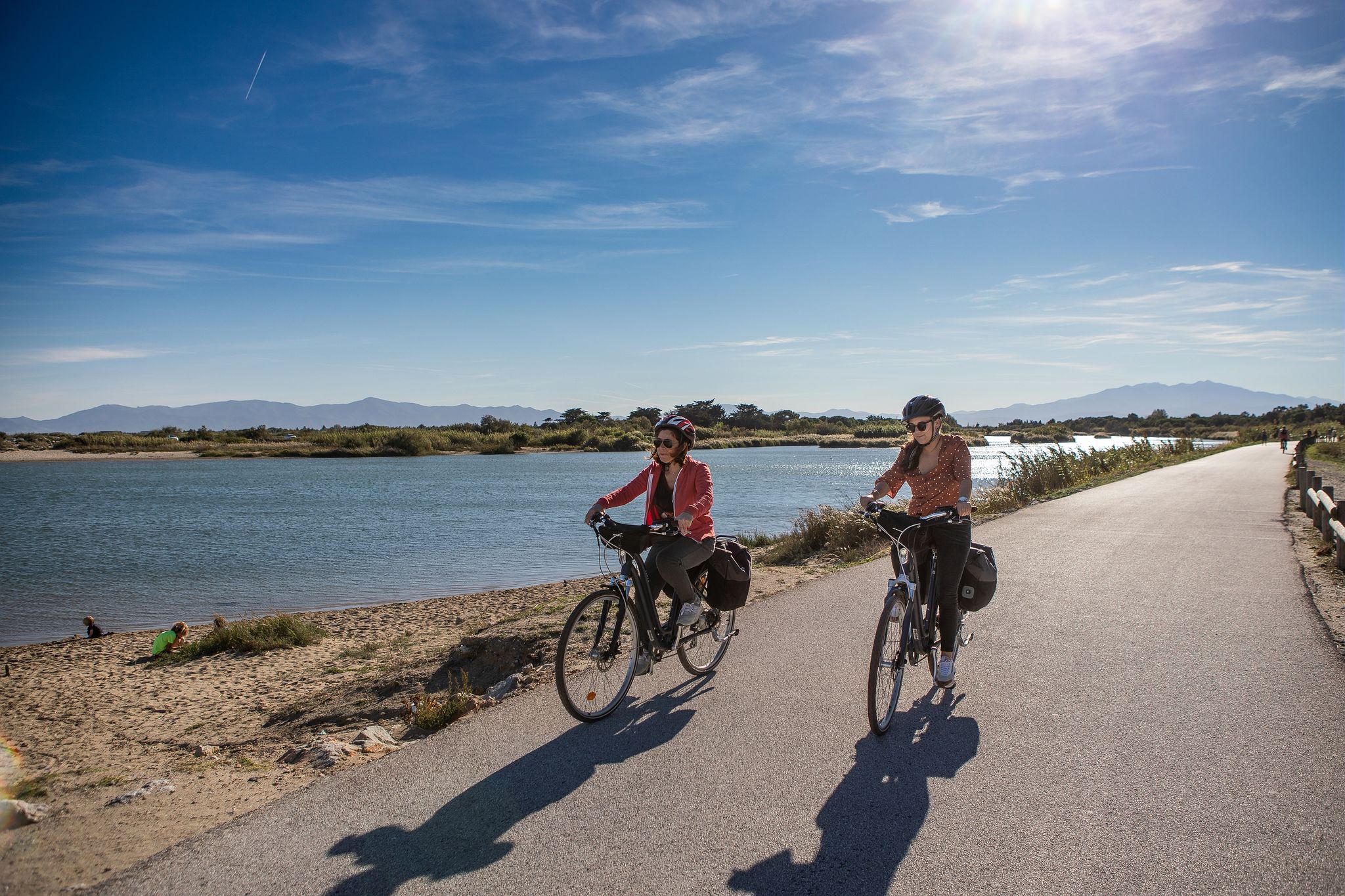
Méditerranée in Occitanie - Ten bike rides in the South of France
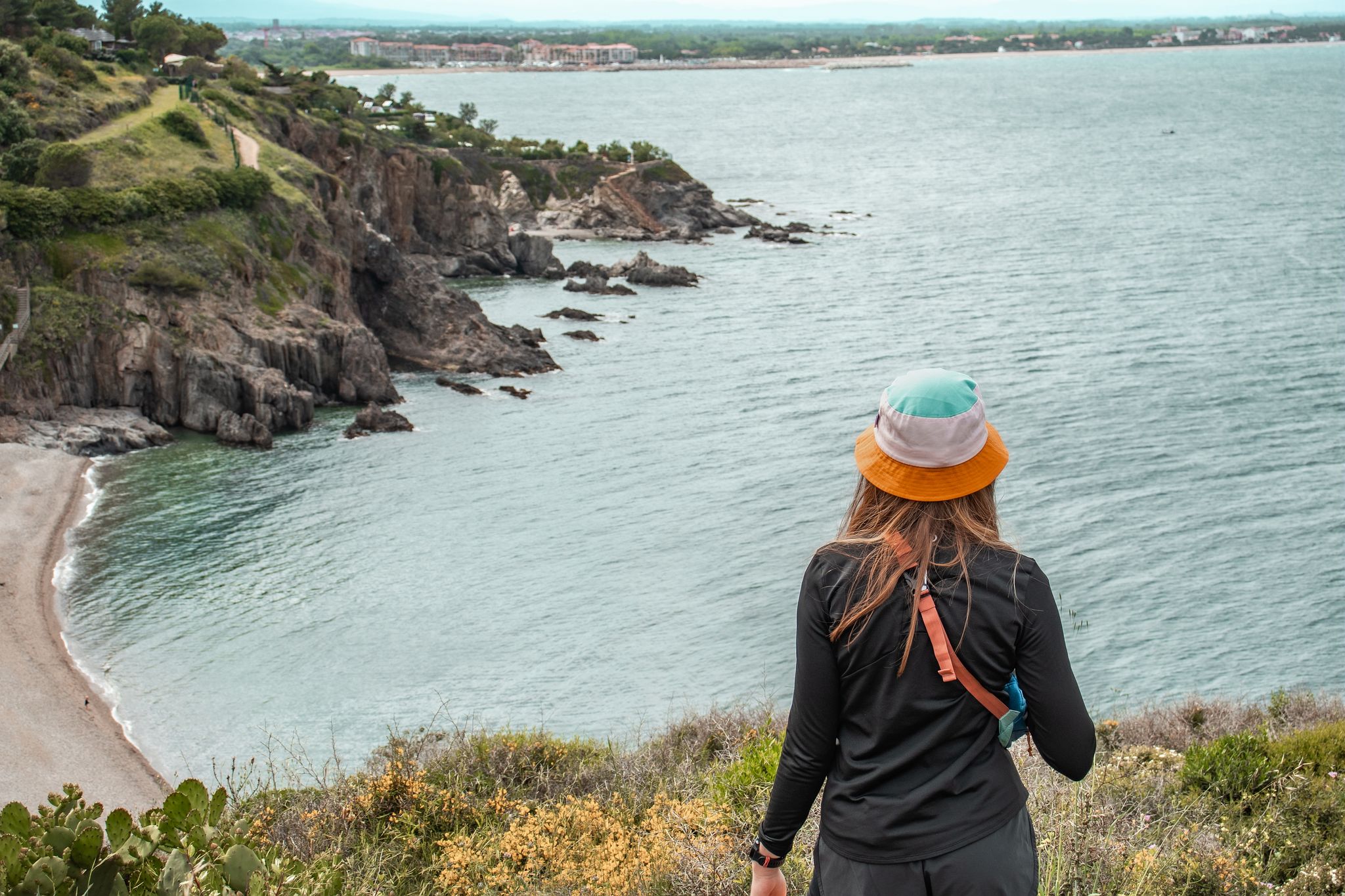
Côte Méditerranée – hiking in Occitania
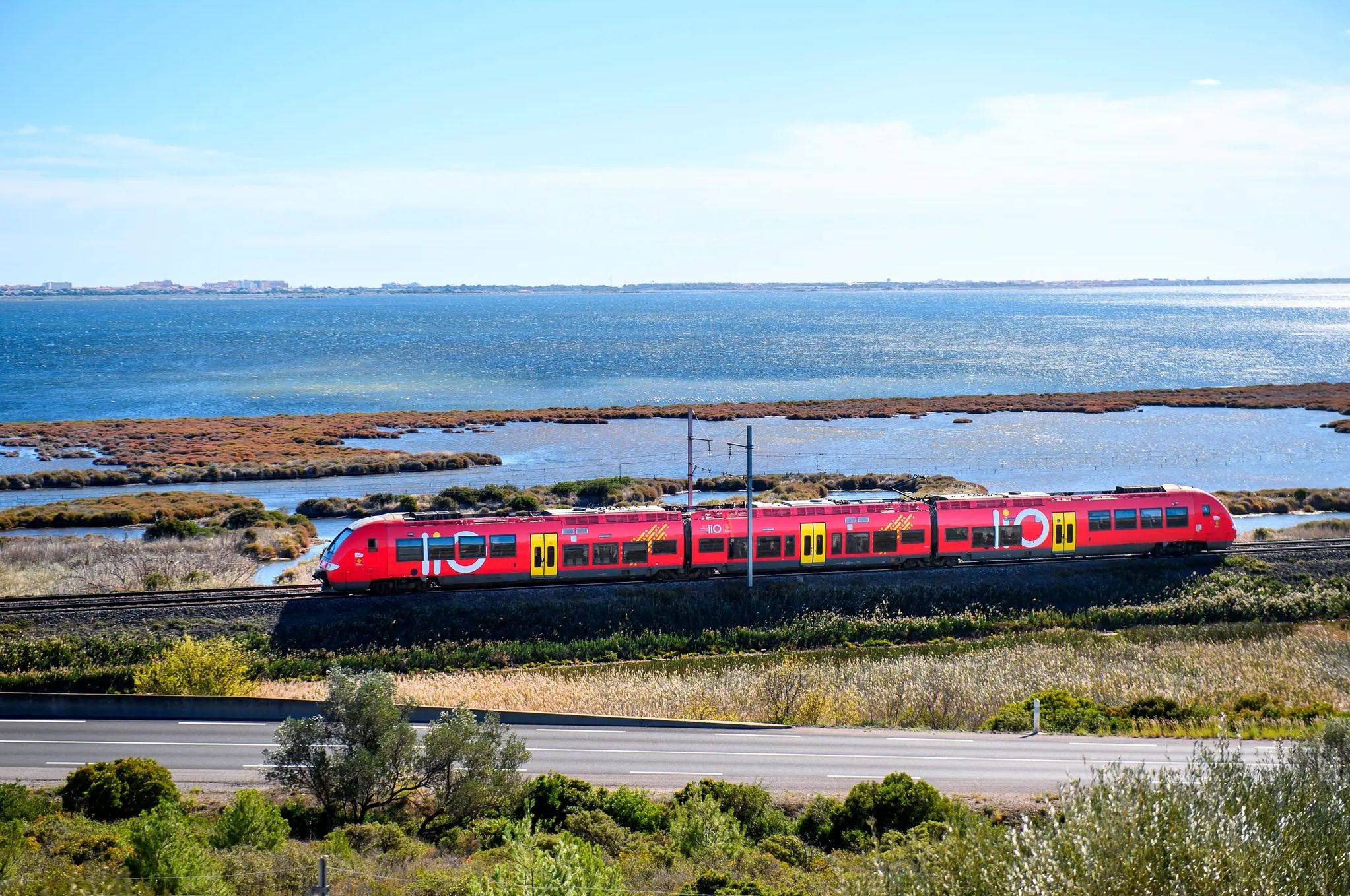
Occitanie Rail Tour – cycle and train along the Occitan Coast
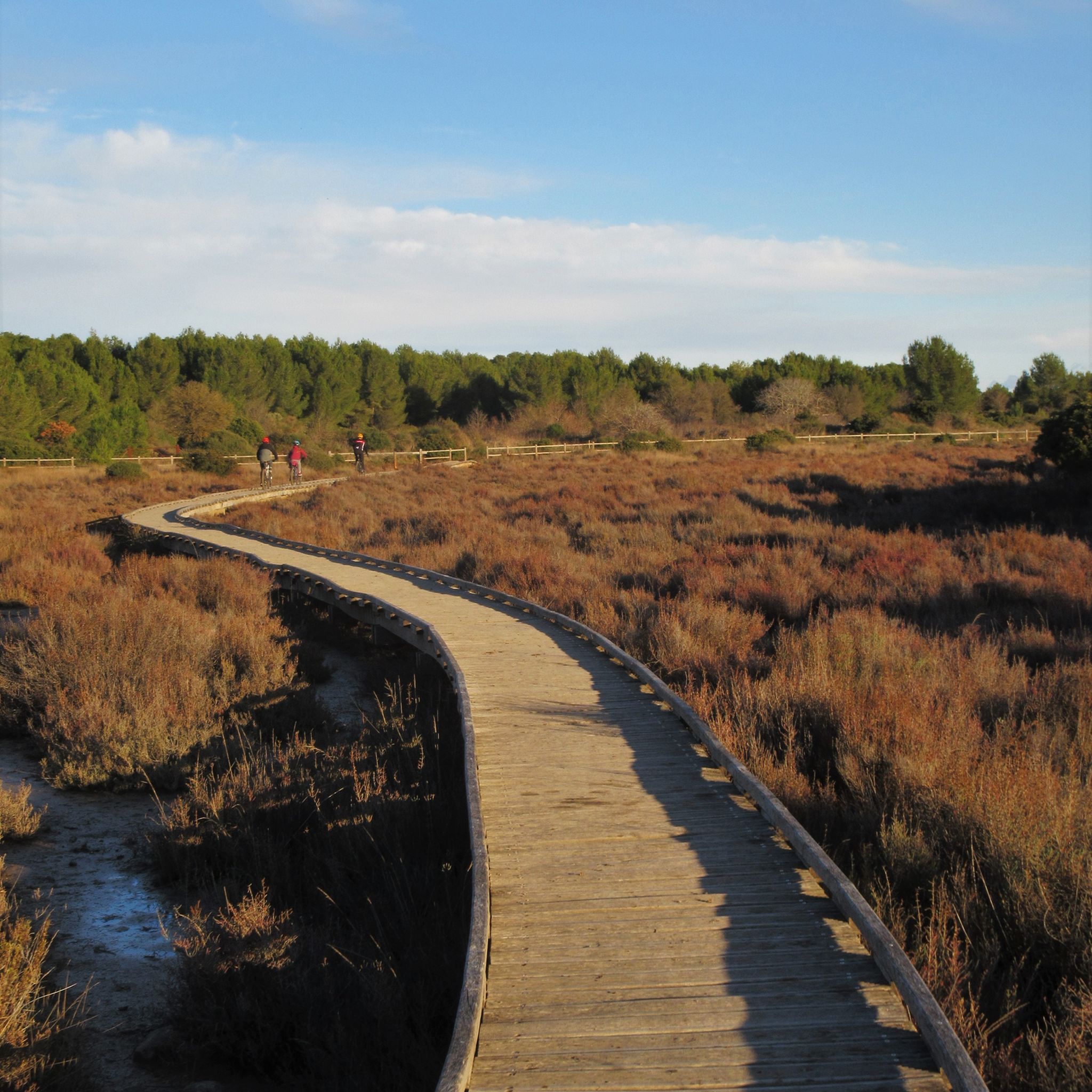
Cycling around Frontignan
Road Cycling Routes around Frontignan
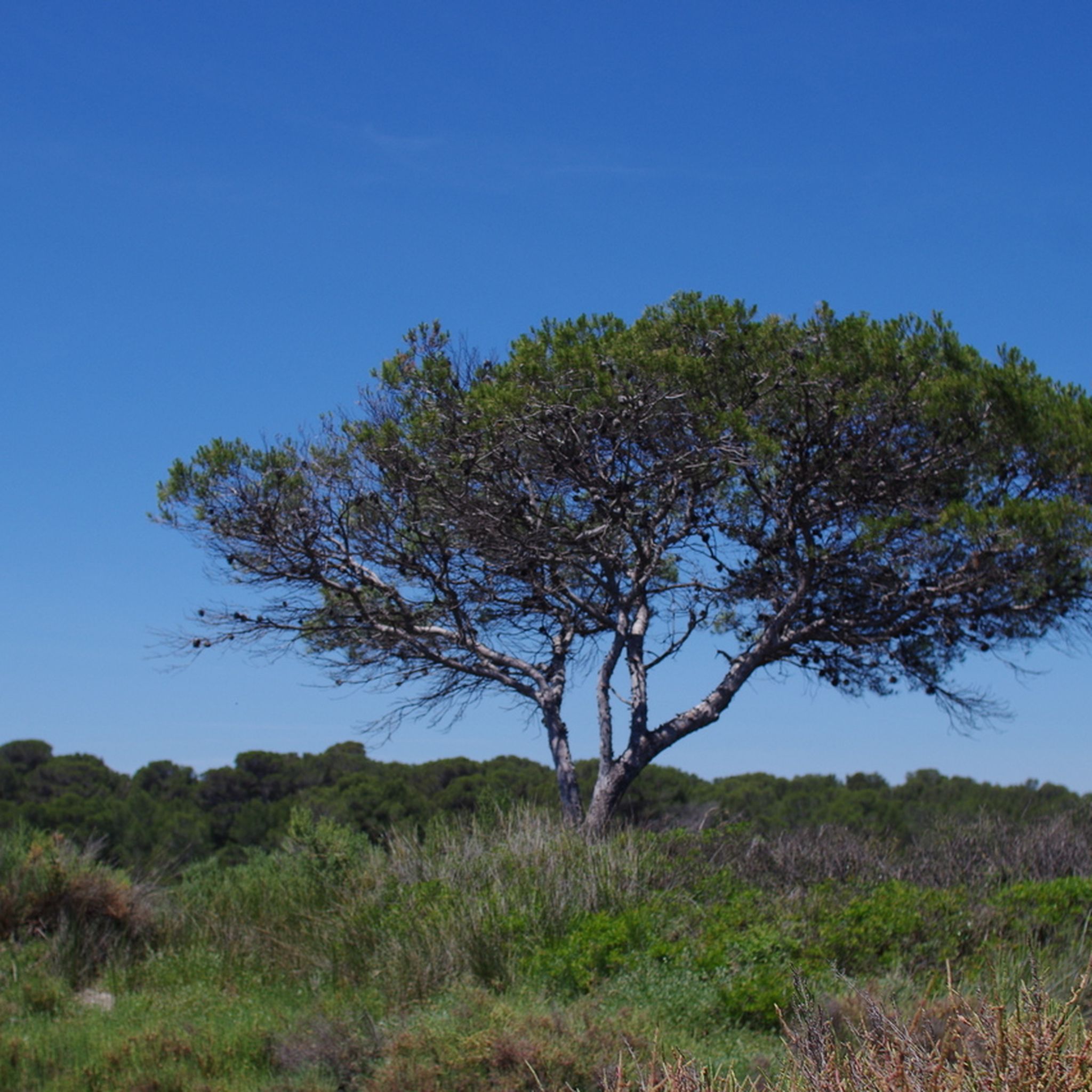
Hiking around Frontignan
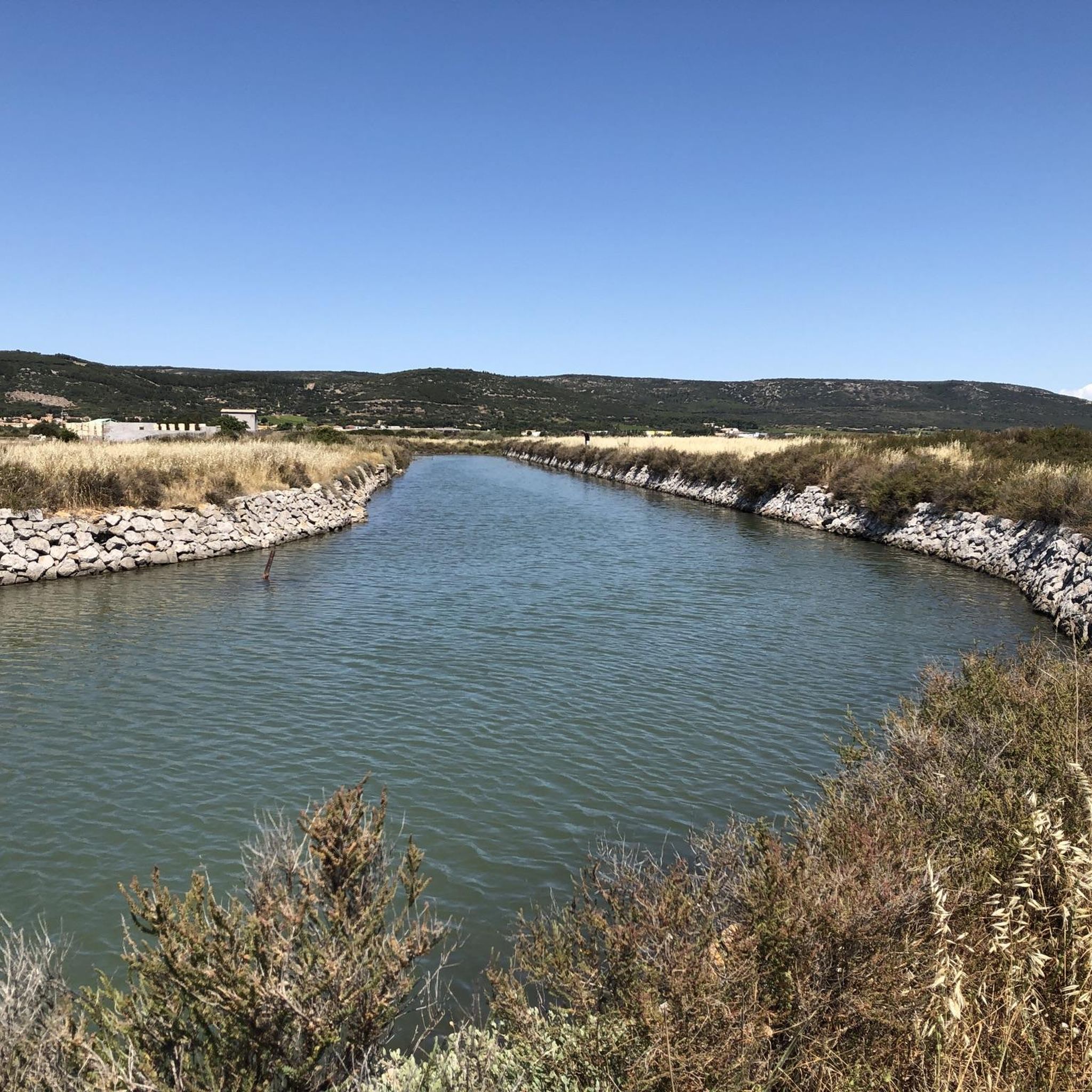
Running Trails around Frontignan
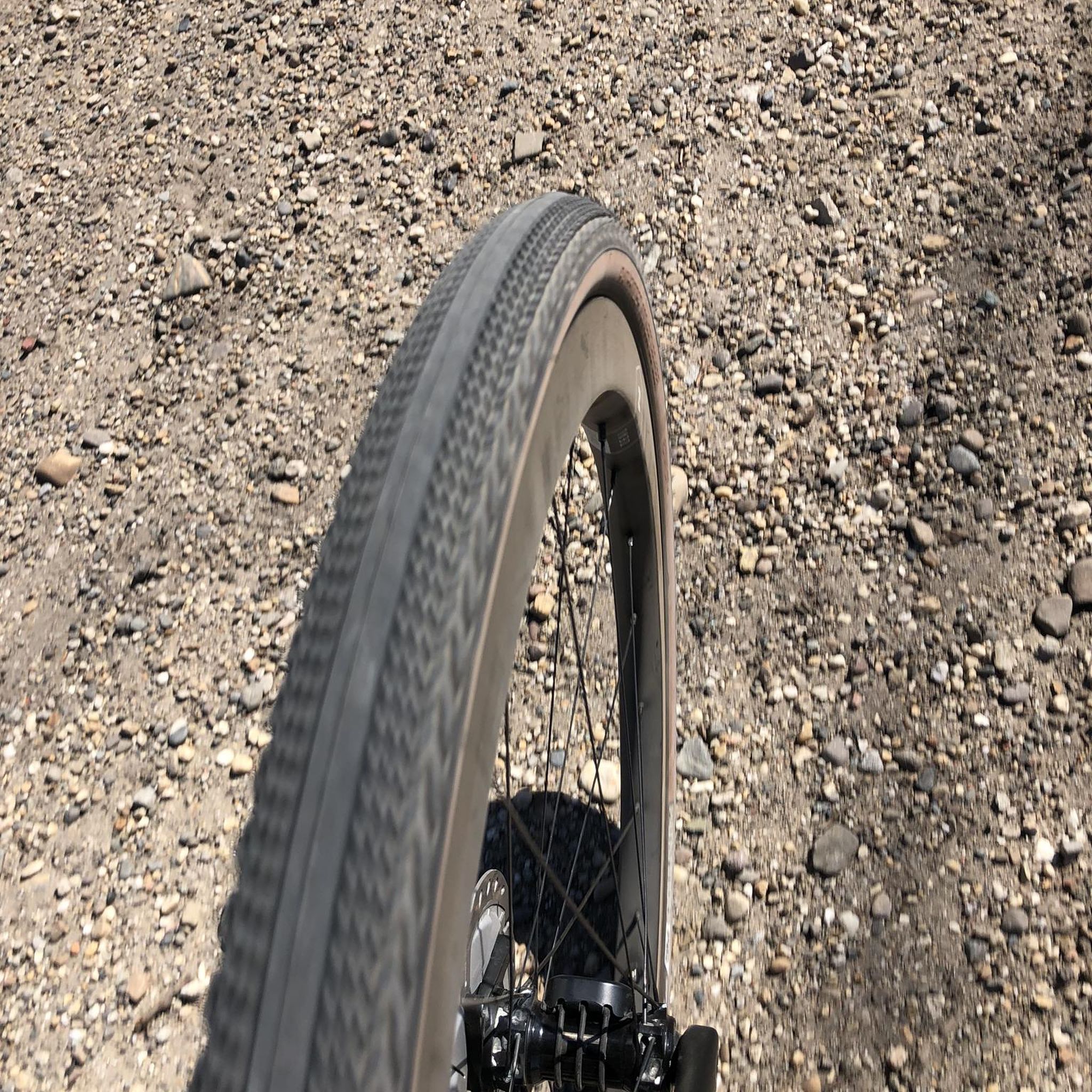
Gravel biking around Frontignan
Other adventures around Frontignan


Tips from the Community

Technical passage. Reserved for experienced mountain bikers and gravel riders!
3
0
At the Plan de Lacan, at the crossroads of several Gardiole trails, these cisterns intended for forest fire defense have been transformed into true works of street art as part of the Cit’Art project, led by the Department of Hérault. Since 2017, twelve cisterns in the massif have thus served as canvases for the creations of several artists from the Line Up collective.
3
0
From this path, the view descends towards Vic-la-Gardiole and its pond.
3
0
At the turn of the paths of La Gardiole, the ruins of the ancient abbey Saint-Félix-de-Montceau appear. The site, attested as early as 1104, was occupied for several centuries by a community of nuns, first Benedictine and then, for a period, Cistercian. The Gothic abbey church, built at the end of the 13th century, is today the most spectacular remnant of this medieval complex. Abandoned as a monastic site after the transfer of the community to Gigean in 1514, the site was long left to ruin before an association undertook its preservation in 1970. Today, the stones of the abbey church stand in the heart of the garrigue, on the northern slope of the limestone massif with the plain of Gigean in the background.
3
0
Between the Palavasian ponds and the Mediterranean, the Maguelone peninsula occupies a former island space whose history dates back to Antiquity. Old maps still show Maguelone surrounded by lagoons: in 1570, it appears as an island, and its insular position is still clearly visible on a map of the diocese of Montpellier dated 1641.
3
0
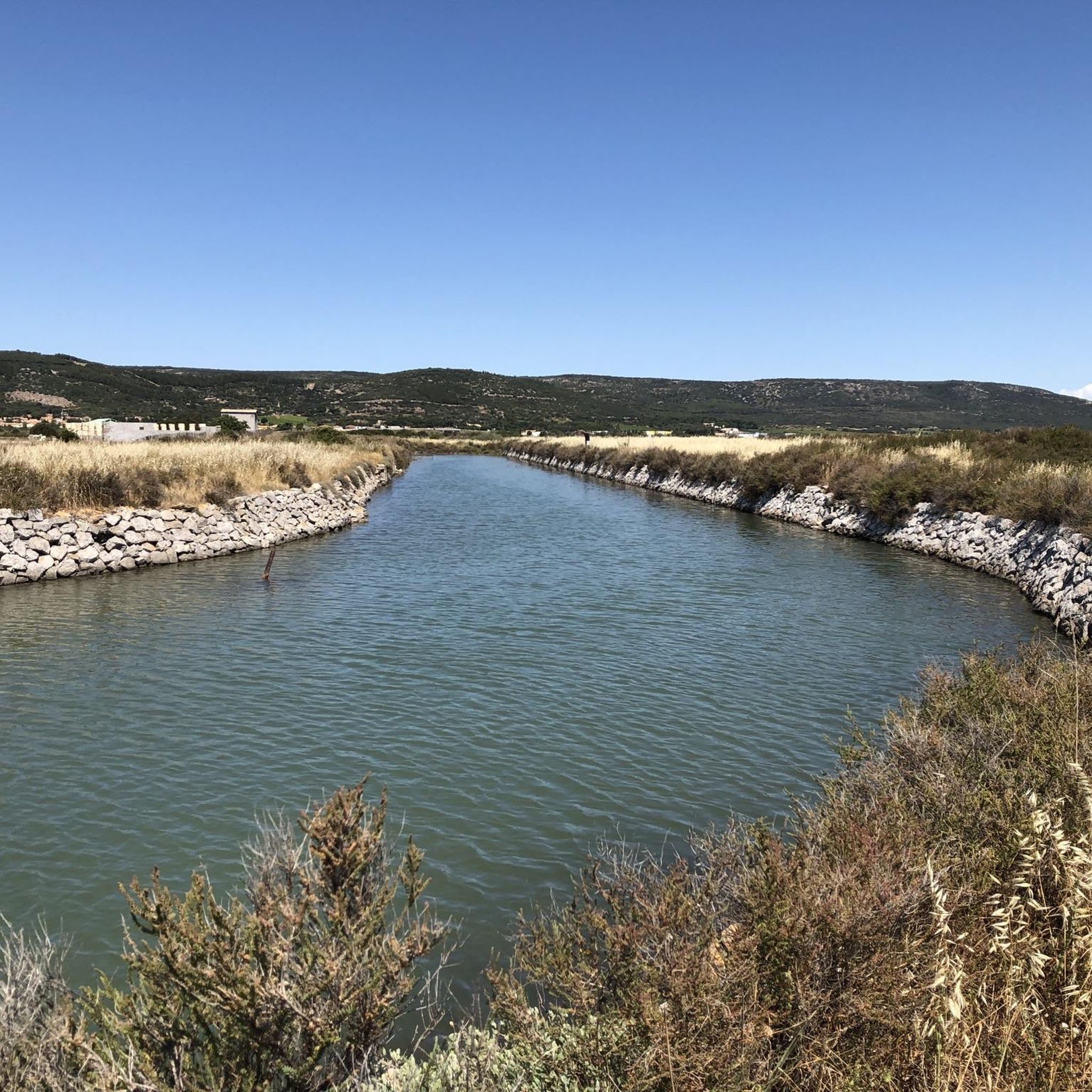
From Frontignan to Palavas-les-Flots, the route follows the Canal du Rhône à Sète through one of the major lagoon areas of the Languedoc coast. After the Étang d'Ingril and the Aresquiers, the canal successively crosses or runs alongside the Étangs de Vic and de Pierre-Blanche, then passes between those of Arnel and Prévost before reaching Palavas. The canal itself is a major historical element of this landscape. Its construction began in 1701 under the name Canal des Étangs, to ensure continuity between the Royal Canal of Languedoc — today the Canal du Midi — and the Rhône. The route, completed in 1829, passes through Frontignan, Maguelone, and Palavas before reaching Aigues-Mortes and then Beaucaire. In Frontignan, its opening in the 18th century profoundly modified the landscape: the canal notably separated the former Étang de Frontignan into two parts, giving rise to the Étang d'Ingril and that of La Peyrade.
3
0
This wooden footbridge or "Passerelle d'Ingril" allows you to cross part of the wetlands bordering the étang d'Ingril. The trail rises slightly above the marshy ground, offering direct contact with the different coastal environments of Aresquiers: lagoon, marsh, sansouïre, and pine forest. This landscape is closely linked to the history of the former salt pans of Frontignan, exploited for three centuries until 1968.
2
0
From Frontignan to Palavas-les-Flots, the route follows the Canal du Rhône à Sète through one of the large lagoon complexes on the Languedoc coast. After the Étang d'Ingril and the Aresquiers, the canal successively crosses or runs alongside the Étangs de Vic and de Pierre-Blanche, then passes between those of l'Arnel and du Prévost before reaching Palavas. The canal itself is a major historical element of this landscape. Its construction began in 1701 under the name Canal des Étangs, in order to ensure continuity between the Royal Canal of Languedoc – today the Canal du Midi – and the Rhône. The route, completed in 1829, passes through Frontignan, Maguelone and Palavas before joining Aigues-Mortes and then Beaucaire. In Frontignan, its opening in the 18th century profoundly modified the landscape: the canal notably separated the former Étang de Frontignan into two complexes, giving rise to the Étang d'Ingril and that of La Peyrade.
3
0
Frequently Asked Questions
How many mountain bike trails are there around Frontignan?
There are over 30 mountain bike trails around Frontignan, offering a diverse range of experiences. These include 12 easy routes, 19 moderate routes, and 3 more challenging options, catering to various skill levels.
What kind of terrain can I expect on mountain bike trails in Frontignan?
Frontignan's mountain bike trails feature a varied landscape, from the limestone terrain of the Gardiole Massif with its hills and canyons, to coastal paths along the Mediterranean Sea, and routes winding through local vineyards and salt marshes. You'll find a mix of elevation gains and flatter sections, often with breathtaking views.
Are there any family-friendly mountain bike trails in Frontignan?
Yes, Frontignan offers several easy mountain bike trails suitable for families. These routes often explore the flatter areas around the Étang de Thau and the salt marshes, providing a gentle ride. Look for trails with minimal elevation gain for a comfortable family outing.
What are some notable natural attractions to see while mountain biking in Frontignan?
While mountain biking, you can explore unique natural features such as the Salines de Villeneuve Nature Reserve and the Salins de Frontignan, where you might spot flamingos. The View of the Étangs and Coastline from La Gardiole offers panoramic vistas, and the View of the Creux de Miège Gorge provides another scenic highlight.
Are there mountain bike trails that offer views of the sea or lagoons?
Absolutely. Many routes in Frontignan showcase the region's unique coastal and lagoon environments. For instance, the View of Sète – Port of Mèze loop from Les Sablettes offers stunning views of the sea and the nearby port. Trails around the Étang de Thau and salt marshes also provide picturesque water views.
What is the best time of year to go mountain biking in Frontignan?
The spring and autumn months are generally ideal for mountain biking in Frontignan. The weather is milder, making for more comfortable rides. Summers can be hot, especially in July and August, so early mornings or late afternoons are preferable if riding during this period. Winters are generally mild, allowing for year-round cycling, though some trails might be muddy after rain.
Are there any circular mountain bike routes available?
Yes, many mountain bike trails in Frontignan are designed as loops, allowing you to start and finish at the same point. Examples include the Abbaye Saint Félix de Montceau – Entrance to La Gardiole loop from Frontignan, which takes you through the Gardiole massif, and the Pretty bridge over the marsh – Aresquiers Wood loop from Frontignan, exploring the salt marshes.
What do other mountain bikers say about the trails in Frontignan?
The mountain bike routes in Frontignan are highly regarded by the komoot community, with an average score of 4.4 stars from over 140 reviews. Riders often praise the diverse landscapes, from the challenging climbs in the Gardiole massif to the serene paths through salt marshes and vineyards, and the beautiful coastal views.
Are there mountain bike trails with significant elevation gain for a challenge?
Yes, if you're looking for a challenge, the Gardiole Massif offers routes with significant elevation gains. For example, the Abbaye Saint Félix de Montceau – Entrance to La Gardiole loop from Frontignan features nearly 800 meters of ascent, providing a demanding ride with rewarding panoramic views.
Can I reach mountain bike trailheads using public transport in Frontignan?
Frontignan has a local public transport network that can help you access various parts of the region. While specific trailheads might require a short ride or walk from a bus stop, the town's connectivity can facilitate reaching starting points for your mountain biking adventures. For detailed information on routes and schedules, it's best to consult local public transport resources.
Are there any easy mountain bike trails for beginners in Frontignan?
Beginners can enjoy several easy mountain bike trails in Frontignan, particularly those that traverse the flatter areas near the coast, vineyards, and around the Étang de Thau. These routes typically have minimal elevation changes and are well-suited for those new to mountain biking or looking for a relaxed ride.
Where can I find more information about mountain biking in Frontignan?
For additional details on mountain biking opportunities and local cycling events, you can visit the official Frontignan tourism website. They offer resources on various activities, including mountain biking. You can find more information at Frontignan Tourisme - Mountain Biking.
Most popular routes around Frontignan
Most popular attractions around Frontignan

Get inspired with the komoot mobile app


Explore more
Browse the best MTB trails in other regions.
