Attractions and Places To See around Magalas - Top 20
Best attractions and places to see around Magalas include a blend of historical sites, cultural experiences, and natural landscapes. This medieval village in the Hérault department of France features an 11th-century church with a carillon and remnants of its ancient ramparts. The surrounding area offers access to vineyards, scenic cycling routes, and geological formations. Visitors can explore both man-made structures and natural points of interest.
Best attractions and places to see around Magalas
- The most popular attractions is Olivettes Dam, a man-made monument that serves as a reservoir to regulate the Hérault River. This quiet and relaxing place was constructed in the late 1980s.
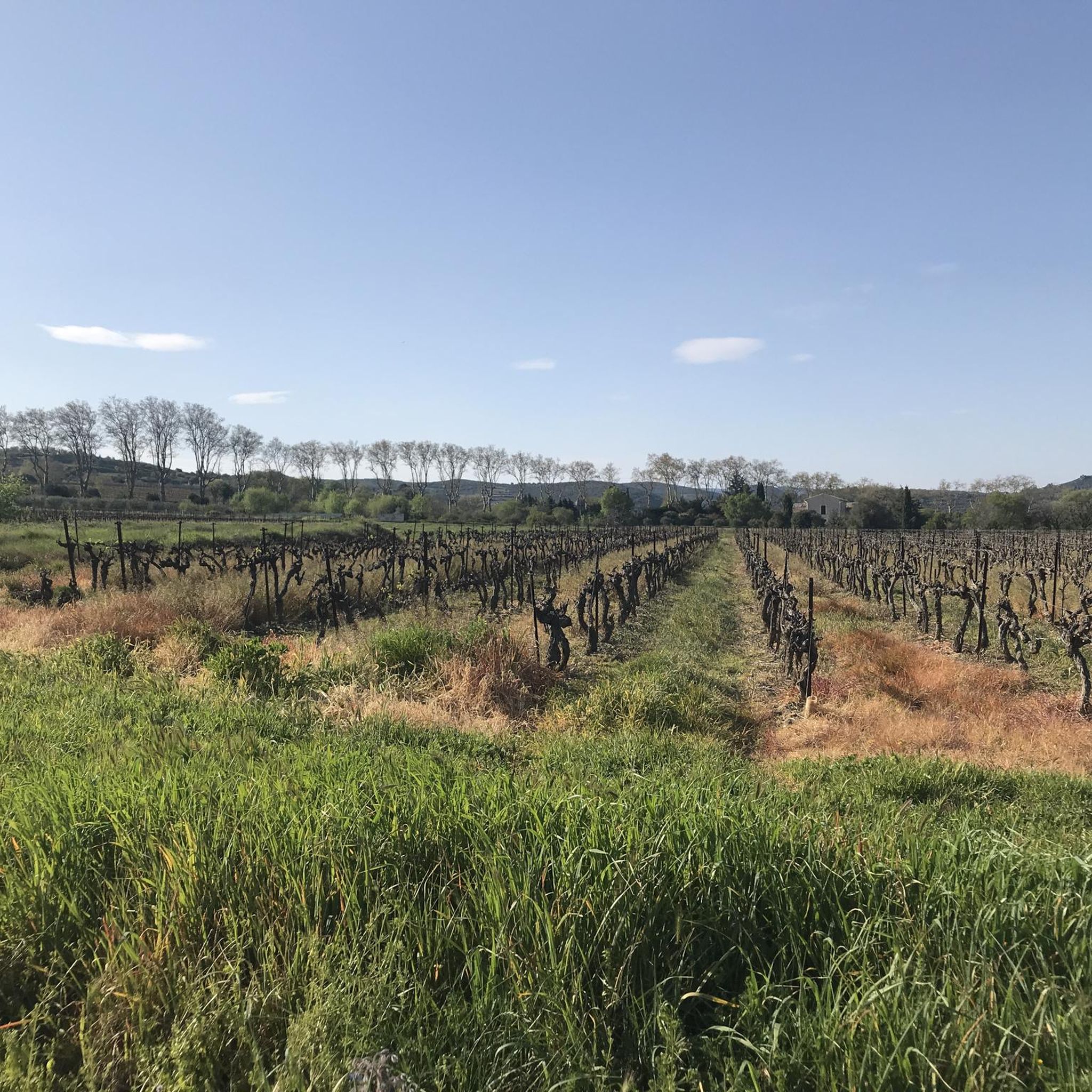
- Another must-see spot is Scenic Road Between Cabrières and Neffiès, a cycle way with excellent road conditions and outstanding views. This route is often described as a lonely road with few cars, offering a pleasant cycling experience.
- Visitors also love Tiberet Ruins, the well-preserved remains of a 12th-century mill and chapel. The site provides a pleasant setting for walks and offers a glimpse into historical functions of the buildings.
- Magalas is known for its historical architecture, winemaking tradition, and diverse natural features. The area offers a variety of attractions, from medieval village structures to scenic cycling paths and reservoirs.
- The attractions around Magalas are appreciated by the komoot community, with 24 upvotes and 10 photos shared by visitors.
Last updated: October 9, 2026
Château de Pézènes
Highlight • Castle
Its history is ancient, but the ensemble we see today is the result of several construction and transformation campaigns. The Romanesque chapel, integrated into the castle, dates back to the 12th century. Its apse was later raised in the 14th century to take on a defensive function. The castle itself underwent significant alterations in the 14th, 16th, and 17th centuries. Two gates were notably built into the enclosure in the 17th century.
The defensive elements are still very legible: two gates with arrow slits controlled access to the courtyard and were once protected by a drawbridge. Two towers flank the ensemble, while the enclosure follows the natural irregularities of the terrain. The chapel also retains a rather remarkable detail: its door and some of its bays are decorated with basalt inlays, giving the building a discreet but original polychromy.
Pézènes-les-Mines was not always the small village one might imagine today. Pézènes was the capital of a marquisate that grouped the communities of Pézènes, Montesquieu, and Valmascle. The castle was therefore at the heart of a larger seigneurial territory.
Little-known information: A plan from 1800 shows that behind the castle stretched a long terrace of about 270 meters, arranged as a garden, promenade, and belvedere overlooking the Peyne valley.
Showing Translation
Tip by

Moulins de Faugères
Highlight • Viewpoint
Showing Translation
Tip by
Sign up now to discover places like this
Get recommendations on the best single tracks, peaks, & plenty of other exciting outdoor places.
Faugères – Bédarieux via the D13E8
Highlight (Segment) • Trail
Translated by Google •
Tip by

Scenic Road Between Cabrières and Neffiès
Highlight (Segment) • Cycleway
Tip by

Grézan Castle
Highlight • Other
Showing Translation
Tip by
Sign up for free to discover even more attractions around Magalas.
Already have an account?
Start today with a free account
Your next adventure awaits.

Tips from the Community

The castle overlooks Pézènes-les-Mines from the upper part of the village. This castle is private, but its facades, roofs, and enclosure have been protected as historical monuments since 1981. Its history is ancient, but the ensemble we see today is the result of several construction and transformation campaigns. The Romanesque chapel, integrated into the castle, dates back to the 12th century. Its apse was later raised in the 14th century to take on a defensive function. The castle itself underwent significant alterations in the 14th, 16th, and 17th centuries. Two gates were notably built into the enclosure in the 17th century. The defensive elements are still very legible: two gates with arrow slits controlled access to the courtyard and were once protected by a drawbridge. Two towers flank the ensemble, while the enclosure follows the natural irregularities of the terrain. The chapel also retains a rather remarkable detail: its door and some of its bays are decorated with basalt inlays, giving the building a discreet but original polychromy. Pézènes-les-Mines was not always the small village one might imagine today. Pézènes was the capital of a marquisate that grouped the communities of Pézènes, Montesquieu, and Valmascle. The castle was therefore at the heart of a larger seigneurial territory. Little-known information: A plan from 1800 shows that behind the castle stretched a long terrace of about 270 meters, arranged as a garden, promenade, and belvedere overlooking the Peyne valley.
2
0
At first glance, three towers standing against the wind are particularly noticeable. However, this site is much more than a viewpoint. The windmills of Faugères were built in the 16th century, at a time when cereals still occupied an essential place in the local economy. Their location is probably no accident: according to tradition and local heritage studies, they were established on older towers, probably of Gallo-Roman origin, which already occupied this strategic position. Already noted in ruins on the Cassini map of 1777, the mills briefly regained their activity thanks to the Rivière brothers from 1829, before being abandoned again. It was not until the 1990s that an ambitious restoration brought the site back to life. Since 1998, one of the mills has been operating again with a traditional mechanism and 19th-century millstones. From the orientation table, the view extends 360° over the Faugères vineyards, the Mediterranean, the Cévennes, the Lozère, and, on a clear day, as far as the Pyrenees.
2
0
Le Château de Grézan is a fascinating historical trompe-l'œil. Behind its medieval fortress appearance hides a 19th-century creation, built on a site occupied since Roman times and which became a commandery of the Hospitallers in the 12th century. Destroyed during the Revolution, the estate is reborn under the impetus of Gabriel de Mirepoix and the architect Louis Garros, in a style inspired by Viollet-le-Duc. With its ramparts, towers, and enclosure, it fully deserves its nickname of “Little Carcassonne” and is one of the most surprising wine castles in Languedoc.
2
0

The Faugères mill is a superb site that you absolutely must visit. Entrance is €2 and the mill is closed in March.
0
1


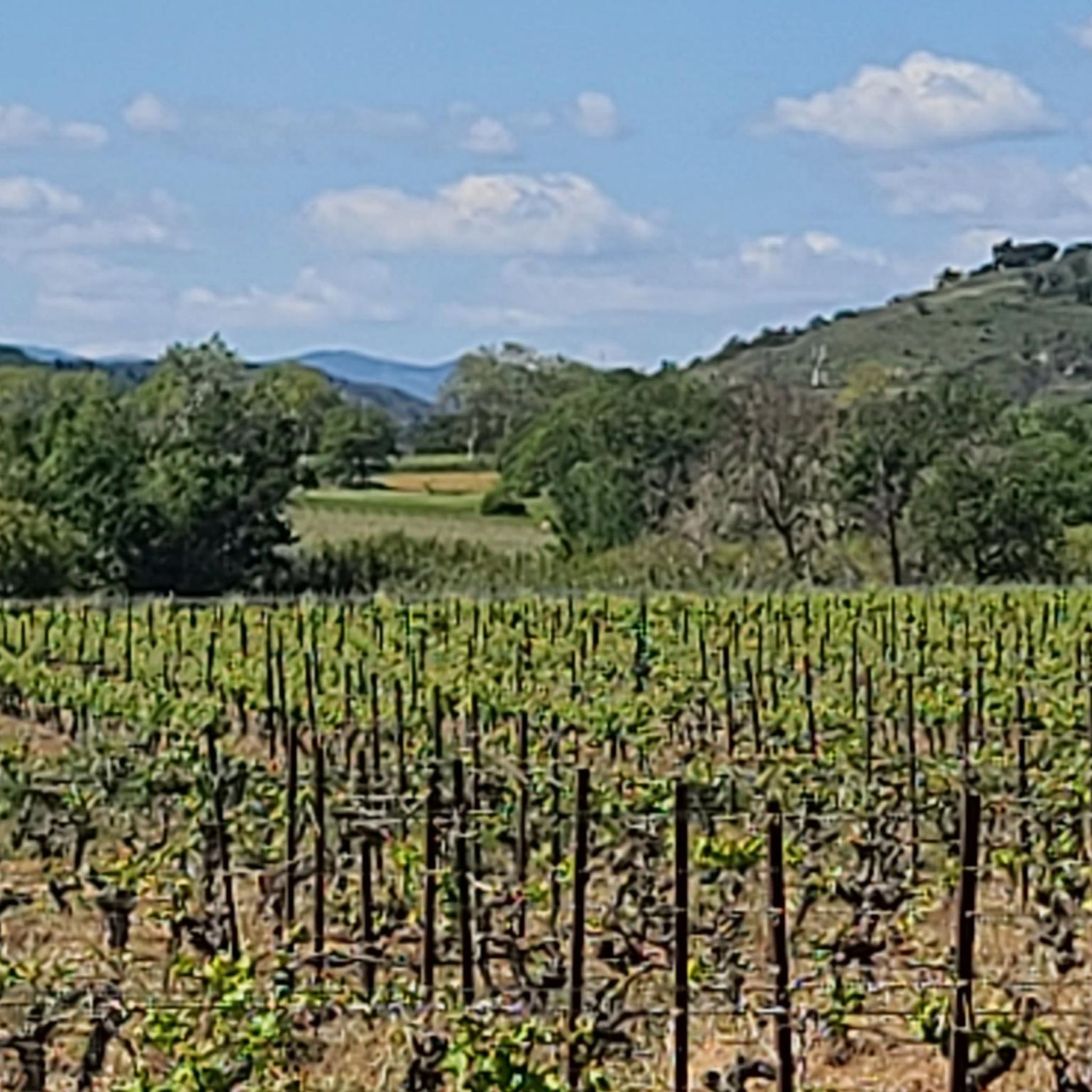
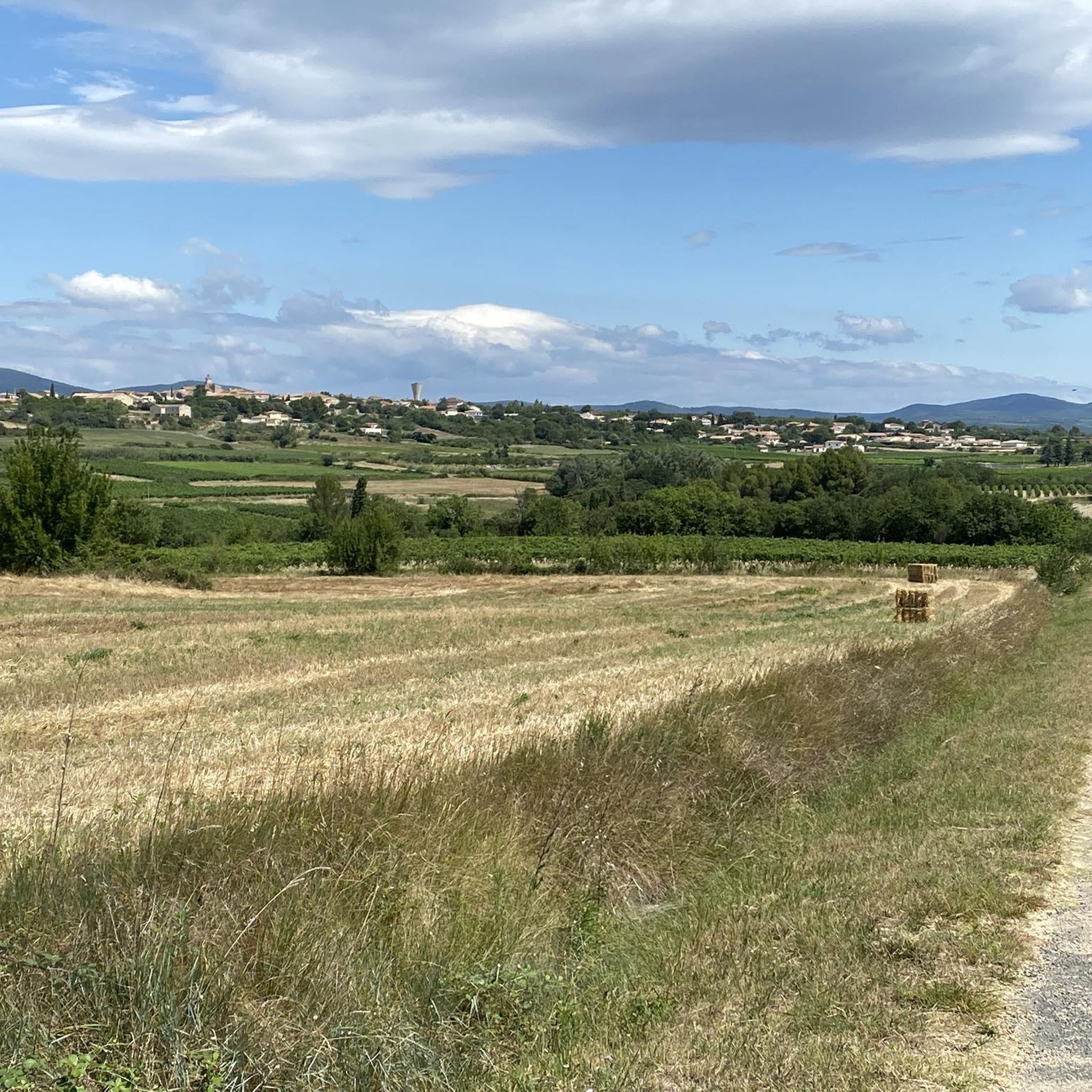
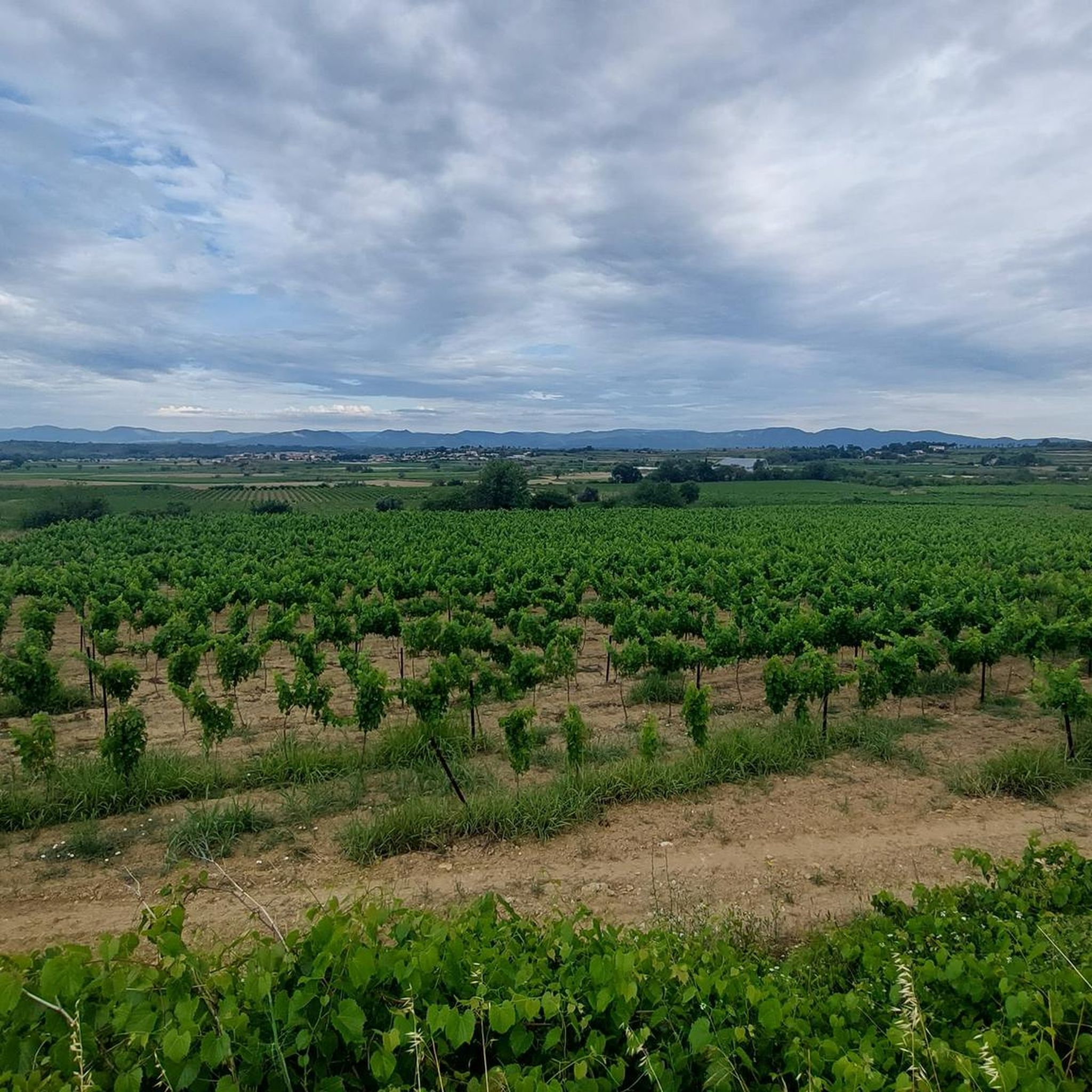
Superb segment located on the V84 / Véloccitanie which connects Béziers to Bédarieux, as well as in the Haut-Languedoc regional natural park. It crosses 3 of the 18 landscape units of the park: the Coteaux Viticoles du Faugérois, the Serres, valleys, basins and small causses of the Avants-Monts, and finally the Plains and Coteaux de l'Orb Moyen. On this road, fields of olive trees follow arbutus trees, holm oaks, cork oaks, chestnut trees, and shade the vineyards. Aromatic herbs perfume the air, dry stone walls line the path. It is a little-traveled road, which invites meditation. Did you dream of the south? You are there, without concession.
1
0

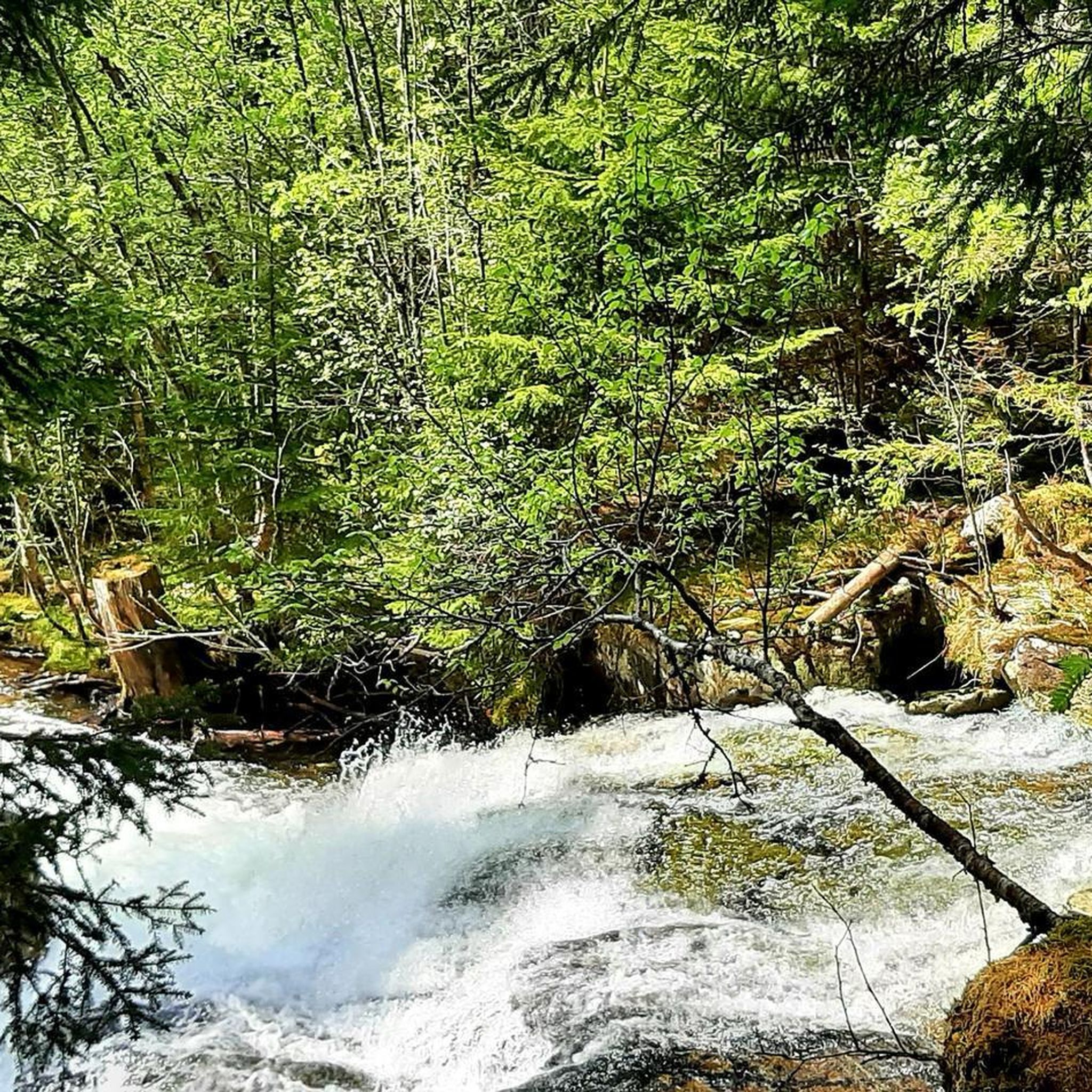
lonely, small road, meandering up and down the creek valley, deep dark forests to the right and left, broom in bloom everywhere
1
0

Frequently Asked Questions
What historical sites can I explore within Magalas village?
Magalas is rich in history. You can explore its 11th-century church, which features a notable carillon and a north portal listed as a historic monument. Wander through the old streets to discover remnants of ancient ramparts, vaulted passages, and historical doors like the fortified "Pindries." The village's medieval layout and structures offer a glimpse into its past.
Are there any ancient ruins or archaeological sites near Magalas?
Yes, you can visit the well-preserved Tiberet Ruins, which are the remains of a 12th-century mill and chapel, offering a pleasant setting for walks. Additionally, evidence of Gallo-Roman occupation, including aqueducts and pottery, has been found on the Montfo hill to the east of Magalas.
What natural features or scenic spots are there around Magalas?
The area around Magalas offers several natural and scenic spots. The Olivettes Dam is a quiet reservoir built to regulate the Hérault River, providing a relaxing place to visit. Further afield, you can explore the dramatic landscapes of the Cirque de Mourèze, approximately 20 km away, or the beautiful Mont Caroux, about 24 km from Magalas.
Are there good cycling routes around Magalas?
Absolutely. Magalas is situated along the Véloccitanie (V84), a scenic road connecting Béziers to Bédarieux. This route traverses diverse landscapes including vineyards and olive groves. Highlights for cyclists include the Scenic Road Between Cabrières and Neffiès, known for its excellent conditions and outstanding views, and the Faugères – Bédarieux via the D13E8, which winds through deep forests and vineyards. For more cycling options, explore the Road Cycling Routes around Magalas or Cycling around Magalas guides.
What hiking opportunities are available near Magalas?
You'll find various hiking opportunities around Magalas. The area offers paths through vineyards and Mediterranean flora, with sites like the Tiberet Ruins providing a pleasant walking destination. For detailed routes, you can check the Hiking around Magalas guide, which includes trails like the 'Tour de Puissalicon loop from Magalas'.
What is the significance of winemaking in Magalas?
Winemaking is a strong tradition in Magalas. The village is surrounded by vineyards, and the local winegrowers focus on quality production. The cooperative cellar, opened in 1936, stands as a testament to this heritage, highlighting the region's deep connection to wine culture.
Are there any family-friendly attractions or activities in the Magalas area?
While specific family-focused attractions are not detailed, the Olivettes Dam offers a quiet and relaxing environment suitable for a family outing, with picnic and barbecue tables available downstream. The scenic roads and gentle paths around the vineyards also provide opportunities for easy family walks or bike rides.
What nearby towns or villages are worth visiting from Magalas?
Several charming towns and villages are a short drive from Magalas. Béziers, 14 km south, boasts numerous monuments and a protected historical center, including the Fonseranes 9 Locks. Roquebrun, 16 km west, is known for its picturesque setting and Mediterranean garden. Pézenas, 16 km east, is celebrated for its unspoiled character and diverse architecture. Further out, Saint-Guilhem-le-Désert, about 39 km away, is a heritage site with an ancient abbey.
What do visitors enjoy most about the attractions around Magalas?
Visitors particularly appreciate the blend of historical charm and natural beauty. The quiet and relaxing atmosphere of places like the Olivettes Dam is often highlighted. Cyclists enjoy the excellent road conditions and outstanding views on routes such as the Scenic Road Between Cabrières and Neffiès, often described as lonely and peaceful. The well-preserved Tiberet Ruins are valued for their historical insight and pleasant setting for walks.
Is there a garden or park to visit near Magalas?
Yes, the Parc et jardin du château de Margon is located just 7 km from Magalas. This remarkable garden provides a beautiful green space perfect for a leisurely stroll and enjoying the local flora.
Can I find quiet roads for cycling without much traffic?
Yes, many of the cycling routes in the region, particularly sections of the Véloccitanie (V84), are known for being quiet with minimal traffic. For instance, the Scenic Road Between Cabrières and Neffiès and the Local road from La Médailhe to Rec d'Oulette are often described as lonely roads where you can feel alone amidst vineyards and fruit trees.
Most popular routes around Magalas
Most popular attractions around Magalas

Get inspired with the komoot mobile app


Explore more
Still not found the Highlight you’re looking for? See guides of the top attractions in other regions:
