Attractions and Places To See around Saint-Sauveur-Camprieu - Top 20
Best attractions and places to see around Saint-Sauveur-Camprieu include a blend of natural wonders and cultural sites within the Cévennes National Park. This region features significant mountains, underground rivers, and serene lakes. Visitors can explore diverse landscapes, from ancient arboretums to historical hamlets. The area offers opportunities for outdoor activities and cultural discovery.
Best attractions and places to see around Saint-Sauveur-Camprieu
- The most popular attractions is The 4000 Steps, a summit that is a challenging path leading to the…
Last updated: July 20, 2026
The 4000 Steps
Highlight (Segment) • Summit
In …
Translated by Google •
Tip by

Mont Aigoual
Highlight • Other
Translated by Google •
Tip by

Sign up now to discover places like this
Get recommendations on the best single tracks, peaks, & plenty of other exciting outdoor places.
Sign up for free
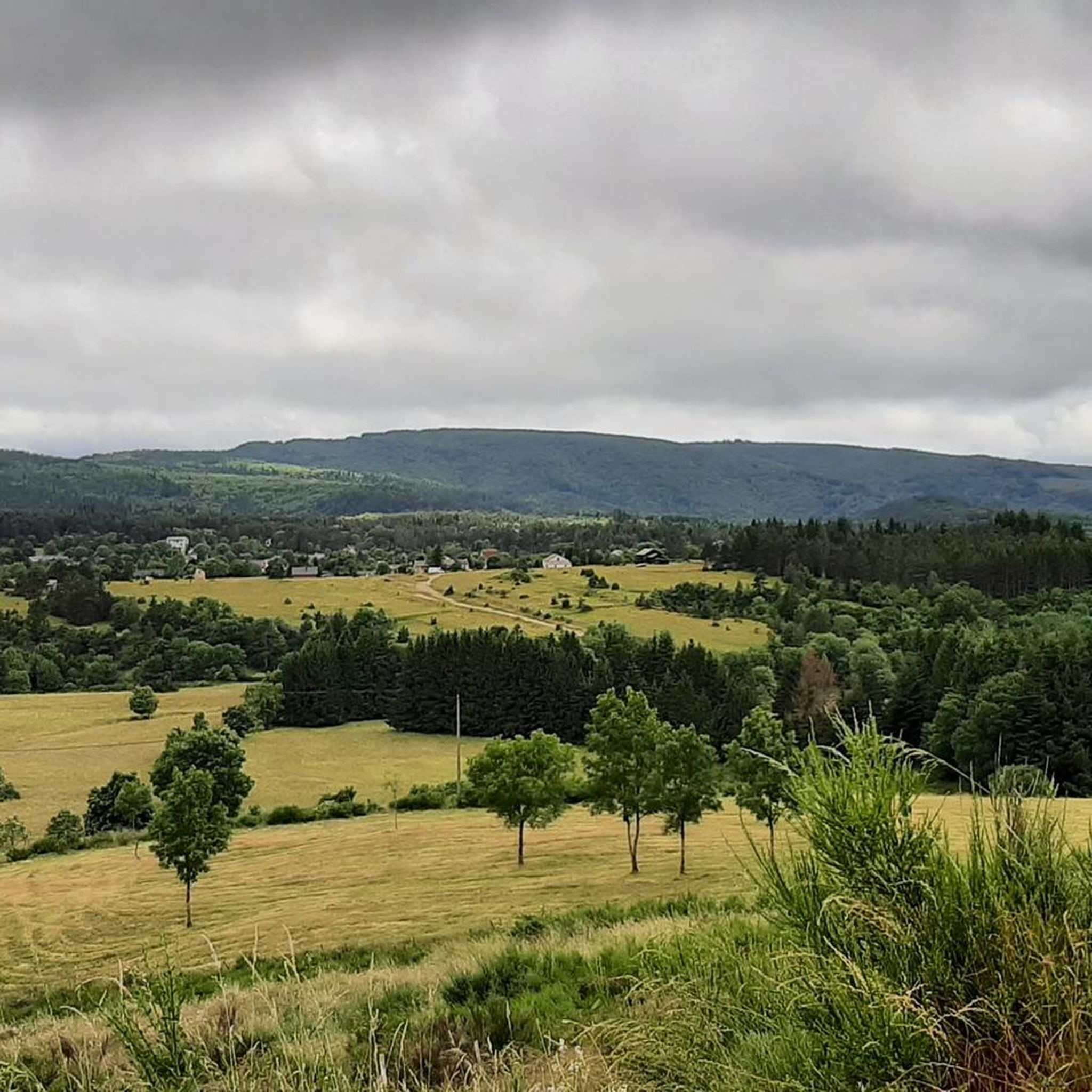
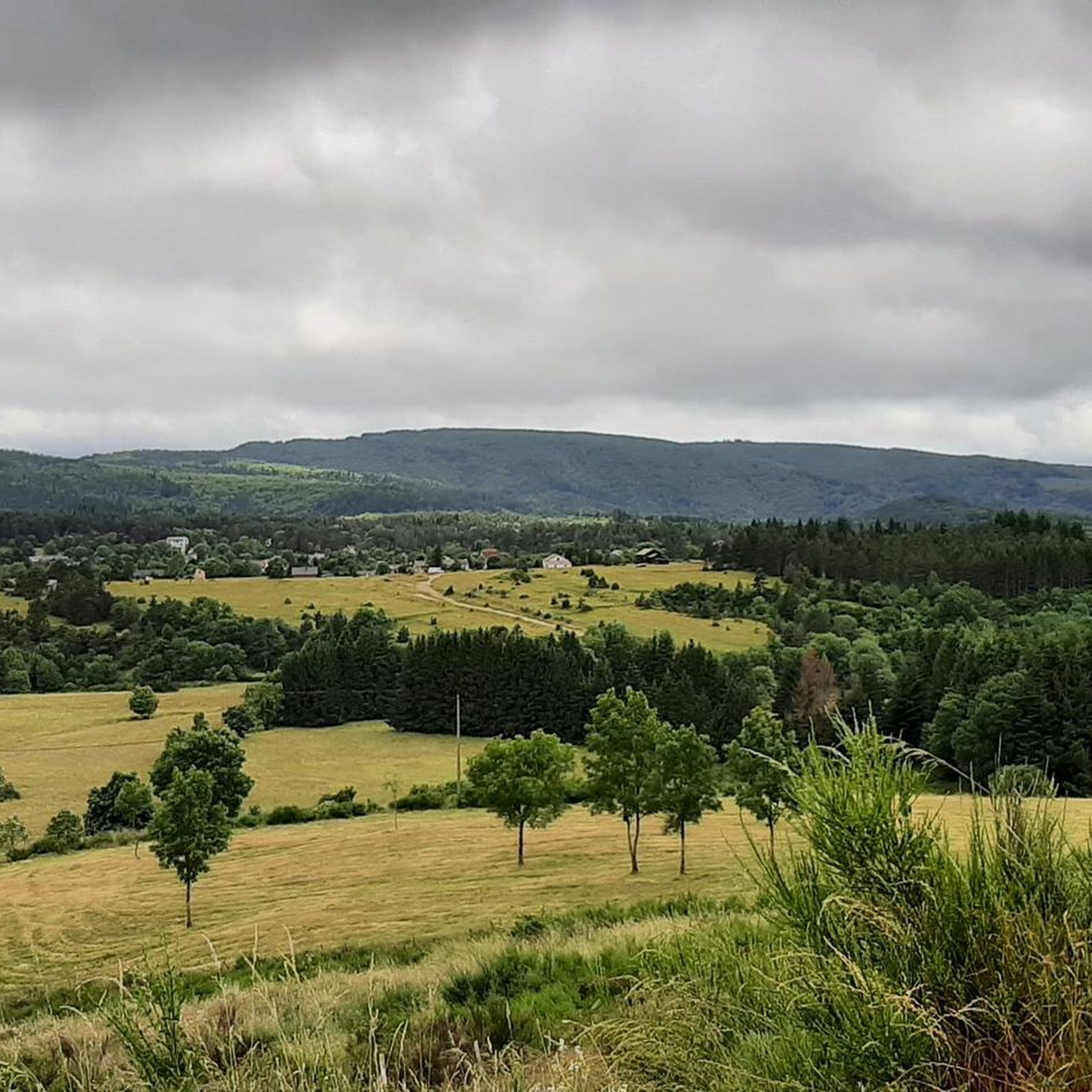
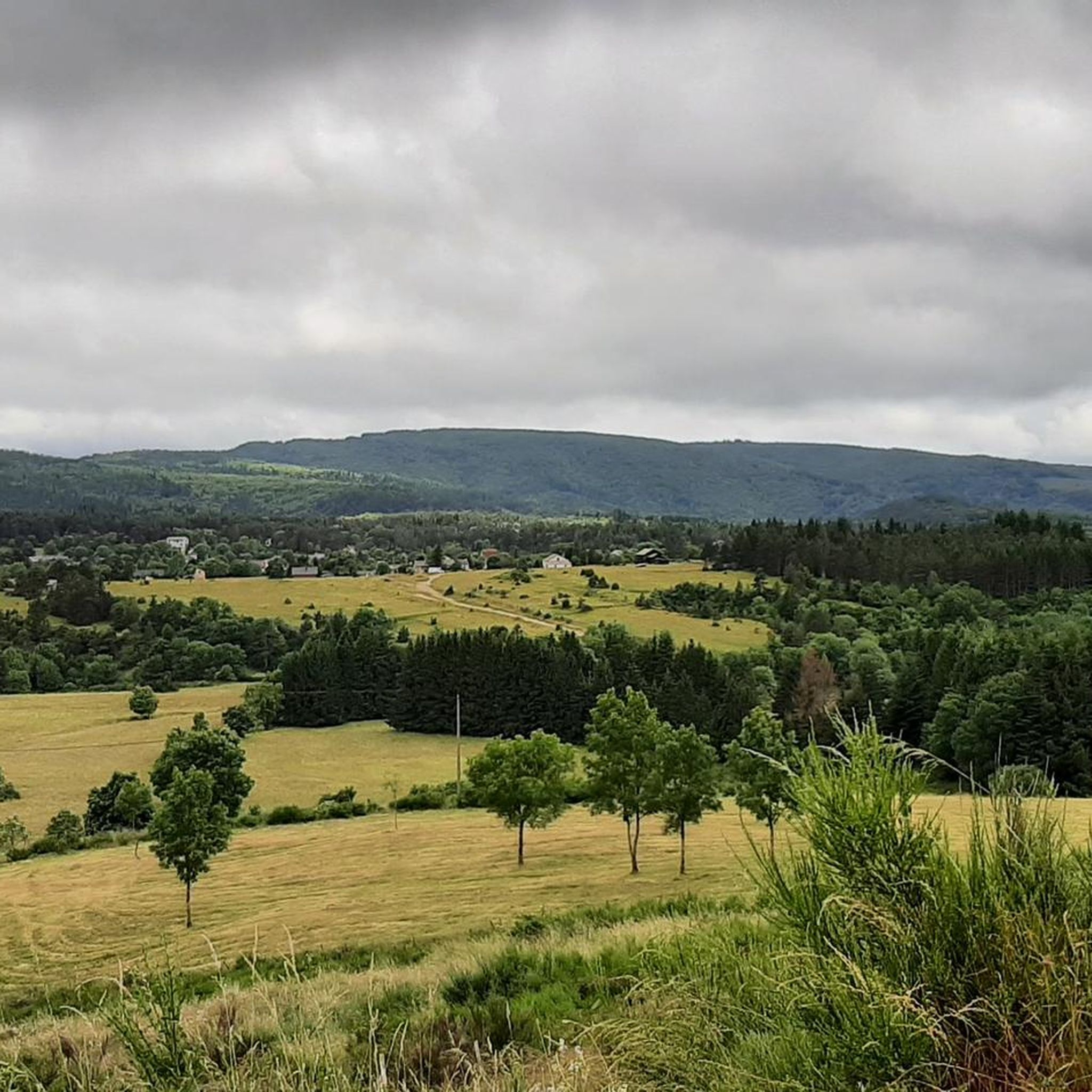
Beautiful view of the Cévennes
Highlight • Other
Translated by Google •
Tip by

Mount Aigoual
Highlight • Summit
It also lies on the border between the Gard and …
Translated by Google •
Tip by
Minier Pass
Highlight • Mountain Pass
Translated by Google •
Tip by
Sign up for free to discover even more attractions around Saint-Sauveur-Camprieu.
Sign up for free
Already have an account?
Start today with a free account
Your next adventure awaits.
Login or Signup

Tips from the Community

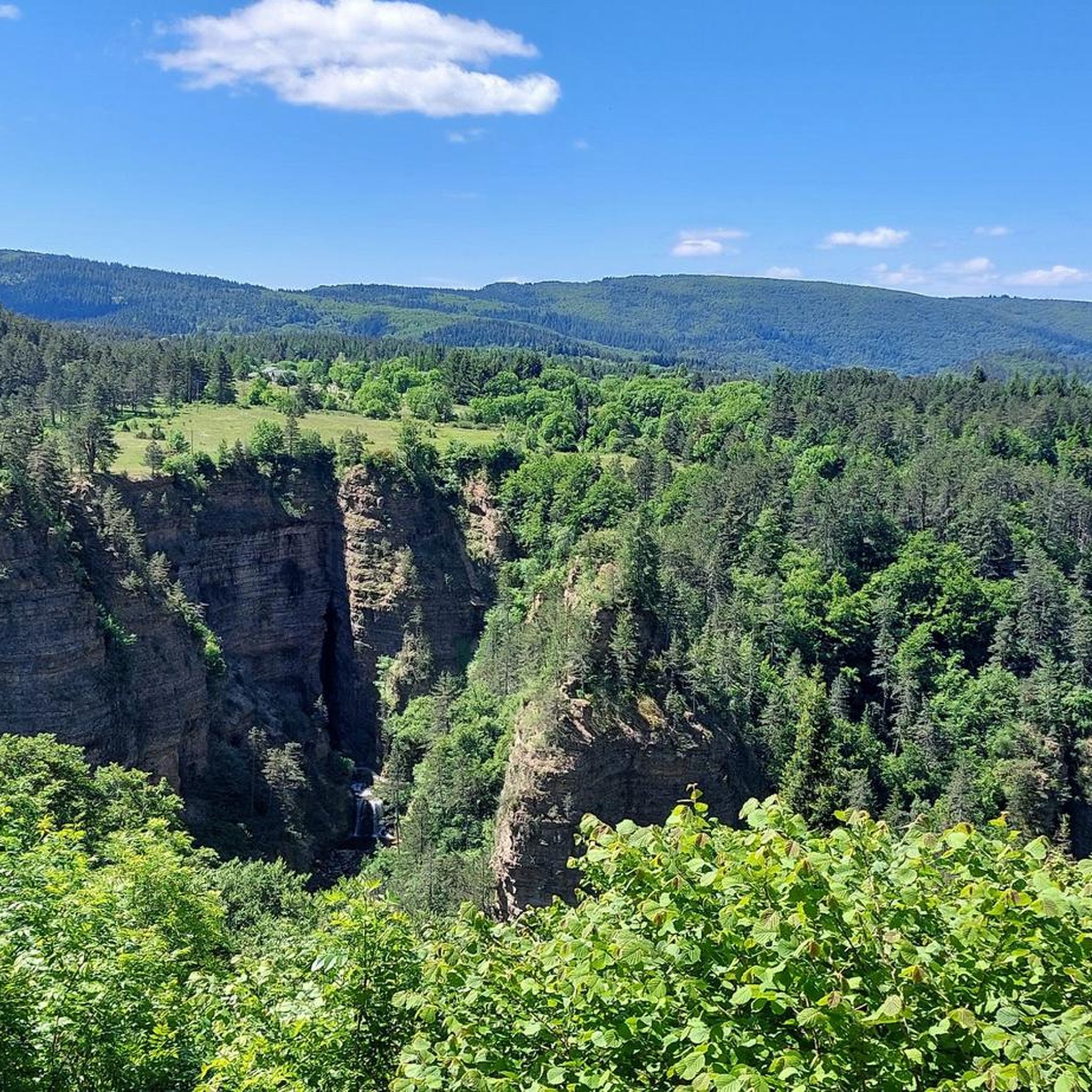
Sublime point, view of the Cévennes and the Mediterranean Sea in good weather
0
0

Under the title "France's Wild South," an episode of the British television series "National Parks – Protected Natural Wonders" on 3sat presents the Cévennes mountains. The accompanying text on the website states: "Lush green mountains, barren plateaus, and deep gorges characterize this landscape, which, unlike France's coasts, has not yet been discovered by mass tourism. It also boasts some of the country's most spectacular river landscapes." The compelling documentary, available in German, can be viewed in the media library at the following link: https://www.3sat.de/dokumentation/nationalparks-geschuetzte-naturwunder/nationalparks-geschuetzte-naturwunder-cevennen-frankreichs-wilder-sueden-102.html
0
0

This pass, discreetly nestled among the fir trees, is a great road and pedestrian crossing. It also allows cyclists and gravel enthusiasts to take the trails that go a little deeper into the coniferous forests.
0
0

This small sacred monument, too, is a symbol of remembrance of the crucifixion and resurrection of Jesus Christ. However, its design is very unique and unlike the usual crosses that often crown mountain peaks. At the end of the triangular base plate, a small wall appears to have been built, its sides terminating in the shape of a stepped gable. In the center is a V-shaped cutout, the ends of which extend significantly beyond the height of the small wall. From this V emerges the longitudinal beam of the cross, which, however, has two crossbeams. This double crossbeam, as well as the lack of a corpus, is typical of the so-called "Lorraine Cross."
3
0

Lovely running climb, at the beginning through the forest it is nice to cycle. After that the road surface becomes a bit worse. Nice running climb.
0
0

Wonderful mountain with a wonderful view. We stayed there on our long-distance hike from Tarifa (Spain) to Switzerland and can highly recommend the camp.
4
0

Very nice place to contemplate the surrounding landscapes in favorable weather conditions. Presence of a bar/restaurant and a panoramic table at height.
2
0
Frequently Asked Questions
What natural wonders can I explore in the Saint-Sauveur-Camprieu area?
The region is rich in natural wonders. You can visit the impressive Abîme de Bramabiau, where the Bonheur river disappears underground and re-emerges as the Bramabiau, carving out unique galleries. Another significant natural feature is Mont Aigoual, one of the southernmost peaks of the Massif Central, offering opportunities for hiking and discovering local flora and fauna. Don't miss the serene Lac du Bonheur, perfect for relaxation and trout fishing.
Are there any historical or cultural sites to visit?
Yes, Saint-Sauveur-Camprieu offers several cultural and historical points of interest. Explore the Arboretum de Saint-Sauveur-des-Pourcils, part of a reforestation program, featuring diverse tree species and an easy, family-friendly walk. The nearby Hameau de Saint-Sauveur-des-Pourcils has an old church and a cemetery reflecting a rich history of religious diversity. You can also learn about local archaeology and crafts at La Maison du Bois.
What kind of hiking trails are available around Saint-Sauveur-Camprieu?
The area offers a variety of hiking experiences. A notable challenging path is The 4000 Steps, a 9.5 km trail with a 1200 m elevation gain leading to the observatory of Aigoual. For a historical walk, consider the Chemin des Morts, an ancient path offering exceptional views. You can find more options, including moderate and difficult running trails, in the Running Trails around Saint-Sauveur-Camprieu guide.
Can I find family-friendly activities in the region?
Absolutely. The Arboretum de Saint-Sauveur-des-Pourcils offers an easy and family-friendly walk amidst diverse tree species. The Lac du Bonheur is a popular spot for picnics and accessible trout fishing. Additionally, La Maison du Bois hosts summer exhibitions, workshops, and animations that can be engaging for families.
What are the best viewpoints in the Saint-Sauveur-Camprieu area?
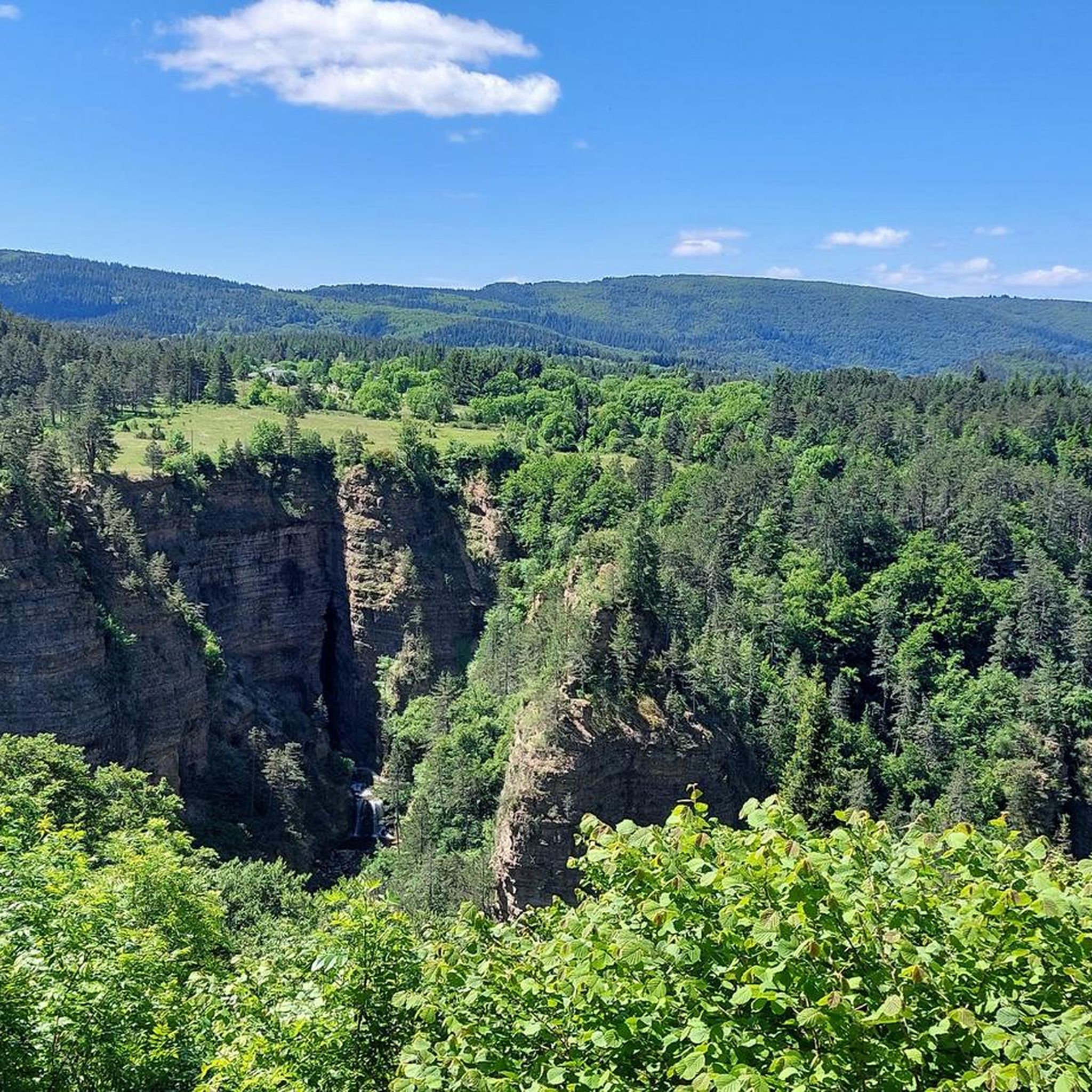
For breathtaking panoramas, head to Mont Aigoual, which features a meteorological station and offers extensive views. The Beautiful view of the Cévennes highlight also provides stunning vistas of the mountains. On a clear day from Mont Aigoual, the panorama can stretch from the Alps to the Pyrenees and the Mediterranean.
Are there cycling or mountain biking opportunities near these attractions?
Yes, the region is excellent for cycling and mountain biking. You can explore various routes, including challenging ones like the 'Tour of Mont Aigoual' for road cycling, or 'Draille Descent – Mont Aigoual loop' for MTB. Discover more options in the Cycling around Saint-Sauveur-Camprieu guide and the MTB Trails around Saint-Sauveur-Camprieu guide.
What is the significance of the Mont Aigoual meteorological station?
The meteorological station on Mont Aigoual is notable for its location at 1,565 meters, making it one of the southernmost peaks of the Massif Central. It's renowned for its extreme weather conditions, including abundant precipitation, strong winds, and fog, and plays a crucial role in weather observation for the region.
What is the UNESCO World Heritage site near Saint-Sauveur-Camprieu?
The region is part of the Les Causses et les Cévennes, paysage culturel de l'agro-pastoralisme méditerranéen UNESCO World Heritage site. This designation recognizes the unique landscape of mountains and deep valleys that illustrate the enduring relationship between agropastoral systems and their biophysical environment.
What unique natural landmarks can be found in the area?
Beyond the well-known sites, you can find the ancient Le Hêtre du Suquet, a remarkable beech tree that predates the reforestation of the Aigoual massif. The Perte du Bonheur is also a unique natural feature, marking the specific chasm where the Bonheur river disappears underground before re-emerging at Abîme de Bramabiau.
Are there any unique artistic or craft experiences available?
Yes, the area is home to local artists. For example, Bernard Amasse, a self-taught sculptor living near Camprieu, creates works from wood, stone, and bronze, often reflecting musical waves in feminine forms. You can also find workshops and exhibitions at La Maison du Bois.
What is special about the Minier Pass?
The Minier Pass, at an altitude of 1,264 meters, is uniquely situated on the watershed line between the Mediterranean Sea and the Atlantic Ocean. It's also located near a small waterfall, which can be a refreshing stop after a climb, and offers trails deeper into the coniferous forests for cyclists and pedestrians.
What do visitors enjoy most about the attractions around Saint-Sauveur-Camprieu?
Visitors particularly appreciate the stunning panoramic views from peaks like Mont Aigoual and the challenging yet rewarding experience of trails like The 4000 Steps. The natural beauty of the Cévennes mountains, the unique geological formations like Abîme de Bramabiau, and the serene atmosphere of places like Lac du Bonheur are frequently highlighted.
Most popular routes around Saint-Sauveur-Camprieu
Most popular attractions around Saint-Sauveur-Camprieu

Get inspired with the komoot mobile app


Explore more
Still not found the Highlight you’re looking for? See guides of the top attractions in other regions:
