Attractions and Places To See around Ouessant - Top 19
Best attractions and places to see around Ouessant include its wild landscapes, maritime history, and cultural heritage. This French island, a UNESCO Biosphere Reserve, is known for its dramatic headlands, numerous lighthouses, and unique flora and fauna. Visitors can explore a diverse range of natural and cultural sites, offering insights into island life and its rugged environment.
Best attractions and places to see around Ouessant
- The most popular attractions is Créac'h Lighthouse, a man-made monument that is one of…
Last updated: August 17, 2026
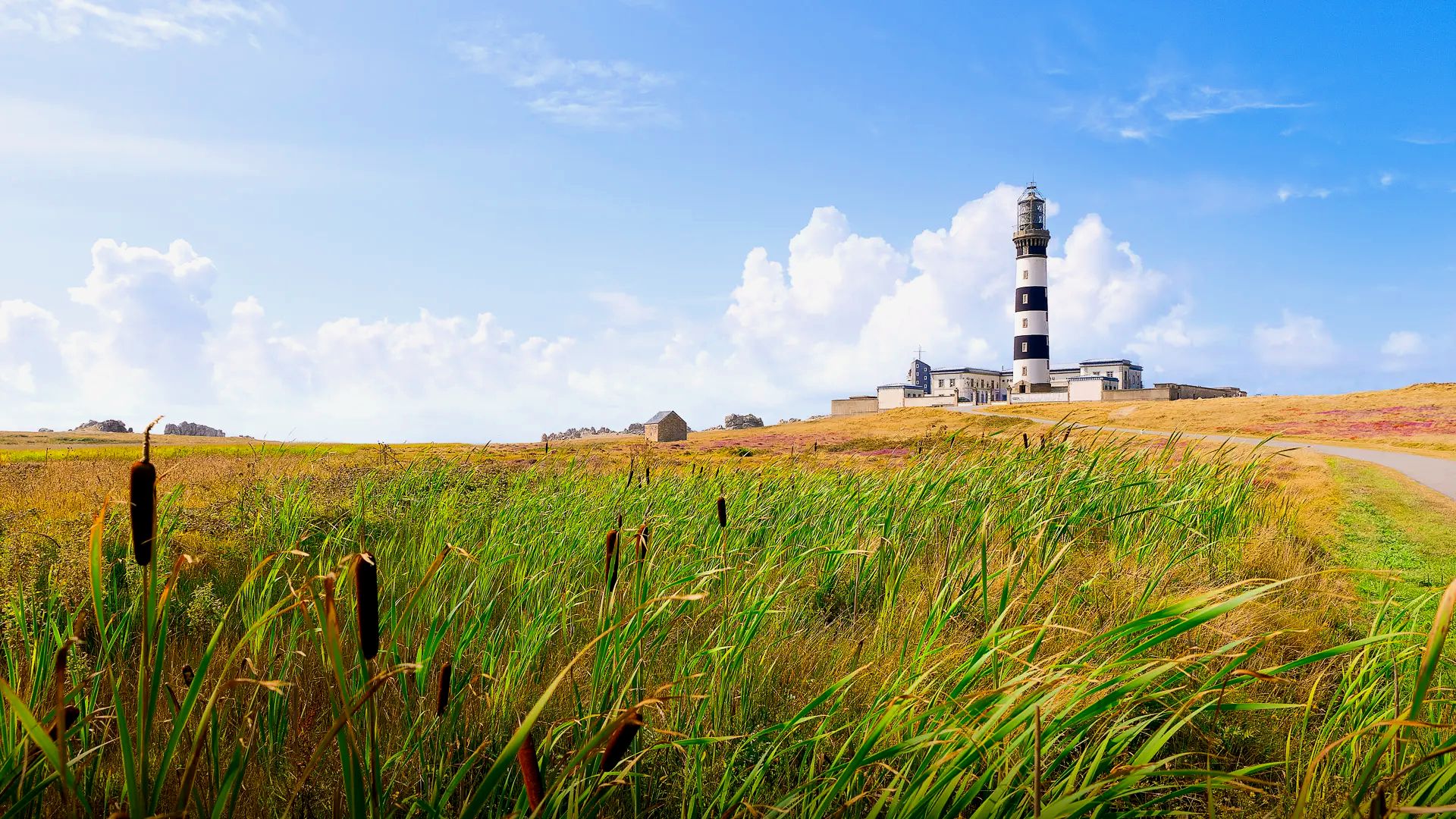
Créac'h Lighthouse
Highlight • Monument
Translated by Google •
Tip by

Lampaul
Highlight • Religious Site
Translated by Google •
Tip by
Sign up now to discover places like this
Get recommendations on the best single tracks, peaks, & plenty of other exciting outdoor places.
Sign up for free
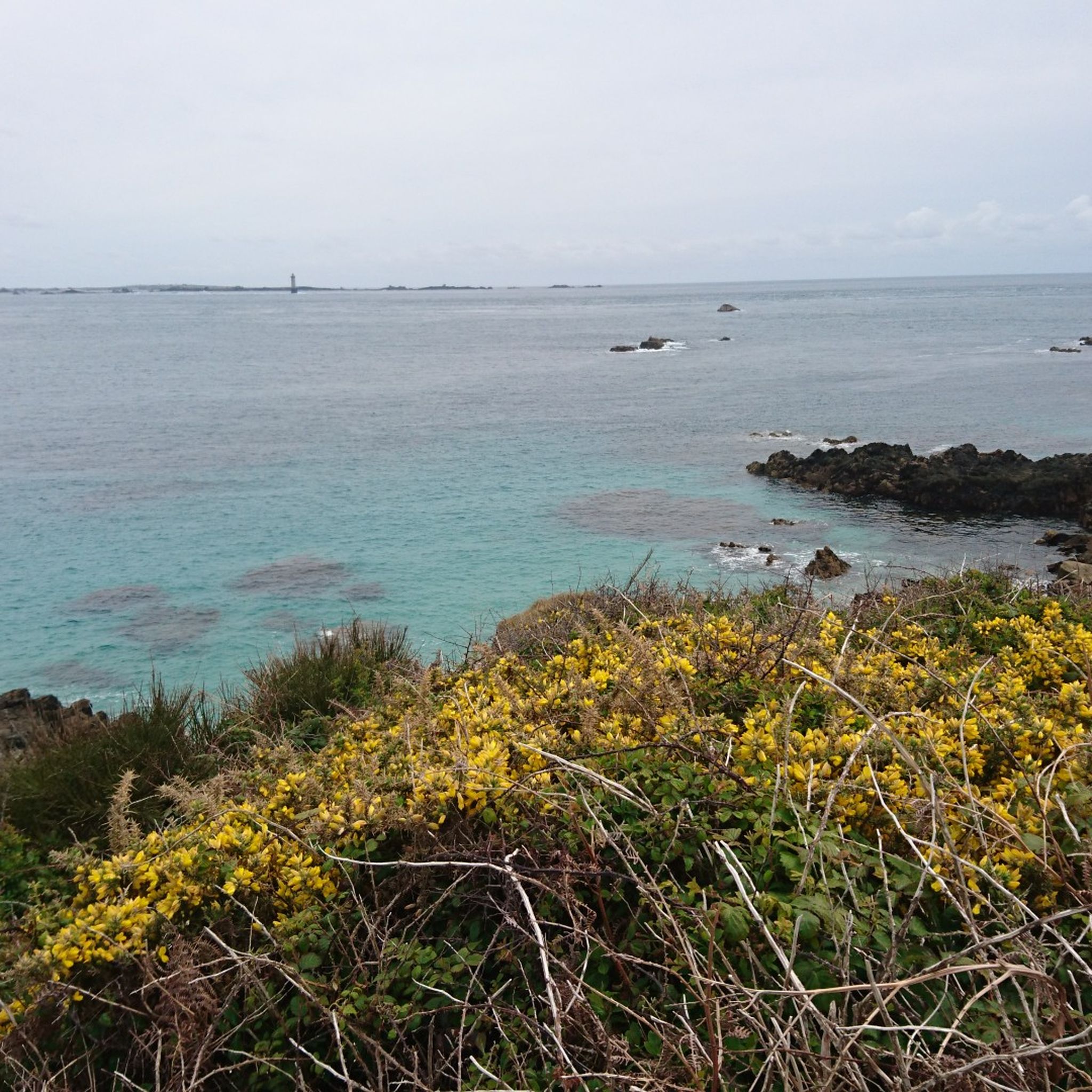
Views of Keller Island
Highlight • Other
Translated by Google •
Tip by
Arlan Beach
Highlight • Natural Monument
"Below the solid stone pontoon that protects the beach from the big waves, swimmers merge with the turquoise waters, almost …
Translated by Google •
Tip by
Pointe de Pern
Highlight • Viewpoint
Translated by Google •
Tip by
Sign up for free to discover even more attractions around Ouessant.
Sign up for free
Already have an account?
Start today with a free account
Your next adventure awaits.
Login or Signup
Other adventures around Ouessant

Tips from the Community

Splendid and unmissable view of the island of Ouessant
0
1

Amidst the rugged coastal landscape of Ouessant, an impressive landmark rises: the Créac'h lighthouse. With its distinctive white and black horizontal stripes that extend over a height of 47 meters, it forms an unmistakable image and is at the same time one of the most impressive lighthouses in the Ponant Islands. The Breton name "Créac'h" already indicates its position and means "height, foothills". It has served as a valuable landmark for seafarers since it was built in 1863. In 1888 it was electrified, making it the brightest lighthouse in all of Europe. With an impressive range of around 60 kilometers, or 32 nautical miles, it is also one of the most powerful lighthouses in the world. But the lighthouse is not only impressive from the outside. At the foot of the tower is the Museum of Lighthouses and Beacons, which introduces every visitor to the fascinating history and functionality of the lighthouses. In the adjacent former living and working rooms of the tower, visitors can immerse themselves in the world of sea signs and learn more about their importance for shipping. A special highlight nearby is the “Ecomusee”, which is a must for culture lovers. But although the lighthouse is now fully automated and can no longer be entered, it remains a living testimony to the region's maritime history and culture. This emblematic lighthouse has been a listed building since 2011 and is a reminder of the times when it guided ships safely through the waters between the Atlantic and the English Channel. The line between the Phare du Créac'h and the British Lizard Lighthouse also marks the start and finish line for the prestigious Trophée Jules Verne, which is awarded for the fastest circumnavigation of the world.
0
0

From this small coastal path, along the solid blocks of granite, the views of the island of Keller follow one another. There I noted with regard to geology in one of my notebooks: "The features of the coastal landscape draw an incomprehensible geography. Yet the mind wanders there with as much ease as the seagull facing the wind. The rocky prominences serve as shelters and landmarks. I suggest that the islanders even used it to build their villages. They constitute an inexhaustible refuge where everyone cultivates their inspiration. They provide the garden of the soul with a nurturing Eden, literally and figuratively."
0
0
About Arlan Beach, I wrote in one of my notebooks: "Below the solid stone pontoon that protects the beach from the big waves, swimmers merge with the turquoise waters, almost translucent under the power of the solar star. “It feels like the Caribbean”, proclaims a onlooker, his eyes captured by the sparkling waters. Except that in Brittany, in the small creeks, granite several billion years old replaces the most recent palm trees. Failing to find coconuts, we tirelessly observe the rock speckling the ocean with variegated and disparate shadows.
0
0
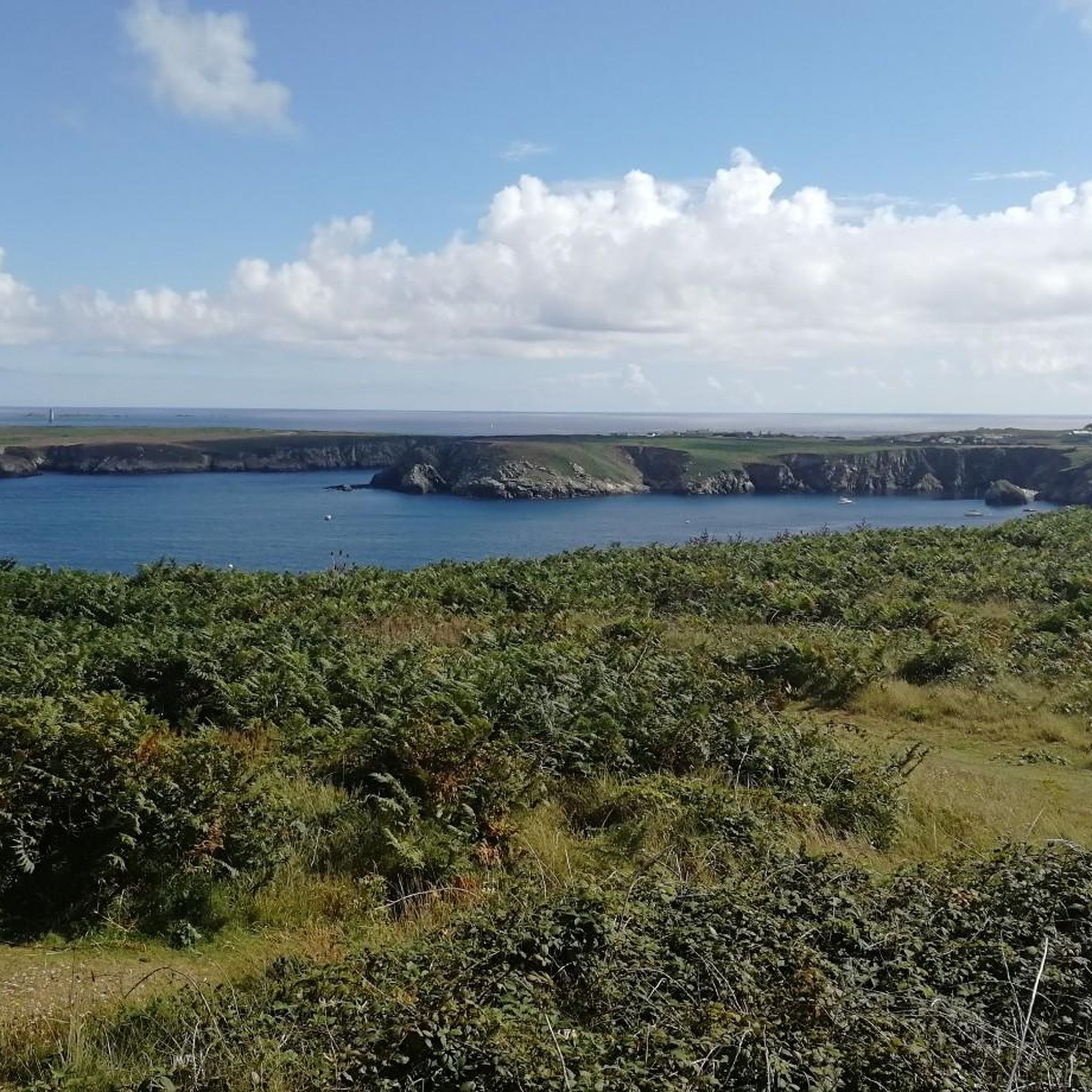
The Pointe de Pern is the most westerly point in mainland France. Whatever the weather conditions, its visit is a must. The sunsets are flamboyant there and, during terrible sea storms, the rocks that crown the point offer a luxurious shelter for observing the raging waves.
1
0
At a height of 47 meters, the Créac'h lighthouse painted with white and black horizontal stripes is one of the most imposing lighthouses on the Ponant islands. Classified as a historical monument since 2011, it continues to guide ships using lanterns with a range of 60 kilometers. At the foot of the lighthouse, the Museum of Lighthouses and Beacons will tell you more than just how the Créac'h works and the other semaphores that light up the seas and oceans. Note, in Breton, "Créac'h" means "height, promontory".
0
0
A small town animated by many shops, Lampaul is the nerve center of the island of Ouessant. At the tourist office located in front of the church, you will find a lot of information. On the terraces of cafes and restaurants, you can enjoy the joyful rhythm of island life. In grocery stores, you can stock up for your next outings. Finally, do not forget to visit the few galleries that exhibit photographs and paintings of the island.
0
0

Frequently Asked Questions
What are the most scenic viewpoints on Ouessant?
Ouessant offers breathtaking panoramas from its dramatic headlands. Don't miss Pointe de Pern, the westernmost point of mainland France, known for its magnificent views and flamboyant sunsets. Other notable points include Pointe de Kadoran with its high cliffs, Pointe de Penn Arlan, and Pointe de Porz Doun, which features a beautiful bay with turquoise waters.
Which historical lighthouses can I visit on Ouessant?
Ouessant is renowned for its lighthouses. The most popular is Créac'h Lighthouse, one of the most powerful in the world, recognizable by its black-and-white stripes. At its foot, you'll find the Museum of Lighthouses and Beacons. You can also see Stiff Lighthouse, the island's oldest, and view the offshore lighthouses like La Jument, Nividic, and Kéréon from Pointe de Porz-Doun.
Are there any unique natural features to explore on Ouessant?
Yes, Ouessant is a UNESCO Biosphere Reserve with a rich ecosystem. Beyond its dramatic headlands, you can observe unique flora adapted to the sea spray, and a diverse fauna including over 220 species of birds. The island is also home to the world's smallest dwarf sheep and protected black bees. The coast features surprising formations of granite rocks, offering stunning geological sights.
What cultural sites offer insight into Ouessant's heritage?
To delve into Ouessant's culture, visit the Museum of Lighthouses and Beacons at the foot of the Créac'h Lighthouse, which details maritime signaling and history. The Ecomuseum of L'Ile d'Ouessant - Maisons du Niou Huella showcases islanders' daily life in traditional houses. In Lampaul, the Saint-Pol-Aurélien Church features artworks interpreting biblical stories into seafaring themes, and its cemetery includes a unique proëlla dedicated to lost sailors.
Where can I find beautiful beaches or coves for swimming on Ouessant?
Ouessant boasts charming beaches and bays. Arlan Beach, located at Pointe de Penn Arlan, is known for its gentle landscape and turquoise waters, making it a popular spot for swimming. Other options include the Bay of Porspaul, Bay of the Stiff, and white-sand coves like Corz and Porz ar Lan, ideal for picnics and enjoying the coastal scenery.
What outdoor activities are popular on Ouessant?
With no cars allowed for visitors, walking and cycling are the primary ways to explore Ouessant. The island offers 60 kilometers of hiking trails, providing stunning views and immersion in its wild nature. You can find various routes for hiking, cycling, and running, catering to different difficulty levels.
Are there specific hiking trails recommended for exploring Ouessant's attractions?
Yes, Ouessant offers numerous trails. For example, you can follow routes like 'To the north-west – discover the Créac'h lighthouse' or 'Pointe de Pern – Wild Coast of Ouessant loop'. These trails allow you to experience the island's dramatic coastline and visit key attractions. You can find more detailed routes and options in the Hiking around Ouessant guide.
Is there a main village on Ouessant with amenities and cultural interest?
Yes, Lampaul is the capital and main village of Ouessant. It's a lively hub with traditional houses, local restaurants, shops, and galleries. Here you can rent bikes, visit the Saint-Pol-Aurélien Church, and experience the joyful rhythm of island life. It serves as a convenient base for exploring the rest of the island.
Are there family-friendly attractions on Ouessant?
Many of Ouessant's natural and cultural sites are suitable for families. Exploring the lighthouses, such as Créac'h Lighthouse and its museum, can be engaging. The island's gentle hills and beautiful bays, like those near Pointe de Porz Doun, offer pleasant spots for picnics and easy walks. Cycling is also a popular family activity, with various routes available.
What is the best way to get around Ouessant?
Since visitors are not allowed to bring cars, the best ways to explore Ouessant are by walking or cycling. Bike rentals are available in Lampaul. The island's extensive network of trails and quiet roads make it ideal for discovering its wild landscapes and attractions at a leisurely pace.
When is the best time to visit Ouessant?
The best time to visit Ouessant generally depends on your preferred activities. For hiking and cycling, the spring and early autumn offer pleasant temperatures and fewer crowds. Summer provides warmer weather for swimming and longer daylight hours, though it can be busier. The island's wild beauty is present year-round, but strong winds and rough seas are more common in winter.
What makes Ouessant a unique destination?
Ouessant stands out as the 'Black Pearl of the Atlantic' due to its wild, untamed landscapes, rich maritime history, and unique cultural heritage. It's a UNESCO Biosphere Reserve, home to rare dwarf sheep and black bees, and boasts an impressive collection of lighthouses. The island's car-free environment encourages exploration by foot or bike, offering an immersive experience into its rugged beauty and islander traditions.
Most popular routes around Ouessant

Get inspired with the komoot mobile app


Explore more
Still not found the Highlight you’re looking for? See guides of the top attractions in other regions:
