The best walks and hikes around Ouessant
4.6
(287)
2,059
hikers
70
hikes
Hiking around Ouessant offers exploration of a wild, preserved, and diverse natural environment. The island features a varied coastline, shifting from rugged northern shores with high cliffs and granite formations to a more verdant southern coast with gorse, heather, and wildflowers. Expansive moorland and heath cover much of the island, providing distinct hiking terrain. This landscape, part of the UNESCO Iroise Sea Biosphere Reserve, supports a network of trails suitable for various fitness levels.
Best hiking trails around Ouessant
- The…
Last updated: August 18, 2026
4.9
(43)
201
hikers
11.1km
03:27
60m
60m
Moderate hike. Good fitness required. Mostly accessible paths. Sure-footedness required.
4.6
(18)
91
hikers
10.6km
03:18
70m
70m
Moderate hike. Good fitness required. Mostly accessible paths. Sure-footedness required.

Sign up for free
4.9
(7)
57
hikers
13.3km
04:10
90m
90m
Moderate hike. Good fitness required. Mostly accessible paths. Sure-footedness required.
5.0
(14)
39
hikers
12.6km
03:57
100m
90m
Moderate hike. Good fitness required. Mostly accessible paths. Sure-footedness required.
4.5
(37)
337
hikers
19.8km
05:12
170m
170m
Hard hike. Very good fitness required. Easily-accessible paths. Suitable for all skill levels.
Get access to more routes and recommendations from other explorers.
Sign up for free
Already have an account?
Our route recommendations are based on thousands of hikes, rides, and runs completed by other people on komoot.
Start today with a free account
Your next adventure awaits.
Login or Signup
Other adventures around Ouessant

Tips from the Community


Remains of a submerged bell, used to warn nearby ships of danger by underwater sound signal.
1
0

Very beautiful wild coast of Ouessant
0
0

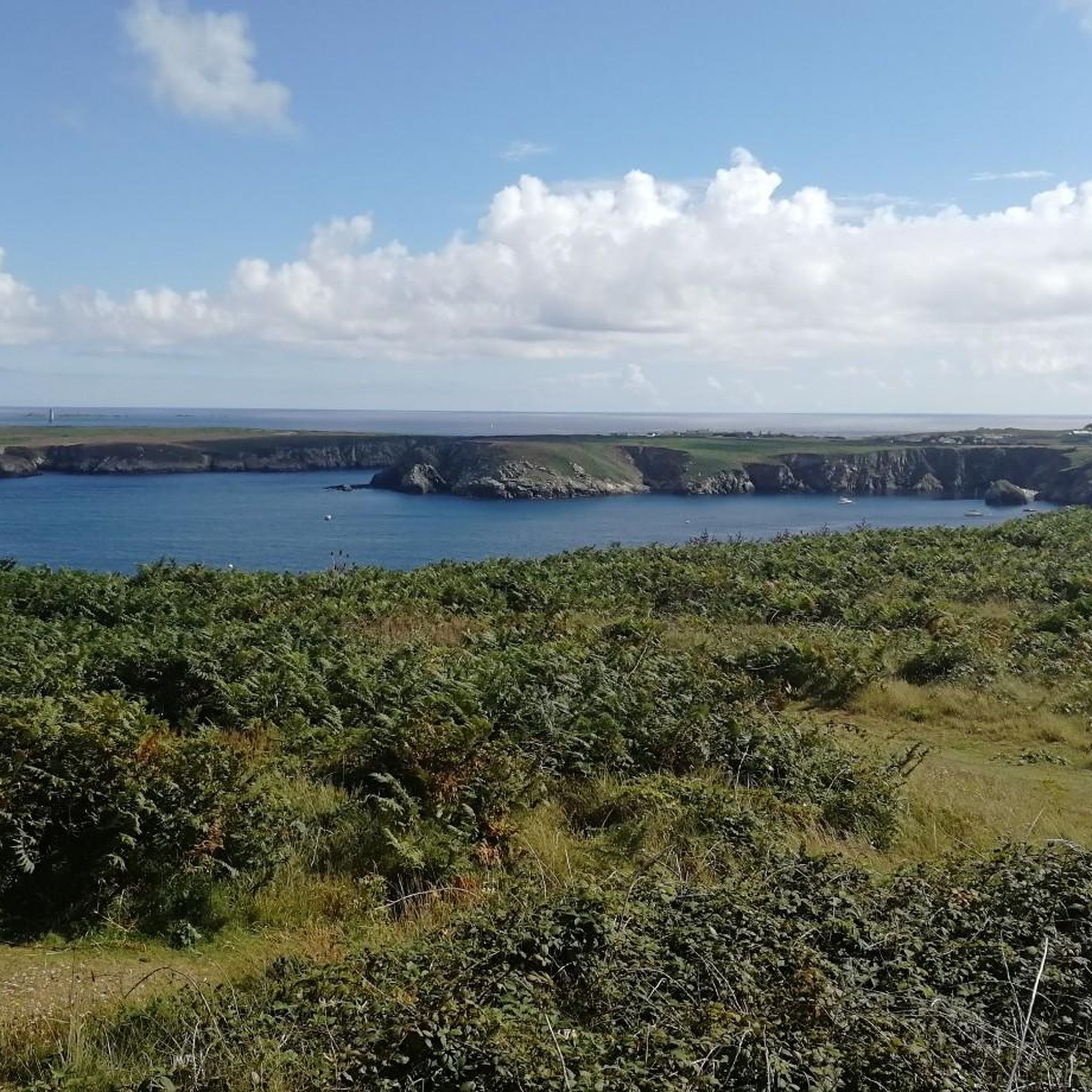
Splendid and unmissable view of the island of Ouessant
0
1

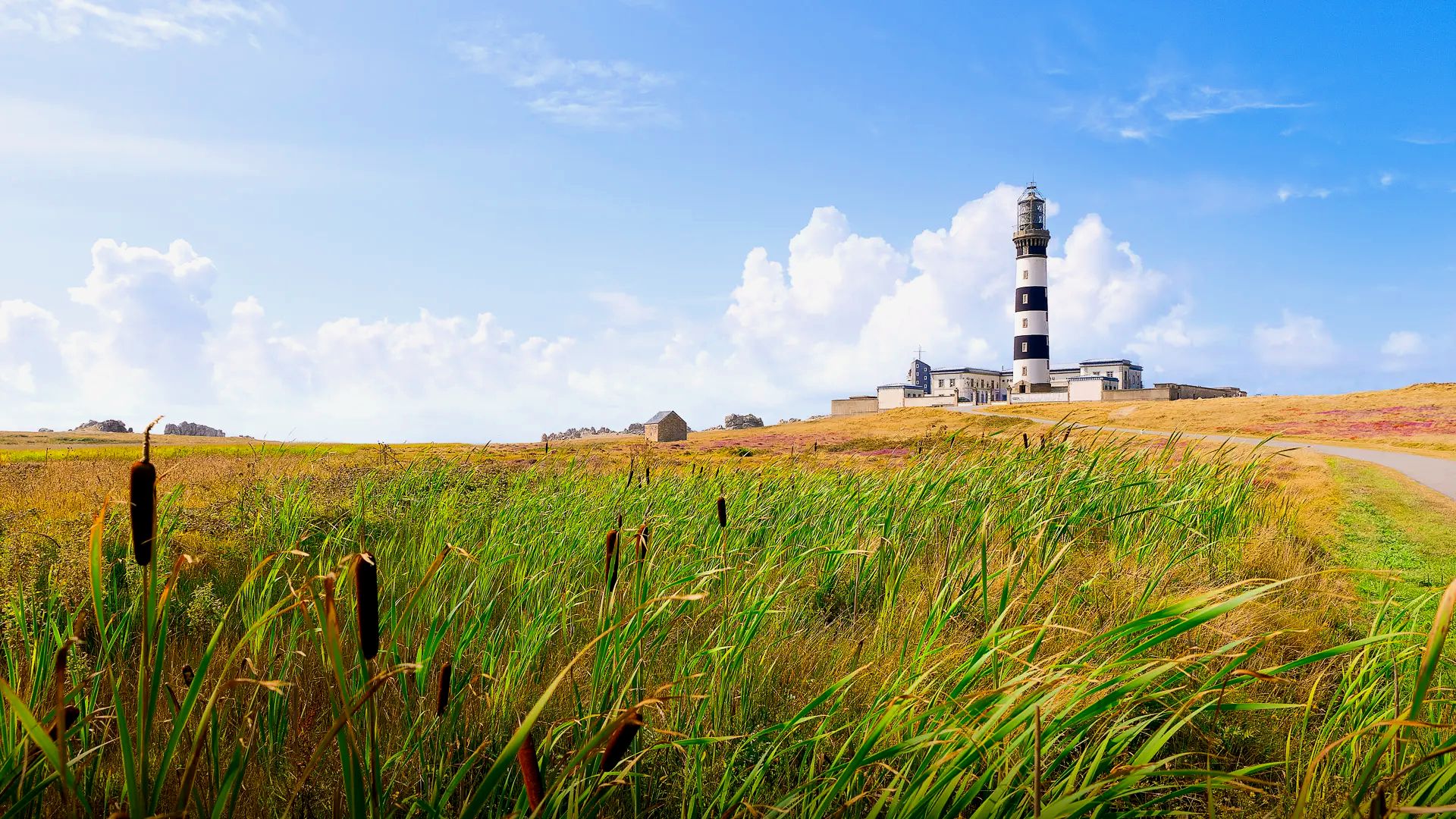
Amidst the rugged coastal landscape of Ouessant, an impressive landmark rises: the Créac'h lighthouse. With its distinctive white and black horizontal stripes that extend over a height of 47 meters, it forms an unmistakable image and is at the same time one of the most impressive lighthouses in the Ponant Islands. The Breton name "Créac'h" already indicates its position and means "height, foothills". It has served as a valuable landmark for seafarers since it was built in 1863. In 1888 it was electrified, making it the brightest lighthouse in all of Europe. With an impressive range of around 60 kilometers, or 32 nautical miles, it is also one of the most powerful lighthouses in the world. But the lighthouse is not only impressive from the outside. At the foot of the tower is the Museum of Lighthouses and Beacons, which introduces every visitor to the fascinating history and functionality of the lighthouses. In the adjacent former living and working rooms of the tower, visitors can immerse themselves in the world of sea signs and learn more about their importance for shipping. A special highlight nearby is the “Ecomusee”, which is a must for culture lovers. But although the lighthouse is now fully automated and can no longer be entered, it remains a living testimony to the region's maritime history and culture. This emblematic lighthouse has been a listed building since 2011 and is a reminder of the times when it guided ships safely through the waters between the Atlantic and the English Channel. The line between the Phare du Créac'h and the British Lizard Lighthouse also marks the start and finish line for the prestigious Trophée Jules Verne, which is awarded for the fastest circumnavigation of the world.
0
0

Whatever the weather, the Pointe de Pern is spectacular and worth the trip to the island of Ouessant. The site is wild and preserved: respect it!
0
0

The fort of Calgrac'h (Kernic in French), is the remnant of a construction of 1862 dedicated to defending France from threats from across the Channel. Now in ruins, it is possible to enter. For the pleasure of the eyes, dozens of graffiti cover the interior walls.
0
0
From this small coastal path, along the solid blocks of granite, the views of the island of Keller follow one another. There I noted with regard to geology in one of my notebooks: "The features of the coastal landscape draw an incomprehensible geography. Yet the mind wanders there with as much ease as the seagull facing the wind. The rocky prominences serve as shelters and landmarks. I suggest that the islanders even used it to build their villages. They constitute an inexhaustible refuge where everyone cultivates their inspiration. They provide the garden of the soul with a nurturing Eden, literally and figuratively."
0
0
Frequently Asked Questions
How many hiking trails are available on Ouessant?
Ouessant offers a comprehensive network of nearly 80 hiking trails, catering to various preferences. You'll find a good mix of routes, with 35 easy, 37 moderate, and 4 more challenging options to explore the island's diverse landscapes.
What kind of terrain can I expect on Ouessant's hiking trails?
The terrain on Ouessant is remarkably varied. You'll encounter rugged coastal paths, expansive moorland, and dramatic cliffs, especially on the wild northern shores. The southern coast tends to be more verdant, with gorse, heather, and wildflowers. The island is largely covered by moorland and heath, providing a unique hiking experience.
Are there any circular walks on Ouessant?
Yes, Ouessant is well-suited for circular walks, allowing you to fully immerse yourself in the island's beauty. Many trails are designed as loops, such as the challenging Pointe de Pern – Wild Coast of Ouessant loop from Ushant, which covers nearly 20 km and offers spectacular coastal views.
What are the best viewpoints or natural attractions to see while hiking?
Ouessant boasts several breathtaking viewpoints and natural attractions. Don't miss Pointe de Pern, the westernmost point of France, offering spectacular panoramic views. Other notable spots include Pointe de Kadoran with its high cliffs, and serene white-sand beaches like Arlan Beach. The island's lighthouses, such as the iconic Créac'h Lighthouse, are also prominent landmarks visible from many trails.
What do other hikers say about the trails in Ouessant?
The hiking trails in Ouessant are highly regarded by the komoot community, with an impressive average rating of 4.7 stars from over 200 reviews. Nearly 2000 hikers have used komoot to explore the island, often praising the wild, preserved nature, the dramatic coastal scenery, and the sense of tranquility.
Are there any historical landmarks or cultural points of interest along the trails?
Beyond its natural beauty, Ouessant offers historical and cultural points of interest. You can find ancient crosses and megaliths reflecting the island's rich maritime heritage. The Créac'h Lighthouse also houses the Lighthouse and Beacon Museum, providing insight into the island's navigational history.
Is Ouessant suitable for family-friendly hikes?
Yes, Ouessant offers trails suitable for various fitness levels, including easier walks that families can enjoy. With cars largely absent, the island is very safe for exploration on foot. Many trails lead through moorland and along beaches, providing engaging scenery for all ages. For example, the route To the south-east – head for the beach offers coastal areas and beaches that can be enjoyable for families.
What is the best time of year to hike on Ouessant?
Ouessant is appealing for outdoor activities throughout much of the year. The island often experiences a unique microclimate, remaining clear even when the mainland has poor weather. Summer offers serene conditions for relaxing by turquoise waters, while spring and autumn provide vibrant landscapes with gorse and heather in bloom. It's an excellent destination for those seeking wild beauty and tranquility.
How can I get around Ouessant without a car?
Ouessant is ideally suited for exploration without a car, as only bicycles and small tractors are common. The island has an extensive network of approximately 60 kilometers of hiking trails, making walking the primary and most rewarding way to discover its landscapes. Bicycles are also a popular option for covering longer distances.
Are there opportunities to see wildlife while hiking on Ouessant?
Absolutely. Ouessant is part of the UNESCO Iroise Sea Biosphere Reserve and a Marine Natural Park, making it an important ornithological reserve. You can spot 150-200 resident bird species and over 400 migratory birds annually. The island also provides a sanctuary for black bees and supports grey seal colonies, offering unique opportunities for wildlife observation along the coast.
Are there any challenging hikes for experienced trekkers?
Yes, while many trails are moderate, Ouessant does offer more challenging routes for experienced trekkers. For instance, the Pointe de Pern – Wild Coast of Ouessant loop from Ushant is classified as difficult, covering nearly 20 km with significant elevation changes, providing a robust challenge and spectacular views of the wild coast.
Where can I find information about the lighthouses of Ouessant?
Ouessant is famous for its lighthouses, often described as 'crowned' around the island. The Créac'h Lighthouse is one of the most powerful globally and houses a museum. Other notable lighthouses include Stiff, Nividic, La Jument, and Kéréon, many of which can be seen from various points on the island's western side. You can learn more about them at the Créac'h Lighthouse museum.
Most popular routes around Ouessant
Most popular attractions around Ouessant

Get inspired with the komoot mobile app


Explore more
Browse the best Hikes in other regions.
