Attractions and Places To See around Le Sel-De-Bretagne - Top 16
Best attractions and places to see around Le Sel-De-Bretagne include a mix of cultural sites, historical landmarks, and natural features. This commune in the Ille-et-Vilaine department of Brittany, France, provides opportunities to explore the region's heritage and diverse landscapes. Visitors can discover architectural sites, museums, and ancient monuments. The surrounding area offers various outdoor activities, making it a starting point for engaging with the natural environment of Brittany.
Best attractions and places to see around Le Sel-De-Bretagne
- The most popular…
Last updated: October 11, 2026
Saint-Maximilien-Kolbé Church
Highlight • Religious Site
Translated by Google •
Tip by

Corps-Nuds
Highlight • Settlement
Translated by Google •
Tip by

Sign up now to discover places like this
Get recommendations on the best single tracks, peaks, & plenty of other exciting outdoor places.
Pléchâtel Embankment and Our Lady of La Salette
Highlight • Religious Site
Translated by Google •
Tip by

La Courbe
Highlight • Other
There is also a repair station for bicycles.
Translated by Google •
Tip by

Hidden Chapel
Highlight • Religious Site
Translated by Google •
Tip by

Sign up for free to discover even more attractions around Le Sel-De-Bretagne.
Already have an account?
Start today with a free account
Your next adventure awaits.



Tips from the Community

The dyke is a slate rock into which a hillside promenade has been carved. Decided in 1812 by the priest Lohier de La Motte of the parish of Pléchâtel to give jobs to the inhabitants and founded by Father Jolivet, the site allows you to visit the Notre-Dame de la Salette chapel, relax on benches and in in to rest in the rock-cut caves and to admire religious statues erected in the nineteenth century.
0
0

This church stands in the middle of the countryside, you can see it from afar, it is magnificent! The bell tower in the form of a "bulb", characteristic of the Byzantine style, made it pass for an Orthodox church, while it is just linked to the originality of the architect in 1875. Anecdote of the German occupation: in 1941, the Nazi propaganda filmed a film there ("Threshing wheat in Ukraine") to make believe in an advance of German troops in Ukraine (against the Soviet Union). Until 2011, the church was under the patronage of St. Peter the Apostle. On this date, his patronage was changed to that of Saint-Maximilien-Kolbé (1894-1941), a Polish priest with exceptional charisma, especially in the face of Nazism. Held in the Auschwitz concentration camp, he offered himself to take the place of a father sentenced to death. He was canonized (recognized as a "saint" by the Catholic Church in Rome) in 1982.
1
0

"The building, which is intriguing at first sight by its Neobyzantine bulbous bell tower, is signed by the French architect Arthur Regnault, born in 1839 in Bain-de-Bretagne, who died in 1932. Centralian by training, we owe the construction to him many churches in Ille-et-Vilaine. He is best known for its Western-inspired churches such as the Sainte-Jeanne-d'Arc church in Rennes or the churches of Saint-Senoux and Corps-Nuds with the bell towers in Neobyzantine bulbs, very atypical in the Breton landscape ".
0
0


If you have the courage to climb these stairs carved in stone, you will find at the top a small pretty chapel. The point of view is also pleasant. If you continue the trail, you will find many small caves with virgins there.
0
0

Church in the "Byzantine" style, by the architect Arthur Regnault, known for its many religious buildings built in the 19th century in Ille-et-Vilaine inspired by this oriental style.
3
0

This place offers a possibility of sheltered rest under the trees when it is hot. The footbridge leads to the bar which is located on the other side of La Vilaine. There is also a repair station for bicycles.
3
0
Frequently Asked Questions
What historical and cultural sites can I visit around Le Sel-De-Bretagne?
Le Sel-De-Bretagne offers several historical and cultural sites. You can explore the distinctive Saint-Maximilien-Kolbé Church, known for its unique neo-Byzantine style. Another architectural highlight is the church in Corps-Nuds, also featuring a Neobyzantine bulbous bell tower designed by Arthur Regnault. For a glimpse into rural life, visit the Musée des Arts et Traditions Populaires, which showcases daily routines from the early 20th century. Additionally, the ancient Menhir du Champ de la Pierre is a classified historical monument representing local prehistoric heritage.
Are there any unique architectural sites in the area?
Yes, the region is notable for its unique architecture, particularly the churches designed by Arthur Regnault. The Saint-Maximilien-Kolbé Church stands out with its distinctive "Byzantine" style and bulbous bell tower, which is atypical in the Breton landscape. The church in Corps-Nuds also features a similar Neobyzantine bulbous bell tower, making these sites architecturally intriguing.
Where can I learn about local traditions and rural life?
To learn about local traditions and rural life, you can visit the Musée des Arts et Traditions Populaires. This museum, founded in 1962, provides insights into the daily routines and rural life at the beginning of the 20th century, presented in a rustic setting. You can find more information about it on the Ille-et-Vilaine tourism website: Musée des Arts et Traditions Populaires.
What outdoor activities are available around Le Sel-De-Bretagne?
The area around Le Sel-De-Bretagne offers various outdoor activities, including hiking, cycling, and gravel biking. You can find numerous trails to explore the local countryside. For detailed routes and options, check out the guides for Hiking around Le Sel-De-Bretagne, Gravel biking around Le Sel-De-Bretagne, and Cycling around Le Sel-De-Bretagne.
Are there easy walking or hiking trails nearby?
Yes, there are several easy walking and hiking trails suitable for beginners. For example, the "Charmes loop from Tresbœuf" is an easy 6.8 km hike, and the "Chapel to visit loop from Le Sel-de-Bretagne" is another easy option at just under 6 km. The "Bois du Chalonge loop from Le Petit-Fougeray" is also an easy 6.1 km route. You can find more options in the Hiking around Le Sel-De-Bretagne guide.
Where can I enjoy scenic views or natural landscapes?
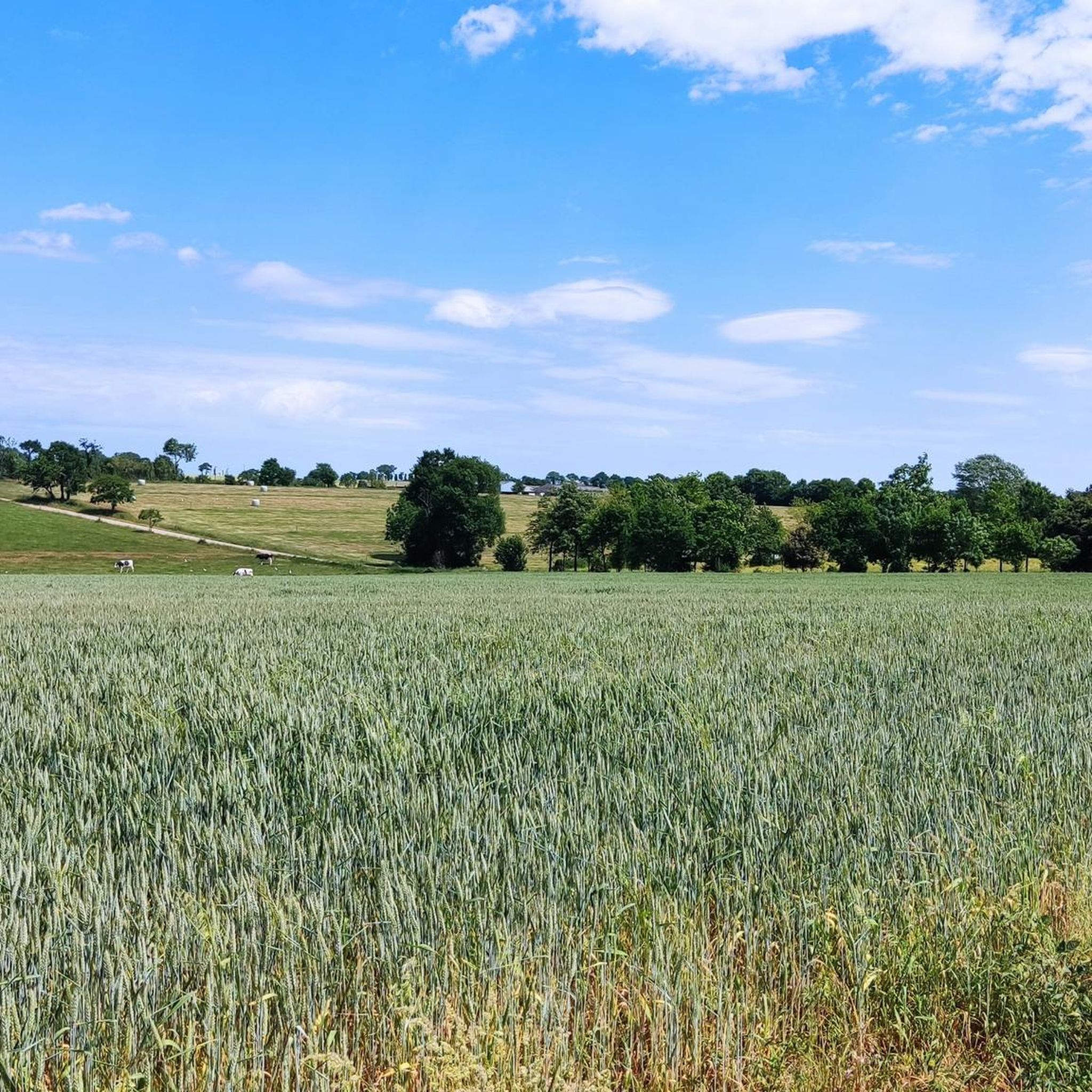
For scenic views, consider visiting the Hidden Chapel, where climbing stone stairs leads to a pleasant viewpoint. The Pléchâtel Embankment and Our Lady of La Salette also offers a hillside promenade with religious statues and opportunities to admire the surroundings. The general Breton landscape, characterized by forests and countryside, provides many opportunities for enjoying nature.
Are there any lesser-known or 'hidden gem' attractions?
A notable hidden gem is the Hidden Chapel. It requires a climb up stone stairs but rewards visitors with a small, pretty chapel and a pleasant viewpoint. Along the trail, you'll also find small caves featuring virgins. Another peaceful spot is La Courbe, offering a sheltered rest area under trees by the Vilaine river.
What is the best time to visit Le Sel-De-Bretagne attractions?
The best time to visit Le Sel-De-Bretagne attractions, especially for outdoor activities like hiking and cycling, is typically during the spring (April to June) and early autumn (September to October). During these months, the weather is generally mild and pleasant, making it ideal for exploring the natural landscapes and historical sites without the peak summer crowds or the colder temperatures of winter.
Are there family-friendly activities around Le Sel-De-Bretagne?
Yes, families can enjoy several activities. Easy walking trails, such as the "Charmes loop from Tresbœuf" or the "Chapel to visit loop from Le Sel-de-Bretagne," are suitable for all ages. The Musée des Arts et Traditions Populaires offers an educational and engaging experience for children to learn about local history. Exploring the unique architecture of the churches can also be an interesting outing for families.
Are there any places to rest or relax outdoors?
Yes, La Courbe is an excellent spot for outdoor relaxation. It offers a possibility of sheltered rest under the trees, especially welcome on hot days. There's also a footbridge leading to a bar on the other side of La Vilaine, and a bicycle repair station, making it a convenient stop for cyclists.
What do visitors enjoy most about the attractions around Le Sel-De-Bretagne?
Visitors particularly enjoy the distinctive architecture of the churches, such as the Saint-Maximilien-Kolbé Church, often described as magnificent and unique with its Byzantine-style bell tower. The scenic viewpoints, like the one at the Hidden Chapel, are also highly appreciated. The peaceful countryside roads and opportunities for outdoor exploration contribute to a positive visitor experience.
Are there cycling routes suitable for different skill levels?
Yes, the cycling routes around Le Sel-De-Bretagne cater to various skill levels. For easy rides, consider the "Bike loop from Le Sel-de-Bretagne" which is just over 7.6 km. Moderate options include the "Moulin de la Bouëxière – La Patate du CELAR loop from Crevin" at 24.5 km. More challenging routes, like the "Corps-Nuds – Saint-Armel Church loop from Chanteloup" (51.3 km), are available for experienced cyclists. Explore more in the Cycling around Le Sel-De-Bretagne guide.
Most popular routes around Le Sel-De-Bretagne

Get inspired with the komoot mobile app


Explore more
Still not found the Highlight you’re looking for? See guides of the top attractions in other regions:
