Top 10 Mountain Passes around Steige
Mountain passes around Steige refer to steep paths and trails primarily found in German-speaking regions, particularly the Swabian Jura. These routes provide challenging ascents and descents, leading to viewpoints and connecting different elevations. The region offers diverse landscapes, including rugged limestone cliffs, dense forests, and juniper heaths. Exploring these paths provides opportunities to experience the natural beauty and geological formations of the area.
Best mountain passes around Steige
- The most popular mountain pass is Champ du Feu, a summit…
Last updated: May 14, 2026
Champ du Feu
Highlight • Summit
Translated by Google •
Tip by

Charbonnière Pass
Highlight • Pub
Translated by Google •
Tip by

Sign up now to discover places like this
Get recommendations on the best single tracks, peaks, & plenty of other exciting outdoor places.
Sign up for free
Kreuzweg Pass
Highlight • Mountain Pass
Translated by Google •
Tip by
Col de Steige
Highlight • Mountain Pass
Translated by Google •
Tip by
Salcée Pass
Highlight • Mountain Pass
Translated by Google •
Tip by
Sign up for free to discover even more mountain passes around Steige.
Sign up for free
Already have an account?
Start today with a free account
Your next adventure awaits.
Login or Signup
Tips from the Community


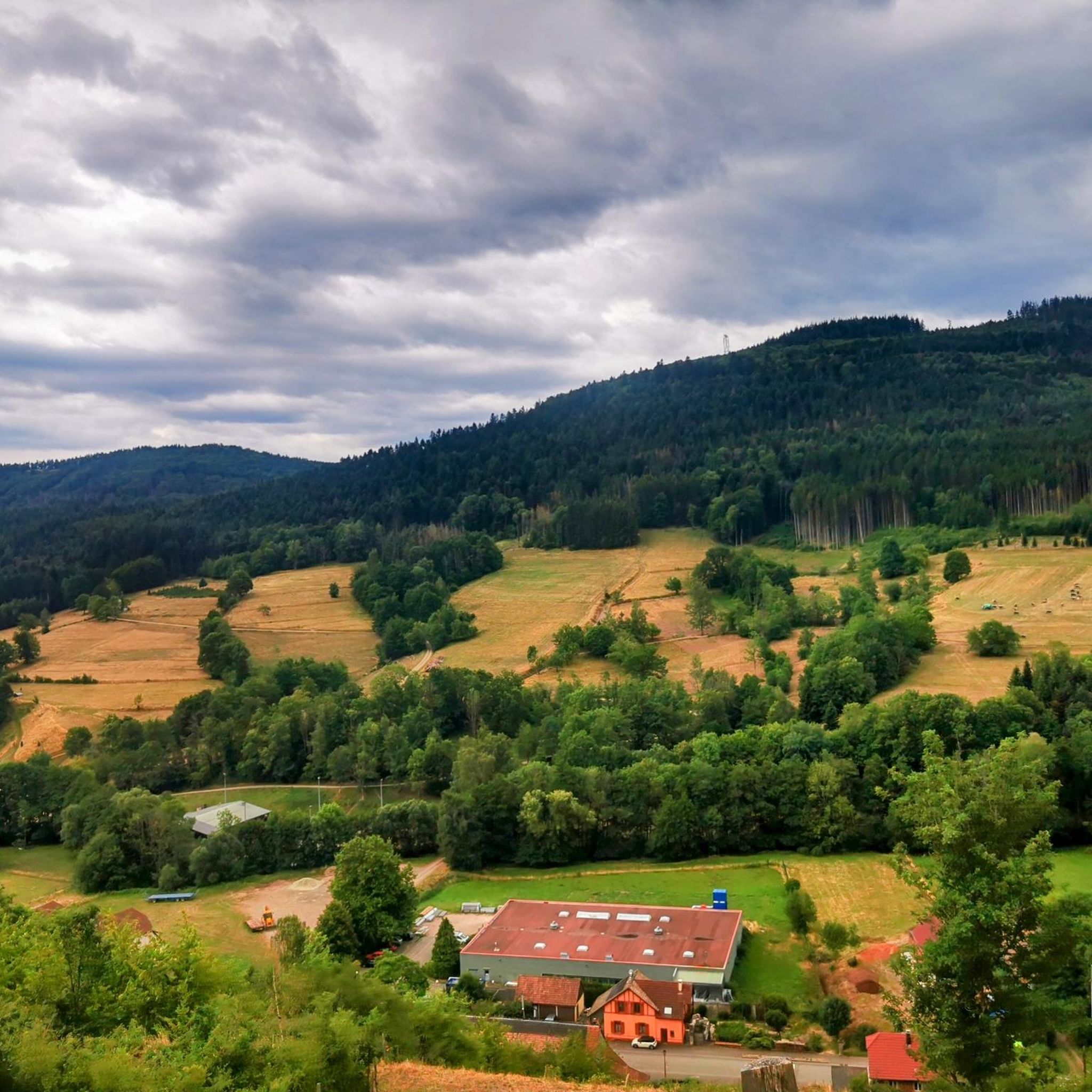
Magnificent pass to climb from different slopes (Breitenbach, Steige, Vallée de la Bruche, Andlau). It is also a crossing point towards the Champ du feu, the Hohwald, the Mont Ste Odile.
0
0

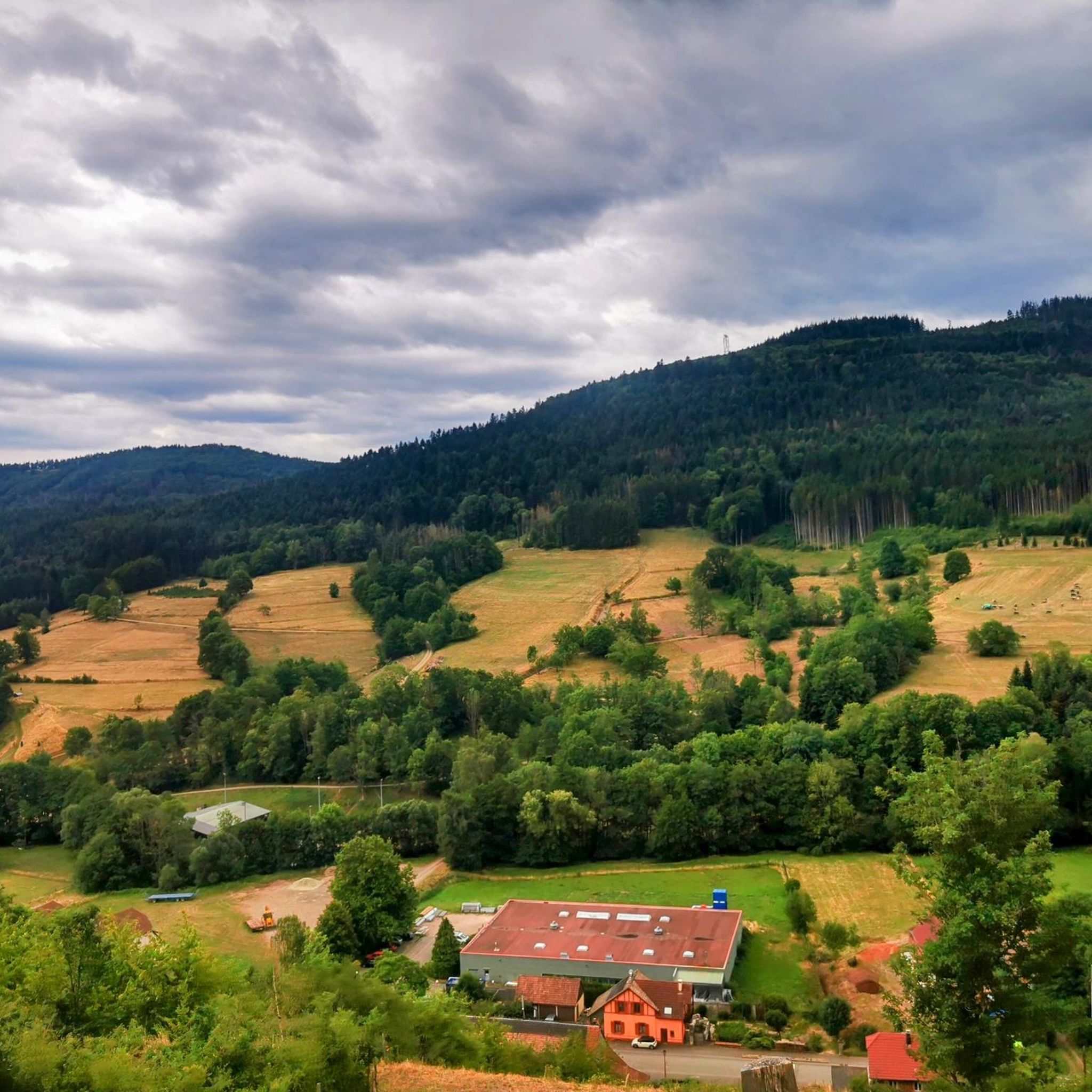
Pass culminating at 960 m altitude.
0
0

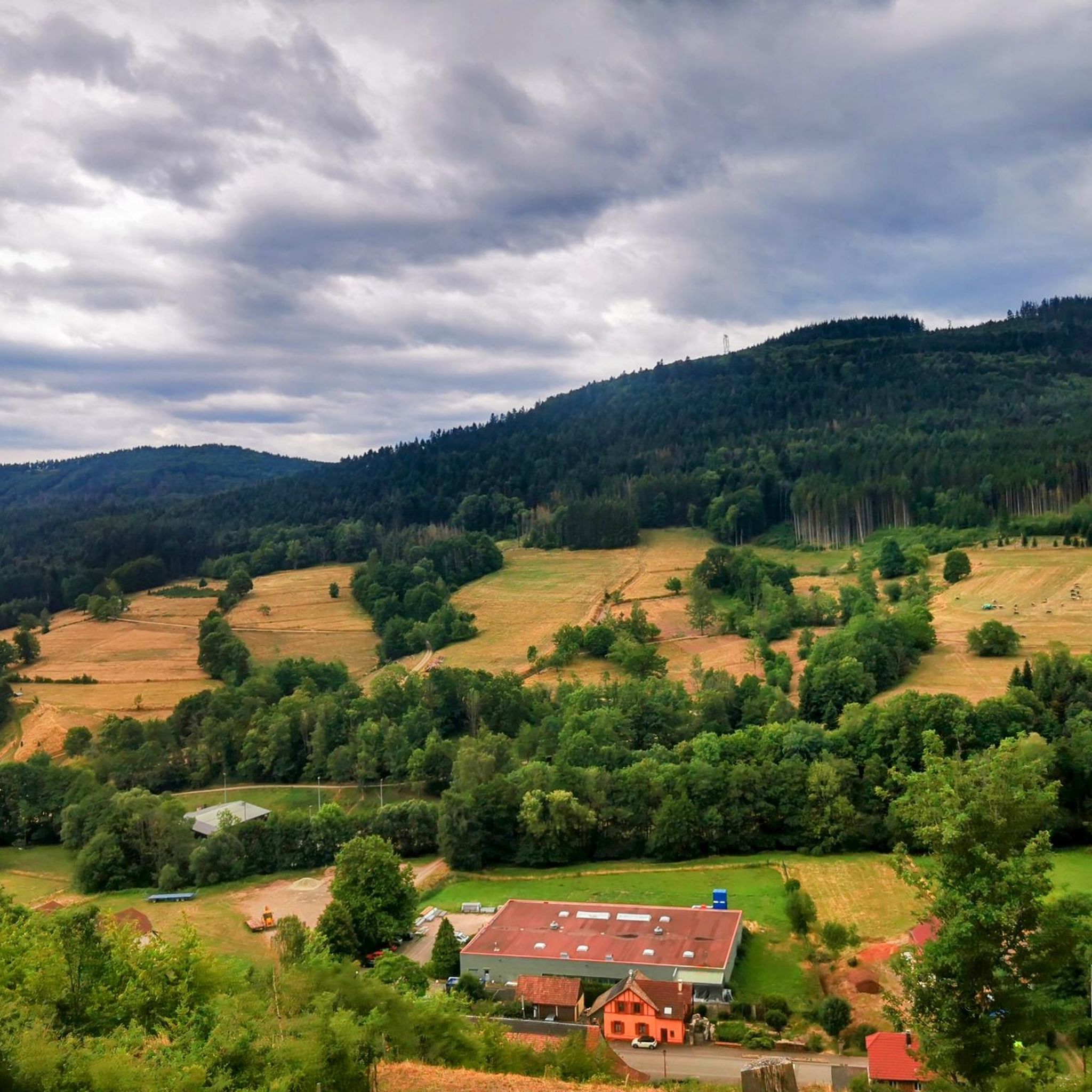
If you come from the Col de la Charbonnière, it is only a few meters uphill again and then you have already reached the top of the pass.
1
0

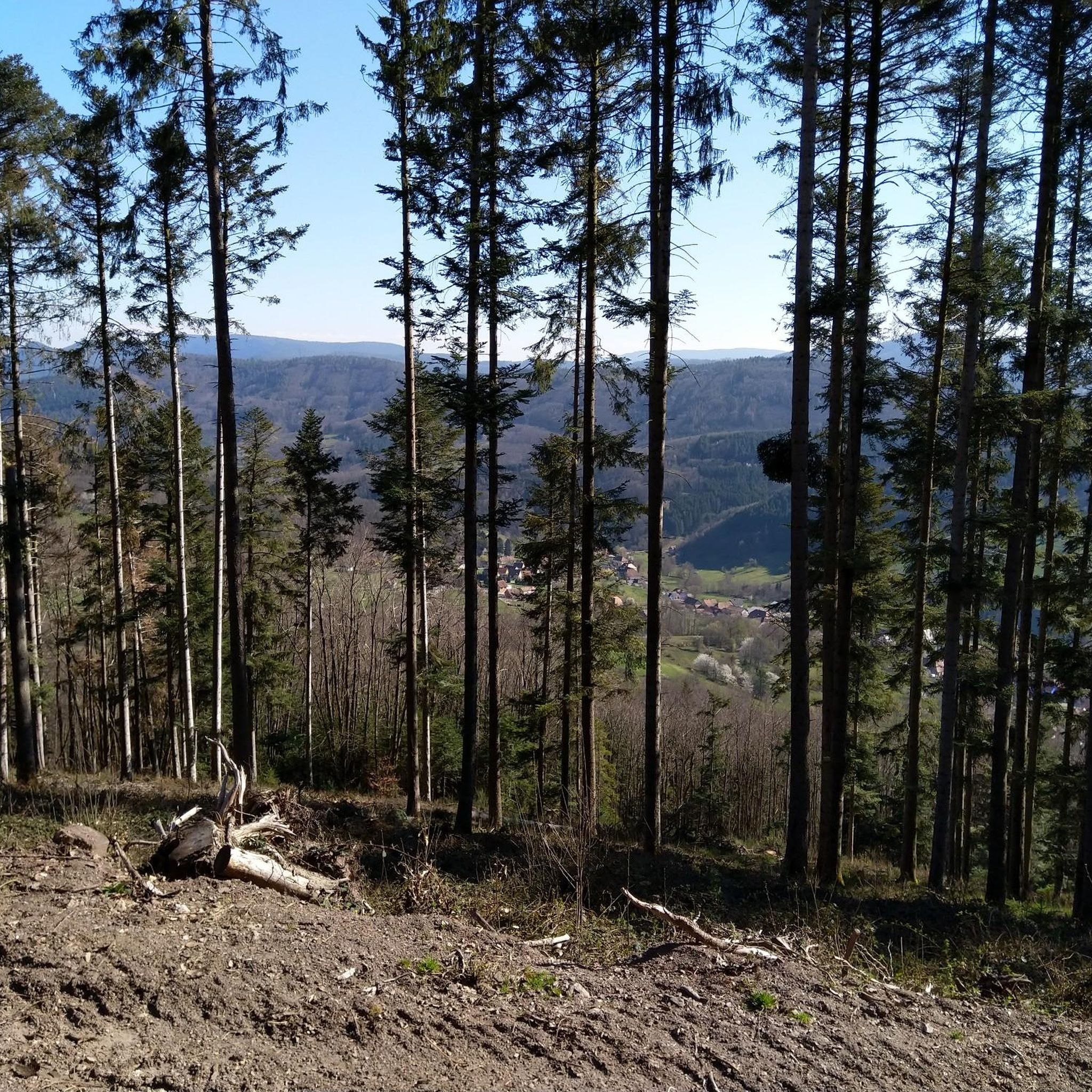
Halfway between the charming hamlet of Hohwald and the Champ du Feu station, the Kreuzweg pass offers a pleasant stopover. In the middle of the imposing forest of the massif, it offers unobstructed views at an altitude of 768 meters. It is a good place to spend the night in the mountains with the presence of two farm inns. There is also an adventure park for the enjoyment of young people.
0
0

Today the restaurant was completely full at 1 p.m. You should probably make a reservation here. TEL: +33 3 88 08 31 17
2
0

Once at the top, it's a different world with stunning views of the valleys!
2
0

The Col de la Salcée from Bourg-Bruche is 3.3 km long with a total drop of 97 m. The average gradient is 2.9% with maximum gradients of 6.9%.
2
0
Frequently Asked Questions
What kind of natural features and viewpoints can I expect to see around Steige?
The region around Steige, particularly the Swabian Jura, is rich in diverse landscapes. You can find rugged limestone cliffs, dense forests, and juniper heaths. Many passes offer breathtaking panoramic views. For instance, the Champ du Feu is known for its stunning vistas, and the Kreuzweg Pass also provides beautiful views. The broader Swabian Jura features notable viewpoints like the Zeller Horn (offering views of Hohenzollern Castle), Breitenstein, Hangender Stein, and Wackerstein, all providing extensive panoramas.
Are there family-friendly options among the mountain passes near Steige?
Yes, some areas around Steige are suitable for families. While many 'Steige' (steep paths) can be challenging, the region offers a variety of trails. For example, the Charbonnière Pass is listed as family-friendly and features a restaurant, making it a good stop. When planning, look for trails with moderate difficulty and consider the tips provided by the komoot community for specific passes.
What outdoor activities can I do near the mountain passes around Steige?
The area around Steige is excellent for various outdoor activities. You can find numerous routes for road cycling, hiking, and mountain biking. For road cycling, consider routes like the 'Col de Steige – Urbeis Pass loop' or the 'Salcée Pass – Col de Steige loop'. Hikers can explore trails such as the 'La Roche Castle – Champ du Feu loop' or the 'Tour of the Champ du Feu'. Mountain bikers have options like the 'Serva Waterfall – Col de la Perheux loop'. You can find more details on these activities in the dedicated guides for Road Cycling around Steige, Hiking around Steige, and MTB Trails around Steige.
What is the best time of year to visit the mountain passes around Steige?
The best time to visit largely depends on your preferred activity. For hiking and cycling, spring through autumn generally offers pleasant weather. The Swabian Jura, in particular, is described as 'particularly stunning in autumn' for its viewpoints like the Zeller Horn. While winter hiking is possible, conditions can vary, and some paths may be covered in snow or ice, requiring appropriate gear and caution.
Are there places to eat or stay near the mountain passes?
Yes, you can find amenities near some of the passes. The Charbonnière Pass, for example, features an auberge with a frequently open restaurant. It's advisable to check opening hours or make reservations, especially during peak times, as noted by visitors. The surrounding towns and villages will also offer various accommodation and dining options.
What makes the mountain passes around Steige unique compared to other regions?
The term 'Steige' itself refers to steep paths or trails, primarily found in German-speaking regions like the Swabian Jura. These are not always mountain passes in the grand Alpine sense but serve a similar function, offering challenging ascents and descents, leading to remarkable viewpoints, and connecting different elevations. The region is characterized by its dramatic Albtrauf escarpment, unique geological formations, juniper heaths, and a blend of natural beauty with historical elements like castle ruins.
How challenging are the mountain passes and trails in the Steige region?
The difficulty varies significantly. Some passes, like the Col de Steige, have a moderate average gradient of 2.57% over 9.7 km, making them accessible. Others, such as the Kreuzweg Pass, can have maximum gradients of up to 12%. The broader 'Steige' trails in the Swabian Jura, like the Albsteig, are known for involving numerous ascents and descents and can be physically demanding, though often tackled in stages. It's best to check specific route details and difficulty grades for your chosen activity.
What is the significance of the term 'Steige' in this region?
In German-speaking regions, particularly the Swabian Jura, 'Steige' refers to steep paths or trails in hilly and mountainous terrain. While not always high mountain passes, they fulfill a similar role by providing challenging ascents and descents, connecting different elevations, and often leading to stunning viewpoints. They are integral to the hiking and cycling experience in areas like the Swabian Jura, offering access to unique natural and geological features.
Are there any historical or cultural sites near the mountain passes?
Yes, the Swabian Jura, where many 'Steige' are found, is rich in history. Trails often pass by significant landmarks such as castle ruins and unique rock formations. For instance, the Albsteig leads past castle ruins, and the Albtraufgänger Trail also features castle ruins. The region's history is intertwined with its landscape, offering opportunities to explore ancient sites while enjoying the natural beauty.
What are some of the less-trafficked mountain passes or trails for a quieter experience?
If you're looking for a quieter experience, the Col de Steige is noted for having 'not much traffic on this street,' making it a good option for a more serene ride or hike. Similarly, smaller passes like the Salcée Pass, which serves as a transition between other passes, might offer a less crowded experience depending on your route.
Can I find circular hiking routes around the Steige mountain passes?
Yes, the region offers various circular hiking routes. For example, near the Champ du Feu, you can find routes like the 'La Roche Castle – Champ du Feu loop from Col de la Charbonnière' or the 'Tour of the Champ du Feu – View of the Vallée de Villé loop'. These allow you to start and end at the same point, exploring the diverse landscapes and viewpoints of the area. More options are available in the Hiking around Steige guide.
Most popular attractions around Steige

Get inspired with the komoot mobile app


Explore more
See even more epic mountain passes by checking out these guides around Steige:
