The 20 Most Amazing Peaks around Ristolas
Best mountain peaks around Ristolas are situated within the Queyras Natural Park, a region known for its high-mountain terrain and peaks often exceeding 3,000 meters. This area offers opportunities for hiking and mountaineering, characterized by picturesque lakes and diverse flora and fauna. Ristolas serves as a hub for serious mountain hiking, with trails passing through the village and its hamlets. The region's commitment to preserving the environment is evident through various botanical footpaths.
Best mountain peaks around Ristolas
- The most…
Last updated: May 27, 2026
Pain de Sucre Summit
Highlight • Summit
Translated by Google •
Tip by

Barbara Lowrie Hut
Highlight • Mountain Hut
Translated by Google •
Tip by

Sign up now to discover places like this
Get recommendations on the best single tracks, peaks, & plenty of other exciting outdoor places.
Sign up for free
Punta Tre Chiosis
Highlight • Summit
Uphill the last 100 m. of difference in altitude are spintage, the descent to the Helios Refuge is spectacular
Translated by Google •
Tip by

Col Blanchet (2997 m)
Highlight • Mountain Pass
Tip by

Col Agnel Border Monument
Highlight • Monument
Translated by Google •
Tip by

Sign up for free to discover even more peaks around Ristolas.
Sign up for free
Already have an account?
Start today with a free account
Your next adventure awaits.
Login or Signup
Popular around Ristolas
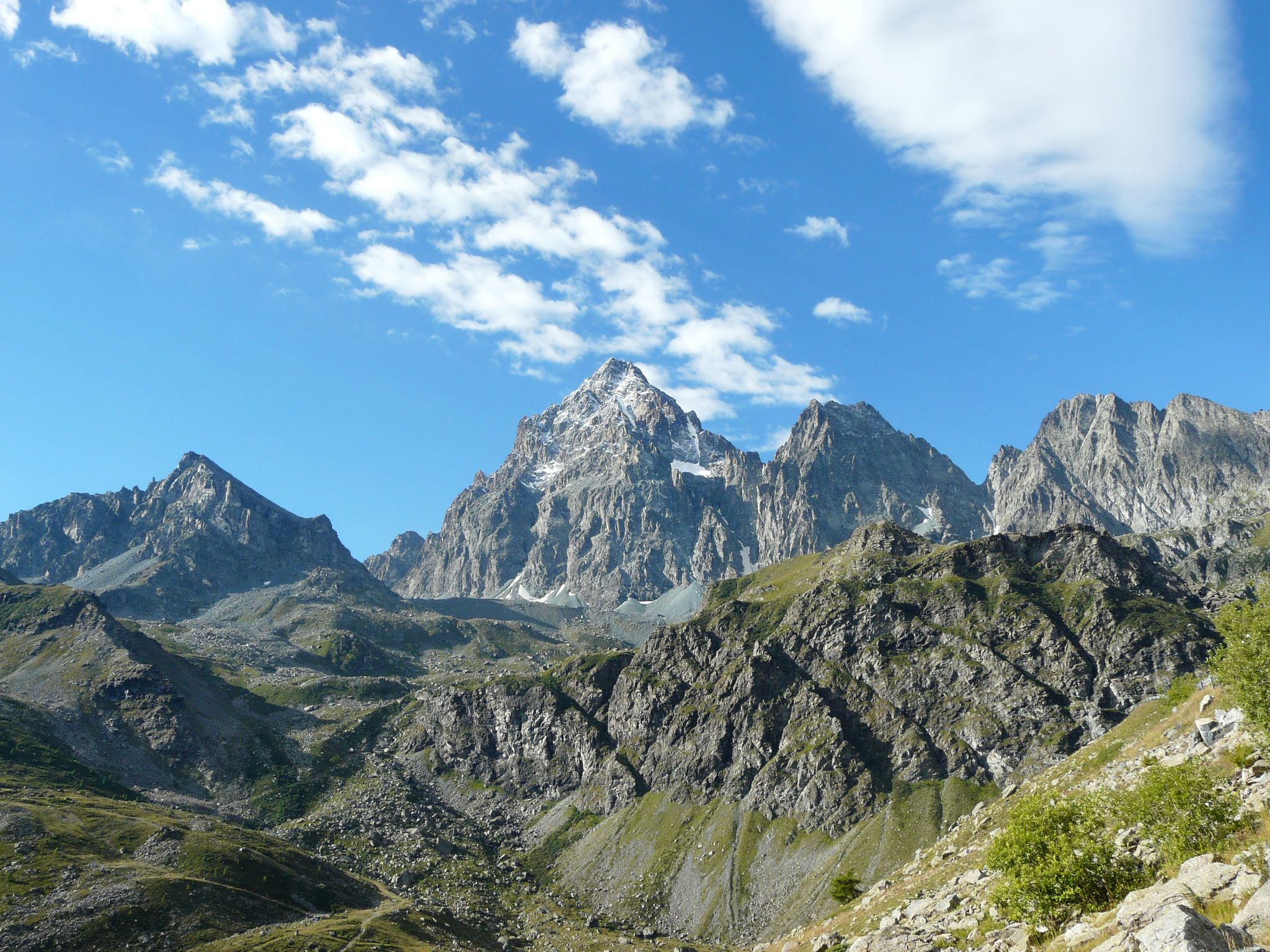
Tour di Viso – Four days around the Stone King from Castello
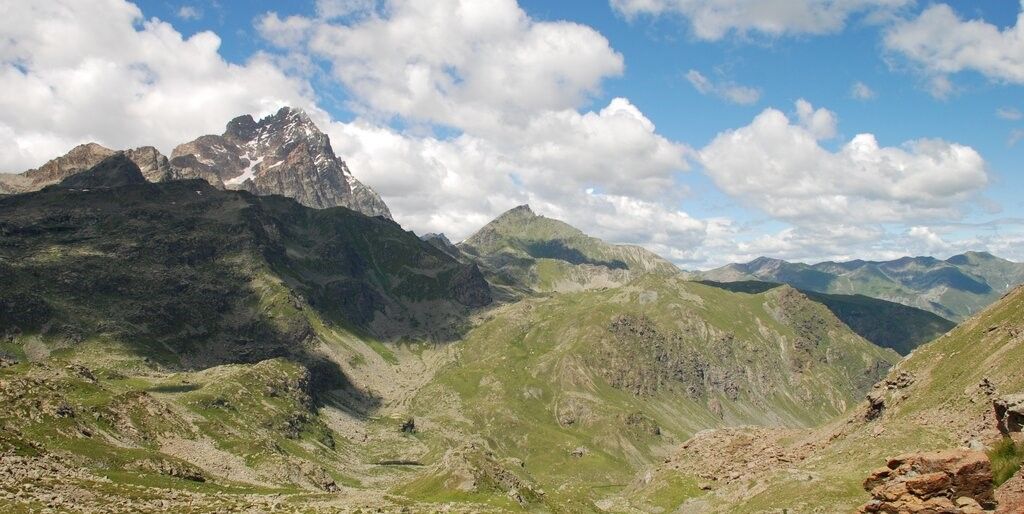
Tour di Viso – Four days around the Stone King from Meire Dacant
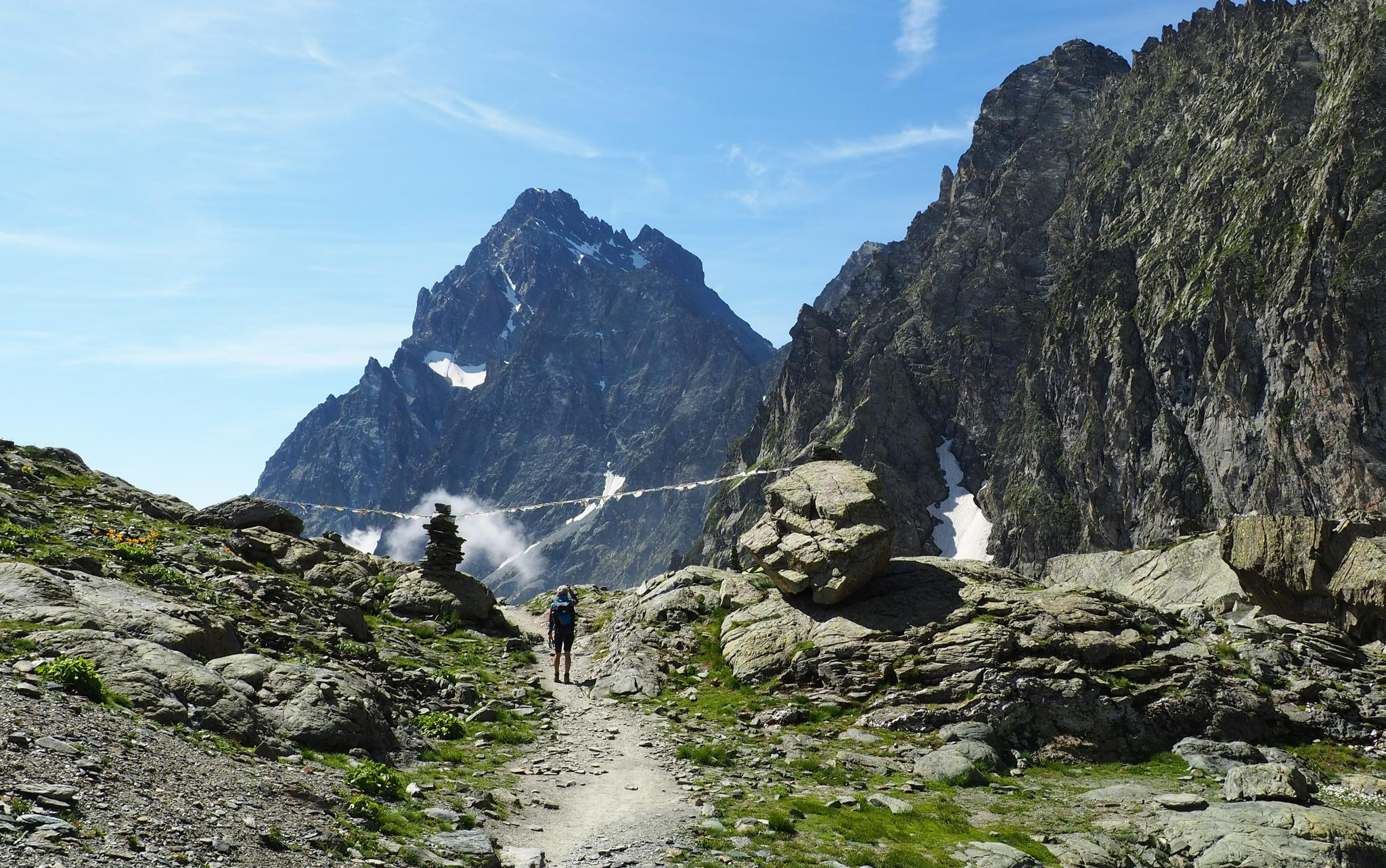
On the trails of the Stone King – trekking among the huts of Monviso
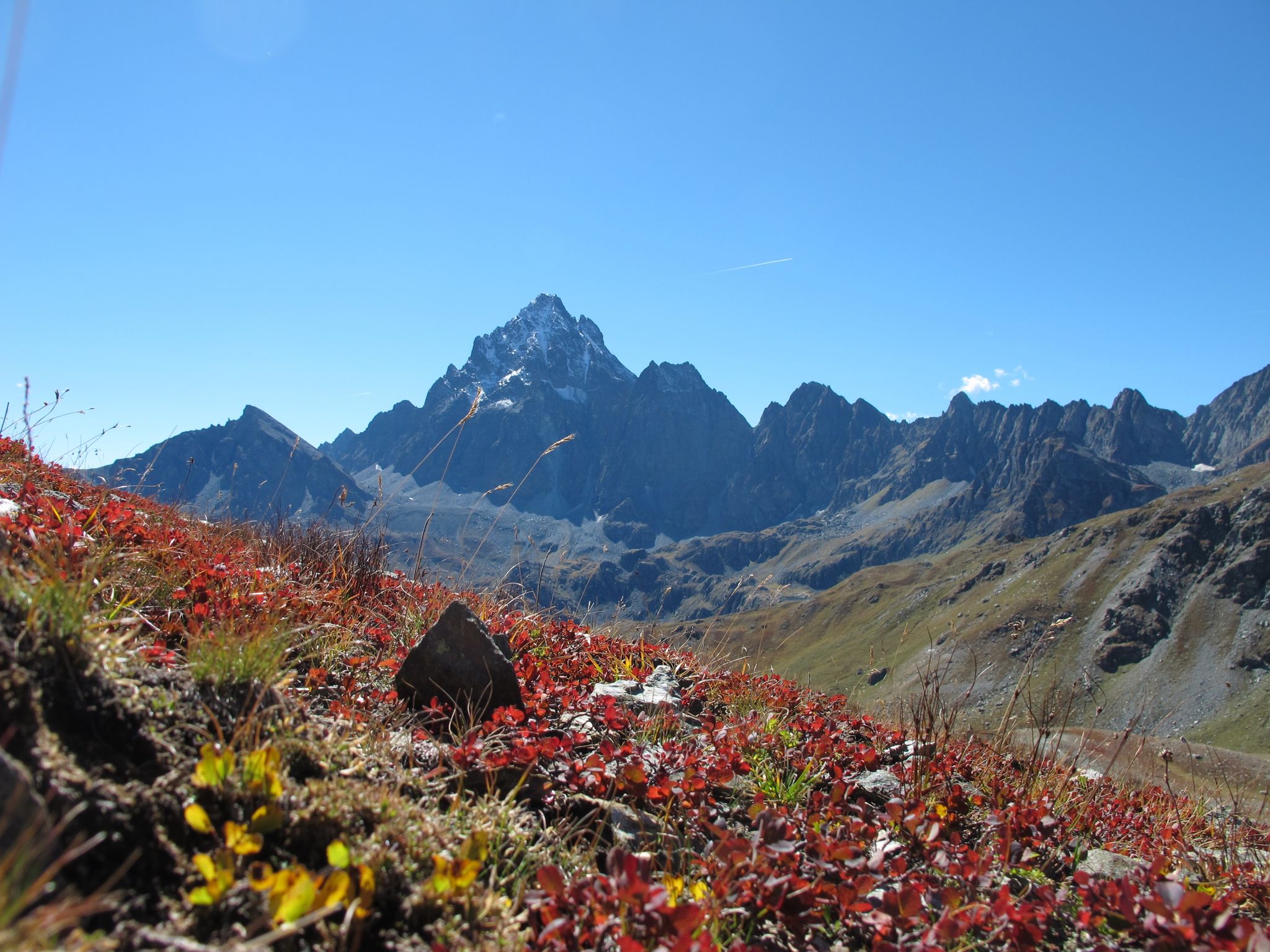
Three days around il Re di Pietra ─ Giro di Viso from Castello
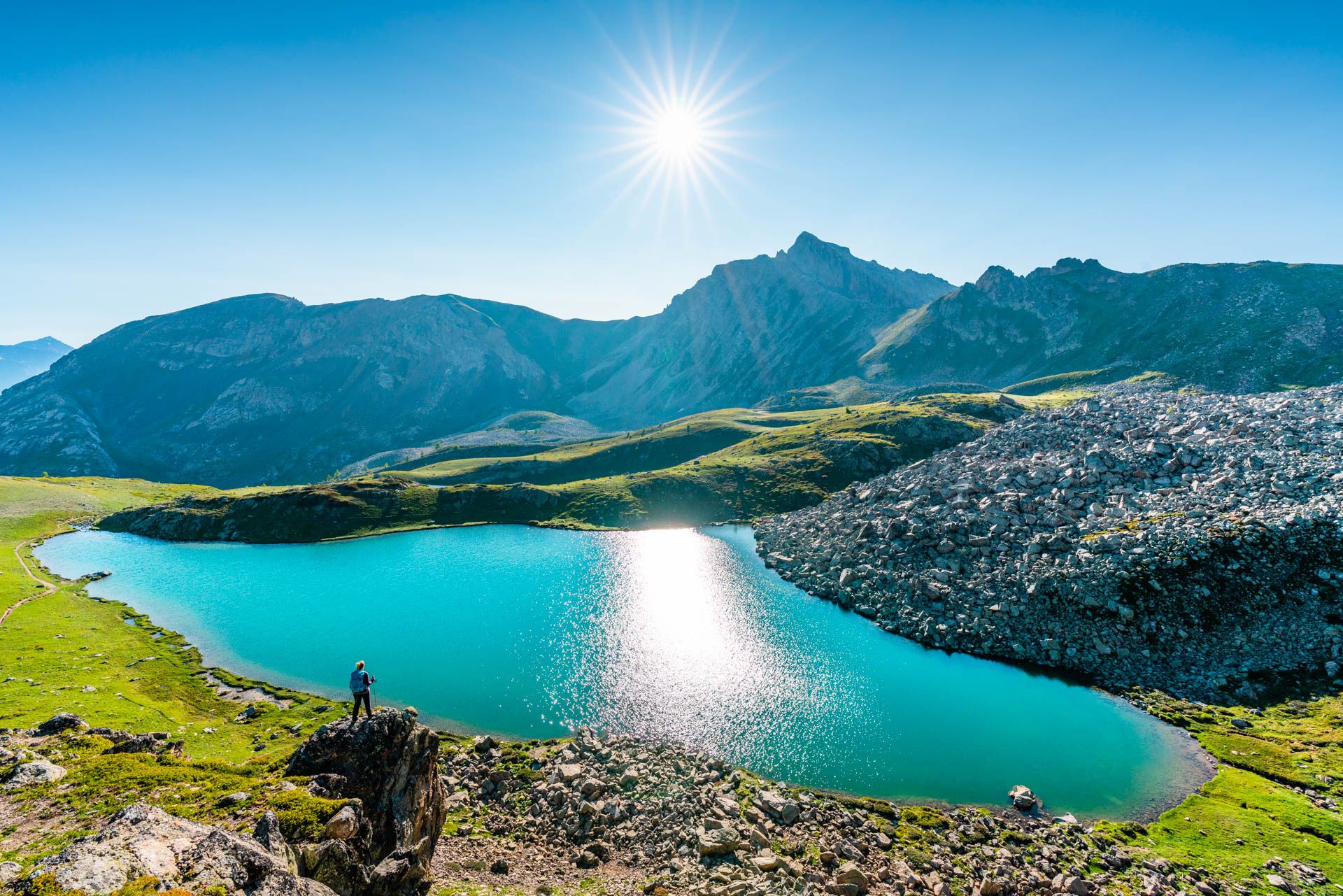
8 hikes in the Hautes-Alpes — mountain passes and high-altitude lakes
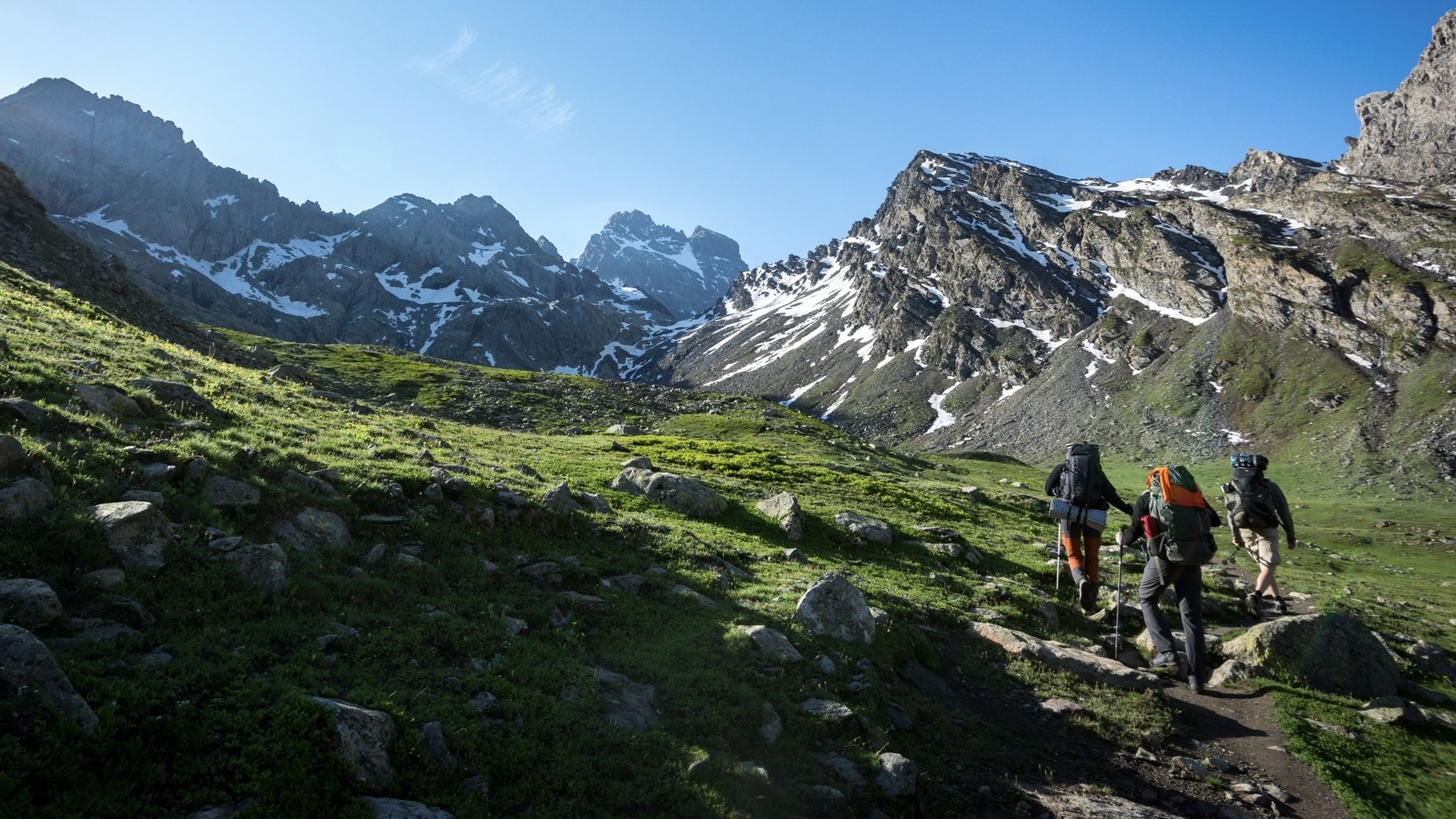
At the foot of the Stone King — hiking around Italy's Mount Viso
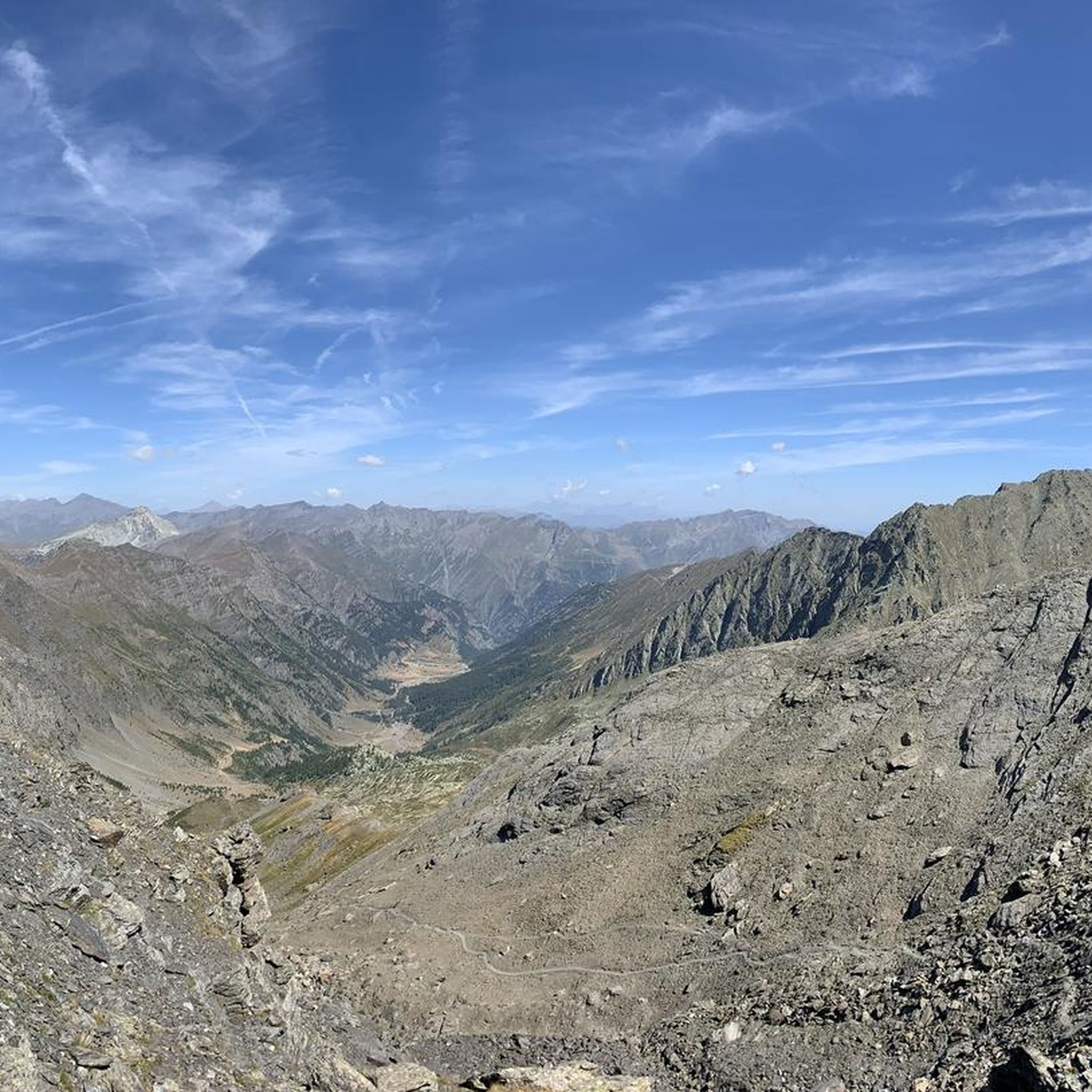
Hiking around Ristolas
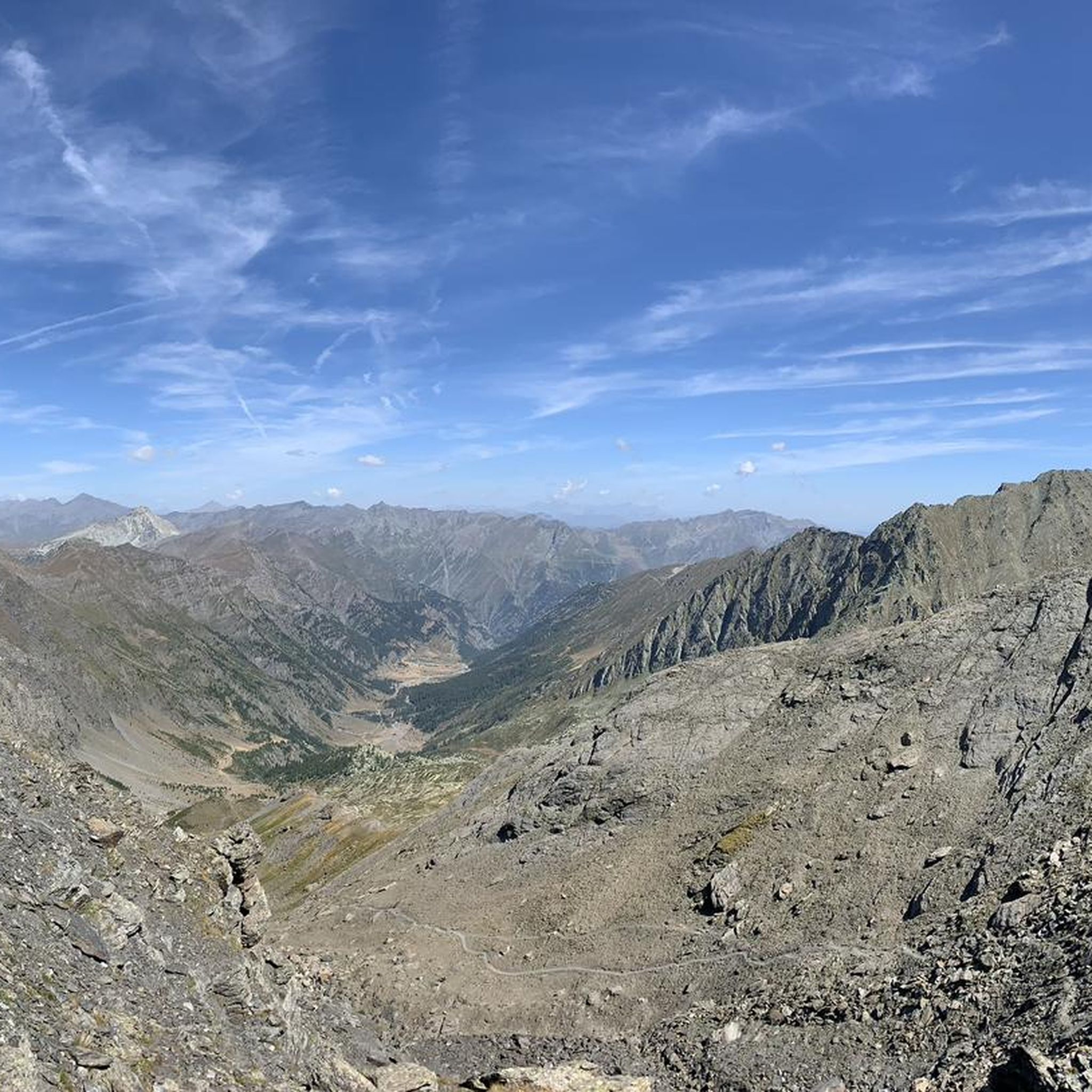
Road Cycling Routes around Ristolas
MTB Trails around Ristolas
Cycling around Ristolas
Other adventures around Ristolas


Tips from the Community

From here you can enjoy a breathtaking view, both towards Italy and France. Unfortunately, I caught it during roadwork and resurfacing, but I'd be curious to see it once it's finished.
0
0

Colle dell'Agnello (2,744 meters above sea level - Col Agnel in French; Còl dl'Agnél in Piedmontese) is an Alpine pass in the Cottian Alps (Monviso Alps), as well as the second-highest road pass in Italy and the third-highest in Europe [N 2], preceded only by the Colle dell'Iseran [N 3] in the French Alps and the Stelvio Pass in the Ortler Alps. Located southwest of Monviso, between Pan di Zucchero and Punta dell'Alp, it connects Italy to France from the Piedmontese municipality of Pontechianale to the French municipality of Molines-en-Queyras in the Hautes-Alpes department [N 4]. It was inaugurated in 1973 by expanding a pre-existing dirt military road; It has been a transit point for several stages of the Giro d'Italia and the Tour de France and a popular destination for summer camps for amateur astronomers, offering one of the observation sites with the darkest, most pristine sky and accessible by normal vehicles.
0
0

https://youtu.be/JFu9Uf70ECw?si=5jd76ATJkKHsYo-D Pushing up a manageable, sustainable steep section from the lake. Then it's like a high plateau, and from here you can roll down towards the Ubaye Valley via Longet without much difficulty. I initially planned to reach the Ubaye Valley via the Noir, but it was so steep to push that I quickly switched to the Blanchet/Longet route. The two passes start more or less 100 meters from the lake. I can't imagine that going down to the lake would be any fun on the Noir either.
0
0

The altitude of Col Blanchet needs to be corrected, it is 2897 metres
0
0

To shorten the hike, it's best to take the chairlift to the Helios refuge, saving almost two hours of dirt road that passes by the Savigliano refuge. There aren't any major difficulties, except for the very last few meters where it climbs very steeply.
2
0

Located a few kilometers from Bobbio Pellice in the Pis della Rossa area, in the Carbonieri valley, the refuge is located in a splendid place where you can spend one or more days with family or friends surrounded by nature.
0
0

The Barbara Lowrie refuge is located in Pis della Rossa, in the Carbonieri valley of Bobbio Pellice. It was built in 1928 by a Canadian couple, Walter and Barbara Lowrie, who used it as a hunting lodge. Later, they sold it to the CAI UGET who turned it into a refuge, inaugurating it in 1931. It has a capacity of 24 beds and is open every day from May to October with bar service, restaurant and overnight stay. For more information, visit the refuge website: https://www.rifugiobarbara.it.
1
0

Very tough climb, from Pontechianale to the Helios refuge, pedalable with overturning slopes, from the refuge to the summit all portage and push. But the descent is one of the most beautiful I've ever done
1
1
Frequently Asked Questions
What are some of the most popular mountain peaks to visit around Ristolas?
The region around Ristolas boasts several notable peaks. The Pain de Sucre Summit, at 3,210 meters, is highly popular for its panoramic views of the French, Swiss, and Italian Alps, including Mont Viso and Mont Blanc. Another significant feature is Mont Viso itself, the highest peak in the Southern Alps, visible from Ristolas and a popular objective for mountaineers. For stunning valley views, La Collette de Gilly offers a superb panorama of the Guil valley and surrounding peaks like the Taillante and Pelvas.
Are there any challenging peaks for experienced mountaineers near Ristolas?
Yes, the Ristolas area offers several challenging peaks. Mont Viso, at 3,841 meters, is a prime objective for mountaineers. The Pain de Sucre Summit, while accessible, involves a sporty ascent at the end, requiring some scrambling. The Crête de la Taillante, an impressive ridge reaching 3,197 meters, also demands good mountaineering experience. Additionally, Punta Tre Chiosis offers a challenging climb with a rewarding 360-degree landscape.
What kind of views can I expect from the mountain peaks in Ristolas?
The mountain peaks around Ristolas offer breathtaking vistas. From the Pain de Sucre Summit, you can enjoy a panoramic view encompassing the French, Swiss, and Italian Alps, with clear sights of Mont Viso and Mont Blanc. La Collette de Gilly provides a superb panorama over the Guil valley and peaks like the Taillante and Pelvas. Many summits, such as Punta Tre Chiosis, offer splendid 360-degree landscapes, making the effort of ascent truly worthwhile.
Are there any mountain passes that connect Ristolas to other regions or countries?
Yes, the region features several significant mountain passes. Col Blanchet, reaching 2,997 meters, serves as a gateway to Italy and is known for a fun but technical descent towards Lago Blu and Chianale. The Pain de Sucre Summit itself marks the border between France and Italy. Historically, passes like Col de Valante, Col Lacroix, and Col de la Traversette (which features a historical tunnel) have seen centuries of human activity and offer routes across the high mountains.
What outdoor activities can I do near the mountain peaks around Ristolas?
The Ristolas area is a hub for outdoor enthusiasts. You can find numerous opportunities for hiking, mountaineering, and ski touring in winter. For specific routes, consider exploring the hiking trails around Ristolas, which include challenging routes like the Via Alpina Blue Trail: Stage D47 and the Tour of Monviso: Stage 2. There are also MTB trails and running trails available, catering to various fitness levels.
Are there any family-friendly mountain walks or activities near Ristolas?
While many peaks in the Ristolas area are high-altitude and challenging, there are options for families. The region offers trails of varying difficulty. For instance, the 'Loop around the Belvedere du Viso' is an easy hiking route. The area around Lac Foréant and Lac Egorgéou, part of the GR 58, offers scenic beauty that can be enjoyed on less strenuous sections. Always check the specific trail difficulty to ensure it's suitable for your family's fitness level.
What natural features, like lakes or unique landscapes, can I see near these peaks?
The Ristolas region is renowned for its stunning natural beauty. You'll find picturesque mountain lakes such as Lac Fiorenza, Lac Supérieur, Lac Foréant, Lac Ségure, and Lac Baricle, which beautifully reflect the surrounding peaks. The Crête de la Taillante, described as a 'thousand-leaf stack of light marble layers,' is an impressive ridge overlooking Lacs Foréant and Egorgéou. The source of the Po River is also found in the foothills of Mont Viso.
What is the best time of year to visit the mountains around Ristolas?
The best time to visit the mountains around Ristolas largely depends on your desired activities. For hiking and mountaineering, the summer months (June to September) offer the most favorable conditions, with refuges like Pian del Re Hut typically open during this period. In winter, the area transforms into a snowy paradise, ideal for cross-country skiing, snowshoeing, snow hiking, and ski touring in the foothills of Mont Viso.
What kind of wildlife and biodiversity can I expect to see in the Queyras Natural Park near Ristolas?
Ristolas is located within the Queyras Regional Natural Park, which is rich in high-mountain fauna. You might spot chamois, mouflons, and black grouse. The park is also home to rare species such as the Lanza's alpine salamander and fritillaria tulips. The region's commitment to environmental preservation is evident through various botanical footpaths, offering opportunities to observe diverse flora.
Are there any historical sites or cultural experiences related to the mountain peaks in Ristolas?
The area holds historical interest with passages like Col de Valante and Col Lacroix, which have been used for centuries. The Col de la Traversette also features a historical tunnel. For a deeper cultural experience, the 'L'Arche des Cimes' nature museum in Ristolas provides insights into the local flora and fauna of the Queyras mountains, connecting visitors with the region's natural heritage.
Where can I find accommodation or facilities when exploring the peaks around Ristolas?
When exploring the peaks, you can find facilities such as the Pian del Re Hut, which offers 30 beds, a bar, and restaurant service, typically open from June to September. This hut serves as a starting point for many paths, including multi-day treks. The villages around Ristolas also offer various accommodation options.
Most popular routes around Ristolas
Most popular attractions around Ristolas

Get inspired with the komoot mobile app


Explore more
See even more amazing summits around Ristolas with these guides:
