Top 5 Castles around Quincié-En-Beaujolais
Best castles around Quincié-En-Beaujolais are situated in the heart of the Beaujolais wine region, known for its rolling hills and vineyards. This area in the Rhône department offers a blend of historical architecture and natural landscapes. The region's cultural significance is tied to its winemaking heritage and the historical structures that dot its terrain. Exploring these sites provides insight into the area's past and its connection to the surrounding natural environment.
Best castles around Quincié-En-Beaujolais
- The most popular castles is…
Last updated: July 15, 2026
Montmelas Castle
Highlight • Historical Site
Showing Translation
Tip by

Château de Varennes
Highlight • Castle
This label is awarded to buildings not protected as Historical Monuments but worthy of interest for the history of art.
Translated by Google •
Tip by

Sign up now to discover places like this
Get recommendations on the best single tracks, peaks, & plenty of other exciting outdoor places.
Sign up for free
Corcelles-en-Beaujolais Castle
Highlight • Castle
Translated by Google •
Tip by

Château de La Palud
Highlight • Castle
Translated by Google •
Tip by
Château de Pramenoux
Highlight • Castle
Translated by Google •
Tip by
Start today with a free account
Your next adventure awaits.
Login or Signup
Popular around Quincié-En-Beaujolais
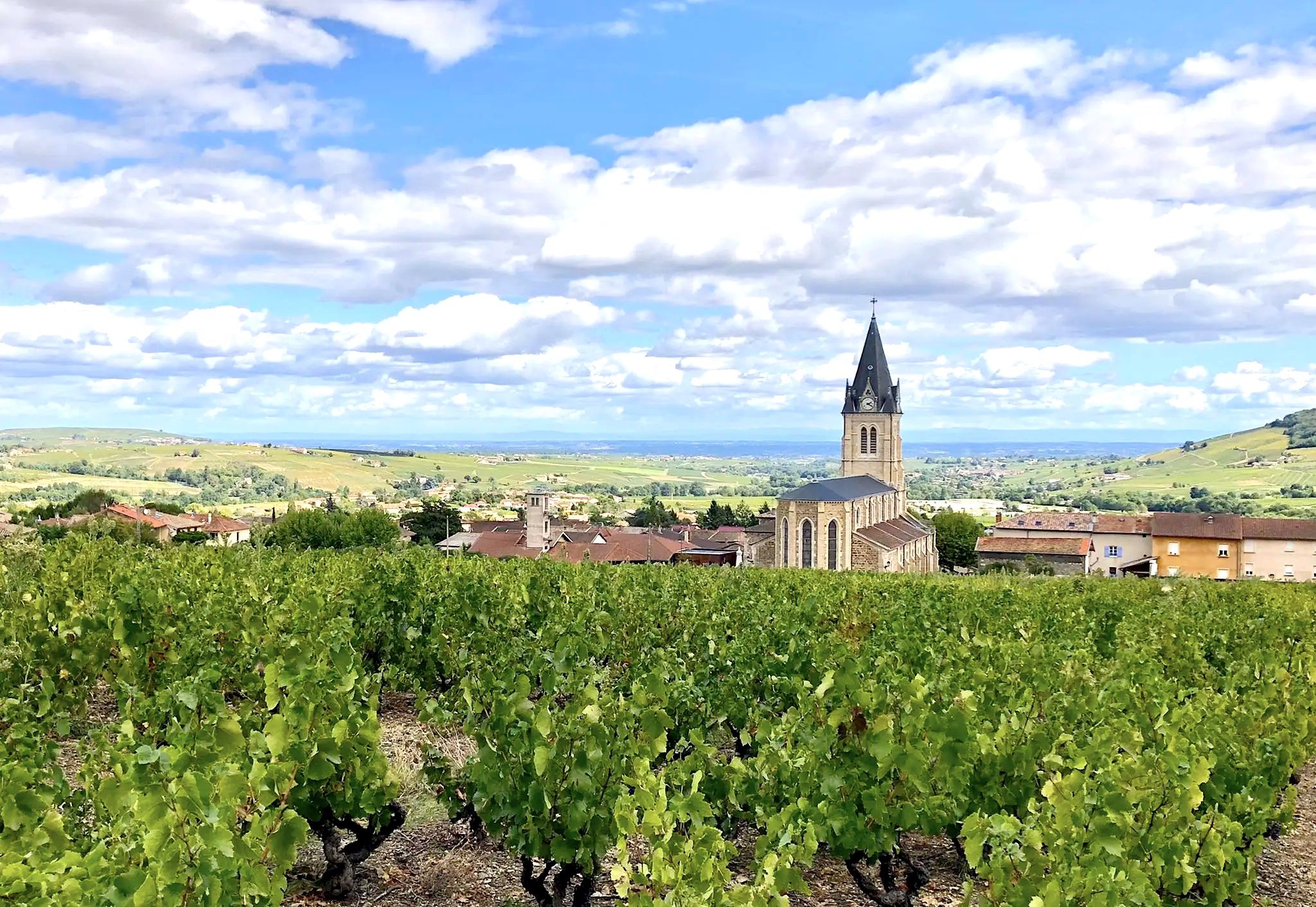
Vineyards and mountains – 15 walks in the Beaujolais region
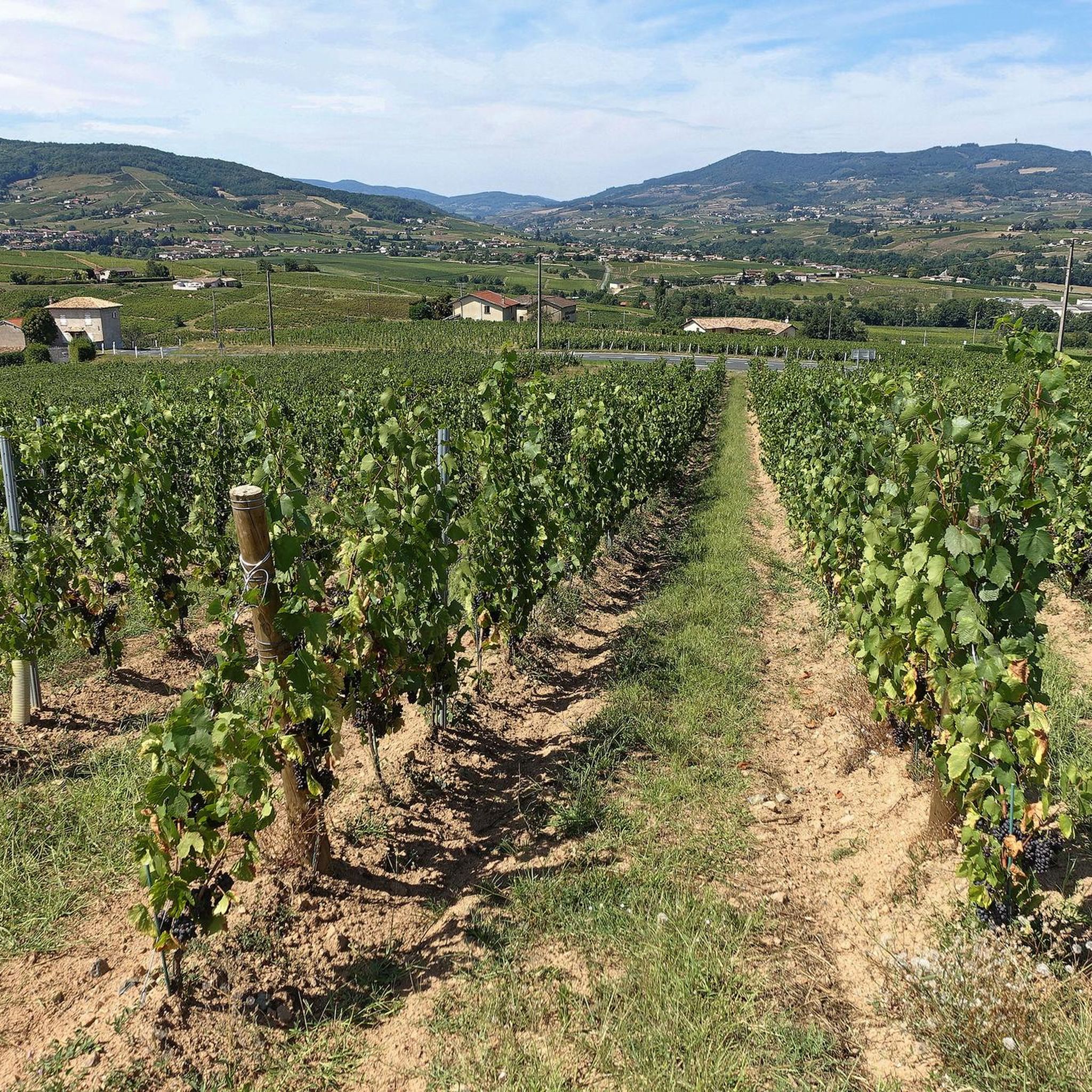
Hiking around Quincié-En-Beaujolais
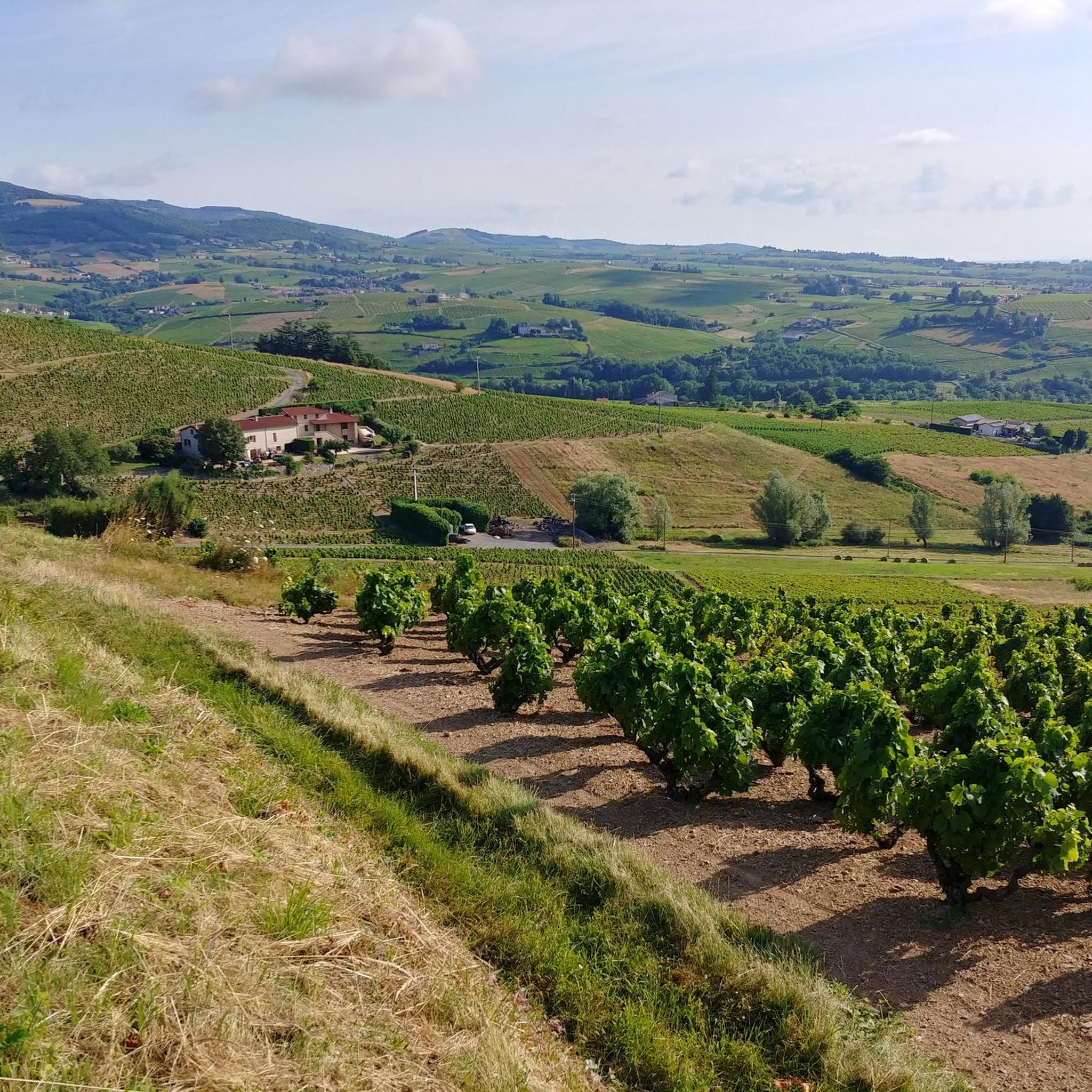
Running Trails around Quincié-En-Beaujolais
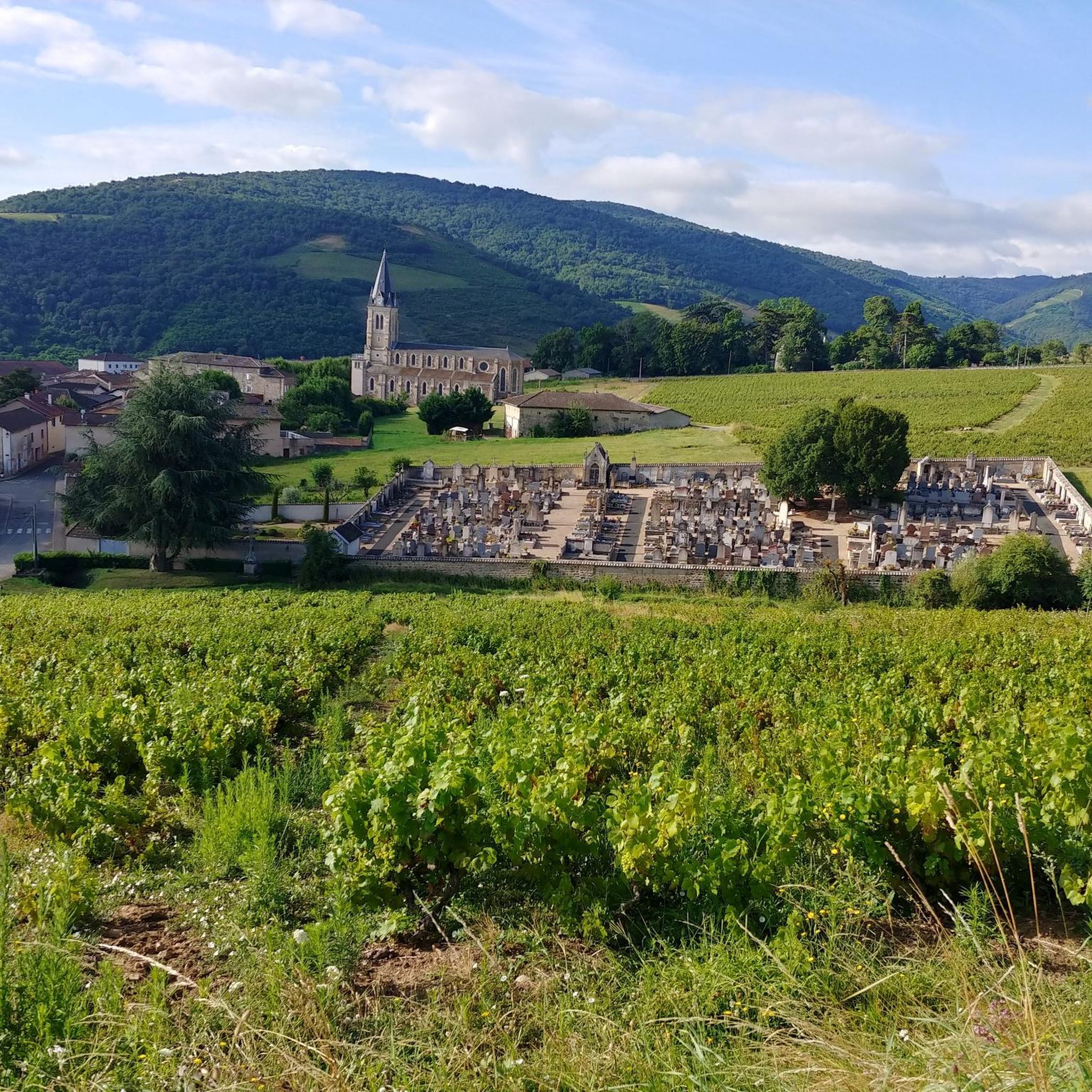
Cycling around Quincié-En-Beaujolais
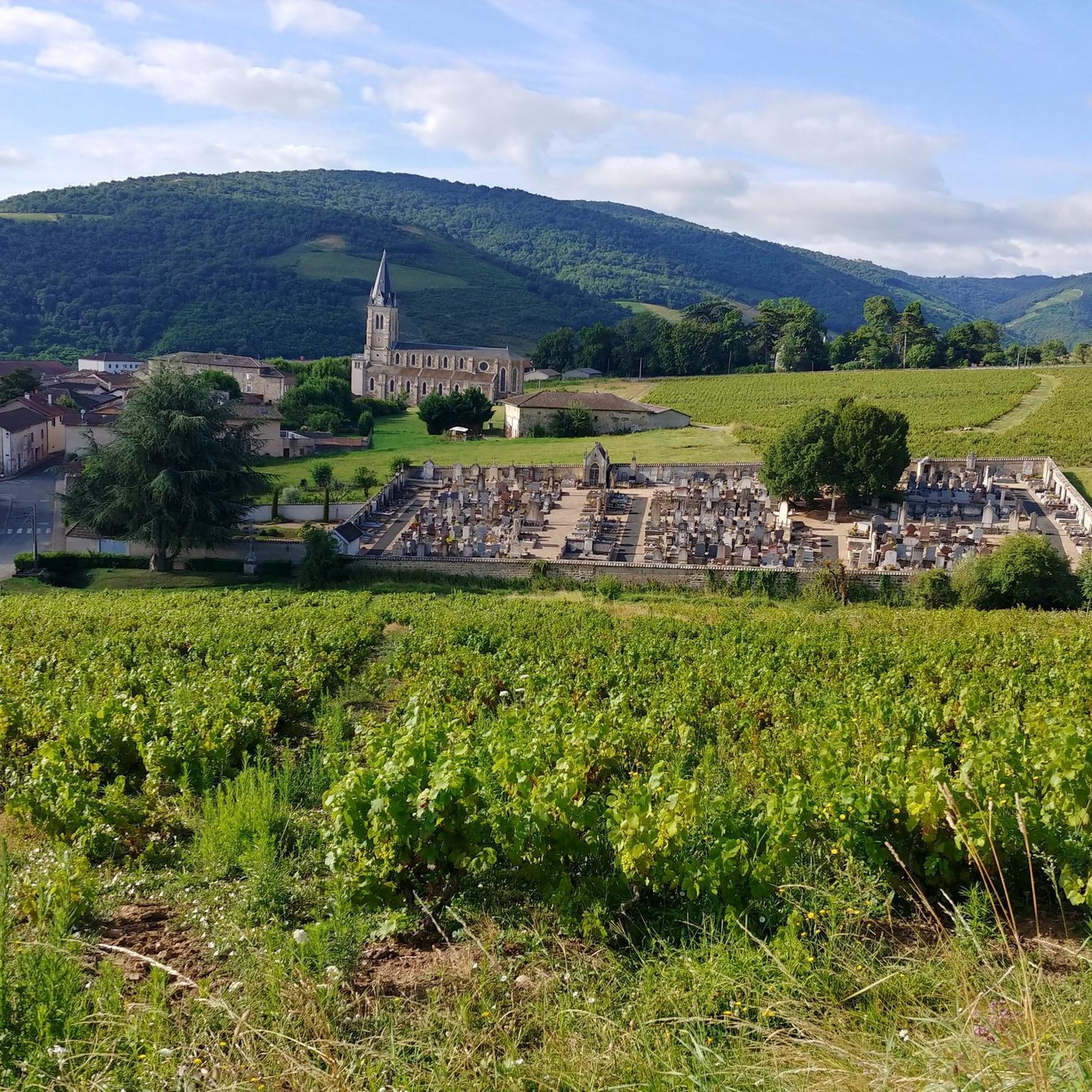
MTB Trails around Quincié-En-Beaujolais
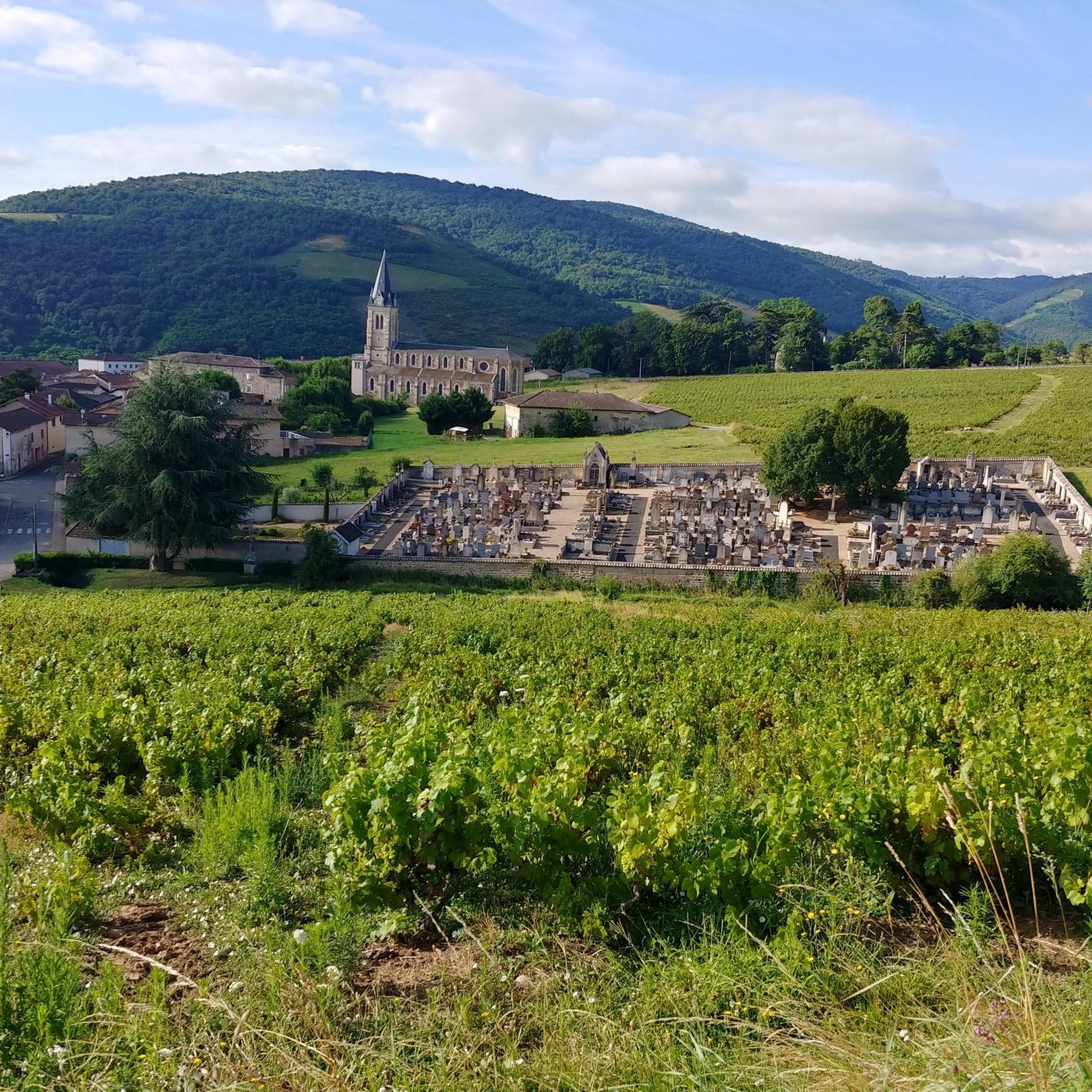
Road Cycling Routes around Quincié-En-Beaujolais
Gravel biking around Quincié-En-Beaujolais
Other adventures around Quincié-En-Beaujolais

Tips from the Community

The historic Château de Corcelles (Castle in the French department of Rhône in Corcelles-en-Beaujolais) in the famous Beaujolais wine region was originally built in the 13th century on the foundations of an old Carolingian fortress as a defensive castle to protect against the Burgundians. After severe destruction, Jean de Laye rebuilt the castle around 1470 in its present basic form with a square keep and round towers. In the 16th century, a distinctive half-timbered gallery in the courtyard and a Gothic chapel were added. The estate has been a listed monument since 1927.
1
0


Magnificent castle in the commune of Montmelas St Sorlin
0
0

The area is too nice to walk around with the Beaujolais moors and the great village of Marchamp.
1
0

The Château de La Palud was built around 1560 for a powerful family from Beaujolais. Later in 1680, it was acquired by the nuns of Chazeaux. It is used today for agricultural purposes.
0
0
The Château de Varennes is an old fortified castle, from the 11th century. It is labeled “VMF Historical Heritage”. This label is awarded to buildings not protected as Historical Monuments but worthy of interest for the history of art.
1
0
Beautiful medieval castle built in the 14th century
0
0

Very nice view over the entire Saône plain.
0
0
Frequently Asked Questions
What are some of the most historically significant castles around Quincié-En-Beaujolais?
The region is rich in history. Montmelas Castle, dating back to the 10th century as a military stronghold, was rebuilt in the 13th or 14th century and restored in a neo-Gothic style in the 19th century. Another significant site is Château de Varennes, an 11th-century fortified castle recognized with the “VMF Historical Heritage” label.
Are there any castles near Quincié-En-Beaujolais that offer wine tastings or vineyard experiences?
Yes, Château de Varennes is an 11th-century fortified castle that has been a family vineyard for 10 generations. They offer visits and “Discovery” tastings, allowing you to experience the region's winemaking heritage directly at a historical site.
What kind of outdoor activities can I combine with a visit to the castles?
The Beaujolais region offers numerous outdoor activities. You can find excellent options for gravel biking, cycling, and running on trails that often pass by or offer views of the castles and the surrounding vineyards and rolling hills.
Are the castles around Quincié-En-Beaujolais suitable for families with children?
While specific family activities vary by castle, many historical sites like Montmelas Castle and Château de Varennes offer a glimpse into history that can be engaging for children. The surrounding natural landscapes also provide opportunities for walks and exploration, making it a pleasant outing for families.
Can I visit the castles with my dog?
Dog policies vary by individual castle. For example, while the grounds around Montmelas Castle might be accessible for walks, specific indoor access for dogs at castles like Château de Varennes or Château de Pramenoux would need to be confirmed directly with the sites. Many outdoor trails in the Beaujolais region are dog-friendly.
What is the best time of year to visit the castles in the Beaujolais region?
The Beaujolais region is beautiful throughout the year. Spring and autumn offer pleasant temperatures for exploring both the castles and the vineyards, with vibrant colors during harvest season. Summer is also popular, though it can be warmer. Winter visits can be charming, offering a different, quieter perspective of the historical sites and landscapes.
Are there any castles that are primarily used for agricultural purposes today?
Yes, Château de La Palud, built around 1560, was acquired by the nuns of Chazeaux in 1680 and is currently used for agricultural purposes. Similarly, Corcelles-en-Beaujolais Castle, originally from the 11th century, is now owned by a family who manages the estate and its vineyard.
Where can I find good viewpoints to see the castles and the Beaujolais landscape?
The rolling hills of the Beaujolais region offer many natural viewpoints. Montmelas Castle itself is often visible from various points across the Beaujolais area. For panoramic views that include castles and the surrounding vineyards, consider exploring the numerous cycling and running routes in the area, such as those around Mont Brouilly.
Are there any entry fees for the castles around Quincié-En-Beaujolais?
Entry fees vary by castle and whether they are open to the public for tours or tastings. For example, Château de Varennes offers visits and tastings, which may involve a fee. Château de Pramenoux, now a guesthouse, might have different access conditions. It's best to check the specific castle's website for current entry information.
What kind of terrain can I expect on trails near the castles?
The trails near the castles in the Beaujolais region typically feature rolling hills, passing through vineyards and forests. You can expect varied surfaces, from paved roads to gravel paths and dirt trails, reflecting the agricultural and natural landscape. Difficulty levels range from moderate to difficult, especially on routes with significant elevation changes.
Are there cafes or pubs near the castles for refreshments?
The Beaujolais region is known for its hospitality. While not every castle will have an on-site cafe, you'll find charming villages and towns nearby, such as Quincié-en-Beaujolais itself, offering cafes, restaurants, and local establishments where you can enjoy regional cuisine and wines. Château de Pramenoux, for instance, is noted for its beautiful terrace and garden, suggesting it offers refreshments as a 'table d'hôte'.
How long does it typically take to visit a castle in this region?
The duration of a castle visit can vary. For a site like Château de Varennes, which offers tours and tastings, you might spend 1-2 hours. For castles that are primarily viewed from the exterior or have limited public access, a shorter stop of 30-60 minutes might suffice. If you combine it with exploring the surrounding grounds or vineyards, plan for more time.
Most popular routes around Quincié-En-Beaujolais
Most popular attractions around Quincié-En-Beaujolais

Get inspired with the komoot mobile app


Explore more
Looking for the best castles somewhere else? Discover other guides around Quincié-En-Beaujolais:
