The best cycling routes around Lauterburg
4.5
(4396)
25,931
riders
26
rides
Touring cycling routes around Lauterburg traverse a landscape characterized by alluvial plains at the confluence of the Lauter and Rhine rivers, featuring several small lakes. The region includes the dense Forêt du Bienwald and the Sauer Delta Nature Reserve, offering diverse ecosystems. While generally flat, the area is within reach of the North Vosges Mountains foothills, providing varied topography. This geographical position makes it a key point on major cycling routes like the EuroVelo 15 Rhine Cycle Route and the…
Last updated: September 30, 2026
4.0
(8)
29
riders
79.5km
04:40
330m
330m
Moderate bike ride. Good fitness required. Mostly paved surfaces. Suitable for all skill levels.
4.1
(55)
192
riders
30.2km
01:50
150m
150m
Easy bike ride. Great for any fitness level. Mostly paved surfaces. Suitable for all skill levels.

4.8
(41)
110
riders
Easy bike ride. Great for any fitness level. Mostly paved surfaces. Suitable for all skill levels.
4.4
(9)
72
riders
Easy bike ride. Great for any fitness level. Mostly paved surfaces. Suitable for all skill levels.
5.0
(6)
77
riders
29.3km
01:48
70m
70m
Easy bike ride. Great for any fitness level. Mostly paved surfaces. Suitable for all skill levels.
Get access to more routes and recommendations from other explorers.
Already have an account?
Our route recommendations are based on thousands of hikes, rides, and runs completed by other people on komoot.
Start today with a free account
Your next adventure awaits.
Tips from the Community

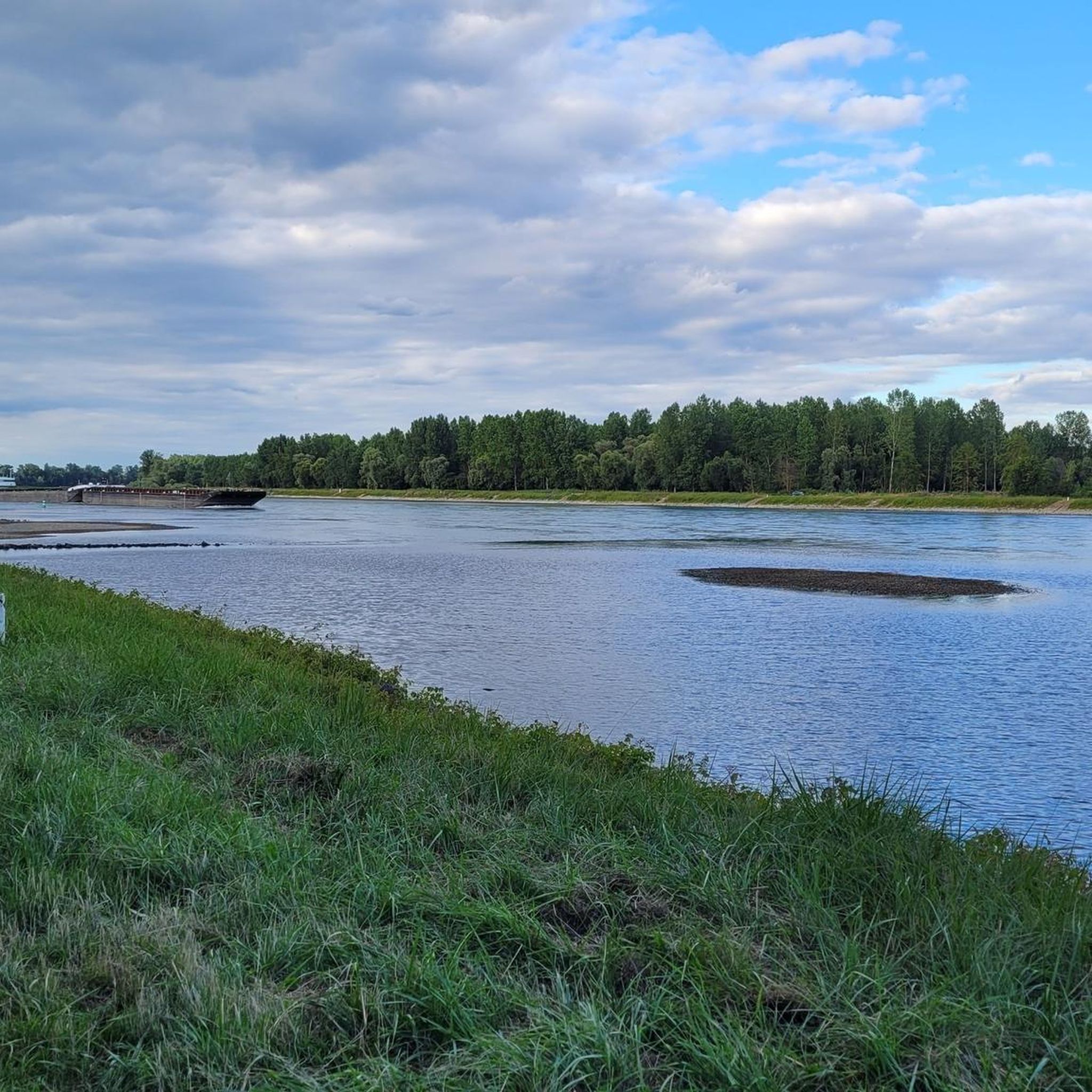
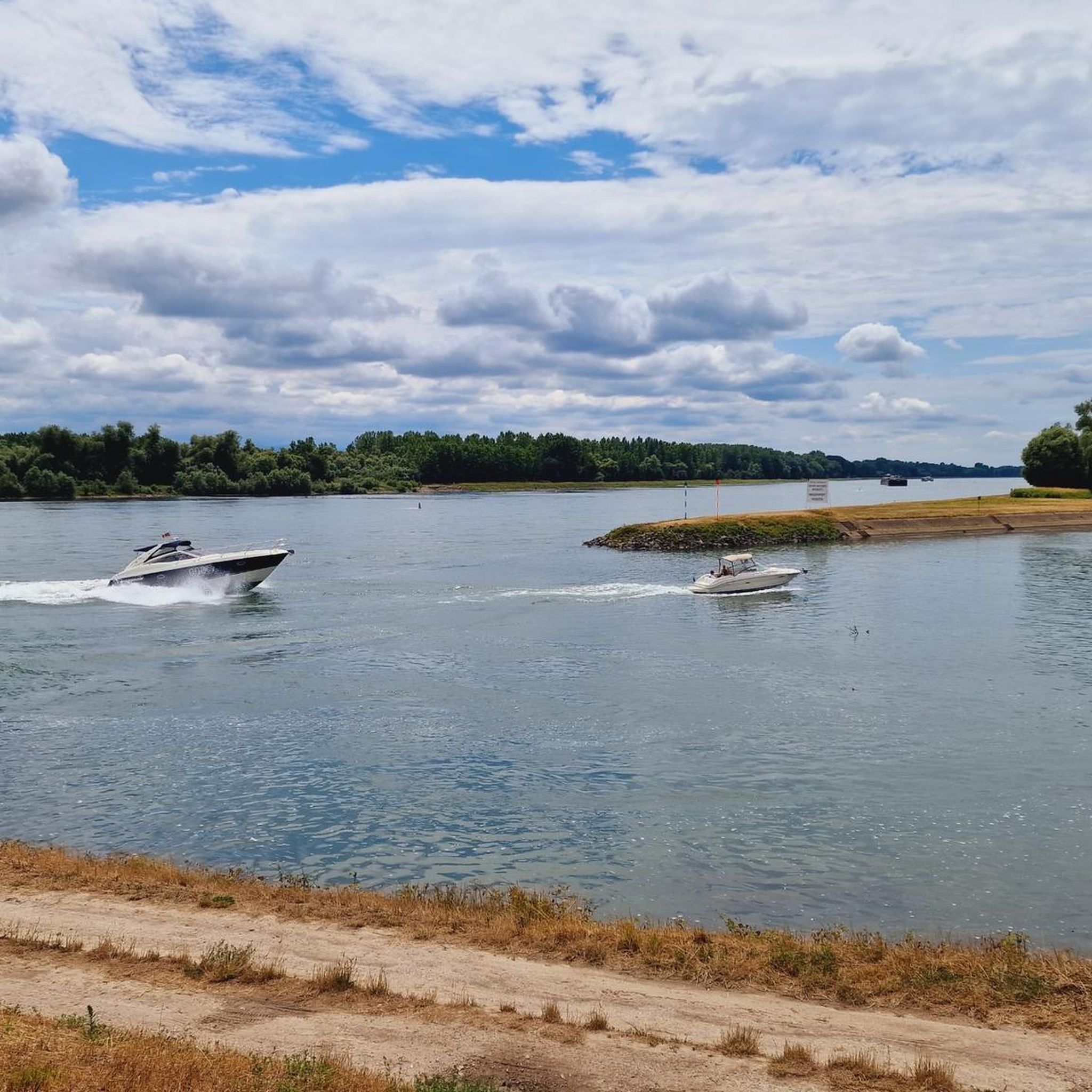
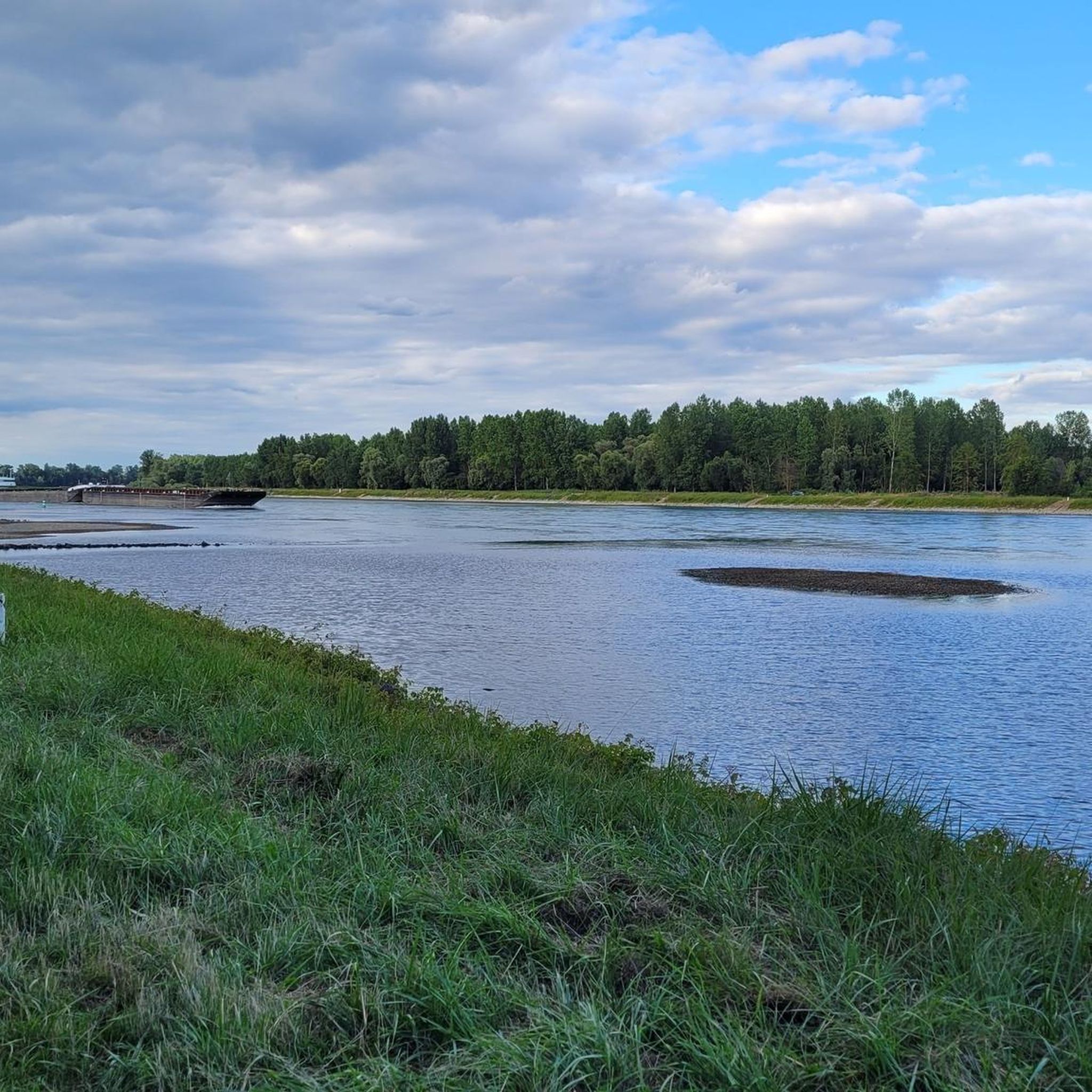
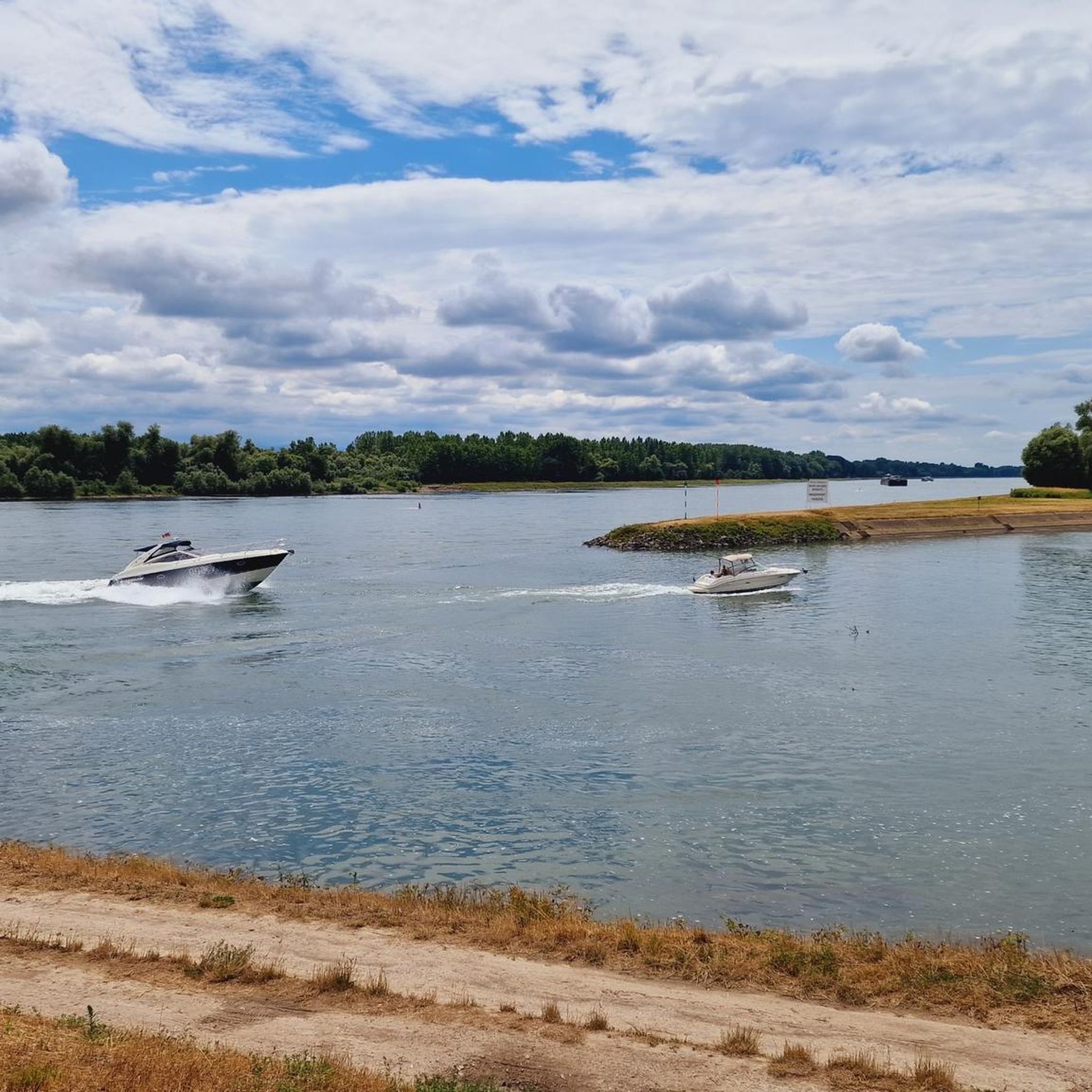
The Rhine itself is not directly visible here, but rather a harbor basin or an old Rhine arm. The Rhine is not far away, however.
1
1

The Rhine is one of the most important rivers in Europe and has a length of approximately 1,233 km. Its source lies in the Swiss Alps, where it originates from several mountain streams. From there, it first flows through Switzerland and then partly forms the border between Germany and France, before continuing through Germany and finally the Netherlands. Near Rotterdam, the Rhine divides into several distributaries and finally reaches the North Sea. Its catchment area is very large (approx. 185,000 km²) and includes many tributaries such as the Moselle, Main, or Neckar. The Rhine has great importance for Europe: Shipping: One of the most important waterways in the world for trade and transport Economy: Connection of many industrial and port cities Nature: Habitat for numerous animal and plant species Energy: Utilization through hydropower in the Alpine regions Due to its location and use, the Rhine is one of the most important lifelines of Central Europe.
0
0
The Rhine is one of the most important rivers in Europe and has a length of approximately 1,233 km. Its source lies in the Swiss Alps, where it originates from several mountain streams. From there, it first flows through Switzerland and then partly forms the border between Germany and France, before continuing through Germany and finally the Netherlands. Near Rotterdam, the Rhine divides into several distributaries and finally reaches the North Sea. Its drainage basin is very large (approx. 185,000 km²) and includes many tributaries such as the Moselle, Main, or Neckar. The Rhine has great importance for Europe: Shipping: One of the most important waterways in the world for trade and transport Economy: Connection of many industrial and port cities Nature: Habitat for numerous animal and plant species Energy: Utilization through hydropower in the Alpine regions Due to its location and use, the Rhine is considered one of the most important lifelines of Central Europe.
1
0
The Rhine is one of the most important rivers in Europe and has a length of approximately 1,233 km. Its source lies in the Swiss Alps, where it originates from several mountain streams. From there, it first flows through Switzerland and then partly forms the border between Germany and France, before continuing through Germany and finally the Netherlands. At Rotterdam, the Rhine divides into several distributaries and finally reaches the North Sea. Its catchment area is very large (approx. 185,000 km²) and includes many tributaries such as the Moselle, Main, or Neckar. The Rhine is of great importance to Europe: Shipping: One of the most important waterways in the world for trade and transport Economy: Connection of many industrial and port cities Nature: Habitat for numerous animal and plant species Energy: Utilization through hydropower in the Alpine regions Due to its location and use, the Rhine is one of the most important lifelines of Central Europe.
1
1
The Sauer is an approximately 70 km long tributary of the Rhine. It originates in the Palatinate Forest near the German-French border. On its way, it flows through the Northern Vosges and partly forms the border between Germany and France. It then crosses Alsace before flowing into the Rhine near Munchhausen. The Sauer has a catchment area of about 800 km² and an average discharge of around 6 m³ per second.
0
0
The cable ferry "Saletio" is unique in its kind. A cable system whose principle consists in using the sole force of the current to move. It connects the two banks Seltz (FR) with Plittersdorf (DE). It can transport 70 passengers, 28 bicycles and 6 vehicles. Motorhomes and caravans are not allowed on the ferry. The ferry is free.
0
0

Magnificent view of the Rhine.
0
0
Beautiful path along the Rhine.
0
1
Frequently Asked Questions
How many touring cycling routes are available around Lauterbourg?
There are over 25 touring cycling routes around Lauterbourg, catering to various skill levels. These include 7 easy routes, 14 moderate routes, and 5 more challenging options.
What are the general characteristics of touring cycling routes in Lauterbourg?
Touring cycling routes in Lauterbourg are primarily characterized by flat alluvial plains, following the Rhine and Lauter rivers, and traversing dense forests like the Forêt du Bienwald. While generally flat, the region is within reach of the North Vosges Mountains foothills, offering some varied topography. Many routes are paved and suitable for all fitness levels.
What do other cyclists say about the touring routes in Lauterbourg?
The touring cycling routes in Lauterbourg are highly rated by the komoot community, with an average score of 4.4 stars from over 180 reviews. Cyclists often praise the scenic riverside paths, the tranquility of the forest trails, and the accessibility for different ability levels.
Are there easy touring cycling routes suitable for beginners in Lauterbourg?
Yes, Lauterbourg offers several easy touring cycling routes perfect for beginners or those looking for a relaxed ride. An excellent option is the Beautiful avenue – Along the Rhine loop from Lauterbourg, an 18.7-mile (30.0 km) path offering views along the Rhine. Another easy choice is the Rhine Cycle Path on the South Bank – Rhine Cycle Path loop from Lauterbourg, a 8.7-mile (14.1 km) trail through the Rhine river landscape.
Are there any challenging touring cycling routes in Lauterbourg?
While many routes are easy to moderate, some longer touring cycling routes around Lauterbourg offer more of a challenge. The Forest trail of Bas-Rhin is a moderate 49.4-mile (79.5 km) route that traverses the dense Forêt du Bienwald, providing a longer ride with some elevation changes. There are 5 routes classified as difficult in the region for experienced riders.
Are there family-friendly touring cycling routes in Lauterbourg?
Yes, many of the routes in Lauterbourg are suitable for families due to their generally flat terrain and well-maintained paths. The Beautiful avenue – Along the Rhine loop from Lauterbourg and the Rhine Cycle Path on the South Bank – Rhine Cycle Path loop from Lauterbourg are particularly good choices for families, offering easy rides along the Rhine.
What natural features can I expect to see along the touring cycling routes in Lauterbourg?
Cycling routes in Lauterbourg showcase diverse natural features. You'll encounter the confluence of the Lauter and Rhine rivers, several small lakes, and the dense Forêt du Bienwald. The region is also home to the Sauer Delta Nature Reserve, known for its rich biodiversity, Rhineland forests, reed beds, and floodplains. You might also spot highlights like the German-French Border at the Alte Lauter or the Altrhein Maxau Nature Reserve.
Are there any notable landmarks or attractions to explore near the cycling routes?
Beyond the natural beauty, Lauterbourg and its surroundings offer historical and cultural points of interest. You can explore the fortified market town of Lauterbourg itself, or cycle towards charming nearby towns like Wissembourg. The Wissembourg – View of the Lauter loop from Lauterbourg route takes you towards Wissembourg. For natural landmarks, consider visiting the Bismarck Oak (Natural Monument).
Are there any viewpoints along the touring cycling routes in Lauterbourg?
Yes, you can find scenic viewpoints along the routes, especially those near the lakes and rivers. The Observation Deck at Fermasee is a specific highlight where you can enjoy panoramic views of the lake and surrounding landscape.
Are there circular touring cycling routes available in Lauterbourg?
Many touring cycling routes in Lauterbourg are designed as loops, making them convenient for starting and ending in the same location. Examples include the Beautiful avenue – Along the Rhine loop from Lauterbourg and the Rest area on the banks of the Rhine – Rest stop at the Sauer Delta loop from Lauterbourg.
Is it possible to use public transport with my bike to access routes in Lauterbourg?
Yes, cycling infrastructure in the region often runs alongside the Strasbourg – Lauterbourg railway line, allowing for convenient transport of bicycles on regional trains. This makes it easy to access various starting points for your touring cycling adventures.
Where can I park my car when cycling in Lauterbourg?
Lauterbourg, being a hub for cyclists, offers various parking options within the town and at popular starting points for routes. Specific parking areas are often signposted near major trailheads or public facilities. It's advisable to check local signage upon arrival for the most current parking information.
What is the best time of year for touring cycling in Lauterbourg?
The best time for touring cycling in Lauterbourg is generally from spring through early autumn (April to October). During these months, the weather is typically mild and pleasant, and the natural landscapes are at their most vibrant. Summer offers longer daylight hours, while spring and autumn provide cooler temperatures and beautiful foliage.
Most popular routes around Lauterburg
Most popular attractions around Lauterburg

Get inspired with the komoot mobile app


Explore more
Browse the best Cycling routes in other regions.
