Attractions and Places To See around Saint-André-De-Cubzac - Top 20
Best attractions and places to see around Saint-André-De-Cubzac include historical landmarks, cultural sites, and natural areas within the Gironde department of Nouvelle-Aquitaine, France. The town is situated near the Dordogne River, offering diverse landscapes from riverbanks to the Montalon bluff. Visitors can explore sites reflecting its rich history and connection to notable figures. The area provides opportunities to discover local heritage and scenic views.
Best attractions and places to see around Saint-André-De-Cubzac
- The most popular attractions is Saint-André de Cubzac, a man-made monument that encompasses several historical sites within the commune. It features the fortified Romanesque church of Saint-André-du-Nom-de-Dieu, the Port de Plagne, and the Montalon windmills with the 45th parallel marker.
- Another must-see spot is Saint-Géronce Church, a religious building. This neo-Gothic church, consecrated in 1856, replaced an earlier convent and features an organ from 1861.
- Visitors also love Saint Vincent De Paul Town Hall, Church and Pond, a cute village with a pretty little lake on the left bank of the Dordogne. This location is notable for its proximity to the Gustave Eiffel road bridge, which spans the Dordogne.
- Saint-André-De-Cubzac is known for its historical sites, religious buildings, and natural viewpoints. The area offers a variety of attractions to see and explore, from ancient churches to river-spanning bridges.
- The attractions around Saint-André-De-Cubzac are appreciated by the komoot community, with 2 highlights having received 78 upvotes and 10 photos.
Last updated: July 15, 2026
Saint Vincent De Paul Town Hall, Church and Pond
Highlight • Other
Translated by Google •
Tip by

Eiffel Bridge of Cubzac-les-Ponts
Highlight • Bridge
Translated by Google •
Tip by

Sign up now to discover places like this
Get recommendations on the best single tracks, peaks, & plenty of other exciting outdoor places.
Sign up for free
Saint-Géronce Church
Highlight • Religious Site
Translated by Google •
Tip by
Saint-André de Cubzac
Highlight • Monument
En 1341, Édouard III d’Angleterre érigea la terre du Cubzaguais en châtellenie et la donna à Bérard III d’Albret, en raison de services rendus. Après la victoire de Castillon en 1453, les places anglaises revenaient à la France et Cubzac –dont la vocation à l’origine était principalement militaire– n’avait plus véritablement de raison d’exister. Suite à ce déclin, le siège de la châtellenie se déplaçait du château de Cubzac à la maison noble du Bouilh, qui donnait à la région une impulsion nouvelle économique.
Les guerres de religion ont sévi dans cette zone. Au cours de la période de la Convention nationale (1792-1795), la commune a adopté le nom révolutionnaire de Montalon. Le site de Montalon abrite les restes de trois moulins, dont l'un est transformé en petit observatoire. On peut par ailleurs y trouver la borne du « 45e parallèle » nord.
Vierge de Pitié, groupe sculpté de l'intérieur de l'église Saint-André classé monument historique en 1971.
Château du Bouilh, construit vers 1786-1787 pour le compte de Jean-Frédéric de La Tour du Pin Gouvernet
Le phare du port de Plagne,
Le port de Plagne ; ancien haut lieu de la pêche à l'esturgeon.
Le platane de Robillard, tricentenaire.
Le château Robillard est un castel du xvie siècle ; durant l'été, des spectacles y sont régulièrement donnés fr.wikipedia.org/wiki/Saint-Andr%C3%A9-de-Cubzac
Tip by
Bourg-sur-Gironde Citadel
Highlight • Other
Translated by Google •
Tip by

Sign up for free to discover even more attractions around Saint-André-De-Cubzac.
Sign up for free
Already have an account?
Start today with a free account
Your next adventure awaits.
Login or Signup
Popular around Saint-André-De-Cubzac
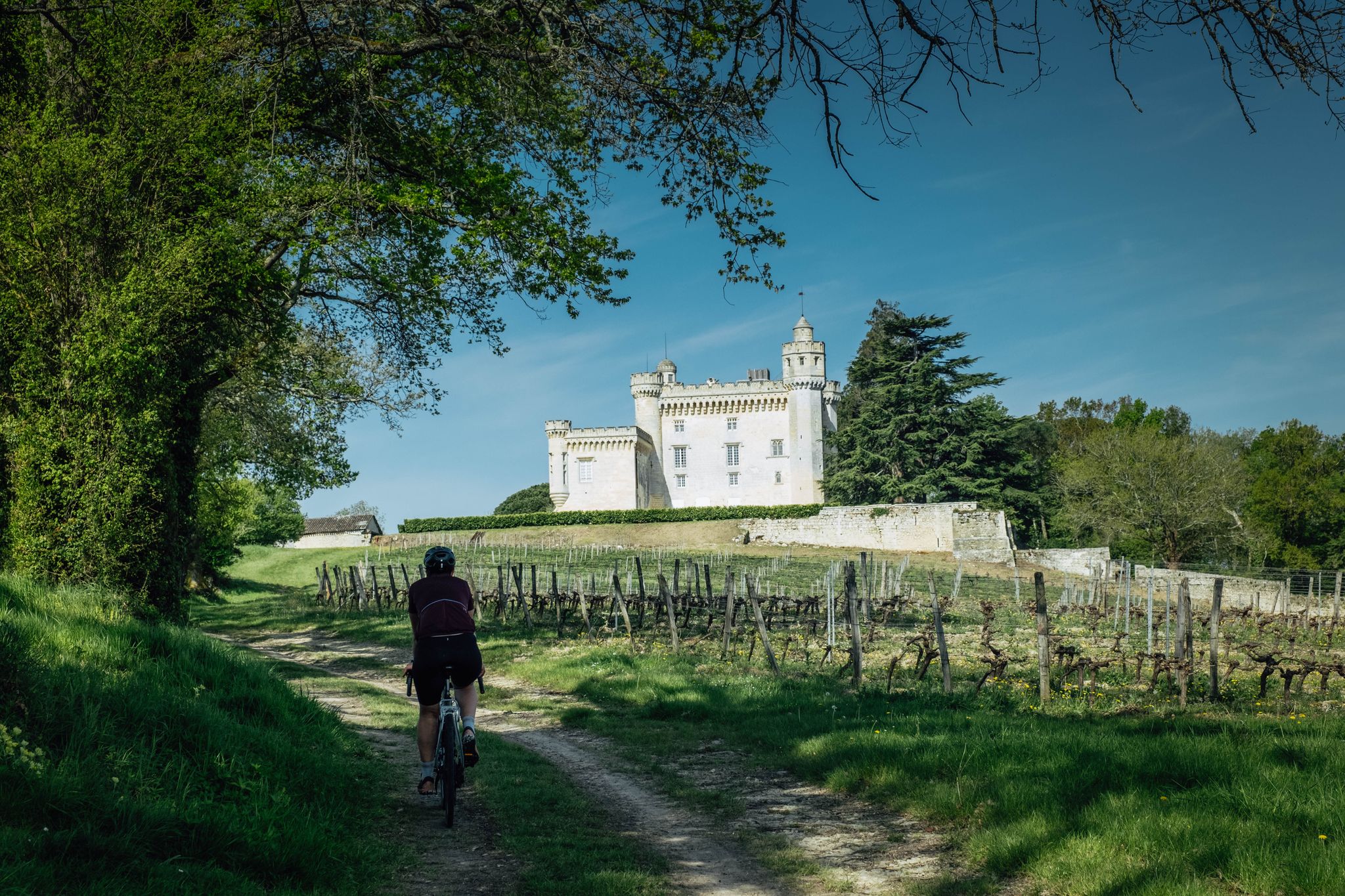
Exploring the Gironde – 10 gravel rides by train from Bordeaux
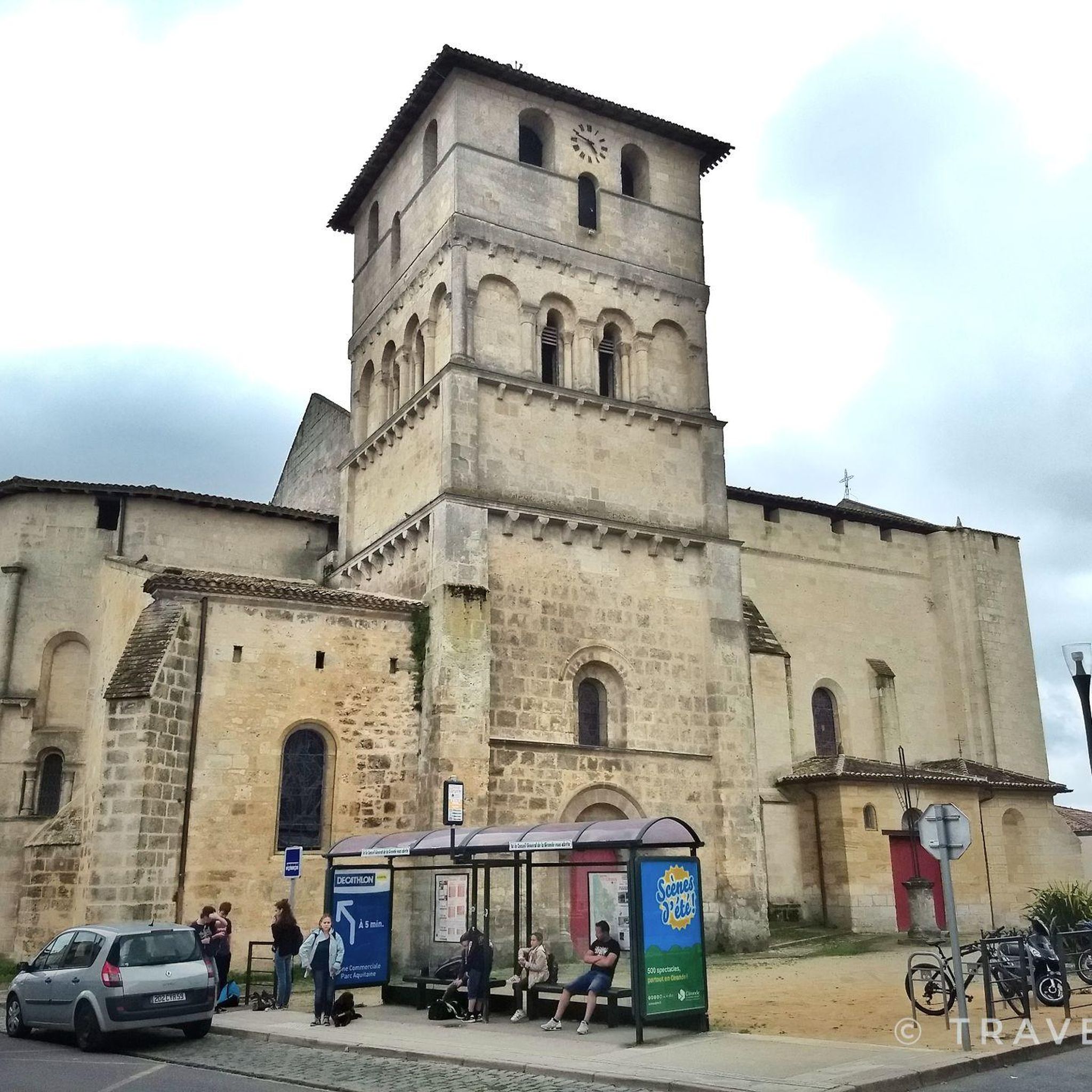
Road Cycling Routes around Saint-André-De-Cubzac
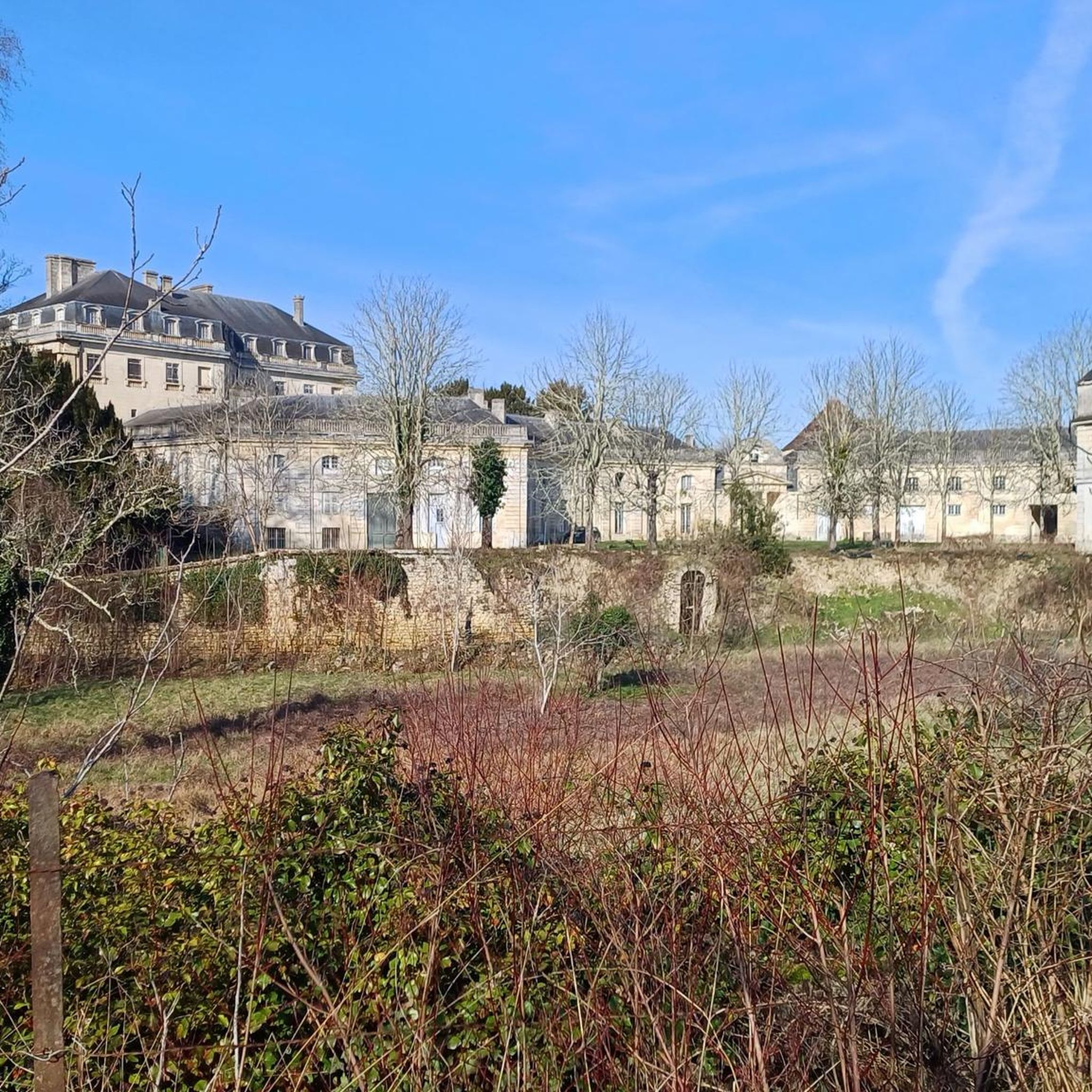
Hiking around Saint-André-De-Cubzac
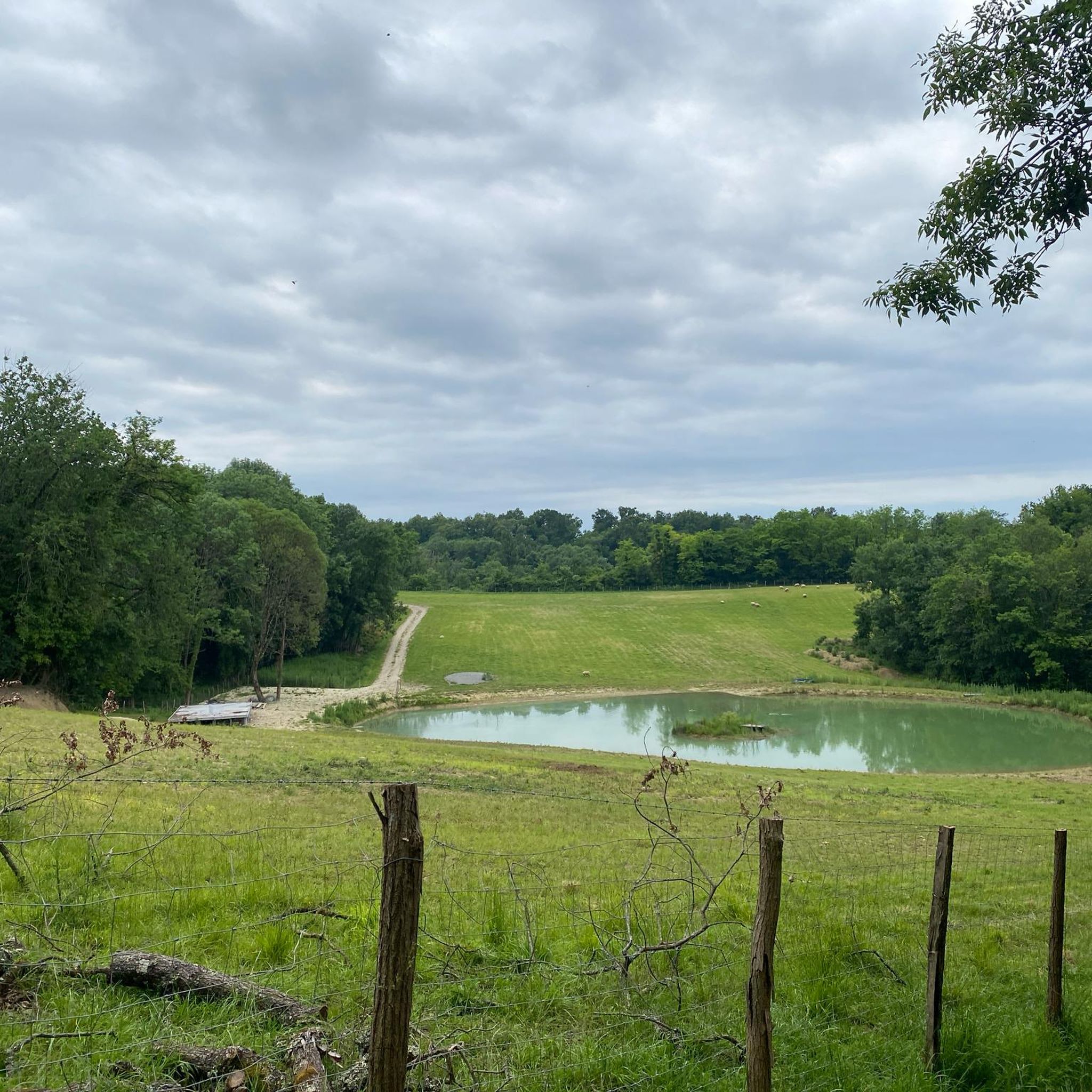
Cycling around Saint-André-De-Cubzac

MTB Trails around Saint-André-De-Cubzac

Running Trails around Saint-André-De-Cubzac

Gravel biking around Saint-André-De-Cubzac
Other adventures around Saint-André-De-Cubzac

Tips from the Community

This road bridge was built by Gustave Eiffel, between 1879 and 1883, on the foundations of a first suspension bridge (1839-1869) carried away by a storm. Destroyed during the Second World War, it was rebuilt by his grandson. The access ramp is supported by stone arcades which, seen from below, have the appearance of a Gothic cathedral.
0
0

A little piece of history with this bridge built by Gustave Eiffel!
0
0
Pretty lake with ducks, the opportunity to rest in a bucolic setting.
1
0

This neo-Gothic church was built to replace the dilapidated church of the Recollect Fathers, a men's convent founded in 1627. In the 19th century, the church wanted to encourage a revival of Catholic worship; it encouraged the construction of new religious buildings in Gironde. Thus, in 1856, the Saint-Géronce church was consecrated. Due to lack of space, its apse was oriented towards the south, contrary to what the liturgy provided. The organ, which has its original construction from 1861, is remarkable. Mass is celebrated there every Sunday morning at 10:00 a.m.
0
0
The Church of Saint-André-du-Nom-de-Dieu includes sections whose construction dates from the 12th to the 19th centuries. It was built by the Benedictines of the Abbey of La Sauve-Majeure and was once used by a priory founded after 1115, dependent on the abbey. The dominant style of this fortified church is Romanesque. Its massive, square-based bell tower is imposing. The building boasts beautiful stained-glass windows and a remarkable organ case. The church was last restored in 1977. The Virgin of Mercy is an alabaster sculpture dating from the 16th century and is a listed historic monument.
1
0

Nice spot for a break before continuing on the old Eiffel bridge !
1
0

The linguistic proximity of the "Pont Eiffel", which spans the Dordogne river here, and the low mountain range "Eifel" in the far west of Germany is no coincidence: The family of the designer - whose world-famous Tower of Paris (named after its builder) is probably known to everyone - has German roots. The ancestors of the Eiffel Tower builder Gustave EIFFEL come from the Eifel town of Marmagen (in the Euskirchen district, North Rhine-Westphalia). The village square there - if you are interested, see the following hiking highlight https://www.komoot.com/de-de/highlight/1830307 - is named after him.
6
0

Even if the church is being restored, it is worth seeing.
3
0
Frequently Asked Questions
What historical sites can I visit in Saint-André-De-Cubzac?
Saint-André-De-Cubzac is rich in history. You can explore the fortified Romanesque Saint-André-du-Nom de Dieu Church, which dates back to the 12th century and houses a 16th-century Virgin of Pity. Another significant site is the Montalon Windmills, where you'll also find the 45th Parallel Marker. The town is also home to the birthplace and burial place of renowned explorer Jacques-Yves Cousteau.
Are there any natural viewpoints or scenic spots in the area?
Yes, for scenic views, head to the Montalon bluff, the highest point in Haute-Gironde, where the Montalon Windmills are located. This spot offers panoramic views over the Dordogne River. Additionally, Robillard Castle's wooded park provides beautiful landscapes and stunning sunsets over the Dordogne from its highest point.
What outdoor activities are available near Saint-André-De-Cubzac?
The area around Saint-André-De-Cubzac offers various outdoor activities. You can find several hiking routes, including the 'Loop of Saint-André de Cubzac' (easy, 6.8 km) and the 'Château Robillard loop' (moderate, 13.6 km). For cycling, consider routes like 'From Saint-André-de-Cubzac to Bordeaux' (moderate, 31.8 km). You can find more details on these and other routes in the hiking guide and gravel biking guide.
Are there family-friendly attractions or activities in Saint-André-De-Cubzac?
Families can enjoy the wooded park of Robillard Castle, which features a children's play area. Parc Chambord in the town center also has a children's play area and a garden. For a peaceful outing, the Port de Plagne offers a lovely setting along the Dordogne River for walks and picnics. The Saint-Géronce Church is also listed as family-friendly.
Where can I see the Gustave Eiffel bridge?
The Gustave Eiffel road bridge spans the Dordogne River between Saint-Vincent-de-Paul and Cubzac-les-Ponts. You can get a great view of it from Saint Vincent De Paul Town Hall, Church and Pond, which is a charming village located on the left bank of the Dordogne, just before the bridge. The bridge itself, the Eiffel Bridge of Cubzac-les-Ponts, is accessible and offers a dedicated cantilevered cycle path.
What is the significance of the 45th Parallel Marker?
The 45th Parallel Marker, located on the Montalon bluff, symbolizes the passage of the 45th parallel north. This line is halfway between the Equator and the North Pole, making it a unique geographical point of interest in the region.
Are there any religious buildings worth visiting?
Absolutely. The Saint-André-du-Nom de Dieu Church is a fortified Romanesque church with a massive bell tower, beautiful stained-glass windows, and a remarkable organ. Another notable religious site is the neo-Gothic Saint-Géronce Church, consecrated in 1856, which features an organ from 1861.
What is the Port de Plagne and what can I do there?
The Port de Plagne was historically a significant sturgeon fishing port. Today, it serves as a marina and nautical club, offering a tranquil setting along the Dordogne River. It's an ideal spot for leisurely walks, enjoying nature, and picnics.
Can I find local markets in Saint-André-De-Cubzac?
Yes, Saint-André-De-Cubzac hosts local markets every Thursday and Saturday morning. These markets are a great way to experience local life and discover regional produce.
What is the Robillard Castle and its park like?
Robillard Castle is a 16th-century castle set within a beautiful wooded park. The park is a popular spot, featuring an ancient three-hundred-year-old plane tree, a children's play area, and a green theater that hosts summer shows. From the highest point, you can enjoy panoramic views and stunning sunsets over the Dordogne.
Are there any accessible attractions for wheelchair users?
The Eiffel Bridge of Cubzac-les-Ponts is noted as wheelchair accessible, featuring a dedicated cantilevered cycle bridge that also accommodates pedestrians. This allows for enjoyment of the views over the Dordogne River.
Most popular routes around Saint-André-De-Cubzac
Most popular attractions around Saint-André-De-Cubzac

Get inspired with the komoot mobile app


Explore more
Still not found the Highlight you’re looking for? See guides of the top attractions in other regions:
