Attractions and Places To See around Laneuveville-En-Saulnois - Top 14
Attractions and places to see around Laneuveville-En-Saulnois include historical landmarks, natural landscapes, and cultural sites within the Saulnois region of France. This area is characterized by its rural charm, traversed by the Ruisseau de Viviers, and features evidence of ancient history like a Roman road passage. The broader Saulnois region offers diverse natural heritage, including salty wetlands, forests, and ponds, providing opportunities for nature outings and hiking. Laneuveville-En-Saulnois serves as a gateway to exploring both local points of interest and…
Last updated: May 19, 2026
Church of St Privat de Salonnes
Highlight • Other
Translated by Google •
Tip by

Vic-sur-Seille
Highlight • Other
Translated by Google •
Tip by

Sign up now to discover places like this
Get recommendations on the best single tracks, peaks, & plenty of other exciting outdoor places.
Sign up for free
Saint-Privat Parish Church
Highlight • Religious Site
Translated by Google •
Tip by
Grémecey
Highlight • Other
Translated by Google •
Tip by
Château des évêques de Metz.
Highlight • Other
Translated by Google •
Tip by
Sign up for free to discover even more attractions around Laneuveville-En-Saulnois.
Sign up for free
Already have an account?
Start today with a free account
Your next adventure awaits.
Login or Signup

Tips from the Community

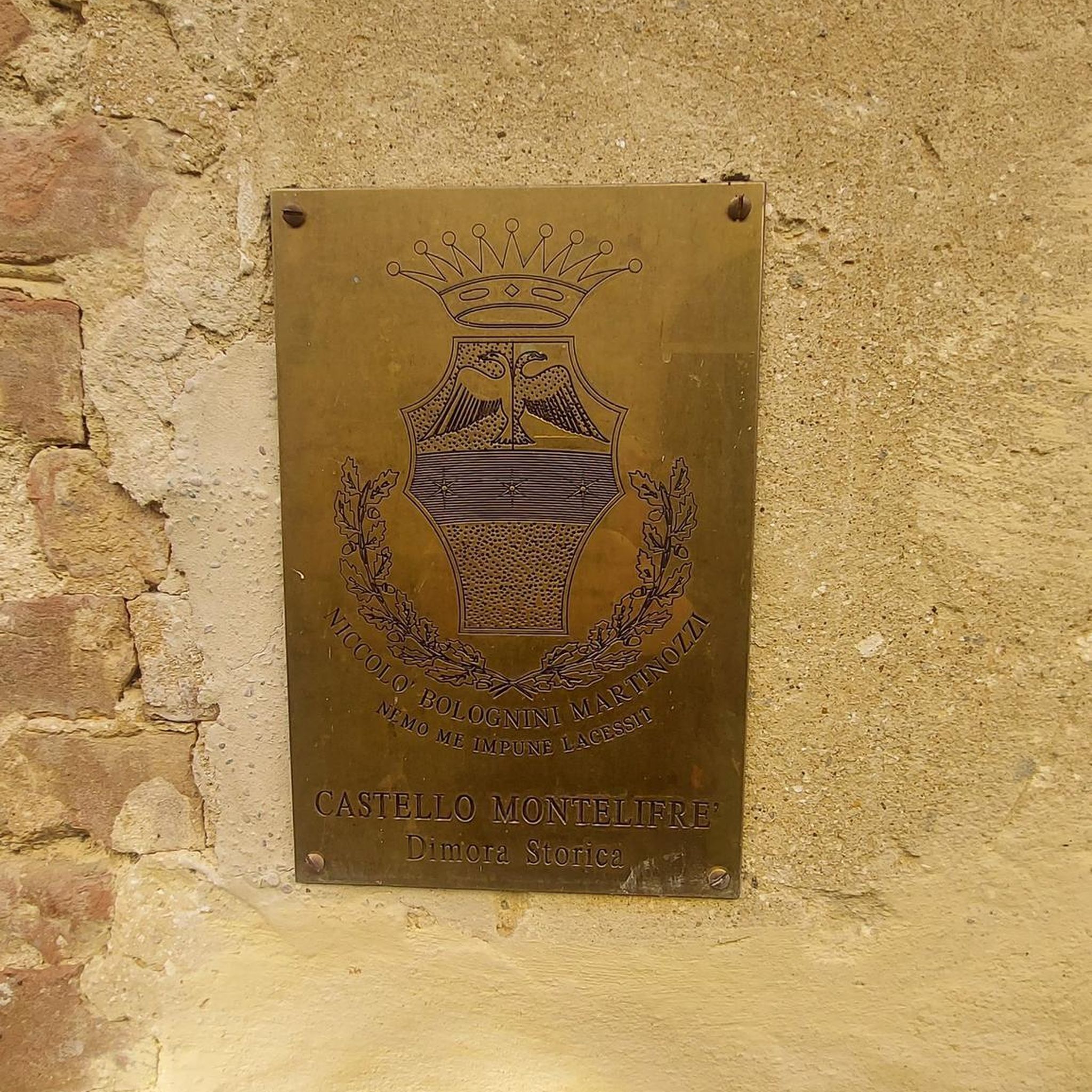
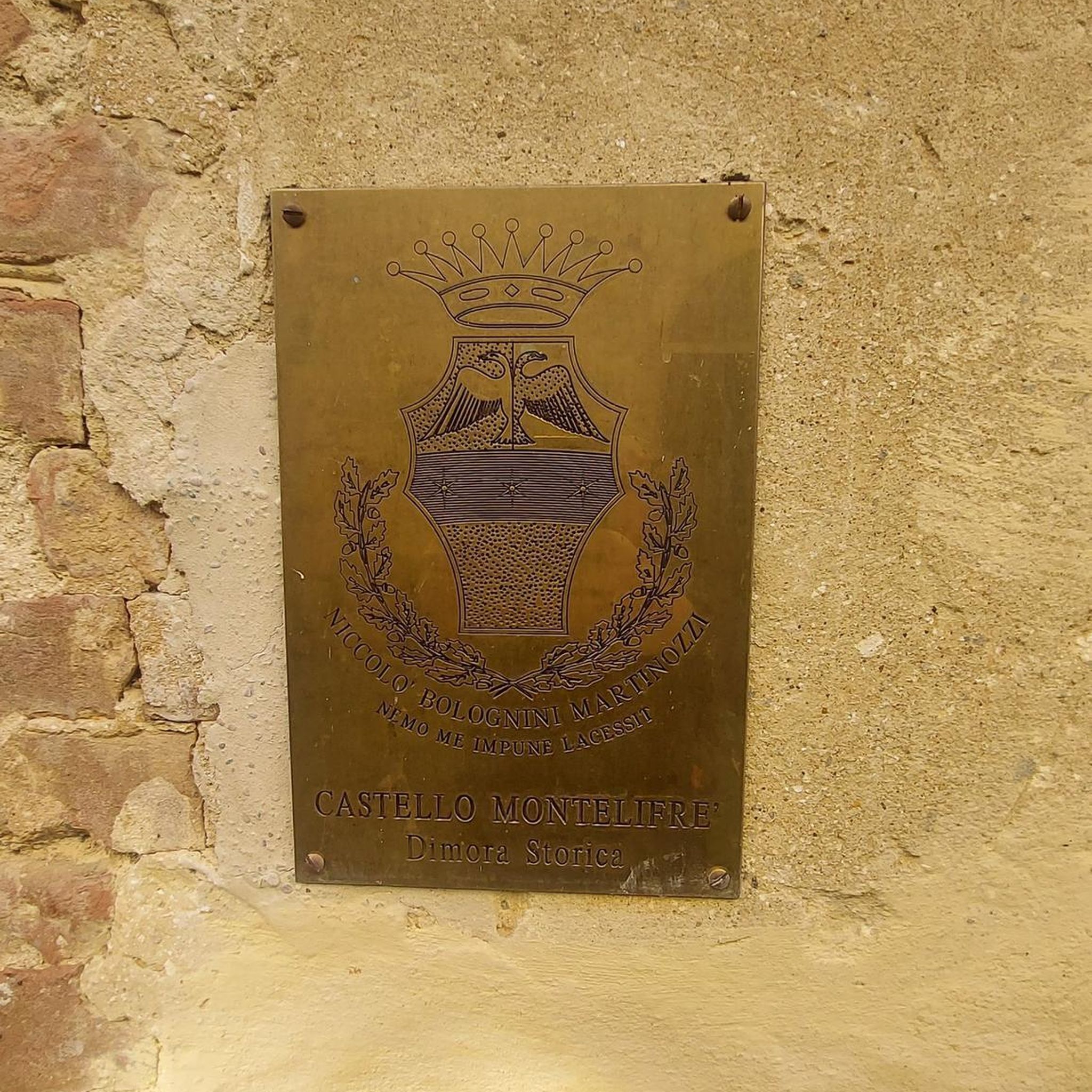
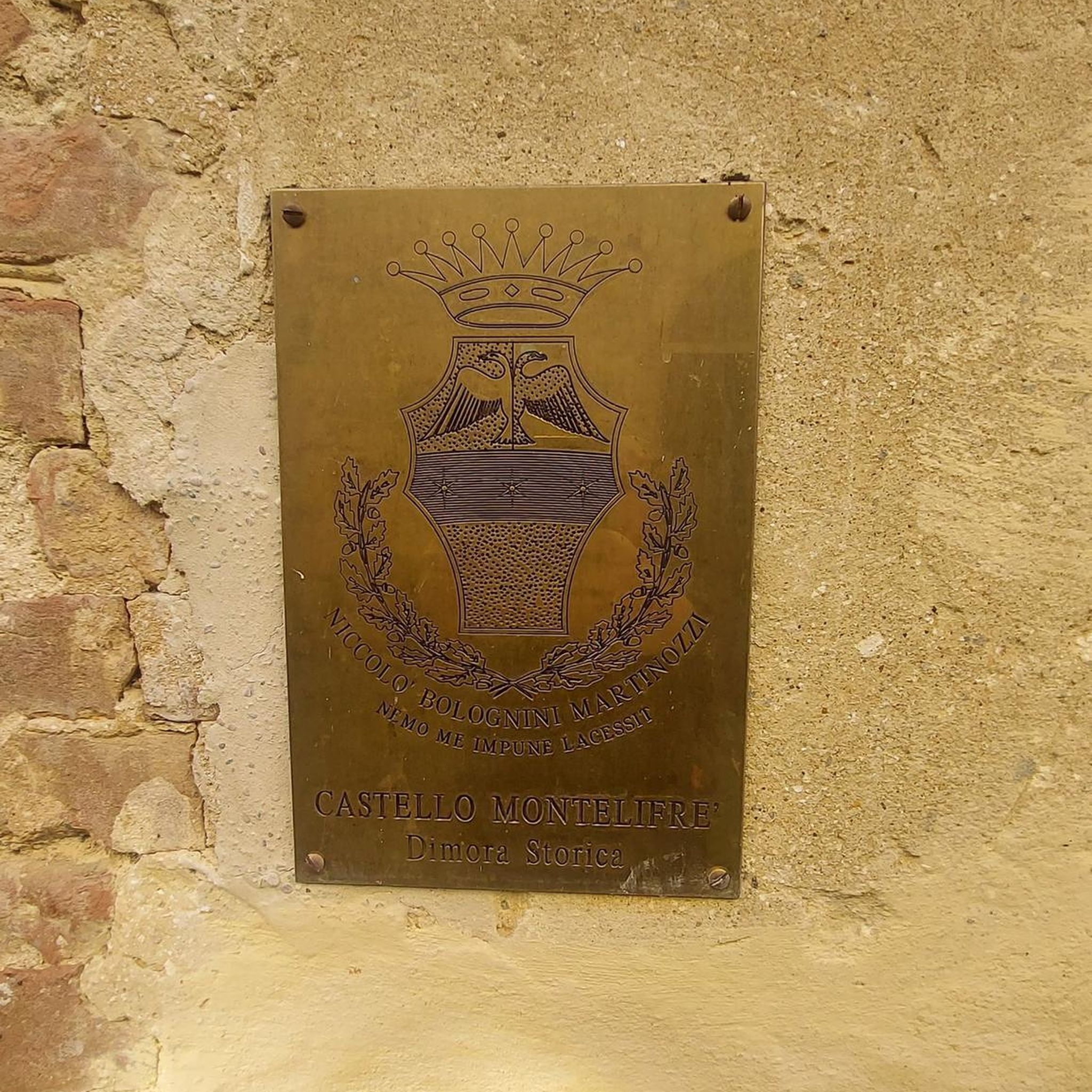
On the edge of Vic-sur-Seille lies the former episcopal castle, an impressive remnant of the power of the bishops of Metz. Built from the end of the 12th century by Bishop Bertram, it served as both the residence and the administrative centre of the secular authority of the diocese. The castle was expanded in the 13th century into a pentagonal complex, fortified with semicircular towers and a deep moat. Under Bishop Thierry Bayer de Boppard (1365–1384), important restorations were carried out, including the construction of a south-west wing with access to the gardens and the “Grand Parc”. Of the original complex, only part of the residential building on the west side remains today, recognisable by the windows with niches. The most striking structure is the châtelet, the fortified entrance gate from the 15th century, with its white limestone machicolations and traces of a drawbridge. After its restoration in 2008, the castle is once again visible as a silent witness to the medieval power and strategic location of Vic-sur-Seille, especially in the context of salt mining and the rivalry with the Dukes of Lorraine.
9
0
The church of Salonnes has a rich history dating back to the 8th century, when it was built to house the relics of Saint-Privat and Saint-Hilaire. After being destroyed during conflicts over the salt mines and later the Thirty Years' War, it was rebuilt in 1540 and again in 1750. The most striking element is the Gothic portal, which is the only original part from the 16th century to have been preserved. Made of Jaumont stone, it features an accolade arcade flanked by pinnacles. Three Gothic niches above the double doors recall the ornate style of the late Gothic period.
8
0

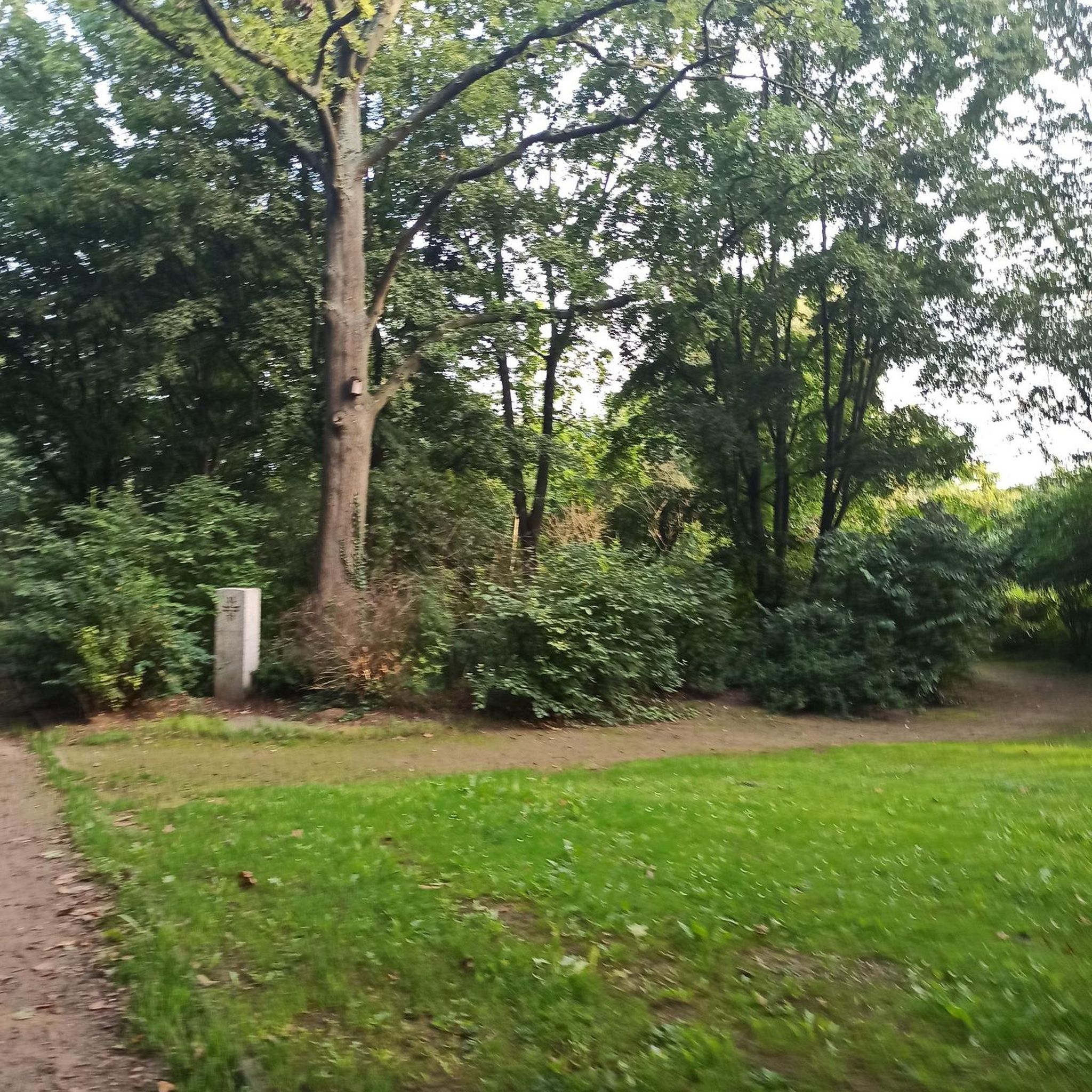
Grémecey is a small town of around a hundred inhabitants on the GR 5 route. Without shops, you can still stop in the village to ask the inhabitants for water or have a bite to eat.
1
0
The parish church of Saint-Privat, which at first glance looks ugly because of the concrete that covers its walls, is full of treasures. Built in the 8th century, it has been remodeled over time but retains a magnificent, finely crafted Gothic portal. Its ornaments representing various animals and plants give it a unique appearance. If you go through Salonnes, stop at the church!
2
0
Vic-sur-Seille, which benefits from the label "Small cities of character", is an essential place of passage for itinerants who cross the region. If its old stones undeniably recall the history of the village, its leisure center invites you to rest and relax. The village has all the amenities, from accommodation to restaurants. Take the time to visit the museum which takes its name from Georges de La Tour, born in 1593 in Vic-sur-Seille. The exhibitions offer many indications on the region and its evolution.
3
0

This church, originally built in the 8th century for the remains of St Privat, bishop of Mende, was greatly altered in the 16th century and has a flamboyant Gothic portal. The canopies of the empty niches are...More Source: petit-patrimoine.com
0
0
Frequently Asked Questions
What historical sites can I explore directly in Laneuveville-en-Saulnois?
Within Laneuveville-en-Saulnois, you can discover the Église Sainte-Marie-Madeleine, a significant religious edifice. Visitors can also see one of the last remaining Puits à Balancier (balance wells) in Lorraine, restored in 1987. Evidence of ancient history is also present with the passage of a Roman road through the area.
What cultural attractions are available in the broader Saulnois region?
The wider Saulnois region offers several cultural highlights. You can visit Vic-sur-Seille, a village known for its museum dedicated to the famous 17th-century painter Georges de La Tour. Other notable sites include the Musée départemental du sel in Marsal, which tells the story of salt exploitation, and the Centre d'art contemporain la Synagogue de Delme for modern art enthusiasts.
What natural features and outdoor activities are available near Laneuveville-en-Saulnois?
Laneuveville-en-Saulnois is traversed by the Ruisseau de Viviers, contributing to its rural charm. The surrounding "Pays du Saulnois" is known for its diverse natural heritage, including salty wetlands, forests, and ponds. You can explore the Réserve naturelle régionale de la côte de Delme, a regional nature reserve, or enjoy the natural spaces around the Domaine de Lindre. The area is ideal for nature outings and observing local wildlife.
Are there hiking opportunities around Laneuveville-en-Saulnois?
Yes, the surrounding area provides various hiking trails. You can explore local landscapes, including circuits like "Autour de Mesnival" which offers views of forests and the Moselle hillsides. For more detailed routes, you can find options like the "Ras loop from Xocourt" (easy, 5 km) or the "Côte de Delme loop from Puzieux" (moderate, 7.4 km). Discover more hiking trails in the area on the Hiking around Laneuveville-En-Saulnois guide.
What cycling routes are available near these attractions?
Cyclists can find several routes around Laneuveville-en-Saulnois. Options include a moderate 32.7 km loop around the "Côte de Delme via Liocourt" or a 28.5 km moderate bike loop starting directly from Laneuveville-en-Saulnois. For more challenging rides, there's a difficult 174 km route to "Chateau de Lunéville". Explore more cycling options on the Cycling around Laneuveville-En-Saulnois guide.
Are there any family-friendly activities in the Saulnois region?
While Laneuveville-en-Saulnois itself offers a tranquil rural experience, the broader Saulnois region provides family-friendly options. Nearby towns like Château-Salins and Fossieux offer pisciculture (fishing) associations with accessible sites and equestrian centers for leisure activities. The forests and lakes, such as Lindre and Étang de Bischwald, are also great for family picnics.
What is the best time of year to visit Laneuveville-en-Saulnois and the Saulnois region?
The Saulnois region, including Laneuveville-en-Saulnois, is generally pleasant from spring to autumn. These seasons offer ideal weather for outdoor activities like hiking and cycling, and for enjoying the natural beauty of the salty wetlands, forests, and ponds. Summer provides warmer temperatures, while spring and autumn showcase vibrant natural colors.
What do visitors particularly enjoy about the attractions around Laneuveville-en-Saulnois?
Visitors appreciate the blend of historical interest, natural beauty, and tranquil rural atmosphere. The komoot community has shared 9 photos and given 13 upvotes to various highlights, indicating enjoyment of the area's charm. The historical significance of sites like Church of St Privat de Salonnes and the picturesque village of Vic-sur-Seille are often highlighted.
Can I find places to eat or stay near Laneuveville-en-Saulnois?
Laneuveville-en-Saulnois offers a peaceful, rural experience. While the village itself is small, nearby Vic-sur-Seille, a "Small city of character," has all the amenities, including accommodation and restaurants. Other larger towns in the Saulnois region will also provide dining and lodging options.
Are there any notable historical castles or religious buildings in the vicinity?
Yes, the area is rich in history. Besides the local Église Sainte-Marie-Madeleine, you can visit the Church of St Privat de Salonnes, which has a rich history dating back to the 8th century and features a striking Gothic portal. In Vic-sur-Seille, you can see the remnants of the Château des évêques de Metz, an impressive former episcopal castle.
What are the options for mountain biking around Laneuveville-en-Saulnois?
Mountain biking enthusiasts can find several trails in the area. Routes like the "Bois Royal de Serres – Ancienne Motte Castrale loop from Delme" (moderate, 44.8 km) or a shorter "Ancienne Motte Castrale loop from Delme" (easy, 30 km) are available. You can find more detailed MTB routes on the MTB Trails around Laneuveville-En-Saulnois guide.
Is public transport available to reach attractions in the Saulnois region?
While Laneuveville-en-Saulnois itself is a small rural village, public transport options in the broader Saulnois region may be limited. It is generally recommended to use a car to access many of the natural and historical sites scattered across the area, especially for flexibility in exploring the diverse attractions.
Most popular routes around Laneuveville-En-Saulnois

Get inspired with the komoot mobile app


Explore more
Still not found the Highlight you’re looking for? See guides of the top attractions in other regions:
