Attractions and Places To See around Saint-Victor-Et-Melvieu - Top 13
Best attractions and places to see around Saint-Victor-Et-Melvieu, a commune in the Aveyron department of France, are situated within the Regional Natural Park of Grands Causses. The area features a blend of historical landmarks, cultural sites, and natural scenery. It is characterized by the Gorges des Raspes and the Tarn river, offering diverse landscapes for exploration. The region provides opportunities to discover both cultural heritage and natural environments.
Best attractions and places to see around Saint-Victor-Et-Melvieu
- The most popular attractions…
Last updated: May 4, 2026
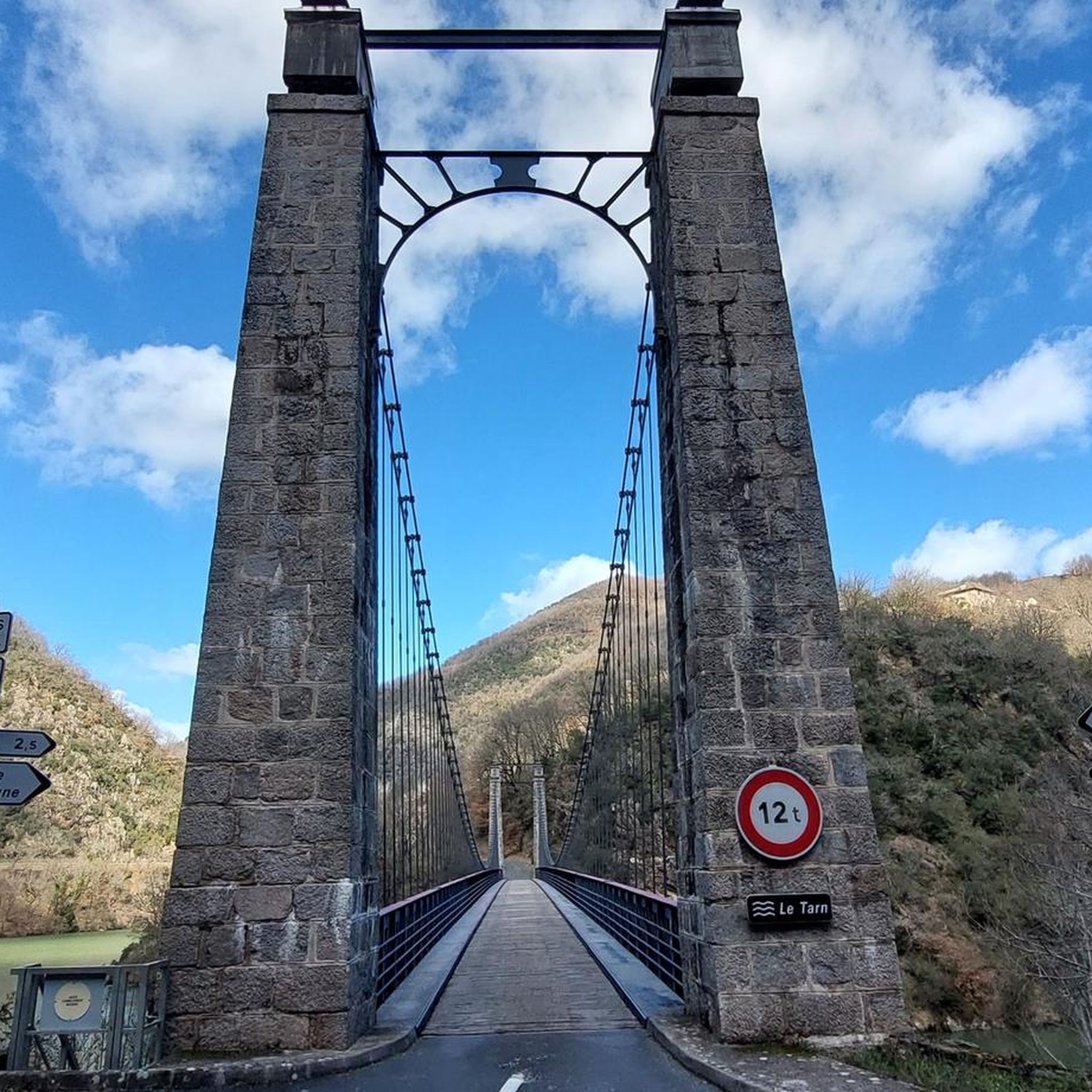
Verdalle Bridge
Highlight • Bridge
That a 12t truck fits over there - wow. wouldn't trust me
Translated by Google •
Tip by

Saint-Affrique
Highlight • Other
Translated by Google •
Tip by

Sign up now to discover places like this
Get recommendations on the best single tracks, peaks, & plenty of other exciting outdoor places.
Sign up for free
Saint-Affrique Church and Bridge over the Sorgues
Highlight • Religious Site
Translated by Google •
Tip by
Roc Saint-Jean lookout
Highlight • Other
Translated by Google •
Tip by

Cascade des Raspes du Tarn
Highlight • Waterfall
Translated by Google •
Tip by

Sign up for free to discover even more attractions around Saint-Victor-Et-Melvieu.
Sign up for free
Already have an account?
Start today with a free account
Your next adventure awaits.
Login or Signup


Tips from the Community

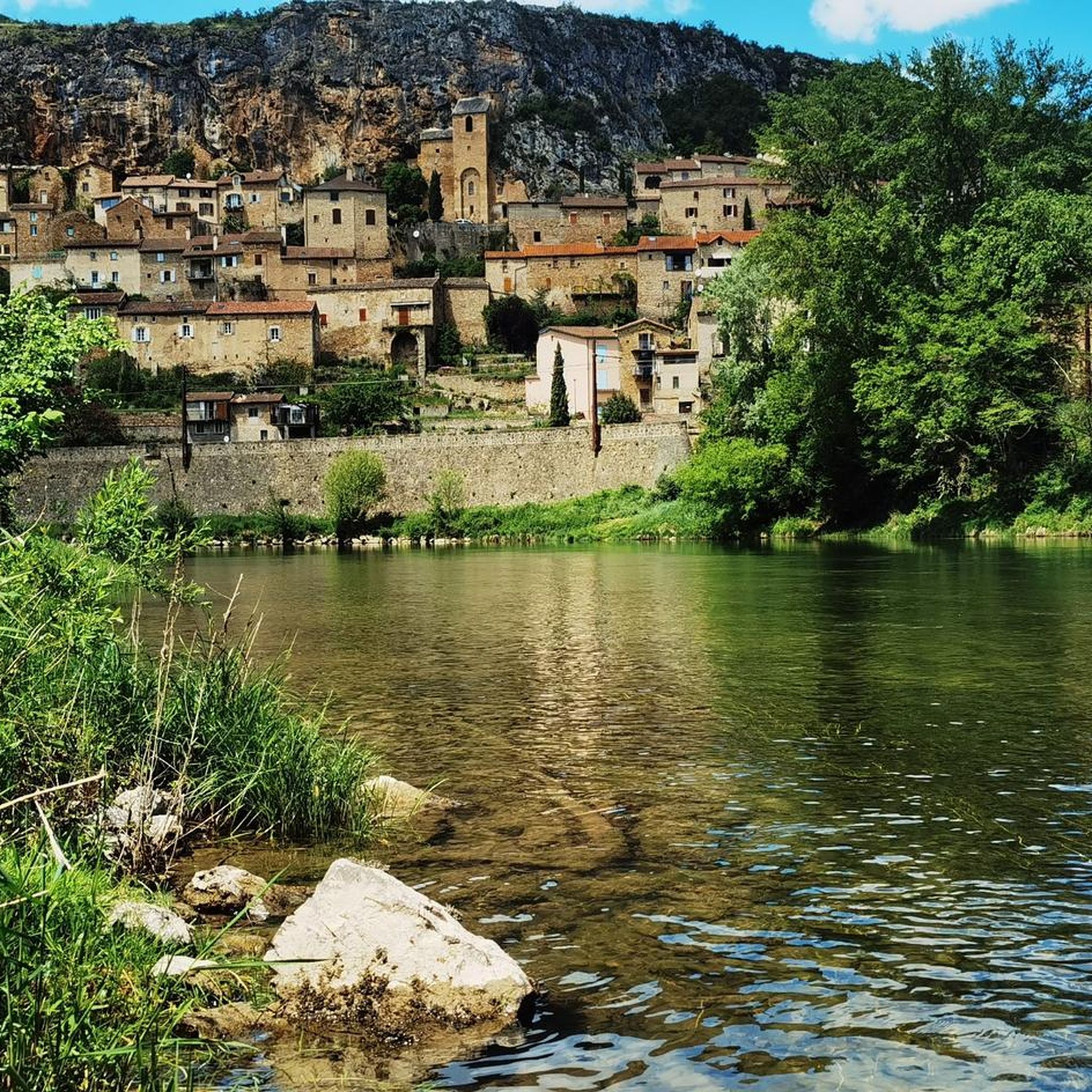
A fortress stood here in the Middle Ages. It was destroyed in 1629. Nothing of it remains. However, the view of the Tarn is very impressive. A sign provides orientation.
0
0


Great view of the waterfall
0
0


Beautiful waterfall seen from the road
0
0

The Verdalle suspension bridge and dam (since drowned by the Truel reservoir) date from 1914, at a time when demand for electricity was exploding and hydroelectric development projects were flourishing.
0
0

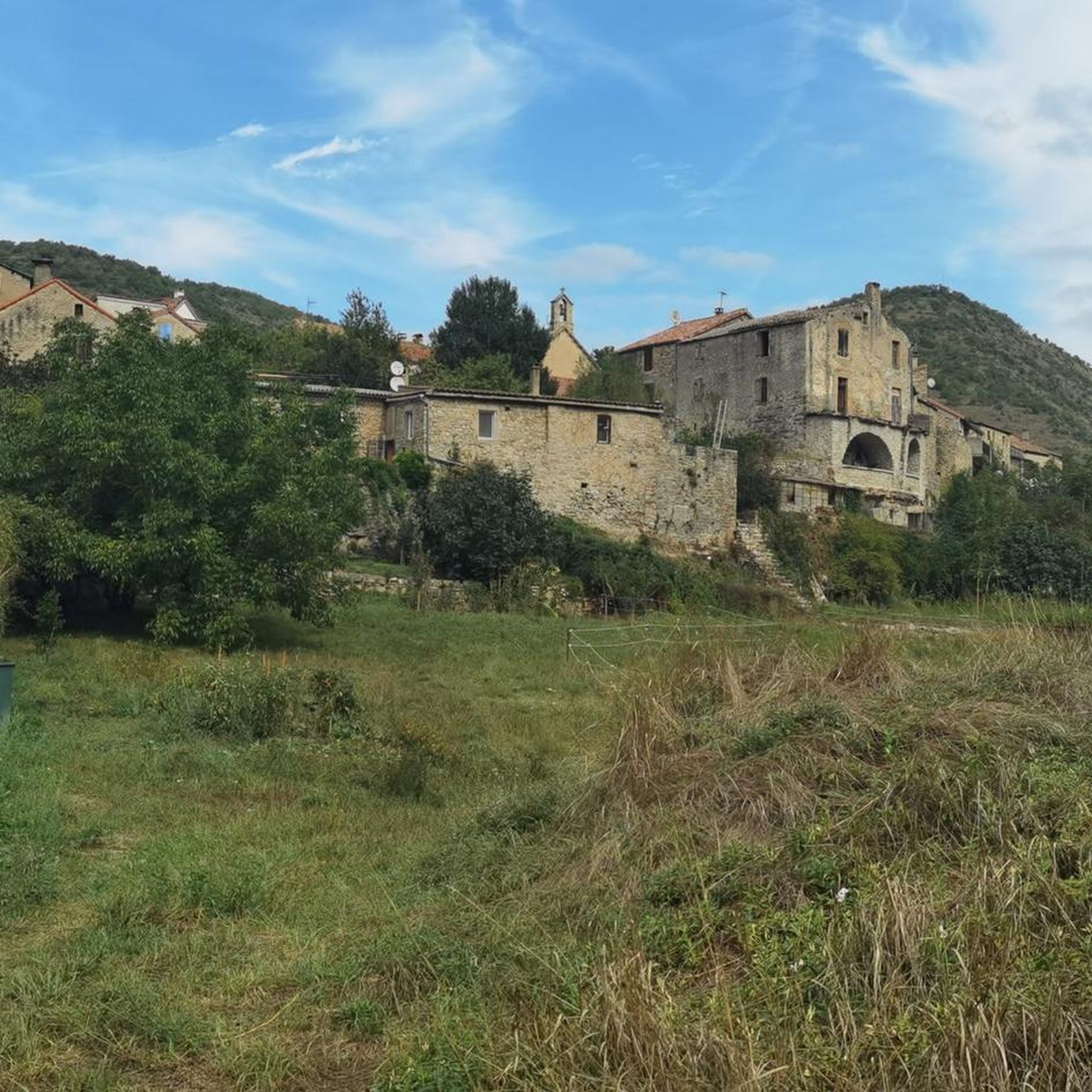
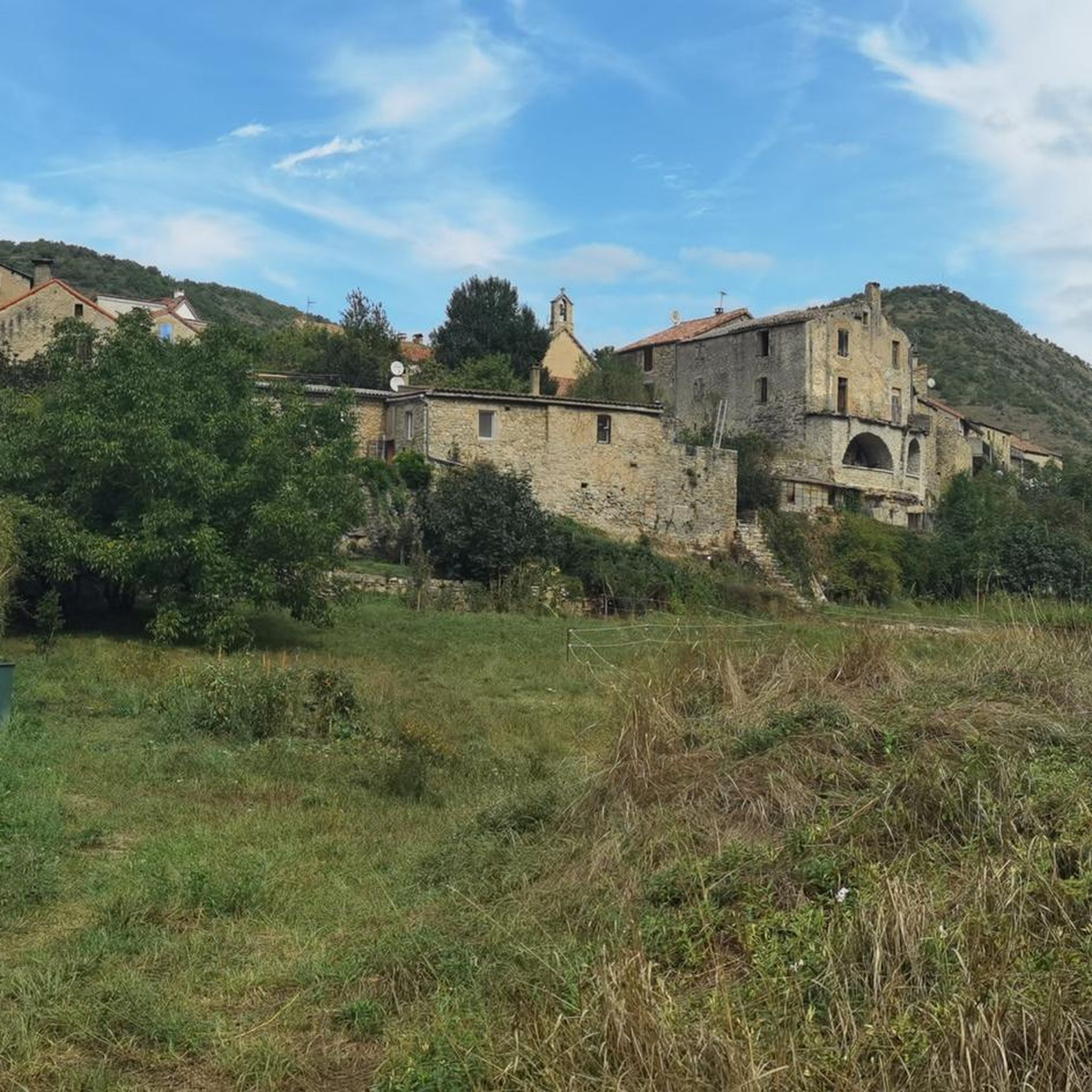
In the heart of the Grands Causses Regional Natural Park, Saint-Affrique spreads out in the Sorgues valley. Gateway to the ravines of Nougayrolles and Combesoudre and many departures to the puechs. Nice market on Saturday morning, nice little associative café in the city: le Lieu-dit.
1
1
In the heart of the Grands Causses Regional Natural Park, Saint-Affrique spreads out in the Sorgues valley. Very nice market on Saturday morning and many producers of honey and Roquefort around. There is also a nice little associative café in the city: the Lieu-dit.
1
0
Frequently Asked Questions
What natural landscapes and viewpoints can I discover in the Saint-Victor-et-Melvieu area?
The region is rich in natural beauty, particularly the dramatic Gorges des Raspes, carved by the Tarn River. You can visit the impressive Cascade des Raspes du Tarn, a waterfall with a notable rock formation. For panoramic views, the Roc Saint-Jean lookout offers a stunning perspective over the gorges. The entire commune is nestled within the Regional Natural Park of Grands Causses, featuring diverse and picturesque landscapes.
What historical and cultural sites are prominent in Saint-Victor-et-Melvieu?
Saint-Victor-et-Melvieu boasts several significant historical and cultural sites. The Church of Saint-Victor is a must-see, adorned with 25 neo-Byzantine frescoes by Nicolaï Greschny, often called the 'Rouerguate Sistine Chapel.' You can also explore the 14th-century Watchtower, offering 360-degree views, and its adjacent Medieval Garden. The Chapel of Notre-Dame du Désert, perched on a cliffside, provides serene views over the Gorges des Raspes. Additionally, the Centre d'Art Mural et d'Interprétation de la Fresque offers further insights into mural art.
Are there opportunities for hiking or cycling near Saint-Victor-et-Melvieu?
Yes, the region offers numerous trails for hiking and mountain biking, allowing you to explore the diverse facets of the 'Pays des Raspes.' For running, you can find routes like 'Our lady of the desert loop from Le Truel' or 'The peeled valley at Auriac loop from Saint-Rome-de-Tarn.' Gravel biking options include routes around the Millau Viaduct or Lac de Villefranche-de-Panat. Road cyclists can enjoy scenic rides such as 'Saint-Rome-de-Tarn – View of the Millau Viaduct loop.' You can find more details on these activities in the respective guides: Running Trails, Gravel Biking, and Road Cycling Routes.
What is the Verdalle Bridge and why is it notable?
The Verdalle Bridge is a narrow suspension bridge that spans the Tarn river. It's known for its wooden apron, which can provide a unique and slightly shaky experience for cyclists crossing it. It offers picturesque views of the surrounding area and the emerald waters of the Tarn.
What can I expect when visiting Saint-Affrique?
Saint-Affrique, located in the heart of the Grands Causses Regional Natural Park, is known for its Church and Bridge over the Sorgues. The town hosts a vibrant market on Saturday mornings, where visitors can find local produce, including honey and Roquefort cheese from nearby producers. It's also a gateway to the ravines of Nougayrolles and Combesoudre.
Are there any unique architectural features in the villages of Saint-Victor and Melvieu?
Yes, the villages have distinct architectural styles. Saint-Victor is characterized by its white gritstone houses, while Melvieu features traditional red gritstone homes. Melvieu also preserves an old bread oven, offering a glimpse into the typical architecture of Southern Aveyron.
What are the Barrages of Pinet and Le Truel?
The Barrages (Dams) of Pinet and Le Truel (also known as Le Pouget) are hydroelectric dams located on the Tarn river within the commune. These are significant industrial heritage sites that have shaped the local landscape and history, influencing the flow and character of the river.
What do visitors particularly enjoy about the attractions around Saint-Victor-et-Melvieu?
Visitors frequently praise the stunning natural beauty, especially the dramatic rock formations and the 'magical' quality of the Cascade des Raspes du Tarn. The panoramic views from spots like the Roc Saint-Jean lookout are also highly appreciated. The unique experience of crossing the Verdalle Bridge is often mentioned for its charm.
Is the Millau Viaduct close to Saint-Victor-et-Melvieu?
While not directly within Saint-Victor-et-Melvieu, the impressive Millau Viaduct is located approximately 15.5 km away. It is a highly recommended attraction and one of France's most visited recreational sites, offering a spectacular engineering marvel to behold.
When is the best time to visit the Chapel of Notre-Dame du Désert?
The Chapel of Notre-Dame du Désert is typically open on Sunday afternoons from Pentecost until the last Sunday of September. This period allows visitors to enjoy the serene atmosphere and stunning views over the Gorges des Raspes and the Tarn river.
Are there any specific resources for exploring the hiking and cycling trails?
Yes, for those looking to explore the trails, a digital 'Balade des Grands Causses' application is available for smartphones. This app can guide visitors through the commune's various attractions and outdoor routes.
What kind of plants can be found in the Medieval Garden at the Watchtower?
The Medieval Garden, located at the base of the 14th-century Watchtower, cultivates nearly 70 species of plants. These include medicinal, edible, ornamental, and dyeing plants, offering visitors a chance to discover their historical uses with the aid of a provided booklet.
Most popular routes around Saint-Victor-Et-Melvieu

Get inspired with the komoot mobile app


Explore more
Still not found the Highlight you’re looking for? See guides of the top attractions in other regions:
