The best road cycling routes around Saint-Victor-Et-Melvieu
4.5
(54)
1,366
riders
88
rides
Road cycling around Saint-Victor-Et-Melvieu offers diverse landscapes within the Parc Naturel Régional des Grands Causses. The region is characterized by significant elevation changes, with routes traversing rolling hills, limestone plateaus, and dramatic river valleys. Cyclists encounter the rocky escarpments of the Raspes du Tarn and the Dourdou Valley, providing a dynamic experience with ascents and descents. The area features quiet roads and varied terrain, making it suitable for different cycling preferences.
Best road cycling routes around Saint-Victor-Et-Melvieu
- The most popular…
Last updated: October 11, 2026
4.3
(7)
253
riders
56.1km
02:34
580m
580m
Moderate road ride. Good fitness required. Mostly well-paved surfaces and easy to ride.
4.0
(1)
41
riders
74.7km
03:43
1,130m
1,130m
Hard road ride. Very good fitness required. Mostly well-paved surfaces and easy to ride.

5.0
(1)
89
riders
51.9km
02:18
500m
500m
Moderate road ride. Good fitness required. Mostly well-paved surfaces and easy to ride.
13
riders
75.3km
03:42
1,100m
1,100m
Hard road ride. Very good fitness required. Mostly well-paved surfaces and easy to ride.
9
riders
68.5km
03:44
1,410m
1,410m
Hard road ride. Very good fitness required. Mostly well-paved surfaces and easy to ride.
Get access to more routes and recommendations from other explorers.
Already have an account?
Our route recommendations are based on thousands of hikes, rides, and runs completed by other people on komoot.
Start today with a free account
Your next adventure awaits.


Tips from the Community

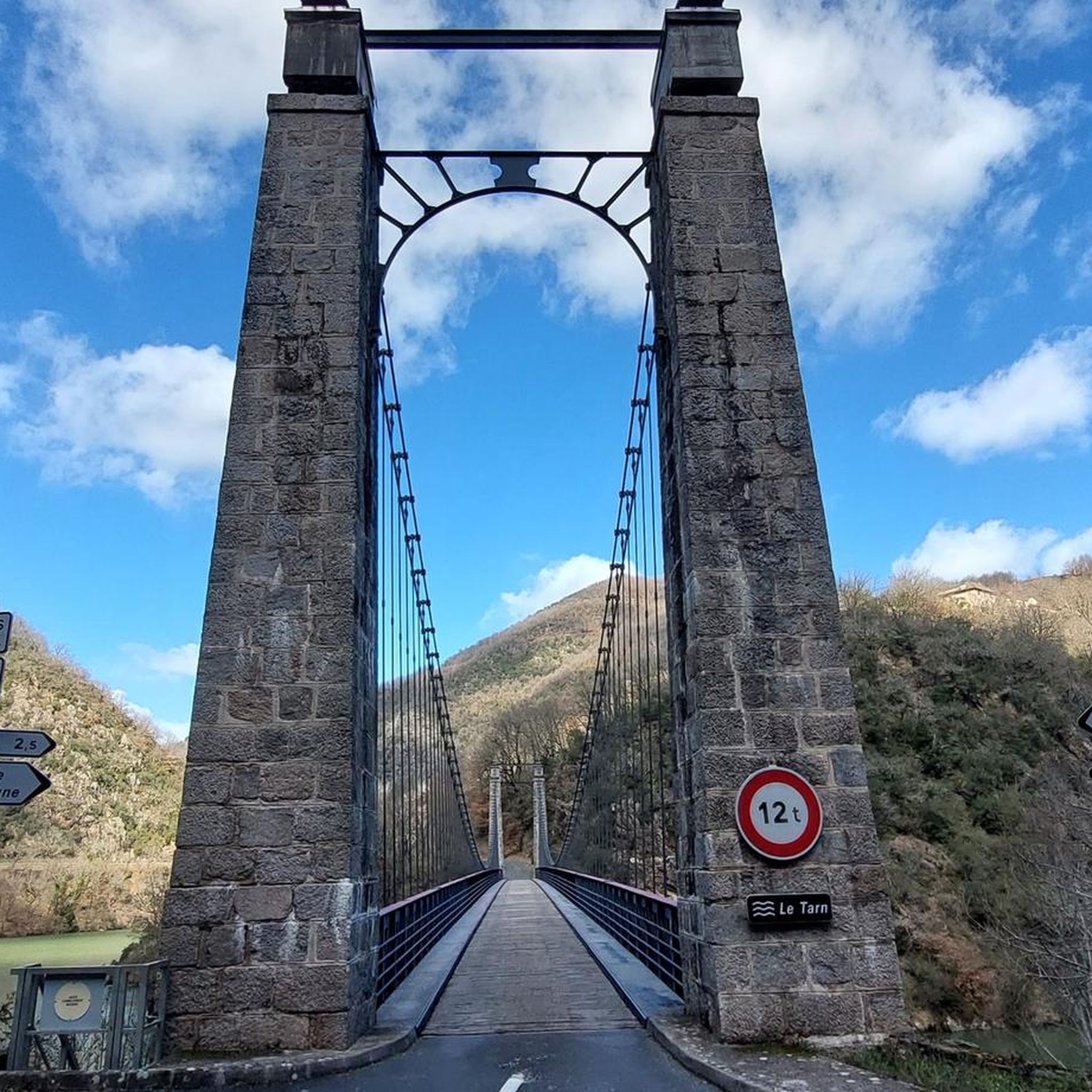
Built between 1818 and 1821, the Lerouge bridge became one of the main structures for crossing the Tarn in Millau. It replaced the Pont Vieux, several arches of which had been destroyed by a flood in 1758, leaving the town without a permanent bridge for over sixty years. During this long period, crossing the Tarn was mainly done by ferry. The project was launched on the initiative of the prefect of Aveyron, d’Estourmel. The plans were drawn up by Pierre-Jacques Le Rouge, an engineer for the district. The first stone was laid on June 20, 1818, and the bridge was opened to traffic in January 1821. Its name therefore comes from its designer, not from the color of its stones. A curious detail: its construction was largely financed by private individuals, and a toll was collected until 1875. This tax even caused tensions with the inhabitants of Creissels, some of whom continued to cross the Tarn on foot or by boat to avoid paying it.
3
0
From this point at the foot of the structure, the regular succession of piers and guyed pylons can be particularly well distinguished. The deck, 2,460 m long, crosses the valley at a height of approximately 270 m above the Tarn. Pier P2, the tallest, culminates at 245 m, while the assembly formed by the pier and its pylon reaches 343 m: a height greater than that of the Eiffel Tower. This perspective also recalls the technical feat that the construction of the viaduct represented. The metal deck was assembled in sections from either side of the valley, then progressively launched across the void. The joining of the two parts was carried out on May 28, 2004, 268 m above the Tarn, before the official inauguration a few months later. An interesting detail can be discerned here: despite its exceptional dimensions, the structure appears remarkably light. This impression is not accidental. The viaduct was specifically designed to blend into the valley by limiting the visual impact of its structure, with a very slender deck and piers that branch out in a "Y" shape.
2
0

Absolutely worth seeing - view it from below and definitely join the architecture tour.
0
0

Commissioned in 1929, the Pinet dam is a 175-meter-long and 41-meter-high concrete gravity dam. Its reservoir of over 10 million m³ forms the Lac de Pinet, a narrow but spectacular body of water stretching for 12 kilometers at the bottom of deep gorges, while its power station produces around 105 GWh of electricity per year.
0
0
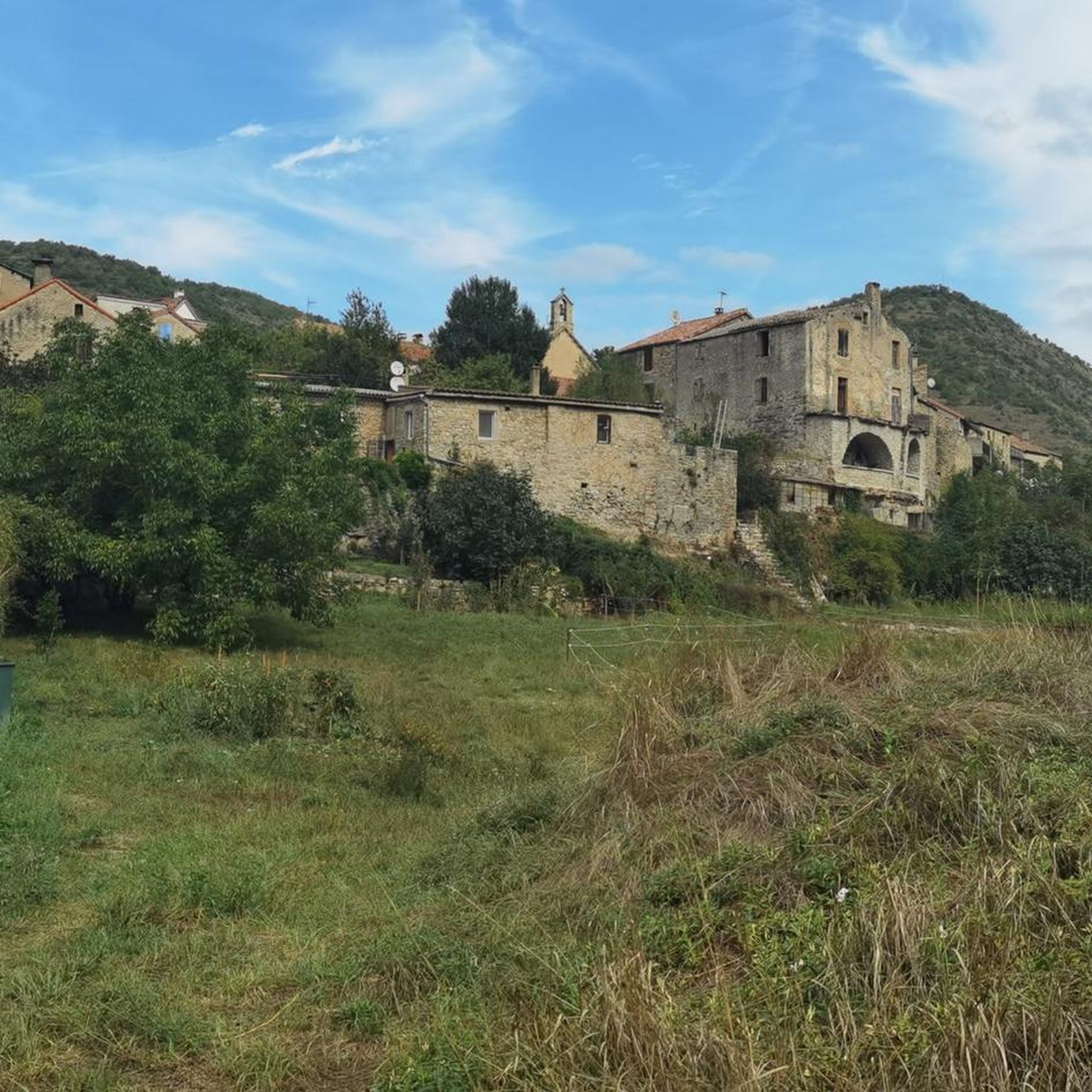
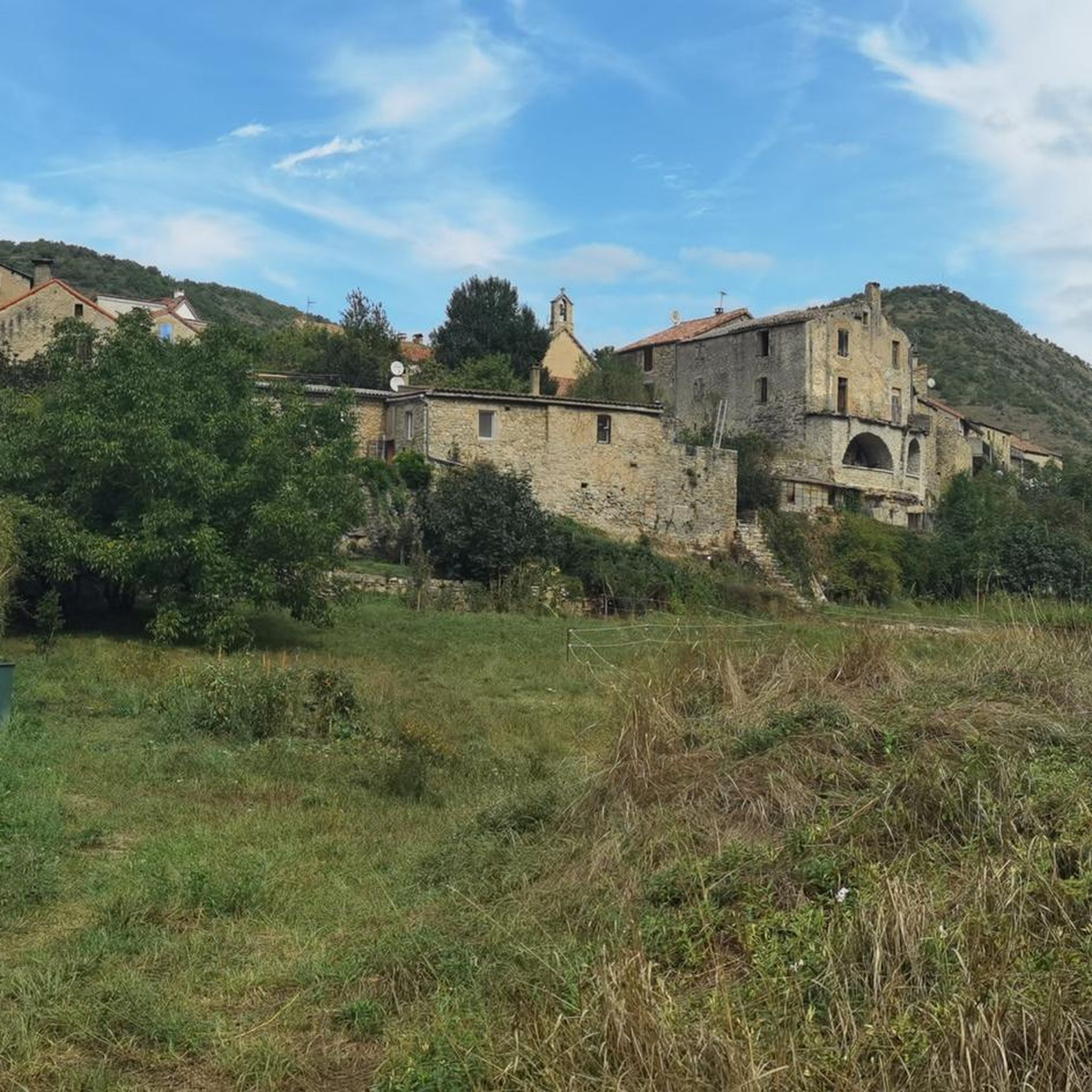
The Raspes du Tarn, from the Occitan "raspar" (grated), are gorges set in schist, covered with chestnut trees, white oaks, broom, and heather. Wild due to their relief but tamed by several hydroelectric dams, they offer an unusual landscape, dotted with waterfalls and old perched villages like Peyre or Saint-Rome-de-Tarn, which can be discovered by cruise, on foot, or from the roads overlooking the valley.
0
0
Classified among "The Most Beautiful Villages of France", Peyre stands on the right bank of the Tarn, leaning against the cliff of Causse Rouge, and is distinguished by its light-colored stone troglodyte houses, carved into the tuff rock, offering a breathtaking view of the famous Millau Viaduct.
0
0

Beautiful walks to do along the Tarn.
0
0

The view is truly magnificent! It's very localized, but here we have a gap in the trees that offers a magnificent view of the Tarn valley!
0
0
Frequently Asked Questions
How many road cycling routes are available in Saint-Victor-Et-Melvieu?
There are over 85 road cycling routes around Saint-Victor-Et-Melvieu, offering a wide range of options for different skill levels. These routes traverse diverse landscapes within the Parc Naturel Régional des Grands Causses.
What kind of terrain can I expect when road cycling around Saint-Victor-Et-Melvieu?
You can expect a dynamic cycling experience with significant elevation changes. The terrain features rolling hills, limestone plateaus, and dramatic river valleys. Routes often traverse the rocky escarpments of the Raspes du Tarn and the Dourdou Valley, providing plenty of ascents and descents.
Are there challenging road cycling routes in Saint-Victor-Et-Melvieu?
Yes, the region is known for its challenging terrain. Approximately 38 routes are classified as difficult, offering substantial elevation gain and enduring challenges. For example, the Verdalle Bridge – Saint-Rome-de-Tarn loop from Viala-du-Tarn is a difficult 74.6 km path with over 1,100 meters of elevation gain.
Are there easier road cycling options for beginners or less experienced riders?
While many routes are challenging, there are also options for less experienced riders. There are 2 easy and 45 moderate routes available. These routes still offer the beautiful scenery of the region but with less demanding climbs.
What scenic viewpoints or landmarks can I see along the road cycling routes?
Many routes offer breathtaking vistas. You can enjoy panoramic views over the dramatic Raspes Gorges, particularly from the area around the Chapel of Notre Dame du Désert. The Cascade des Raspes du Tarn – Montjaux loop from Viala-du-Tarn is a moderate route that passes by the beautiful Cascade des Raspes du Tarn.
Are there any cultural or historical sites to visit while cycling?
Yes, Saint-Victor-Et-Melvieu offers charming cultural points of interest. In the village of Saint-Victor, you can find a medieval watchtower with 360-degree views and a medieval garden. The Church of Saint-Victor is also notable for its neo-Byzantine frescoes. Additionally, the region is close to the architectural marvel of the Millau Viaduct and picturesque villages like Peyre and Brousse-le-Château.
Are there quiet roads suitable for cycling in the region?
Absolutely. Cyclists can enjoy numerous roads with minimal traffic, allowing for peaceful and immersive rides through the stunning countryside. The Aveyron Gorges region, in general, is praised for its quiet roads and sweeping views, making it an excellent area for road cycling.
Is there parking available for cyclists in Saint-Victor-Et-Melvieu?
While specific dedicated cycling parking facilities are not widely advertised, Saint-Victor-Et-Melvieu, as a commune, has local amenities. Cyclists typically find parking in village centers or designated public parking areas, especially near popular starting points for routes.
Can I find places to eat or stay along the routes?
Saint-Victor-Et-Melvieu has local amenities including shops and restaurants where you can refuel. The broader Aveyron region also offers various accommodation options. It's advisable to plan your stops in advance, especially on longer routes, as services may be spread out.
Are there any circular road cycling routes available?
Most of the road cycling routes around Saint-Victor-Et-Melvieu are designed as loops, allowing you to start and end in the same location. For example, the Saint-Rome-de-Tarn – Comprégnac - Candas (Tarn) loop from Saint-Rome-de-Tarn is a moderate 33.3 km circular route.
What do other road cyclists enjoy most about the routes in Saint-Victor-Et-Melvieu?
The routes in Saint-Victor-Et-Melvieu are highly rated by the komoot community, with an average score of 4.6 stars from over 40 reviews. Cyclists frequently praise the majestic sceneries, the varied terrain with its rewarding ascents and descents, and the quiet roads that allow for an immersive experience in nature.
What is the best time of year for road cycling in Saint-Victor-Et-Melvieu?
The region is generally pleasant for cycling during spring, summer, and early autumn. These seasons offer favorable weather conditions to enjoy the diverse landscapes and challenging terrain. Always check local weather forecasts before heading out.
Most popular routes around Saint-Victor-Et-Melvieu
Most popular attractions around Saint-Victor-Et-Melvieu

Get inspired with the komoot mobile app


Explore more
Browse the best Road cycling routes in other regions.
