The best cycling routes around Bolquère
3.6
(21)
824
riders
29
rides
Touring cycling around Bolquère offers diverse landscapes within the Catalan Pyrenees Regional Natural Park. The region is characterized by mountainous terrain, featuring significant elevation gains and challenging passes like the Col de la Perche. Cyclists can explore routes winding through forests, open valleys such as Cerdanya, and past tranquil lakes like Lac des Bouillouses. This area provides a variety of routes suitable for different fitness levels, from moderate rides to demanding climbs.
Best touring cycling routes around Bolquère
- The most…
Last updated: July 18, 2026
4.7
(3)
225
riders
48.1km
03:21
890m
890m
Hard bike ride. Very good fitness required. You may need to push your bike for some segments of this route.
3.0
(1)
116
riders
30.1km
02:07
600m
600m
Hard bike ride. Very good fitness required. Mostly paved surfaces. Suitable for all skill levels.

Sign up for free
4.8
(5)
75
riders
24.0km
02:07
490m
490m
Hard bike ride. Very good fitness required. Mostly paved surfaces. Suitable for all skill levels.
15
riders
15.0km
01:11
130m
130m
Easy bike ride. Great for any fitness level. Mostly paved surfaces. Suitable for all skill levels.
24
riders
27.7km
02:32
650m
650m
Hard bike ride. Very good fitness required. You may need to push your bike for some segments of this route.
Get access to more routes and recommendations from other explorers.
Sign up for free
Already have an account?
Our route recommendations are based on thousands of hikes, rides, and runs completed by other people on komoot.
Start today with a free account
Your next adventure awaits.
Login or Signup
Other adventures around Bolquère

Tips from the Community


Located inconspicuously next to the road, a small Stations of the Cross lead to Mount Calvary. A magnificent view from the top.
0
0

Well, starting from Font Romeu and breaking legs from Mont Louis
0
0


The Col de la Calvaire de Font Romeu is a mountain pass in French Cerdanya, next to the town and ski resort of Font Romeu. This port connects the Bolquère valley with the Cerdanya valley. The port is within the same town of Font Romeu, next to the station's ski lifts. There are many slopes to reach Col de la Calvaire: - the western slope that starts from Ur is approximately 16 km and crosses the town of Targasone and the Col d'Egat. It is a very steep climb along a road in perfect condition, although on holidays there is a lot of traffic. - The southern slope starts from Llívia and crosses Estavar and joins the previous one at the Col d'Egat. Unlike the first, the first section of the climb is very hard, with several horseshoe curves and with wonderful views of the entire Cerdanya and the Tosa d'Alp. - The eastern slope stops at Olette, and after approximately 28 km it reaches the top of the pass, passing through the town of Mont-Louis and Bolquère. It is a very steep climb, like the first, on a road in perfect condition but with a lot of traffic. I don't like going up here. - the eastern slope that starts from Olette and passes through the Col de la Perche, reaching the town of Font-Romeu and from there to the top. Of all the slopes, the one I like the most is the slope that starts from Llívia and crosses Estavar.
0
0

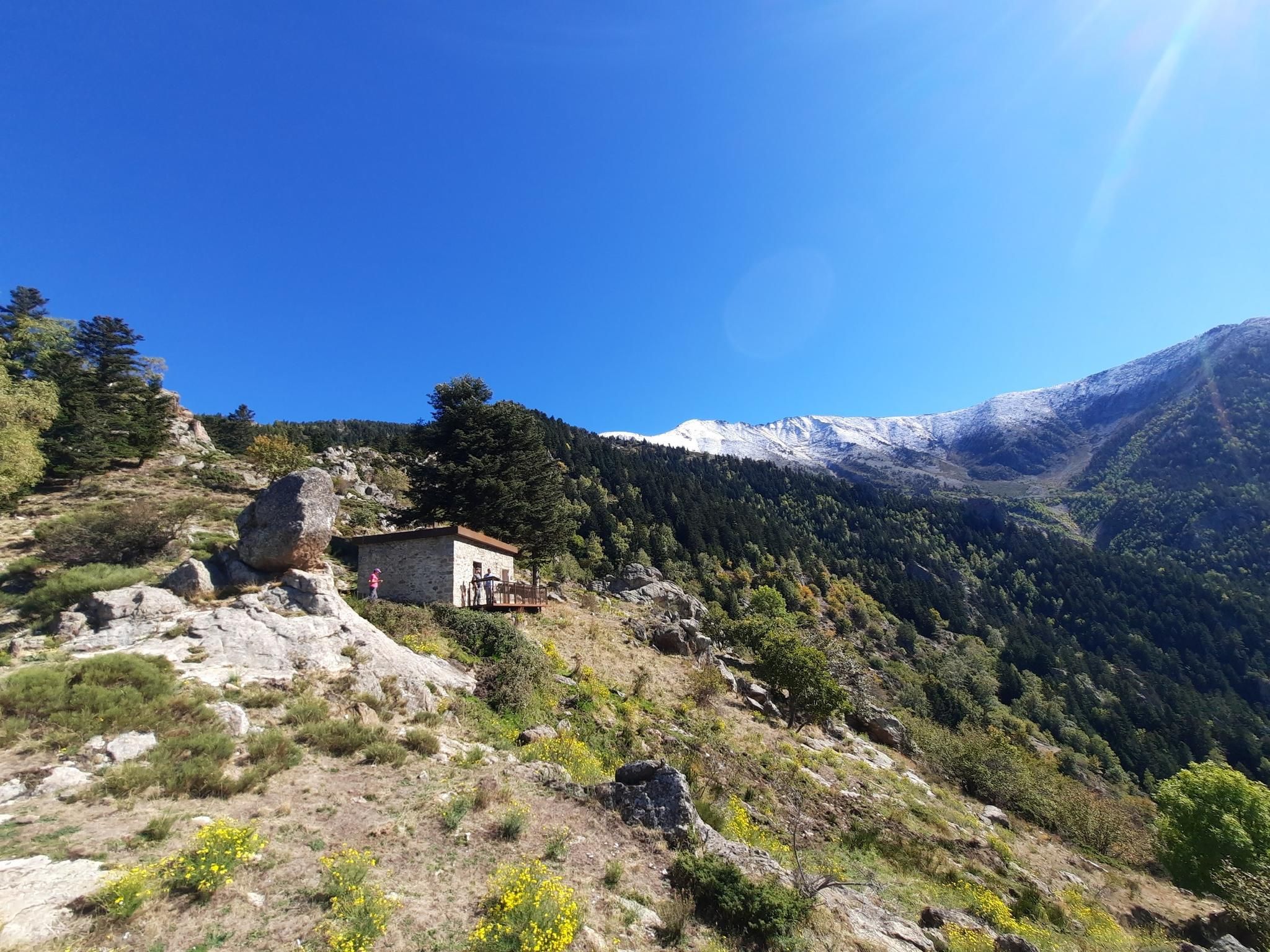
Beautiful refuge to rest and gain strength, the starting point of an emblematic route that visits multiple lakes and can culminate with the imposing Carlit.
1
0

Culminating at 1,579 meters above sea level, the Col de la Perche can be climbed by four routes in total. Each of them includes relatively gentle slopes. At the top, the view of the surrounding area is splendid and rewards your efforts!
0
0
Frequently Asked Questions
How many touring cycling routes are available around Bolquère?
There are 26 touring cycling routes around Bolquère, offering a diverse range of experiences within the Catalan Pyrenees Regional Natural Park.
What are the difficulty levels of touring cycling routes in Bolquère?
The routes around Bolquère cater to various fitness levels. You'll find 4 easy routes, 9 moderate routes, and 13 difficult routes, many of which feature significant elevation gains through mountainous terrain.
Are there any easy touring cycling routes suitable for beginners in Bolquère?
Yes, Bolquère offers 4 easy touring cycling routes. While the region is known for its challenging mountain passes, you can find gentler alternatives like the Plà de Barrès River and Forest – Along the Têt river loop from Bolquère, which is a moderate route but offers a less strenuous experience compared to the high mountain passes.
Can I find challenging touring cycling routes with significant climbs in Bolquère?
Absolutely. Bolquère is renowned for its challenging mountain passes. Routes like the Col de la Perche (1,579 m) – Font-Romeu loop from Bolquère-Eyne and the Font-Romeu – Col de la Perche (1,579 m) loop from Pyrénées 2000 feature substantial elevation gains and panoramic views of the Pyrenees.
What natural features can I expect to see along the touring cycling routes?
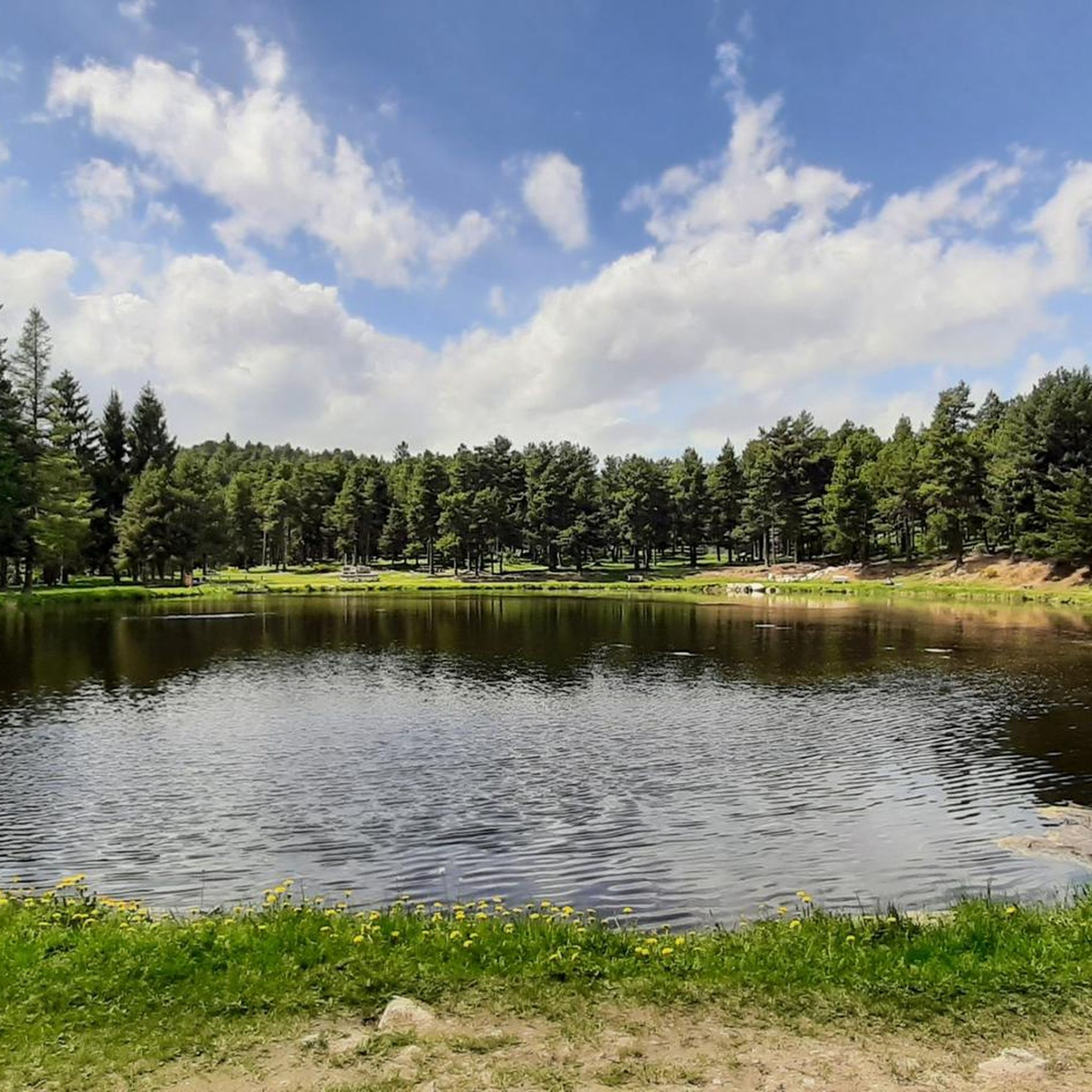
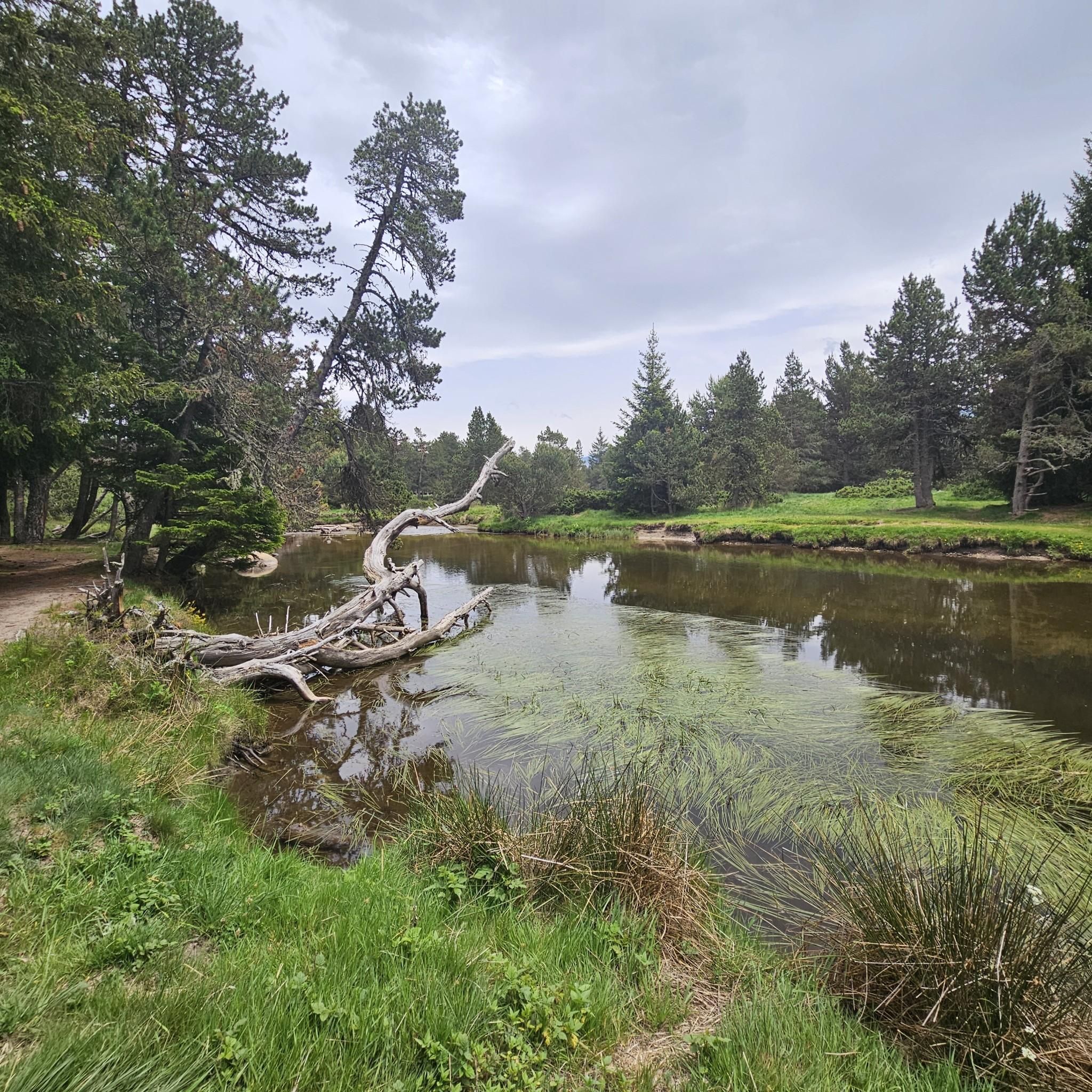
The routes wind through diverse landscapes within the Catalan Pyrenees Regional Natural Park. You'll encounter lush forests, open valleys like Cerdagne, and serene lakes such as Lac Estany Llarg, Lac de Matemale, and Lake Bouillouses. Many routes also offer breathtaking views of prominent peaks like Mont Canigou.
Are there any circular touring cycling routes around Bolquère?
Yes, many of the touring cycling routes around Bolquère are loops. Examples include the Col de la Perche (1,579 m) – Font-Romeu loop from Bolquère-Eyne and the Lake Bouillouses – Bouillouses Refuge loop from RP Pyrenees 2000, allowing you to start and end in the same location.
What do other touring cyclists enjoy the most about cycling in Bolquère?
The touring cycling routes in Bolquère are highly rated by the komoot community, with an average score of 4.3 stars from over 15 reviews. Cyclists frequently praise the challenging mountain passes, the stunning panoramic views of the Pyrenees, and the diverse natural landscapes, including forests and tranquil lakes.
What are some interesting landmarks or attractions near the cycling routes?
Beyond the natural beauty, you can explore several interesting attractions. Highlights include the dramatic Carança Corniche and its Footbridges, offering unique views. The iconic Little Yellow Train (Train Jaune) also traverses the region, providing a different perspective of the mountainous landscapes.
Is public transport available to access touring cycling routes in Bolquère?
While specific public transport options directly to trailheads may vary, the region is served by the iconic Little Yellow Train (Train Jaune), which connects 21 stations over 63 km and can be a unique way to access different parts of the mountainous landscape. For detailed local transport, it's best to check regional services.
What is the best time of year for touring cycling in Bolquère?
The best time for touring cycling in Bolquère is generally from late spring to early autumn (May to October). During these months, the weather is typically more stable, and mountain passes are clear of snow, offering ideal conditions for exploring the diverse terrain.
Are there any specific considerations for cycling in the Catalan Pyrenees Regional Natural Park?
When cycling within the Catalan Pyrenees Regional Natural Park, it's important to respect the preserved natural environment. Stay on marked trails, carry out all waste, and be mindful of local wildlife. Always check weather conditions, especially when tackling higher mountain passes, as they can change rapidly.
Most popular routes around Bolquère
Most popular attractions around Bolquère

Get inspired with the komoot mobile app


Explore more
Browse the best Cycling routes in other regions.
