Top 20 Mountain Passes around Sainte-Engrâce
Best mountain passes around Sainte-Engrâce are situated in the Pyrénées-Atlantiques department, providing access to the Western Pyrenees. This region features challenging routes and varied landscapes. Notable passes include the Col de la Pierre Saint-Martin, Col du Soudet, and Col de Suscousse. The area is known for its demanding ascents and scenic views, particularly appealing to cyclists and hikers.
Best mountain passes around Sainte-Engrâce
- The most popular mountain pass is Larrau Pass, a mountain pass that offers sustained slopes and…
Last updated: October 13, 2026
Larrau Pass
Highlight • Mountain Pass
Translated by Google •
Tip by

Pic d'Orhy
Highlight • Summit
Translated by Google •
Tip by

Sign up now to discover places like this
Get recommendations on the best single tracks, peaks, & plenty of other exciting outdoor places.
Pierre Saint-Martin Pass
Highlight • Mountain Pass
Translated by Google •
Tip by

Laza Pass (1,129 m)
Highlight • Mountain Pass
Translated by Google •
Tip by
Col de Bagargui
Highlight (Segment) • Mountain Pass
A pass which constitutes a real challenge for any cyclist, because it is classified among the harshest in France, especially when the heat gets …
Translated by Google •
Tip by

Sign up for free to discover even more mountain passes around Sainte-Engrâce.
Already have an account?
Start today with a free account
Your next adventure awaits.
Popular around Sainte-Engrâce
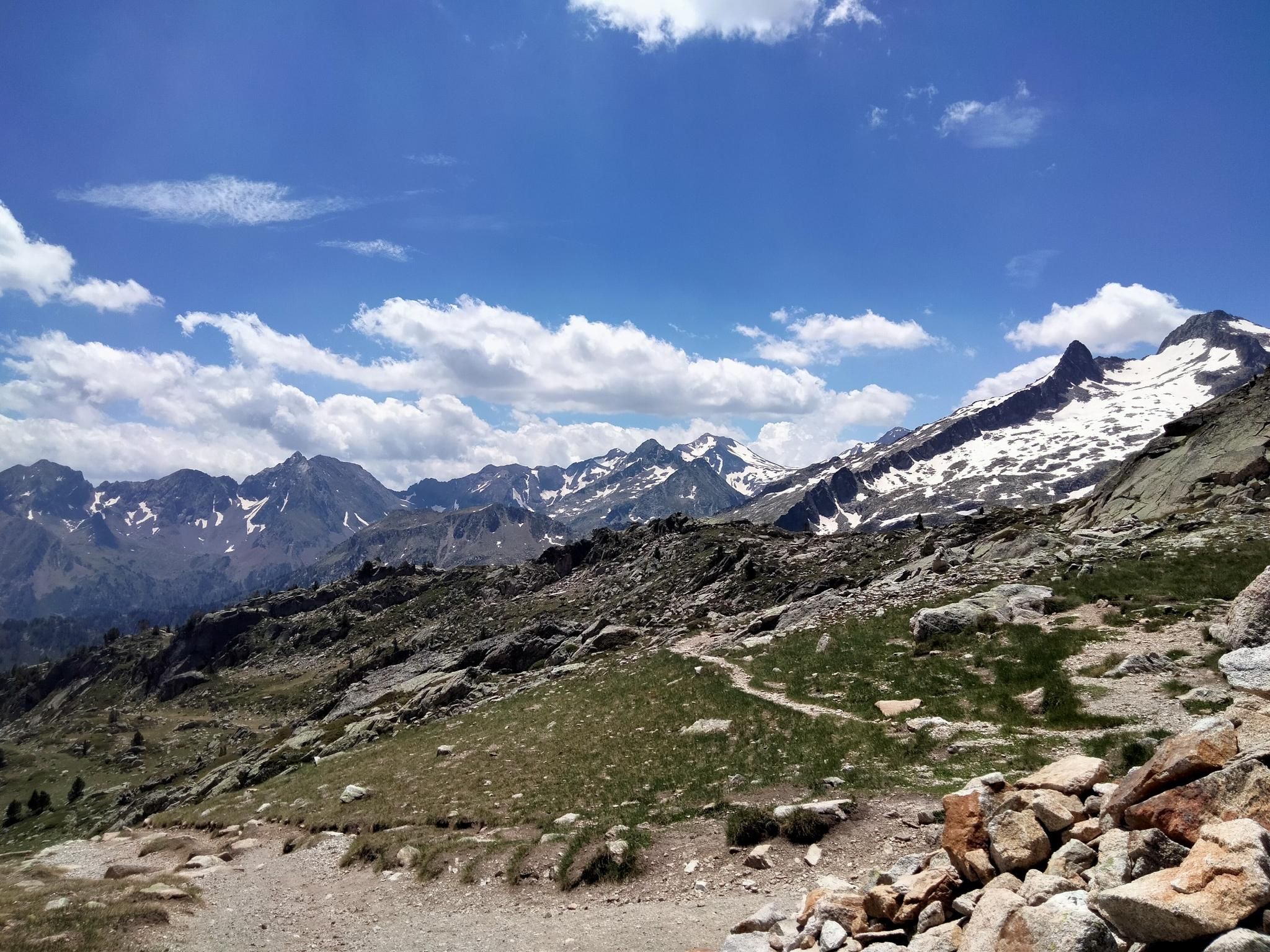
Hexatrek, the western and central Pyrenees – Between mountains and the ocean
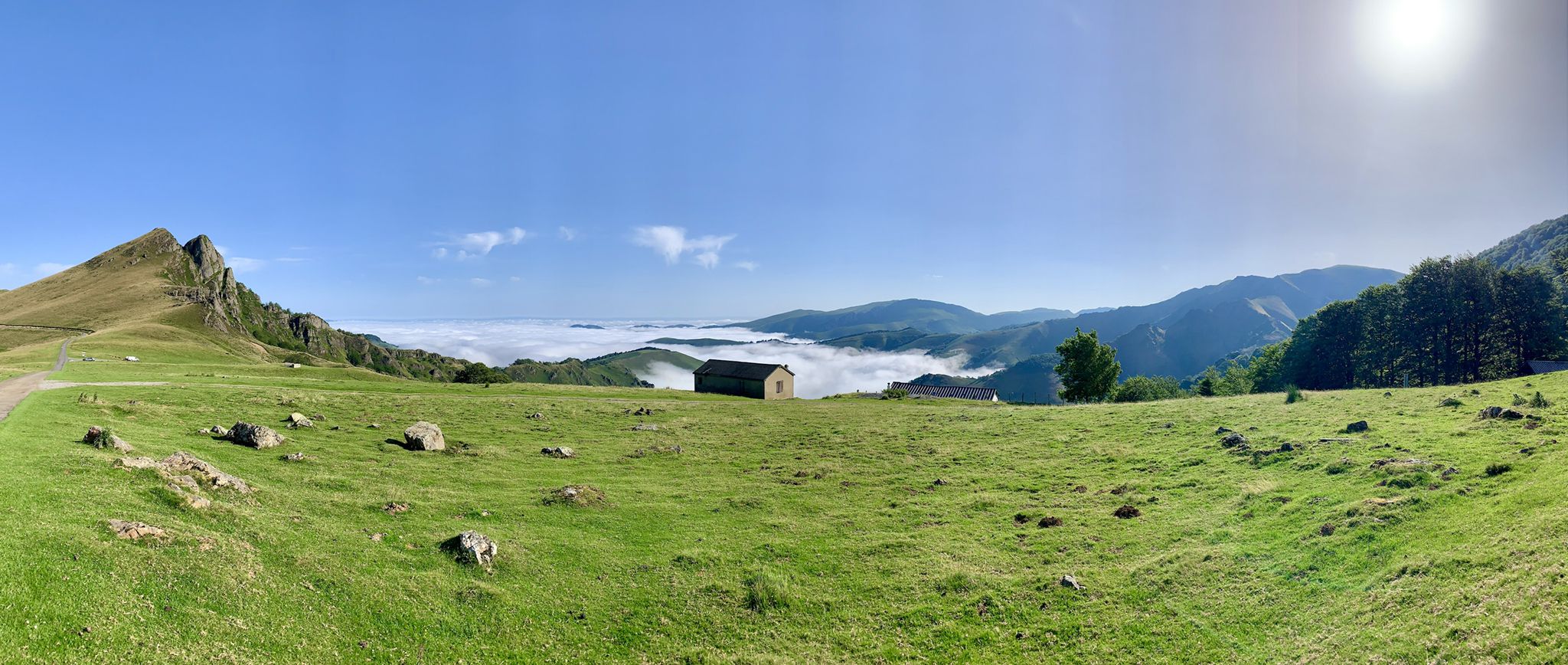
The Western Pyrenees – crossing the Pyrenees on the GR 10
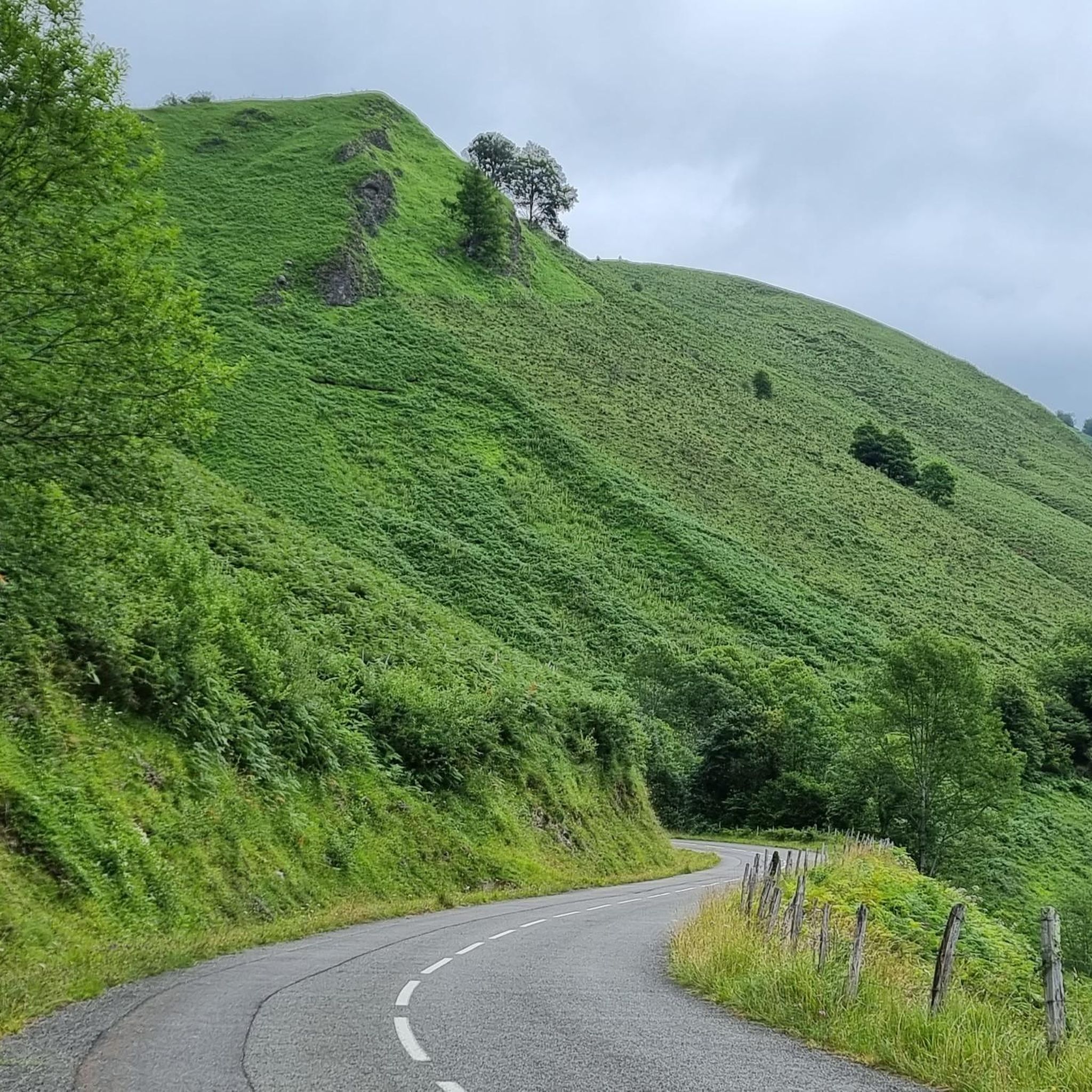
Road Cycling Routes around Sainte-Engrâce
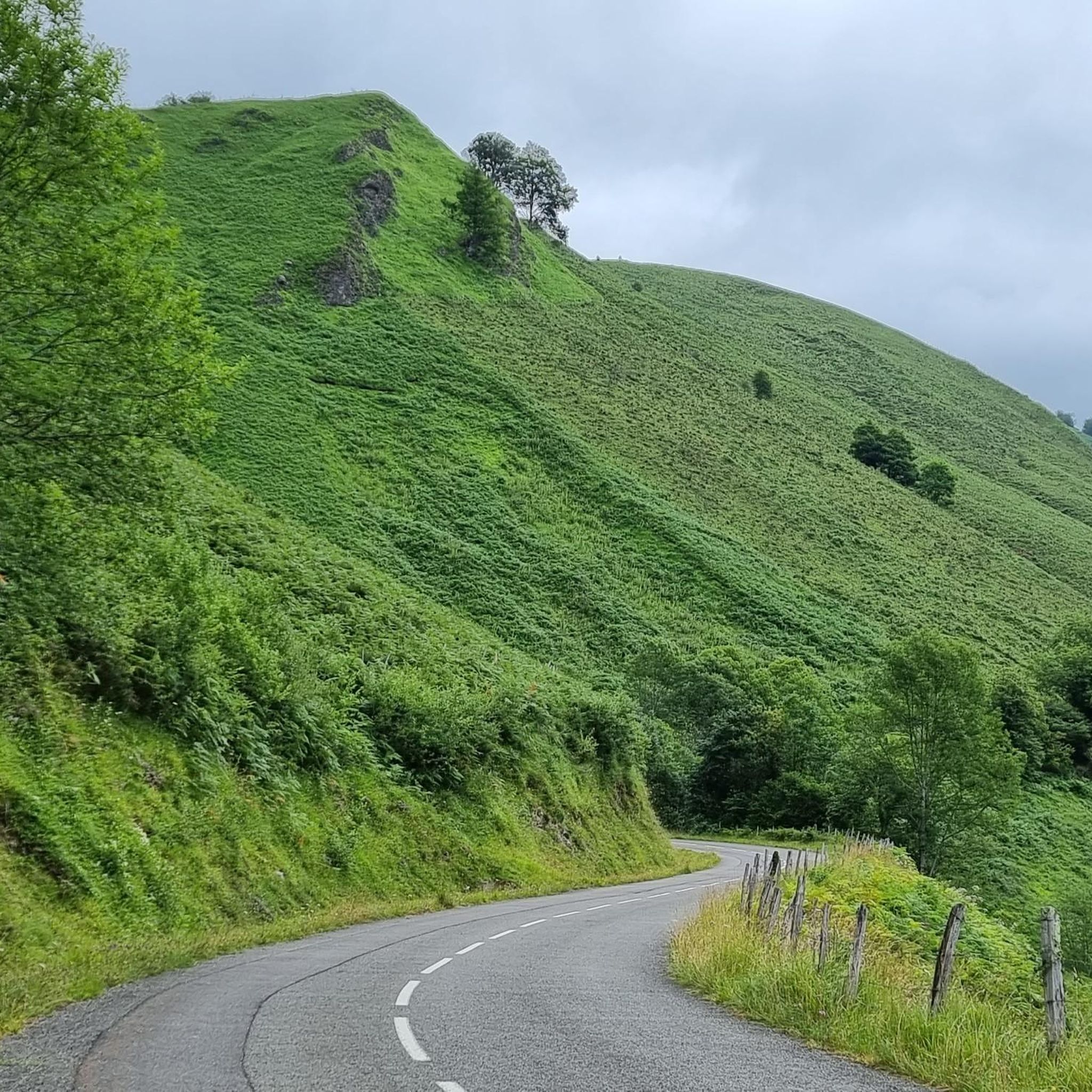
Hiking around Sainte-Engrâce
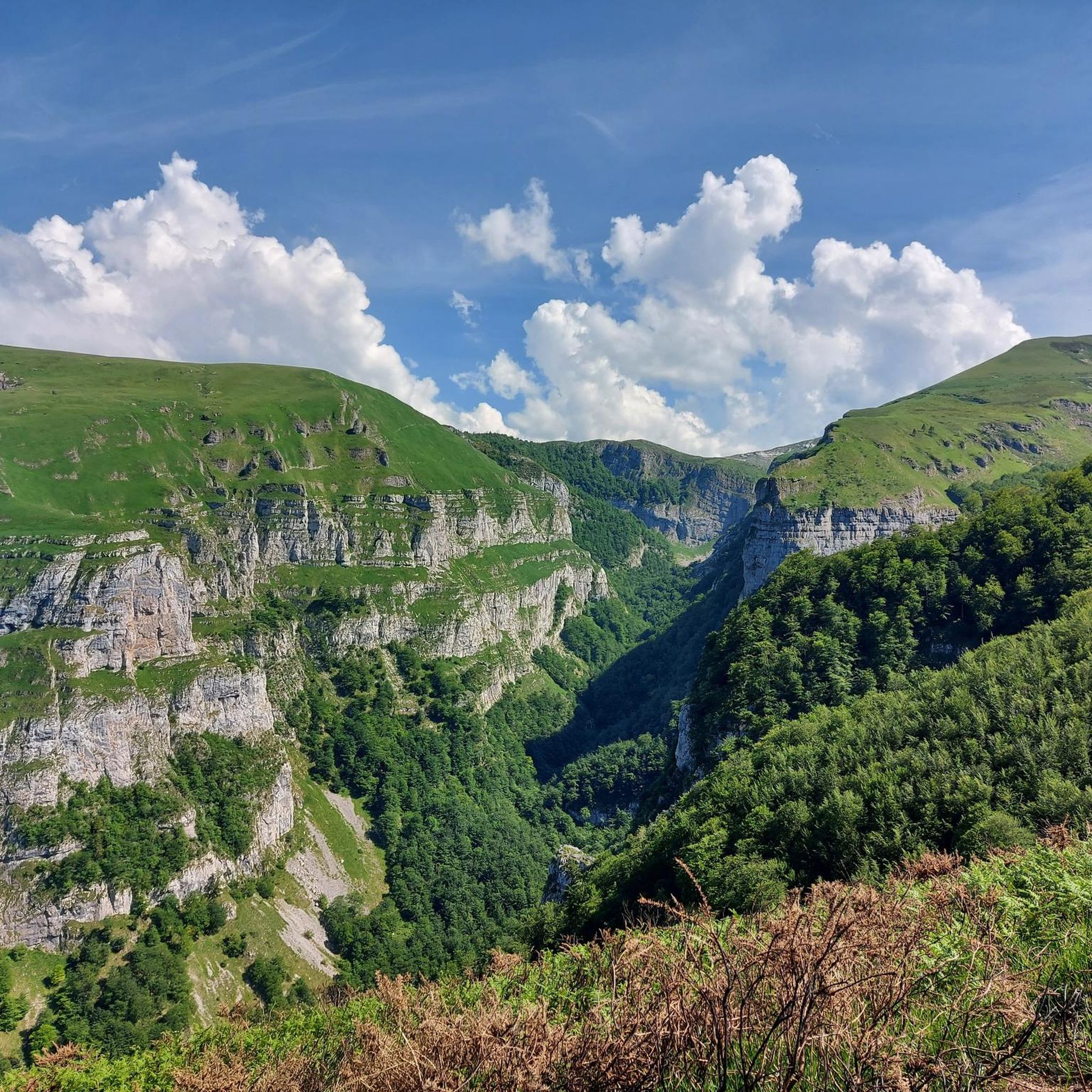
Running Trails around Sainte-Engrâce
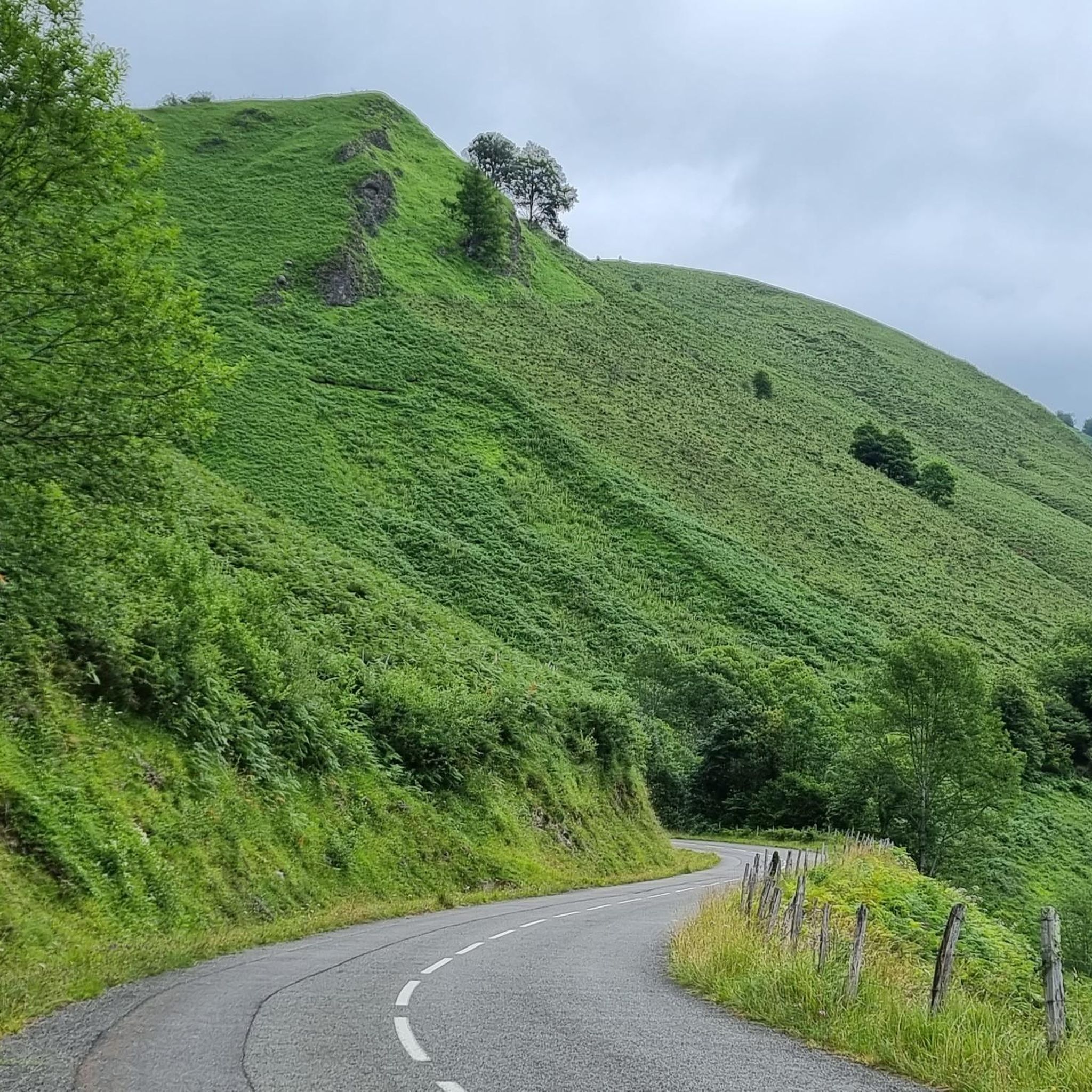
Cycling around Sainte-Engrâce
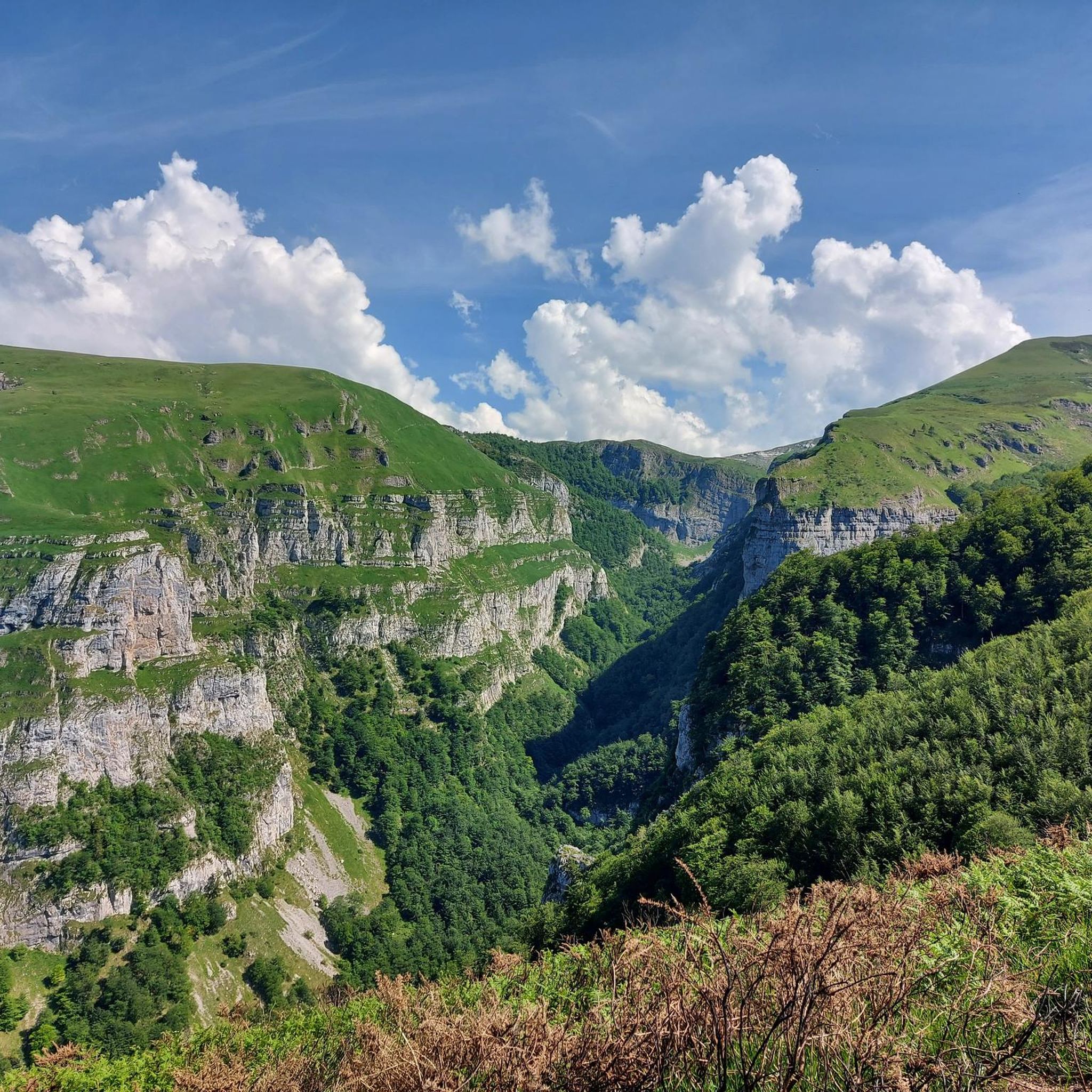
MTB Trails around Sainte-Engrâce

Mountain Hikes around Sainte-Engrâce

Gravel biking around Sainte-Engrâce

Tips from the Community

This climb saves the hardest for last. The last 4-5 km are constantly over 10%. Hang in there.
0
0

Without a doubt, the Col de la Piedra de Saint Martin or Pierre Saint-Martin is one of the Top 10 in the whole of the Pyrenees. Without exceeding 2000 metres of altitude, it is a very long pass, with a lot of accumulated gradient (due to the innumerable French slopes, the gradient is 1,450 metres), with very hard slopes and several kilometres above 10%, with wonderful landscapes and panoramic views and with little traffic, except for the slopes crossed by the main road (D132 in France, the NA 137 in Spain). It is a pass with many slopes; in Europe there are few other passes that have as many slopes as this one (col de Turini, Passo delle Erbe, would be comparable in number of slopes approximately). I have only climbed it by 2 slopes: (i) my first time was from Lourdios Ichère, crossing the col de Labays and the col de Soudet. Simply spectacular; (ii) I have subsequently climbed the Spanish side on several occasions, which is unique, and which starts from Belagua and crosses the Belagua cross-country ski resort to reach the mountain pass. It is also very beautiful, with a landscape and views different from the north-east side. If I had to choose one of the two, I liked the north-west side better because it is more remote, harder and in my opinion more authentic. It is also a culturally special mountain pass because the Tribute of the 3 cows takes place on its summit every 13th of July, which is considered the oldest treaty in force in Europe. So... you know... you cannot miss the opportunity to come here and enjoy this wonderful jewel of the Pyrenees!!!!
1
0
The Puerto de Laza is a small and beautiful hill that joins the valleys of Roncal (starting from Isaba) and Salazar (starting from Ochagavía) in the Navarrese Pyrenees. Both sides are very similar: a very easy start on a winding road, in perfect condition but without a hard shoulder, passing through small towns and going up the course of the respective rivers Anduña (Salazar valley) and Urbi (Roncal valley); a final stretch of 2 - 3 kms that is harder without being too much so, although there are some slopes above 10%. The Salazar valley side becomes harder when leaving behind the detour to the Larrau port. From here to the port there are 3 km with an average gradient of 7%. On the other hand, the Roncal valley side becomes harder when overcoming a bridge over the river that has been with us since we left Isaba behind. From here it is barely 2 km with an average gradient of 7%. From a landscape perspective, it is a port that I love because you can enjoy the exuberance of the vegetation of the Pyrenees, crossing narrow valleys and only with panoramic views when you reach the top, where there is a viewing point that is worth looking out at. A port that I always recommend for enjoying cycle tourism. I leave you the profile of both sides produced by the website www.cyclingcols.com --> http://www.cyclingcols.com/col/Laza
0
1

This descent has a very bumpy road surface, so that my bike computer mount broke. Luckily I had the safety line attached. The scenery, however, is very attractive and remote.
0
0

Worthwhile climb with a fantastic view from the summit.
1
0

Typical Pyrenees: super beautiful and quite strenuous
0
0
It is one of the toughest Pyrenean passes and, in general, little known by the average amateur because it has been used very little in professional cycling races. It is a spectacular port on both sides. The eastern slope, which is the one marked in this section, is completely open, with hardly any vegetation, with a wide road in perfect condition. It is 9 km from the moment you get off the town of Larrau. The first 4 km are irregular, with some ramps that take your hiccups away. The last ones are literally very hard, with an average of 3 km at 12%!!!! The last km eases up a bit because it has a rest... but it also has important ramps. In addition to being tough, this port is spectacular for its landscapes and panoramic views. You can not lose this!!!! I leave you the link for the altimetry published by @cyclingcols --> http://www.cyclingcols.com/col/Bagargui
0
0

Or “Bagargui” in its French version. A pass which constitutes a real challenge for any cyclist, because it is classified among the harshest in France, especially when the heat gets involved. The climb begins calmly with a normal slope during which you must take advantage of the opportunity to turn your legs and find your rhythm. Because the big piece soon arrives on the first bends with 5 km of extreme difficulty. Averages of 9.5 then 12, 13, 12.5 and 11% follow one another without any respite. But at the end of the effort you will finally be able to enjoy a magnificent panorama of the ridges and perhaps admire the flight of migratory birds or vultures.
0
0
Frequently Asked Questions
What are some of the most challenging mountain passes for cycling around Sainte-Engrâce?
The region around Sainte-Engrâce is renowned for its demanding cycling routes. The Pierre Saint-Martin Pass (Col de la Pierre Saint-Martin) is considered one of the toughest, with long ascents and sections exceeding 10% gradients. The Col du Soudet also presents significant challenges, often featuring in the Tour de France. Both passes offer rewarding views for the effort.
Which mountain passes offer the best panoramic views in the Sainte-Engrâce area?
For breathtaking panoramic views, consider visiting Pic d'Orhy, which offers an incredible panorama of the Bay of Biscay and the Pyrenees. The Pierre Saint-Martin Pass also provides extensive views of both the French and Spanish Pyrenees, especially as you approach the summit.
Are there any mountain passes with historical significance near Sainte-Engrâce?
Yes, the Pierre Saint-Martin Pass is culturally significant. Annually on July 13th, it hosts the historic 'Tribute of the Three Cows' ceremony, a tradition dating back to 1375, which is considered the oldest treaty in force in Europe.
What kind of hiking opportunities are available near the mountain passes of Sainte-Engrâce?
The area offers a variety of hiking opportunities. You can find challenging routes like the 'Cascade of the Aspe Valley – Ehüjarre Canyon loop' or more moderate options such as the 'Ehüjarre Canyon – Cascade of the Aspe Valley loop'. For more details on trails, visit the Hiking around Sainte-Engrâce guide.
Can I find mountain biking or road cycling routes that incorporate these passes?
Absolutely. The mountain passes around Sainte-Engrâce are popular for cycling. Routes like the 'Soudet Pass – Labays Pass loop' and the 'Pierre Saint-Martin Pass – Soudet Pass loop' offer challenging and scenic rides. Explore more options in the Cycling around Sainte-Engrâce guide.
What is the best time of year to visit the mountain passes around Sainte-Engrâce?
The best time to visit largely depends on your activity. For cycling and hiking, late spring to early autumn (May to October) generally offers the most favorable weather conditions, with roads clear of snow. The region also features the Arette-Pierre-Saint-Martin ski station near the summit of Col de la Pierre Saint-Martin, making it a destination in winter for snow sports.
Are there any less-trafficked or quieter mountain passes for a more tranquil experience?
The Col de Suscousse, also known as Garateko lepoa, is primarily considered a pedestrian pass, with only the direction towards Haute-Soule being paved. This suggests a quieter, more natural experience for hikers and those seeking less vehicle traffic compared to the more popular cycling routes.
What unique natural features can be observed at these mountain passes?
The passes offer diverse landscapes, from forested areas to open, high-mountain meadows and stony sections. The Pierre Saint-Martin Pass, for instance, combines green meadows with unique stony areas. The scenery dramatically opens up towards the summit of Col de la Pierre Saint-Martin, revealing expansive views.
What do visitors particularly enjoy about the mountain passes in Sainte-Engrâce?
Visitors frequently highlight the challenging climbs and the sublime, varied landscapes. Many appreciate the panoramic views from summits like Pic d'Orhy and the unique combination of high mountain meadows and stony areas at Pierre Saint-Martin Pass. The relatively light traffic on many slopes also contributes to an enjoyable experience.
Are there any mountain passes that serve as border crossings?
Yes, the Pierre Saint-Martin Pass (Col de la Pierre Saint-Martin) is situated directly on the France-Spain border, offering a unique geographical element to the experience.
What are some of the most popular mountain passes in the region?
Among the most popular passes, Larrau Pass stands out for its sustained slopes and sublime landscapes, with the climb from the north considered one of the toughest in France. The Pierre Saint-Martin Pass is also highly regarded for its challenging ascent and panoramic views.
Most popular routes around Sainte-Engrâce
Most popular attractions around Sainte-Engrâce

Get inspired with the komoot mobile app


Explore more
See even more epic mountain passes by checking out these guides around Sainte-Engrâce:
