Attractions and Places To See around Ouerre - Top 20
Best attractions and places to see around Ouerre, a small commune in the Eure-et-Loir department of northern France, are primarily found in its surrounding region. While Ouerre itself offers a quiet, rural setting, it serves as a base for exploring a variety of historical, cultural, and natural sites. The area features preserved landscapes with forests and valleys, alongside significant architectural landmarks within reasonable proximity.
Best attractions and places to see around Ouerre
- The most popular attractions is Château de Mormoulins…
Last updated: May 9, 2026
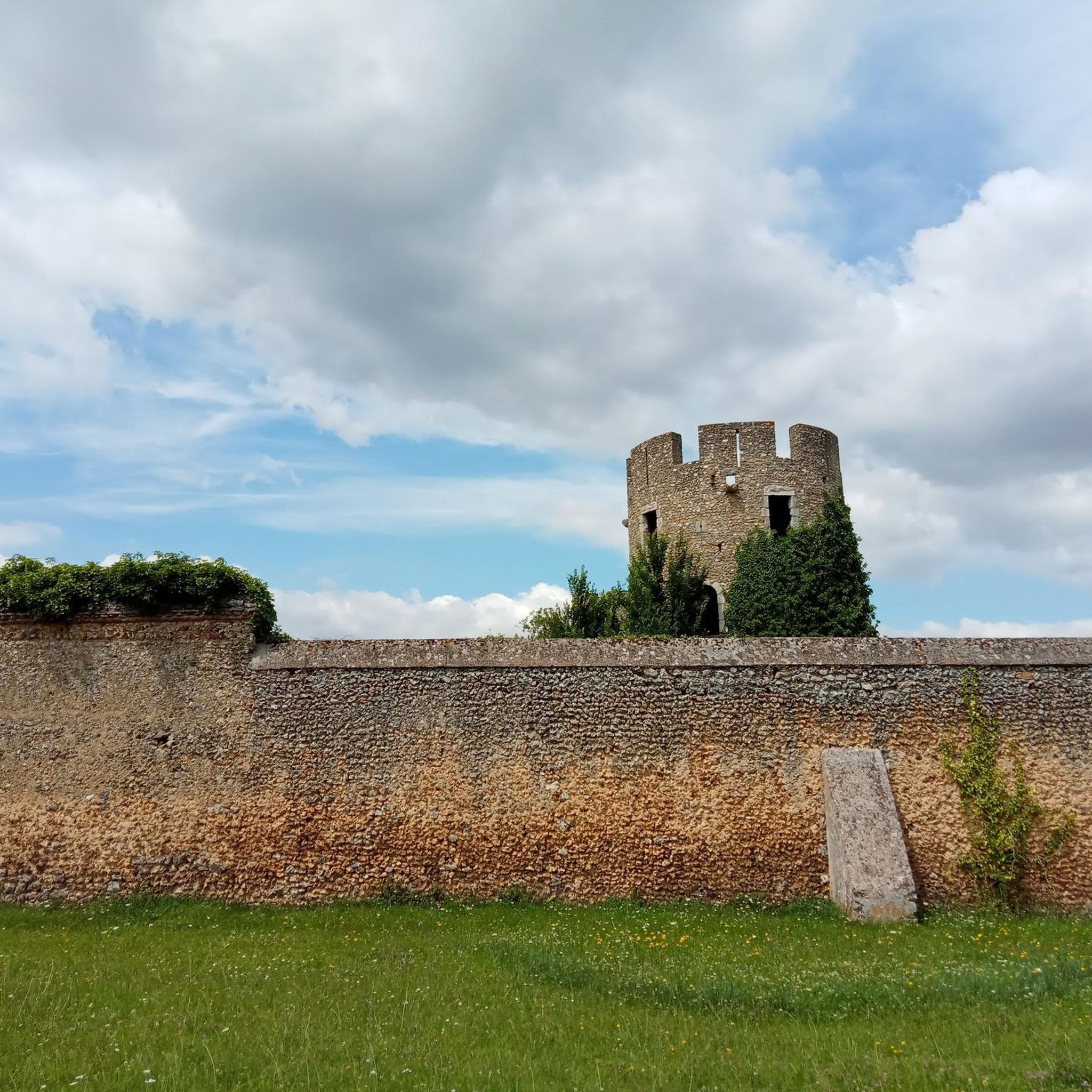
Château de Mormoulins
Highlight • Castle
Translated by Google •
Tip by

Saint-Sulpice Church of Châteaudun
Highlight • Religious Site
Translated by Google •
Tip by
Sign up now to discover places like this
Get recommendations on the best single tracks, peaks, & plenty of other exciting outdoor places.
Sign up for free
The Donjon of Houdan
Highlight • Castle
Translated by Google •
Tip by

the beautiful church of Prouais
Highlight • Other
Translated by Google •
Tip by

Half-timbered house
Highlight • Other
Some of them hide their age under a protective coating. The others, …
Translated by Google •
Tip by
Sign up for free to discover even more attractions around Ouerre.
Sign up for free
Already have an account?
Start today with a free account
Your next adventure awaits.
Login or Signup



Tips from the Community


The Moulin de Mormoulins is a watermill located on the Eure River in the hamlet of Mormoulins. This mill dates back to the 18th and 19th centuries and is a listed historical monument. You can admire the old stone building, the wooden wheel, and the canal that diverts water from the river as you pass in front of the mill. The mill is surrounded by green fields and trees, creating a peaceful and relaxing atmosphere.
0
0

Built at the end of the 12th century by the Counts of Montfort and listed as a Historic Monument since 1889, the Houdan Tower was used to watch for enemies and defend the territory. The Keep consists of a 15 m diameter and 21 m high tower, flanked by four turrets of the same height located at the four cardinal points. From the 16th century until the French Revolution, the Keep served as a prison, and executions took place at the foot of the Tower. The first water reservoir was installed in the tower in 1880. The second, built in 1952, is still visible. Tours are available on certain days.
0
0

Church of Saint Peter and Saint Paul The construction of the church is said to have been initiated by Don Roger, abbot of the very powerful Benedictine abbey of Coulombs from 1115 to 1174. At that time, the abbey stood near Nogent-le-Roi, a former fortified town located twelve kilometers away on the banks of the Eure. Spread over more than 80 parishes, it had a considerable influence in the region until the Revolution, whether from a religious, economic or social point of view. The Romanesque style that it had adopted since its original construction was reworked in the 16th century by the opening of tall Gothic windows around the choir. Finally, in the following century, during the Wars of Religion, the church suffered serious damage. When peace returned, the entrance porch was finally rebuilt in the elegant Renaissance style. In 1950, a fire destroyed the church and all its furniture; it was restored at the end of the 20th century.
0
0

With its curiously crowned square tower, this charming church boasts a flamboyant Gothic style. Built between the 15th and 17th centuries, it preserves a remarkable collection of 16th-century stained-glass windows dedicated to Eucharistic miracles.
0
0
Town with many half-timbered houses, much more pleasing to the eye than those of our time...
0
0
The Saint-Sulpice church in Nogent-Le-Roi is an impressive church built in the 15th century and which was part of the defensive wall which protected the entrance to the town. You can admire its beautiful stained glass windows and its wrought iron choir inside, as well as its original tower outside. The church is located in the heart of Nogent-Le-Roi, a charming town with old half-timbered houses and a castle.
2
0
The Church of Saint-Sulpice in Nogent-Le-Roi is an impressive church built in the 15th century and which formed part of the defensive wall that protected the entrance to the town. You can admire its beautiful stained glass windows and its wrought iron choir screen inside, as well as its original tower outside. The church is located in the heart of Nogent-Le-Roi, a charming town with old half-timbered houses and a castle.
2
0
Frequently Asked Questions
What historical sites can I visit near Ouerre?
The region around Ouerre is rich in history. You can explore the impressive Château de Mormoulins, an 18th and 19th-century watermill and historical monument on the Eure River. Also, visit the Saint-Sulpice Church in Nogent-le-Roi, a 15th-century religious building with beautiful stained glass windows. Further afield, the UNESCO World Heritage site of Chartres Cathedral is approximately 28 km away, and the historic Château de Rambouillet is about 27 km east.
Are there any charming towns or villages to explore near Ouerre?
Yes, the town of Nogent-le-Roi, where the Saint-Sulpice Church is located, features a surprising collection of beautiful half-timbered houses from the 15th and 16th centuries, showcasing unique architecture and historic charm.
What natural attractions are there around Ouerre?
While Ouerre itself is rural, you can find natural beauty in the surrounding areas. The Forêt de Rambouillet, located about 33 km away, offers extensive woodlands. The Vallée de Chevreuse, approximately 42 km distant, is recognized as a Regional Natural Park, providing preserved landscapes with forests and valleys for exploration.
What kind of outdoor activities can I do near Ouerre?
The area around Ouerre is great for various outdoor activities. You can find numerous road cycling routes, such as the 'Château de Mormoulins – Half-timbered house loop'. There are also running trails, including the 'Pond panorama loop from Ouerre', and MTB trails like the 'Moulin de Mormoulins – Villemeux-sur-Eure Washhouse loop'.
Are there family-friendly attractions or activities near Ouerre?
For families, the broader region offers options like the Château de Thoiry, which includes a safari park, located about 30 km from Ouerre. Exploring the historic Château de Mormoulins or the Saint-Sulpice Church can also be engaging for older children interested in history and architecture.
What is the best time of year to visit Ouerre and its surrounding attractions?
The best time to visit Ouerre and its surrounding attractions is generally during the spring (April to June) and early autumn (September to October). During these periods, the weather is typically mild and pleasant, ideal for exploring historical sites, enjoying outdoor activities like cycling and running, and experiencing the natural landscapes without the peak summer heat or winter chill.
What are some lesser-known or 'hidden gems' to discover around Ouerre?
Beyond the more prominent sites, consider visiting the beautiful Church of Saint Peter and Saint Paul in Prouais, which boasts Romanesque origins and Renaissance elements. Another interesting site is The Donjon of Houdan, a 12th-century tower that served as a defensive structure and later a prison, offering a glimpse into medieval history.
Can I find easy walking or running trails near Ouerre?
Yes, there are several easy options for walks and runs. For instance, the Running Trails around Ouerre guide includes routes like the 'CM departure loop from Écluzelles' which is an easy 4.9 km run, and the 'Pond panorama loop from Ouerre' which is a moderate 10.4 km route.
What makes the Château de Mormoulins unique?
The Château de Mormoulins is unique because it's an 18th and 19th-century watermill located on the Eure River, listed as a historical monument. You can admire its old stone building, a wooden wheel, and the canal that diverts water from the river, all set within peaceful green fields. It has a rich history, with foundations dating back to a 10th-century castle.
Are there any gardens or parks worth visiting near Ouerre?
Yes, approximately 42 km from Ouerre, you can visit the famous Giverny Gardens, which were the home of Impressionist painter Claude Monet. These gardens are renowned for their beauty and inspiration to Monet's art.
What do visitors particularly enjoy about the attractions around Ouerre?
Visitors appreciate the blend of historical significance and natural beauty. The peaceful setting of sites like the Château de Mormoulins, with its old stone architecture and surrounding greenery, is often highlighted. The charm of historic towns like Nogent-le-Roi, with its half-timbered houses and impressive churches, also receives positive feedback for its authentic atmosphere.
How can I find more information about the Eure-et-Loir region's attractions?
For broader information on historic sites and monuments in the Eure-et-Loir department, you can visit the official tourism website: tourisme28.com. This resource can provide additional details on opening hours, events, and other points of interest.
Most popular attractions around Ouerre

Get inspired with the komoot mobile app


Explore more
Still not found the Highlight you’re looking for? See guides of the top attractions in other regions:
