Attractions and Places To See around Villers-En-Argonne - Top 11
Best attractions and places to see around Villers-En-Argonne are situated in a hilly landscape, bordered by the Argonne forest and the Aisne river valley. This region in the Marne department of France offers a combination of historical landmarks and natural points of interest. The area provides opportunities to explore diverse flora and fauna within the forest, alongside cultural sites that reflect its history. The village and its surroundings present a tranquil experience with historical remnants and natural beauty.
Best attractions…
Last updated: July 29, 2026
Saint-Rouin Hermitage
Highlight • Structure
Translated by Google •
Tip by

Sainte Menehould - Our Lady of the Castle
Highlight • Other
Translated by Google •
Tip by

Sign up now to discover places like this
Get recommendations on the best single tracks, peaks, & plenty of other exciting outdoor places.
Sign up for free
City center with historic cinema
Highlight • Other
Translated by Google •
Tip by

Sainte Menehould military cemetery
Highlight • Other
Translated by Google •
Tip by
Belval Pond
Highlight • Viewpoint
Translated by Google •
Tip by

Sign up for free to discover even more attractions around Villers-En-Argonne.
Sign up for free
Already have an account?
Start today with a free account
Your next adventure awaits.
Login or Signup


Tips from the Community

The faithful trust in the help of the Mother of God Mary – who is not only revered here in Sainte-Menehould, but throughout France under the title „Notre-Dame“ (which corresponds to the German designation „Unserer Lieben Frau“) – was expressed by the French nun, mystic, and Doctor of the Church, Saint Thérèse of Lisieux (religious name Thérèse of the Child Jesus and of the Holy Face, 1873 to 1897) as follows: „In trials or difficulties, I turn to Mother Mary, whose gaze alone is enough to dispel all fear.“
0
0

Great view of the city and walk through the old cemetery
0
1

The Hermitage of Saint-Rouin is a modern chapel built on the site of an ancient hermitage where Saint-Rouin, founder of the Beaulieu-en-Argonne abbey, lived in the 7th century. The chapel, designed by the architect and Dominican friar L.-B. Rayssiguier, is a striking example of concrete architecture with geometric shapes and colorful stained glass windows. You can admire the minimalist interior and the altar made of sandstone blocks, as well as the 17th century altarpiece of the Assumption located in the enclosure. The Hermitage of Saint-Rouin is a place of pilgrimage and celebration every year on September 17, the feast day of Saint-Rouin. You can also enjoy the natural beauty of the surrounding forest and the panoramic views from the hilltop. The Hermitage of Saint-Rouin is a hidden gem that will inspire you with its history and art.
3
2

Built between 1954 and 1961, the Saint-Rouin hermitage was erected in the heart of the Argonne forest according to plans drawn up by Father Rayssiguier, Dominican, disciple of Le Corbusier and co-author of the Vence chapel. For further information, contact the Association "Les Amis de Saint-Rouin".
1
0
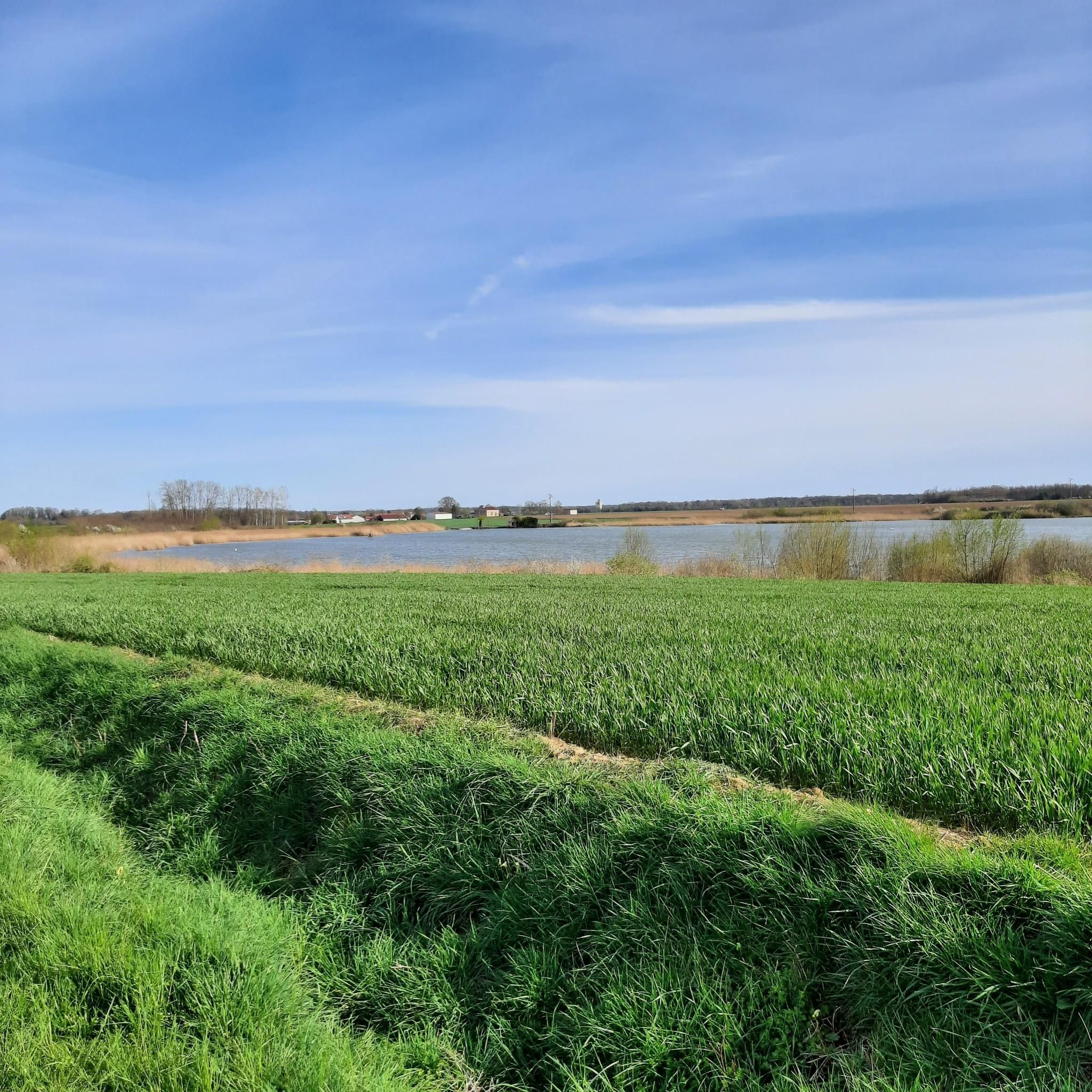
At the edge of the Argonne forest, the ponds of Belval in Argonne are home to remarkable biodiversity. Some 270 species of plants have been recorded on the site and 165 species of birds are observed each year. Made up of ponds, basins, vast reed beds and humid forest, this 203 hectare site is visited each year by thousands of aquatic birds.
0
0

The old building, which now houses a cinema and a brasserie, used to be the city's festival hall. On old postcards (web search: ancienne salle des fetes) you can see the original condition.
0
0
As a memorial to the many war dead, such places - usually referred to as "war graves" or "honorary cemeteries" - are still very important today. "Now, Lord, let your servant go in peace, as you said." However, the many people buried here were by no means divorced in peace, but became victims of the war and an inhuman tyranny. The most important and everlasting function of the soldiers' or honorary cemeteries or war cemeteries is therefore to commemorate this and to remind each generation anew to preserve peace over the long term.
3
0

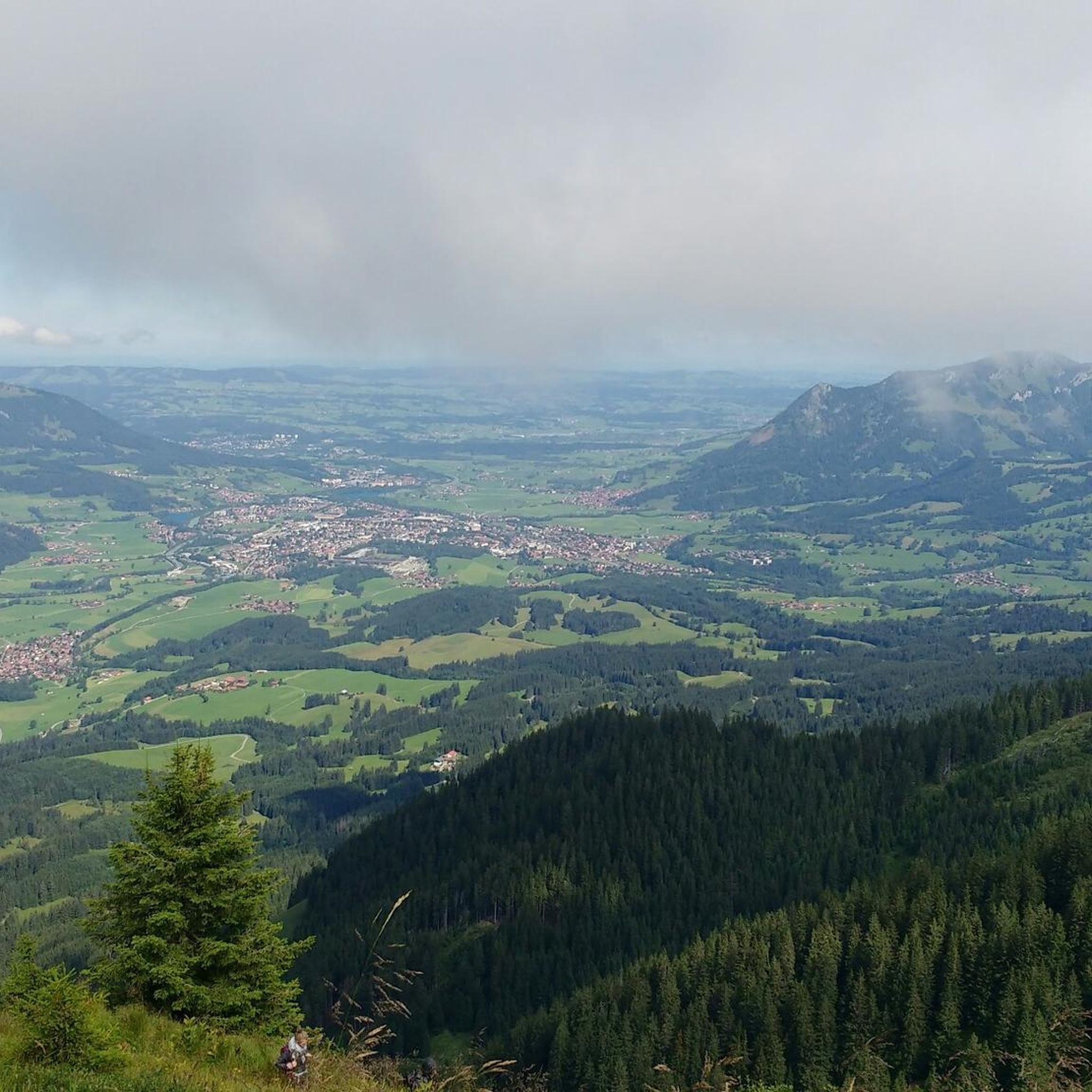
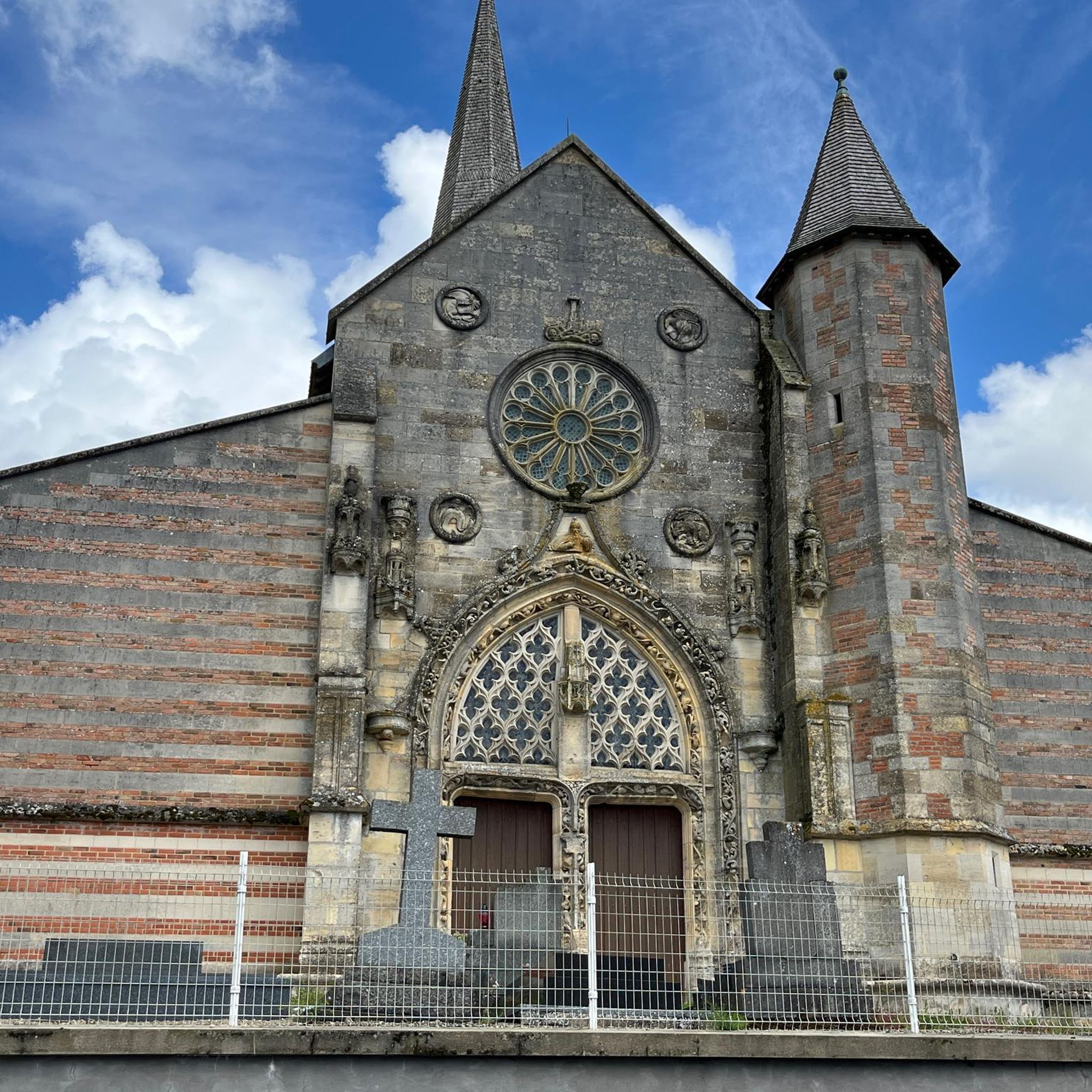
The three-nave Gothic church dates from the 13th century and was rebuilt in the 15th and 18th centuries. It fits harmoniously with the medieval upper town of Sainte Menehould.
3
0
Frequently Asked Questions
What natural features can I explore around Villers-en-Argonne?
Villers-en-Argonne is nestled in a hilly landscape bordered by the vast Argonne forest and the Aisne river valley. The Argonne forest is known for its preserved wildlife, ponds, and diverse flora and fauna. You can also find a remarkable weeping beech tree within the private park of the Château de Villers en Champagne, visible from certain viewpoints.
Are there opportunities for wildlife spotting in the area?
Yes, the extensive Argonne forest surrounding Villers-en-Argonne is a prime location for wildlife spotting. It's home to various bird species, including snipes, Eurasian curlews, lapwings, and birds of prey like black kites, red kites, and ospreys. Larger mammals such as deer, wild boar, and roe are also abundant.
What historical or cultural sites can I visit near Villers-en-Argonne?
You can explore several historical and cultural sites. Don't miss the Sainte Menehould - Our Lady of the Castle, a Gothic church dating from the 13th century. Another significant site is the Beaulieu-en-Argonne Abbey, which houses a 13th-century oak press, one of the largest in Europe.
Are there any unique historical landmarks within Villers-en-Argonne village itself?
Yes, the village features a historic 16th-century church, restored after World War II. You can also see an oak tree planted to commemorate the birth of King Louis XIV, and the tomb of the Chamisso family, which includes Adelbert von Chamisso's mother, a world-famous writer and explorer.
What outdoor activities or trails are available near these attractions?
The region offers various outdoor activities, particularly cycling. You can find numerous routes for different sports. For cycling, explore options like the 'Saint-Rouin Hermitage – Sainte-Menehould loop' or the 'Belval Pond loop' which is an easy route. For more challenging rides, consider gravel biking routes like 'Battle d'Argonne 14-18'. You can find more details and routes on the Cycling around Villers-En-Argonne, Gravel biking around Villers-En-Argonne, and Road Cycling Routes around Villers-En-Argonne guide pages.
Are there family-friendly attractions or activities in the area?
The Beaulieu-en-Argonne Abbey is considered family-friendly, offering a glimpse into history with its impressive oak press. Additionally, Villers-en-Argonne has a pony club and an equestrian school, providing opportunities for horse-related activities that families might enjoy. The local goat cheese producer also welcomes visitors, which can be an interesting experience for all ages.
When is the best time of year to visit Villers-en-Argonne?
The region's natural beauty, especially the Argonne forest and Aisne river valley, is best enjoyed during spring, summer, and early autumn when the weather is mild and the foliage is vibrant. These seasons are ideal for outdoor activities like cycling and exploring historical sites.
What do visitors particularly enjoy about the attractions here?
Visitors appreciate the blend of historical significance and natural beauty. The Saint-Rouin Hermitage is admired for its unique concrete architecture and colorful stained glass, offering a spiritual and artistic experience. The Sainte Menehould - Our Lady of the Castle is noted for its harmonious integration with the medieval upper town and offers great views.
Are there any unique or hidden gems to discover?
Beyond the main attractions, consider visiting the Saint-Rouin Hermitage, a modern chapel built on the site of an ancient hermitage, known for its striking concrete architecture and peaceful forest setting. The village also has historical 16th/19th-century locks on the Aisne River and an old, disused train station from the early 20th century, which offer glimpses into the area's past.
How much time should I allocate to visit the attractions around Villers-en-Argonne?
To fully appreciate the historical sites, natural landscapes, and perhaps engage in some outdoor activities, it's recommended to dedicate at least a full day, or even a weekend. This allows time to explore sites like the Saint-Rouin Hermitage, the Sainte Menehould - Our Lady of the Castle, and enjoy the surrounding Argonne forest.
Are there places to eat or local products to try in Villers-en-Argonne?
Yes, the City center with historic cinema in Sainte-Menehould houses a brasserie. In Villers-en-Argonne itself, you can visit a local goat cheese producer with approximately one hundred goats, offering a chance to taste and purchase local products directly from the source.
What is the significance of the Sainte Menehould military cemetery?
The Sainte Menehould military cemetery is a memorial site where 5,700 soldiers who died in the hospitals of Sainte Menehould during the First World War are buried. It serves as a poignant reminder of the war and a place to commemorate the many lives lost.
Most popular routes around Villers-En-Argonne

Get inspired with the komoot mobile app


Explore more
Still not found the Highlight you’re looking for? See guides of the top attractions in other regions:
