The best cycling routes around La Llagonne
4.2
(110)
3,778
riders
12
rides
Touring cycling routes around La Llagonne traverse the diverse landscapes of the Pyrénées-Orientales department in the Occitanie region of France. This area is characterized by expansive open spaces, mountainous terrain, and significant natural reserves within the Catalan Pyrenees Regional Natural Park. Cyclists encounter a mix of challenging climbs, scenic roads, and picturesque villages, with elevations ranging from valley floors to high mountain passes. The region's natural features include majestic mountains, tranquil lakes, and dramatic gorges, providing varied backdrops for cycling adventures.
Best touring cycling routes around La Llagonne
- The most popular touring cycling route is Climb Col de Pailhères – Cycle path along the D118 loop from La Llagonne, a 54.9 miles (88.3 km) trail that takes 6 hours 36 minutes to complete. This difficult route features significant elevation gain through the Pyrenean landscape.
- Another top favourite among local touring cyclists is Col de la Llose – Col de la Creu loop from La Llagonne, a difficult 25.9 miles (41.8 km) path. This route offers views of mountain passes and high-altitude terrain.
- Local touring cyclists also love the Lac du Raco – Bouillouses Refuge loop from Catalan Pyrenees Regional Natural Park, a 13.1 miles (21.1 km) trail leading through tranquil lake areas and forests, often completed in about 1 hour 28 minutes.
- Touring cycling around La Llagonne is defined by Pyrenean mountain passes, tranquil lakes like Lac du Bouillouses, and charming villages. The network offers options for easy, moderate, and difficult routes, catering to various skill levels.
- The routes in La Llagonne are highly rated by the komoot community with an average score of 4.2 stars from over 100 reviews. More than 4000 touring cyclists have used komoot to explore La Llagonne's varied terrain.
Last updated: May 23, 2026
4.5
(2)
42
riders
41.8km
04:19
1,180m
1,180m
Hard bike ride. Very good fitness required. Mostly paved surfaces. Suitable for all skill levels.
14
riders
Easy bike ride. Great for any fitness level. Mostly paved surfaces. Suitable for all skill levels.

Sign up for free
1.0
(1)
22
riders
20.6km
01:52
290m
290m
Moderate bike ride. Good fitness required. Mostly paved surfaces. Suitable for all skill levels.
4.0
(1)
19
riders
20.3km
01:27
390m
390m
Hard bike ride. Good fitness required. You may need to push your bike for some segments of this route.
11
riders
12.7km
01:15
160m
160m
Moderate bike ride. Good fitness required. Mostly paved surfaces. Suitable for all skill levels.
Get access to more routes and recommendations from other explorers.
Sign up for free
Already have an account?
Our route recommendations are based on thousands of hikes, rides, and runs completed by other people on komoot.
Start today with a free account
Your next adventure awaits.
Login or Signup
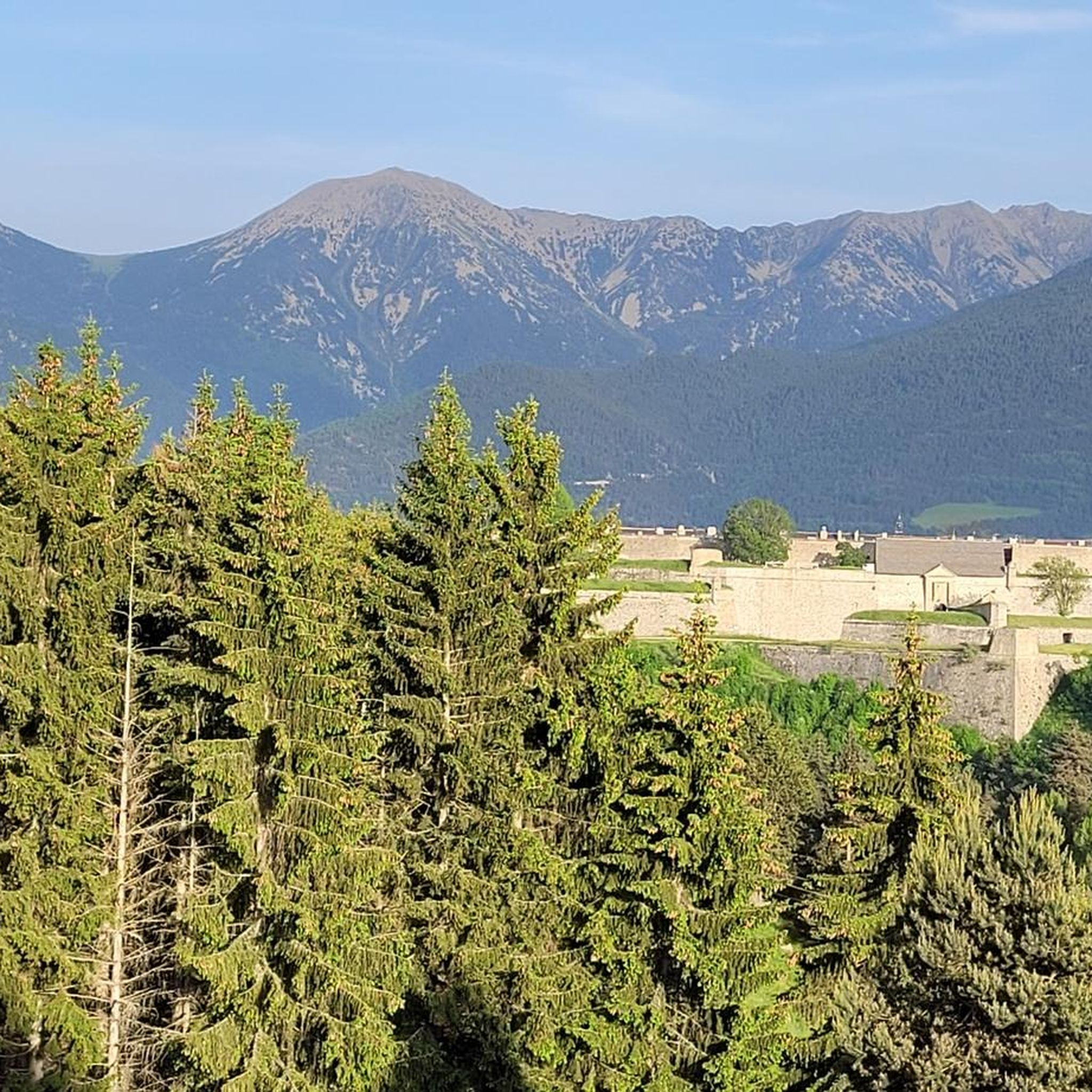
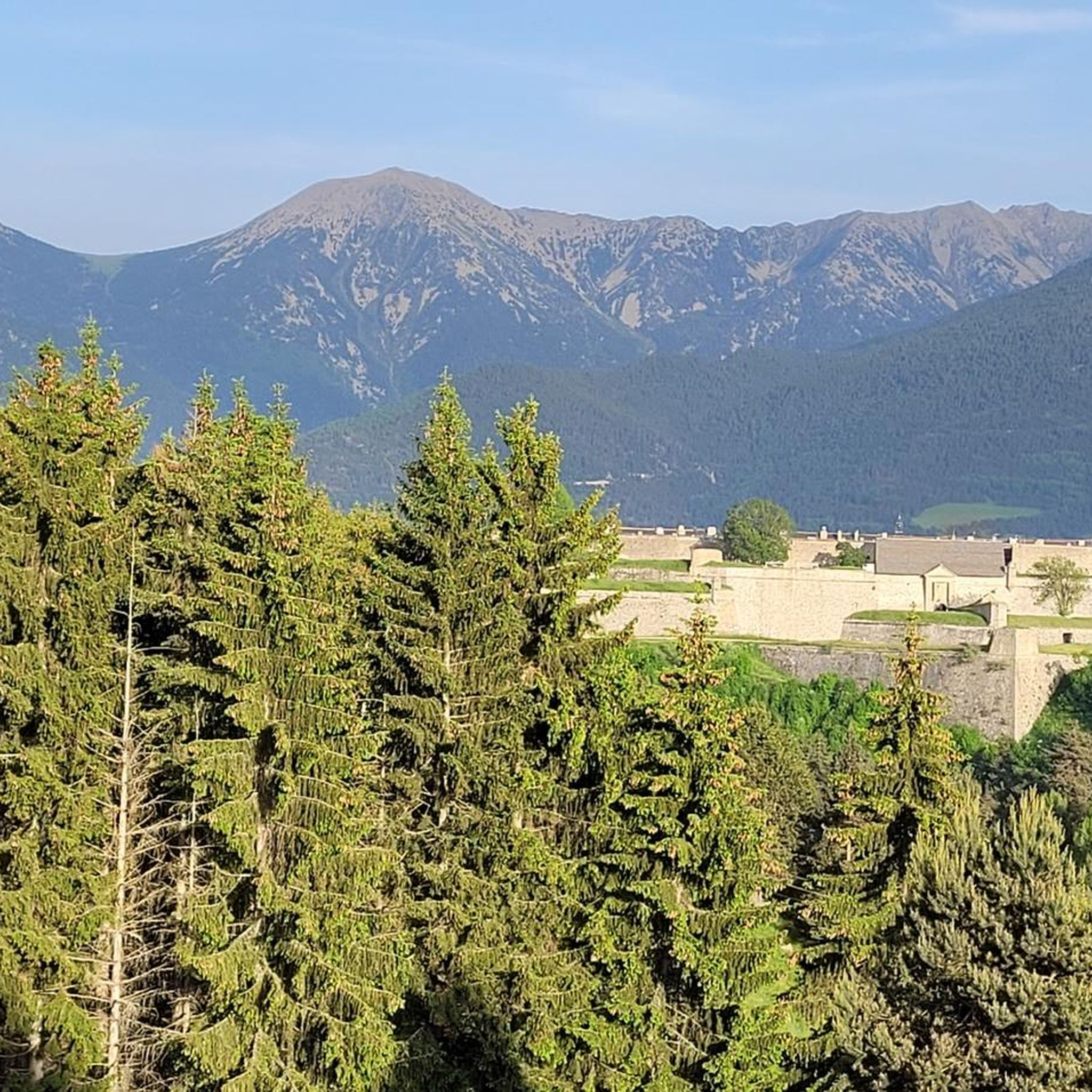
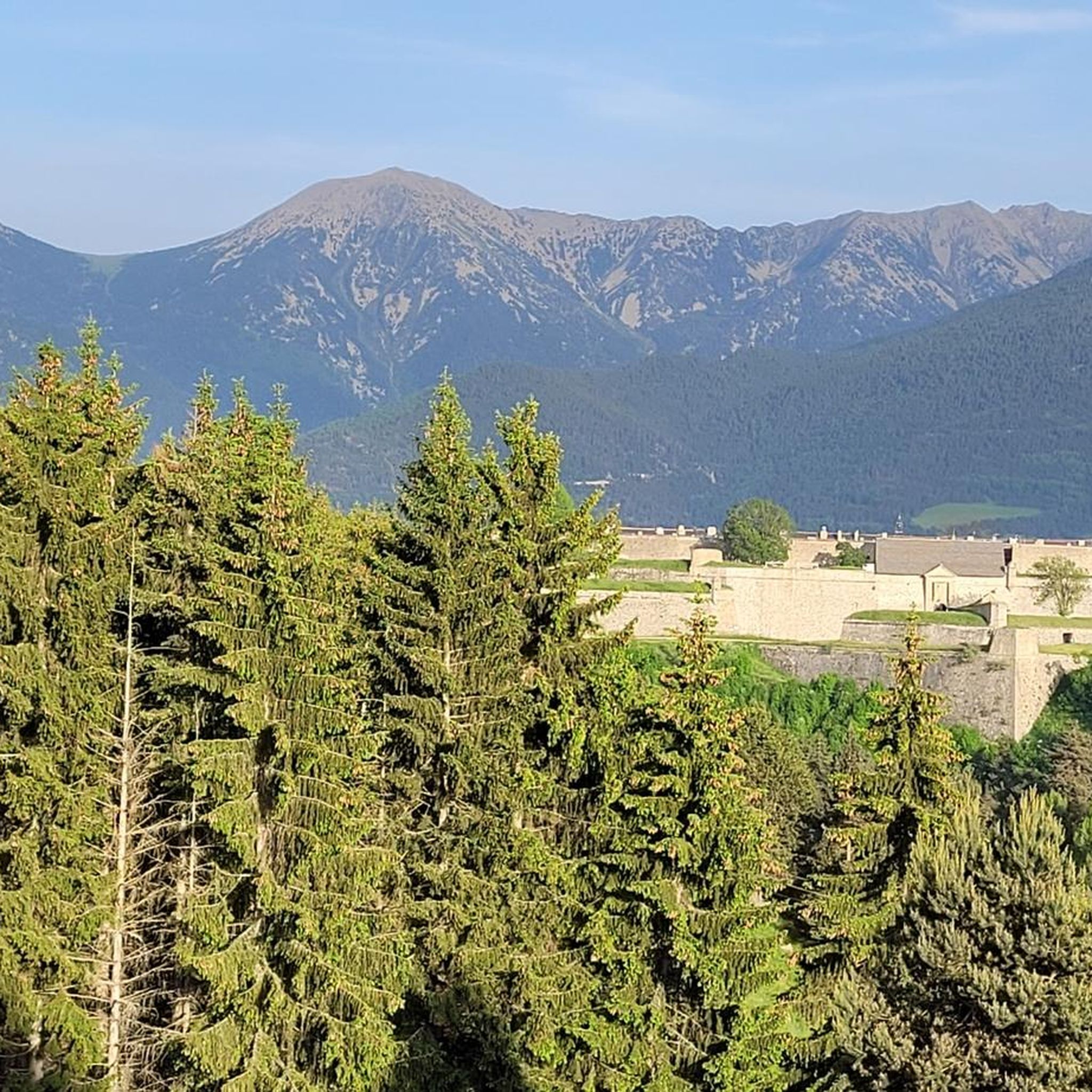
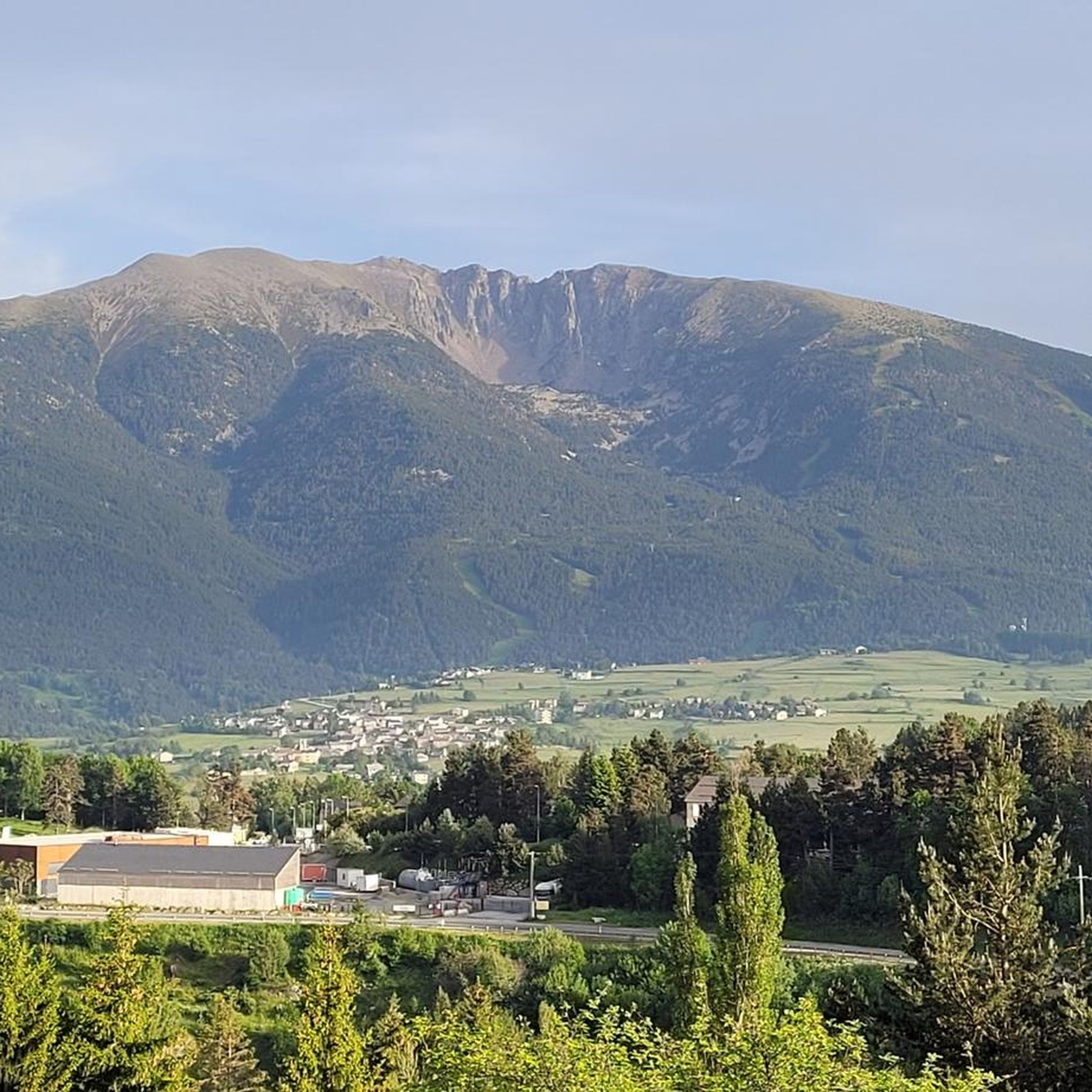
Tips from the Community

The Matemale lake is located in the middle of the Capcir plateau. The color of its waters captures the attention and creates a desire: to get closer and perhaps take a dip. The lake is developed, and a equipped leisure base opens onto its shores. An ideal stopover.
0
0


Located inconspicuously next to the road, a small Stations of the Cross lead to Mount Calvary. A magnificent view from the top.
0
0

Easy access from Réal via the DFCI, many trails to follow once the pass is reached. An excellent start to the outing
0
0

magnificent landscapes, restoration on the bouillouses
0
0

It is a simply spectacular port that unites the regions of Conflent and Capcir. It is one of the most beautiful ports in the easternmost Pyrenees. It is very close to the Col de la Llosa, and you can take a circular route that is known as the "Route des Cols". It is also indicated on nearby road signs. The hardest slope is the one that begins in Olette (Conflent) and goes up through Aiguatèbia. There are almost 22 km of ascent and 1,089 meters of elevation gain. It has 3 very different zones: (1) the first is a constant 5 km at 7%; (2) the second is 10 km at 4% and with some very pleasant rest areas, with beautiful views; (3) The final part is 6 km on average at 7%, since it passes the town of Railleu, although the hard part is the last 3 km, with several ramps that exceed 10%. The road is narrow and has uneven asphalt, with hardly any cars and motorcycles. For me, the final part of this port is truly spectacular and should not be missed. The west slope begins in the town of Matamala (Capcir) and is 3 km with an average of close to 8%. It is a long irregular stretch along a narrow and very quiet road, with panoramic views of the valley when the thick black pine forest gives some opportunity.
0
0

A little disappointing: the pass is in the middle of the forest and offers no view. The climb from (and to!) Railleu is nevertheless superb. A nice picnic area to have a bite to eat.
1
0
Lake at the foot of Les Angles and next to the Col de la Quillane. I recommend you take a walk around it, passing through the points indicated above.
0
0
Frequently Asked Questions
How many touring cycling routes are available around La Llagonne?
There are over 15 touring cycling routes around La Llagonne, catering to various skill levels. These include 1 easy route, 7 moderate routes, and 7 difficult routes, offering a wide range of experiences from gentle rides to challenging mountain climbs.
What kind of terrain can I expect on touring cycling routes in La Llagonne?
The region around La Llagonne is characterized by diverse and dramatic landscapes. You can expect mountainous terrain with winding slopes and significant climbs, accessing challenging Pyrenean cols. Routes also traverse extensive forested areas, picturesque valleys, and pass by tranquil lakes. The area is part of the Regional Natural Park of the Catalan Pyrenees, offering stunning natural backdrops.
When is the best time of year to go touring cycling in La Llagonne?
The best time for touring cycling in La Llagonne is generally from spring through autumn. During these seasons, the weather is more favorable, and mountain passes are typically clear of snow. Summer offers warmer temperatures, while spring and autumn provide cooler rides and vibrant scenery. Always check local weather conditions, especially for high-altitude routes, as conditions can change rapidly.
Are there easy touring cycling routes suitable for beginners or families in La Llagonne?
Yes, there is at least one easy touring cycling route perfect for beginners or families. The Plà de Barrès River and Forest – Lac des Bouillouses loop from Catalan Pyrenees Regional Natural Park is a shorter, less strenuous option, offering a pleasant ride through forests and by the lake with minimal elevation gain.
What are some challenging touring cycling routes in the La Llagonne area?
For experienced touring cyclists seeking a challenge, routes like the Climb Col de Pailhères – Cycle path along the D118 loop from La Llagonne offer significant elevation gain over 88 km. Another difficult option is the Col de la Llose – Col de la Creu loop from La Llagonne, which covers 41.8 km with substantial climbing through mountain passes.
Can I find circular touring cycling routes around La Llagonne?
Yes, many touring cycling routes around La Llagonne are designed as loops, allowing you to start and finish at the same point. Examples include the Lac du Raco – Bouillouses Refuge loop from Catalan Pyrenees Regional Natural Park and the Calvet's sheepfold – Lake Matemale loop from La Llagonne, providing convenient options for exploring the area.
What natural attractions or landmarks can I see along the touring cycling routes in La Llagonne?
The region is rich in natural beauty. Many routes offer views of the majestic Pyrenean mountains, including potential glimpses of the Pic du Canigou. You can also encounter stunning gorges like the Carança Corniche and The Footbridges of the Carançà Gorge. Historical sites such as the Mont-Louis citadel (a Vauban fortification) are also nearby, offering cultural points of interest.
Are there any routes that pass by lakes or water features?
Absolutely. The region is home to several beautiful lakes. The Lac du Raco – Bouillouses Refuge loop and the Plà de Barrès River and Forest – Lac des Bouillouses loop both feature the significant Lake Bouillouses. Other routes may pass by Lake Matemale or the upper course of the Têt river.
Is there parking available near the touring cycling routes in La Llagonne?
Yes, parking facilities are generally available in and around La Llagonne, particularly in the village centers or at popular starting points for outdoor activities. Specific parking information for individual routes can often be found on their respective komoot pages.
Can I reach touring cycling routes in La Llagonne using public transport?
Public transport options to La Llagonne and the surrounding areas exist, though their bike-friendliness can vary. The famous "Train Jaune" (Yellow Train) provides a unique way to discover the landscapes of the Cerdan plateau, and some local bus services might accommodate bicycles. It's advisable to check specific schedules and bike policies with local transport providers in advance.
Are there dog-friendly touring cycling routes in La Llagonne?
While many outdoor areas in the Catalan Pyrenees are welcoming to dogs, specific regulations may apply, especially within the Regional Natural Park or protected Natura 2000 sites. It's generally recommended to keep dogs on a leash to protect wildlife and ensure safety. Always check local signage and guidelines for each specific route regarding dog access.
What do other touring cyclists enjoy most about cycling in La Llagonne?
The touring cycling routes around La Llagonne are highly rated by the komoot community, with an average score of 4.2 stars from over 100 reviews. Reviewers often praise the extraordinary variety of landscapes, from challenging mountain passes with panoramic views to tranquil lakes and dense forests. The network of dedicated routes and the blend of natural beauty with historical sites are frequently highlighted.
Most popular routes around La Llagonne
Most popular attractions around La Llagonne

Get inspired with the komoot mobile app


Explore more
Browse the best Cycling routes in other regions.
