Attractions and Places To See around Prignac-Et-Marcamps - Top 20
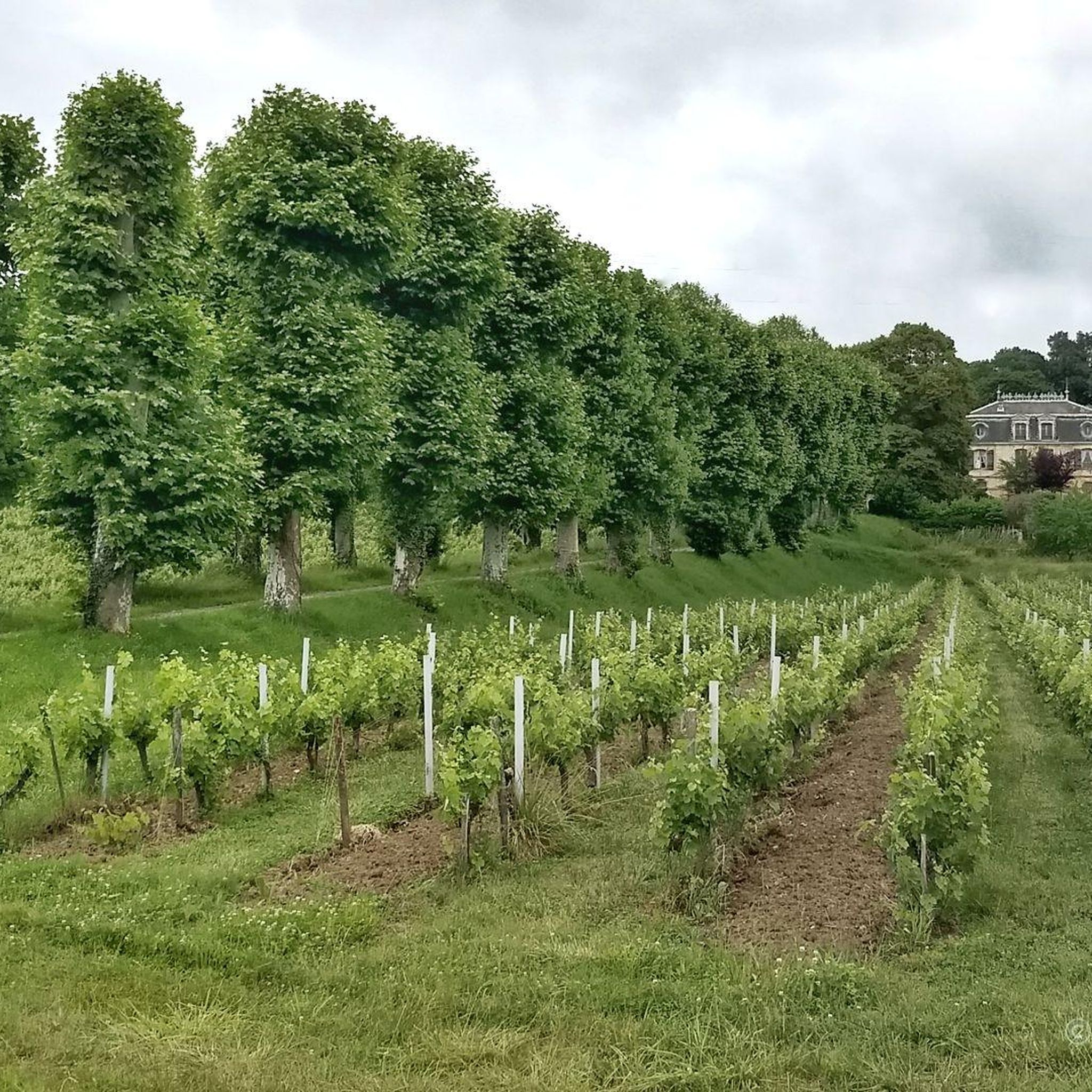
Best attractions and places to see around Prignac-Et-Marcamps include a blend of prehistoric heritage, historical architecture, and natural landscapes. Situated in the Gironde department of Nouvelle-Aquitaine, the commune offers diverse points of interest. Visitors can explore significant landmarks, natural features like the Dordogne River and the Moron wetland, and cultural sites. The area is also characterized by its vineyards, typical of the Bordeaux region.
Best attractions and places to see around Prignac-Et-Marcamps
- The most popular attractions is Bourg-sur-Gironde Citadel,…
Last updated: July 20, 2026
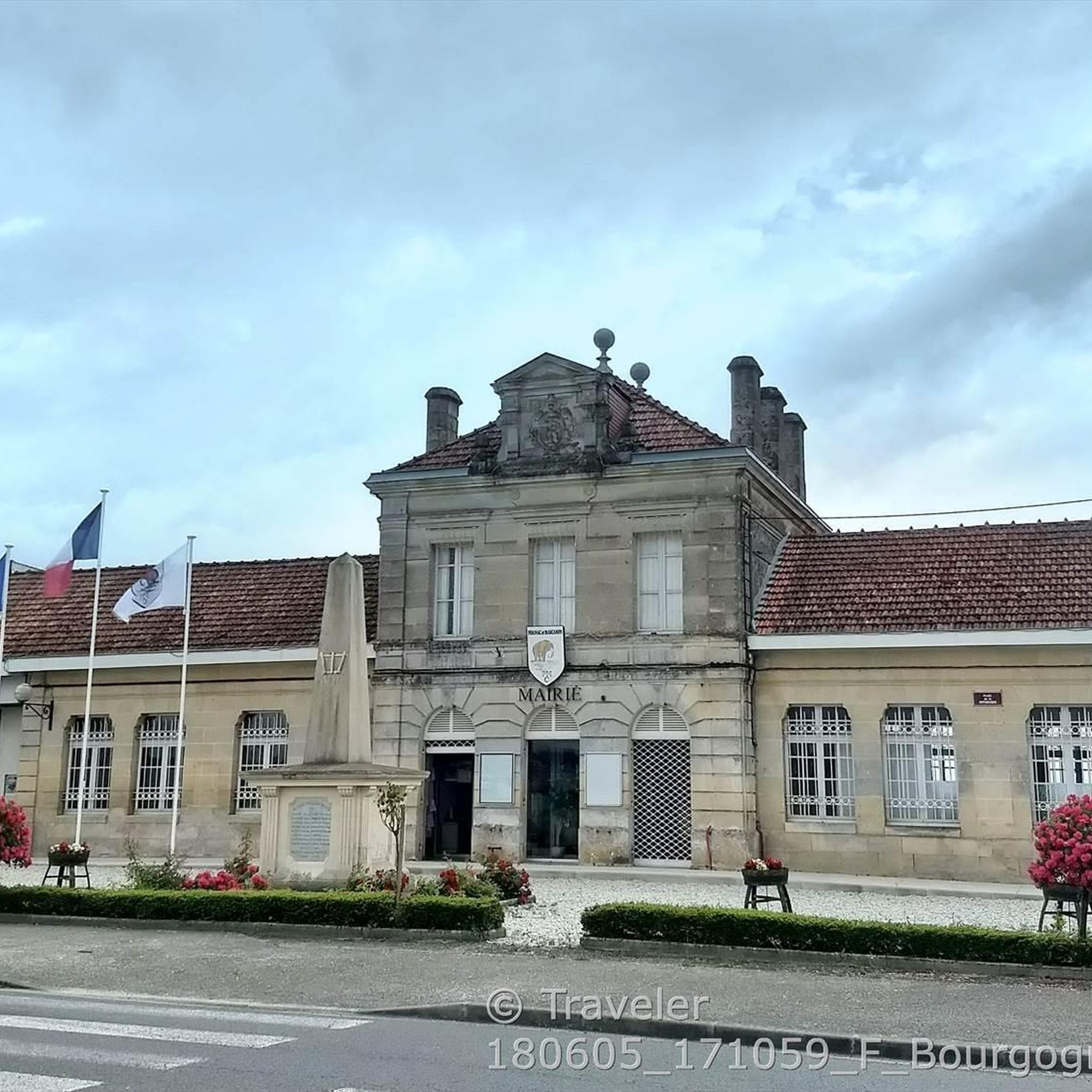
Saint Vincent De Paul Town Hall, Church and Pond
Highlight • Other
Translated by Google •
Tip by

Eiffel Bridge of Cubzac-les-Ponts
Highlight • Bridge
Translated by Google •
Tip by

Sign up now to discover places like this
Get recommendations on the best single tracks, peaks, & plenty of other exciting outdoor places.
Sign up for free
Saint-Géronce Church
Highlight • Religious Site
Translated by Google •
Tip by
Saint-André de Cubzac
Highlight • Monument
Tip by
Bourg-sur-Gironde Citadel
Highlight • Other
Translated by Google •
Tip by

Sign up for free to discover even more attractions around Prignac-Et-Marcamps.
Sign up for free
Already have an account?
Start today with a free account
Your next adventure awaits.
Login or Signup



Tips from the Community

This road bridge was built by Gustave Eiffel, between 1879 and 1883, on the foundations of a first suspension bridge (1839-1869) carried away by a storm. Destroyed during the Second World War, it was rebuilt by his grandson. The access ramp is supported by stone arcades which, seen from below, have the appearance of a Gothic cathedral.
0
0

A little piece of history with this bridge built by Gustave Eiffel!
0
0
Pretty lake with ducks, the opportunity to rest in a bucolic setting.
1
0

This neo-Gothic church was built to replace the dilapidated church of the Recollect Fathers, a men's convent founded in 1627. In the 19th century, the church wanted to encourage a revival of Catholic worship; it encouraged the construction of new religious buildings in Gironde. Thus, in 1856, the Saint-Géronce church was consecrated. Due to lack of space, its apse was oriented towards the south, contrary to what the liturgy provided. The organ, which has its original construction from 1861, is remarkable. Mass is celebrated there every Sunday morning at 10:00 a.m.
0
0
The Church of Saint-André-du-Nom-de-Dieu includes sections whose construction dates from the 12th to the 19th centuries. It was built by the Benedictines of the Abbey of La Sauve-Majeure and was once used by a priory founded after 1115, dependent on the abbey. The dominant style of this fortified church is Romanesque. Its massive, square-based bell tower is imposing. The building boasts beautiful stained-glass windows and a remarkable organ case. The church was last restored in 1977. The Virgin of Mercy is an alabaster sculpture dating from the 16th century and is a listed historic monument.
1
0

Nice spot for a break before continuing on the old Eiffel bridge !
1
0

The linguistic proximity of the "Pont Eiffel", which spans the Dordogne river here, and the low mountain range "Eifel" in the far west of Germany is no coincidence: The family of the designer - whose world-famous Tower of Paris (named after its builder) is probably known to everyone - has German roots. The ancestors of the Eiffel Tower builder Gustave EIFFEL come from the Eifel town of Marmagen (in the Euskirchen district, North Rhine-Westphalia). The village square there - if you are interested, see the following hiking highlight https://www.komoot.com/de-de/highlight/1830307 - is named after him.
6
0

Even if the church is being restored, it is worth seeing.
3
0
Frequently Asked Questions
What historical sites can I explore in Prignac-et-Marcamps?
The region offers a rich historical tapestry. You can visit the 12th-century Romanesque Saint-Géronce Church, known for its neo-Gothic architecture and original 1861 organ. Other notable sites include the restored Saint Michel de Marcamps Church, the historic Lavoirs de Nolly and Christoly, and the Chapelles des Lurzines and Saint-Felix. The Bourg-sur-Gironde Citadel, a former Carthusian monastery, also holds significant historical value.
Are there any prehistoric sites to visit in the area?
Yes, Prignac-et-Marcamps is renowned for its prehistoric heritage. The most significant site is the Grotte de Pair-non-Pair, an Upper Paleolithic cave featuring over 30,000-year-old parietal engravings of animals. Nearby, you can find the Roc de Marcamps, a Magdalenian site, and the Grotte des Fées, which has yielded numerous traces of human activity from the same period. Reservations are recommended for the Grotte de Pair-non-Pair.
What is the significance of the Eiffel Bridge near Prignac-et-Marcamps?
The Eiffel Bridge of Cubzac-les-Ponts is a remarkable road bridge spanning the Dordogne River. Originally built by Gustave Eiffel between 1879 and 1883, it was later rebuilt by his grandson, Jacques Eiffel, after being destroyed during World War II. This 1.5-kilometer-long bridge is notable for its innovative construction techniques and now features a cantilevered cycle bridge, making it safe for pedestrians and cyclists.
Where can I experience nature and wildlife in Prignac-et-Marcamps?
For nature lovers, the Le Site Naturel du Moron is a must-visit. This 92-hectare wetland, partly classified as a Natura 2000 zone, is a protected area rich in diverse flora and fauna. It offers walking and hiking circuits, a health trail, and opportunities for birdwatching, fishing, and picnics. The Dordogne River, forming the commune's southern boundary, is also a UNESCO World Biosphere Reserve.
Are there opportunities for hiking or walking in the area?
Absolutely. The Le Site Naturel du Moron provides dedicated circuits for walking and hiking. Additionally, the surrounding vineyards offer scenic routes for leisurely strolls. For more structured routes, you can explore the Running Trails around Prignac-Et-Marcamps, which include options like the 'Montalon Mills loop' and various running loops directly from Prignac-et-Marcamps.
Can I go cycling around Prignac-et-Marcamps?
Yes, the region is excellent for cycling. The picturesque vineyards and natural landscapes provide numerous routes. You can find various cycling options, including the 'Gironde Corniche – Bourg Citadel loop' and the 'Cubzac-sur-Dordogne Bridge loop', by exploring the Cycling around Prignac-Et-Marcamps guide. The Eiffel Bridge also features a dedicated cycle path for safe passage.
What kind of outdoor activities are available besides walking and cycling?
Beyond walking and cycling, you can enjoy birdwatching and fishing at Le Site Naturel du Moron. For a unique experience, 'Air Estuaire' ULM offers aerial baptisms, allowing you to fly over Europe's largest estuary, the Dordogne River, and the Bordeaux vineyards. Mountain biking enthusiasts can also find trails, such as the 'Abandoned Vineyard Trail – Moron Natural Site loop', detailed in the MTB Trails around Prignac-Et-Marcamps guide.
Are there family-friendly attractions in Prignac-et-Marcamps?
Many attractions are suitable for families. The natural beauty of Le Site Naturel du Moron offers space for picnics and easy walks. The prehistoric caves, particularly the Grotte de Pair-non-Pair, can be an educational and fascinating experience for older children. The Saint-Géronce Church is also listed as family-friendly. ULM flights offer an exciting adventure for those seeking a thrill.
Are there any attractions accessible for visitors with mobility needs?
The Eiffel Bridge of Cubzac-les-Ponts is noted as wheelchair accessible, offering a pleasant experience with views over the Dordogne River. While specific accessibility details for all sites are not available, natural areas like parts of Le Site Naturel du Moron may offer accessible paths, though it's advisable to check local conditions.
Can I go wine tasting in Prignac-et-Marcamps?
Yes, the region is part of the renowned Bordeaux wine country, making wine tasting a popular activity. Many local vineyards, such as Château La Brunette, which produces organic wines, offer tastings. You can arrange visits to discover the prestigious wines characteristic of the area and enjoy the scenic vineyard landscapes.
What is the best time of year to visit Prignac-et-Marcamps?
The best time to visit Prignac-et-Marcamps generally aligns with pleasant weather for outdoor activities. Spring (April-May) and early autumn (September-October) offer comfortable temperatures for hiking, cycling, and exploring historical sites and vineyards, often with fewer crowds. Summer (June-August) is also popular, especially for enjoying the Dordogne River and outdoor events, though it can be warmer.
What do visitors particularly enjoy about the attractions near Prignac-et-Marcamps?
Visitors appreciate the blend of historical depth and natural beauty. The prehistoric caves, like the Grotte de Pair-non-Pair, offer a unique glimpse into ancient history. The charm of villages like Saint Vincent De Paul Town Hall, Church and Pond, with its pretty lake and proximity to the Gustave Eiffel road bridge, is often highlighted. The opportunity to explore the Dordogne's natural landscapes and the region's rich wine culture also receives high praise.
Are there any unique historical features beyond major landmarks?
Beyond the prominent landmarks, Prignac-et-Marcamps offers glimpses into its past through sites like the historic Lavoirs de Nolly and Christoly, which are traditional wash houses. The Marcamps Stone Quarries, active in the 18th and 19th centuries, are also a unique historical feature, known for the yellow stone used in local constructions and even in Bordeaux's Grand-Théâtre.
Most popular routes around Prignac-Et-Marcamps
Most popular attractions around Prignac-Et-Marcamps

Get inspired with the komoot mobile app


Explore more
Still not found the Highlight you’re looking for? See guides of the top attractions in other regions:
