Top 5 Castles around Saint-Pourçain-Sur-Besbre
Castles around Saint-Pourçain-Sur-Besbre, a commune in the Allier department of France, offer a glimpse into the region's history. The area features historically significant castles with distinct architectural styles. These edifices provide insight into the past, ranging from feudal constructions to extensively modified estates.
Best castles around Saint-Pourçain-Sur-Besbre
- The most popular castles is Jaligny Castle, a castle located on the banks of the Besbre, dating from the 10th century. It features two round towers, a fortified gate, and a courtyard…
Last updated: May 19, 2026
Jaligny Castle
Highlight • Castle
Translated by Google •
Tip by

Château de Saint-Aubin
Highlight • Castle
Translated by Google •
Tip by

Sign up now to discover places like this
Get recommendations on the best single tracks, peaks, & plenty of other exciting outdoor places.
Sign up for free
Château de Châtelperron
Highlight • Castle
Translated by Google •
Tip by
Château de Saligny
Highlight • Castle
Translated by Google •
Tip by

Rural Path to Beaulon Castle
Highlight (Segment) • Trail
Translated by Google •
Tip by

Start today with a free account
Your next adventure awaits.
Login or Signup
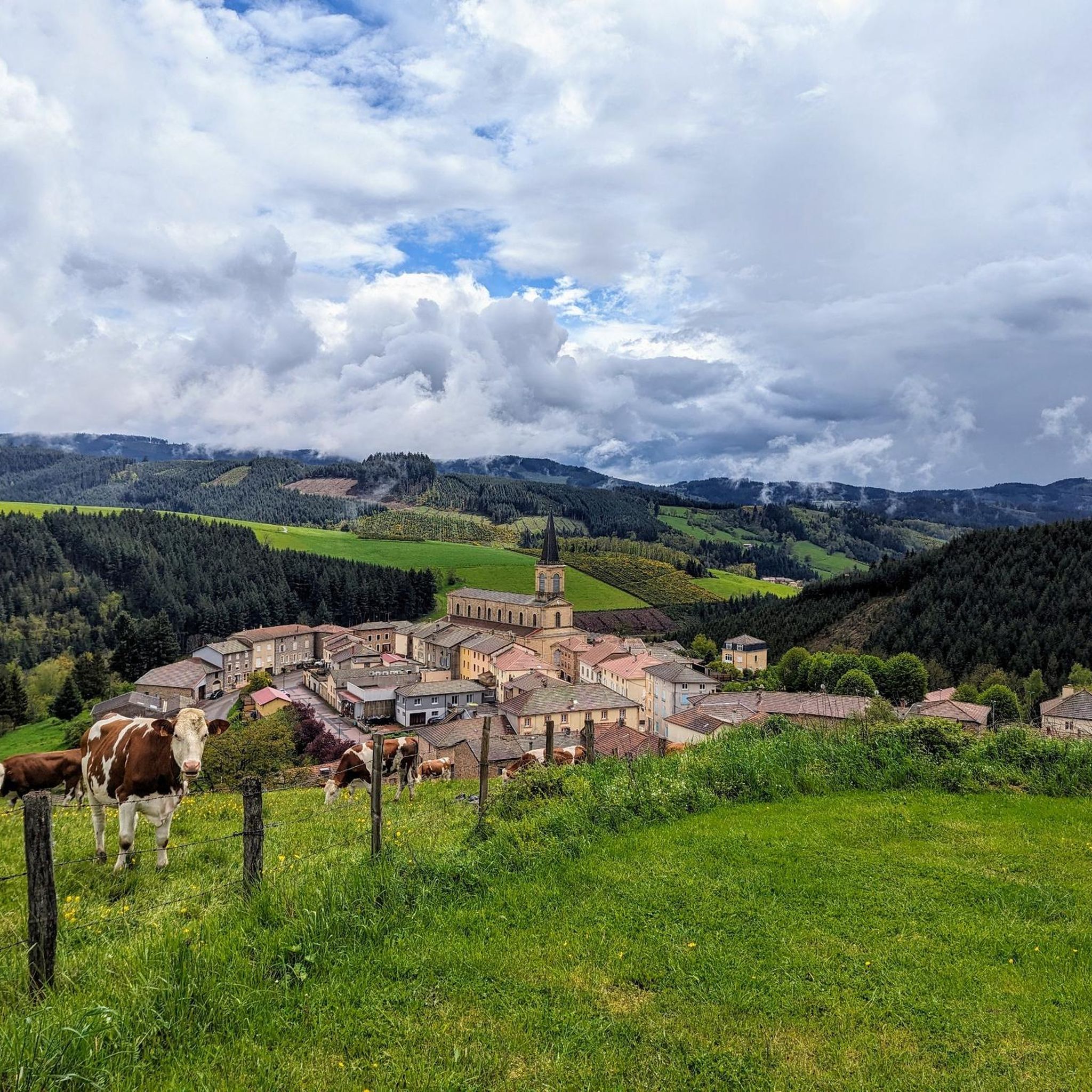
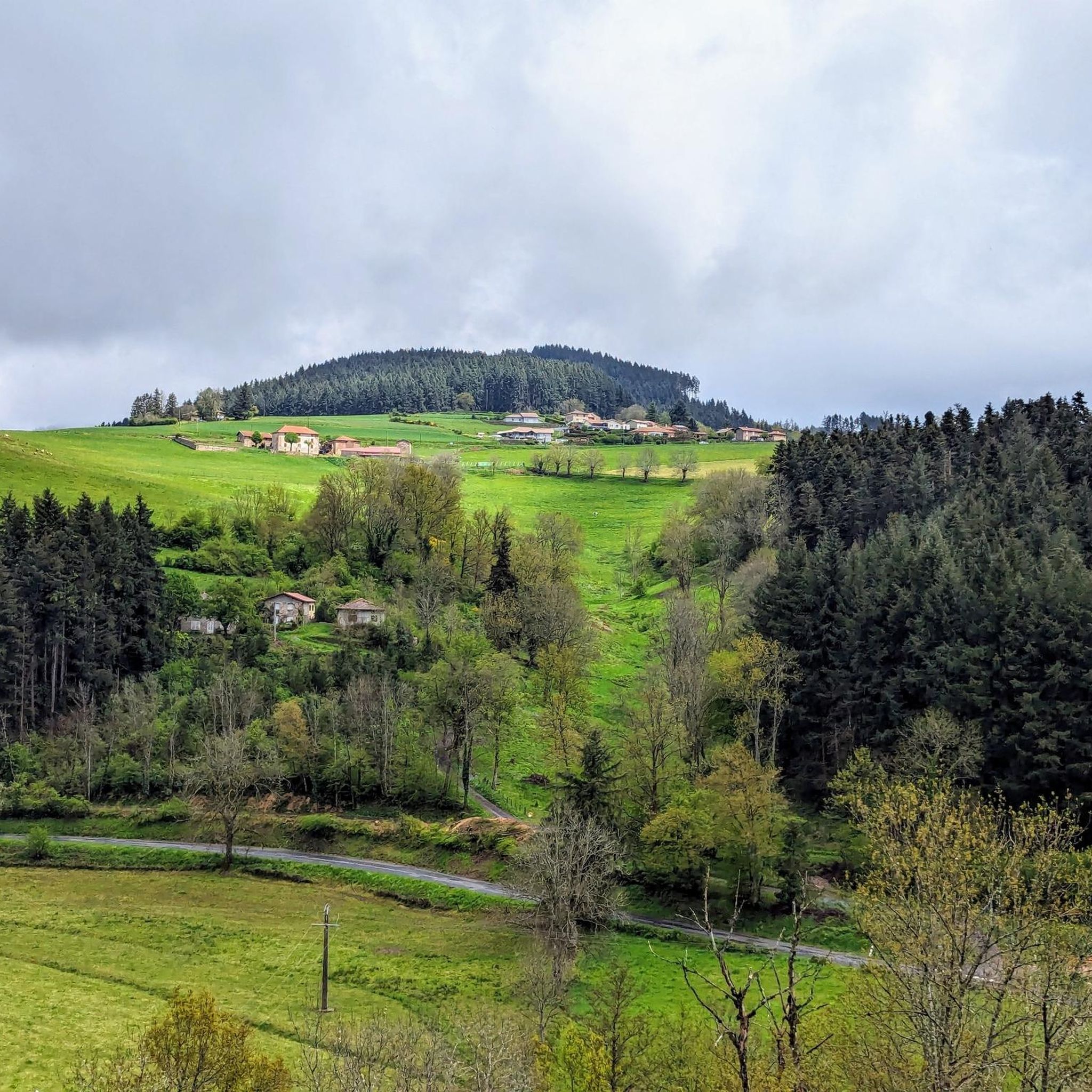

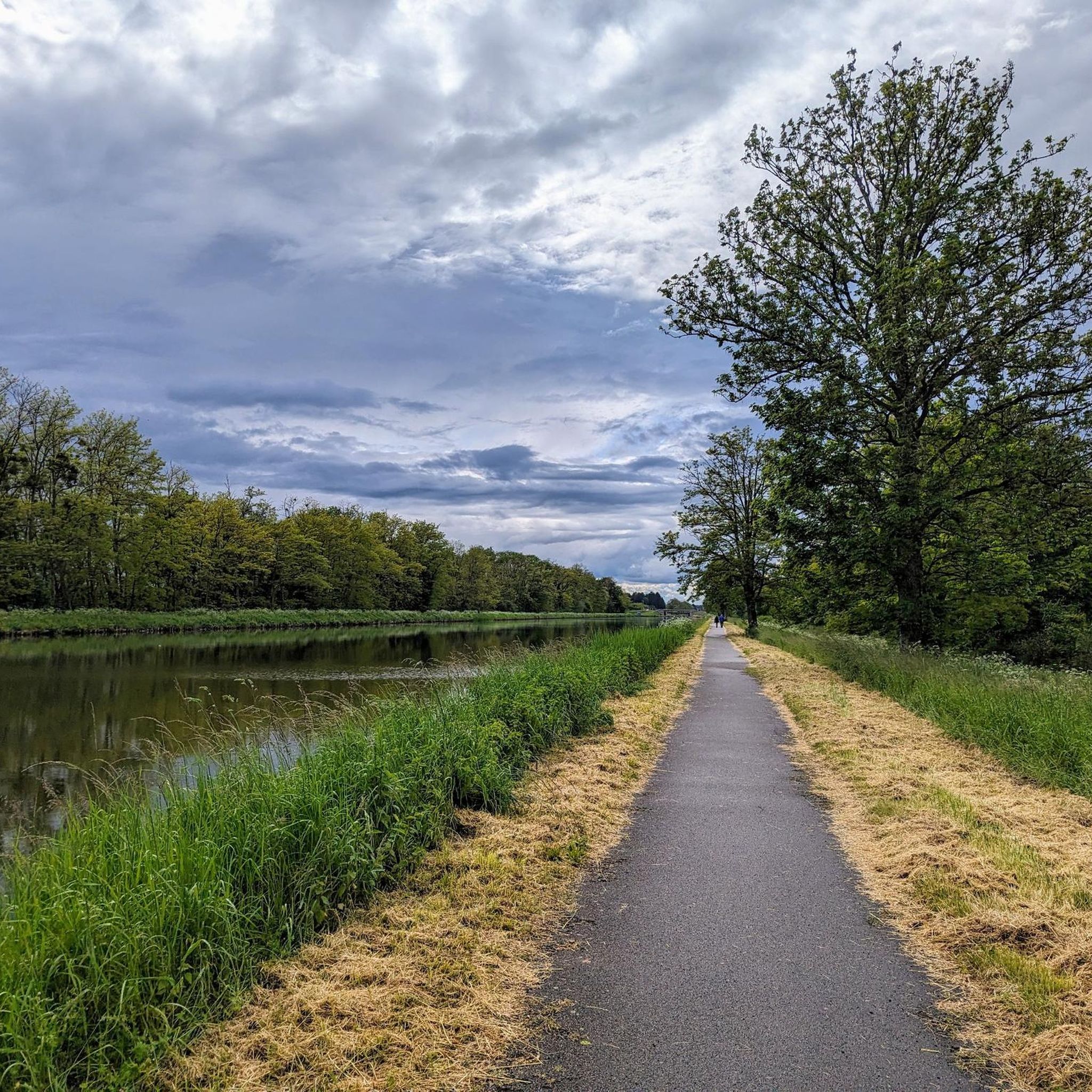

Tips from the Community

Pleasant and rolling rural path, through fields, then bordering a beautiful pond before arriving at the Chateau de Beaulon.
0
0

This medieval castle was built in the 12th century and served as the residence of King John II of France. You can admire the architecture of the castle which has retained some original windows and a Renaissance-style chapel with painted vaults. The castle is surrounded by fields and forests, providing a peaceful and natural setting for your hike.
3
0
This medieval castle is located on the banks of the Besbre. The castle dates from the 10th century and belonged to the noble family of Amboise, who also owned the famous Chateau de Chaumont in the Loire Valley. You can admire the architecture of the castle, which includes two round towers, a fortified gate and a courtyard with polygonal turrets. You can also discover the remains of an old French garden with a central pond. The castle is privately owned and not open to the public, but you can enjoy the view from the outside and take some great photos. Jaligny-sur-Besbre Castle is a hidden gem that will make you feel like you've stepped back in time.
2
0
12th and 15th centuries: What remains of the original building is from the 15th century. It originally had the shape of a parallelogram flanked by four towers. The church is adjacent to the castle.
0
0
The Château de Saligny is listed in the inventory of historical monuments. It cannot be visited, but it is clearly visible from the road that runs along the moat. It has belonged to the Bartillat family since 1834.
0
0
It is one of the oldest towns in Bourbonnais. It would have been founded in the year 67 and owes its fame to an important fortified castle whose various lords played a fairly active role in history from the 12th century.
0
0

In the middle of the vineyards of the Burgundy region, the Château de Saint-Aubin is a wine estate that offers tastings and tours of its vineyard, planted with Chardonnay. For those who wish to rest there, four guest rooms are available.
2
0

Frequently Asked Questions
What are some of the historically significant castles in the Saint-Pourçain-sur-Besbre area?
The region is home to several castles with rich histories. Notable examples include the Château de Thoury, a formidable feudal construction dating back to the 12th century, and the Château de Beauvoir, a fortified house also from the 12th century with beautifully maintained French-style gardens. You can also find Jaligny Castle, a 10th-century castle on the banks of the Besbre, and Château de Châtelperron, a medieval castle that once served as a royal residence.
Which castles offer guided tours or are open to the public for interior visits?
The Château de Thoury is open to the public from April to October and offers guided tours, allowing visitors to explore its inner courtyard, Italian gallery, and guard's tower. While Château de Beauvoir primarily functions as an event venue and offers accommodation, its picturesque French gardens are open for self-guided tours throughout the year. Château de Saint-Aubin, a wine estate, offers tastings and tours of its vineyard.
Are there any castles in the area that are not open to the public but can be admired from the outside?
Yes, Jaligny Castle is privately owned and not open to the public, but its architecture, including two round towers and a fortified gate, can be admired from the outside. Similarly, Château de Saligny, while listed as a historical monument, cannot be visited but is clearly visible from the road that runs along its moat.
What kind of activities can families enjoy at or near the castles?
For families, the French gardens of Château de Beauvoir offer a tranquil setting for self-guided tours. The Château de Thoury occasionally hosts concerts and exhibitions, which can be family-friendly. Additionally, the region offers various outdoor activities. For example, the Rural Path to Beaulon Castle is a pleasant, family-friendly trail through fields and alongside a pond.
Are there opportunities for outdoor activities like hiking or cycling near the castles?
Yes, the area around Saint-Pourçain-sur-Besbre offers various outdoor activities. You can find numerous cycling routes, such as those detailed in the Cycling around Saint-Pourçain-sur-Besbre guide, or explore MTB Trails around Saint-Pourçain-sur-Besbre. Some castles, like Château de Châtelperron, are surrounded by fields and forests, providing a peaceful setting for walks.
What is the best time of year to visit the castles in Saint-Pourçain-sur-Besbre?
The Château de Thoury is open from April to October, suggesting spring through autumn are ideal times for interior visits and guided tours. The gardens of Château de Beauvoir are open year-round, but the warmer months would be most pleasant for exploring them. Generally, the spring and summer months offer the best weather for enjoying both the castles and outdoor activities in the region.
Can I find accommodation options at any of the castles?
Yes, both Château de Thoury and Château de Beauvoir offer unique accommodation experiences. At Château de Thoury, you can stay overnight in a converted medieval tower. Château de Beauvoir also provides accommodation options, functioning as a sought-after venue for events. Additionally, Château de Saint-Aubin, a wine estate, has four guest rooms available.
Are the castles dog-friendly?
Specific dog policies for interior access or gardens vary by castle. While the region research does not explicitly state dog policies for Château de Thoury or Château de Beauvoir, it's generally advisable to check directly with each castle regarding their rules for pets, especially for interior visits or formal gardens. Often, dogs on a leash are permitted in exterior public areas or surrounding trails.
What kind of historical events are associated with the castles in this region?
The castles in Saint-Pourçain-sur-Besbre have witnessed significant historical events. Château de Thoury played a crucial defensive role, successfully repelling numerous assaults during the Hundred Years' War. Château de Beauvoir was notably captured by English forces during the Hundred Years' War and later recaptured by Louis II of Bourbon. Château de Châtelperron served as a residence for King John II of France.
Are there any castles known for their gardens or unique architectural features?
Yes, Château de Beauvoir is complemented by beautifully maintained French-style gardens, which are recognized and protected as historical monuments. The Château de Thoury is notable for its formidable feudal architecture, thick walls, machicolations, and distinctive 'pepper-pot' roofs, as well as a 16th-century Italian-style gallery inside. Jaligny Castle features two round towers, a fortified gate, and a courtyard with polygonal turrets.
What do visitors particularly appreciate about the castles around Saint-Pourçain-sur-Besbre?
Visitors appreciate the glimpse into the region's rich past offered by these castles, with their distinct architectural styles and compelling histories. The komoot community has shown appreciation for the castles, with more than 15 upvotes and 13 photos shared, highlighting their scenic beauty and historical significance. The opportunity to explore medieval structures and beautiful gardens is often a draw.
Most popular routes around Saint-Pourçain-Sur-Besbre
Most popular attractions around Saint-Pourçain-Sur-Besbre

Get inspired with the komoot mobile app


