Attractions and Places To See around Blénod-Lès-Toul - Top 20
Best attractions and places to see around Blénod-Lès-Toul offer a blend of historical sites, cultural insights, and outdoor activities. The commune is situated amidst vineyards and forests, providing scenic walking routes and natural areas like the Massif de Meine. Historically, the area is known for its military fortifications and significant religious architecture. Visitors can explore a variety of landscapes and heritage sites.
Best attractions and places to see around Blénod-Lès-Toul
- The most popular attraction is Along the Moselle near Maron…
Last updated: May 11, 2026
Along the Moselle near Maron
Highlight (Segment) • Cycleway
Translated by Google •
Tip by

Saint Stephen's Cathedral, Toul
Highlight • Religious Site
Translated by Google •
Tip by

Sign up now to discover places like this
Get recommendations on the best single tracks, peaks, & plenty of other exciting outdoor places.
Sign up for free
Toul Cathedral
Highlight • Religious Site
Translated by Google •
Tip by

Vaucouleurs
Highlight • Settlement
Translated by Google •
Tip by

Fort de Villey-le-Sec
Highlight • Historical Site
Translated by Google •
Tip by

Sign up for free to discover even more attractions around Blénod-Lès-Toul.
Sign up for free
Already have an account?
Start today with a free account
Your next adventure awaits.
Login or Signup

Tips from the Community

We particularly enjoyed the history of the town, situated on the Meuse River. The beautiful town hall was built in 1847/48 on the site of a monastery in the Italian Renaissance style. In front of the town hall stands the gigantic equestrian statue of Joan of Arc, revered by the French. This cast-iron monument weighs 2.5 tons. Joan is said to have conquered the city. There is also a Joan of Arc Museum in the town.
1
0

The fort was built around the existing village of Villey-le-Sec, partly because this strategically located location was also the only water supply in the vicinity at the time, and therefore it was not easy to relocate the residents. The design of the fort was the model for later defensive structures, such as those built in the Maginot Line. The fort was outside of any significant fighting in the world wars, so that although it remained virtually intact, it became increasingly less important strategically. It was therefore no longer maintained after the First World War. In the Second World War, many of the metal parts used were dismantled by the Germans. Today, guided tours organized by an association are offered between May and September. [Michelin Guide Vert]
3
0
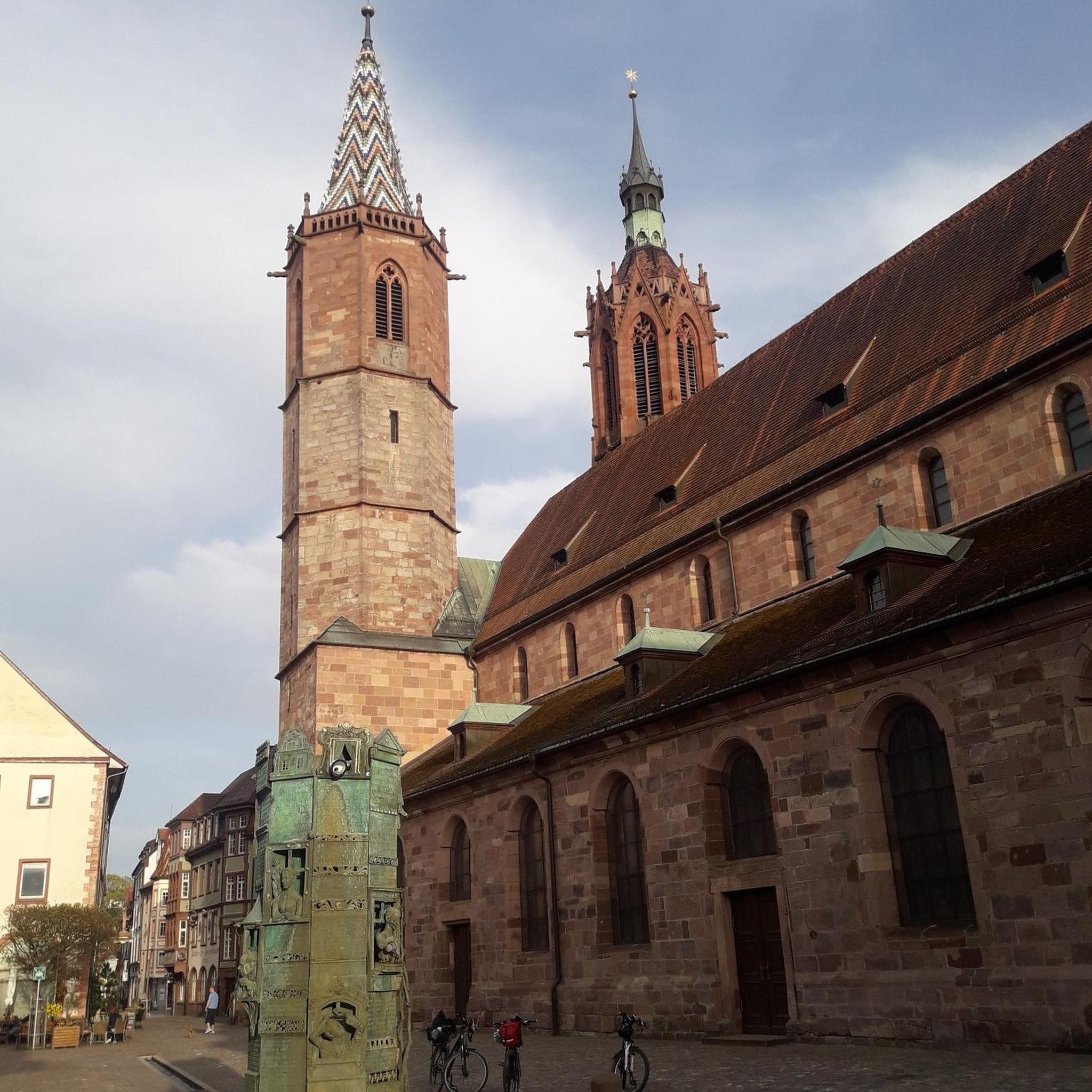
Toul Cathedral celebrated its 800th anniversary in 2021 (although it was not completed until after 1500). The monumental building dominates the cityscape from afar?
5
0

Fort Villey-le-sec, built between 1875 and 1879 in the south-east of Toul on a 345 m high hill, represents a unique ensemble in the fortifications of the Serè des Rivières era the hill was excellently suited to observe and combat a possible deployment of enemy troops. Since a wealthy landowner had already resisted expropriation during the construction of Fort de Bourlèmont and the location of Bourlèmont had to be shifted as a result, the French military also feared fierce resistance in the case of Villey-le-sec. In general, expropriation procedures could be carried out expeditiously when required by national security and when the land was vacant. But here it was a complete village with church and cemetery, which made things considerably more difficult. And so it was decided to surround the village with defenses instead of tearing it down. Source: http://www.festungsbauten.de/F/Toul_Villeylesec.htm
5
1

The town hall building
3
2

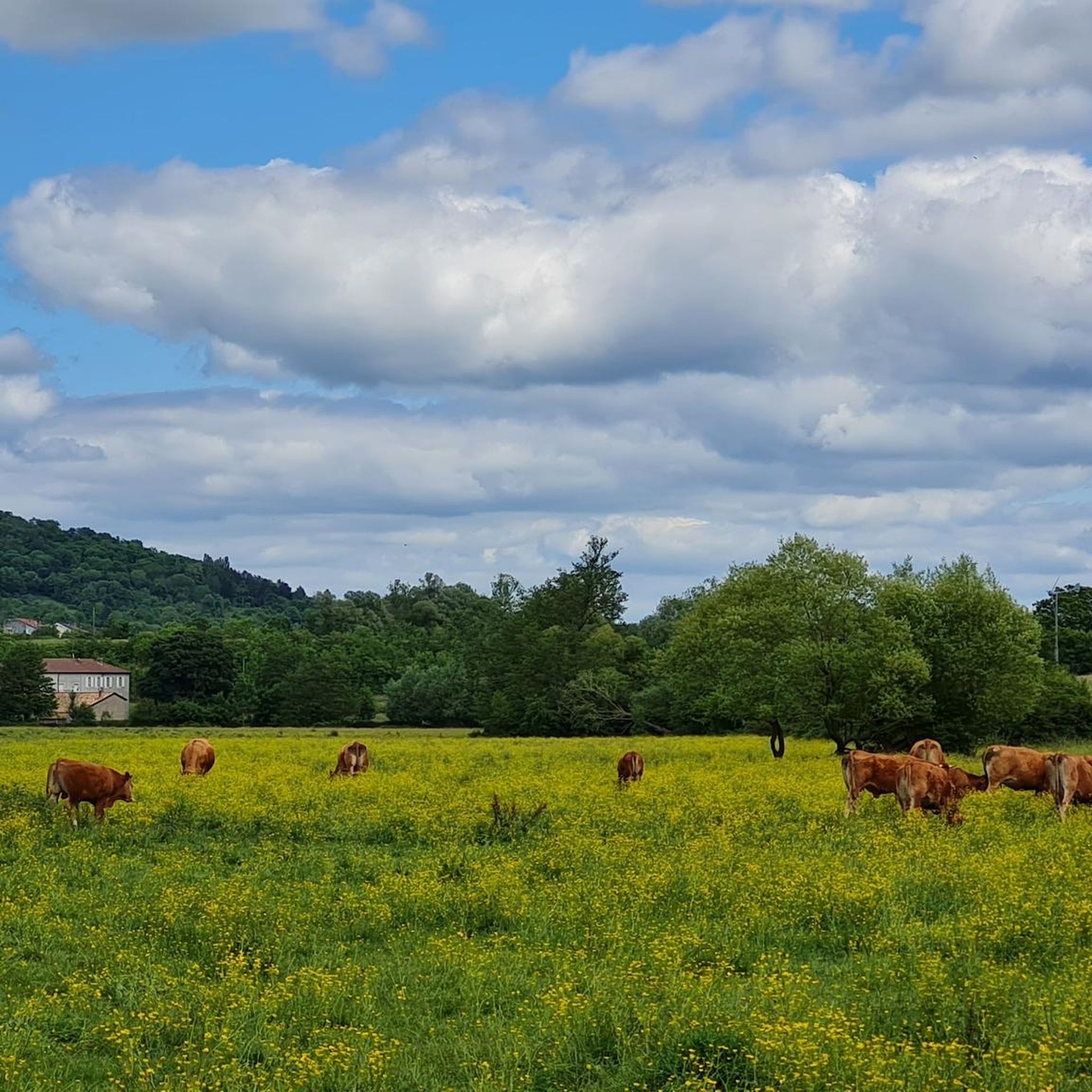
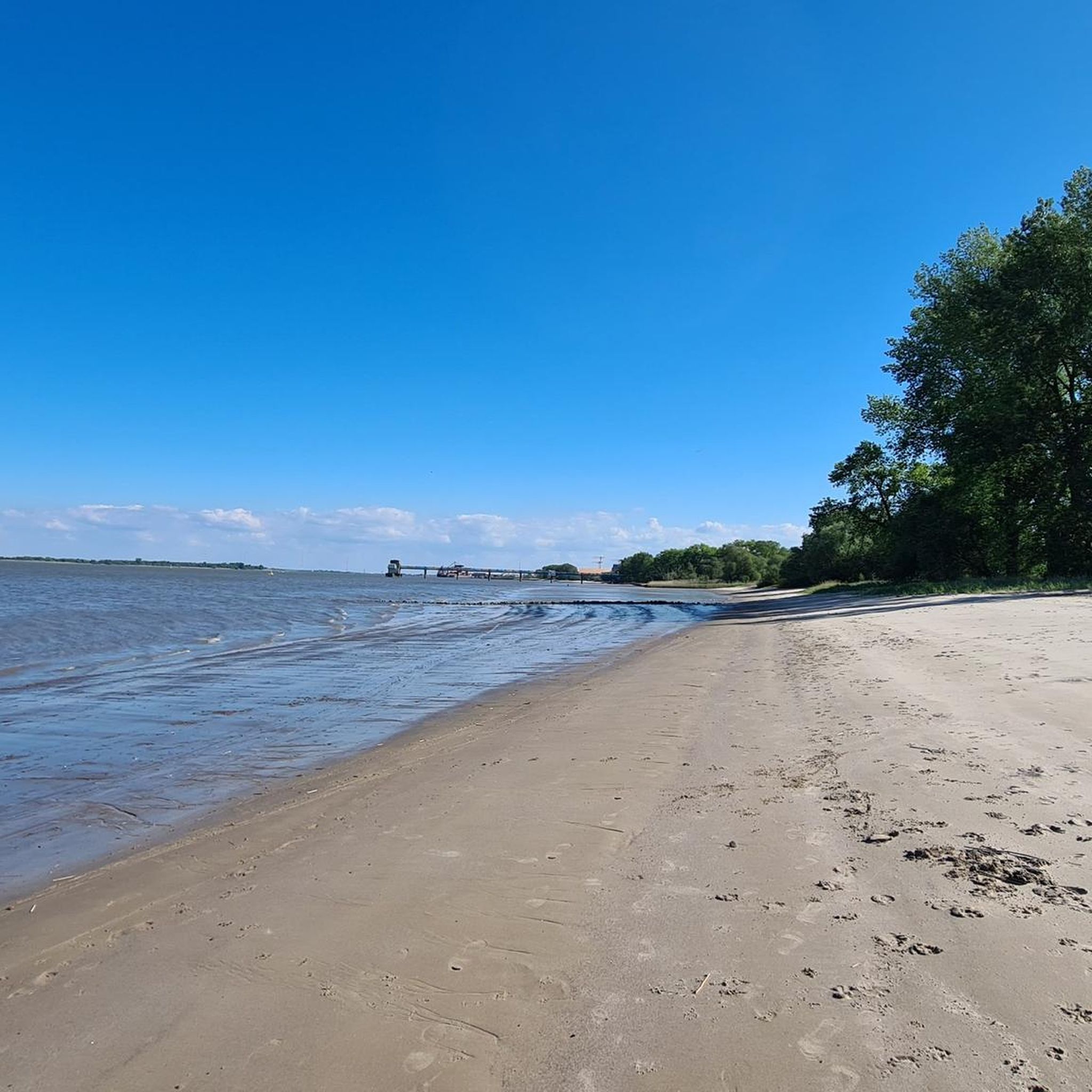
Even if the turnoff to Nancy on the Moselle cycle path is worth it, you shouldn't miss this loop of the Moselle. From Maron to Toul, the Moselle shows different landscapes. The most beautiful part for me is the swamp through which the bike path leads along a dam. Camping in Villey-le-Sec on the other bank of the Moselle is definitely recommended as a stopover with a tent. Access is via the large lock.
4
0

Impressive Gothic cathedral of Toul, which houses one of the largest cloisters in France! It was stripped of its statues during the French Revolution but kept its superb. Also worth seeing: its two cloisters and the adjoining garden, very pleasant for taking a break in the shade.
5
0

Vaucouleurs takes its name from this part of the Meuse river, called Val des Couleurs. This Joan of Arc town (dedicated to Joan of Arc) was located a few kilometers from the front during the First World War. Today, it is a charming village with many streams and beautiful forests.
2
0
Frequently Asked Questions
What historical sites can I visit in Blénod-lès-Toul?
Blénod-lès-Toul offers several historical sites. You can explore the former military installation, Fort Escape (Fort de Blénod), which now features underground labyrinths and bunkers. The Église Saint-Médard, built between 1506 and 1512, is another significant architectural landmark. Additionally, the restored 16th-century Les Loges de Blénod-lès-Toul showcase rural heritage.
Are there any family-friendly activities in Blénod-lès-Toul?
Yes, Fort Escape (Fort de Blénod) offers a range of family-friendly recreational activities beyond its historical exploration. These include escape game rooms, laser tag, and France's largest paintball field, known as Fort Paint. For more details on activities, you can visit the Fort Escape website.
What natural features and outdoor activities are available around Blénod-lès-Toul?
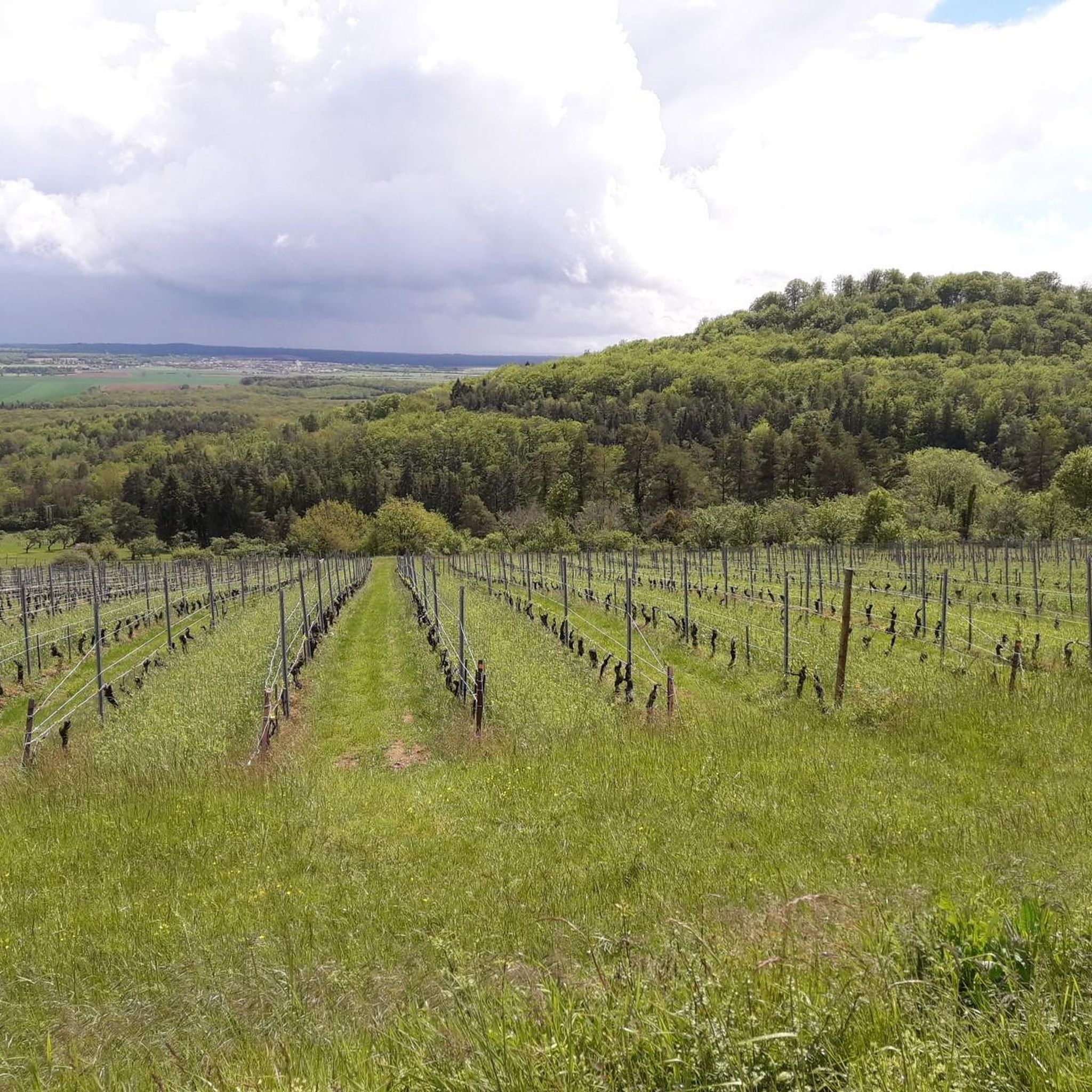
The area is characterized by vineyards and forests, offering scenic walking routes. The Massif de Meine, a Sensitive Natural Area, features an interpretation trail, 'Meine: cœur de vert!', highlighting local flora and fauna like the Martagon lily. You can also find the Chalet Forestier in the woods, providing a spot for relaxation with barbecue facilities.
Are there cycling paths near Blénod-lès-Toul?
Yes, a popular cycling path is Along the Moselle near Maron. This paved path runs for almost 8 kilometers between Villey-le-Sec and Maron, offering beautiful views of wooded hills along the Moselle river. For more cycling options, explore the Road Cycling Routes around Blénod-Lès-Toul guide.
What are the best hiking trails around Blénod-lès-Toul?
The region offers various walking routes through its vineyards and forests. One path starts from the cemetery parking, leading towards Toul. For specific trails, you can check the MTB Trails around Blénod-Lès-Toul guide, which also includes routes suitable for hiking, such as the 'Vieux cimetière – Fort de Domgermain loop from Blénod-lès-Toul'.
What is the significance of Toul Cathedral?
The Saint Stephen's Cathedral, Toul (also known as Toul Cathedral) is an impressive Gothic cathedral featuring one of the largest cloisters in France and a magnificent flamboyant Gothic facade. It is notable for its rich decorations and historical significance, with parts of its structure dating back centuries.
Can I visit other historical fortifications in the area?
Beyond Fort Escape in Blénod-lès-Toul, you can visit Fort de Villey-le-Sec. Built between 1875 and 1879, this fort is a unique example of the Séré de Rivières defensive system, strategically located on a hill. It's known for being built around an existing village.
What is there to see in the nearby town of Vaucouleurs?
The nearby town of Vaucouleurs is historically significant, particularly for its association with Joan of Arc. You can explore its charming village, which features many streams and beautiful forests. The town also houses a Joan of Arc Museum and an impressive equestrian statue of her.
What do visitors enjoy most about the attractions around Blénod-lès-Toul?
Visitors appreciate the blend of historical sites, natural landscapes, and recreational opportunities. The scenic cycle path along the Moselle, the impressive architecture of Toul Cathedral, and the unique historical context of Fort de Villey-le-Sec are frequently highlighted. The komoot community has contributed over 80 photos and more than 240 upvotes for the attractions in the area.
Are there opportunities for gravel biking around Blénod-lès-Toul?
Yes, there are several gravel biking routes available. You can find options like the 'Aingeray Lock – Cycle path along the Moselle Canal loop from Toul' or the 'Villey-le-Sec Dam – Path Along the Water loop from Toul'. More details and routes can be found in the Gravel biking around Blénod-Lès-Toul guide.
What is the 'Côtes de Toul Tourist Route'?
The 'Côtes de Toul Tourist Route' is a regional route that allows visitors to explore the wider area around Blénod-lès-Toul, featuring vineyards and other heritage sites. It's a great way to discover the local wine culture and scenic landscapes. You can find more information on the Meurthe-et-Moselle tourism website.
Most popular routes around Blénod-Lès-Toul

Get inspired with the komoot mobile app


Explore more
Still not found the Highlight you’re looking for? See guides of the top attractions in other regions:
