Attractions and Places To See around Crézilles - Top 20
Best attractions and places to see around Crézilles include historical sites and natural features. This small commune in France offers glimpses into local history with Gallo-Roman remains and the 18th-century Église Saint-Gengoult. Natural features like the Deuille de Crézilles, a resurgence of the Aroffe river, and several streams traverse the landscape. The surrounding area is characterized by a mix of arable land, prairies, and forests, providing varied natural features for exploration.
Best attractions and places to see around Crézilles
- The…
Last updated: May 4, 2026
Along the Moselle near Maron
Highlight (Segment) • Cycleway
Translated by Google •
Tip by

Saint Stephen's Cathedral, Toul
Highlight • Religious Site
Translated by Google •
Tip by

Sign up now to discover places like this
Get recommendations on the best single tracks, peaks, & plenty of other exciting outdoor places.
Sign up for free
Toul Cathedral
Highlight • Religious Site
Translated by Google •
Tip by

Fort de Villey-le-Sec
Highlight • Historical Site
Translated by Google •
Tip by

Vauban Fortifications, Toul
Highlight • Other
Translated by Google •
Tip by

Sign up for free to discover even more attractions around Crézilles.
Sign up for free
Already have an account?
Start today with a free account
Your next adventure awaits.
Login or Signup


Tips from the Community

The fort was built around the existing village of Villey-le-Sec, partly because this strategically located location was also the only water supply in the vicinity at the time, and therefore it was not easy to relocate the residents. The design of the fort was the model for later defensive structures, such as those built in the Maginot Line. The fort was outside of any significant fighting in the world wars, so that although it remained virtually intact, it became increasingly less important strategically. It was therefore no longer maintained after the First World War. In the Second World War, many of the metal parts used were dismantled by the Germans. Today, guided tours organized by an association are offered between May and September. [Michelin Guide Vert]
3
0
One of Vauban's designs for the town of Toul consisted of demolishing the already existing fortifications and enlarging the surface of the town by inserting all the nearby suburbs within a single bastioned enclosure. This project was chosen by the king and work began on May 12, 1700, but, contrary to Vauban's wishes, inside the city and not outside. The work progressed only slowly, the city having lost all interest after the signing of the peace treaties. The ramparts and parapet were completed in 1722. In the first half of the 1740s, the canal locks were completed and the only complete peninsula was completed. But the work stopped there and the project was not completed. [https://sites-vauban.org/ressources/site-vauban/toul] An aerial view allows you to clearly see the contours of the fortifications, and you can also easily walk around them.
4
0
Toul Cathedral celebrated its 800th anniversary in 2021 (although it was not completed until after 1500). The monumental building dominates the cityscape from afar?
5
0

The fortification of Toul goes back to a plan by Vauban from 1697. However, the fortification was never completed.
2
0
Fort Villey-le-sec, built between 1875 and 1879 in the south-east of Toul on a 345 m high hill, represents a unique ensemble in the fortifications of the Serè des Rivières era the hill was excellently suited to observe and combat a possible deployment of enemy troops. Since a wealthy landowner had already resisted expropriation during the construction of Fort de Bourlèmont and the location of Bourlèmont had to be shifted as a result, the French military also feared fierce resistance in the case of Villey-le-sec. In general, expropriation procedures could be carried out expeditiously when required by national security and when the land was vacant. But here it was a complete village with church and cemetery, which made things considerably more difficult. And so it was decided to surround the village with defenses instead of tearing it down. Source: http://www.festungsbauten.de/F/Toul_Villeylesec.htm
5
1

The town hall building
3
2

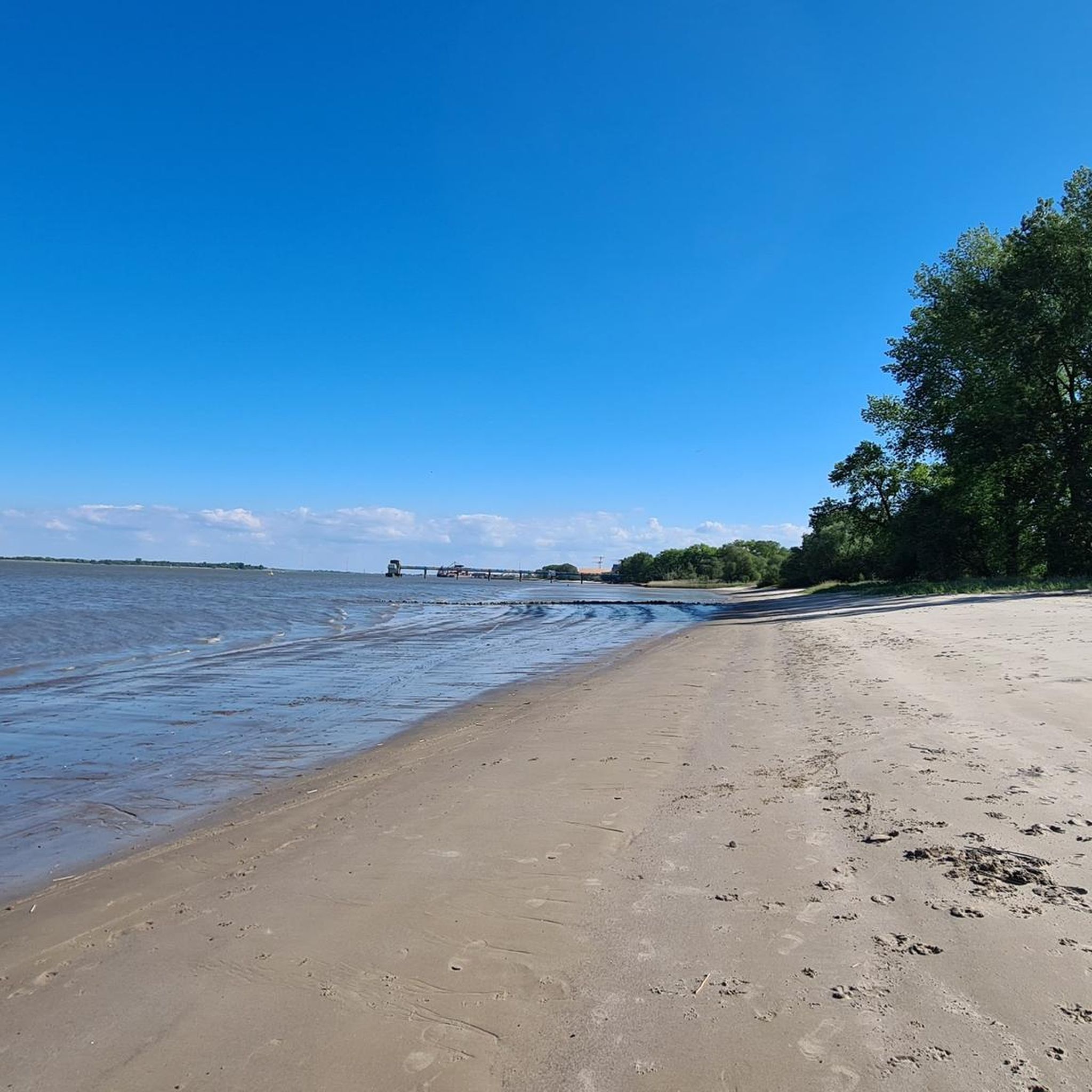
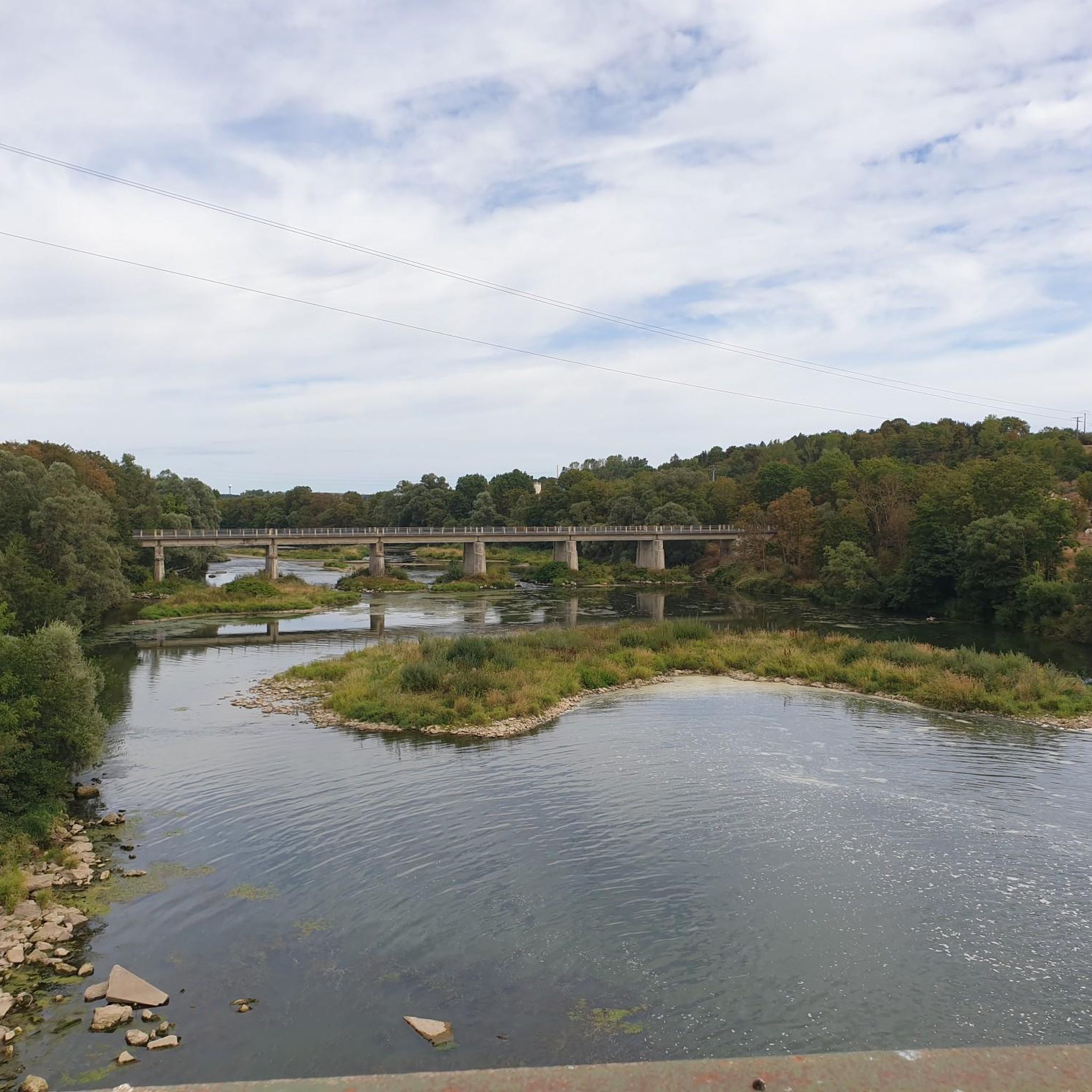
Even if the turnoff to Nancy on the Moselle cycle path is worth it, you shouldn't miss this loop of the Moselle. From Maron to Toul, the Moselle shows different landscapes. The most beautiful part for me is the swamp through which the bike path leads along a dam. Camping in Villey-le-Sec on the other bank of the Moselle is definitely recommended as a stopover with a tent. Access is via the large lock.
3
0

Impressive Gothic cathedral of Toul, which houses one of the largest cloisters in France! It was stripped of its statues during the French Revolution but kept its superb. Also worth seeing: its two cloisters and the adjoining garden, very pleasant for taking a break in the shade.
5
0
Frequently Asked Questions
What historical sites can I visit in Crézilles itself?
Within Crézilles, you can explore the 18th-century Église Saint-Gengoult, which has undergone remodeling. Additionally, evidence of Gallo-Roman history, including vestiges of ancient baths, has been discovered along the old road connecting Lyon to Trier, offering a glimpse into the commune's past.
Are there significant historical fortifications near Crézilles?
Yes, nearby you can visit Fort de Villey-le-Sec, a unique ensemble built between 1875 and 1879 on a 345-meter-high hill. Also, the Vauban Fortifications in Toul, though never fully completed, offer an interesting historical perspective on 17th-century military architecture.
What religious landmarks are there to see around Crézilles?
A prominent religious landmark is Saint Stephen's Cathedral in Toul, an impressive Gothic building featuring one of the largest cloisters in France and a magnificent flamboyant Gothic facade. Another notable site is Toul Cathedral, known for its beautiful Gothic architecture and wonderful cloister.
What natural features can I explore in Crézilles?
Crézilles is home to the Deuille de Crézilles, which is a resurgence of the Aroffe river. The commune's territory is also traversed by several streams, including the Bouvade, Ruisseau de Poisson, and Ruisseau des Ormes, set amidst a landscape of arable land, prairies, and forests.
Are there cycling opportunities near Crézilles?
Absolutely! A popular cycling route is Along the Moselle near Maron, a paved cycle path running for almost 8 kilometers between Villey-le-Sec and Maron, offering scenic views of wooded hills. For more options, you can explore various routes in the Cycling around Crézilles guide, which includes moderate to difficult tours like the 'Vignes de Bulligny – Old Wine Press loop'.
What hiking trails are available around Crézilles?
There are several hiking trails to discover. An easy option is the 'Tour de pierre la treiche – Deuil Spring, Ochey loop' from Taillet. For a moderate challenge, consider the 'Deuille de Crézilles loop' from Crézilles itself. You can find more detailed information and routes in the Hiking around Crézilles guide.
Are there family-friendly attractions near Crézilles?
While Crézilles is a small village, nearby Toul offers attractions like Toul Cathedral, which is considered family-friendly. The outdoor cycling path Along the Moselle near Maron can also be a pleasant activity for families.
What do visitors enjoy most about the attractions around Crézilles?
Visitors particularly appreciate the scenic beauty of the cycling path Along the Moselle near Maron, noting its natural setting and beautiful views. The impressive Gothic architecture and large cloisters of Saint Stephen's Cathedral in Toul are also highly praised.
Can I find running trails near Crézilles?
Yes, there are several running trails in the vicinity. You can find easy loops like the 'Running loop from Crézilles' or more challenging options such as 'Le four à charbon de bois loop from Bulligny'. For a comprehensive list of routes, refer to the Running Trails around Crézilles guide.
What is the best time of year to visit Crézilles for outdoor activities?
The surrounding landscape of Crézilles, characterized by arable land, prairies, and forests, is generally pleasant for outdoor activities during the spring, summer, and early autumn months. These seasons offer milder weather conditions suitable for exploring historical sites, natural features, and enjoying cycling, hiking, or running trails.
Are there any hidden gems or lesser-known spots to discover?
Beyond the main highlights, the historical significance of Crézilles with its Gallo-Roman remains, though not always visibly prominent, offers a fascinating 'hidden' layer for those interested in ancient history. Exploring the various streams like the Ruisseau de Poisson and Ruisseau des Ormes can also lead to tranquil, lesser-known natural spots.
Where can I find accommodation or dining options near Crézilles?
Crézilles is a small village, so for a wider range of accommodation, cafes, pubs, and restaurants, you would typically look to nearby larger towns such as Villey-le-Sec, Nancy, or Toul. These towns offer more extensive services to visitors.

Get inspired with the komoot mobile app


Explore more
Still not found the Highlight you’re looking for? See guides of the top attractions in other regions:
