Top 8 Mountain Passes around Railleu
Best mountain passes around Railleu are found in the Pyrénées-Orientales department of southern France, within the Occitanie region. Railleu is situated in the historical Conflent area, with elevations ranging from 1,150 meters to 2,080 meters. This mountainous environment offers a tranquil setting amidst nature, serving as a base for exploring the surrounding Pyrenean passes. The region is characterized by its alpine landscapes, challenging routes, and natural beauty.
Best mountain passes around Railleu
- The most popular mountain passes is Col de…
Last updated: August 6, 2026
Col de la Perche (1,579 m)
Highlight • Mountain Pass
More information: quaeldich.de/paesse/col-de-la-perche
Translated by Google •
Tip by

Col de la Creu
Highlight • Mountain Pass
Translated by Google •
Tip by

Sign up now to discover places like this
Get recommendations on the best single tracks, peaks, & plenty of other exciting outdoor places.
Sign up for free
Col de la Llose
Highlight • Mountain Pass
Translated by Google •
Tip by

Coll de la Llose from La Llagonne
Highlight (Segment) • Mountain Pass
Translated by Google •
Tip by
Col de Juell 1,500 m
Highlight • Mountain Pass
Translated by Google •
Tip by

Sign up for free to discover even more mountain passes around Railleu.
Sign up for free
Already have an account?
Start today with a free account
Your next adventure awaits.
Login or Signup
Tips from the Community

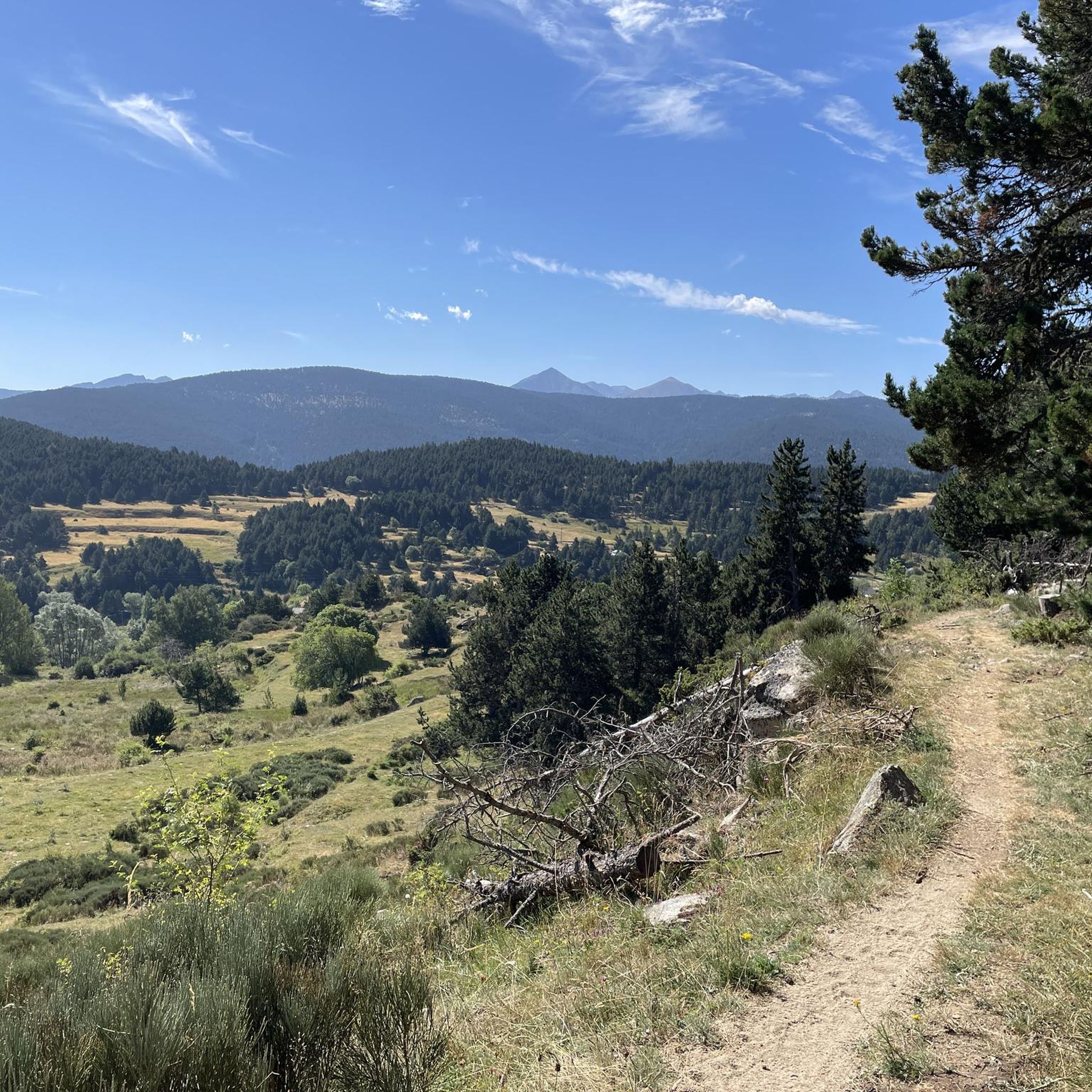
It is a small elevation that allows you to connect Railleu and Caudiès-de-Conflent with Aiguatèbia in the most direct way possible. The road is very narrow although it has been recently paved and the asphalt is simply perfect. On the Aiguatèbia slope it is approximately 3 km very hard, although with wonderful views of the valley. You can not lose this!
1
0
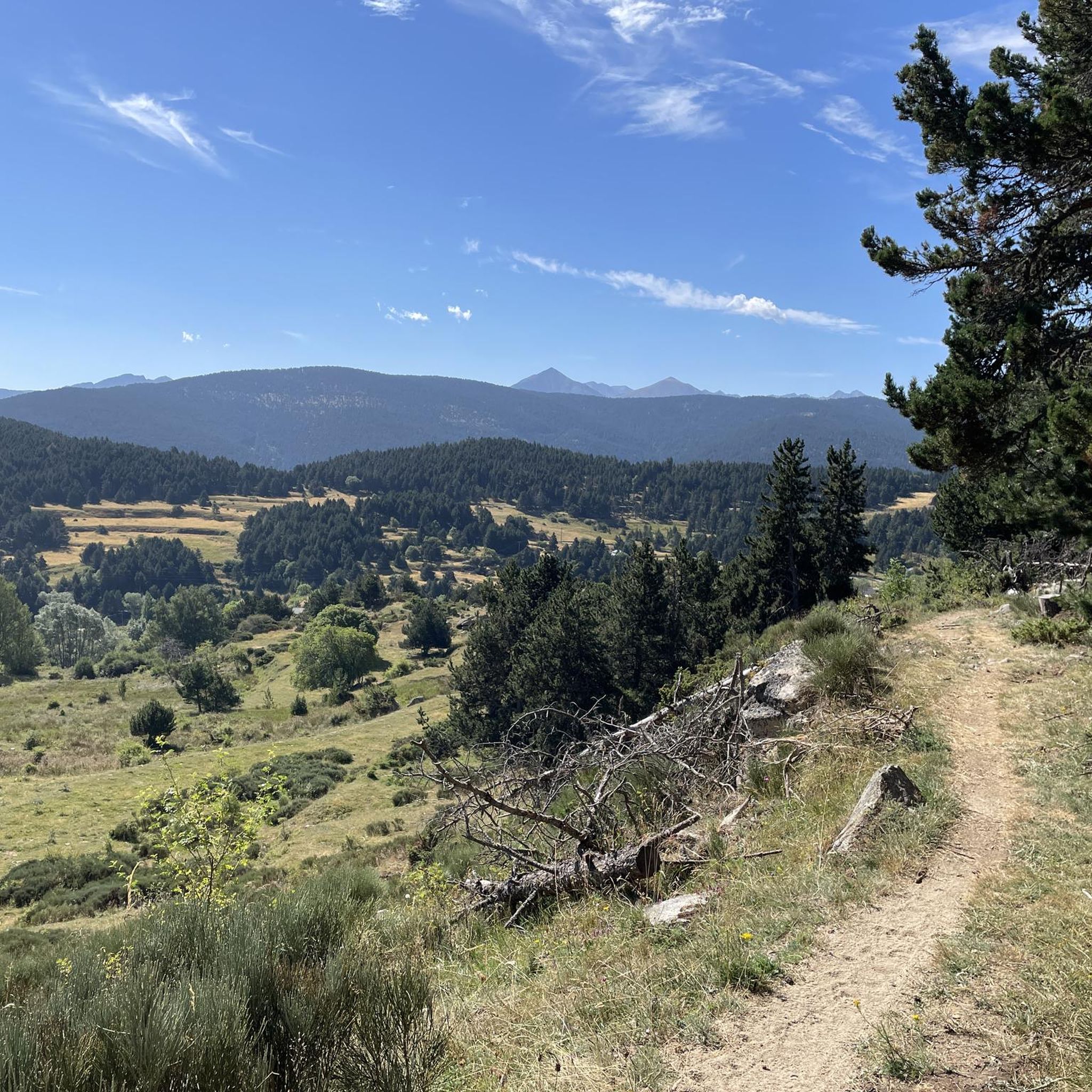
It is a simply spectacular port that unites the regions of Conflent and Capcir. It is one of the most beautiful ports in the easternmost Pyrenees. It is very close to the Col de la Llosa, and you can take a circular route that is known as the "Route des Cols". It is also indicated on nearby road signs. The hardest slope is the one that begins in Olette (Conflent) and goes up through Aiguatèbia. There are almost 22 km of ascent and 1,089 meters of elevation gain. It has 3 very different zones: (1) the first is a constant 5 km at 7%; (2) the second is 10 km at 4% and with some very pleasant rest areas, with beautiful views; (3) The final part is 6 km on average at 7%, since it passes the town of Railleu, although the hard part is the last 3 km, with several ramps that exceed 10%. The road is narrow and has uneven asphalt, with hardly any cars and motorcycles. For me, the final part of this port is truly spectacular and should not be missed. The west slope begins in the town of Matamala (Capcir) and is 3 km with an average of close to 8%. It is a long irregular stretch along a narrow and very quiet road, with panoramic views of the valley when the thick black pine forest gives some opportunity.
0
0

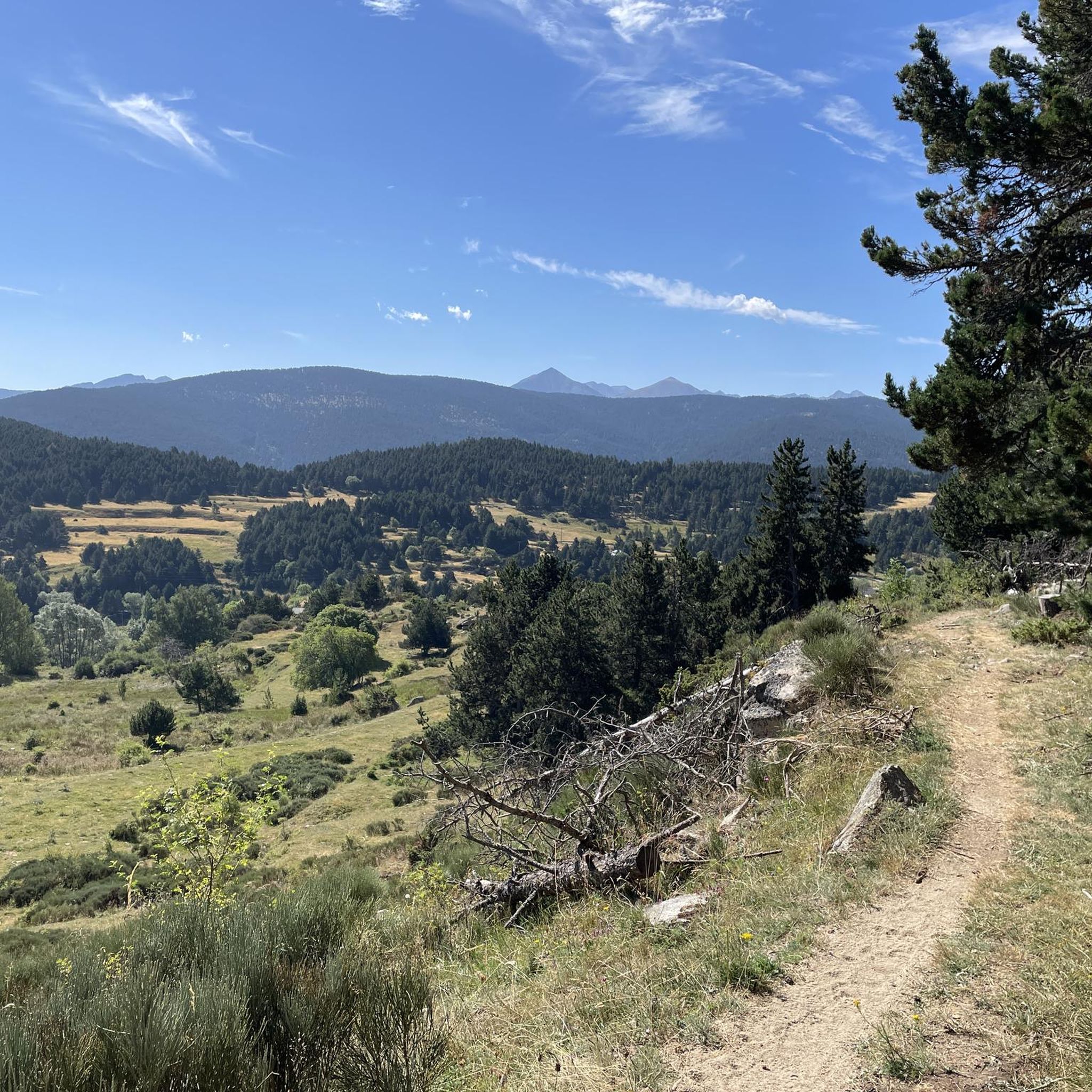
A little disappointing: the pass is in the middle of the forest and offers no view. The climb from (and to!) Railleu is nevertheless superb. A nice picnic area to have a bite to eat.
1
0

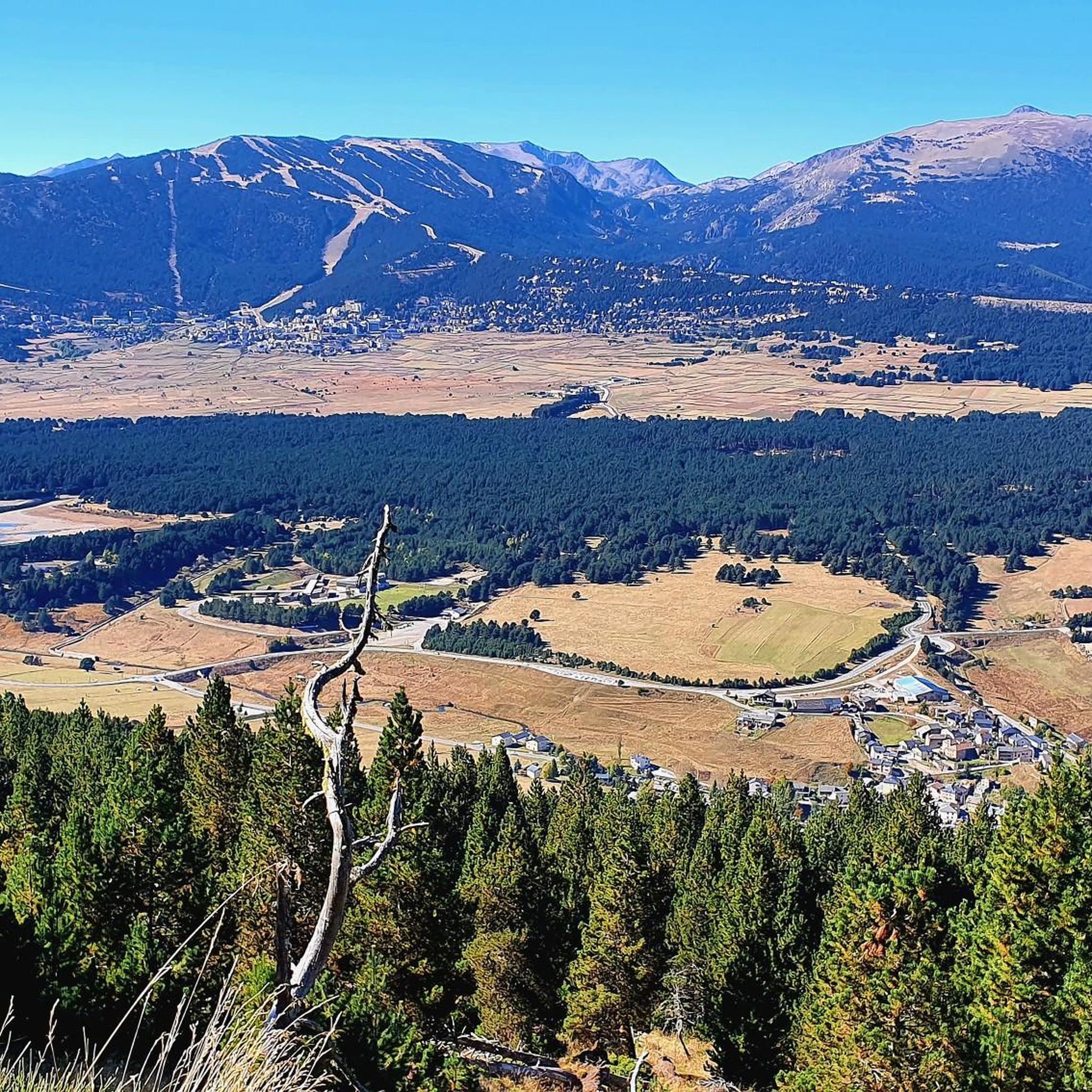
Culminating at 1,579 meters above sea level, the Col de la Perche can be climbed by four routes in total. Each of them includes relatively gentle slopes. At the top, the view of the surrounding area is splendid and rewards your efforts!
0
0

It's probably not the most spectacular pass in the Pyrenees, but it has its charms. Its position, in the middle of the Catalan Pyrenees natural park, makes it a privileged passage for admiring 360° of the mountains, valleys and plains of this protected area. If you pass by, take the time to look around for yourself and enjoy the view.
0
0
I attach the link to consult the profile produced by @cyclingcols --> https://www.cyclingcols.com/col/Llose
0
0
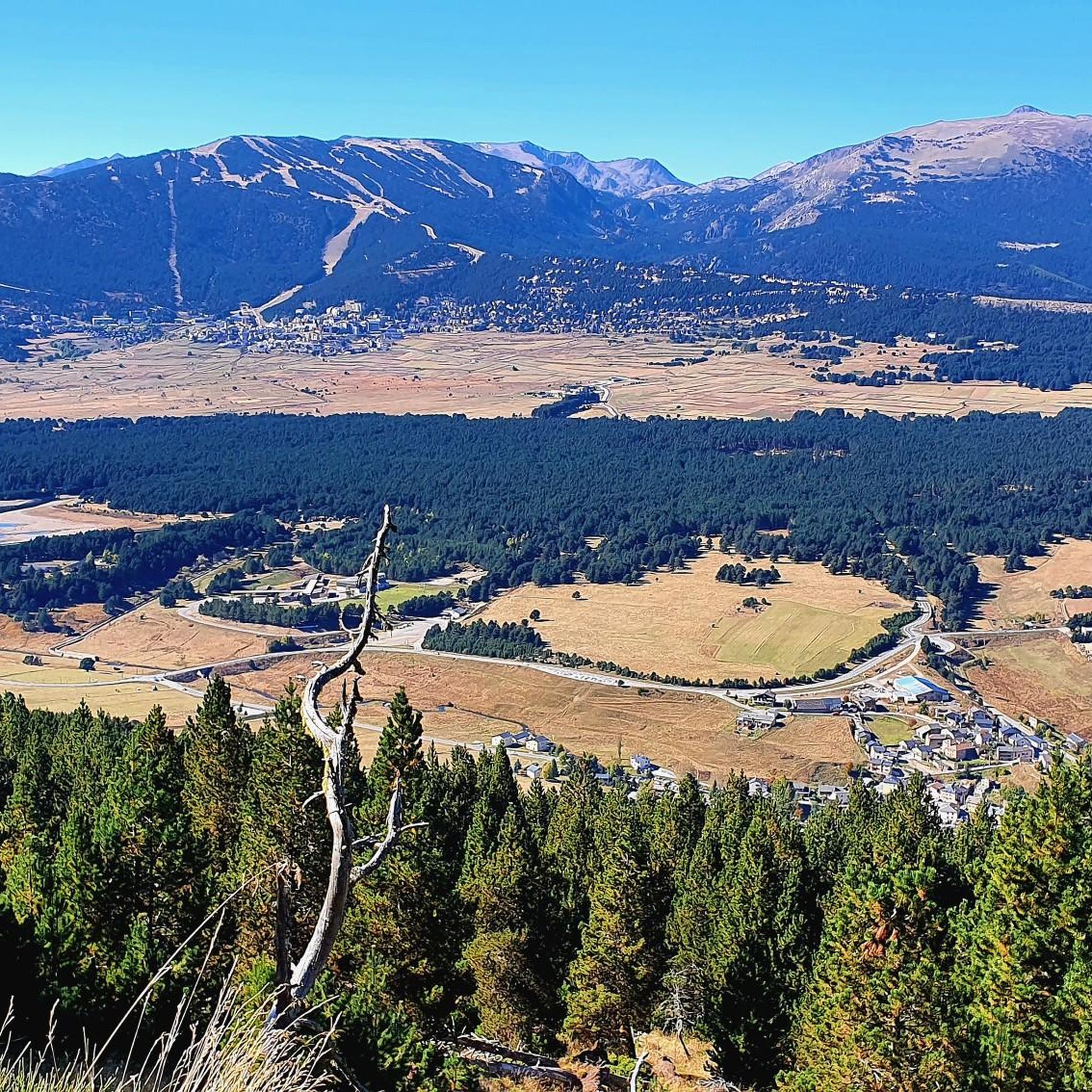
It is a mountain pass that connects Conflent with Cerdanya. It can be reached in a multitude of variants. For me there are 4 clear aspects: - Eastern slope - from Olette along the main road N116 - West slope - from Sallagosa on the main road N116 - West slope - from Sallagosa along the secondary road that crosses the Col de Llo and the town of Eyne - West slope - from Llivia crossing Estavar and the Col d'Egat. With some nuances, in general the 4 slopes are soft and long. The views from the port on both sides are beautiful, especially towards the Eyne ski resort. It must be taken into account that the two slopes that run along the N116 highway have a lot of traffic, with motorcycles and trucks.
1
0
It is the final stretch of the climb on its western slope. Previously, until you reach Llagone, you can get there via the Col de Quillane or the Col de la Perche. It is 3 km with a road in perfect condition, very wide and with rough asphalt. At the detour, right at the beginning, there is a small section of descent to then face 2.5km at 7% and some hard ramps. At the top of Col de la Llose there is a bar where you can have a drink.
0
0
Frequently Asked Questions
What are some of the most notable mountain passes in the broader French Pyrenees region near Railleu?
While Railleu itself is a small village, its location in the Pyrenees means several renowned passes are within reach. These include the iconic Col du Tourmalet, known for its Tour de France history and panoramic views; Col d'Aubisque with its dramatic landscapes; Col de Peyresourde offering picturesque scenery; and Col d'Aspin, appreciated for its pastoral beauty. These passes are celebrated for their spectacular views, challenging routes, and natural beauty.
What are the most popular mountain passes directly around Railleu?
Visitors frequently enjoy Col de la Creu, which unites the Conflent and Capcir regions and offers a challenging ascent with narrow roads and panoramic views. Another favorite is Col de la Llose, known for its significant 24 km climb with 1200 m of elevation gain. Col de la Perche (1,579 m) is also highly regarded for its 360° views of mountains, valleys, and plains within the Catalan Pyrenees natural park.
Are there challenging mountain passes for experienced cyclists or drivers near Railleu?
Yes, the region offers several challenging passes. Col de la Llose features a demanding 24 km climb with 1200 m of elevation gain. The ascent to Col de la Creu from Olette is also noted for its difficulty, with sections reaching 7% average gradient and ramps exceeding 10% in the final 3 km. The road is narrow with uneven asphalt, providing a thrilling experience.
What kind of views can I expect from the mountain passes around Railleu?
The mountain passes around Railleu offer diverse and spectacular views. From Col de la Perche (1,579 m), you can enjoy 360° panoramic views of the mountains, valleys, and plains of the Catalan Pyrenees natural park. Col de la Creu also provides fantastic views, including the Canigó in the background from certain points. The broader Pyrenees passes are known for pristine alpine landscapes, majestic peaks, and lush valleys.
What is the best time of year to visit the mountain passes near Railleu?
Given the mountainous environment, the best time to visit is typically from late spring to early autumn (May to October) when the passes are generally clear of snow and weather conditions are more favorable for cycling, driving, and hiking. This period allows for full enjoyment of the scenic beauty and outdoor activities.
Are there any less-trafficked or 'hidden gem' mountain passes around Railleu?
For a quieter experience, consider Col de Juell 1,500 m. It's described as a small pass on a municipal road that is not heavily trafficked, offering a peaceful atmosphere. The road, though narrow, has been recently paved, and the ascent from Aiguatèbia provides wonderful views of the valley.
What outdoor activities can I do near these mountain passes?
The region around Railleu is excellent for various outdoor activities. You can find numerous MTB trails, road cycling routes, and gravel biking opportunities. For example, there are routes like the 'Coll de la Llose and Lake Matemale Loop' for road cycling or the 'Lake Matemale – Tower of the Creu loop' for gravel biking. You can explore more options on the dedicated guides for MTB Trails around Railleu, Road Cycling Routes around Railleu, and Gravel biking around Railleu.
Are there any facilities or places to stop for refreshments at the mountain passes?
Yes, some passes offer facilities. At the top of Col de la Llose, there is a bar where you can have a drink. Additionally, one tip for Col de la Creu mentions a nice picnic area, perfect for a bite to eat.
Can I find circular routes that incorporate these mountain passes?
Yes, a tip for Col de la Creu mentions that it is very close to Col de la Llose, and you can take a circular route known as the 'Route des Cols'. This suggests opportunities for combining multiple passes into a single, longer journey.
What are the geological features of the mountains around Railleu?
The region is part of the Pyrenees, characterized by prominent mountainous environments with elevations ranging from 1,150 meters to 2,080 meters. The passes themselves often feature exciting bends, hairpin turns, and significant elevation changes, indicative of the rugged alpine terrain. The natural beauty includes pristine alpine landscapes, majestic peaks, and lush valleys.
What makes Col de la Perche a unique mountain pass?
Col de la Perche (1,579 m) is unique due to its position in the heart of the Catalan Pyrenees natural park. While its slopes are relatively gentle, its summit offers splendid 360° views of the surrounding mountains, valleys, and plains, making it a privileged spot for admiring the protected area.
Are there any historical aspects to the mountain passes in the Pyrenees near Railleu?
Yes, many passes in the broader French Pyrenees have significant historical importance. Iconic passes like Col du Tourmalet and Col d'Aubisque are frequently featured in the Tour de France, adding to their allure with a rich history in professional cycling. These passes have also played roles in historical routes, trade, and other events over time.
Most popular routes around Railleu
Most popular attractions around Railleu

Get inspired with the komoot mobile app


Explore more
See even more epic mountain passes by checking out these guides around Railleu:
