Attractions and Places To See around Lansac - Top 20
Best attractions and places to see around Lansac include historical sites, religious buildings, and man-made monuments. This region, situated near the largest estuary in Europe and surrounded by vineyards, offers a blend of cultural heritage and natural landscapes. Visitors can explore more than 20 notable locations, making it a destination for various outdoor activities near Lansac. The area provides opportunities for family friendly activities Lansac, with several historical and natural points of interest.
Best attractions and places to see around…
Last updated: May 4, 2026
Saint-Géronce Church
Highlight • Religious Site
Translated by Google •
Tip by

Saint-André de Cubzac
Highlight • Monument
Tip by
Sign up now to discover places like this
Get recommendations on the best single tracks, peaks, & plenty of other exciting outdoor places.
Sign up for free
Bourg-sur-Gironde Citadel
Highlight • Other
Translated by Google •
Tip by

Porte du Port
Highlight • Historical Site
Translated by Google •
Tip by
Citadelle Castle
Highlight • Castle
Translated by Google •
Tip by
Sign up for free to discover even more attractions around Lansac.
Sign up for free
Already have an account?
Start today with a free account
Your next adventure awaits.
Login or Signup


Tips from the Community

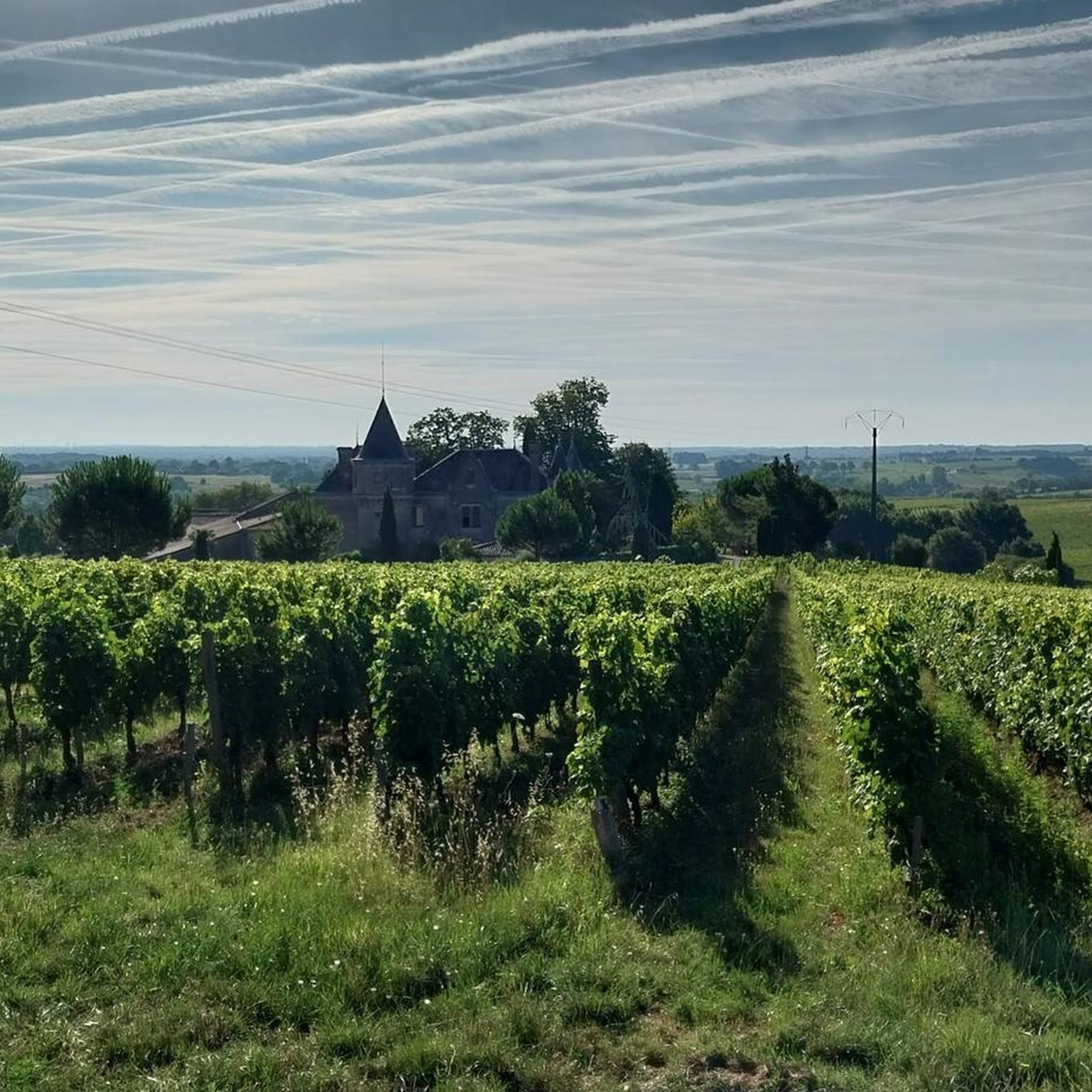
In the 16th century, the Bourg citadel, the stronghold of Bordeaux, was elevated to the rank of impregnable citadel thanks to the work of the Duke of Épernon, whose vaulted passage remains a vestige that you can discover during guided tours. You'll also visit the basement, where the former stone quarries were used to build impressive 70-meter-long reinforced concrete oil tanks, used during World War II. The Bourg Citadel Museum is located near the castle, which features 18th-century neoclassical architecture. You'll be amazed by its collection of horse-drawn carriages, which you'll learn about during guided tours.
1
0
This neo-Gothic church was built to replace the dilapidated church of the Recollect Fathers, a men's convent founded in 1627. In the 19th century, the church wanted to encourage a revival of Catholic worship; it encouraged the construction of new religious buildings in Gironde. Thus, in 1856, the Saint-Géronce church was consecrated. Due to lack of space, its apse was oriented towards the south, contrary to what the liturgy provided. The organ, which has its original construction from 1861, is remarkable. Mass is celebrated there every Sunday morning at 10:00 a.m.
0
0
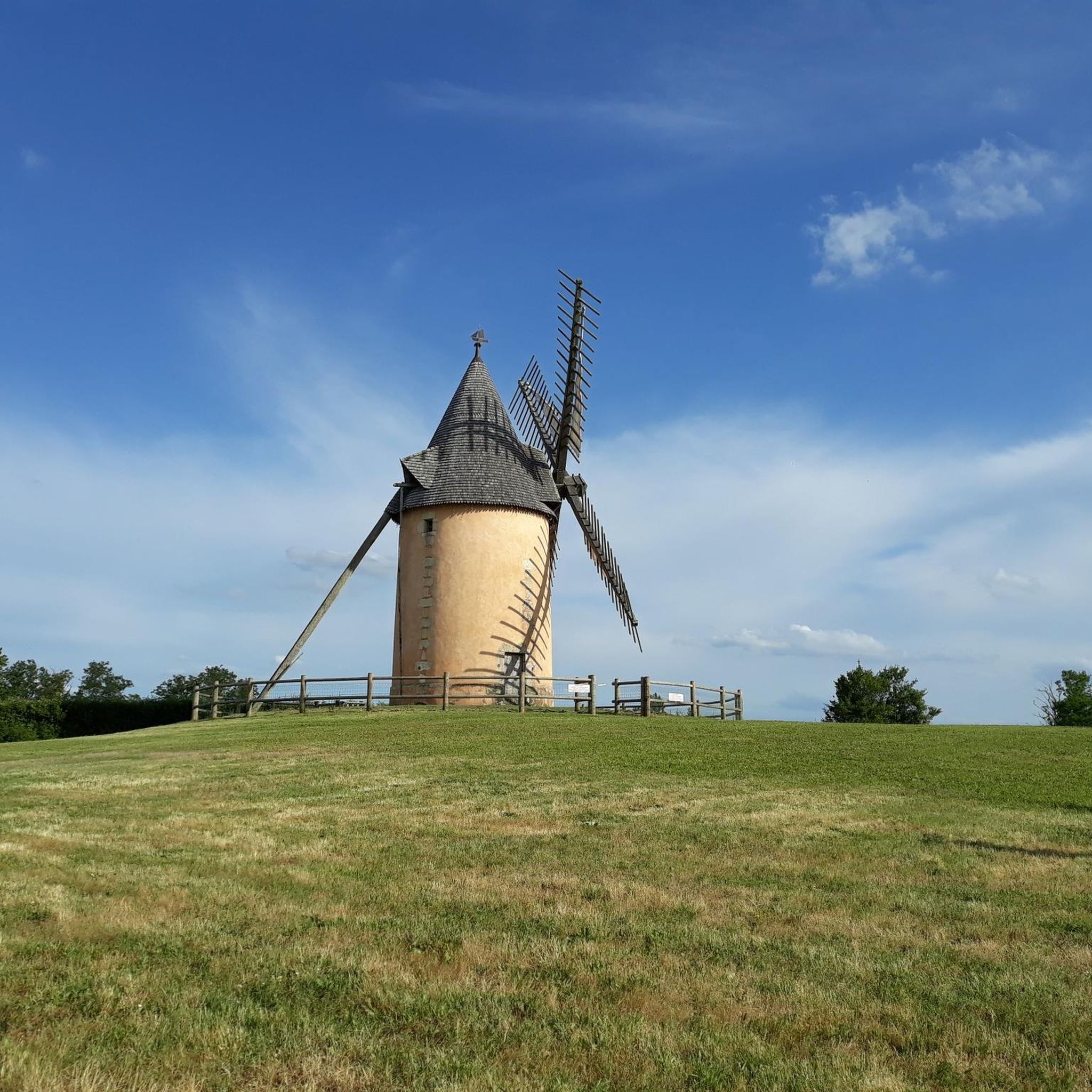
The Church of Saint-André-du-Nom-de-Dieu includes sections whose construction dates from the 12th to the 19th centuries. It was built by the Benedictines of the Abbey of La Sauve-Majeure and was once used by a priory founded after 1115, dependent on the abbey. The dominant style of this fortified church is Romanesque. Its massive, square-based bell tower is imposing. The building boasts beautiful stained-glass windows and a remarkable organ case. The church was last restored in 1977. The Virgin of Mercy is an alabaster sculpture dating from the 16th century and is a listed historic monument.
1
0

The village is a true open-air museum, discoverable little by little on a stroll, and will satisfy visitors interested in medieval history. Its historic center, the Château de la Citadelle with its museum, the Church of Saint-Géronce, and its ramparts offer a glimpse into the region's history.
1
0
The well-preserved remains bear witness to the history of Bourg, which has shaped the village over time. The 13th-century Jurade, the medieval city walls, and the gates of bygone eras tell fascinating chapters of a turbulent past. Bourg stone, a symbolic material of the village, bears witness to local history and elegantly shapes the village's architecture.
1
0
The Bourg Tourist Office offers numerous recommendations for exploring the village and its surroundings! Family tours allow young and old to discover the village's hidden gems, while outdoor enthusiasts can opt for an electric bike ride.
1
0
Although modest in size, Bourg is also home to a rich cultural heritage and numerous artistic initiatives that promote local contemporary artists and enliven the village year-round! From the Contemporary Art Gallery to workshops like the Hands in the Earth workshop, exhibitions, festivals, and local art events, it's easy to immerse yourself in the local culture!
1
0
What we love about Bourg? It's how easy it is to explore on foot or by bike (and that's a good thing, our tourist office rents electric bikes!). The village, with its compact layout, allows you to move freely, discover the most remote corners, and fully immerse yourself in its unique atmosphere. Leave your car behind and enjoy this peaceful getaway to the fullest.
1
0
Frequently Asked Questions
What historical sites can I explore around Lansac?
The region around Lansac is rich in history. You can visit the Bourg-sur-Gironde Citadel, which has a history spanning from a Gallo-Roman villa to a medieval castle. Another significant location is Saint-André de Cubzac, known for its prehistoric and Gallo-Roman vestiges, including a fortified Romanesque church. Don't miss the Porte du Port in Bourg, a remnant of 13th-century ramparts.
Are there any notable religious buildings to visit near Lansac?
Yes, the Saint-Géronce Church is a beautiful neo-Gothic structure consecrated in 1856, featuring an original organ from 1861. Mass is celebrated there every Sunday morning at 10:00 am. The fortified Romanesque church in Saint-André de Cubzac also has sections dating from the 12th to the 19th centuries and houses a listed historic monument, the Virgin of Mercy sculpture.
What kind of outdoor activities can I do near these attractions?
The area around Lansac offers various outdoor activities. You can find numerous routes for hiking, gravel biking, and running. For example, there are moderate hiking trails like the Bourg Citadel – Bourg-sur-Gironde Citadel loop. If you're interested in gravel biking, you can explore routes such as the Bourg Citadel – Port of Plassac loop. For more details on routes, you can check the hiking guide, gravel biking guide, and running trails guide for Lansac.
Are there family-friendly attractions around Lansac?
Many of the historical and natural points of interest around Lansac are suitable for families. For instance, exploring the Bourg-sur-Gironde Citadel offers an engaging historical experience. The village of Prignac-et-Marcamps is home to the Pair-non-Pair cave, a decorated prehistoric cave that was the first of its kind to be classified as a historical monument, offering a fascinating educational outing.
What are some unique natural features or hidden gems in the Lansac region?
Beyond the well-known sites, the region boasts natural beauty. Prignac-et-Marcamps is situated on the edge of Europe's largest estuary and is surrounded by vineyards and preserved fauna and flora, including the Natura 2000 labeled natural site of the Moron bridge. The Pair-non-Pair cave, discovered in 1881, is a significant archaeological 'hidden gem' in this area.
Are there easy walking trails near Lansac?
Yes, there are easy walking trails suitable for a relaxed outing. For example, the Moron Natural Site loop from Prignac-et-Marcamps is an easy 5.7 km hike. You can find more easy routes in the hiking guide for Lansac.
What do visitors enjoy most about the attractions around Lansac?
Visitors appreciate the blend of cultural heritage and natural landscapes. The historical depth of sites like the Bourg-sur-Gironde Citadel and the architectural beauty of Saint-Géronce Church are highly rated. The charm of towns like Bourg, with its 'old village' classification and the scenic Roy Staircase, also receives positive feedback.
Can I find wheelchair accessible attractions in the area?
While specific accessibility details vary, the village of Prignac-et-Marcamps is noted as being wheelchair accessible in its general settlement category. It's always recommended to check individual attraction websites for the most up-to-date accessibility information before your visit.
What is the best time to visit Lansac attractions?
The region, with its vineyards and outdoor activities, is generally pleasant to visit during the warmer months, particularly from spring to early autumn. This allows for comfortable exploration of historical sites and enjoyment of hiking or biking trails. However, historical sites and religious buildings are typically accessible year-round.
Are there any specific recommendations for hiking near Lansac?
For hiking, consider the moderate 10.5 km Bourg Citadel – Bourg-sur-Gironde Citadel loop from Bourg. If you prefer a slightly longer challenge, there's a 17.5 km moderate loop from Lansac itself. For an easier option, the Moron Natural Site loop from Prignac-et-Marcamps is a good choice. You can find more options in the Lansac hiking guide.
What kind of historical monuments can be found in Saint-André de Cubzac?
Saint-André de Cubzac is home to a fortified Romanesque church with sections dating from the 12th to the 19th centuries. Inside, you can find the Virgin of Mercy, an alabaster sculpture from the 16th century, which is a listed historic monument. The area also features the Château du Bouilh, built around 1786-1787, and the historic Port de Plagne, once a hub for sturgeon fishing.
Most popular attractions around Lansac

Get inspired with the komoot mobile app


Explore more
Still not found the Highlight you’re looking for? See guides of the top attractions in other regions:
