Top 8 Castles around Gauriac
Castles around Gauriac are situated in the Gironde department of Nouvelle-Aquitaine, France, a region known for its vineyards and proximity to the Gironde estuary. The area features historical fortified structures and wine estates, offering a blend of architectural heritage and viticultural landscapes. Gauriac itself is home to the historic Château de Thau, a former medieval fortified residence. The surrounding landscape is characterized by its position overlooking the Grenet, a tributary of the Gironde, and its integration into the Côtes de…
Last updated: August 3, 2026
Citadel of Blaye
Highlight • Historical Site
Translated by Google •
Tip by

Blaye
Highlight • Settlement
Translated by Google •
Tip by

Sign up now to discover places like this
Get recommendations on the best single tracks, peaks, & plenty of other exciting outdoor places.
Sign up for free
Rudel Castle
Highlight • Castle
Tip by

Citadelle Castle
Highlight • Castle
Translated by Google •
Tip by
East Gate, Vauban Citadel 🏰
Highlight • Castle
Translated by Google •
Tip by
Sign up for free to discover even more castles around Gauriac.
Sign up for free
Already have an account?
Start today with a free account
Your next adventure awaits.
Login or Signup
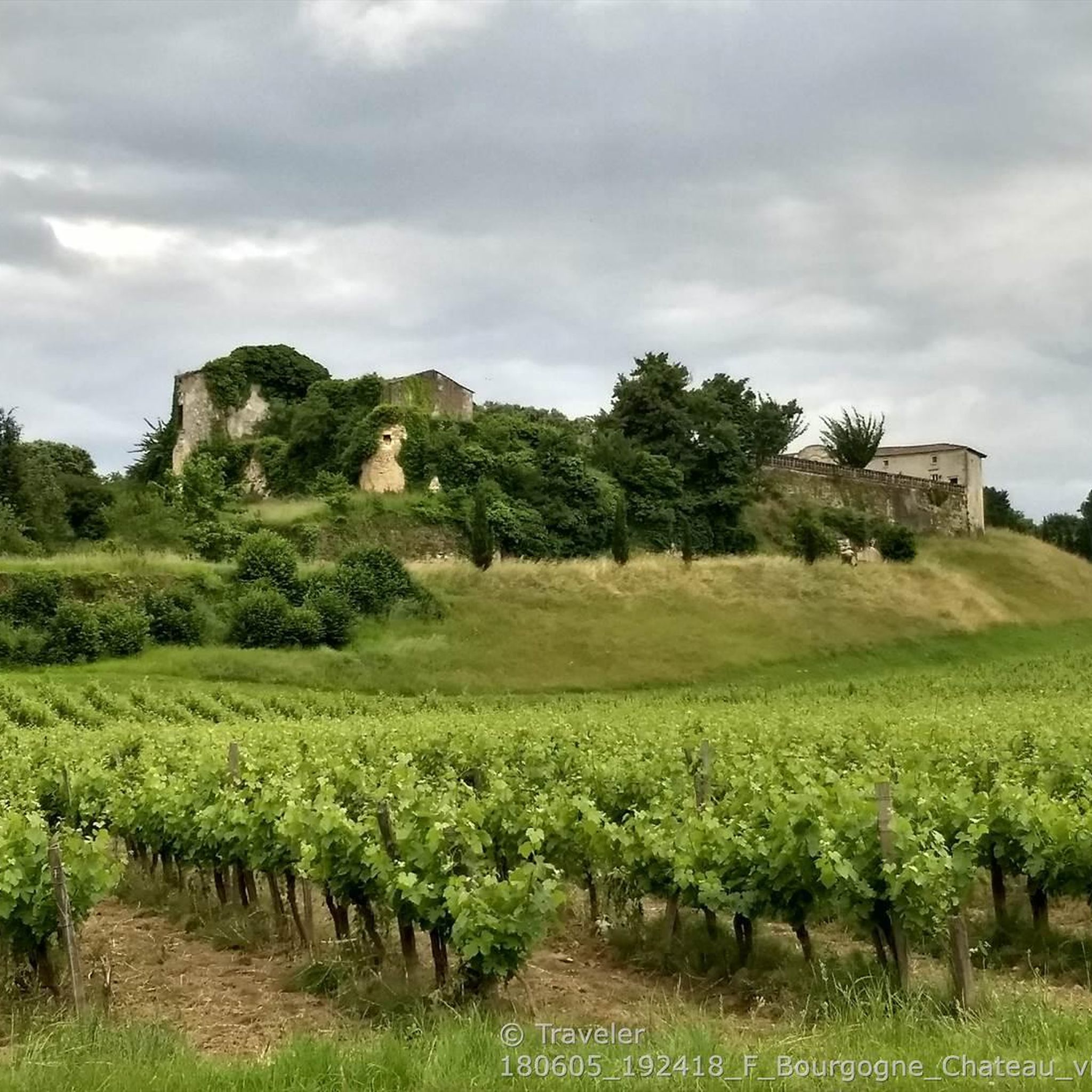
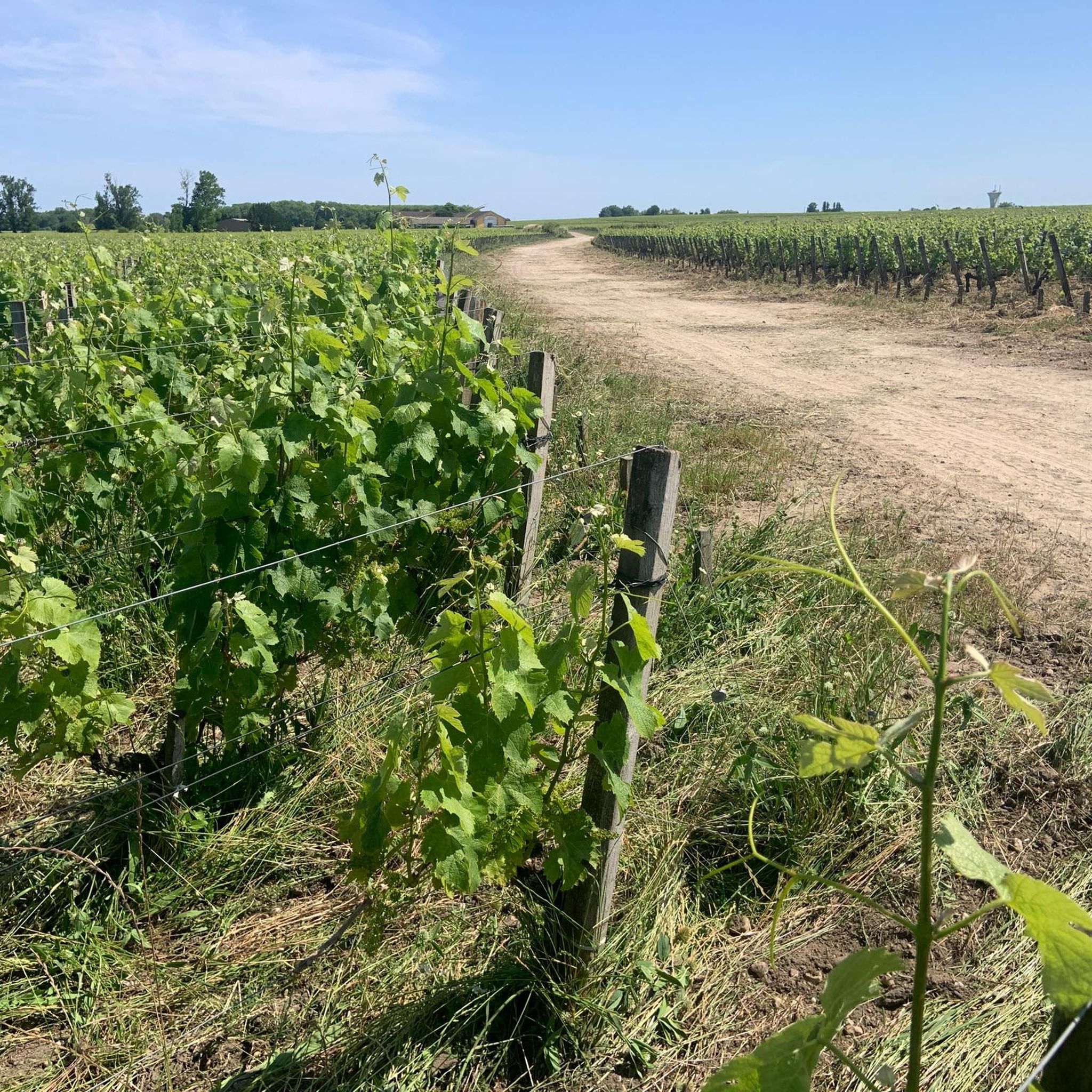
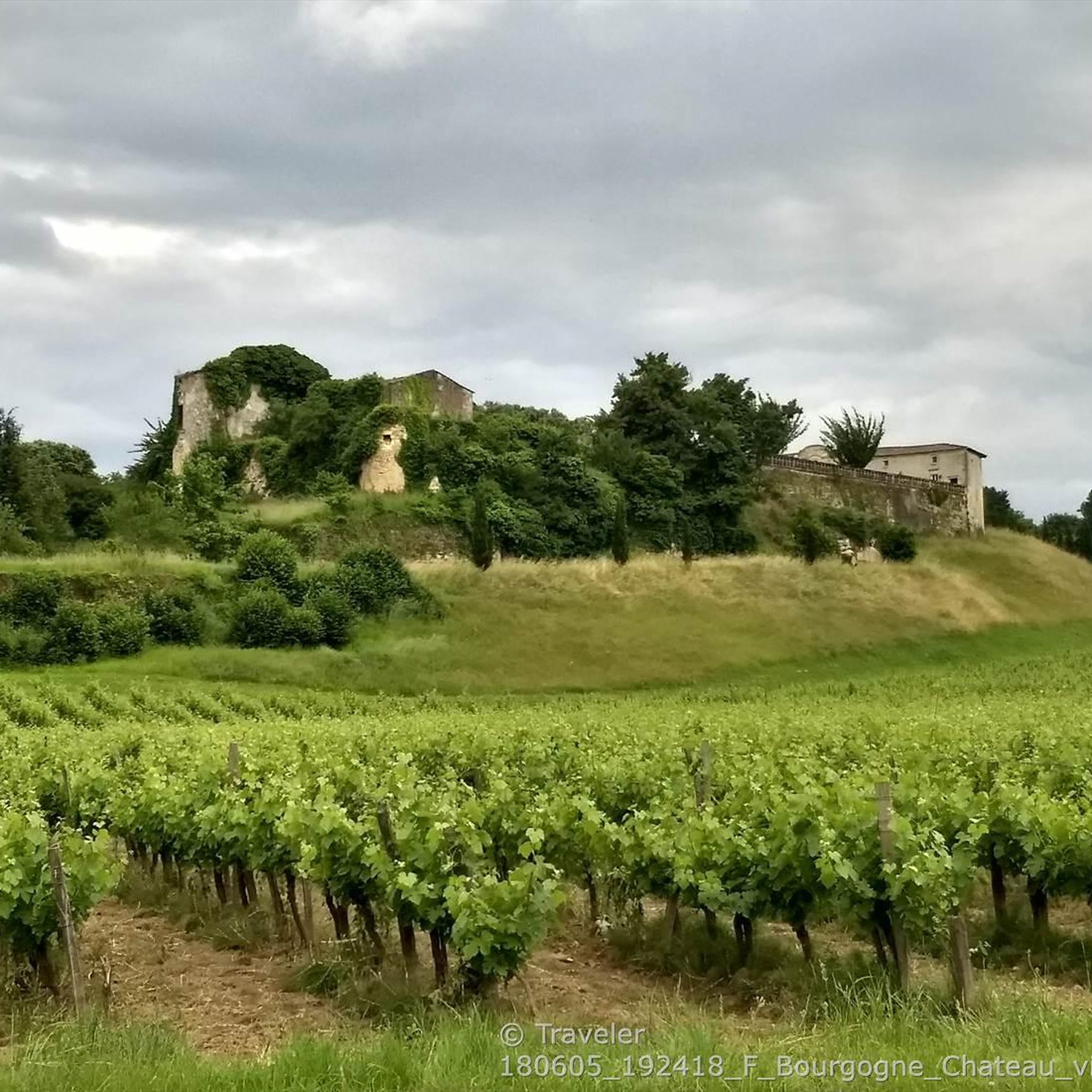
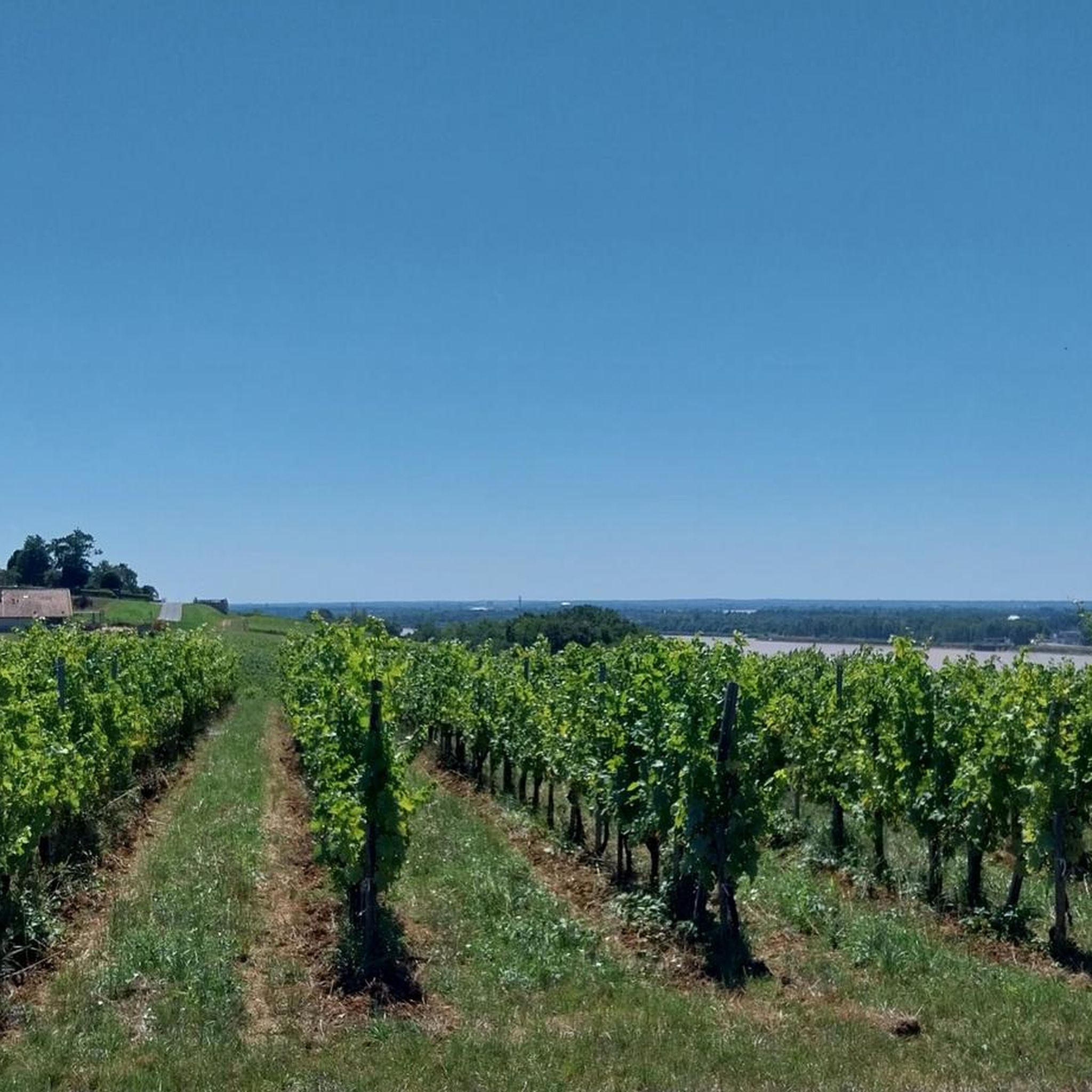
Tips from the Community

In the 16th century, the Bourg citadel, the stronghold of Bordeaux, was elevated to the rank of impregnable citadel thanks to the work of the Duke of Épernon, whose vaulted passage remains a vestige that you can discover during guided tours. You'll also visit the basement, where the former stone quarries were used to build impressive 70-meter-long reinforced concrete oil tanks, used during World War II. The Bourg Citadel Museum is located near the castle, which features 18th-century neoclassical architecture. You'll be amazed by its collection of horse-drawn carriages, which you'll learn about during guided tours.
1
0
The terrace of the Chateau de la Citadelle de Bourg en Gironde offers a superb view of the Dordogne just before the junction with the Garonne, from where they form the Gironde estuary. You can still see the facade of the old 18th century charterhouse that was built there, as well as a view of the river. The Citadel of Bourg museum presents an impressive network of underground passages as well as a collection of horse-drawn carriages. Open daily between June and September.
2
0

Worth seeing fortress, unfortunately the weather was not nice for further explorations.
4
0

Since we wanted to continue with the ferry, but still had 60 minutes until the next crossing, we looked at this pretty citadel. There is also a café that invites you to linger.
0
0

Citadel built under Vauban to protect the port of Blaye. https://de.m.wikipedia.org/wiki/Zitadelle_Blaye
0
0

In his 56 years of service, Vauban, who was already an Ingénieur de France, designed 33 new forts, delivered over 400 projects for 160 sites and modernized countless existing forts. He is the actual creator of the enceinte de fer, the iron belt, and the pré carré, with which France under Louis XIV secured its external borders. The fortified town of Neuf-Brisach/Neu-Breisach is considered to be his main work Fortifications by Vauban is the name of the World Heritage site that summarizes the important fortifications of the brilliant French master builder. In 2008, UNESCO decided to include twelve particularly exemplary and well-preserved sites in the World Heritage List: * Arras Citadel * Citadel, ramparts and Fort Griffon in Besançon * Citadel of Blaye, Fort Paté on an island in the Gironde and the * Citadel of Cussac-Fort-Médoc * Briançon fortification system (walls, four forts, signal tower and bridge) * Tour dorée (golden tower) in Camaret-sur-Mer * Fortified Upper Town of Longwy * Fortified city of Mont-Dauphin * Mont-Louis, composed of citadel and fortified city * Fortified town of Neuf-Brisach * Saint-Martin-de-Ré fortress with ramparts, port and citadel * Saint-Vaast-la-Hougue: Towers and fortifications in Saint-Vaast-la-Hougue and on the neighboring island of Tatihou * Fort Liberia, city walls and the fortified cave Cova Bastera in Villefranche-de-Conflent” (Source: Wikipedia)
2
0

Blaye is a town in the Gironde department, in the Nouvelle-Aquitaine region in France. It is located on the right bank of the Gironde, approximately 50 kilometers north of Bordeaux. Blaye is known for its citadel, built in the 17th century by Vauban. It has been included on the UNESCO World Heritage List since 2008, with the fortifications of the city of Bordeaux and Fort Paté on Pate Island, which are part of the same defensive ensemble. In addition to the citadel, Blaye is also home to several other historical monuments, such as the Porte Royale, the Porte Dauphine, the Porte de l'Estaple, the Saint-Romain church and the Minimes convent. The city is also known for its vineyards, which produce world-famous red and white wine. Visitors can learn about the region's wine heritage by touring wineries and tasting local wines in the town's many bars and restaurants.
1
0

If you are in the area, a walk in the citadel of Blaye is a must! History, architecture and wine lovers will find what they are looking for. The cultural heritage per square meter is just incredible!
1
0
Frequently Asked Questions
What is the historical significance of castles around Gauriac?
The castles around Gauriac offer a rich historical tapestry, ranging from medieval fortified residences to 17th-century military strongholds. Gauriac itself is home to the historic Château de Thau, a former medieval fortified residence with origins in the 14th century. Just a short distance away, you'll find the UNESCO-listed Vauban fortifications, including the Citadel of Blaye, Fort Pâté, and Fort Médoc, which were strategically built to protect Bordeaux.
Are there any medieval castle ruins to explore near Gauriac?
Yes, within the Citadel of Blaye, you can explore the ruins of Rudel Castle. This medieval stronghold dates back to the 12th and 13th centuries and was partially preserved when the Vauban citadel was constructed. It offers a fascinating glimpse into earlier fortifications. Additionally, Château de Thau in Gauriac, while restored, retains elements of its 14th-century origins, including a 12th-century dovecote.
Which castles are part of a UNESCO World Heritage site?
The significant Vauban fortifications near Gauriac are part of a UNESCO World Heritage site. These include the Citadel of Blaye, Fort Pâté (on an island in the Gironde), and Fort Médoc. Together, they form the 'Verrou Vauban' (Vauban Lock) system, designed to protect Bordeaux in the 17th century.
Are there family-friendly castles to visit near Gauriac?
The Citadel of Blaye is considered family-friendly. Its extensive grounds, walls, and structures provide ample space for exploration, and it often hosts shops, restaurants, and entertainment during summer evenings, making it enjoyable for all ages. The historical context and panoramic views also appeal to families.
What is the best time of year to visit the castles near Gauriac?
The best time to visit the castles near Gauriac is typically during the spring (April to June) and early autumn (September to October). During these months, the weather is generally pleasant for exploring, and the vineyards are either blooming or showcasing their harvest colors. Summer (July and August) can be warm, but also offers more events and longer opening hours. Some sites, like the Vauban fortifications, are accessible year-round, though specific internal tours or amenities might have seasonal variations.
Can I combine a castle visit with outdoor activities like cycling or hiking?
Absolutely! The region around Gauriac is excellent for combining historical exploration with outdoor activities. You can find numerous cycling and mountain biking routes that pass by or near these historical sites and vineyards. For instance, there are cycling routes like the 'Bourg Citadel – Bordeaux Lake Footbridge loop' or the 'Gironde Corniche – Port of Plassac loop'. You can find more details on these and other routes in the Cycling around Gauriac guide.
Are there specific routes for mountain biking near the castles?
Yes, mountain biking is a popular activity in the area. You can find routes such as the 'Bourg Citadel – Bourg-sur-Gironde Citadel loop' or the 'Thau Castle loop from Gauriac', which is an easy 6.6 km ride. These routes allow you to explore the scenic landscapes and get close to some of the historical sites. For more options, check out the MTB Trails around Gauriac guide.
How far are the main castles from Gauriac?
The most prominent castles and fortifications are conveniently close to Gauriac. The UNESCO-listed Vauban fortifications, including the Citadel of Blaye, Fort Pâté, and Fort Médoc, are approximately 8-9 km away. Within Gauriac itself, you'll find Château de Thau and Château Bone.
What kind of views can I expect from the castles in the region?
Many castles and fortifications in the region offer stunning views, particularly of the Gironde estuary and the surrounding vineyards. The Citadel of Blaye, for example, provides panoramic vistas from its ramparts. Château de Thau is situated on a rocky promontory overlooking the Grenet, a tributary of the Gironde, offering picturesque natural scenery.
Are there any castles that are also active wineries?
Yes, several castles in the region combine historical charm with wine production. Château de Thau in Gauriac is a former fortified residence that is now a wine estate producing AOC Côtes de Bourg wine. Similarly, Château Reynaud is described as a small manor house with a winery, and Château Malescasse is another beautiful castle situated amidst vineyards.
What do visitors enjoy most about the castles around Gauriac?
Visitors particularly appreciate the blend of history, military architecture, and the beautiful vineyard landscapes. The Citadel of Blaye is highly popular for its well-preserved Vauban design and the opportunity to explore its vast grounds. The charm of château-wineries like Château de Thau and Château Reynaud, set amongst the vines, also receives positive feedback for offering a unique regional experience.
Are there options for accommodation near the castles?
While not a traditional tourist attraction, Château Bone in Gauriac is an exceptional winery estate that functions as a rental property for professional, family, or group gatherings. It offers a luxurious and independent stay amidst vineyards, with amenities like a swimming pool, fitness room, and sauna. For other accommodation options, you would typically find hotels, guesthouses, and gîtes in Gauriac and nearby towns like Blaye.
Most popular routes around Gauriac
Most popular attractions around Gauriac

Get inspired with the komoot mobile app


Explore more
Looking for the best castles somewhere else? Discover other guides around Gauriac:
