Attractions and Places To See around Perpezac-Le-Blanc - Top 20
Best attractions and places to see around Perpezac-Le-Blanc include a blend of historical landmarks, natural beauty, and cultural insights. This commune, located on a rocky spur, features houses built from local white limestone. The area offers diverse flora and fauna due to its alternating limestone and sandstone soils, providing a varied landscape for exploration.
Best attractions and places to see around Perpezac-Le-Blanc
- The most popular attractions is Waterfall and historic buildings in Condat-sur-Vézère, a historical site and waterfall located…
Last updated: May 4, 2026
Church of the Transfiguration of Our Lord
Highlight • Other
Translated by Google •
Tip by

Château de Saillant
Highlight • Castle
Translated by Google •
Tip by

Sign up now to discover places like this
Get recommendations on the best single tracks, peaks, & plenty of other exciting outdoor places.
Sign up for free
Saillant Chapel and Marc Chagall Stained Glass Windows
Highlight • Religious Site
Translated by Google •
Tip by

The Gardens of the Imagination
Highlight • Natural Monument
Translated by Google •
Tip by

Waterfall and historic buildings in Condat-sur-Vézère
Highlight • Historical Site
Translated by Google •
Tip by

Sign up for free to discover even more attractions around Perpezac-Le-Blanc.
Sign up for free
Already have an account?
Start today with a free account
Your next adventure awaits.
Login or Signup

Tips from the Community

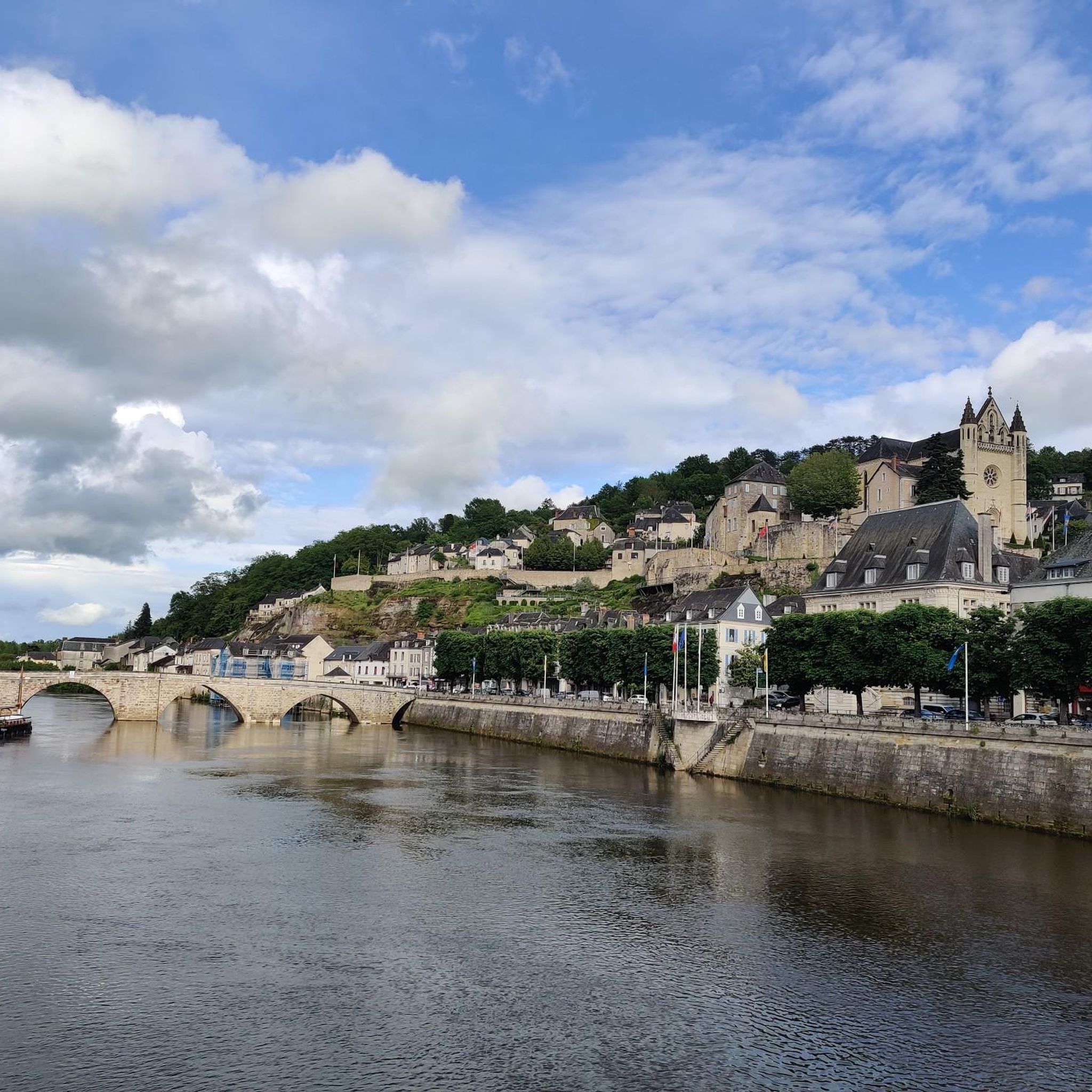
beautiful bridge
0
1

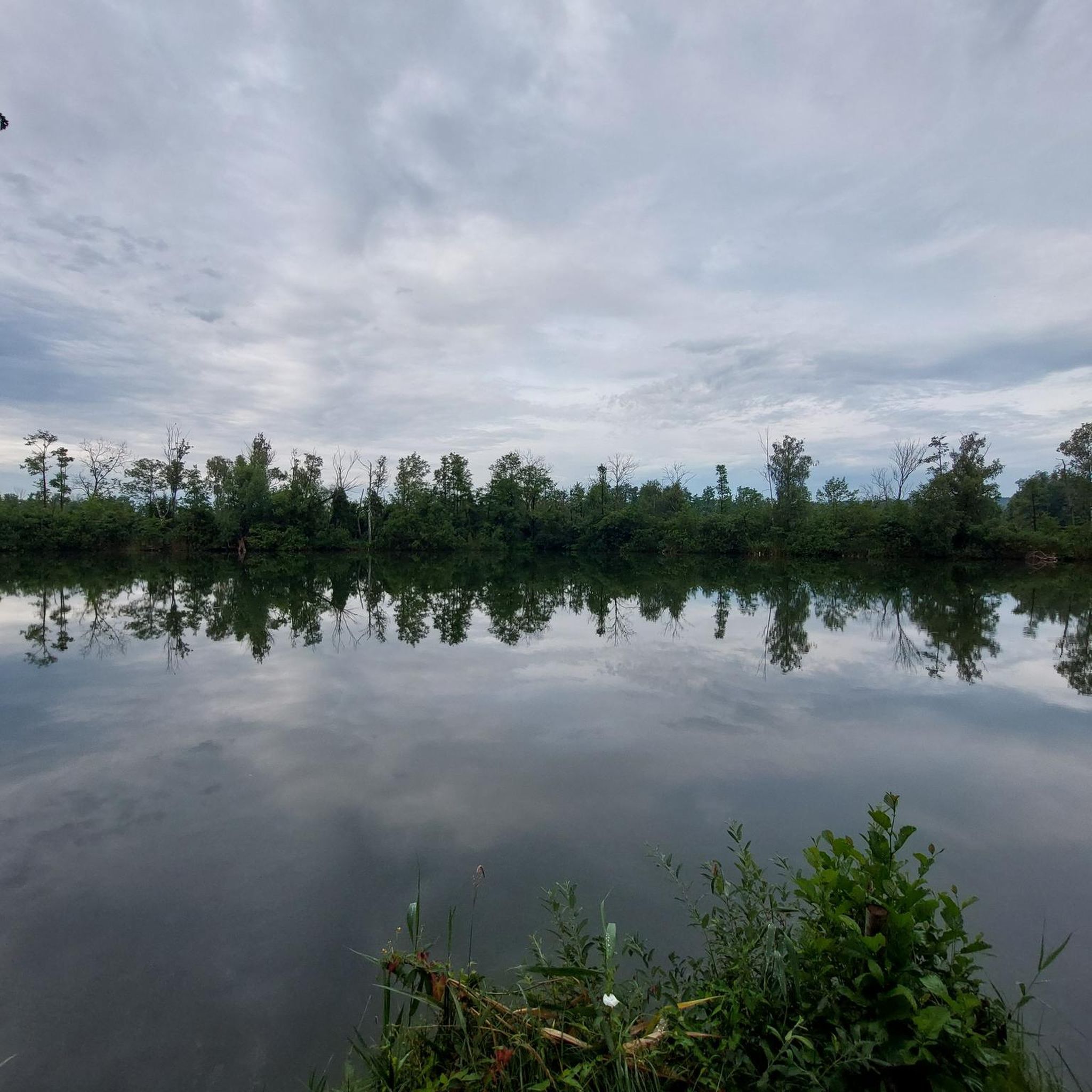
Great spot to cool off, even if swimming is prohibited!
0
0

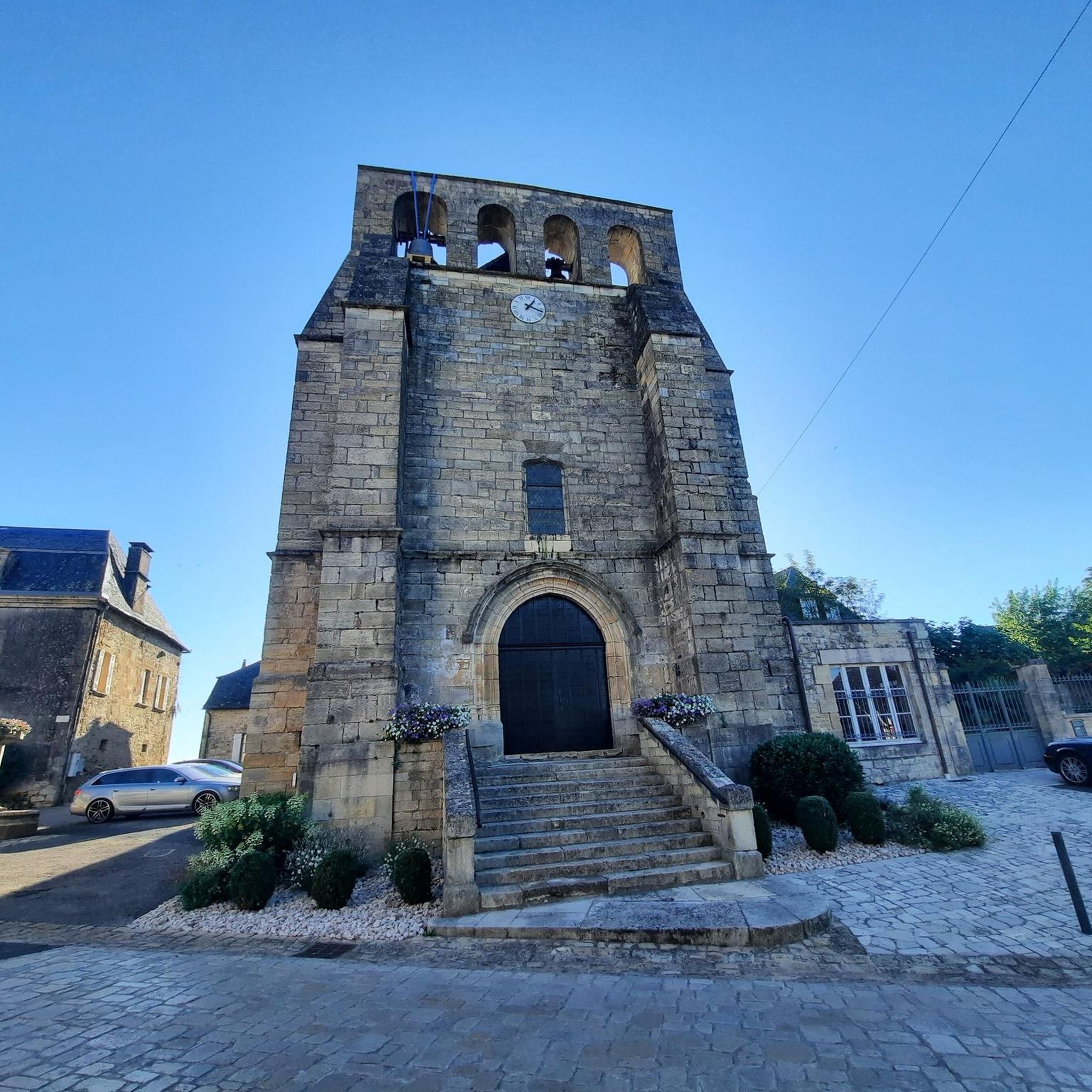
This church is not - as is usually the case - dedicated to one of the many people we venerate as saints, or to Mary the Mother of God or her son. Instead, it bears a biblical event as its patronage title, namely the "TRANSFIGURATION de NOTRE SEIGNEUR" (called "Transfiguration of the Lord" in German-speaking countries). => "In the middle of everyday life, three disciples have an Easter experience with Jesus: They see Jesus in a mysterious light, and Moses and Elijah talk to him. In this way, the deepest identity of Jesus as the "beloved son" of God is revealed to the disciples." This is what is said in brief in a work aid from the Bible work for the Feast of Transfiguration, which is celebrated in all Christian denominations on August 6th. This event, which is attested to in the New Testament - see Mark (chapter 9) and Luke (chapter 9) as well as Matthew (chapter 17) - is located on Mount Tabor in Israel. A basilica was built there to commemorate (see https://www.komoot.de/highlight/266239), which can therefore be considered the original church for the patronage of this place of worship.
2
0

This former chapel has the last windows, designed by Chagall. These windows were commissioned by Mr. de Lasteyrie du Saillant, (owner of the 15th century castle, not visited). The stained glass windows (including so famously blue) represent the East: Creation and West: Two bouquets symbolize love. The windows of the nave are representative grisailles fieldwork in Salient sublimated by their symbolic symbol of the Eucharist through the harvest, wine through the harvest, the Shepherd and Servant through Christ's sheep through the fishery. Access to the chapel is open from 9am to 6pm.
1
0
A royal villa under the Merovingians, the land of the Saillant - Orbaciacus - was then a vassal of the Church, dependent in the 9th century on the abbey of Beaulieu and from the 11th century on the bishop of Limoges. The rectangular construction from the 15th century includes the remains of a primitive keep and was originally supposed to be enclosed by corner towers. The powerful stone corbels supporting the roof overhang come from the old machicolations whose upper part has been amputated and adapted to their new role. The cellars preserve remains of the primitive keep with openings in a slightly broken arch or semicircular. On the ground floor there is a monumental fireplace in the hall, the hood of which is decorated with murals. Staggered constructions from the 17th to the 20th century: openings, mansard roof, Periods of construction: 15th century, 17th century, 19th century
2
0

Pretty little village strewn with vegetation and right next to the Vézère for a break by the water
0
0

formerly attached to the castle of the salient it was built in 1620
1
0
Mentioned in 1264 in the will of Aimeric de la Serre, Bishop of Limoges, it was given in 922 by King Charles the Simple to SOlignac Abbey.
1
0
Frequently Asked Questions
What historical and cultural sites can I explore in Perpezac-Le-Blanc?
Perpezac-Le-Blanc is rich in history. You can visit the unique Church of the Transfiguration of Our Lord, known for its biblical dedication and 17th-century woodwork. The village also features the privately owned Château du Puy, offering beautiful exterior views, and vestiges of Old Lime Kilns, like the well-preserved "Treuil" kiln from 1871.
Are there any natural attractions or unique geological features to see?
Yes, the region offers several natural points of interest. The village itself is situated on a limestone mound, contributing to a rich diversity of flora and fauna. You can explore the Waterfall and historic buildings in Condat-sur-Vézère, a scenic spot by the Vézère river. There's also the local natural curiosity, the Gouffre d'Anémone, a chasm discovered in 1979.
What kind of hiking trails are available around Perpezac-Le-Blanc?
The area around Perpezac-Le-Blanc offers a variety of hiking opportunities. A popular choice is the 7-kilometer Mine Trail (Sentier de la Mine), starting from the village center, which is suitable for all ages and offers botanical, geological, and historical insights. For more options, you can explore various routes listed in the Hiking around Perpezac-Le-Blanc guide, including easy loops like "The Mine Circuit" and "Old mine loop from Perpezac-le-Blanc".
Are there any family-friendly attractions or activities in the area?
Absolutely! Families can enjoy the Waterfall and historic buildings in Condat-sur-Vézère, which is a great spot for a break by the water. The Mine Trail is also designed for all ages, with game booklets available for children. Further afield, The Gardens of the Imagination in Terrasson-Lavilledieu offer a unique blend of art and nature that can be engaging for all ages.
Where can I see unique art or architecture near Perpezac-Le-Blanc?
For unique art and architecture, visit the Saillant Chapel and Marc Chagall Stained Glass Windows. This former chapel features the last stained-glass windows designed by Chagall, depicting themes of creation, love, and the Eucharist. The chapel, originally built in 1620, is a significant cultural highlight.
What are some notable castles or historical residences in the vicinity?
Beyond the local Château du Puy, you can discover the Château de Saillant, a historical site with origins as a Merovingian royal villa, featuring 15th-century construction and remains of a primitive keep. Another impressive site is the Château de Hautefort, an imposing castle with extensive gardens, located within a short drive.
What is the best time of year to visit Perpezac-Le-Blanc for outdoor activities?
The best time to visit Perpezac-Le-Blanc for outdoor activities is generally during the spring and autumn months when the weather is mild and pleasant for hiking and exploring. The region's diverse flora and fauna are particularly vibrant during these seasons. Summer can also be enjoyable, especially for water-related activities near the Vézère river, though it can be warmer.
Are there opportunities for cycling or running near the attractions?
Yes, the area provides options for both cycling and running. You can find various routes for gravel biking in the Gravel biking around Perpezac-Le-Blanc guide, with routes ranging from moderate to difficult. For runners, the Running Trails around Perpezac-Le-Blanc guide offers several loops, including moderate options like the "Sarcophages du haut Moyen-Age loop from Cublac".
What are some of the most unique natural features in the wider region?
Beyond the local Gouffre d'Anémone, the wider region boasts significant natural sites. The Vézère Valley is renowned for its numerous prehistoric sites and decorated caves. Another notable natural feature is the Gouffre de la Fage, a substantial natural chasm that attracts visitors interested in geology and cave exploration.
Can I find prehistoric sites or ancient history nearby?
Yes, the region is famous for its prehistoric heritage. The renowned Lascaux Caves, near Montignac, are a UNESCO World Heritage site showcasing ancient parietal art and hunting scenes. The entire Vézère Valley is rich with prehistoric sites and decorated caves, offering a deep dive into ancient human history.
What makes Perpezac-Le-Blanc's architecture distinctive?
Perpezac-Le-Blanc's architecture is distinctive due to its location on a rocky spur and the prevalent use of local white limestone in its houses. This gives the village a unique, picturesque character. The Church of the Transfiguration of Our Lord, with its octagonal dome and square bell tower, is a prime example of the local architectural style.
Are there any villages recognized for their beauty in the vicinity?
Yes, the nearby village of Saint-Robert is classified as one of France's "most beautiful villages." It features a charming 12th-century church and offers a delightful experience for visitors interested in picturesque French village life and historical architecture.
Most popular routes around Perpezac-Le-Blanc

Get inspired with the komoot mobile app


Explore more
Still not found the Highlight you’re looking for? See guides of the top attractions in other regions:
