The best running trails around Querfurt
4.9
(47)
267
runners
31
runs
Jogging around Querfurt offers diverse landscapes, from open meadows to dense forests and rolling hills, providing varied experiences for runners. The region is characterized by a mix of terrains, including accessible paths and routes with moderate elevation changes. Historical elements like the Querfurt Castle and sections of the old town wall can be incorporated into scenic running routes. This blend of natural beauty and historical backdrops makes Querfurt an appealing destination for outdoor activities.
Best jogging routes around Querfurt
- The…
Last updated: October 2, 2026
5.0
(1)
19
runners
6.37km
00:41
80m
80m
Moderate run. Good fitness required. Mostly paved surfaces. Suitable for all skill levels.
4.9
(15)
16
runners
14.2km
01:30
90m
90m
Moderate run. Good fitness required. Mostly paved surfaces. Suitable for all skill levels.

4.5
(2)
17
runners
10.7km
01:07
80m
80m
Moderate run. Good fitness required. Mostly paved surfaces. Suitable for all skill levels.
15
runners
9.55km
01:01
100m
100m
Moderate run. Good fitness required. Mostly paved surfaces. Suitable for all skill levels.
5.0
(9)
15
runners
13.0km
01:22
100m
100m
Moderate run. Good fitness required. Mostly paved surfaces. Suitable for all skill levels.
Get access to more routes and recommendations from other explorers.
Already have an account?
Our route recommendations are based on thousands of hikes, rides, and runs completed by other people on komoot.
Start today with a free account
Your next adventure awaits.
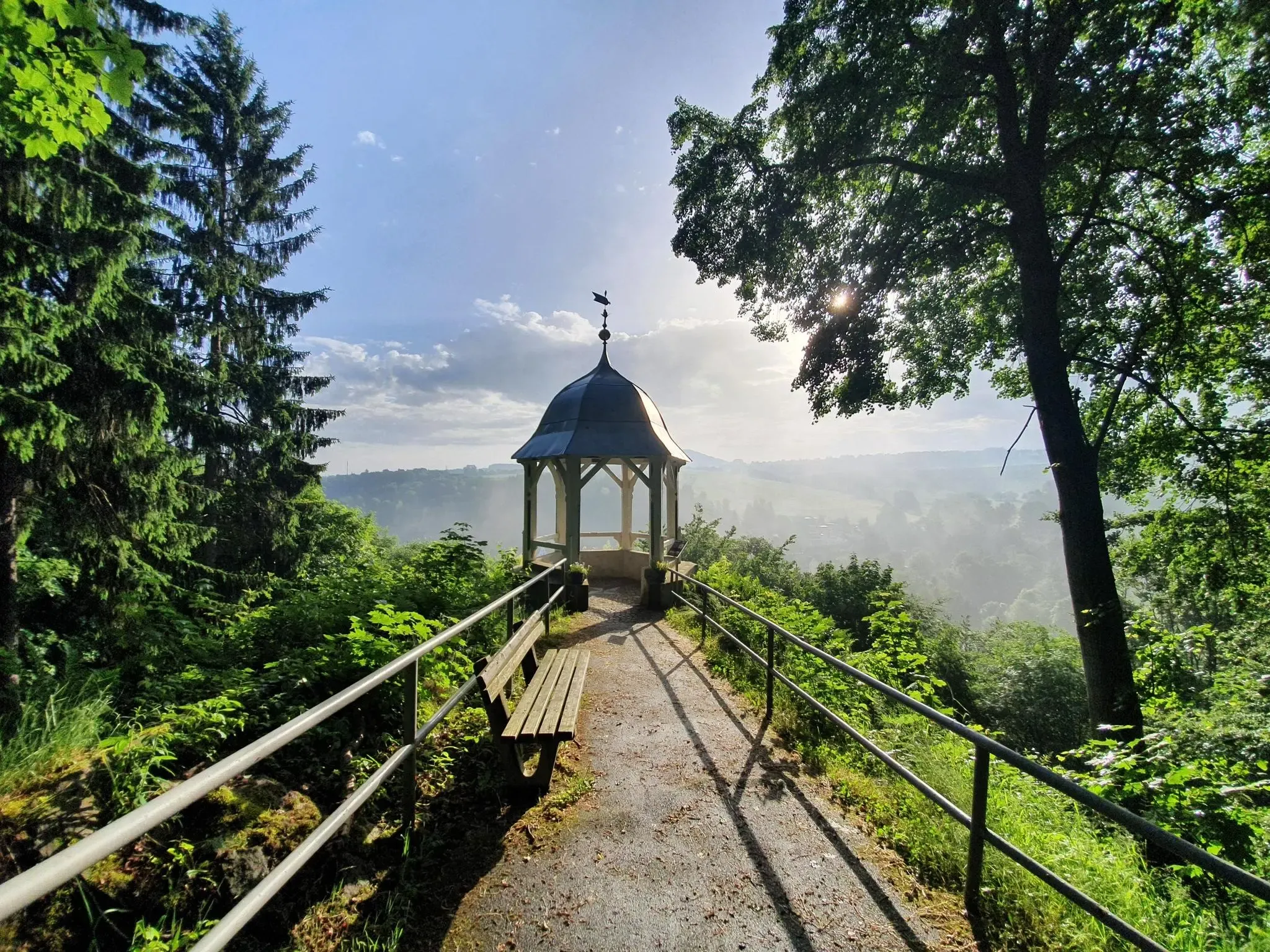
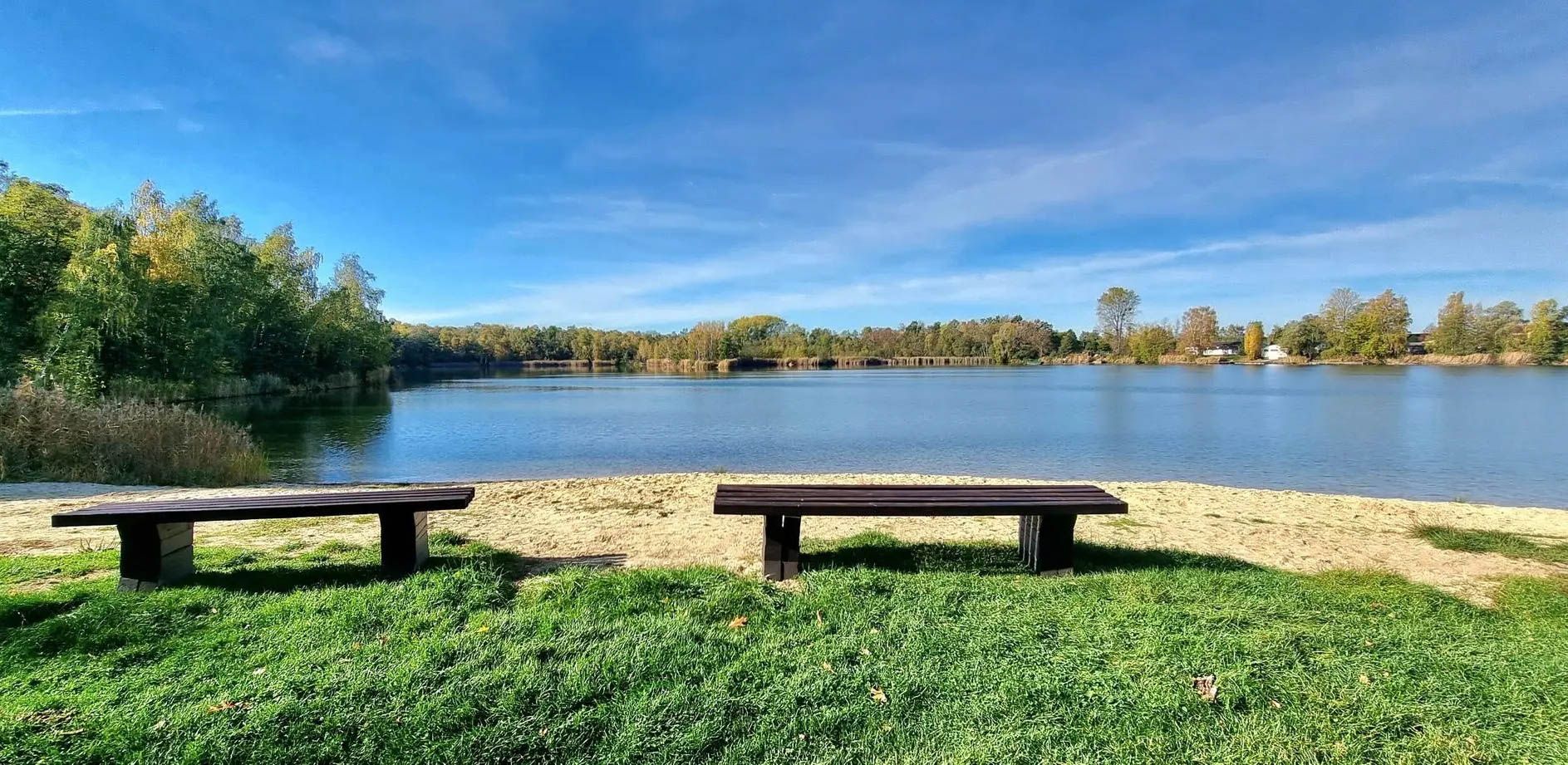
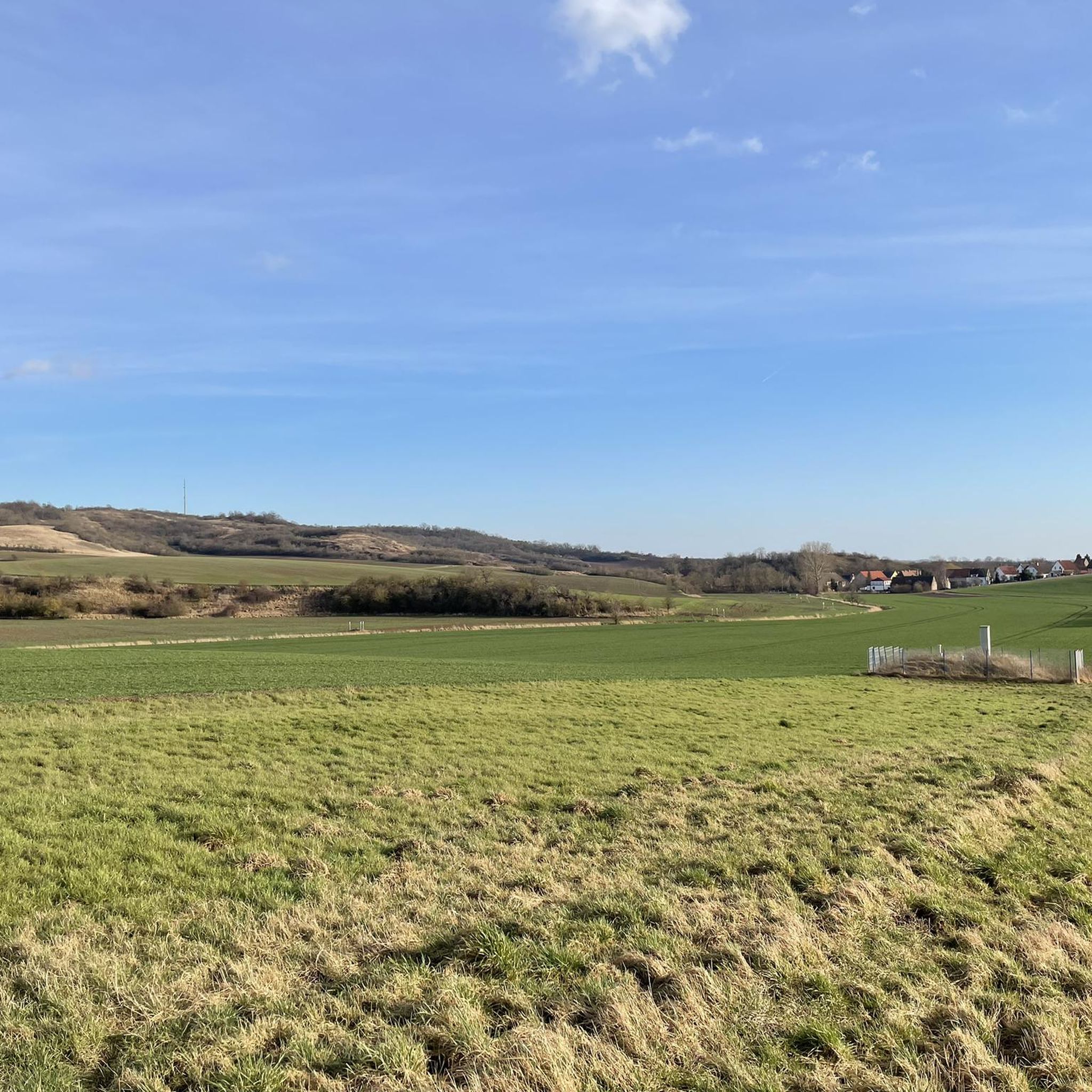


Tips from the Community

The Protestant city church of St. Lampert is dedicated to Saint Lambert of Liège. The three-aisled hall church, built between 1475 and 1523, was damaged in several city fires but was repeatedly rebuilt. In 1643, General Königsmarck had the upper part of the tower demolished because it likely threatened the castle's security.
14
0
In 979, a document first mentions a "Castellum." Querfurt has had a castle since then at the latest. The town itself was first mentioned in documents about a hundred years earlier. The castle was the ancestral seat of the noble lords of Querfurt, who for centuries were also burgraves of Magdeburg. With the death of Bruno XI of Querfurt in 1496, the noble family died out. The castle proved impregnable until 1640, but changed hands several times during the Thirty Years' War (1618 to 1648). The Swedish occupation lasted from 1642 to 1650. In 1663, the princes of Saxe-Querfurt made the castle their residence and Querfurt the capital of their domain.
15
0
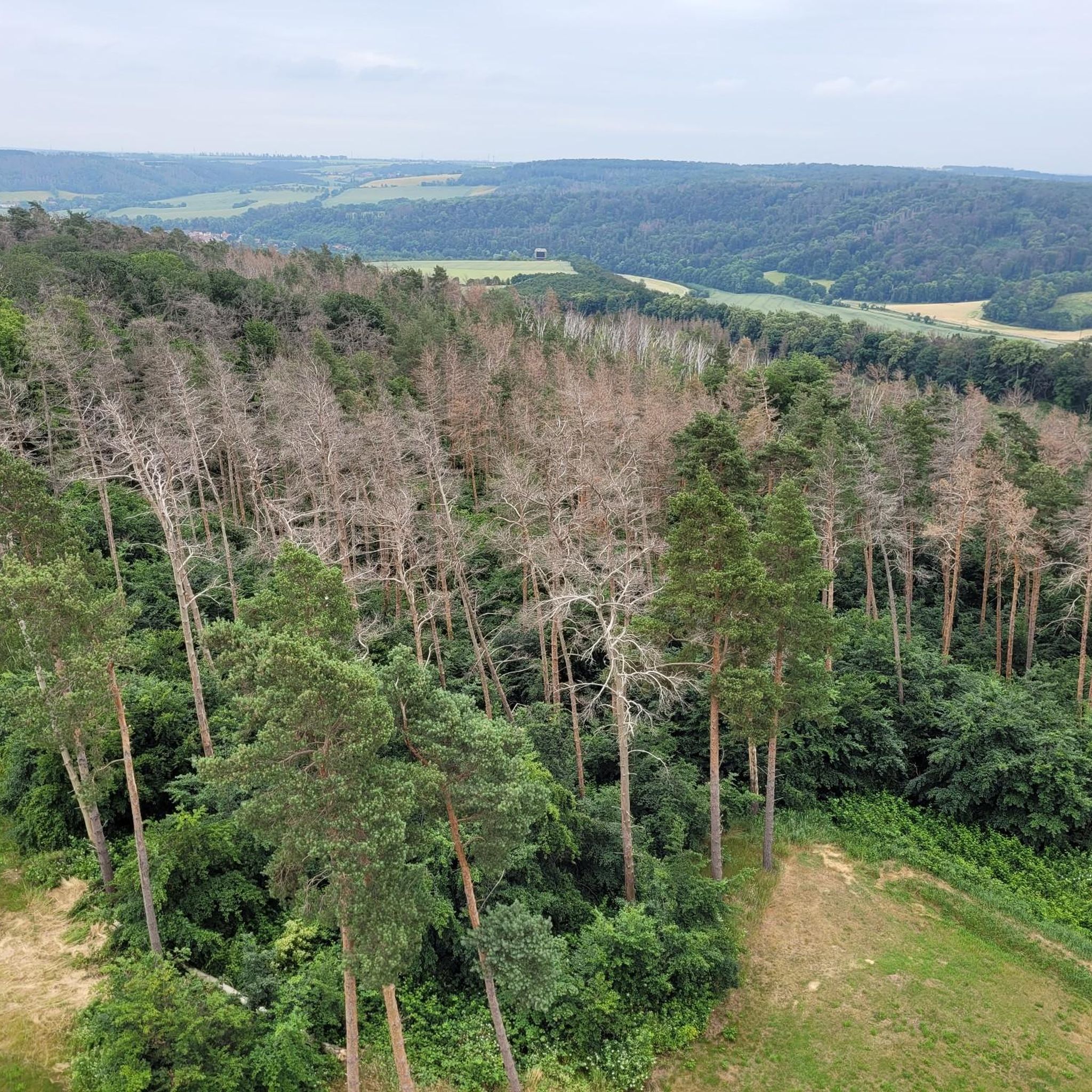
The 57-meter-high Paris Tower at Querfurt Castle was originally called the Hausmannsturm (Houseman's Tower). It dates back to the late 14th century. Its baroque dome was added in 1659. It served as a fire watchtower until 1969; today, it can be climbed as an observation tower. There is also a tower dungeon.
12
0

very beautiful church in the city center
1
0
a really worth seeing cemetery with interesting gravestones
1
0

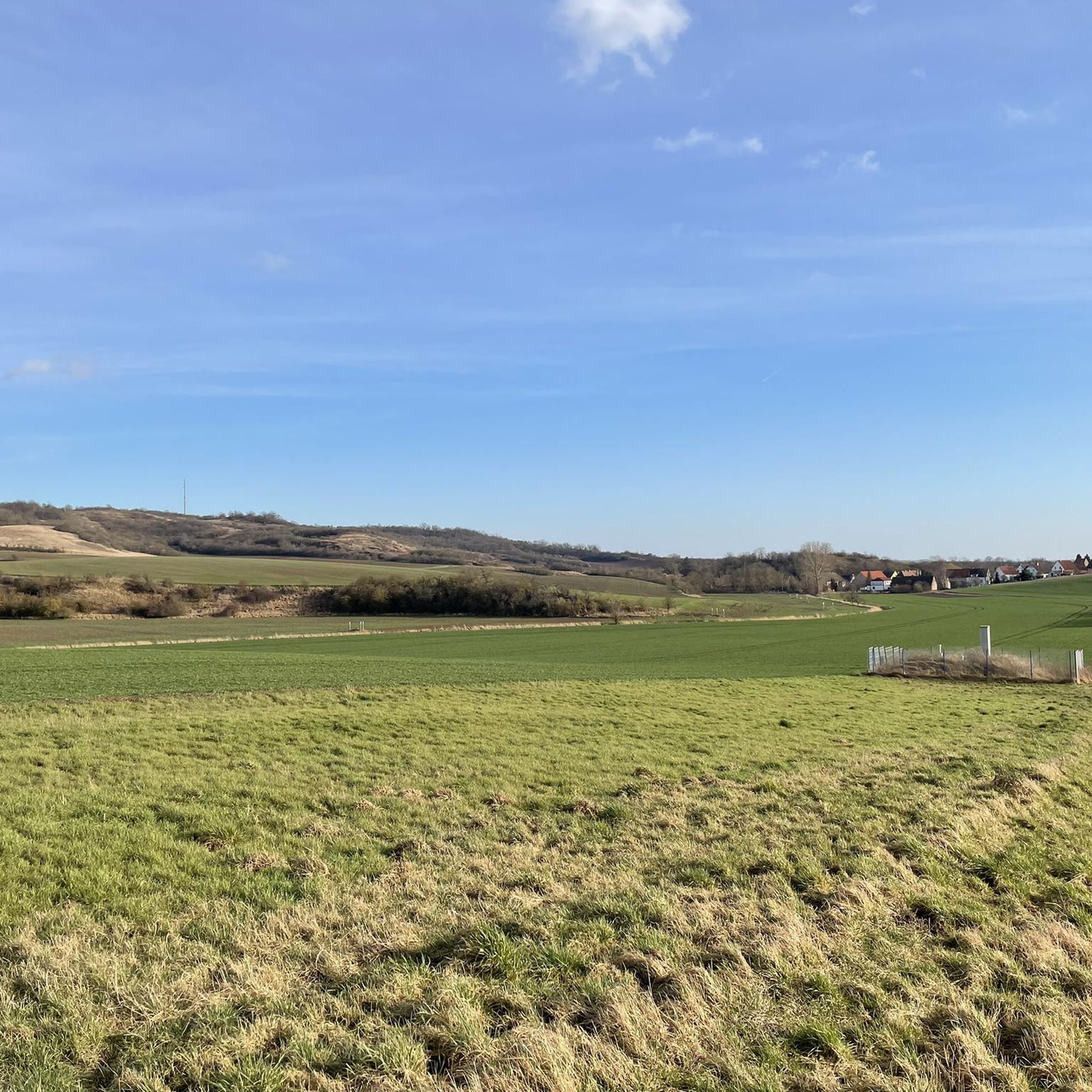
The bike path is really great! It runs next to the country road, but is separated from it by bushes. This means you can ride safely and stress-free on smooth asphalt to Hermannseck.
0
0

Very nice cemetery. The flair fits. Modern graves alternate with historical graves.
3
0
Frequently Asked Questions
How many running routes are available around Querfurt?
There are over 30 dedicated running routes around Querfurt, catering to various fitness levels. These include 2 easy routes, 25 moderate routes, and 4 more challenging options, ensuring there's something for every runner.
What kind of terrain can I expect on jogging trails in Querfurt?
Jogging routes in Querfurt offer a diverse range of terrains, from open meadows and dense forests to rolling hills. You'll find a mix of easily accessible paths and routes that require more sure-footedness, providing varied experiences for runners.
Are there any easy or beginner-friendly running routes in Querfurt?
Yes, Querfurt offers several easy running routes suitable for beginners. For example, the Former District Office loop from Querfurt is a moderate 6.5 km trail that can be completed in about 41 minutes, offering a pleasant introduction to the area's paths.
Can I find circular running routes in Querfurt?
Absolutely. Many of the running routes in Querfurt are circular, allowing you to start and finish in the same location. Examples include the Querfurt Moat – Querfurt Castle loop from Querfurt, which is a 9.5 km trail, and the Town Hall of Querfurt – Querfurt Moat loop from Querfurt, spanning 10.9 km.
What historical landmarks or points of interest can I see while running in Querfurt?
Querfurt's running routes often incorporate historical elements. You can jog along sections of the preserved 14th-century town wall or explore routes that pass by the impressive Querfurt Castle. The Baroque Cemetery of Querfurt loop from Querfurt is a 14.1 km path that takes you past this historic site.
Are there any scenic natural attractions along the running paths?
Yes, the region boasts beautiful natural features. You might encounter areas like the 'Meadow of Spring Snowflakes' (Märzenbechertal) near Landgrafroda, known for its idyllic scenery. The Märzenbechertal Snowdrop Valley is a notable natural monument in the area.
What do other runners think about the trails in Querfurt?
The running routes in Querfurt are highly regarded by the komoot community, with an average rating of 4.9 out of 5 stars from over 40 reviews. More than 200 runners have used komoot to explore the varied terrain, often praising the blend of natural beauty and historical backdrops.
Are there any longer running routes for advanced runners?
For those seeking a longer challenge, Querfurt offers several routes over 10 km. The Baroque Cemetery of Querfurt loop from Querfurt is a moderate 14.1 km route, and the Cycle Path to Hermannseck – Town Hall of Querfurt loop from Querfurt covers 12.9 km, providing ample distance for advanced training.
Can I combine my run with a visit to a viewpoint?
Yes, the broader region around Querfurt features points of interest with grand views. The Nebra Sky Disc discovery site, located nearby, includes a 30-meter-high observation tower offering panoramic vistas that could be a rewarding destination for a longer run.
Are there any routes that pass by Querfurt Castle?
Yes, you can definitely incorporate Querfurt Castle into your run. The Querfurt Moat – Querfurt Castle loop from Querfurt is a 9.5 km trail that leads through the castle grounds and along its moat, offering a unique historical backdrop for your exercise.
What are the best seasons for running in Querfurt?
Querfurt's diverse landscapes, including meadows and forests, make it suitable for running in various seasons. Spring and autumn offer pleasant temperatures and beautiful scenery, while summer provides longer daylight hours. Winter running is also possible, though conditions may vary.
Most popular routes around Querfurt
Most popular attractions around Querfurt

Get inspired with the komoot mobile app


Explore more
Browse the best Running Trails & Routes in other regions.
