The best mountain hikes around the Elbe
4.9
(225)
777
hikers
89
hikes
Mountaineering routes around the Elbe are primarily concentrated in the Elbe Sandstone Mountains, a region known for its unique geological formations. The landscape features towering sandstone rocks, deeply carved valleys, and distinctive rock pinnacles and table mountains. The Elbe River itself has created a deep canyon, adding to the dramatic terrain. This area offers a diverse environment for mountaineering, characterized by its challenging rock formations and varied elevation changes.
Best mountaineering routes around the Elbe
- The most popular mountaineering route…
Last updated: November 4, 2026
4.7
(34)
121
hikers
Hard mountaineering route. Very good fitness required. Sure-footedness, sturdy shoes and alpine experience required.
5.0
(3)
11
hikers
9.34km
03:11
450m
450m
Hard mountaineering route. Good fitness required. Sure-footedness, sturdy shoes and alpine experience required.

4.9
(13)
30
hikers
12.3km
04:37
570m
570m
Hard mountaineering route. Good fitness required. Sure-footedness, sturdy shoes and alpine experience required.
4.0
(6)
27
hikers
13.5km
04:03
350m
350m
Hard mountaineering route. Good fitness required. Sure-footedness, sturdy shoes and alpine experience required.
5.0
(6)
24
hikers
9.90km
03:17
390m
390m
Hard mountaineering route. Good fitness required. Sure-footedness, sturdy shoes and alpine experience required.
4.8
(8)
22
hikers
Hard mountaineering route. Good fitness required. Sure-footedness, sturdy shoes and alpine experience required.
5.0
(10)
27
hikers
8.10km
02:56
390m
390m
Hard mountaineering route. Good fitness required. Sure-footedness, sturdy shoes and alpine experience required.
4.6
(5)
24
hikers
11.2km
03:47
440m
440m
Hard mountaineering route. Good fitness required. Sure-footedness, sturdy shoes and alpine experience required.
5.0
(8)
24
hikers
12.7km
04:01
400m
400m
Hard mountaineering route. Good fitness required. Sure-footedness, sturdy shoes and alpine experience required.
5.0
(8)
20
hikers
11.6km
04:13
500m
500m
Hard mountaineering route. Good fitness required. Sure-footedness, sturdy shoes and alpine experience required.
Get access to more routes and recommendations from other explorers.
Already have an account?
Our route recommendations are based on thousands of hikes, rides, and runs completed by other people on komoot.
Start today with a free account
Your next adventure awaits.
Popular around Elbe
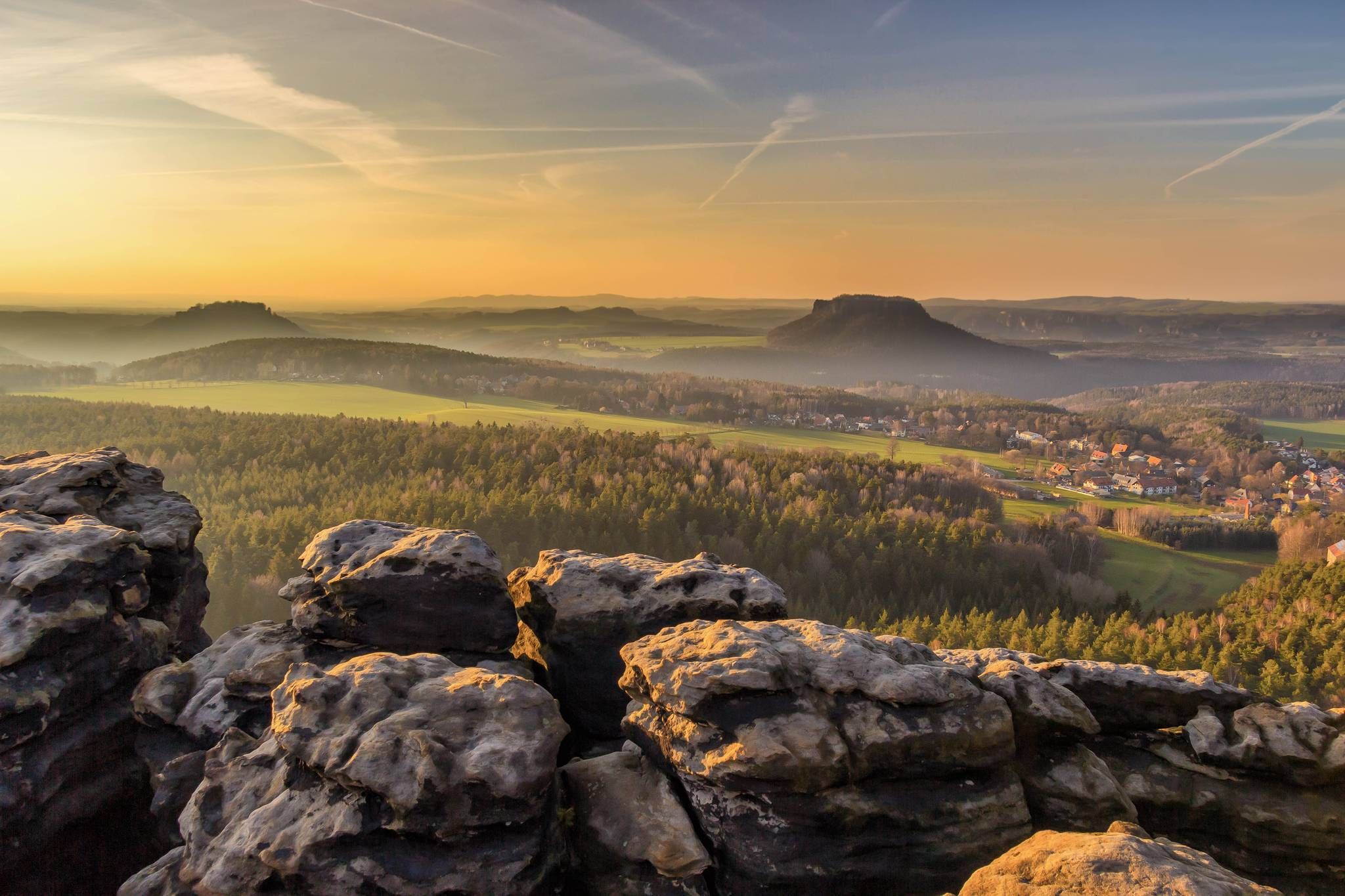
Forststeig – 7 days in the wild, remote sandstone mountains
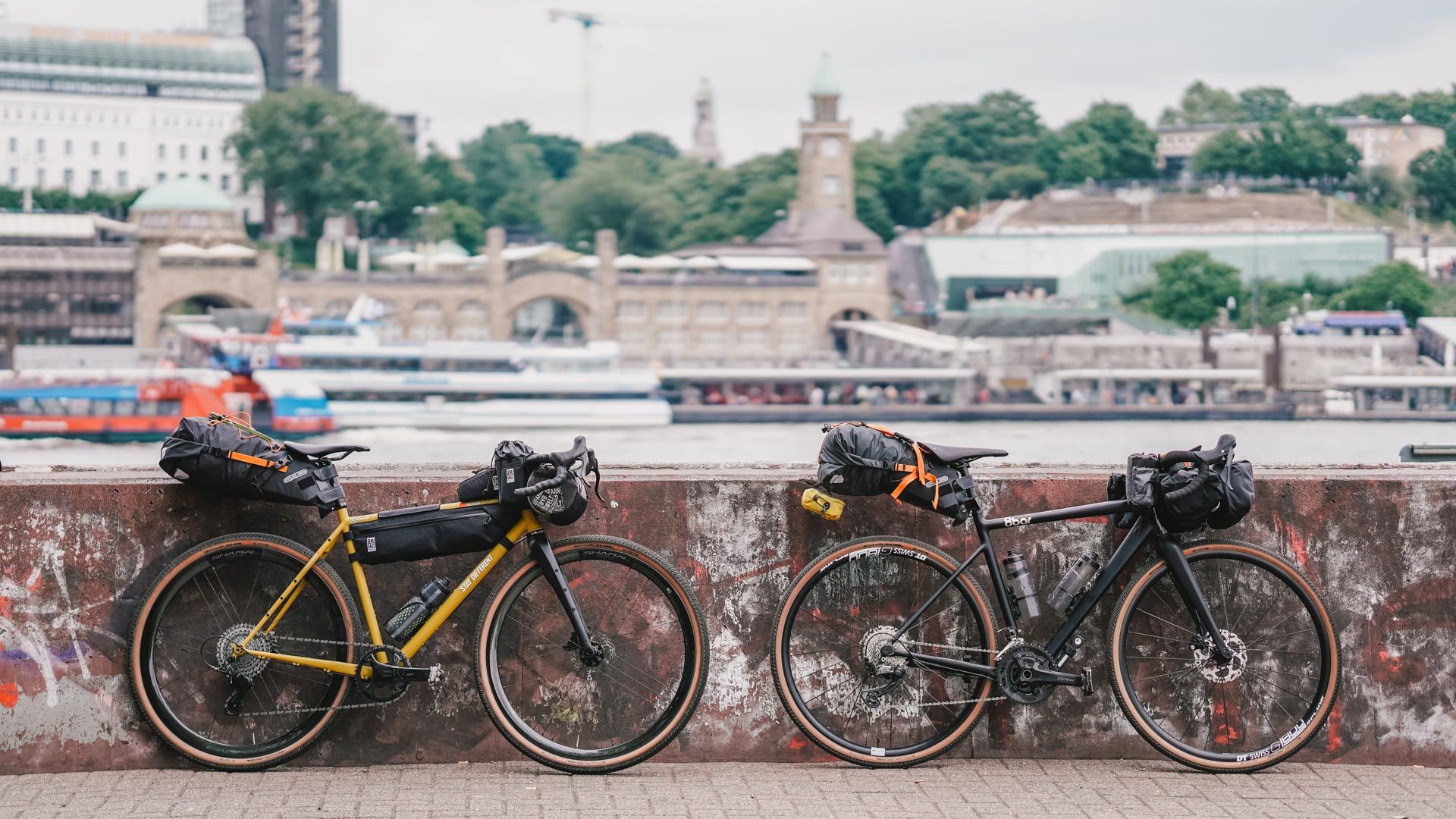
North Sea Deluxe — bikepacking with Radelmädchen
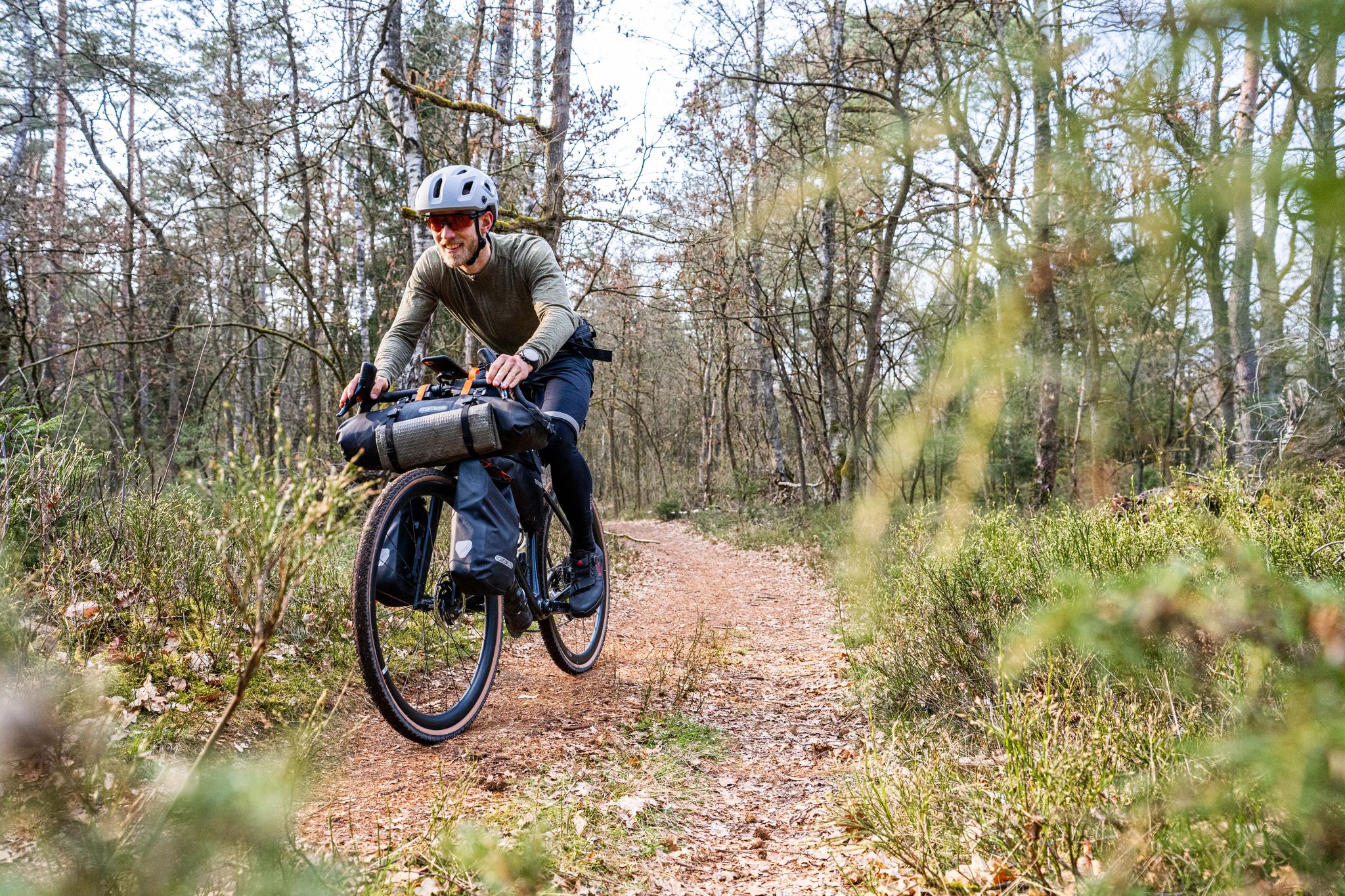
Gravel bikepacking from Hamburg to Munich
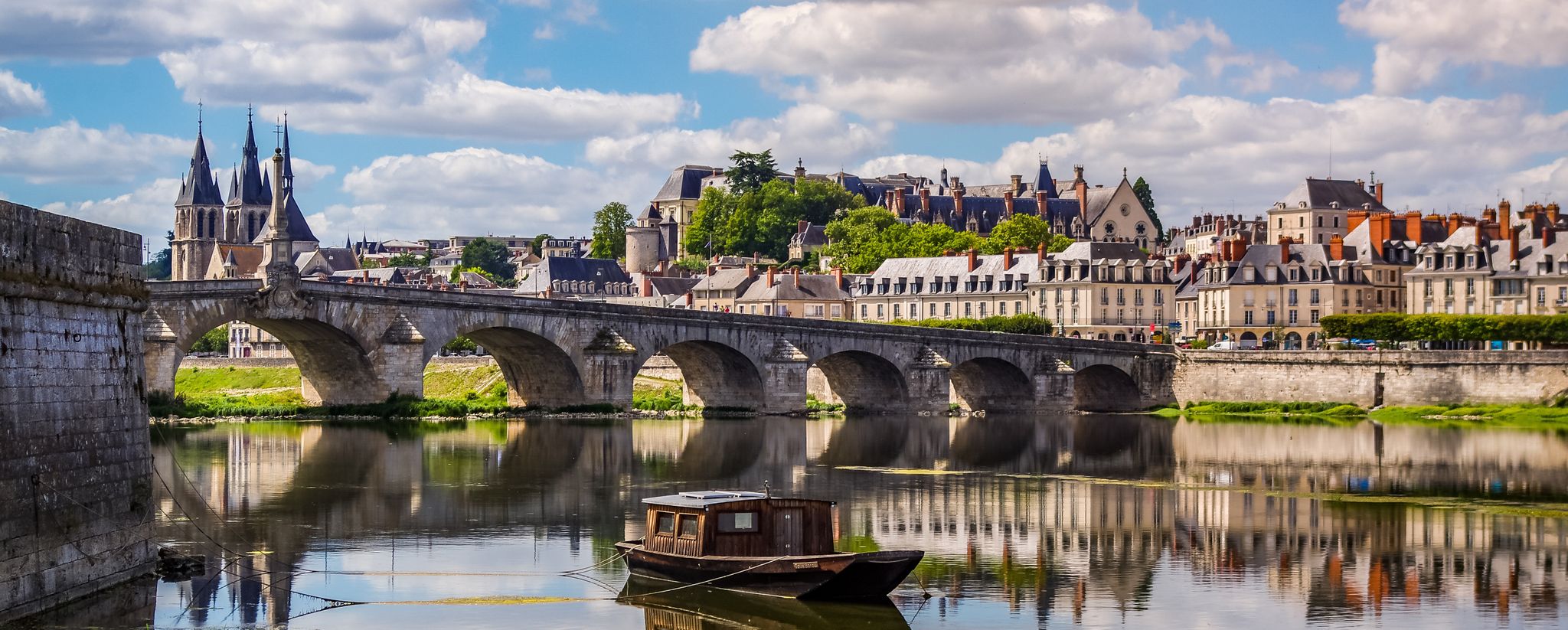
EuroVelo 3 – A cycling pilgrimage from Norway to France
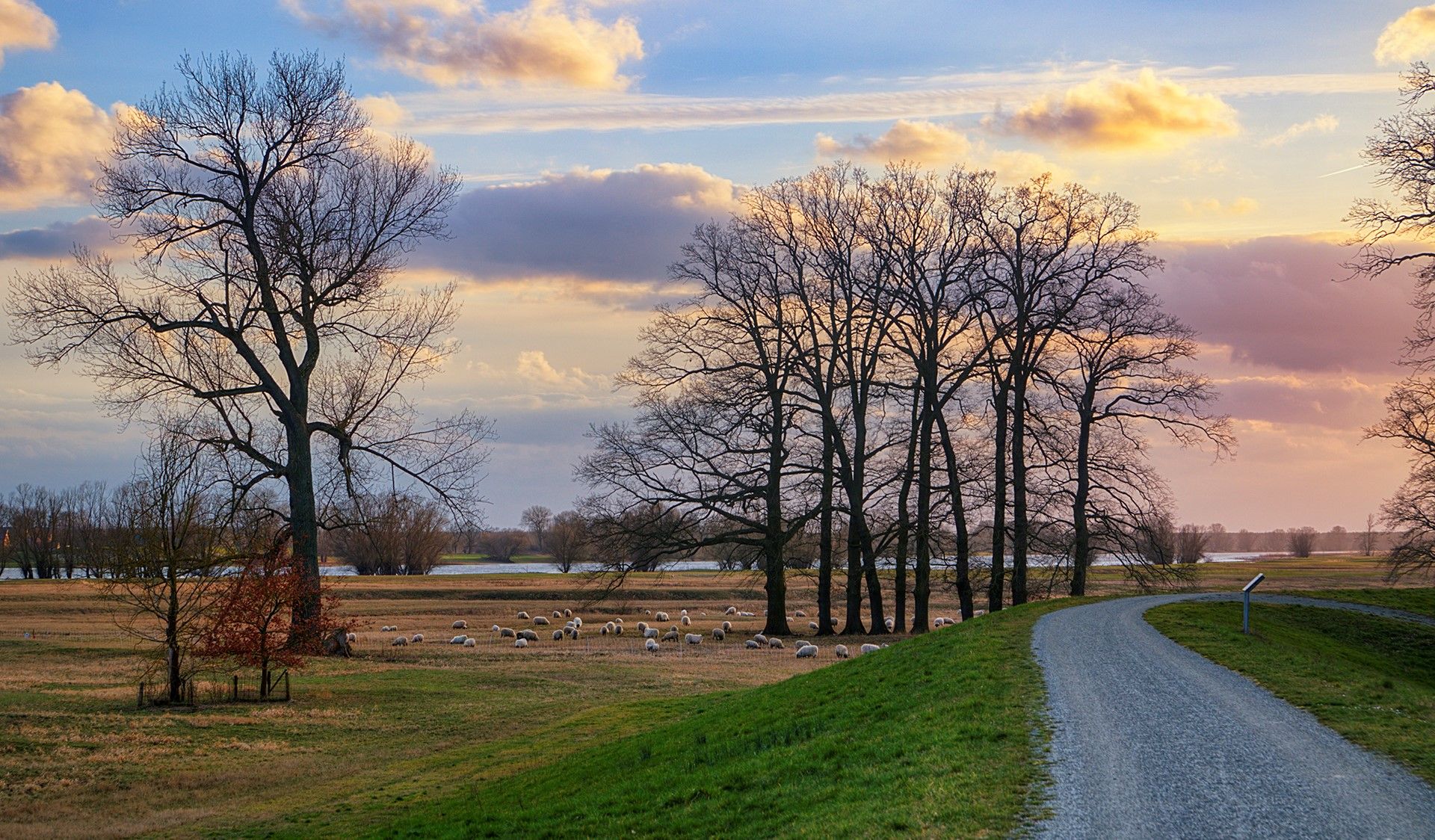
Tour Brandenburg – Cycle around Berlin in 18 stages
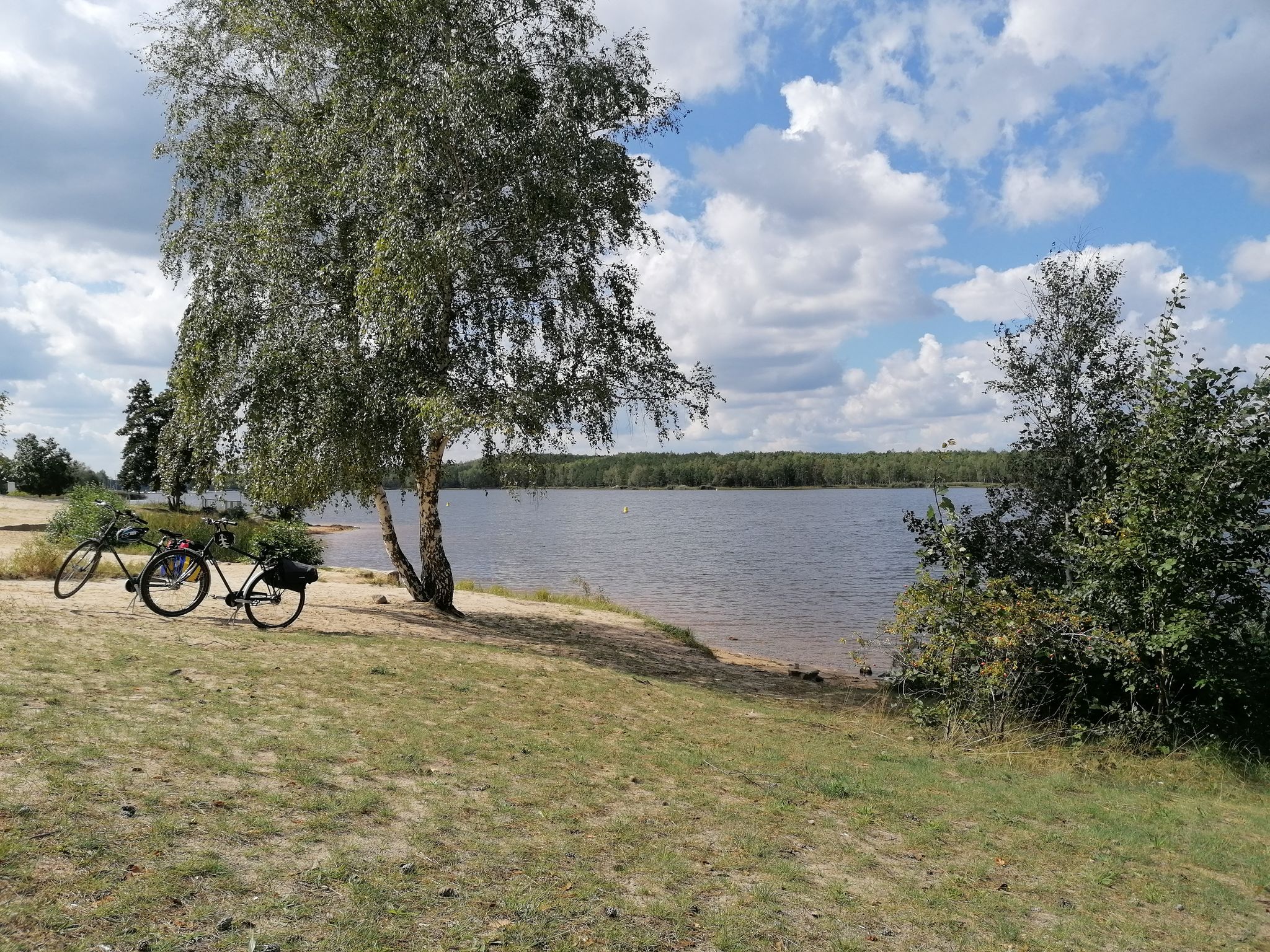
Cycling from Dresden to Berlin – lakes, nature and Sorbian culture
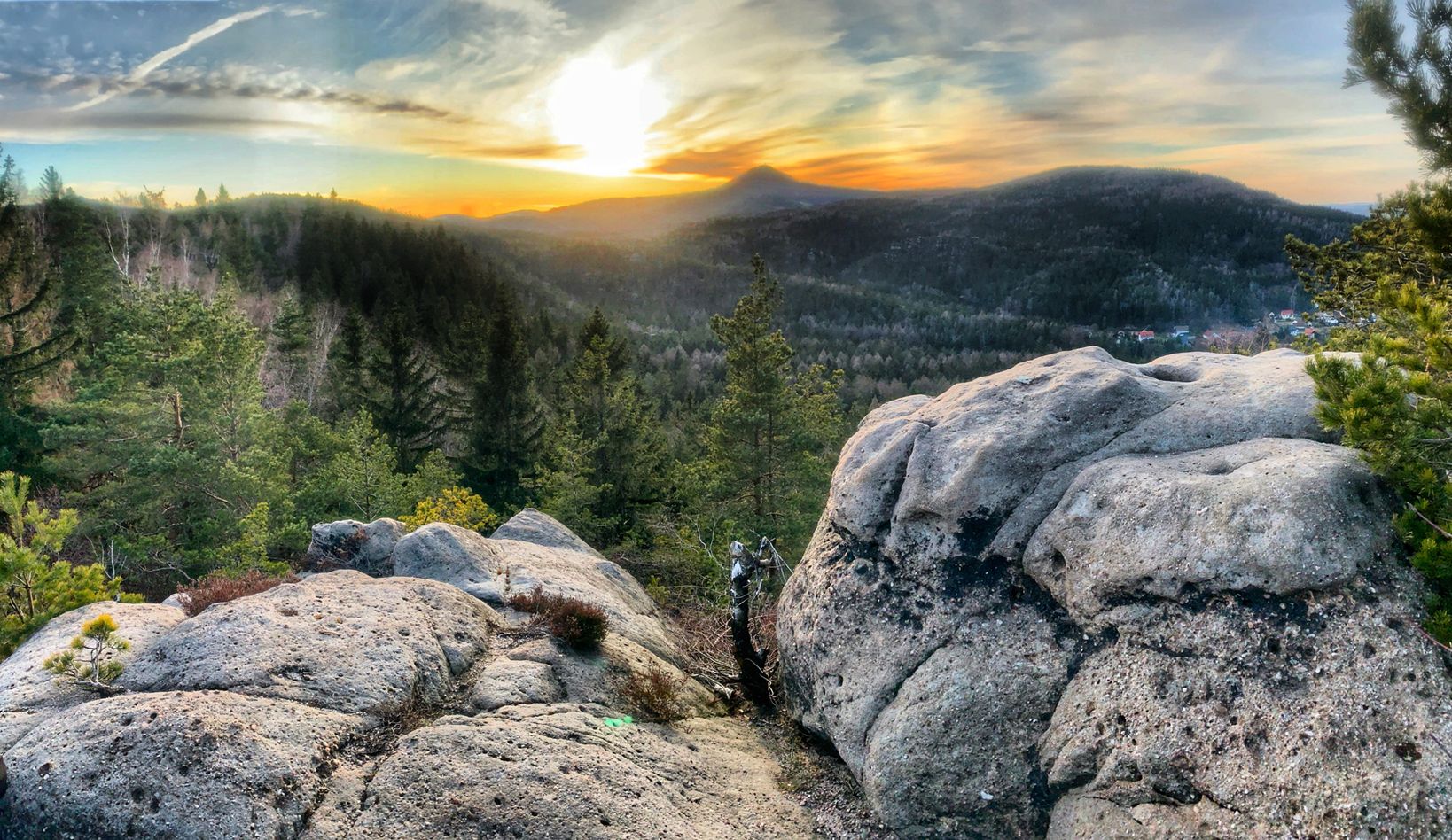
Mountains, heaths & lakes – hiking in Lusatia
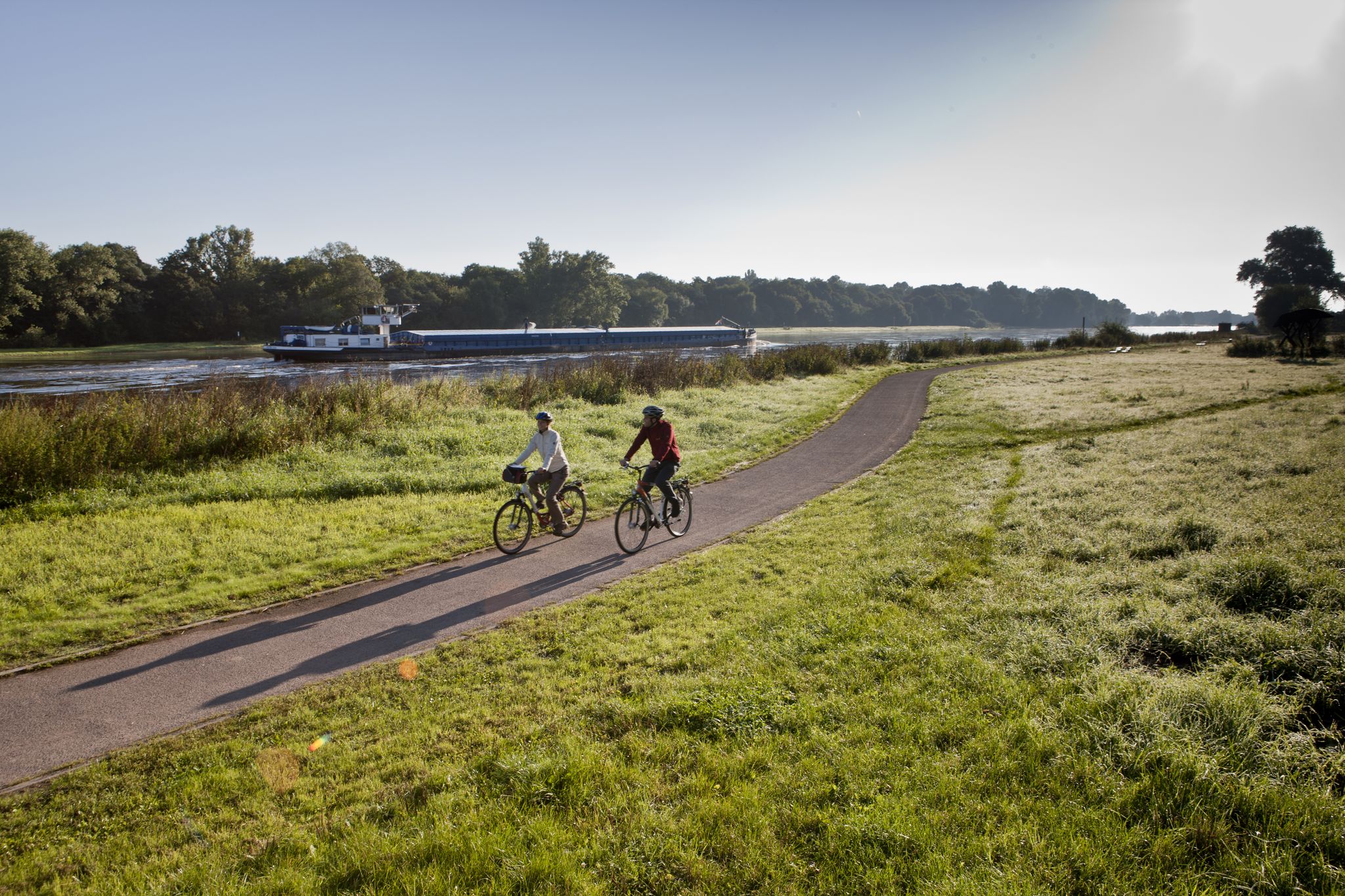
Elbe Cycle Route – Ride through Saxony-Anhalt
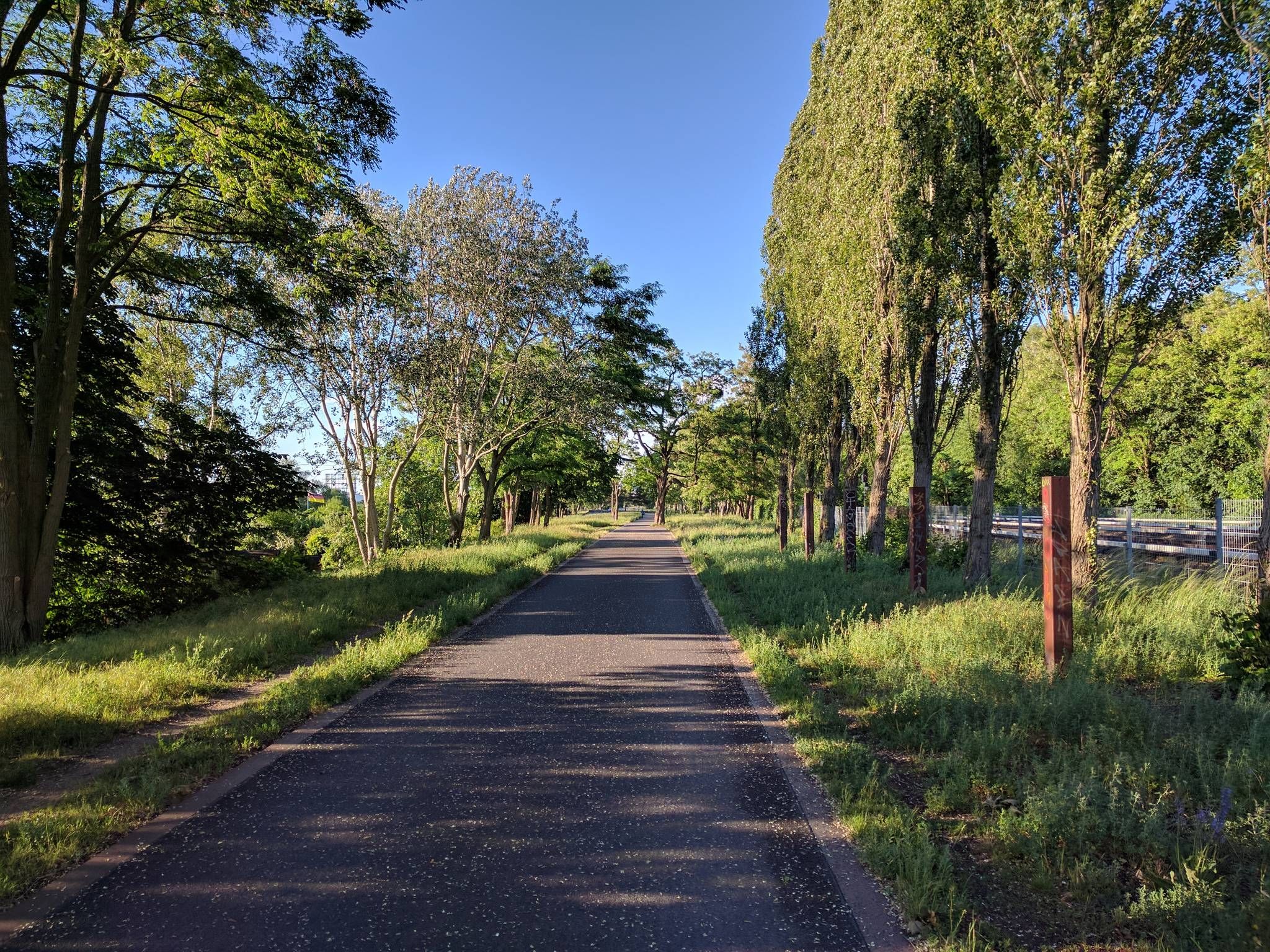
The Berlin Leipzig cycle path – Through the East in five stages
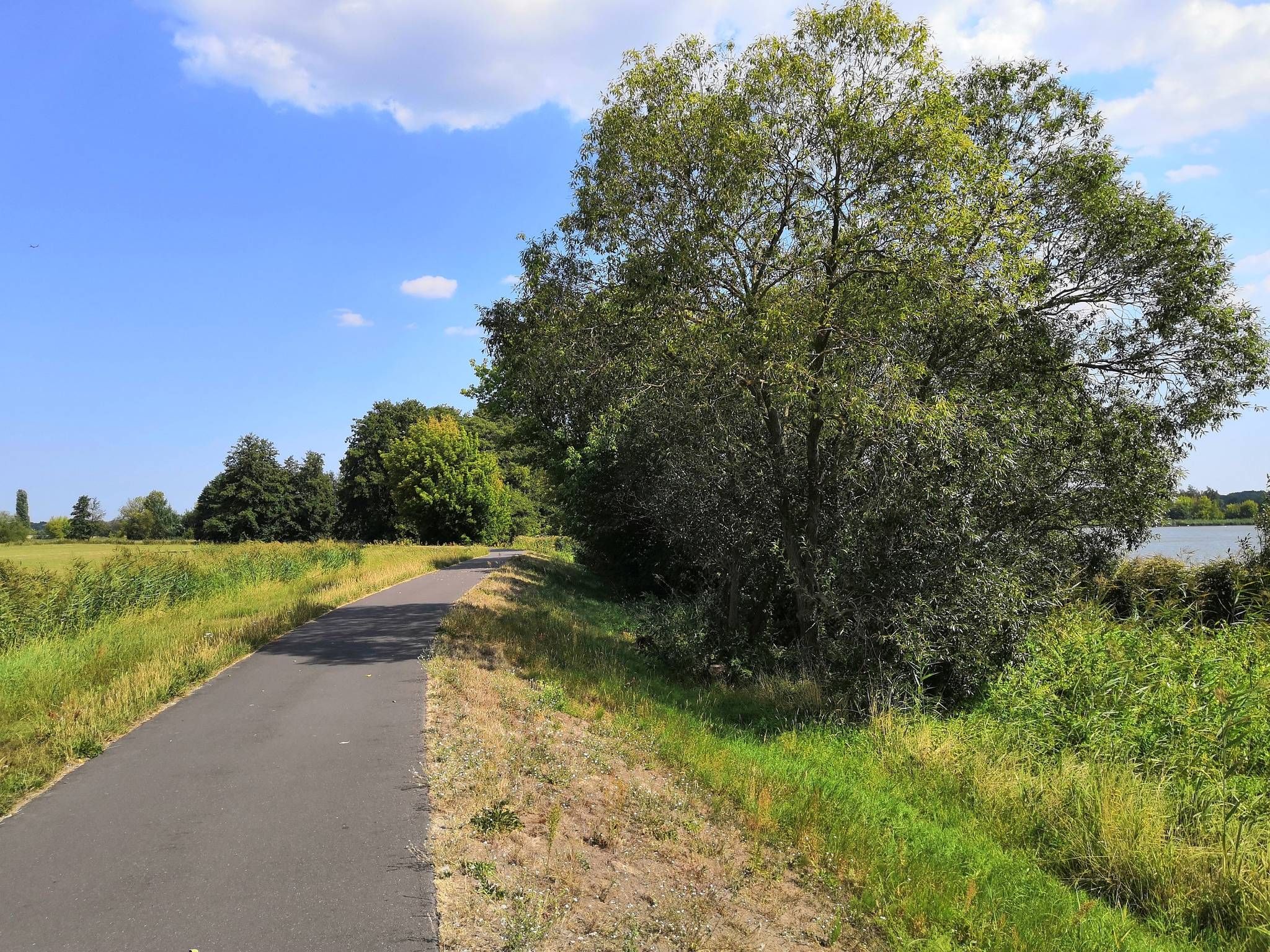
The Havel Cycle Path – in 6 stages from its source to its mouth
Other adventures around the Elbe


Tips from the Community

you have to crouch down a bit here, especially with a backpack on your back
0
0


Unlike nearby Hřensko, Schmilka has managed to retain its original charm. You can conveniently arrive by car (day ticket 8 Euros) or by bus from Bad Schandau (or Hřensko). Additionally, a regular ferry connection leads to the other side of the Elbe, from where the S-Bahn travels via Bad Schandau and Pirna to Dresden. In Schmilka, you will experience old customs and culture, partly with Slavic roots. You can purchase homemade jam and freshly baked bread from the mill here. A clean toilet is also available for one Euro. You can continue your tour from Schmilka across the Czech border to Hřensko, or explore the German Saxon Switzerland National Park with the Großer Winterberg, Affensteine, and Schrammsteine. All these destinations can only be reached from the small village on the Elbe with good stamina, as you are ultimately starting deep in the valley.
0
0
Fresh bread is still baked here today, which you can also purchase in the village itself after a strenuous tour. Tastes really good.
0
0
The position isn't quite right, at this point the path is noticeably wider again - nevertheless: The narrow section exists and must necessarily be overcome, just a bit further west.
0
0
Sweat-inducing ascent over many steps from the Königsweg up to Frienstein. There you can wonderfully reward yourself with a great view.
0
0


The Malerweg also leads along here. All information about the Malerweg can be found at the following link: https://www.saechsische-schweiz.de/malerweg (Status: 22.06.2026).
0
0
Frequently Asked Questions
How many mountaineering routes are available in the Elbe region, and what are their difficulty levels?
The Elbe region offers over 100 mountaineering routes, primarily concentrated in the Elbe Sandstone Mountains. While most routes are challenging, there are options for various skill levels. You'll find 2 easy routes, 29 moderate routes, and 70 difficult routes, all navigating the region's unique sandstone formations and deep gorges.
Are there any mountaineering routes suitable for beginners in the Elbe region?
Yes, there are routes suitable for those new to mountaineering. For a moderate experience, consider the Pfaffenstein – Bellohöhle loop from Königstein (Sächs Schweiz) Hp. This 9.2 km path explores the Pfaffenstein table mountain and includes the Bellohöhle cave, offering a good introduction to the region's terrain.
What kind of unique natural features can I expect to see on mountaineering routes in the Elbe region?
The Elbe region is renowned for its dramatic sandstone formations, deep canyons, and rock pinnacles. You'll encounter towering sandstone cliffs, intricate rock labyrinths, and table mountains. Highlights include the Schrammtor in the Saxon Switzerland National Park, the Schwedenlöcher gorge, and the famous Bastei Bridge, which offers breathtaking panoramic views.
Are there any circular mountaineering routes in the Elbe region?
Many mountaineering routes in the Elbe region are designed as loops, allowing you to start and end at the same point. An example is the Ida Grotto and Frienstein – Wild Hell (Wilde Hölle) Climb loop from Schmilka-Hirschmühle, a challenging 14.3 km trail. Another option is the Rock Arch at Lamm – Lokomotive Rock Formation loop from Kurort Rathen, which is 13.4 km long.
What do other mountaineers enjoy most about the routes in the Elbe region?
The Elbe region's mountaineering routes are highly rated by the komoot community, with an average score of 4.9 stars from over 270 reviews. Mountaineers frequently praise the unique sandstone formations, the challenging yet rewarding climbs, and the stunning views from various viewpoints like the Schrammstein Viewpoint.
Are there any historical landmarks or castles near the mountaineering routes?
Yes, the region combines natural beauty with historical significance. You can find several castles and historical sites. The Königstein Fortress, perched high above the Elbe River, offers both cultural interest and stunning views. Another notable site is the Neurathen rock castle.
Which mountaineering routes offer the best viewpoints?
Many routes in the Elbe Sandstone Mountains provide exceptional viewpoints. The Schrammstein Gate – View of the Falkenstein loop from Ostrau, though shorter at 5.7 km, is known for its impressive vistas. The Bastei Bridge itself is a major viewpoint, accessible from various trails in the area.
What is the best time of year for mountaineering in the Elbe region?
The Elbe Sandstone Mountains are generally suitable for mountaineering from spring through autumn. The lush forests and unique rock formations are particularly beautiful during these seasons. While winter mountaineering is possible, conditions can be more challenging due to snow and ice, especially in higher elevations and shaded gorges.
Are there any routes that feature interesting rock arches or formations?
Absolutely. The Elbe Sandstone Mountains are famous for their distinctive rock formations. The Rock Arch at Lamm – Lokomotive Rock Formation loop from Kurort Rathen is specifically named for its impressive rock arch and the unique Lokomotive Rock Formation. The Breite-Kluft-Wand Viewpoint – Nimmersatt-Tor Rock Arch loop from Reinhardtsdorf-Schöna also features a notable rock arch.
Can I reach the trailheads for mountaineering routes using public transport?
Many trailheads in the Elbe Sandstone Mountains are accessible via public transport, particularly in popular starting points like Schmilka-Hirschmühle, Königstein, and Kurort Rathen. These villages often have train stations or bus stops, making it convenient to start your mountaineering adventure without a car. It's advisable to check local transport schedules for specific routes.
Are there any particularly challenging mountaineering routes for experienced climbers?
Experienced mountaineers will find plenty of challenging routes in the Elbe region. The Ida Grotto and Frienstein – Wild Hell (Wilde Hölle) Climb loop from Schmilka-Hirschmühle is a difficult 14.3 km trail featuring rugged terrain and significant elevation changes. Another demanding option is the Carolafelsen – Heilige Stiege Stairway loop from Schmilka-Hirschmühle, which includes the famous Heilige Stiege (Holy Stairway).
Most popular routes around the Elbe
Most popular attractions around the Elbe

Get inspired with the komoot mobile app


Explore more
Browse the best Mountain Hikes & Routes in other regions.
