The best cycling routes around Colmey
4.2
(124)
881
riders
120
rides
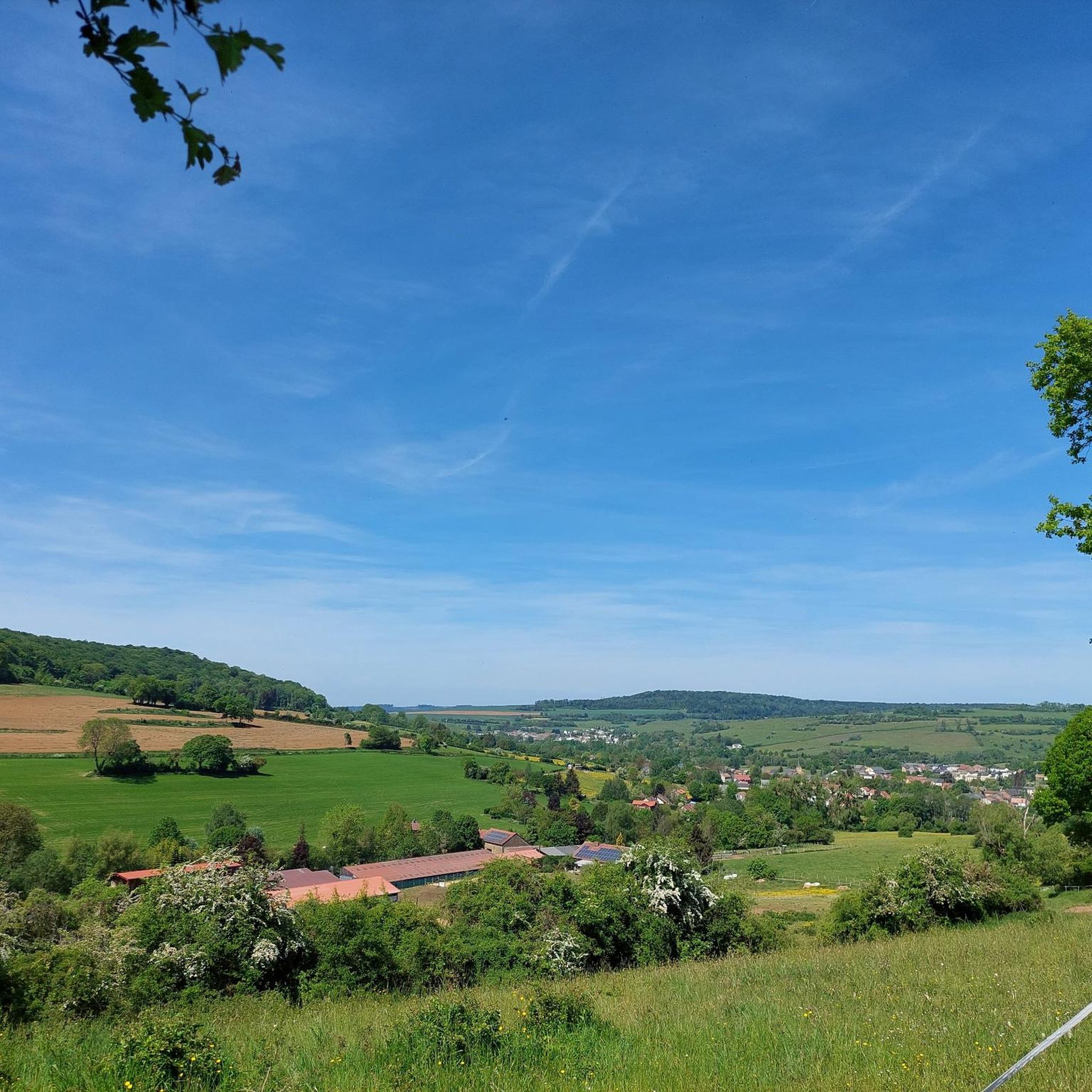
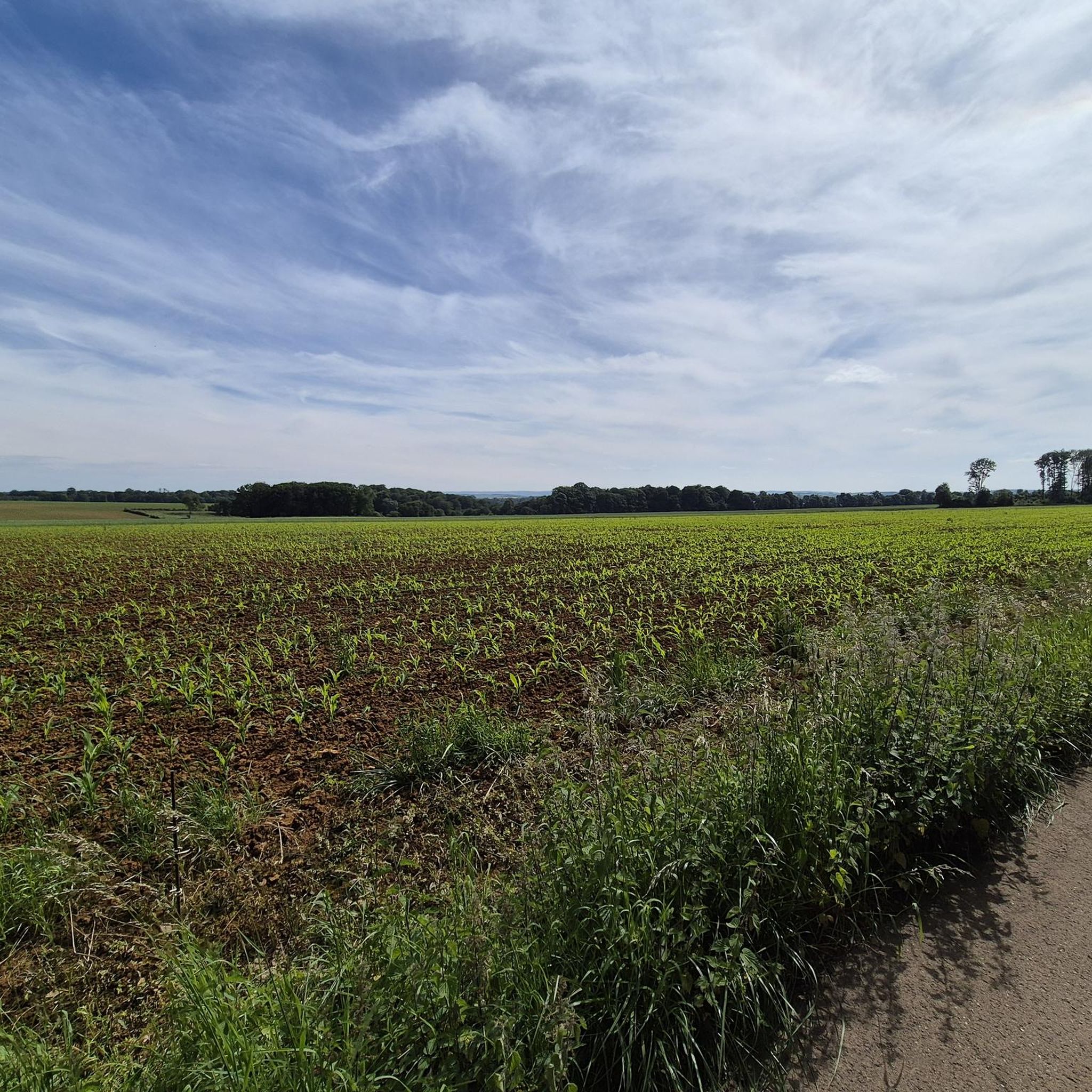
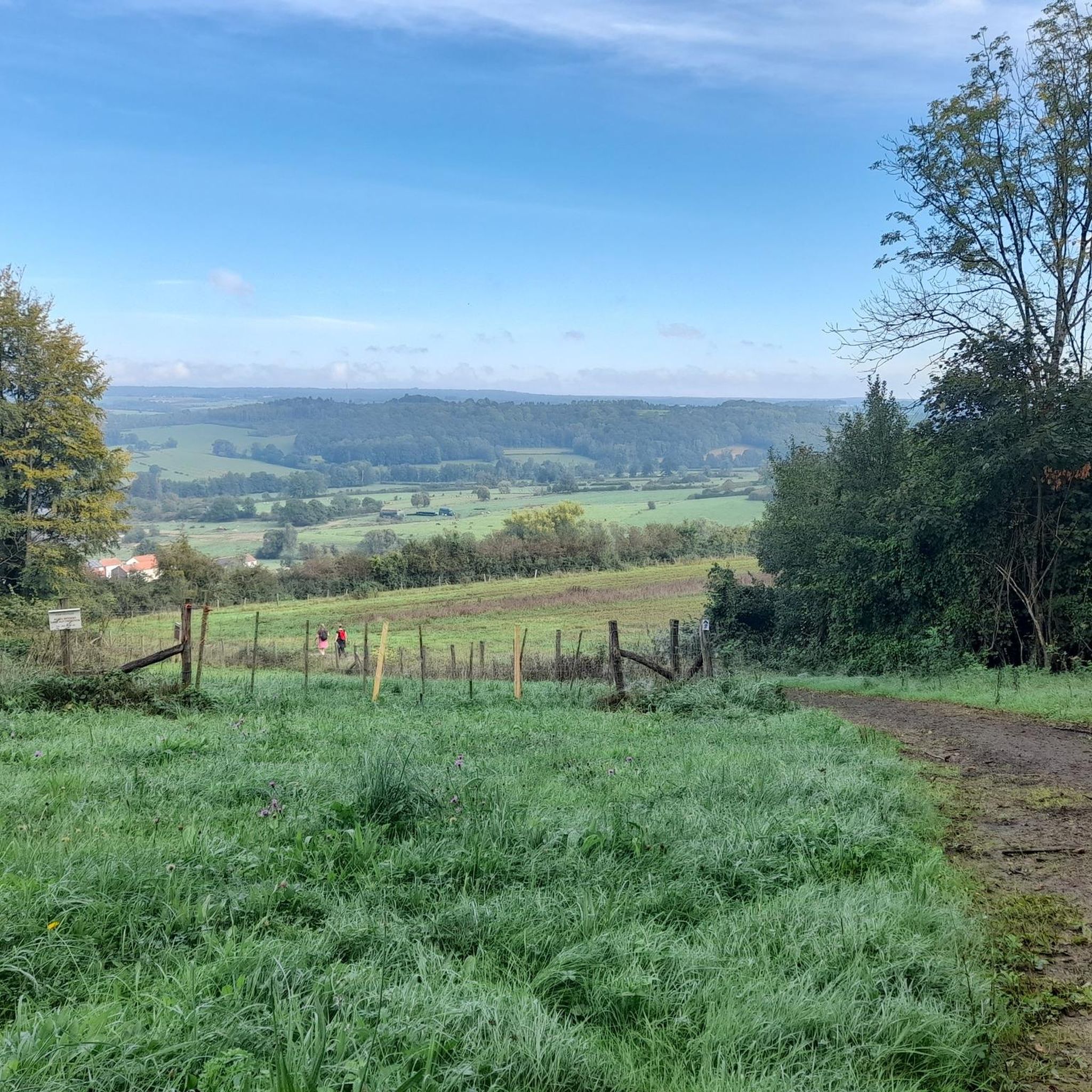
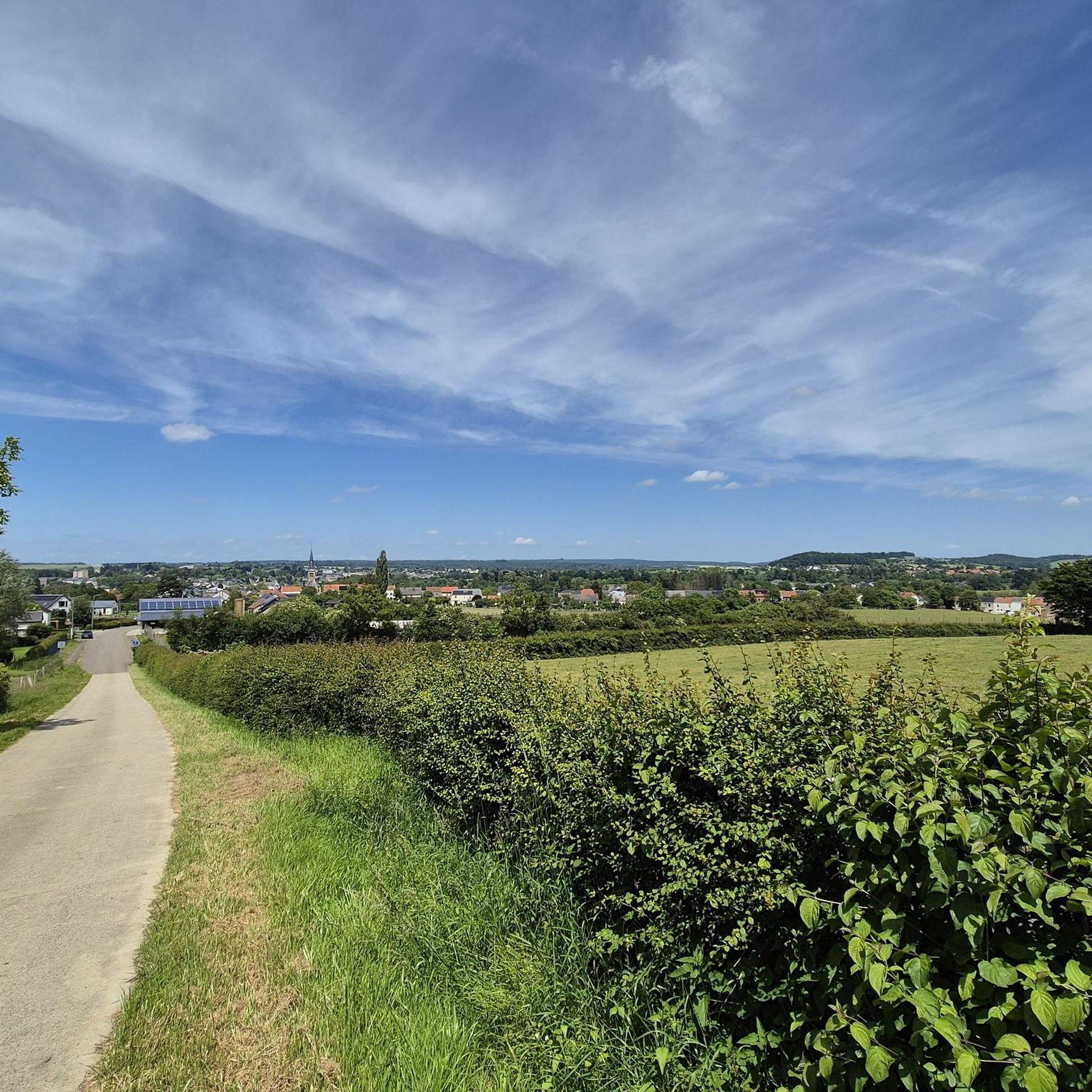
Touring cycling routes around Colmey are situated in the Meurthe-et-Moselle department of the Grand Est region of France, characterized by a landscape of rolling hills, river valleys, and agricultural plains. The area offers a network of paths suitable for exploring the countryside, often following waterways like the Meuse. Cyclists can expect varied terrain, including gentle ascents and descents, connecting small villages and historical sites.
Best touring cycling routes around Colmey
- The most popular touring cycling route is Château de Cons-la-Grandville…
Last updated: May 8, 2026
1
riders
25.8km
01:39
290m
290m
Moderate bike ride. Good fitness required. Some segments of this route may be unpaved and difficult to ride.
5.0
(1)
10
riders
31.3km
02:00
370m
370m
Moderate bike ride. Good fitness required. Mostly paved surfaces. Suitable for all skill levels.

Sign up for free
9
riders
33.5km
02:05
340m
340m
Moderate bike ride. Good fitness required. Mostly paved surfaces. Suitable for all skill levels.
12
riders
71.9km
04:36
750m
750m
Hard bike ride. Very good fitness required. Mostly paved surfaces. Suitable for all skill levels.
4.0
(1)
5
riders
103km
06:27
820m
820m
Hard bike ride. Very good fitness required. Mostly paved surfaces. Suitable for all skill levels.
Get access to more routes and recommendations from other explorers.
Sign up for free
Already have an account?
Our route recommendations are based on thousands of hikes, rides, and runs completed by other people on komoot.
Start today with a free account
Your next adventure awaits.
Login or Signup

Tips from the Community

Verdun is a very beautiful city that has been very important since the Middle Ages. It's lovely to walk through the place and admire it.
1
0

🏰 **Château de Cons-la-Grandville – A Journey Through the Centuries** The imposing castle of **Cons-la-Grandville**, near the border with Luxembourg, combines Romanesque origins with Renaissance and Baroque architecture. Built on the foundations of a Gallo-Roman villa, it was expanded and remodeled several times from the 11th century onwards. Particularly worth seeing: the Romanesque cloister, the elegant façade, and the magnificent courtyard. 🕰️ The château was the residence of the noble de Cons family, later also a monastery, and has been lovingly restored. Today it is a listed monument and open to visitors. **Tip:** Be sure to visit the cloister – one of the oldest preserved of its kind in Lorraine. Ideal as a stopover on the way between France and Luxembourg.
0
0

It is nice to see that the water level of the canal is much higher than the water level of the stream.
8
0
Located near the Porte Chaussée and the Verdun War Memorial, this contemporary metal sculpture was designed by the artist Jean-No and created by students from the Lycée Professionnel Eugène Freyssinet. Created to mark the centenary of the Battle of Verdun, it symbolises the living memory of the conflict. The installation connects the past and the future through education and art.
8
0
Inaugurated in 1928, this war memorial in Verdun honours the city’s inhabitants who died for France in both world wars. It was built on the remains of a military butcher’s shop, on the crescent of the Chaussée, a 17th-century fortification. The sculpture depicts five soldiers – a cavalier, an engineer, an infantryman (poilu), an artilleryman and a territorial – forming a symbolic wall under the motto of Verdun: “On ne passe pas”.
8
0
Among the thousands of fallen soldiers who rest here is Caporal Louis Micol, a soldier of the 19th Battalion of Chasseurs à Pied. He was not only a soldier, but also the founder of one of the first French front newspapers: Le Son du Cor, a trench newspaper written by and for soldiers. Micol died on 18 September 1915 in Brabant-en-Argonne and is buried in grave no. 390. His story is a reminder that even in the midst of the violence of war, soldiers sought ways to make their voices heard, share experiences and preserve their humanity.
7
1
Military cemetery created in 1916 during the Battle of Verdun. It contains the remains of 6,537 French soldiers, including 2,000 in ossuaries. Most of them died in 1916 on the right bank of the Meuse, near strategic points such as Côte 344 and Thiaumont. In 1961, 151 soldiers who died in the Second World War were also buried there. The necropolis covers 3.2 hectares and was set up between 1919 and 1934
7
1

The national necropolis of Bras-sur-Meuse contains the remains of 6,537 soldiers who died for France. During the First World War, 6,386 French soldiers were gathered here, 2,000 of whom are in two ossuaries. It was created in 1916 during the Battle of Verdun (February-November 1916) and was gradually expanded from 1919 to 1934. It is a cemetery for the regrouping of bodies exhumed from military cemeteries on the right bank of the Meuse, in particular those of soldiers who died in the first aid post or in the ambulances stationed at La Fourche, the crossroads of the roads to Louvemont and Douaumont. The ossuaries contain the remains of unknown and unidentified soldiers who fell on hill 344, Haudromont, Froideterre, Cote du Poivre, Thiaumont, Louvemont, etc. In 1961, the remains of 151 soldiers who died during the fighting in June 1940 and were buried in various villages along the Meuse during the Second World War were collected here. Among the soldiers is Corporal Louis Micol, of the 19th Chasseurs Battalion, founder of one of the first newspapers on the front, Le son du cor , a trench newspaper of the chasseurs, who died in Brabant on 18 September 1915 (grave no. 390). Want to know more? Click on https://www.cheminsdememoire.gouv.fr/fr/bras-sur-meuse
5
1
Frequently Asked Questions
How many touring cycling routes are available around Colmey?
There are over 100 touring cycling routes available around Colmey, offering a wide range of options for exploring the Meurthe-et-Moselle department. These routes cater to various skill levels, from easy rides to more challenging excursions.
What kind of terrain can I expect on touring cycling routes near Colmey?
The touring cycling routes around Colmey are characterized by a landscape of rolling hills, river valleys, and agricultural plains. You can expect varied terrain, including gentle ascents and descents, often following waterways like the Meuse. While not as extreme as the high mountain passes of the Pyrénées, the region offers enough undulation to keep rides engaging.
Are there any family-friendly touring cycling routes in the Colmey area?
Yes, the Colmey area offers routes suitable for families. With 7 easy routes and 71 moderate routes, there are plenty of options that feature gentler terrain and connect small villages, making them ideal for a relaxed family outing. Look for routes with lower elevation gains for the most comfortable experience.
What are some notable landmarks or attractions I can see while cycling near Colmey?
While cycling around Colmey, you can explore several interesting landmarks. For instance, the route Château de Cons-la-Grandville par le Chier - boucle depuis Longuyon passes by the historic Cons-la-Grandville Castle. Another route, Torgny Village loop from Charency-Vezin, leads towards the picturesque Torgny Village. You might also encounter the Longuyon Totem on routes like Longuyon Totem – Good conditions loop from Longuyon.
Are there circular touring cycling routes available from Colmey?
Yes, many touring cycling routes around Colmey are designed as loops, allowing you to start and end at the same point. Examples include the popular Longuyon Totem – Good conditions loop from Longuyon and the Torgny Village loop from Charency-Vezin. These circular routes are convenient for day trips.
What is the best time of year for touring cycling in the Colmey region?
The best time for touring cycling in the Colmey region, located in the Grand Est of France, is typically from spring through early autumn (April to October). During these months, the weather is generally mild and pleasant, with less rainfall, making for comfortable riding conditions through the rolling hills and river valleys. Summer offers longer daylight hours, while spring and autumn provide beautiful scenery with blooming flora or changing leaves.
What do other cyclists say about their experience touring cycling in Colmey?
The touring cycling routes in Colmey are highly rated by the komoot community, with an average score of 4.3 stars from over 130 reviews. Cyclists often praise the varied terrain, the scenic views of the countryside, and the opportunity to connect with small villages and historical sites. Over 880 touring cyclists have used komoot to explore the area, indicating a well-regarded cycling destination.
Are there routes suitable for beginners or those looking for an easier ride?
Absolutely. The Colmey area offers 7 easy touring cycling routes, perfect for beginners or those seeking a more relaxed ride. Additionally, there are 71 moderate routes that provide a good balance of challenge and accessibility, often featuring gentle ascents and descents through picturesque landscapes. These routes are ideal for building confidence and enjoying the scenery at a leisurely pace.
What about more challenging touring cycling routes for experienced riders?
For experienced touring cyclists seeking a greater challenge, Colmey offers 38 difficult routes. These routes typically feature longer distances and more significant elevation gains, such as the Gorcy–Signeulx Greenway – Torgny loop from Longuyon, which covers over 60 km with substantial climbing. These routes provide an excellent opportunity to test endurance and enjoy the more demanding aspects of the region's terrain.
Are there places to stop for refreshments like cafes or pubs along the routes?
Yes, as the routes often connect small villages and agricultural plains, you will find opportunities to stop for refreshments. Many villages in the Meurthe-et-Moselle department have local cafes, bakeries, or small pubs where cyclists can take a break, refuel, and experience local hospitality. Planning your route to pass through these villages will ensure convenient stops.
What are the typical distances and elevation gains for touring cycling routes in Colmey?
The touring cycling routes around Colmey vary significantly in distance and elevation. Moderate routes, like Château de Cons-la-Grandville par le Chier - boucle depuis Longuyon, are typically around 25-35 km with elevation gains of 280-370 meters. More difficult routes, such as Gorcy–Signeulx Greenway – Torgny loop from Longuyon, can extend to over 60 km with elevation gains exceeding 500 meters, offering a more strenuous ride.
Are there any greenways or dedicated bike paths in the Colmey area?
The region around Colmey, being part of the Grand Est, benefits from a network of paths that often follow waterways. While specific greenways are not detailed for every route, the presence of routes like the Gorcy–Signeulx Greenway – Torgny loop from Longuyon suggests that dedicated or shared-use paths are integrated into the touring cycling network, providing safer and more pleasant riding experiences away from heavy traffic.
Most popular attractions around Colmey

Get inspired with the komoot mobile app


Explore more
Browse the best Cycling routes in other regions.
